Text: Marcella van Alphen
Photographs: Claire Lessiau & Marcella van Alphen
The plane is about to touch down, but all we can see are trees and rolling hills. Landing in Windhoek is nothing like arriving in a metropolis of which suburbs sprawl far beyond its international airport. It is hardly surprising that Namibia’s capital is not the main reason travellers book a trip to the country. Most land, collect their 4×4, stock the cool box and set off towards Sossusvlei in the Namib Desert, Etosha National Park or the remote north, either heading to the Damaraland or Kunene provinces that have long remained closed to tourists.
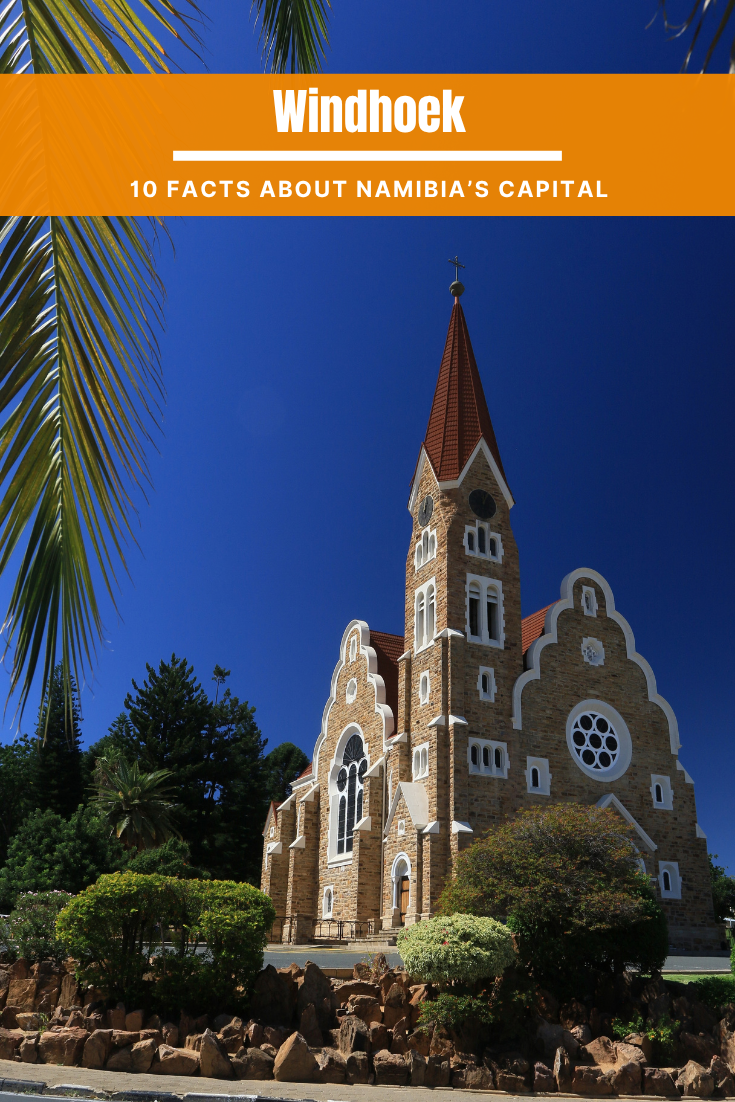
Admittedly, Windhoek cannot compete with Namibia’s spectacular wilderness and landscapes. It is not a city that demands several days, an elaborate itinerary and an early-morning alarm. Its main sights can be explored fairly quickly, while the quiet centre sometimes feels more like a provincial town than a capital. Still, dismissing Windhoek as no more than a logistical stop would be a mistake. Behind its sleepy appearance lies a surprisingly complex city shaped by indigenous communities, German colonisation, South African apartheid and African liberation movements. A German Lutheran church faces North Korean architecture, while street names commemorate African leaders whose legacies remain fiercely debated. Here are 10 facts that make Windhoek worth more than a rushed overnight stop.
1. Windhoek Feels like a Small Town, but One in Six Namibians Lives Here.
Windhoek is not merely Namibia’s capital. It is also by far its largest city, with an estimated amount of 537,000 residents, and it is rapidly growing. However, Namibia is the second most sparsely populated country in the world (after Mongolia) and has 3.1 million inhabitants, so almost one in six Namibians lives in Windhoek, while the majority live along the Angolan border in the north.
In Windhoek, there is no skyline of skyscrapers, no underground network and little of the frantic energy associated with many capitals. Low-rise neighbourhoods spread across a broad highland basin and climb the dry hills surrounding the centre.
2. Windhoek Existed Before it was Called Windhoek.
The city owes its existence to something increasingly precious in Namibia: water.
Long before its formal foundation as a German colonial settlement in 1890, the area was known for its hot springs. The nomadic Indigenous people who used to walk this high plateau referred to it as Ai-Gams for in Nama often translated as “fire water,” and Otjomuise in Herero, meaning “place of steam.”
In the 1840s, Captain Jonker Afrikaner, leader of a group of 300 Orlam people – a mix of Indigenous Khoikhoi, slaves from Madagascar, Indonesia, India and Mozambique, and people of European descent who left the Cape Colony (today’s Cape Town region) – established a settlement near one of the strongest springs in the present-day Klein Windhoek district. A church, a school and gardens followed, although conflict eventually destroyed much of this early settlement.
The origin of the current name is less certain. Windhoek could simply mean “windy corner” in Afrikaans, but historians do not agree. One theory is that Jonker Afrikaner named the settlement after the Winterhoek Mountains near Tulbagh in South Africa, where his ancestors had lived.
3. Windhoek’s Independence Museum was Designed & Built by North Korea.
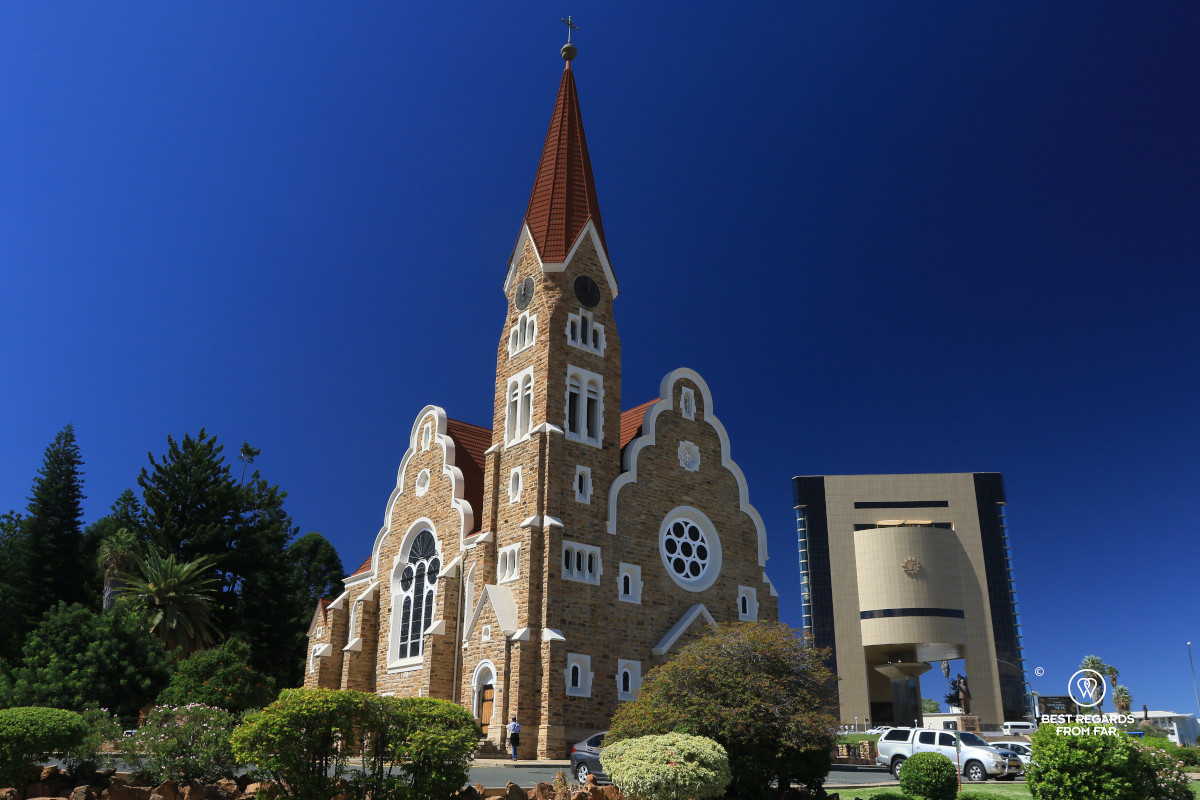
The Independence Memorial Museum is impossible to overlook. Its imposing gold-and-glass structure rises above the city centre beside the red-roofed Christuskirche and the old German fortress of Alte Feste. The three buildings appear to belong to different countries, political systems and periods. In many ways, they do.
The museum was designed and constructed by Mansudae Overseas Projects, a North Korean state-linked company responsible for monumental statues and public buildings across several African countries. Inaugurated in 2014, it presents Namibia’s resistance to colonial rule, the genocide of the Herero and Nama people, the liberation struggle and the road to independence in 1990.
The North Korean connection is not simply an architectural curiosity. During the Cold War, North Korea cultivated relationships with African liberation movements and newly independent governments. Monumental architecture became one way of making those political relationships visible.
The location is as significant as the building itself. A museum celebrating African resistance now dominates a hill previously used as a concentration camp for Indigenous people.
Within a few hundred metres, Windhoek’s skyline brings colonial occupation, Christianity, African nationalism and Cold War diplomacy into the same frame.
4. Robert Mugabe Avenue is a Lesson in How History Depends on Where You Stand.
For many European and North American visitors, encountering Robert Mugabe Avenue on a Windhoek street sign comes as a surprise. Mugabe’s later rule in Zimbabwe has become associated with political repression, violence, corruption and economic collapse. Yet within southern Africa, his name also belongs to an earlier chapter: the generation of leaders who fought colonial rule and white-minority governments.
Windhoek’s street map reflects this history. Since independence, streets formerly named after German colonial officers and South African figures have been renamed after African politicians, anti-apartheid activists and liberation leaders. Nelson Mandela and Robert Mugabe both appear on the city map to reflect solidarity with regional liberation movements and their role in ending colonial or white-minority rule.
5. Windhoek’s Famous Church is Controversial.
The Christuskirche may be Windhoek’s most photographed landmark, but it hosts an unsettling colonial legacy. Built between 1907 and 1910, while Herero and Nama communities were suffering the consequences of Germany’s extermination campaign, the Lutheran church was presented as a symbol of peace after the colonial wars.
Inside, however, a large bronze memorial plaque added in 1923 records the names of German soldiers, marines and civilians who died during the colonial period, many of whom actively participated in the genocide of Indigenous populations. No mention of the tens of thousands of Herero and Nama killed by German troops, driven into the Omaheke Desert or imprisoned in concentration camps between 1904 and 1908 can be seen.
6. Windhoek Can Take You from Winter Coat to T-Shirt before Lunch.
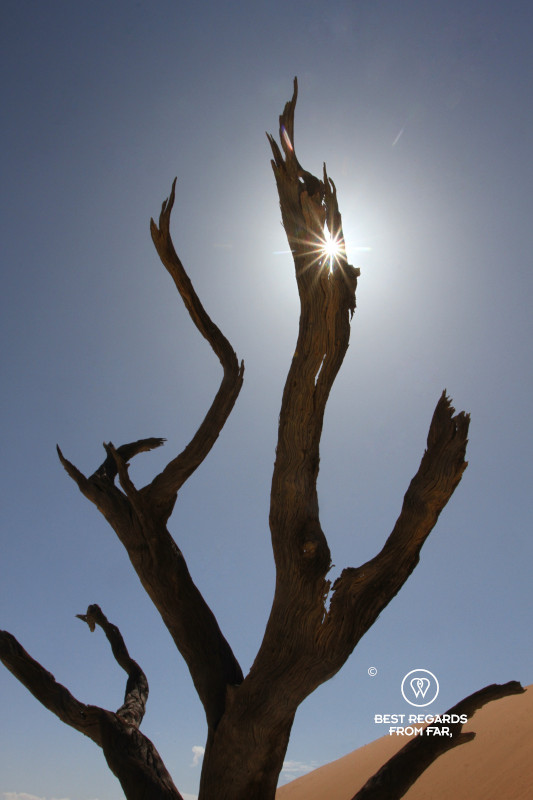
Sitting at approximately 1,700 metres (5,600 feet) above sea level, Windhoek experiences much greater changes between daytime and night-time temperatures than many visitors expect. Early mornings during the dry winter, from May to August, can be close to freezing. By midday, however, the sun is often strong enough for short sleeves. In the late afternoon, the cold returns.
Summer, from November to March, is hotter and more unsettled. Bright mornings can give way to dramatic afternoon thunderstorms, sometimes followed by clear skies once again.
Windhoek does not quite experience four seasons in one day, but sunglasses, sunscreen, a rain jacket and a proper warm layer may all prove useful within the same 24 hours.
7. Windhoek has been Turning Wastewater into Drinking Water Since 1968.
The city’s most impressive achievement cannot be photographed.
Windhoek lies far from a perennial river, receives limited rainfall and cannot rely on an unlimited supply of groundwater. As its population grew, the city was forced to find another source of drinking water.
Its solution was radical: treat domestic wastewater until it was safe enough to return to the municipal drinking-water supply. Windhoek introduced direct potable water reuse in 1968, becoming the first city in the world to operate such a system on a large scale. The process has been refined over the decades and now uses several treatment and monitoring barriers before reclaimed water is blended into the city’s supply.
Cities in drought-prone parts of the USA, Australia and elsewhere are now adopting systems that Namibia’s capital has operated for more than half a century.
8. One of Windhoek’s Must-Do is Eat at its Most Popular Restaurant.
Namibian menus reflect the country’s complicated history. German-style bread, cakes and sausages remain common, alongside South African-influenced braais, steaks and biltong.
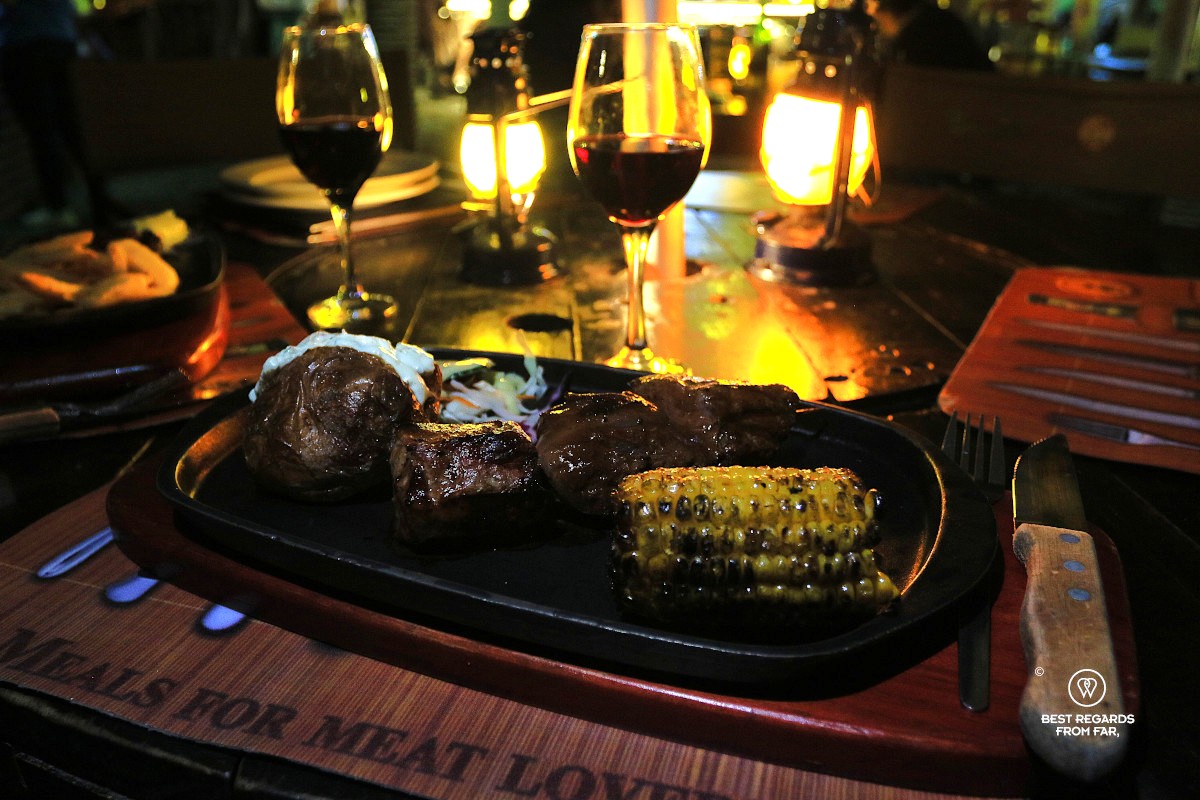
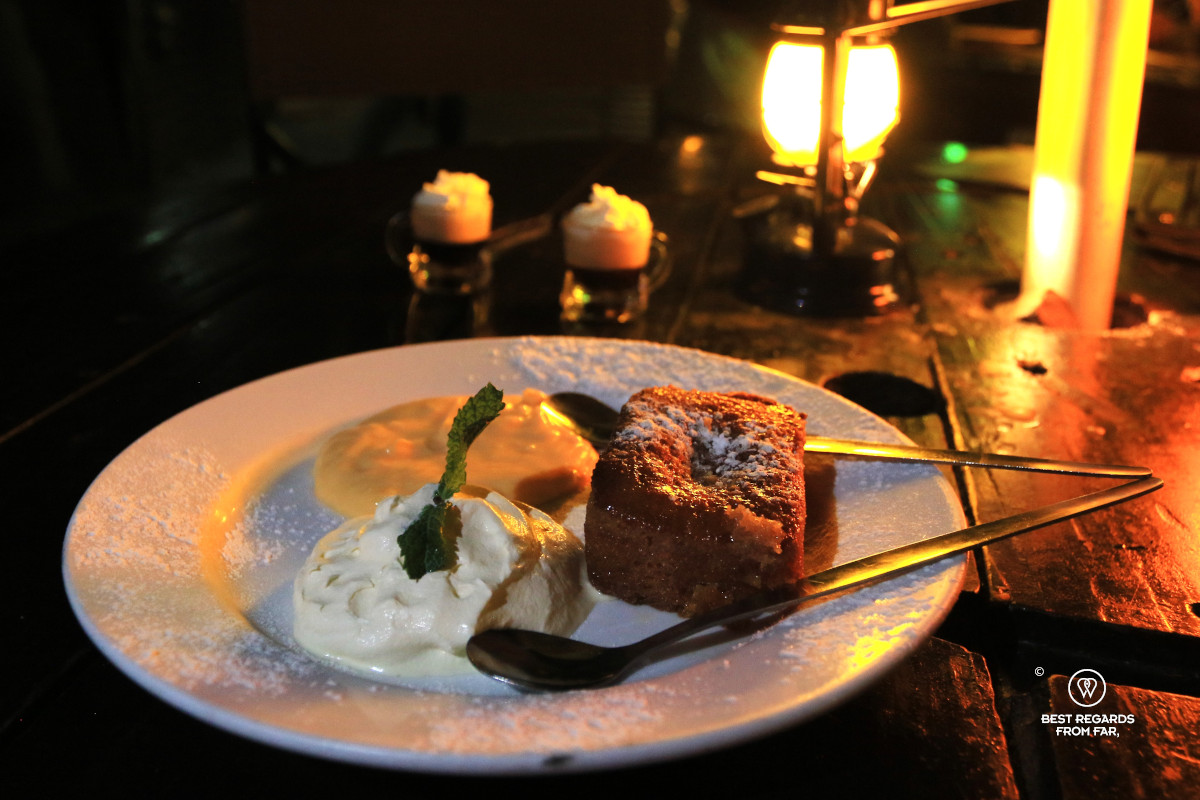
Windhoek’s best-known restaurant is Joe’s Beerhouse, which opened in 1991 as a small beer garden before expanding into today’s collection of courtyards, bars and dining areas. Old vehicles, road signs, petrol pumps, tools, bottles and decades of collected objects fill almost every available space.
Joe’s is busy and an entertaining place to spend an evening comparing road conditions and wildlife sightings with other travellers. Going there has become something of a Windhoek ritual. Game dishes are a major part of the menu. Locals drop in for their meat craving or fix of Kapana, Namibia’s street food specialty of small pieces of beef that have been seasoned with a wealth of spices and grilled over the open fire.
9. The City Gave its Name to a Beer that Travelled Much Farther than the City Itself.
Many international travellers encounter the name Windhoek on a green beer bottle long before they learn anything about the city itself. Windhoek Lager is one of Namibia’s best-known exports, and most of it is still brewed at the company’s Windhoek plant (now owned by Heineken). To serve the South African market, where the brew is very popular, Windhoek Lager has been brewed at the Sedibeng Brewery near Johannesburg since 2010.
Windhoek Lager is Namibia Breweries Limited’s biggest export brand. It is brewed according to the German Reinheitsgebot, or Purity Law, using malted barley, hops and water.
10. Windhoek is the Ideal Pause between Exploring the North & the South.
Most Namibian road trips start, end or eventually pass through the capital. Roads lead north towards Etosha, west towards Swakopmund and the Skeleton Coast, east towards the Kalahari and Botswana, and south towards the Naukluft Mountains, Sossusvlei, and the Fish River Canyon and South Africa.
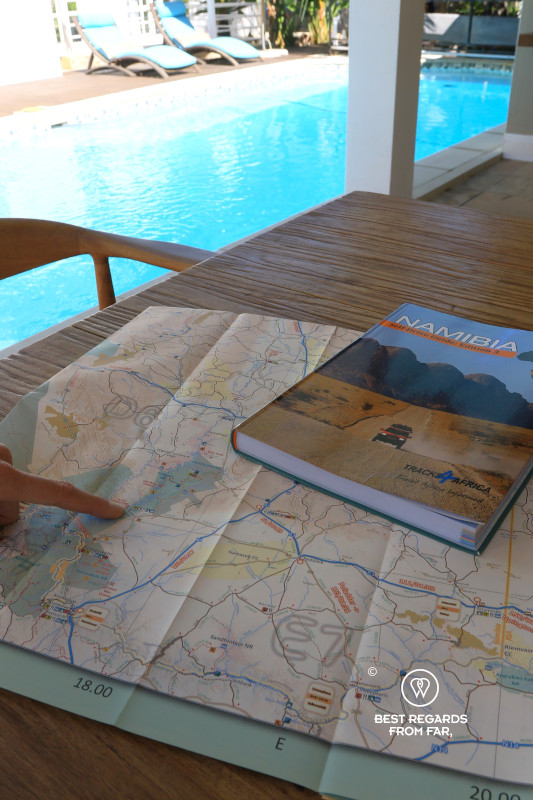
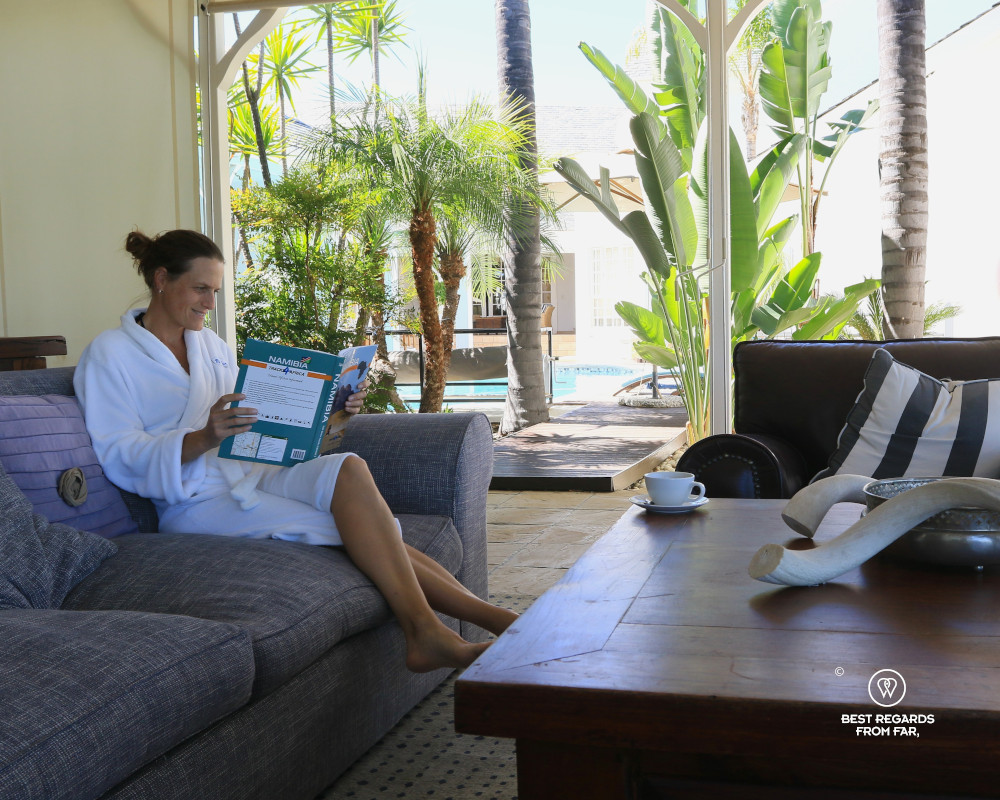
Windhoek is where dusty vehicles are checked, overlanders replace missing equipment and food boxes are refilled to prepare for the next long stretch of dirt track. Given the short sightseeing list, picking the right accommodation to simply enjoy and recharge your batteries matters.
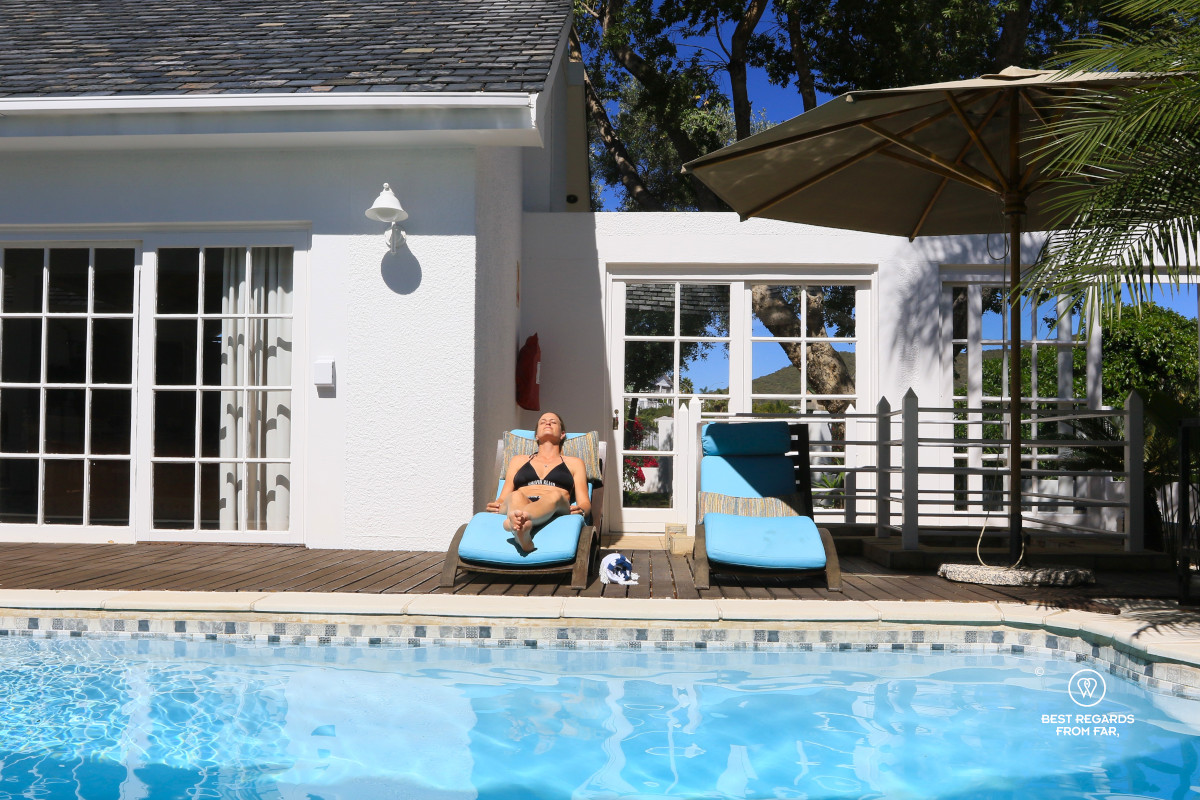
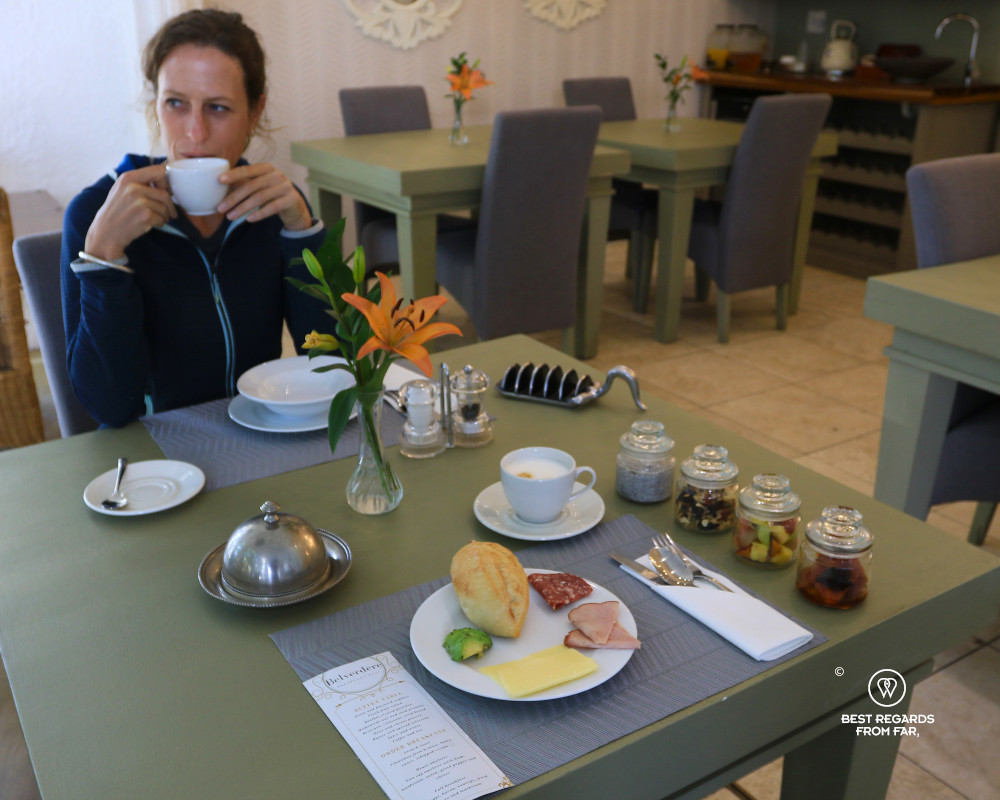
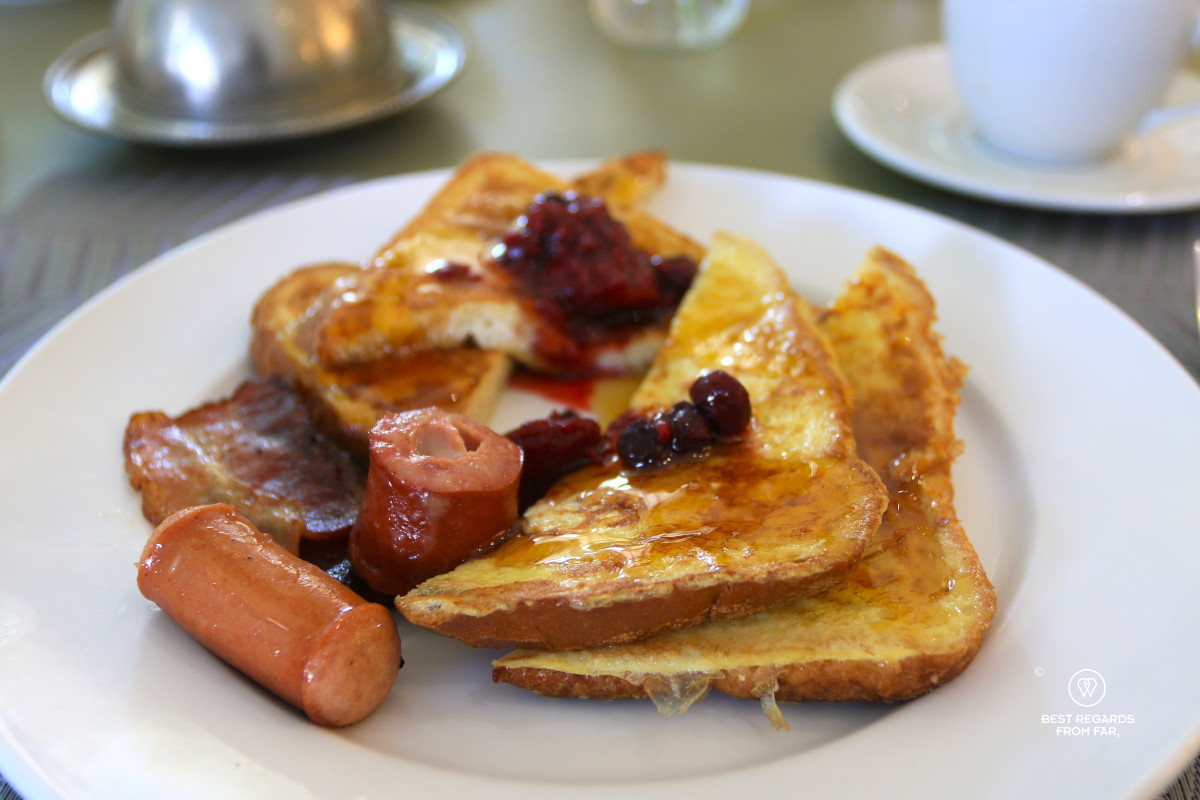
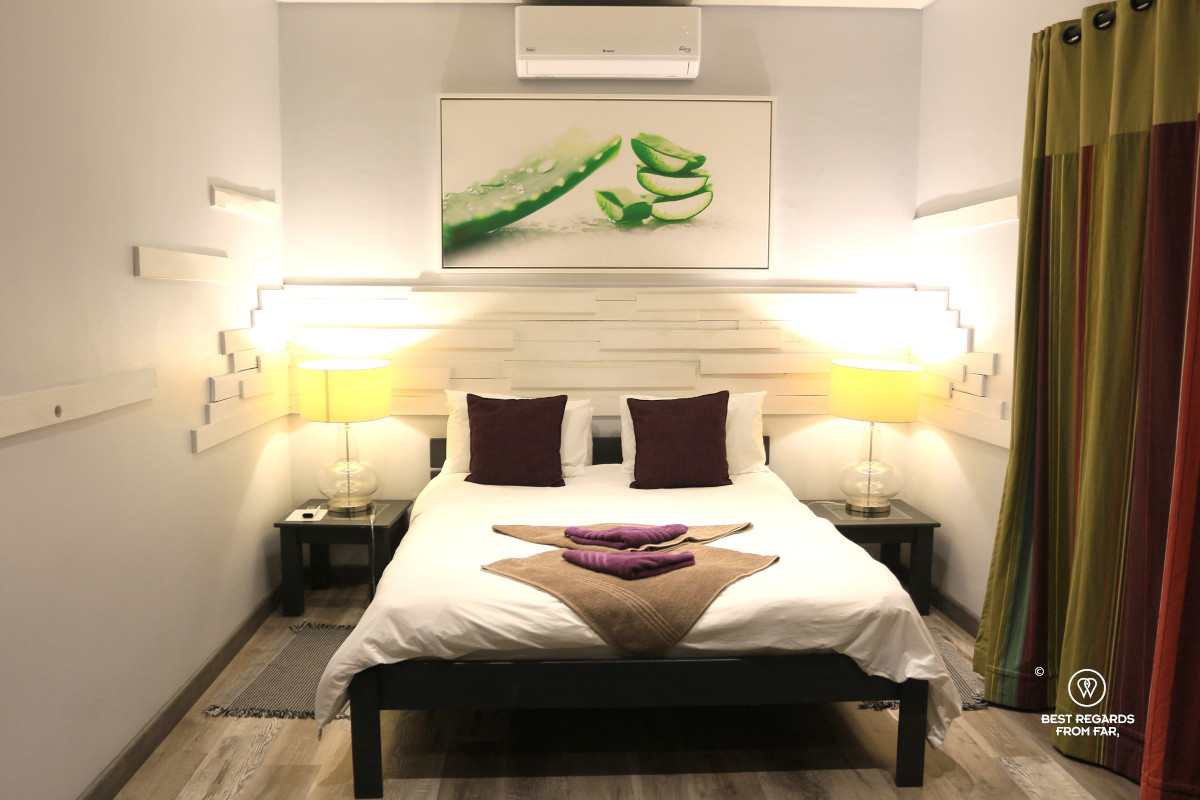
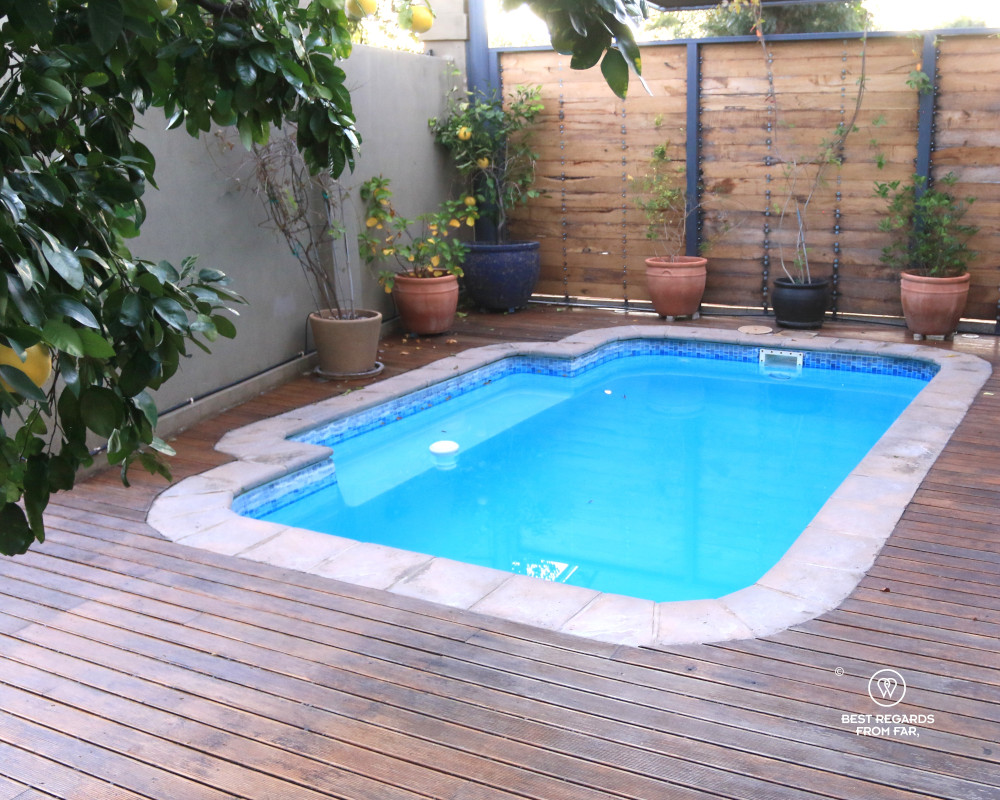
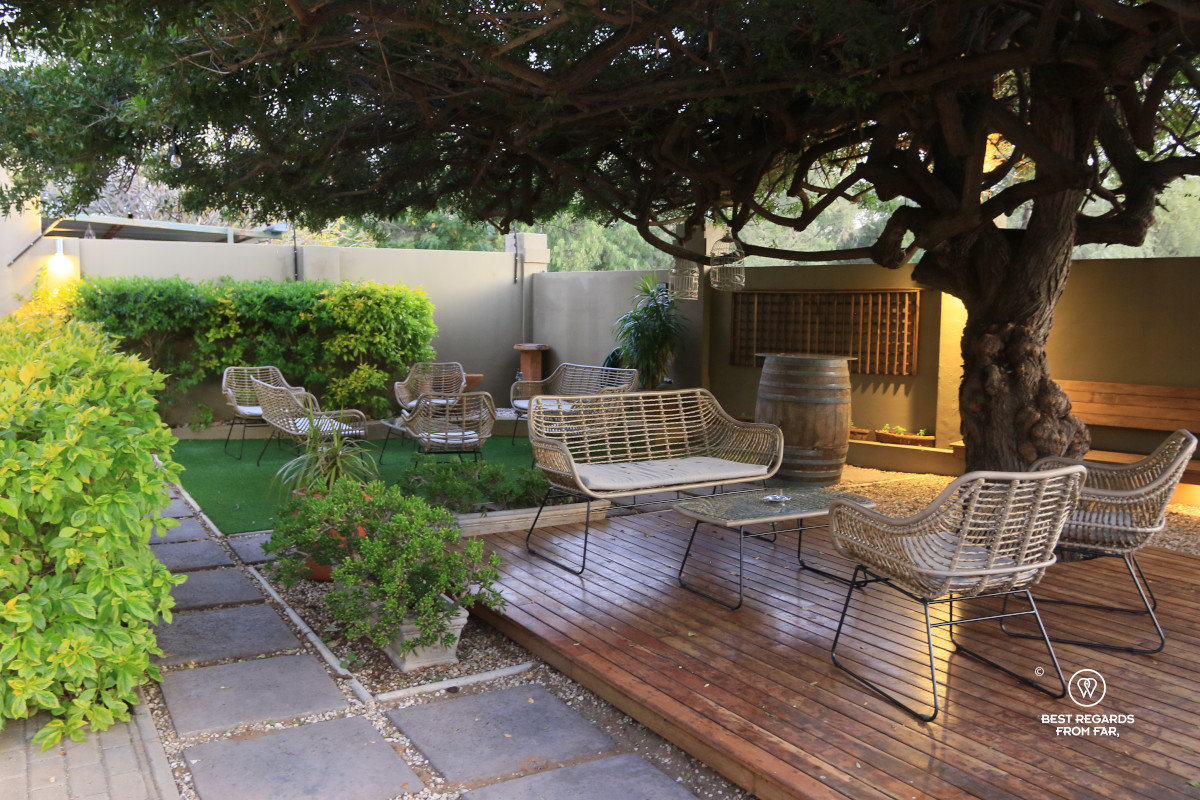
In the leafy Ludwigsdorf neighbourhood, the selective Belvedere Boutique Hotel with its garden, pool and tennis court is restorative. The stylish veranda with its large wooden tables or the cosy and warm interior provide a calm place to plan the next stretch or marvel at the photographs of the completed one.
Travel tips:
- Published opening hours for the Independence Memorial Museum are inconsistent. Check directly with the museum, and make sure to book a guided tour.
- Book well ahead for the upscale Belvedere Boutique Hotel!
- For a more budget-friendly option in Klein Windhoek, The Villa Violet Guesthouse is a good option.
- Check out this interactive map for the specific details to help you plan your trip and more articles (zoom out) about the area!

