Text: April Buchner
Photographs: Claire Lessiau & Marcella van Alphen
Many travelers hear the word sanctuary and imagine a haven where animals are protected, rehabilitated, and treated with dignity. It is a comforting word that evokes images of compassion, conservation, and respect. Unfortunately, not every organization that uses the term lives up to those ideals.
Pin it for later!
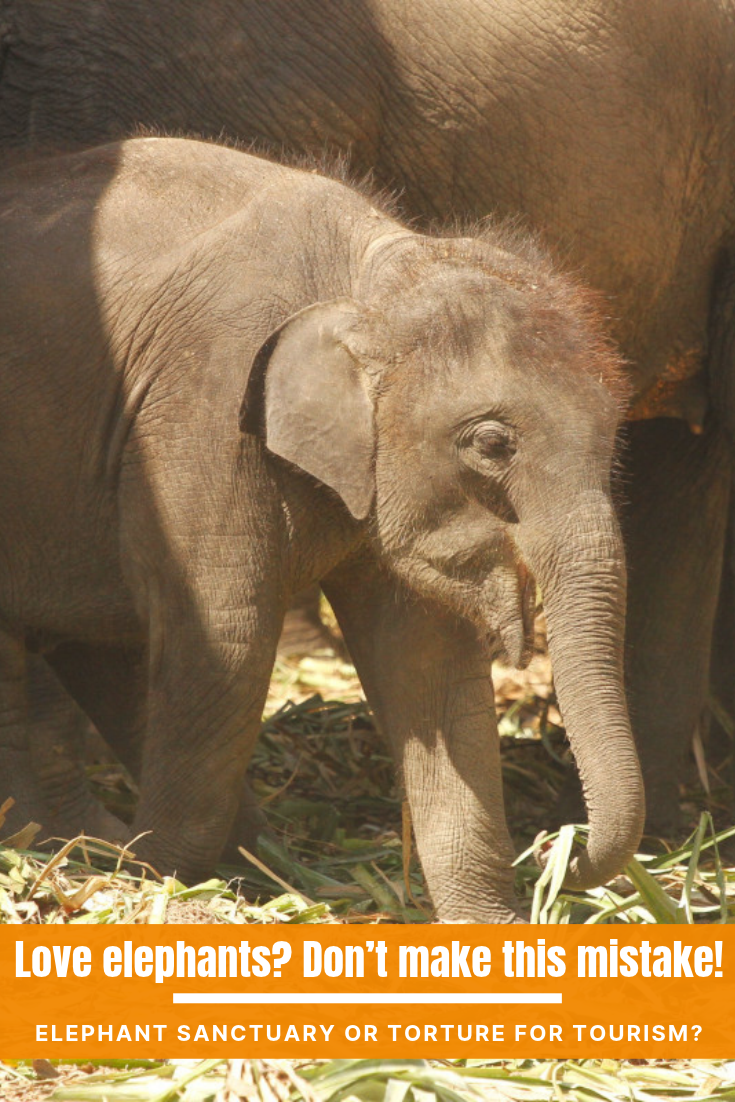
During a recent trip to Chiang Mai, Thailand, my husband, travel companions, and I were excited for what we believed would be a once-in-a-lifetime opportunity to interact with elephants at a facility promoted as a sanctuary. Its marketing promised “Elephant Conservation in Action” and described a hands-on experience where visitors could learn about elephant care, feeding, health checks, bathing, and grooming.
The program also offered the option to ride elephants bareback through the forest to a waterfall or temple. Everything about the description suggested a meaningful and educational experience, one that would allow us to connect with these remarkable animals while supporting their well-being.
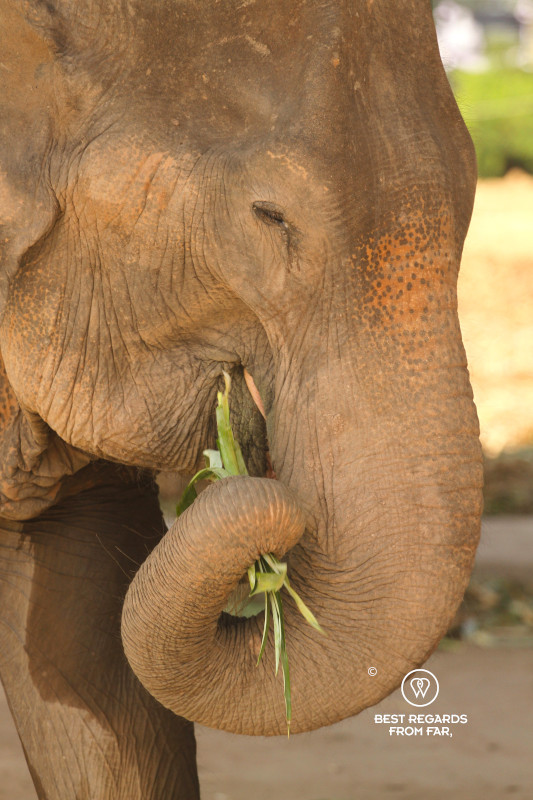
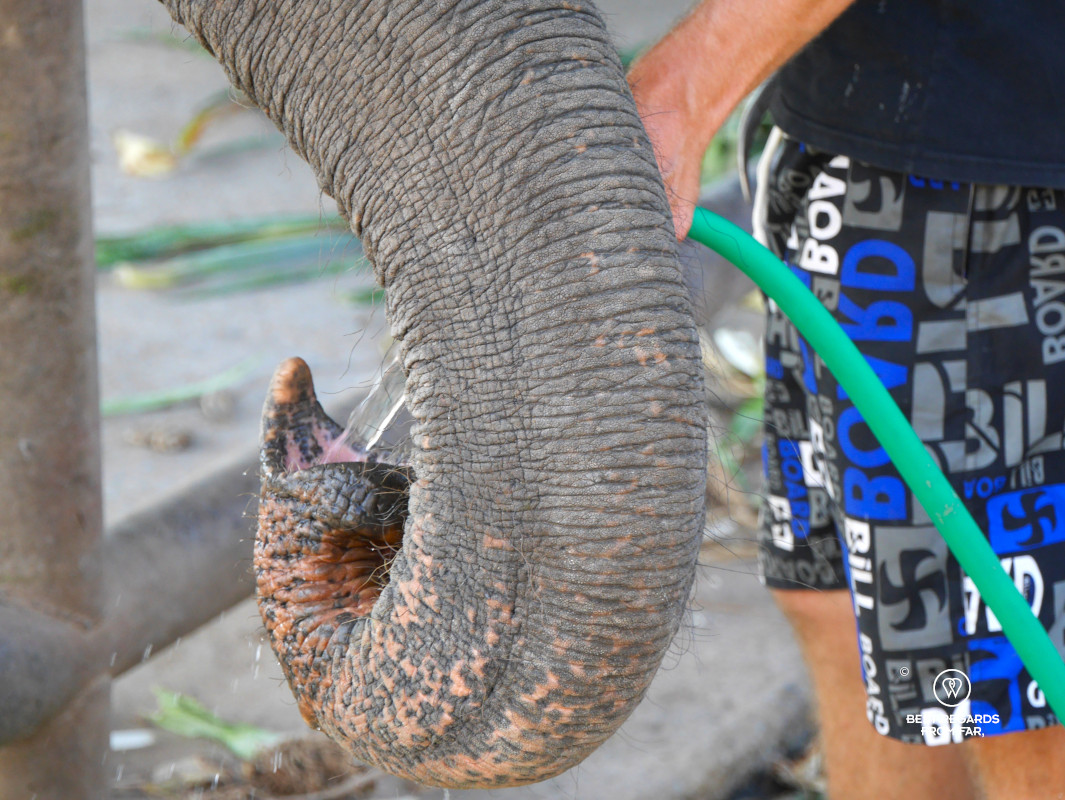
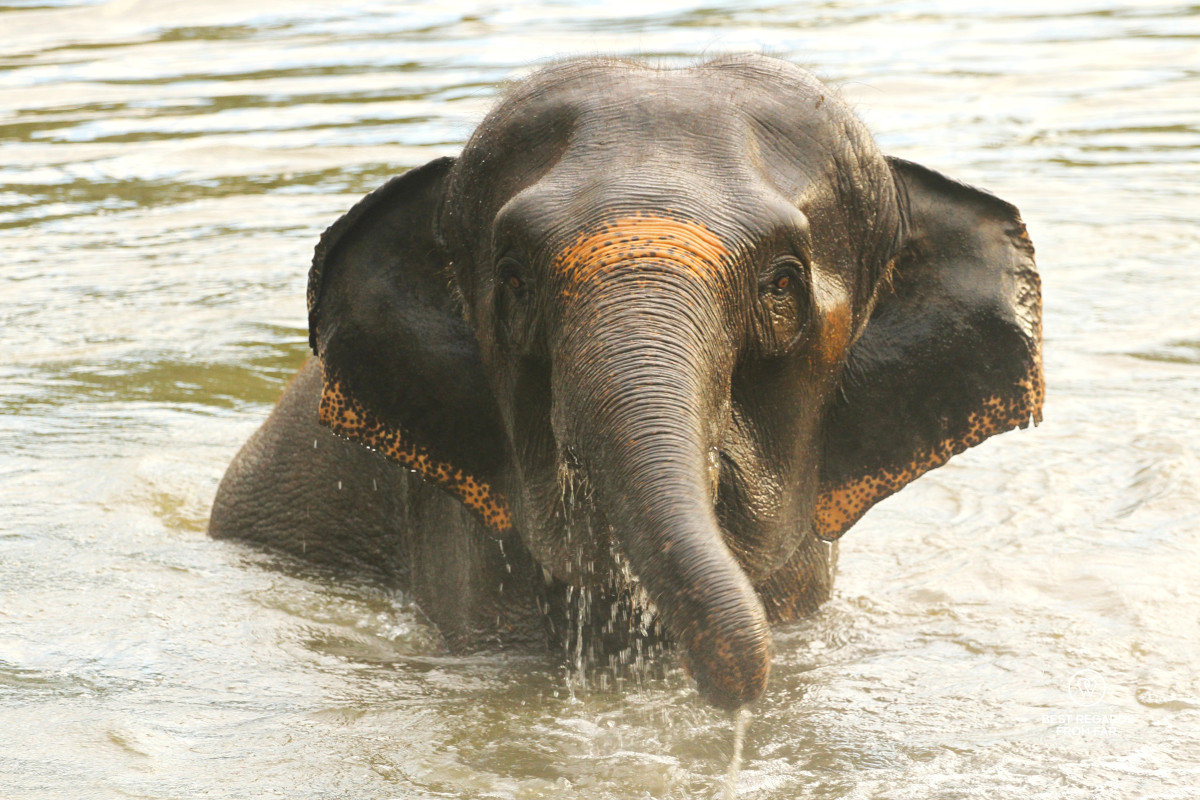
Shortly before our visit, however, friends who had traveled extensively through Thailand on several occasions had mixed feelings about most elephant sanctuaries in Southeast Asia. Having been involved in various conservation projects all over the globe, they shared information that made me reconsider. They explained that elephant riding can cause significant physical and emotional harm. Further research revealed that repeated carrying of riders, especially when saddles or benches are involved, can contribute to spinal problems, soft tissue damage, painful abrasions, and chronic stress. After learning this, our group decided not to participate in the riding portion of the experience.
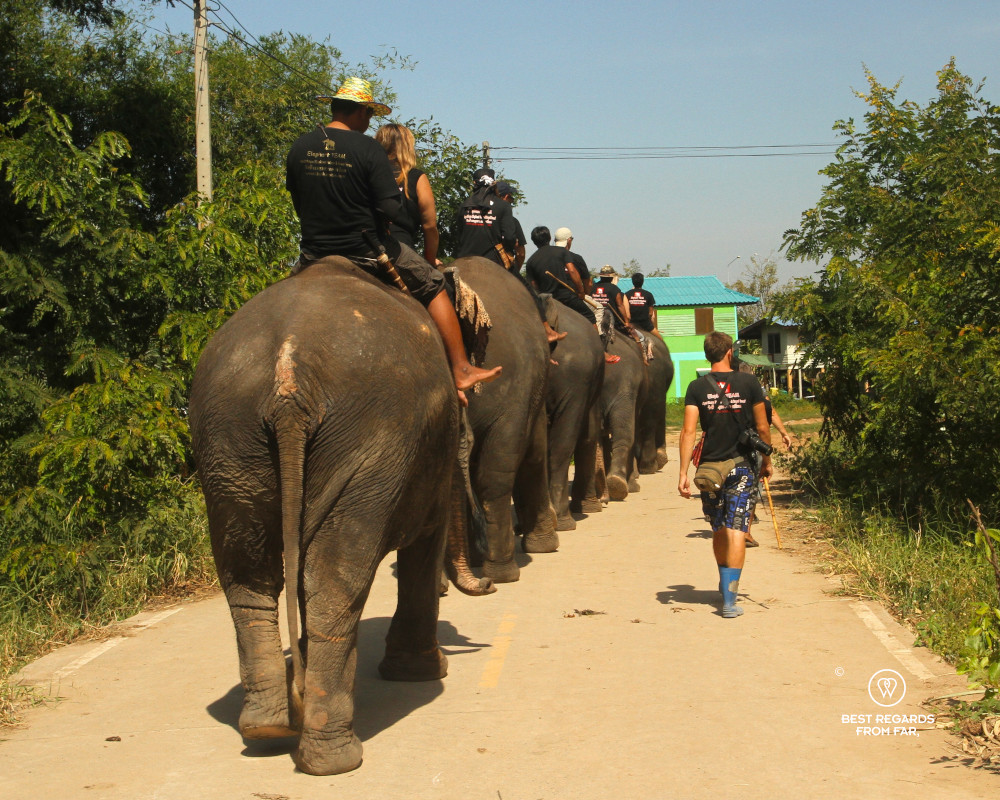
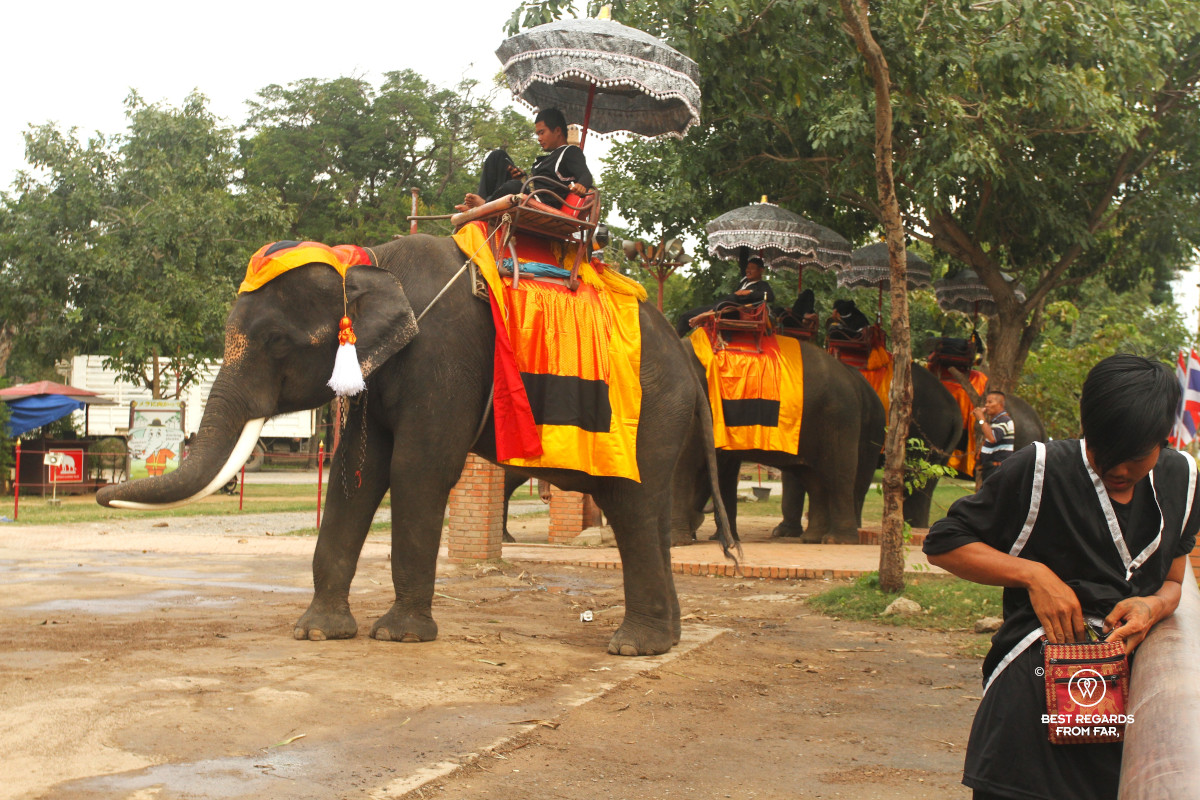
What we encountered instead was still deeply troubling.
It quickly became apparent that the elephants were not freely engaging with visitors. They appeared carefully conditioned to tolerate constant handling, touching, posing, and commands from strangers. Throughout the experience, handlers stood nearby directing the elephants’ movements while photographers captured dozens of staged images for each guest.
The encounter felt less like conservation and more like a carefully orchestrated photo opportunity.
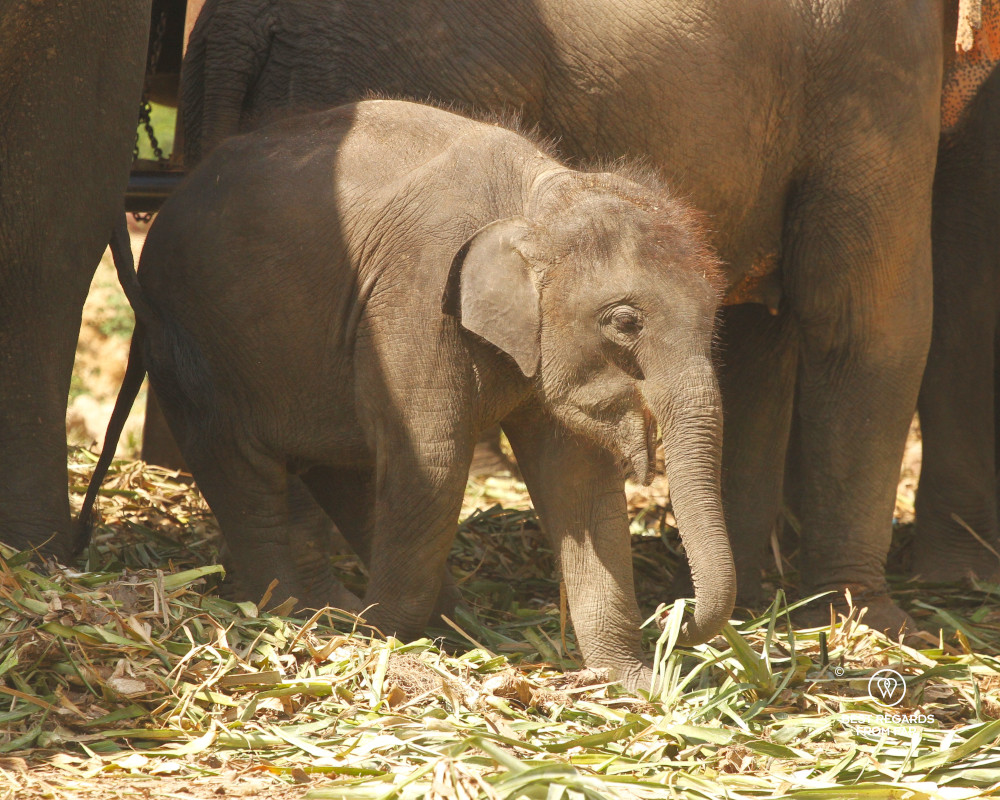
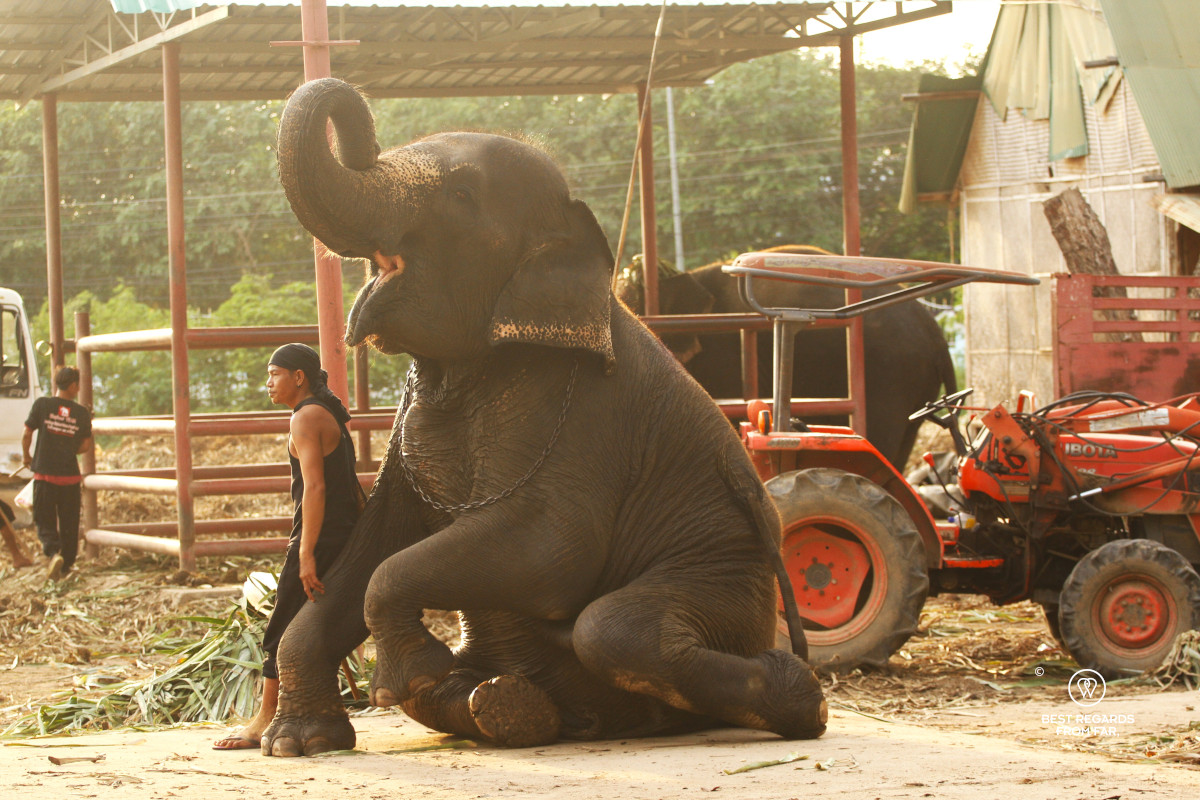
As I watched tourists pose beside elephants for social media-worthy pictures, I found myself questioning everything I had been told about the facility. The experience that had been marketed as educational and meaningful felt increasingly performative. Rather than observing elephants behaving naturally, we were participating in a system designed to maximize visitor interaction.
My excitement turned into discomfort.
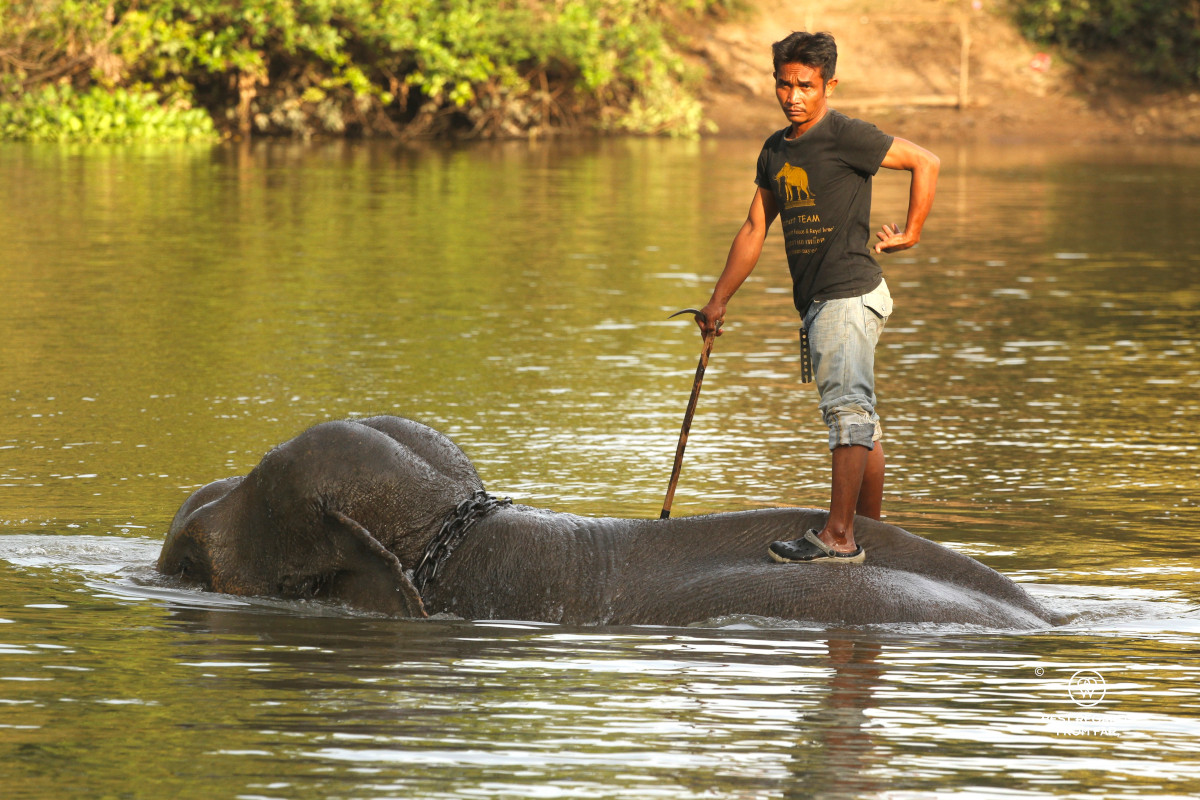
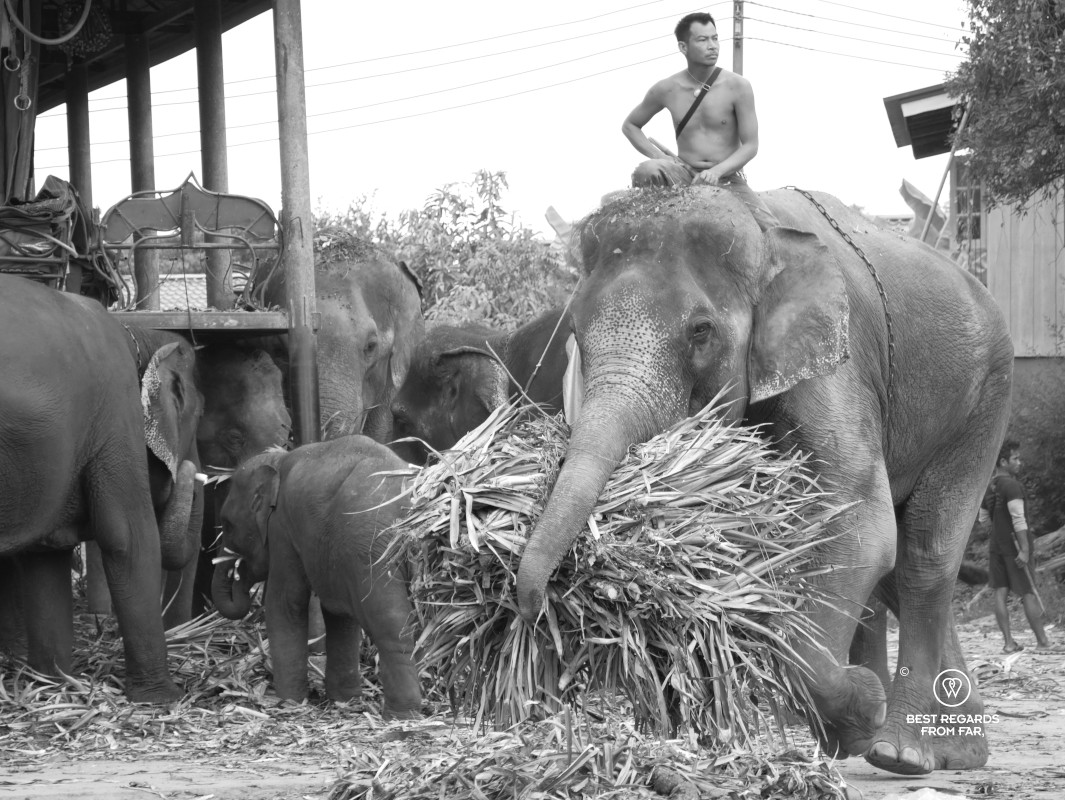
Elephants are intelligent, emotionally complex animals with strong social bonds and natural instincts. Seeing them repeatedly comply with commands by their mahouts (elephant handler, a person who is often paired for life with his elephant and has the responsibility of total care and keeping) and tolerate constant interaction raised difficult questions. While I cannot know exactly how these elephants were trained and if they were indeed even cared for by a true mahout, I could not ignore the possibility that their compliance came at a significant cost.
When I returned home, I began researching elephant tourism and training practices. During that search, I came across the term Phajaan, often translated as “elephant crushing.” Critics describe it as a traditional method used to break an elephant’s spirit through confinement, isolation, and punishment to make the animal compliant to human commands.
Reading accounts of these practices was heartbreaking.
According to reports on elephant domestication in parts of Southeast Asia, wild elephants have historically been confined in restrictive enclosures and subjected to intense training methods designed to suppress natural behaviors. Defenders of such practices argue they are necessary for safety and management. Critics counter that the process inflicts profound physical and psychological trauma on highly intelligent animals.
Whether every elephant attraction relies on these methods is impossible to know. What is clear, however, is that visitors should ask difficult questions before supporting any operation that allows close contact, performances, rides, or staged photography with wild animals.
Learning about these practices forced me to confront an uncomfortable reality. It is easy to condemn cruelty from a distance, but the issue is far more complicated for the communities that rely on tourism for their livelihoods. Many people working with elephants are trying to earn a living in regions where economic opportunities may be limited.
What is at the root of the problem?
Expanding human population and tourism have led to the need for greater agriculture and infrastructure which diminish lands for elephant herds to roam and genetically diversify. Being forced into smaller areas has weakened the herd’s resilience and has strained eco-systems. Continual conflict between humans and elephants, where all life is at risk, has also increased the need to relocate these enormous creatures or otherwise exterminate them.
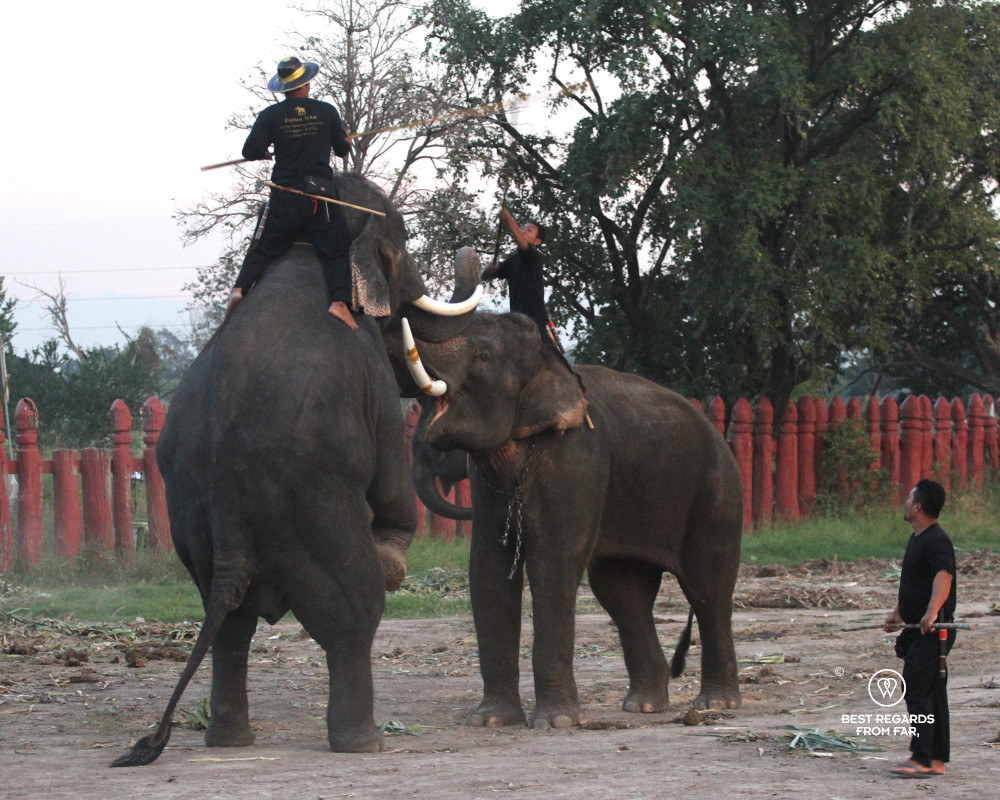
Relocating and the continued care and keeping of elephants is expensive: on average, an Asian elephant drinks about 200 liters (53 gallons) a day and eats about 200 kilograms of food a day (440 lbs.), giving rise to the elephants working for their keep. It is not a new concept as elephants have been used for the past 4,000 years as beasts of burden from war machines for the armies of Alexander the Great or Hannibal to logging tools until 1988 when logging was outlawed in Thailand.
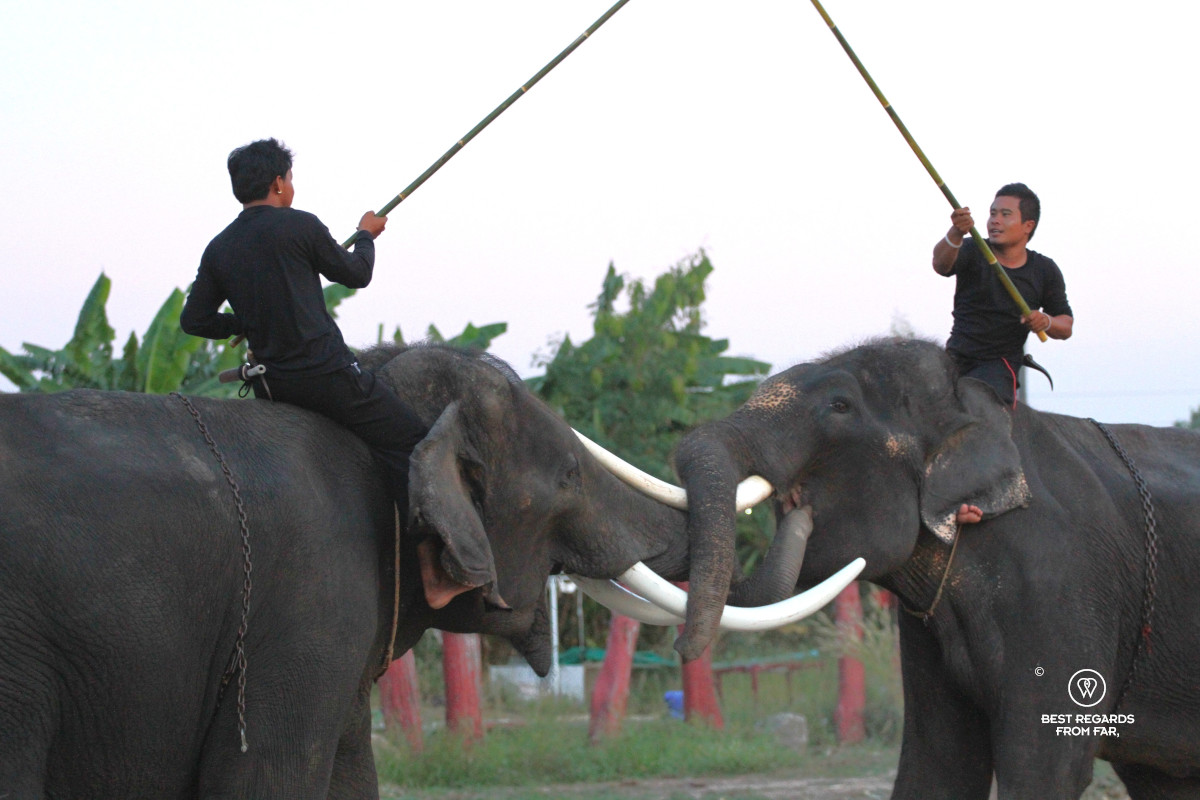
Still, economic necessity should not excuse suffering.
As travelers, we have a responsibility to understand the impact of the experiences we purchase. Every ticket sold sends a message about what tourists are willing to support. If we truly care about wildlife, our choices should reflect that commitment.
One small step I took was contacting the travel agent who arranged our itinerary. I asked that she carefully vet future animal experiences and avoid recommending facilities unless there is credible evidence that animal welfare is a genuine priority rather than a marketing slogan.
The challenge, however, is that identifying truly ethical sanctuaries can be difficult. After our visit, I searched for organizations in Chiang Mai and throughout Thailand that focus solely on rehabilitation, conservation, and observation without direct interaction. The results were limited and often unclear. Many facilities describe themselves as sanctuaries, but their practices vary greatly.
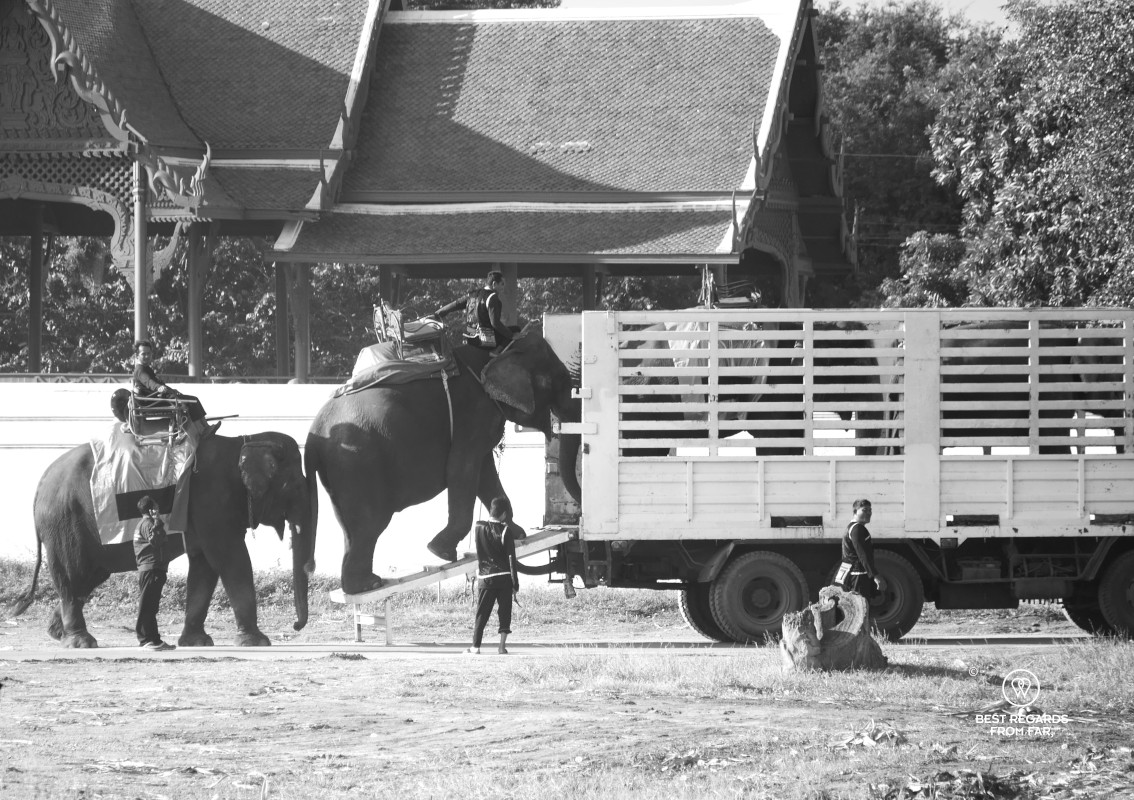
That is why travelers must look beyond the label.
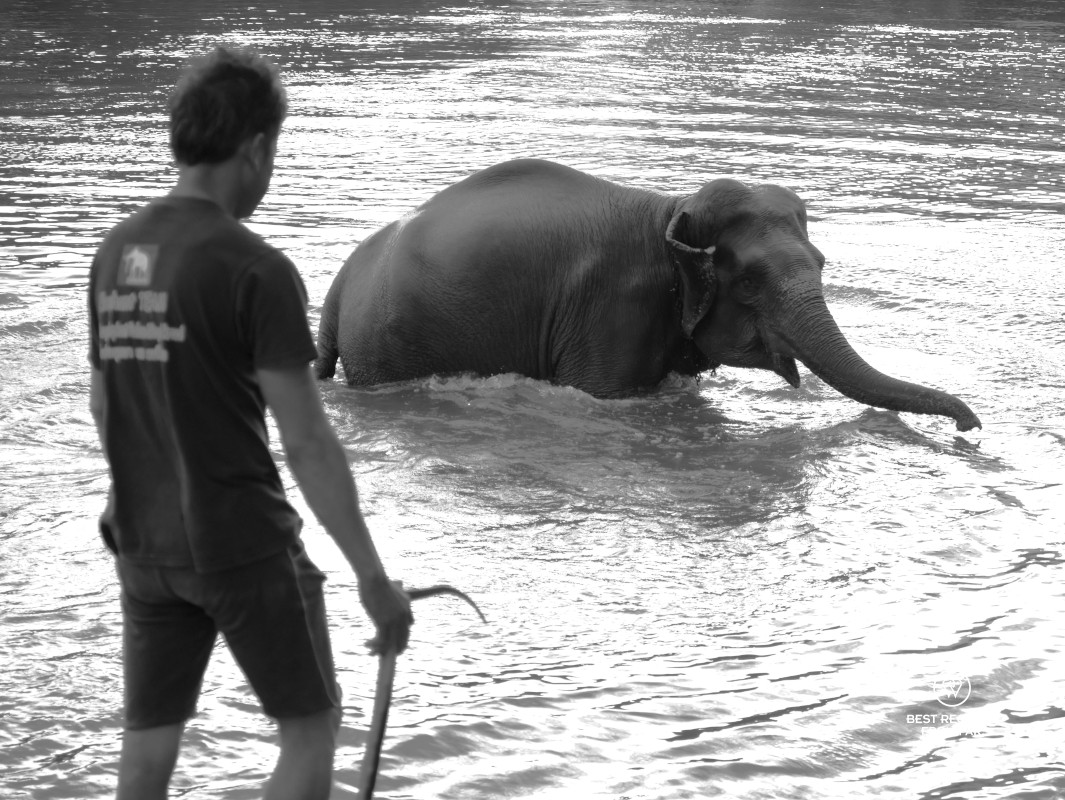
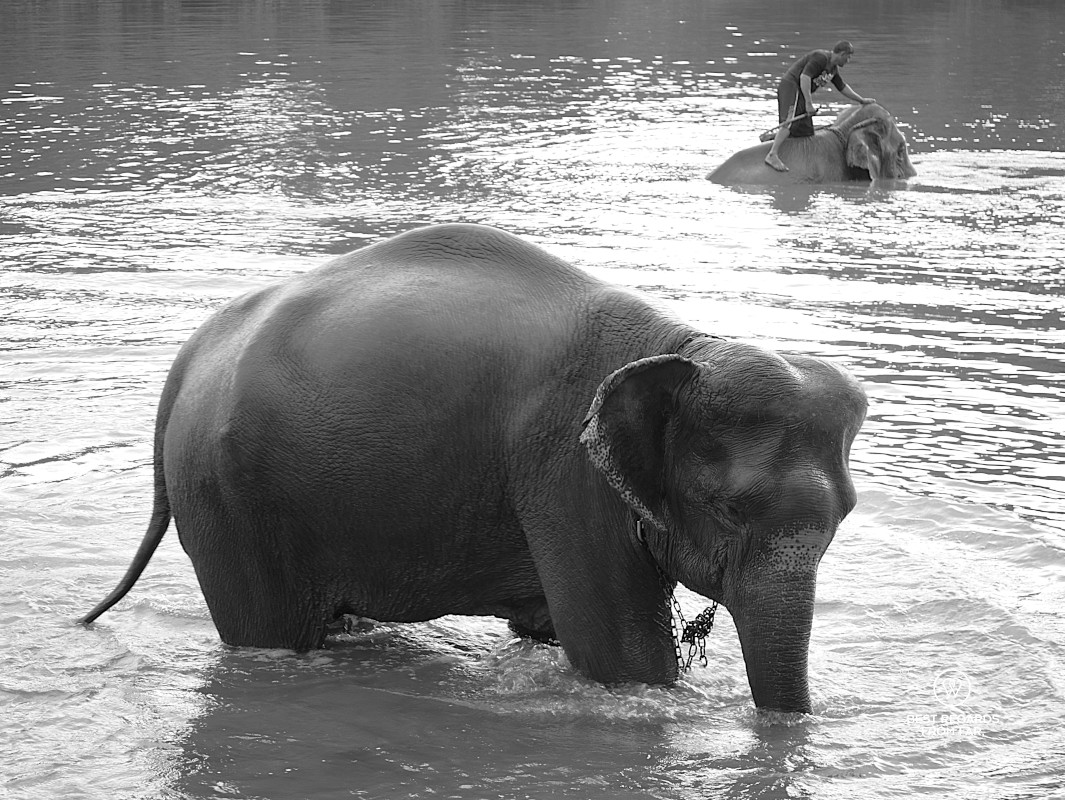
A true sanctuary should prioritize the needs of the animals over the desires of visitors. If an experience centers on touching, bathing, riding, feeding, posing with, or otherwise handling wild animals, it is worth asking whose needs are really being served.
I still want to believe that there are dedicated people doing extraordinary work to protect animals. I want to believe there are organizations committed to rehabilitation, conservation, and providing safe environments where animals can live as naturally as possible. I want to believe that the next Jane Goodall is out there, quietly making a difference.
If you know of those organizations, support them. Share their stories. Help others find them.
Travel has the power to contribute to conservation, but only when we make informed choices. Before booking any wildlife experience, do your research, ask questions, and look beyond the marketing. The word sanctuary is not a guarantee of ethical treatment.
Sometimes the most compassionate thing we can do is admire wildlife from a distance and allow animals to simply be animals.
Travel tips:
- Many “sanctuaries” offer very convincing marketing stories, but elephants are often broken psychologically and physically to be able to stay close to tourists and play tricks. The red flags for non-ethical “sanctuaries” are often the following ones:
- bathing with elephants,
- constant feeding,
- photo sessions,
- walking with elephants,
- touching guaranteed,
- baby elephants (an ethical sanctuary should not have a breeding program).
- The real green flag is when elephants behave naturally, ignoring humans and continue foraging.
- The top 3 most ethical sanctuaries in the Chiang Mai area at the time of writing are:
- Elephant Nature Park (ENP): founded by Saengduean Chailert, one of the world’s leading elephant welfare activists, the ENP focuses on rescued elephants (from logging, riding camps, streets…) who now live in a very large protected area.
- Burm and Emily’s Elephant Sanctuary (BEES): observe elephants behaving naturally without touching them.
- Kindred Spirit Elephant Sanctuary: hike into the forest to observe elephants. The program also focuses on local Karen communities and restoring the forest, the elephants’ food basket.
- Check out this interactive map for the specific details to help you plan your trip and more articles and photos (zoom out) about the area:

