Text: Claire Lessiau
Photographs: Marcella van Alphen & Claire Lessiau
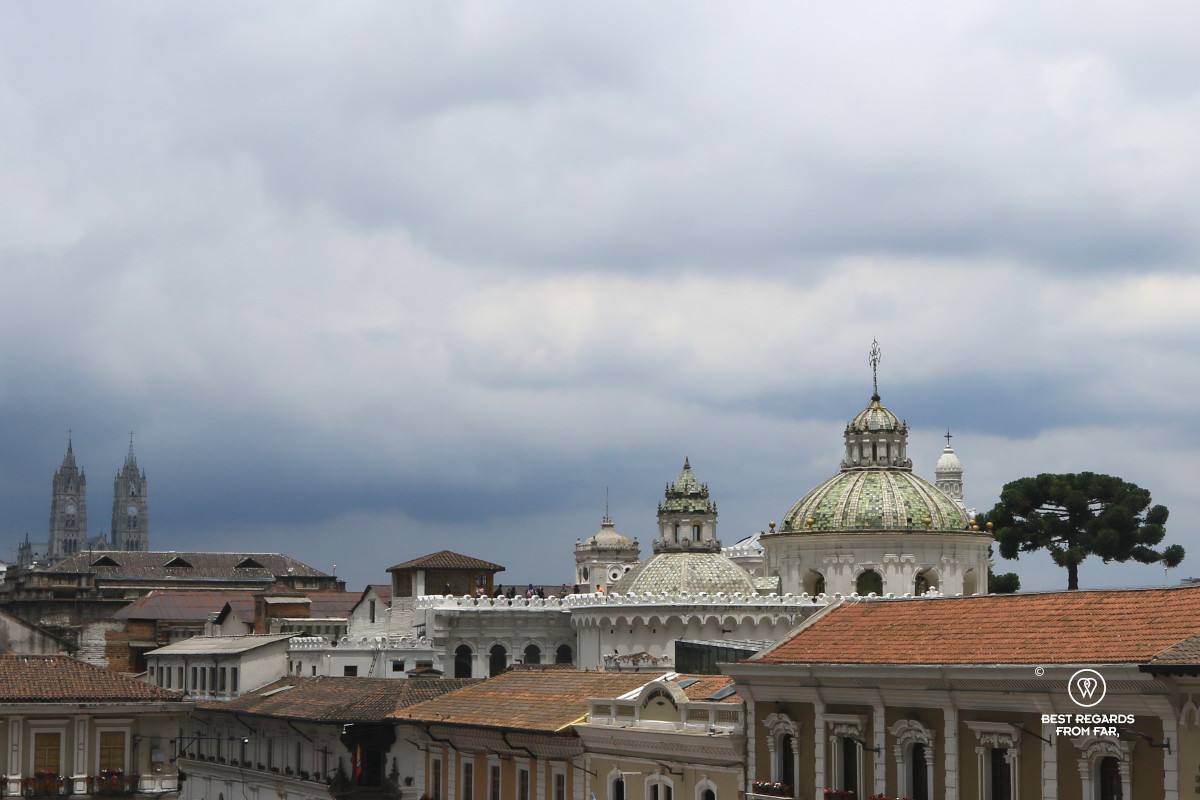
Carita de Dios or “Little Face of God”… Its natural beauty surrounded by the volcanoes of the Andes, its well preserved colonial historic center, and its deep Catholic roots since the Conquistadores easily explain the nickname of Quito. The UNESCO World Heritage capital is dotted by baroque churches gilded in gold resting on foundations far older than they appear. Pushing their doors, another story appears: the one of cacao.
Long before the chocolate from Ecuador became known as world’s best, cacao was sacred here. In the Ecuadorian highlands and across the Amazonian forest, cacao was a source of nourishment, currency, and spirituality, connecting humans to the divine. When the Spanish colonizers arrived, they imposed their beliefs but succumbed to the cacao god that then deliciously conquered the world.
In Quito, chocolate becomes the thread connecting religion, conquest, indigenous cosmology, craftsmanship, and contemporary chocolatiers. Every square—and every square of chocolate—tells a story…
Like chocolate? Pin it for later!
1. Power Games
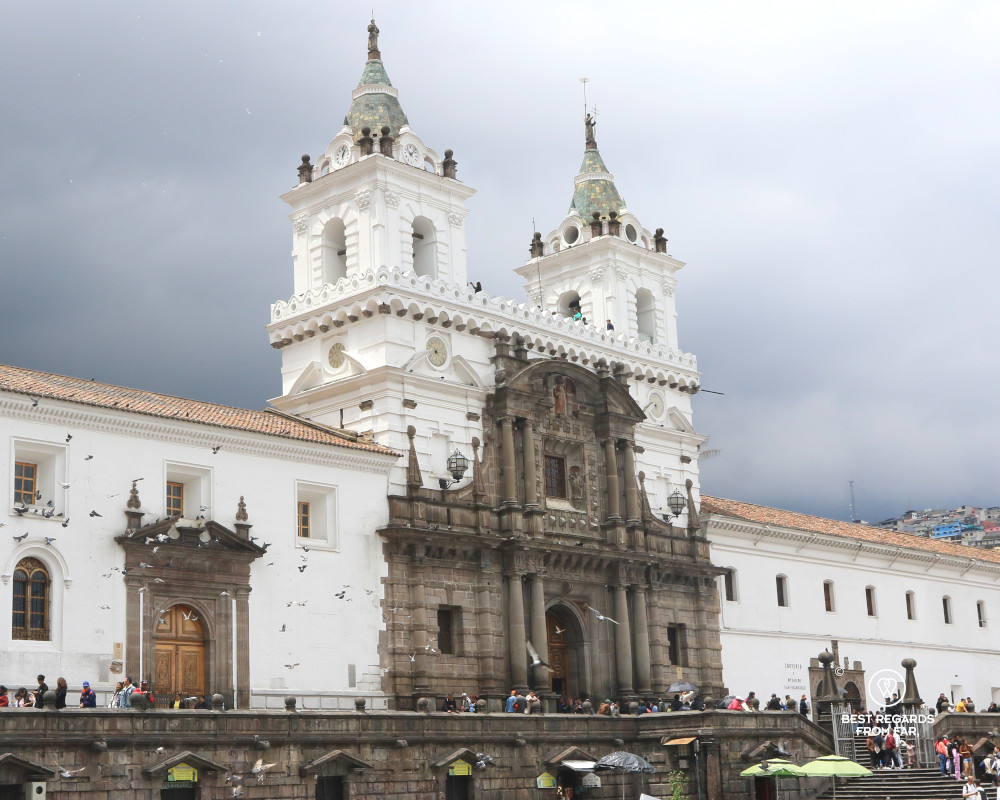
The main churches of Quito’s historic center used to be Incan political, military, and spiritual landmarks. The Inca general Rumiñahui ordered the total destruction of the city as the Spaniards advanced on the second capital of the Incas (after Cusco), and the conquerors wrote their own story in stones. The current Old Town was built over the leveled Inca foundations, and churches replaced the most emblematic Incan palaces.
In pre-Columbian Quito, the royal palace of the Inca emperor Huayna Cápac stood where the Basilica and Convent of San Francisco now stand. In 1537, only three years after they founded Quito, the Spaniards started its construction that took almost 150 years to complete. The church of Santo Domingo is associated with the palace of Huayna Cápac’s son, Atahualpa and his imperial rule. The Spaniards built churches where power already lived.
While these churches and squares form the geographic backbone of Quito’s chocolate trail, there is more to them…
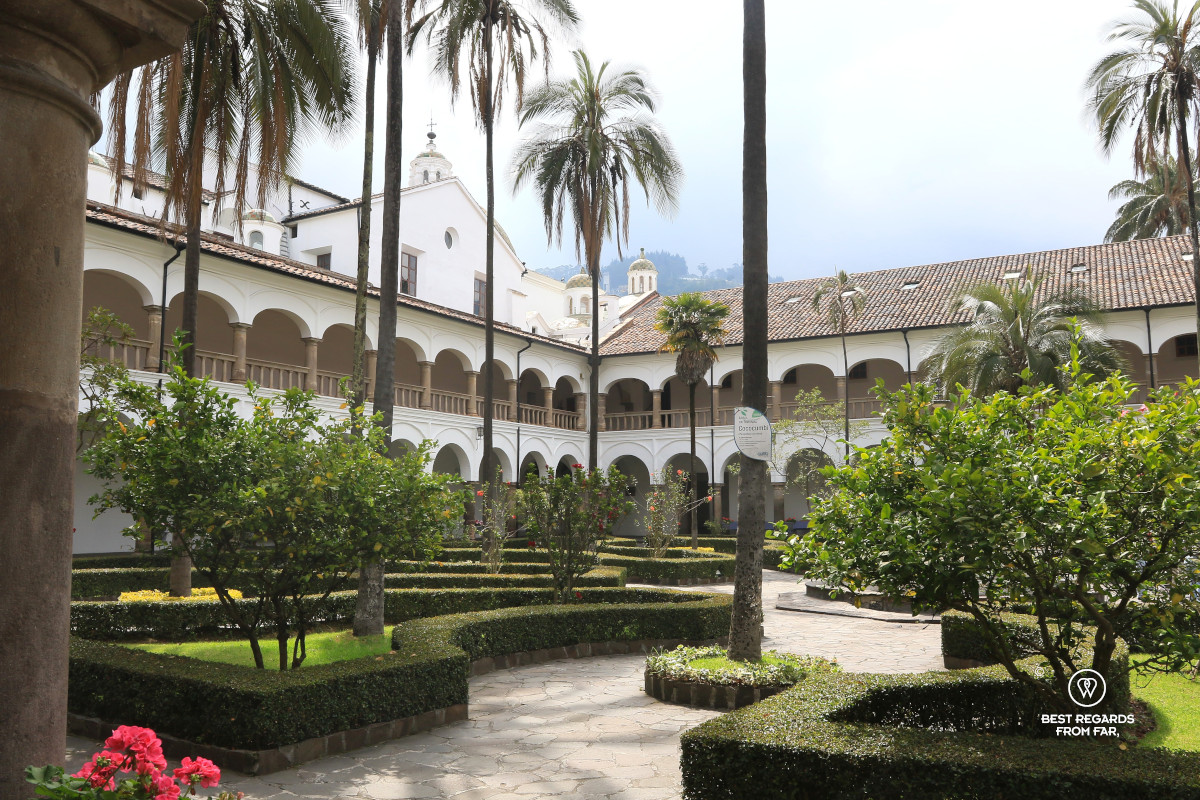
2. When Saints Learned to Speak Cacao
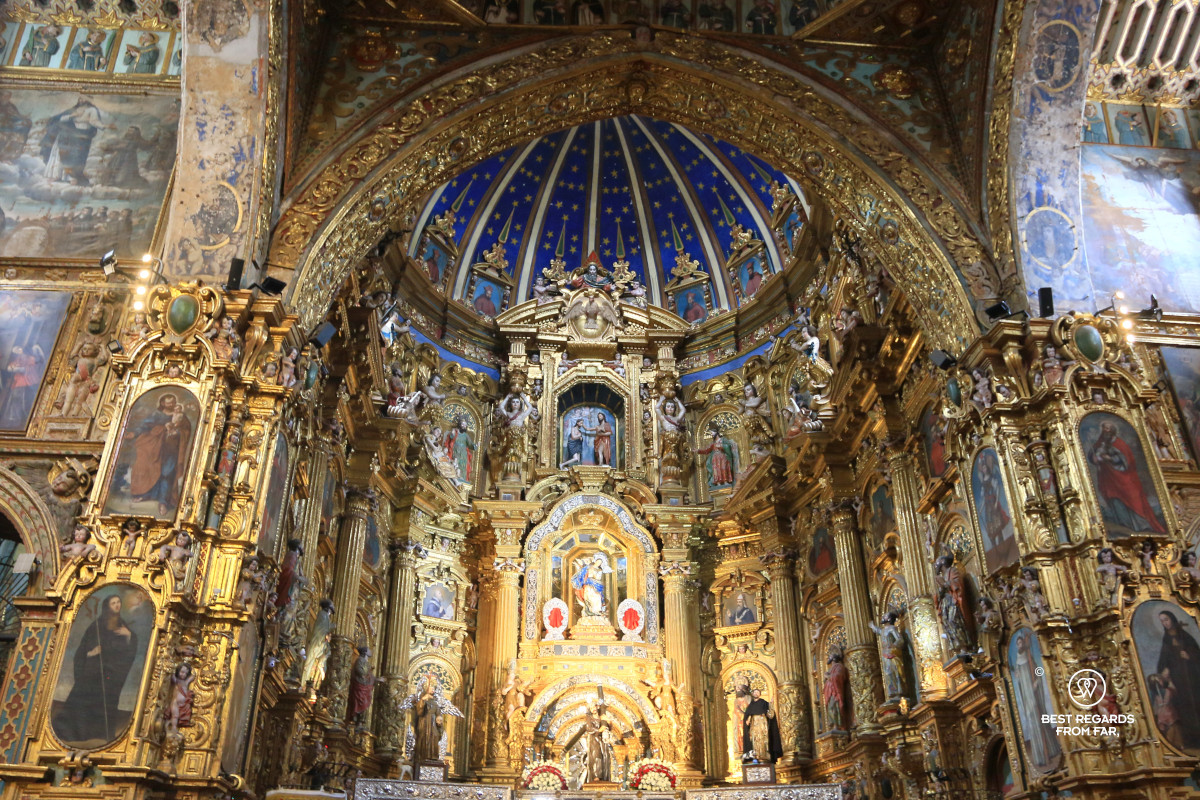
Inside these churches, conversion was never as complete as it appears. Indigenous people were often reluctant to enter the sanctuaries at all, and when they did, they learned to read them differently.
Catholic saints towered above the natives’, elevated and distant. Slightly below our eye level, artisans embedded familiar symbols of pre-Hispanic cosmology—animals, plants, suns, and moons. For shorter indigenous worshippers, cacao appears repeatedly. These details were not exotic decoration but a mixture of indigenous and European elements. It was the Spaniards’ way to redirect belief: Catholic figures endowed with the qualities of native gods, tales of fertility, abundance, and continuity told in Christian iconography.
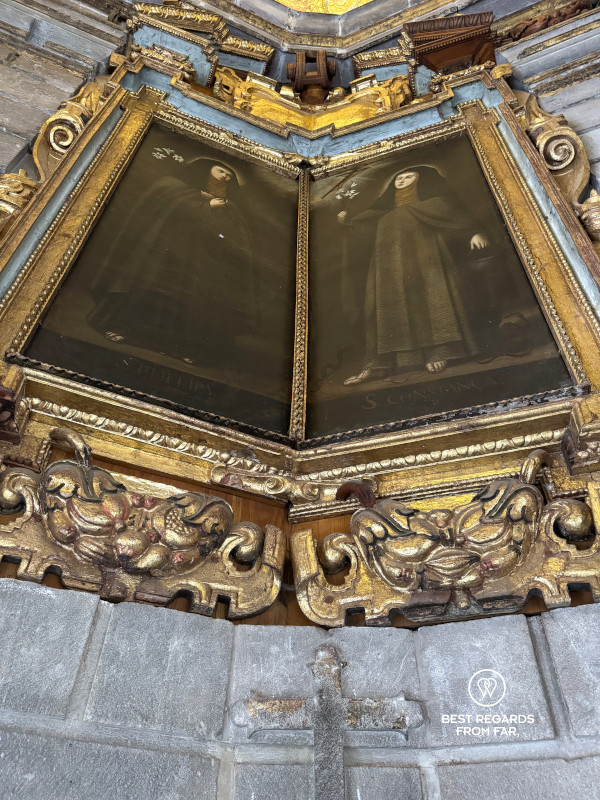
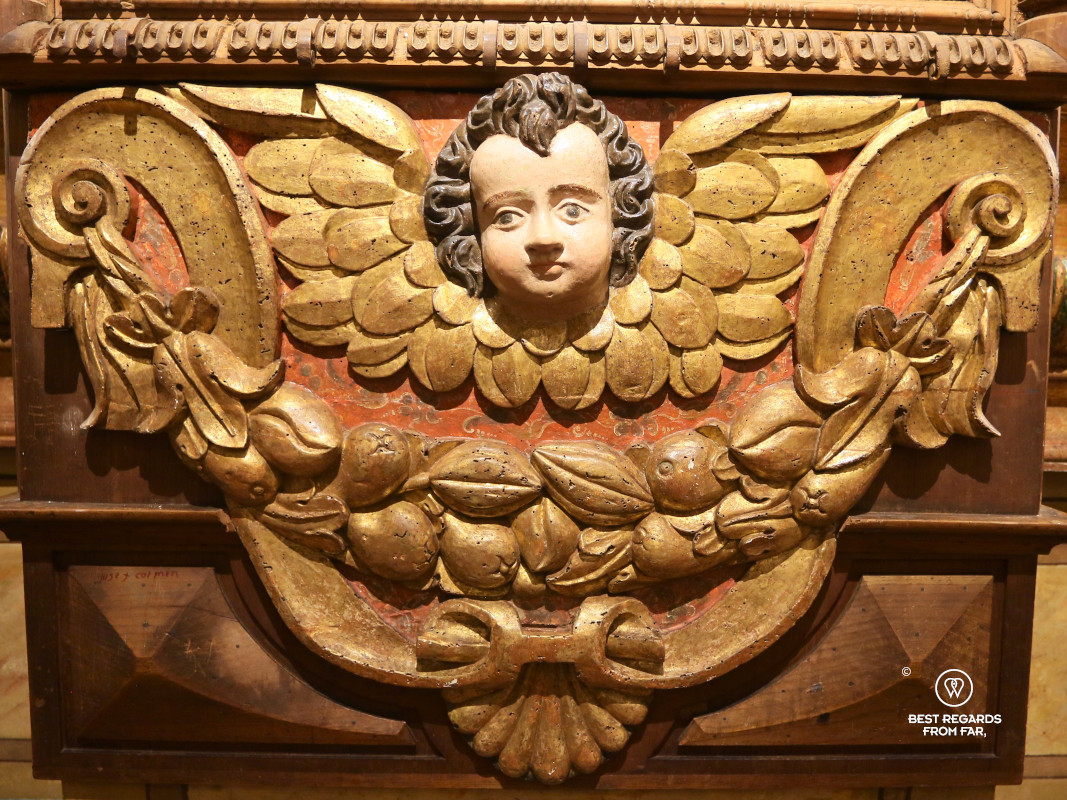
3. Casa del Alabado: A 5,500-year-Old Chocolate
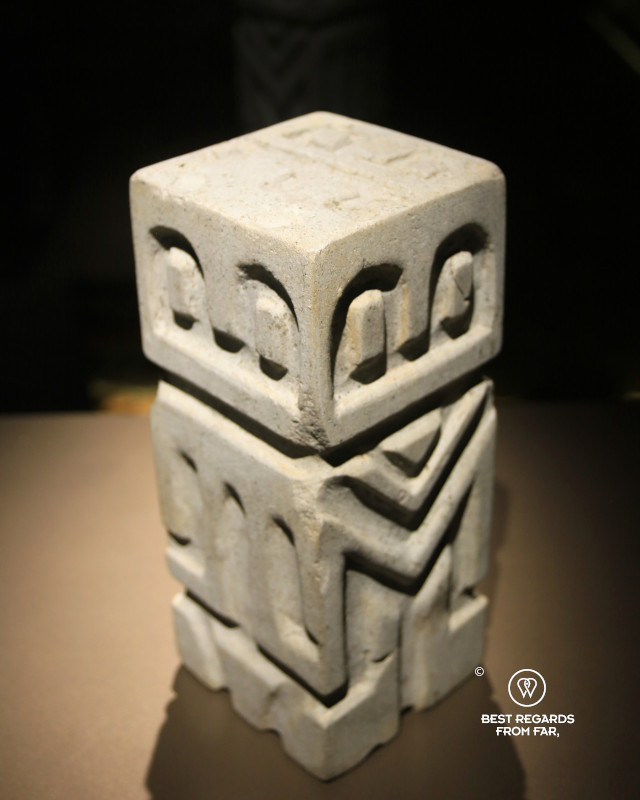
Few places make this continuity as tangible as Casa del Alabado, Quito’s pre-Columbian art museum housed in a 1671 colonial residence. “This is not an archaeology museum,” explains director Lucía Durán. “This is an art museum of the past.”
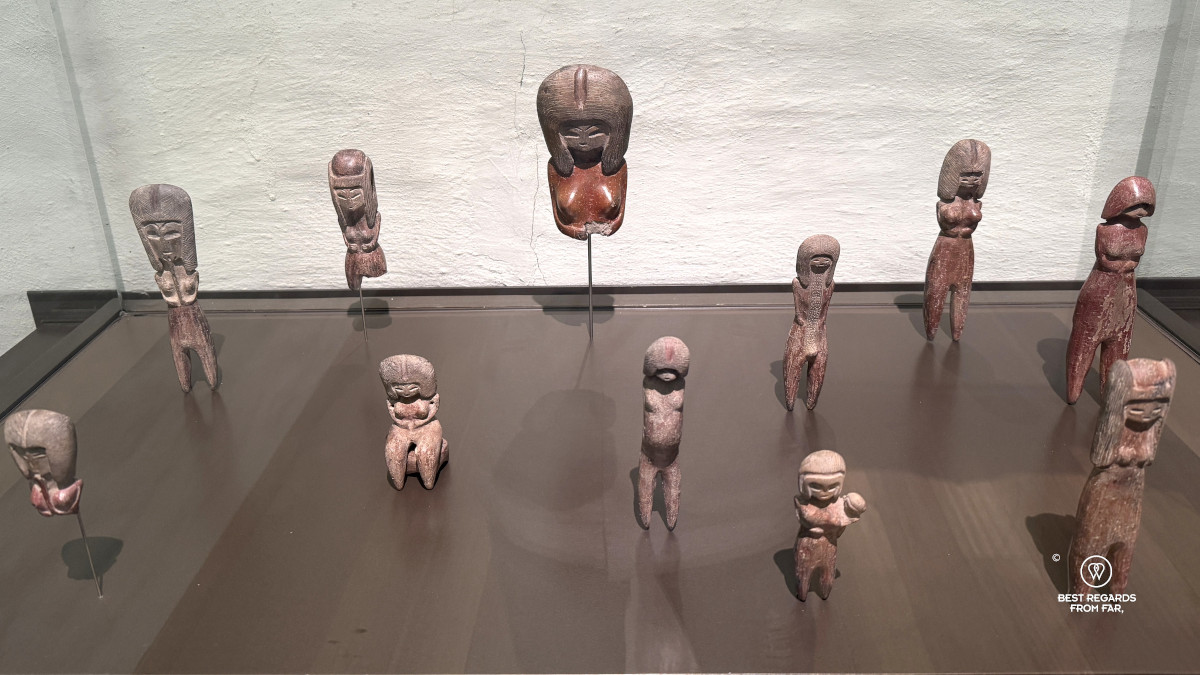
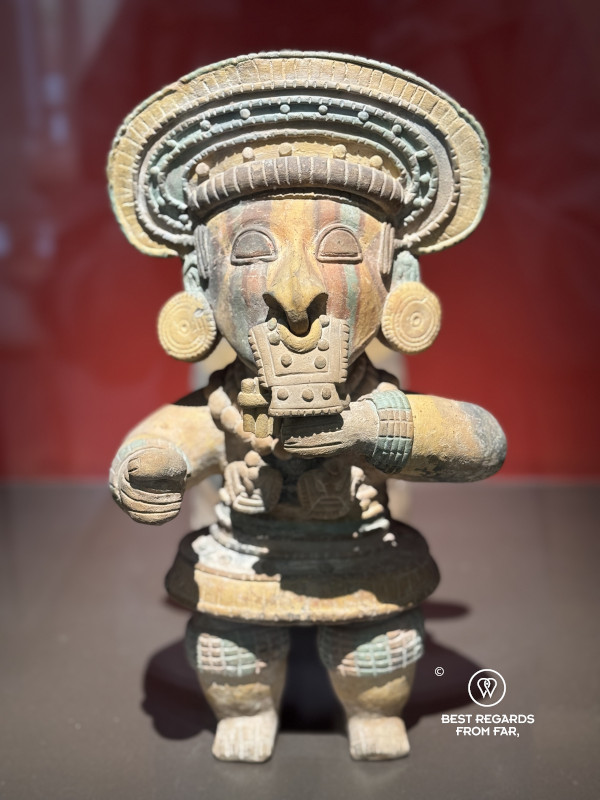
According to archeologists, Ecuador is home to the oldest traces of ceramic and stone art in the Americas and there is no place in the world that reflects this more beautifully than “Casa del Alabado”, ranked among South America’s 25 “best museums”. Its admirable collection of more than 5,000 art pieces spans from the Valdivia culture (4,000BC-1,500BC) along Ecuador’s coast to Andean and Amazonian civilizations.
One of its most fascinating objects is a carved stone vessel containing the earliest known traces of cacao consumption, dated between 5,000 and 5,500 years ago and attributed to the Mayo Chinchipe culture (3,500-1,700 BC)!
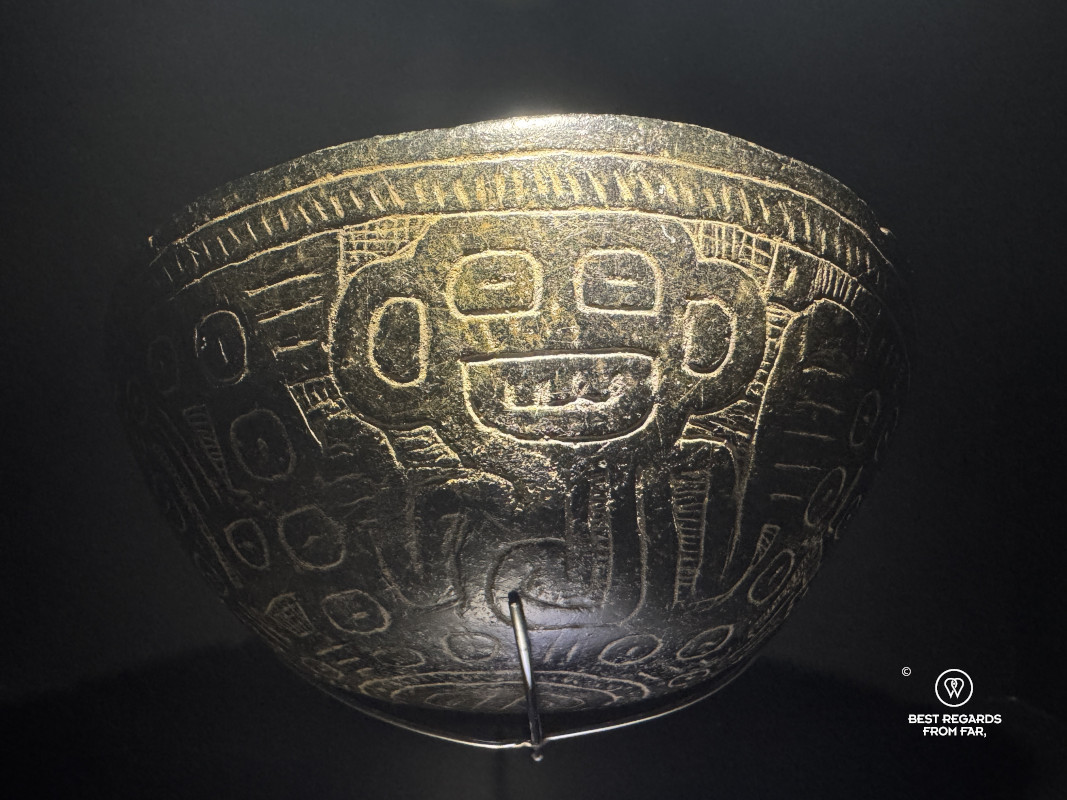
While the origin of cacao is located in the Amazon River basin—Venezuela, Colombia, Peru, Brazil and Ecuador—the site of Santa Ana-La Florida in Ecuador is to date the place where the oldest evidence of consumption of cacao has been found and where the Mayo Chinchipe people first domesticated cacao. This discovery places Ecuador at the origin of chocolate history.
Long before cacao traveled north to Mesoamerica about 4,000 years ago or crossed the Atlantic to Europe, it was cultivated, consumed, and ritualized here in Ecuador.
4. The Food of the Gods Goes Global
In Mesoamerica, the Maya and Aztecs consumed xocolatl — a bitter, spiced beverage made with cacao, water, chilies, and sometimes vanilla. It was energizing, ceremonial, and reserved for the elite and warriors.
When cacao reached Europe in 1509, it was appreciated in a sweeter version with sugar and milk to soften its bitterness and power. Chocolate became a favorite at the royal courts and among the bourgeois.
By the 19th century, cacao was Ecuador’s main export, shaping the young republic between 1860 and 1930. Its success developed giant monocultures that triggered its collapse: diseases such as witches’ broom fungus devastated plantations, and the Ecuadorian economy.
The knowledge remained, as well as the genetic heritage that has redefined Ecuador’s role in the chocolate world.
5. Why is Ecuador’s Cacao Special
Cacao was domesticated thousands of years ago. Natives selected the odd pods—the sweet mucilage inside the pod attracts birds and rodents that spit out the bitter seed, when we enjoy the sweet seed… After centuries, various strains emerged. Nacional Cacao is the cultivar of cacao that made Ecuador famous worldwide. It is a unique genetic group with marked differences from other cacao varieties, and is automatically classified as “fine aroma” or “Fino de Aroma” that denotes the best cacaos.
Perfectly adapted to the climatic and geographical conditions of Ecuador, attempts to grow this cacao in other latitudes have failed to produce fruits with similar floral and fruity flavor and aroma. At the time of writing, it represents only 12 percent of world cacao production (and as a reference, 63 percent of world production comes from Ecuador).
In 1965, agronomist Homero Castro Zurita developed the clonal cacao CCN-51 of Ecuadorian origin, which stands for Castro Naranjal Collection. The Type 51 is disease-tolerant, highly productive, and of high quality, making it the most exported cacao of Ecuador (80 percent of the exports vs. 20 for the Cacao Nacional).
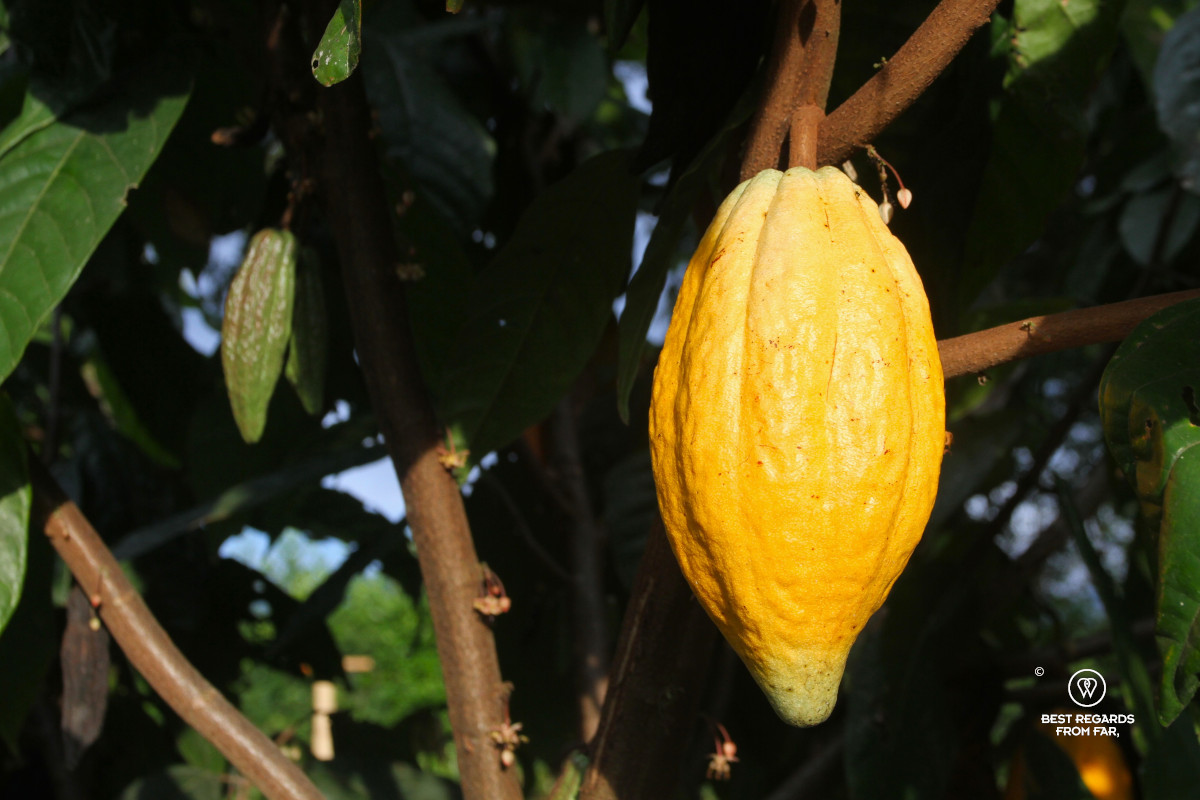
6. Inside the Pod
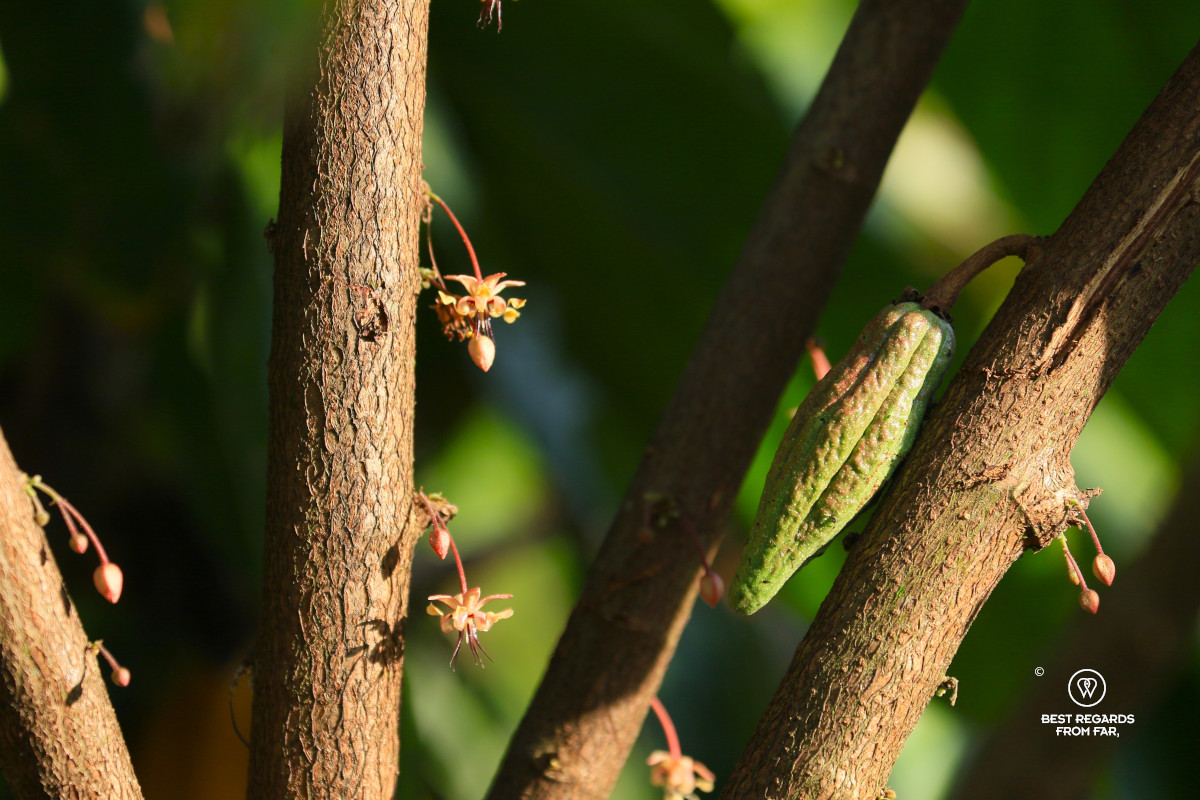
Crack the cacao pod open, and you find beans surrounded by mucilage—a thick, white, sweet pulp rich in vitamin C, sugars, and microorganisms. It can be eaten fresh, turned into juice or ice cream, or made into jam. More importantly, it initiates the fermentation of cacao.
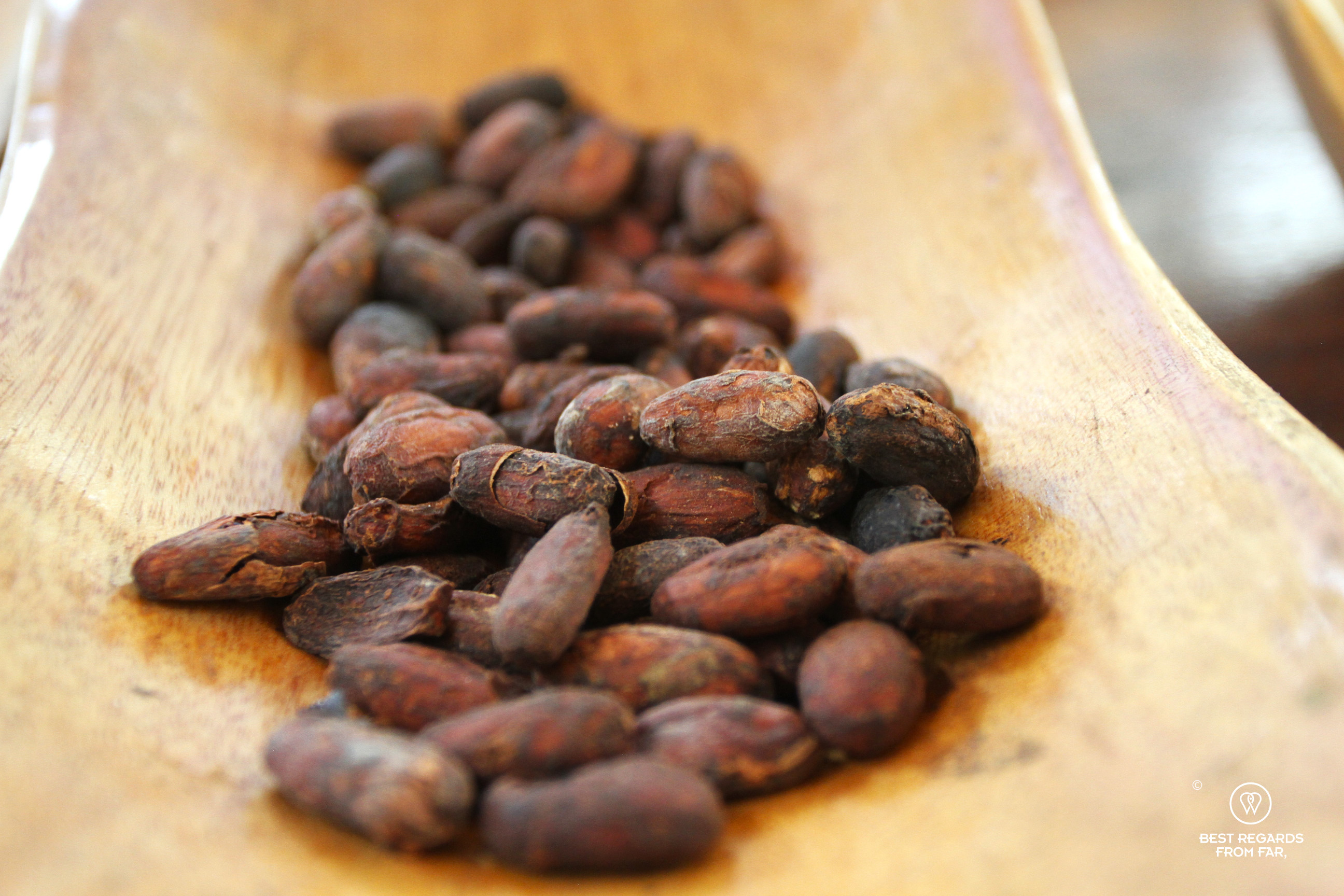
After extraction, beans are left to ferment for about six days. Drying follows for several days, locking in the fermentation. This process is critical: it develops flavor, reduces bitterness, and determines quality more than any later step. As such, Ecuador’s finest chocolate makers empower local farmers by teaching them the best fermentation and drying methods, leading to the best chocolate in which the terroir expresses itself.
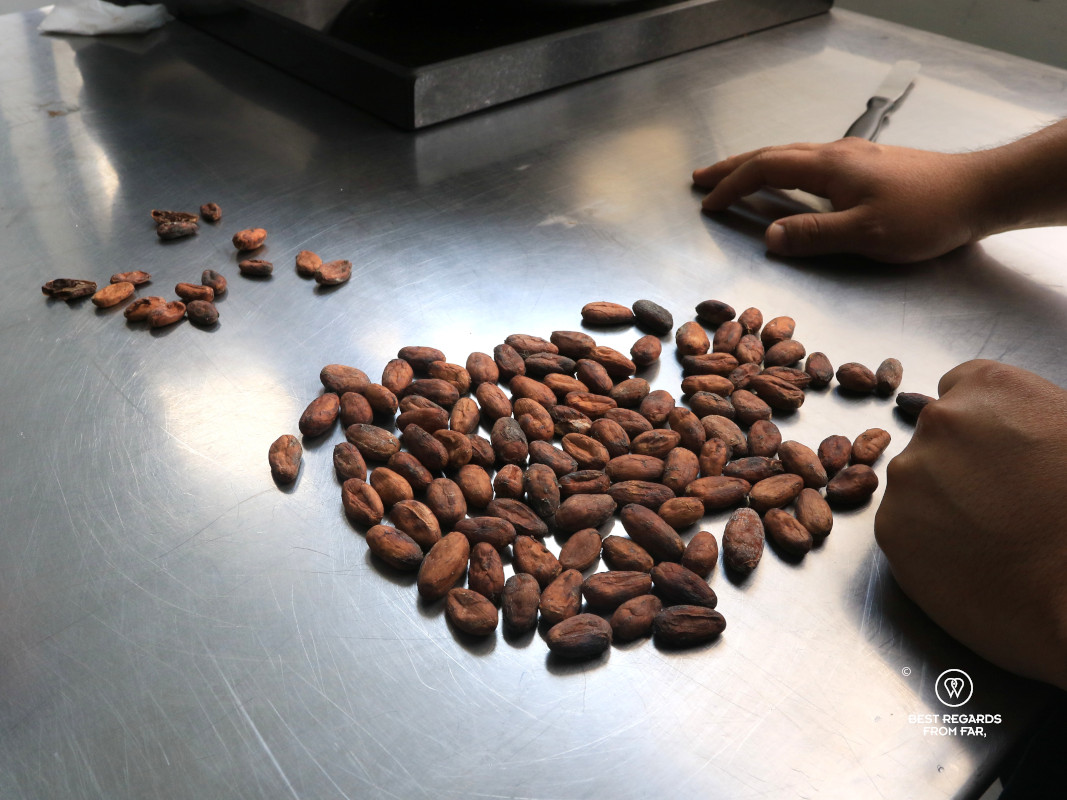
Then, for world’s best chocolates, only the best beans are selected, and lightly roasted (just like for coffee, a dark roast hides the bad flavors), before some of them are opened with a knife and checked for quality. This attention to process is what separates fine chocolate from industrial sweets.

7. Quito’s New Chocolate Vanguard
While the growing used to happen in Ecuador and most of the transformation took place in Switzerland, Belgium or France — among others — Quito has become a hub for a new generation of chocolatiers.
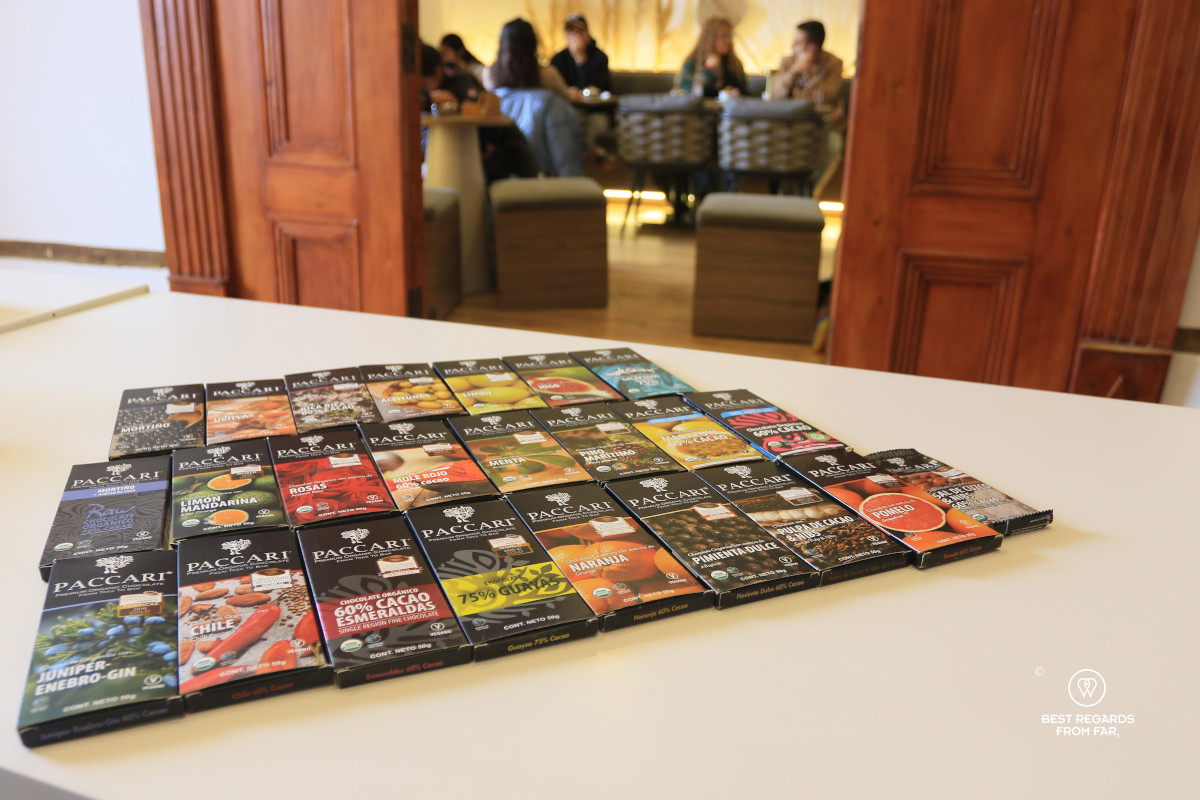
Paccari, founded over two decades ago, was the first cacao-producing-country brand to win Best Chocolate in the World at the International Chocolate Awards. With more than 500 awards and exports to 40 countries, Paccari works exclusively with small producers from all over Ecuador and develops 50 flavors of chocolate bars as well as beauty products.
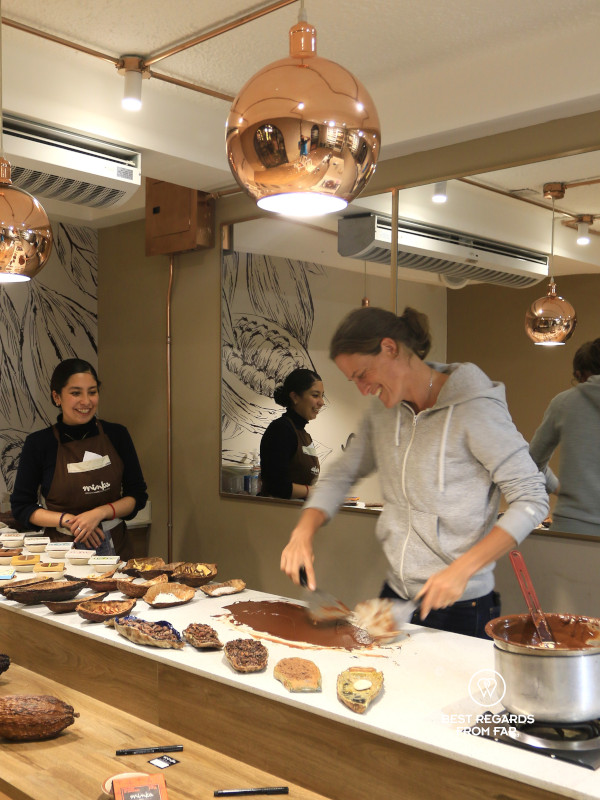
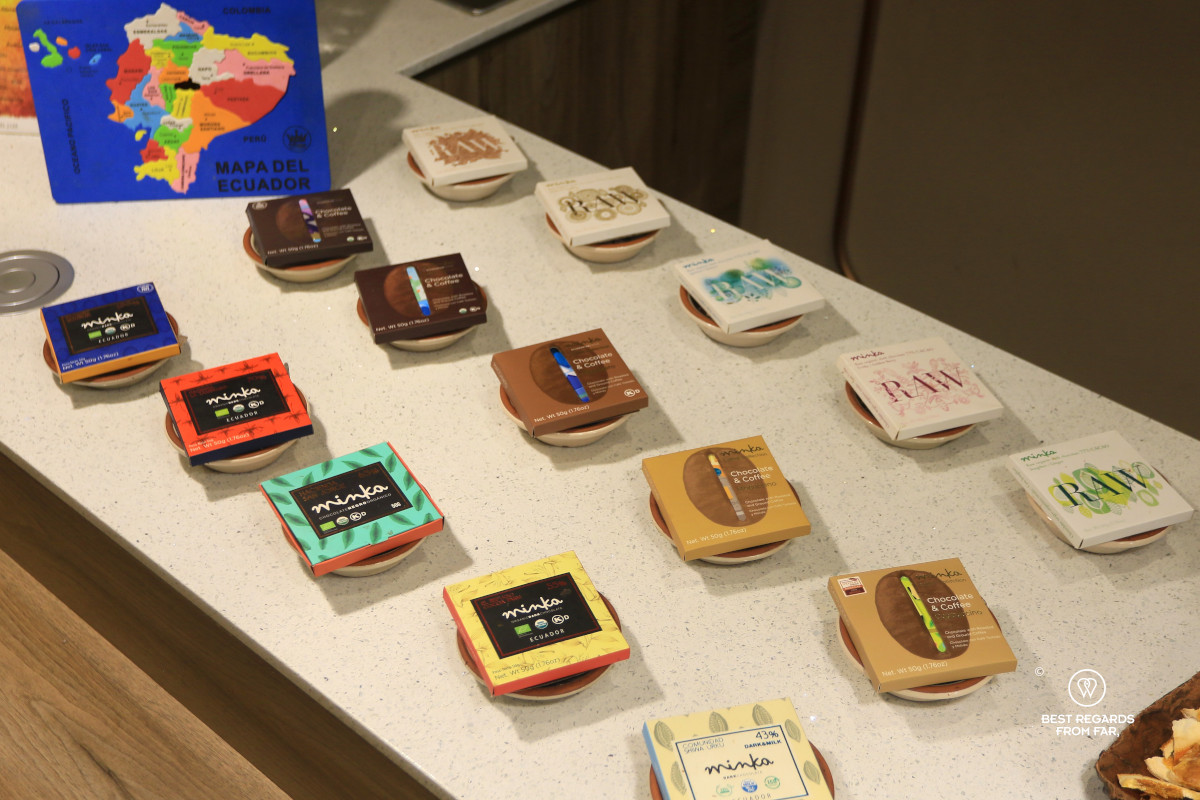
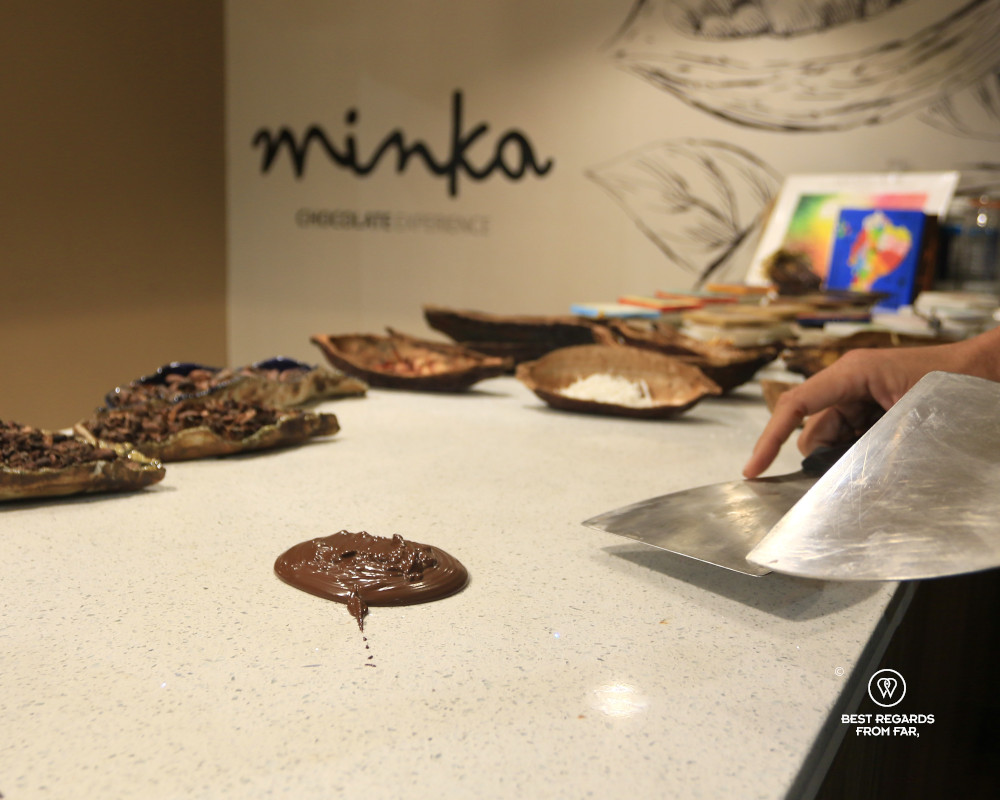
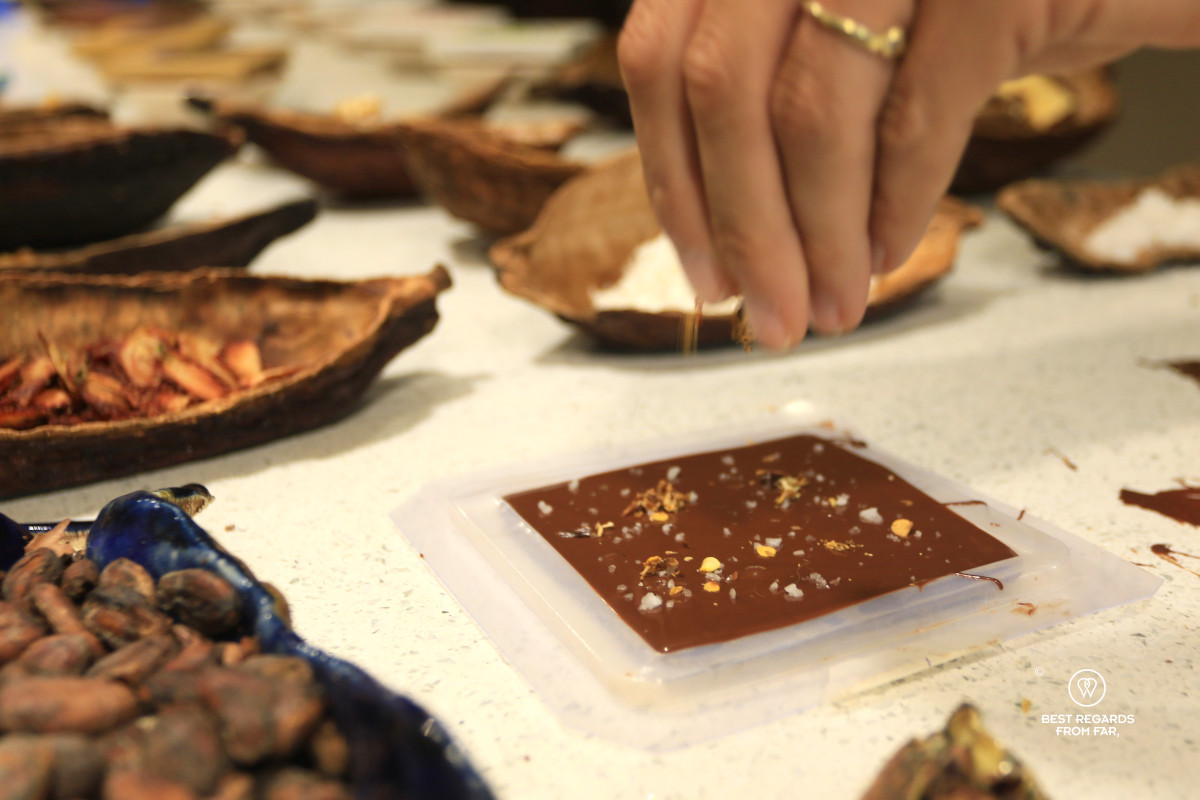
Minka — named after the Quechua word for teamwork to highlight the importance of the community — proposes a hands-on approach in its café overlooking the Church of San Francisco where its bars are also sold. The RAW collection is minimally toasted just to kill bacteria without masking the flavors. A workshop allows crafting your own 70 percent (70 percent cacao, 10 percent cacao mass, and 20 percent sugar) chocolate bar.
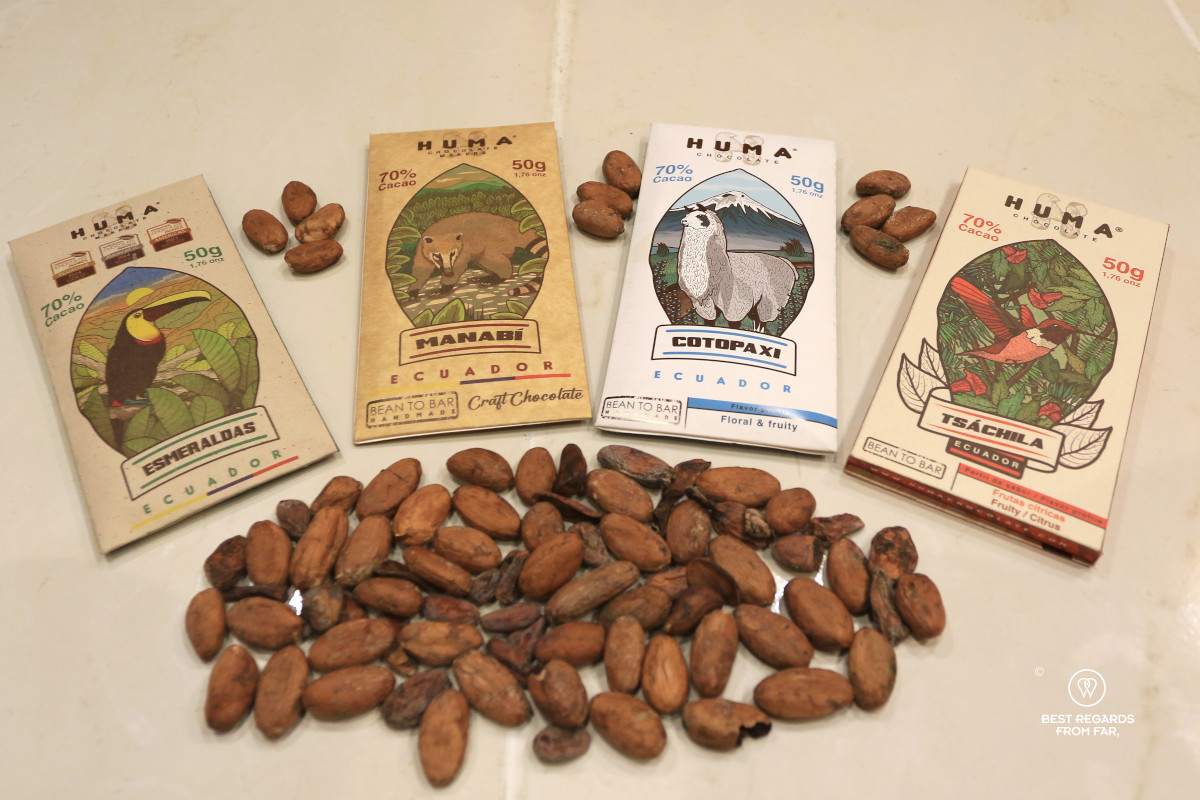
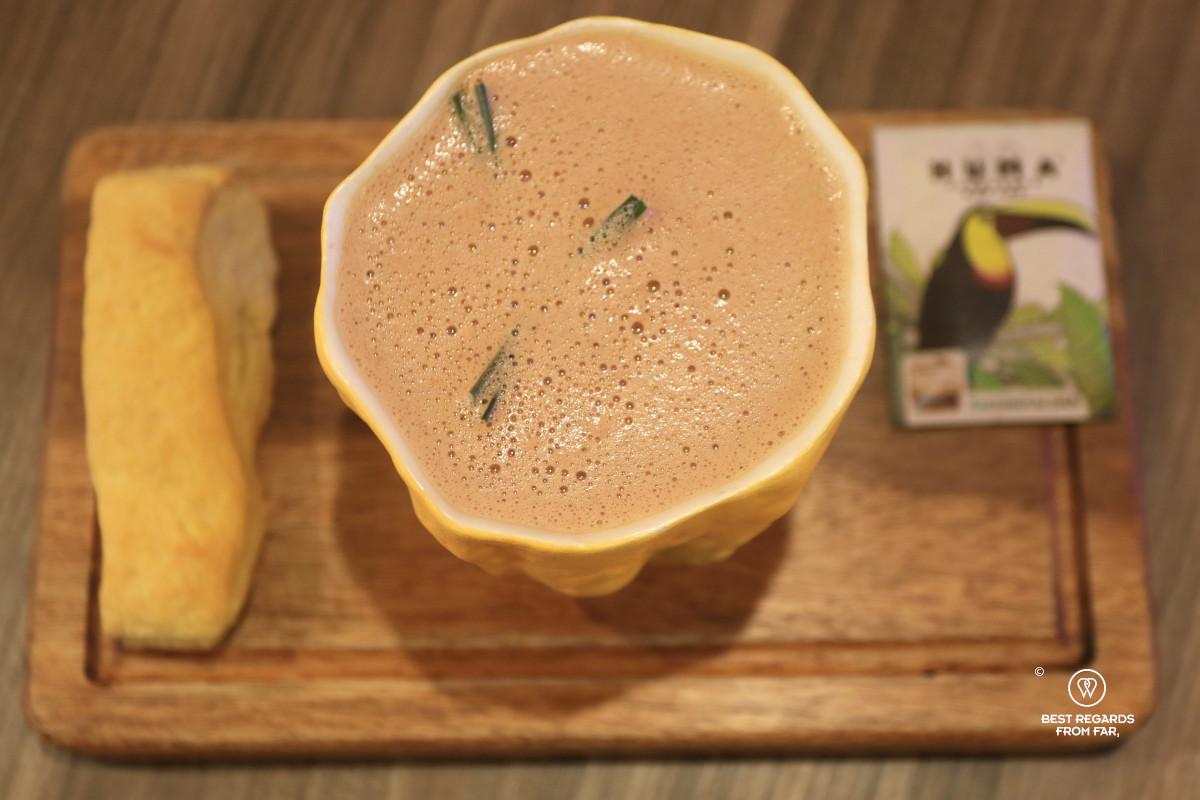
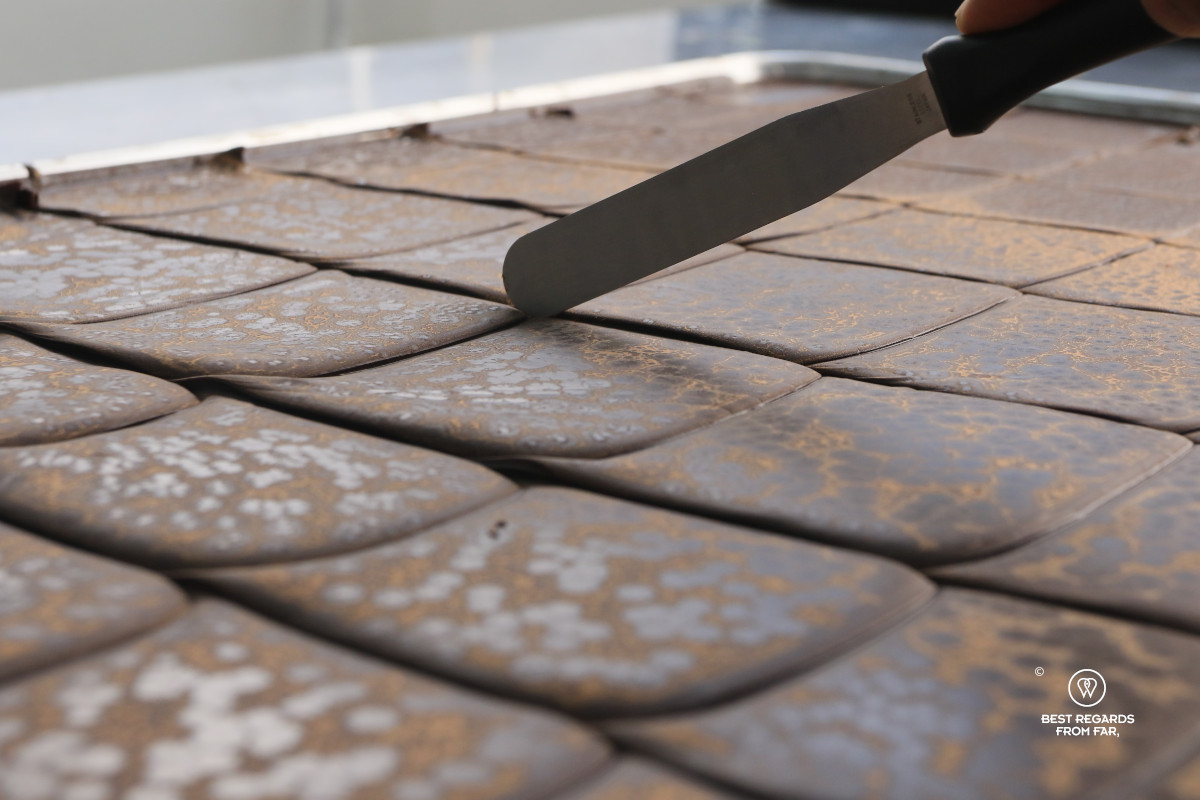
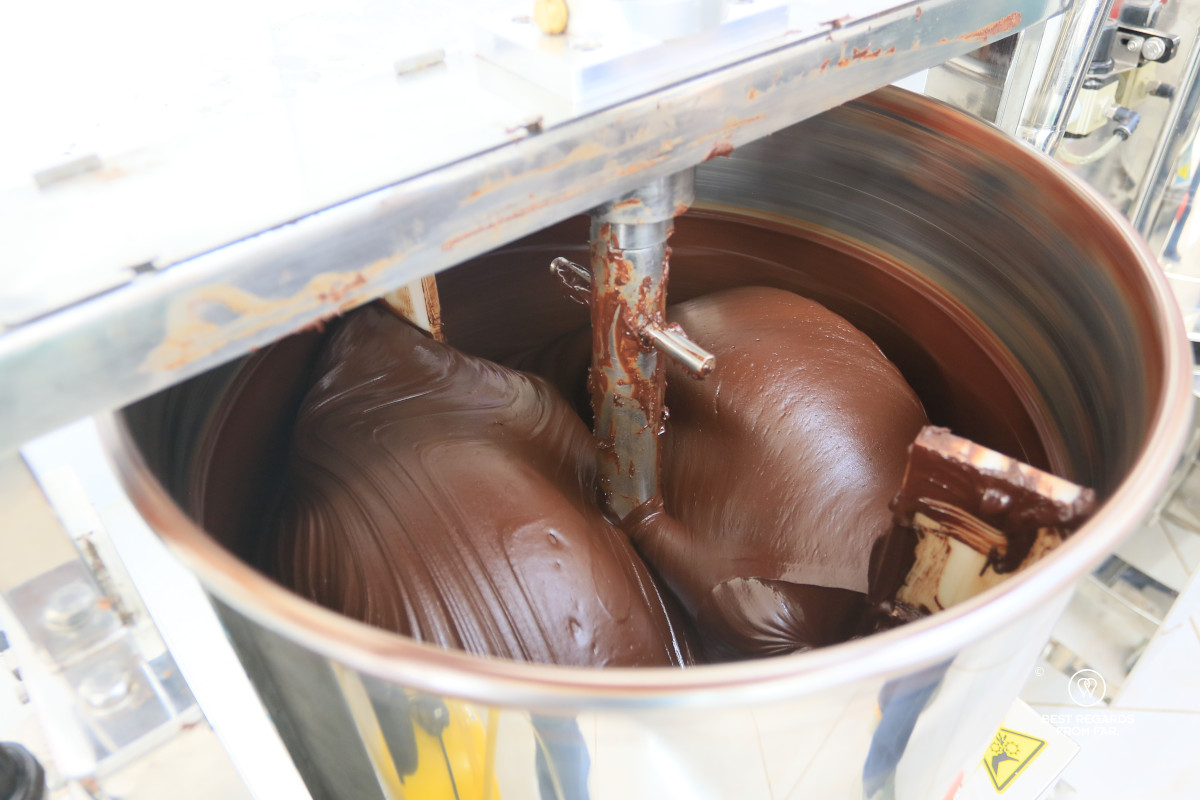
Huma Chocolate draws inspiration from Aya Huma, the Andean harvesting spirit. Working closely with growers to ensure the quality of every bean of their small and top quality production, the brand emphasizes education, sustainability, and empowerment of local farmers. The chocolate highlights the terroir of the best cacaos growing in various regions of Ecuador, using only three ingredients: cacao mass, cacao, and sugar… Plus an infinite amount of passion! We appreciate the sweeter notes of cacaos from the coastal regions where the soil is more nutritious, and the dryer tones of the Andean volcanic areas while the Manabi chocolate remains our favorite.
***
Walking this chocolate trail in Quito from churches to museums; from captivating workshops to contemporary chocolatiers will leave you with a lasting respect for this millennium-old crop that has conquered the world over.
Is it the theobromine that triggers our release of endorphins, our brain “feel-good” chemicals that makes us love chocolate so much? Or the passion and dedication of small-scale farmers and know-how and innovation of chocolate makers that have been elevating this product of the gods to the outer reaches of the atmosphere? Maybe it is a bit of both.
Travel tips:
- For the best chocolate in their purest form and to taste the terroir of Ecuador while rewarding a socially-conscious initiative, do not hesitate and go to the international award-winning Huma Chocolate that definitely gets our accolade!
- Check out this interactive map for the specific details to help you plan your trip and more articles (zoom out) about the area!
For more in Ecuador, click on these images!


There is an Ecuadorian chocolate place in the town where I live. I like to go there and get chocolate sometimes
Lovely! In which town do you live? And thanks for your read 🙂
The store is in Cedar Park TX.