Article updated on August 12, 2026
Text: Claire Lessiau
Photographs: Marcella van Alphen
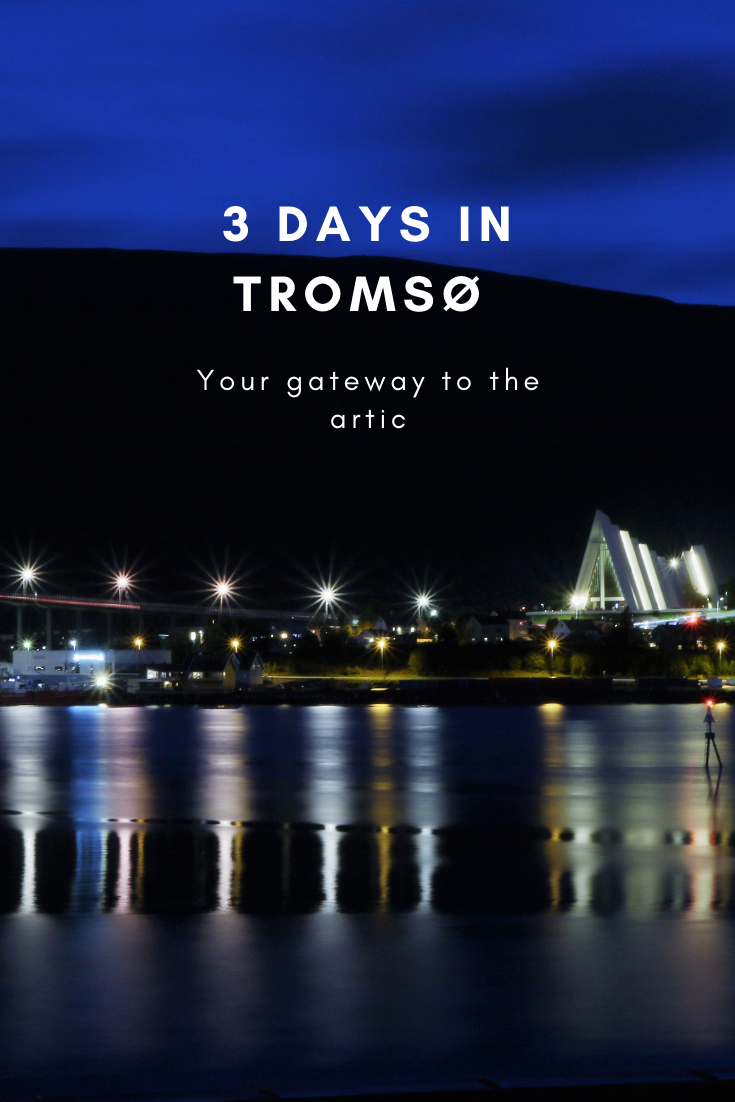
Tromsø, nicknamed the gateway to the Arctic, is the largest urban area in Northern Norway (and the third largest in the world North of the Arctic Circle) where one can tick off probably all the northernmost bucket list items one can think of from the northernmost brewery to the northernmost botanical garden and many more.
With the city centre located on the Tromsø Island, surrounded by the Norwegian Sea and snowy mountain peaks, the weather can be tricky at times. In this article, activities are sorted out by indoor and outdoor settings in order to easily fill up a three-day stay, with a special section about the Northern Lights that are often the reason to visit.
Pin it for later!
Northern Lights [September to mid-April]
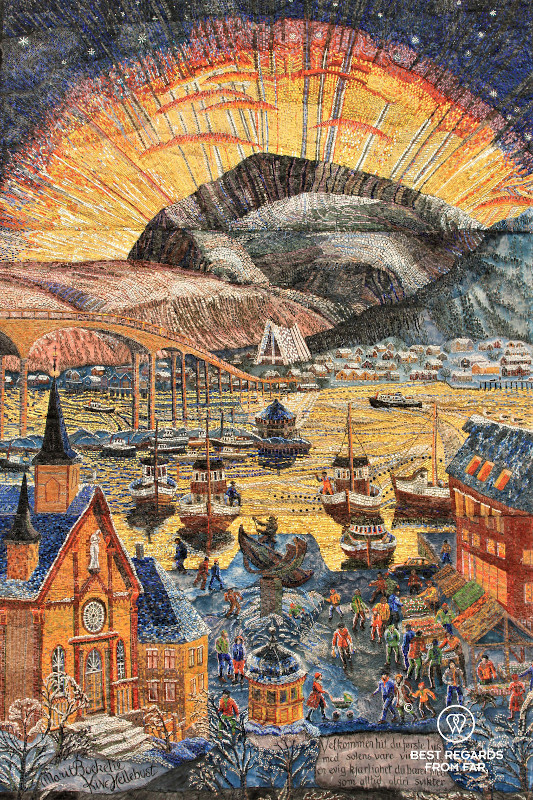
With its latitude just shy of 70° North, Tromsø enjoys a rather mild climate thanks to the Gulf Stream. Hence, it is the perfect place to enjoy the midnight sun in the Summer which is greatly celebrated all over town, while it is the ideal Winter base to track the Northern Lights.
While the Northern Lights happen all-year-round, the best season to observe them in September to mid-April with the peak season running from November until February. Days are so short then that the chances of seeing them are much greater.
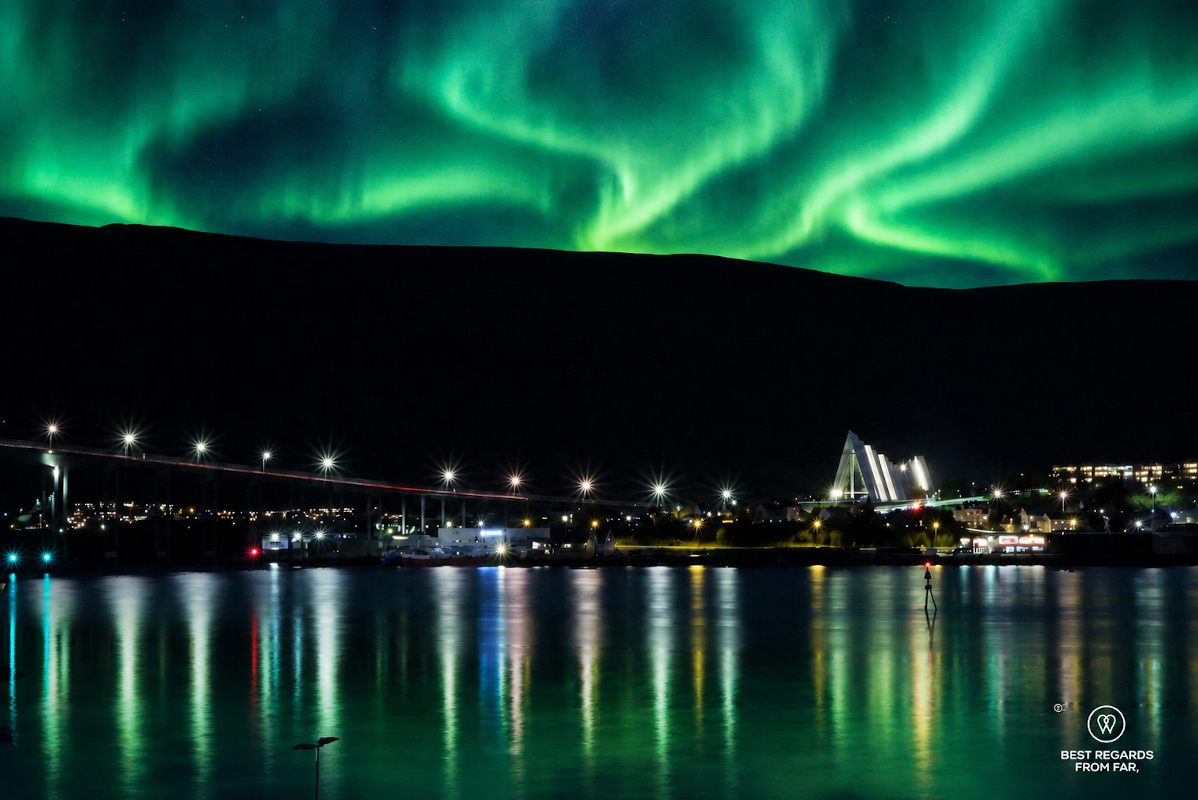
However, the city surrounded by high peaks is often in the clouds and as one of the largest Arctic settlements, it comes with significant light pollution. Many companies operate from Tromsø and propose Northern Light hunts consisting in driving for up to 8 hours with a guide to the best location to see the whimsical phenomenon.
Most of the time, the drive goes two hours East of town to the nearby Lyngen Alps and the Skibotn area. With its rather dry microclimate, it offers excellent conditions for optical studies of atmospheric and astronomical phenomena. There are good reasons why Skibotn was chosen by the The Arctic University of Norway in Tromsø to build the Tromsø Geophysical Observatory, as it is one of the few hotspots in the world from where aurora borealis are researched. Planning to spend a few nights in the beautiful Lyngen Alps while enjoying the mountains is definitely an option to consider.
To understand the physics behind this phenomenon, there are excellent movies shown in the museums of Tromsø: the best one is shown at the Tromsø Planetarium. It emphasizes the beauty of the aurora borealis shot in Northern Norway and the additional interactive exhibit explains the physics. The University Museum and Polaria show the same educational movie about the Northern Lights.
Outdoors
Downtown Tromsø [Charming]
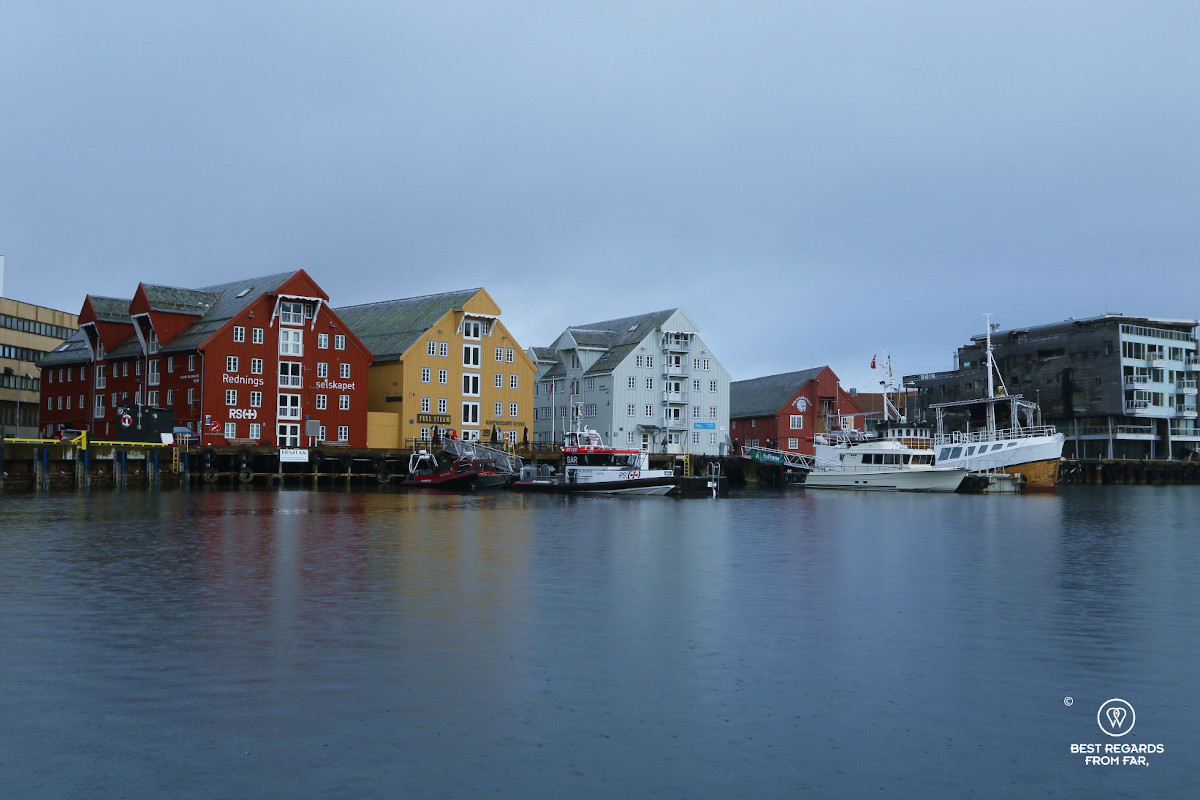
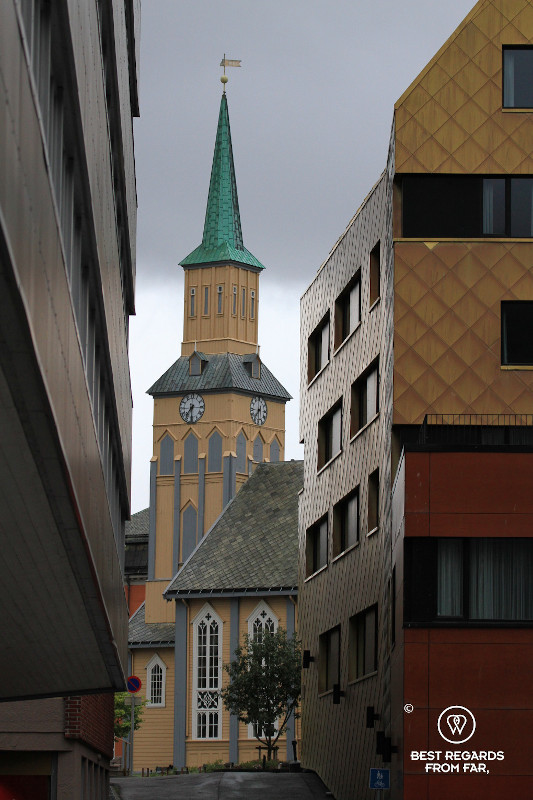
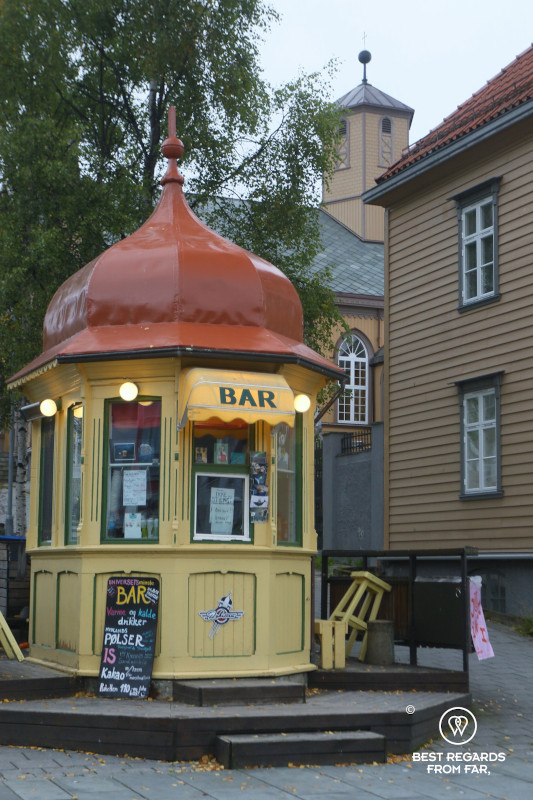
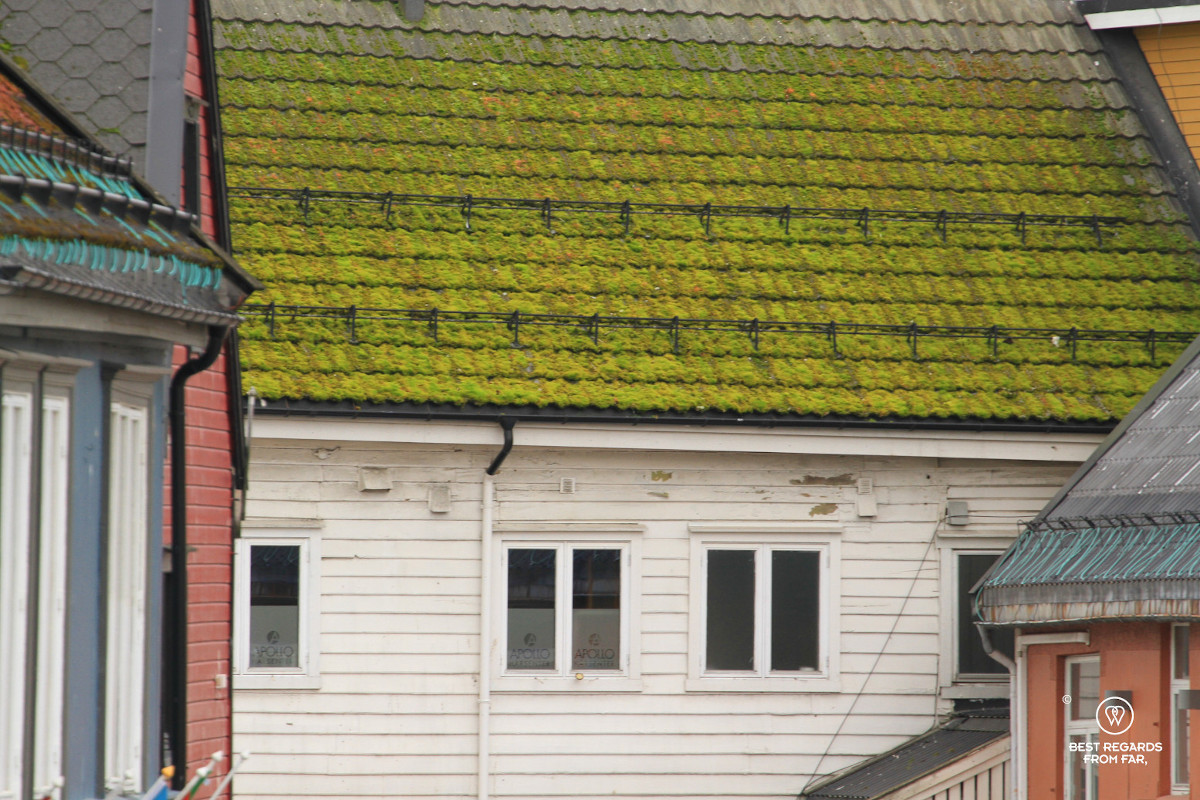
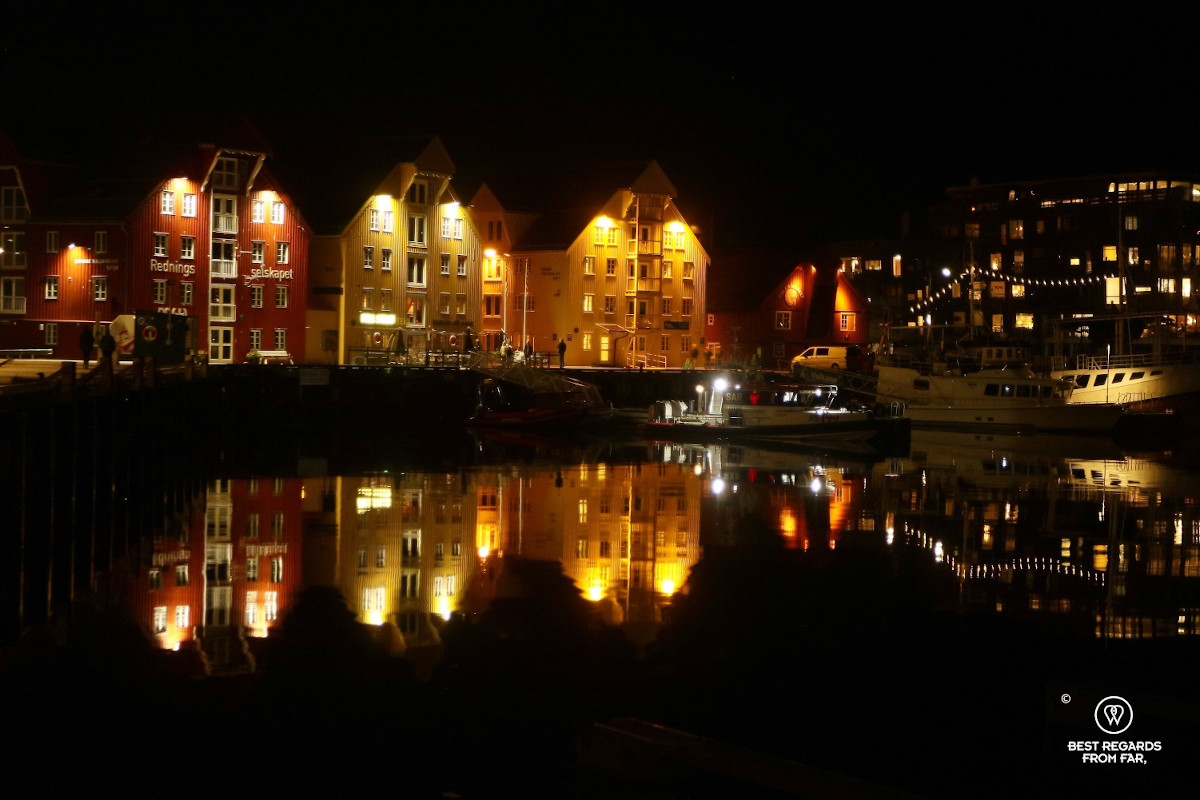
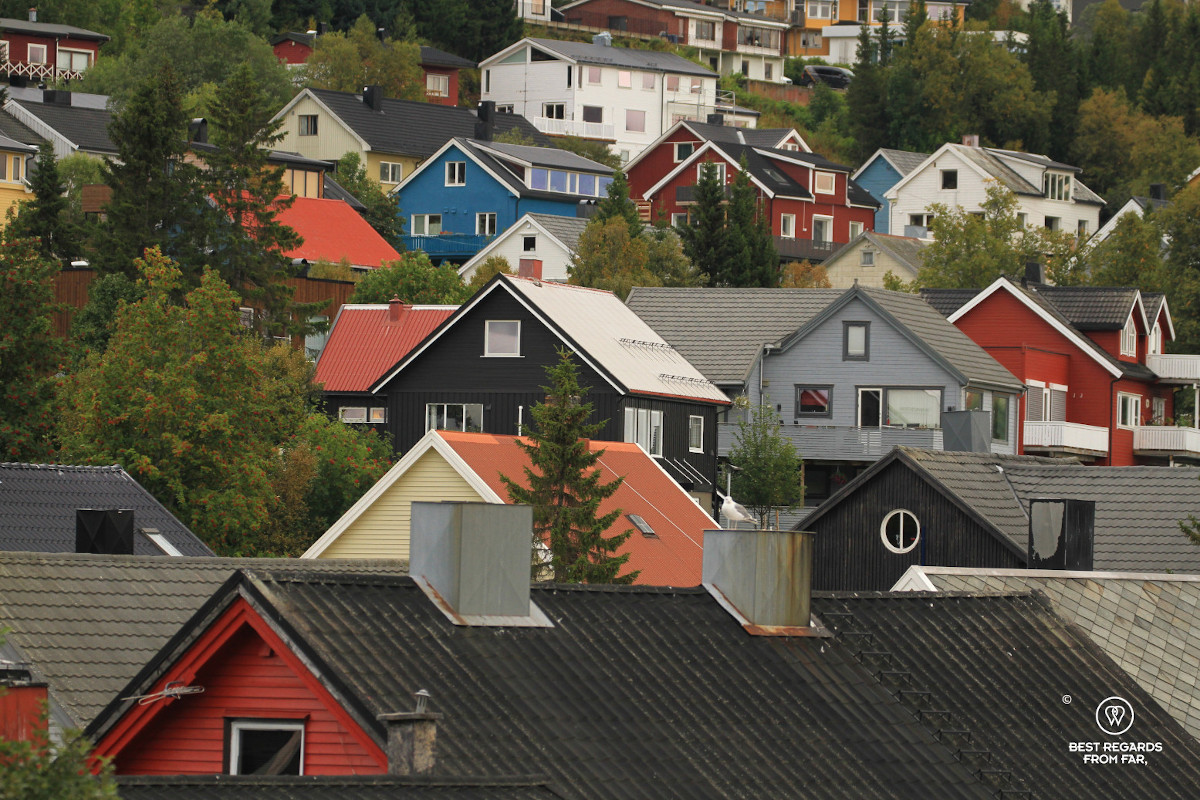
Strolling the compact city with its former wooden warehouses on the picturesque harbour, the colourful houses in quiet Skansen and Tromsø’s charming shopping streets is a must. On Tromsøya itself, meaning the island, many green spaces such as Charlottenlund Park surround the city centre and provide an easy escape into nature.
Blue Ice Lake [Easy & Beautiful Hike in the Lyngen Alps]
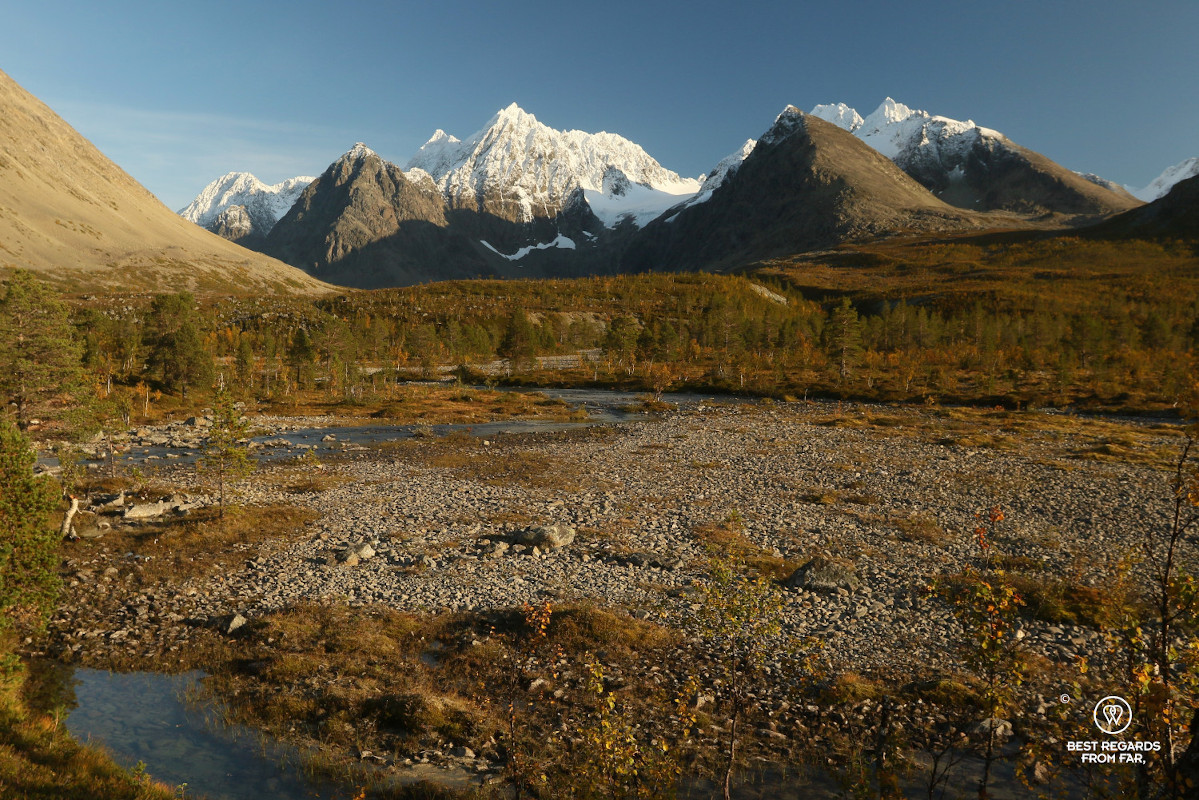
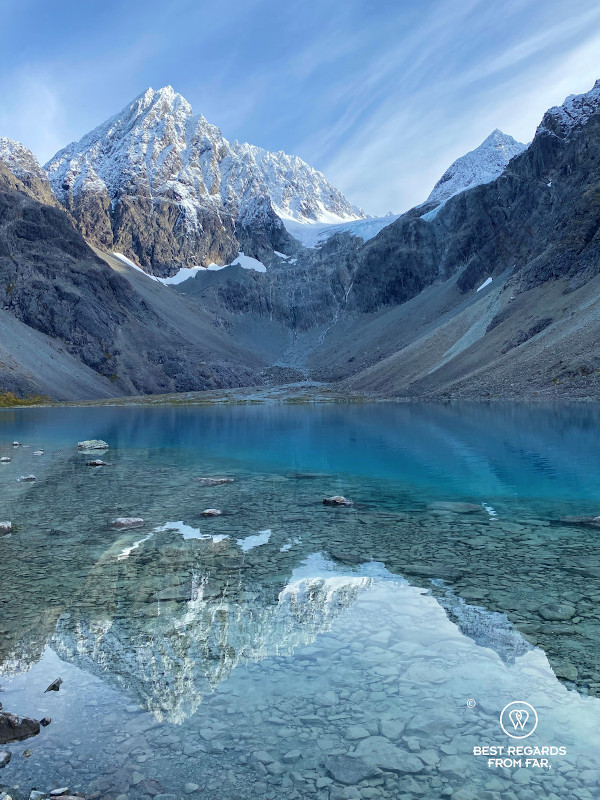
While talking about the Lyngen Alps, the Blue Ice Lake is a rather easy and beautiful hike leading to a well-named lake! As such, it is also a local’s favourite and it is well-marked and well-trodden (for the GPS track, check out the interactive map at the foot of this article). If you are short on time and still want to get a glimpse of the Lyngen Alps, this short-yet-rewarding hike can be done as a day trip from Tromsø.
This beautiful lake is covered by ice and snow most of the year, so the hiking season is limited to the summer, and the early fall offers stunning foliage.
Hiking Up Fløyen [For Amazing Views on Tromsø]
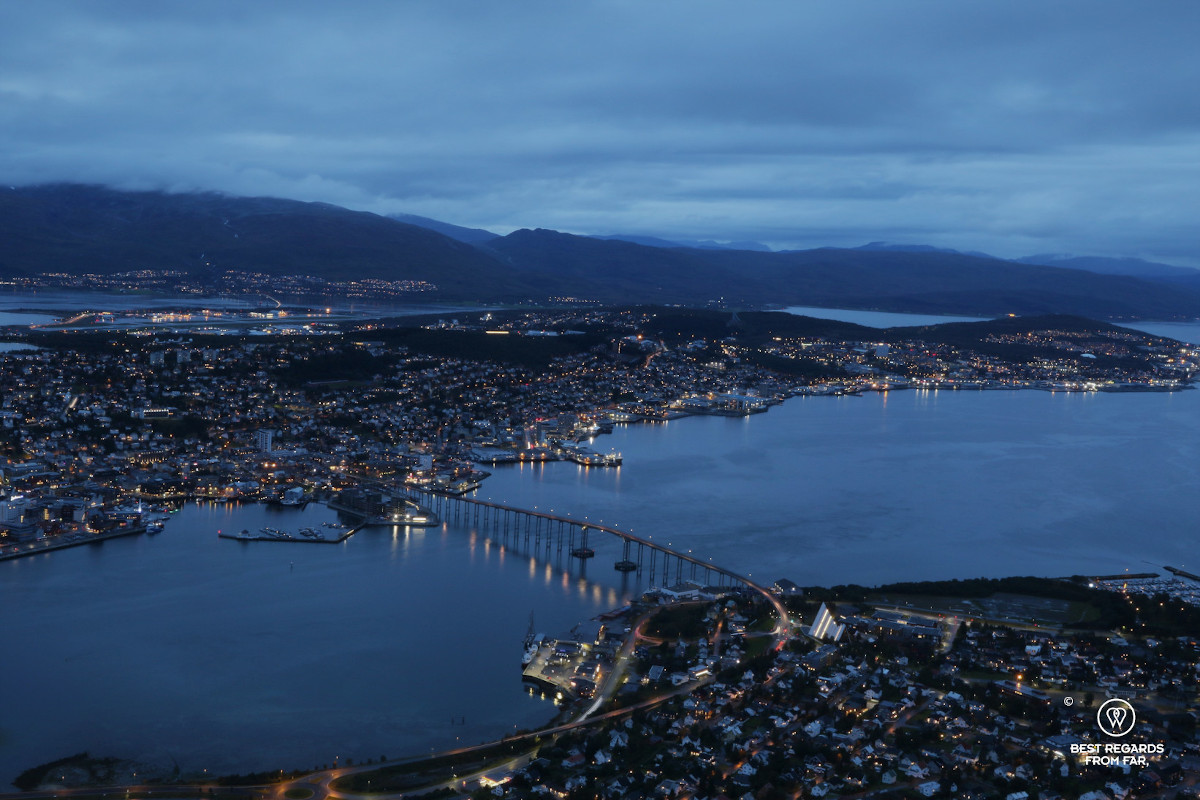
The observation deck up Fløyen offers beautiful views on Tromsø Island. For the brave ones, a nice and short workout up a staircase made by Sherpas is the way to go while others may take the funicular. The sunset time is a favorite and allows to also enjoy the city lights. The funicular is a good option to go back down as the path is not lit and can be an ankle-twister in the dark.
If you are in the mood for more hiking, a wide variety of well-marked trails branch out into these mountains from the top of the funicular.
The Arctic Cathedral [Northernmost & Tromsø’s Landmark]
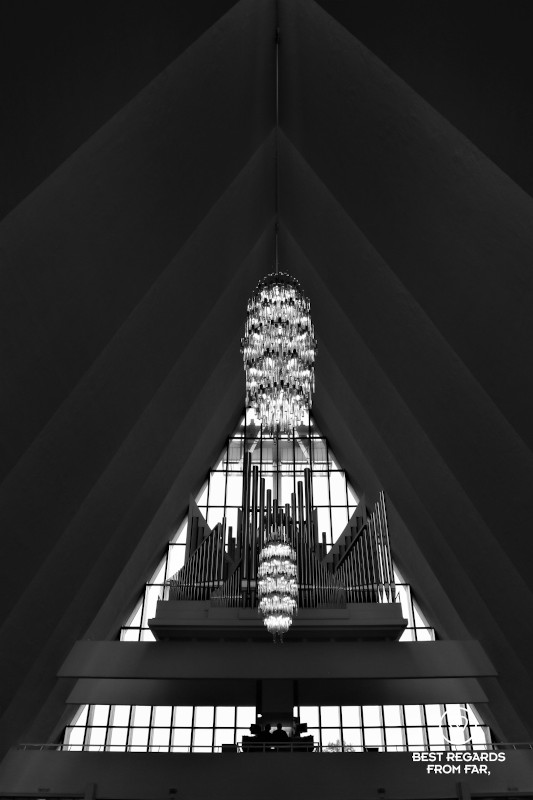
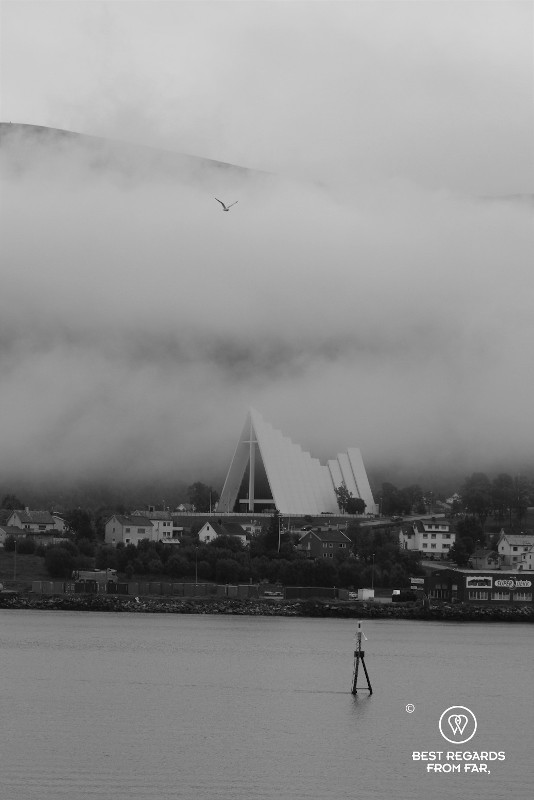
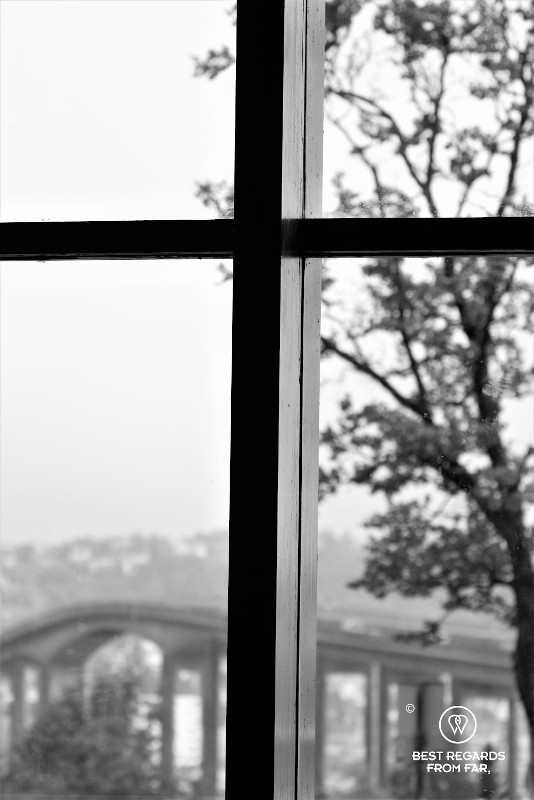
If the Arctic Cathedral may fit better in the indoor activities, it is nice to walk across the Tromsø Bridge to reach it. The walk to the cathedral takes actually more time than the visit itself. The modern architecture of the concrete and metal Ishavskatedralen that was built in 1965 by architech Jan Inge Hovig has made it a landmark of the city to the point that this parish church is referred to as a cathedral! The unique architecture expresses the same ideas as the Oslo Opera House and represents an iceberg, the snowy peaks, and ice.
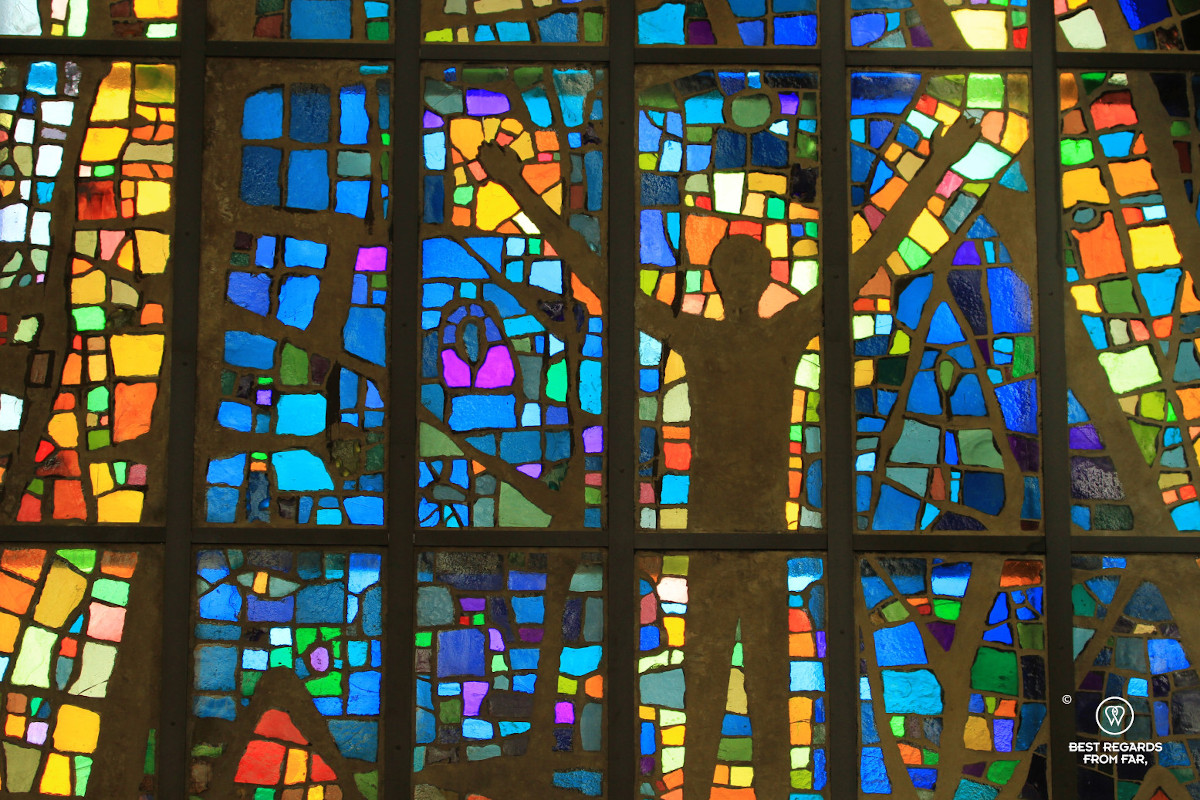
Inside, the modern glass mosaic gives colours and warmth to the white edifice.
The [Northernmost] Botanical Garden
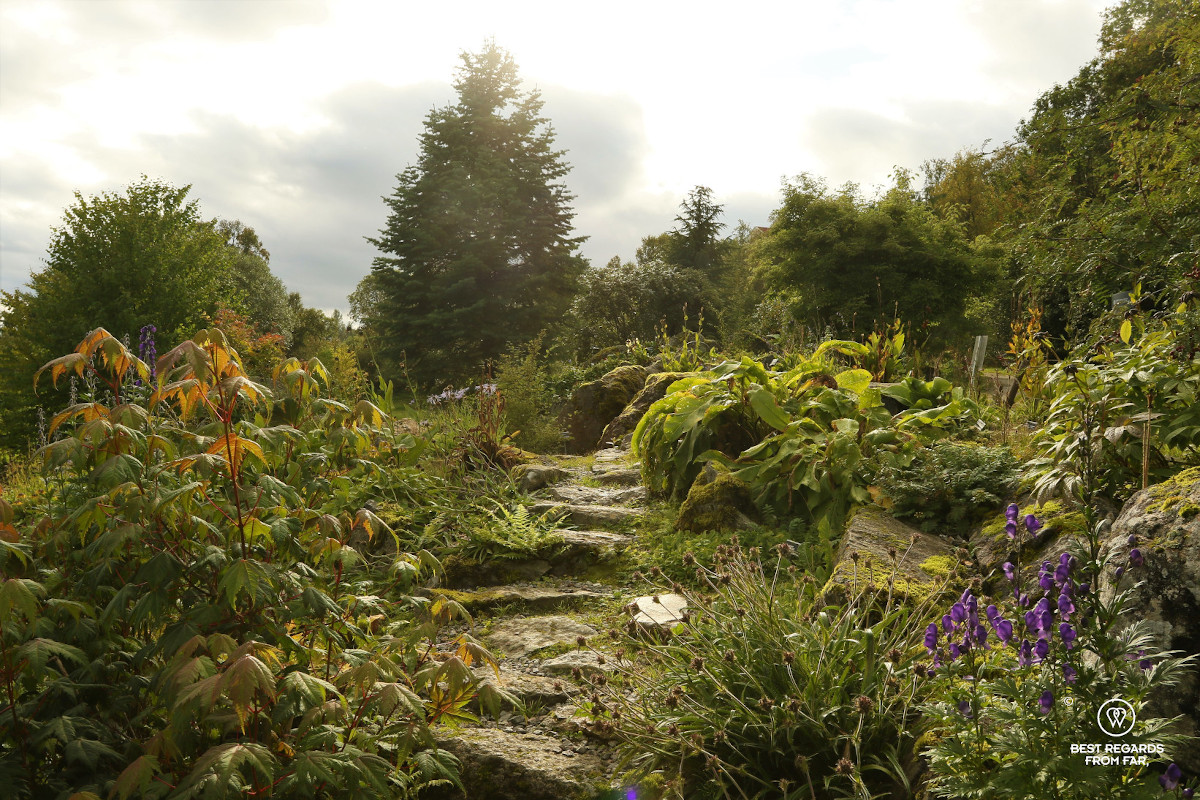
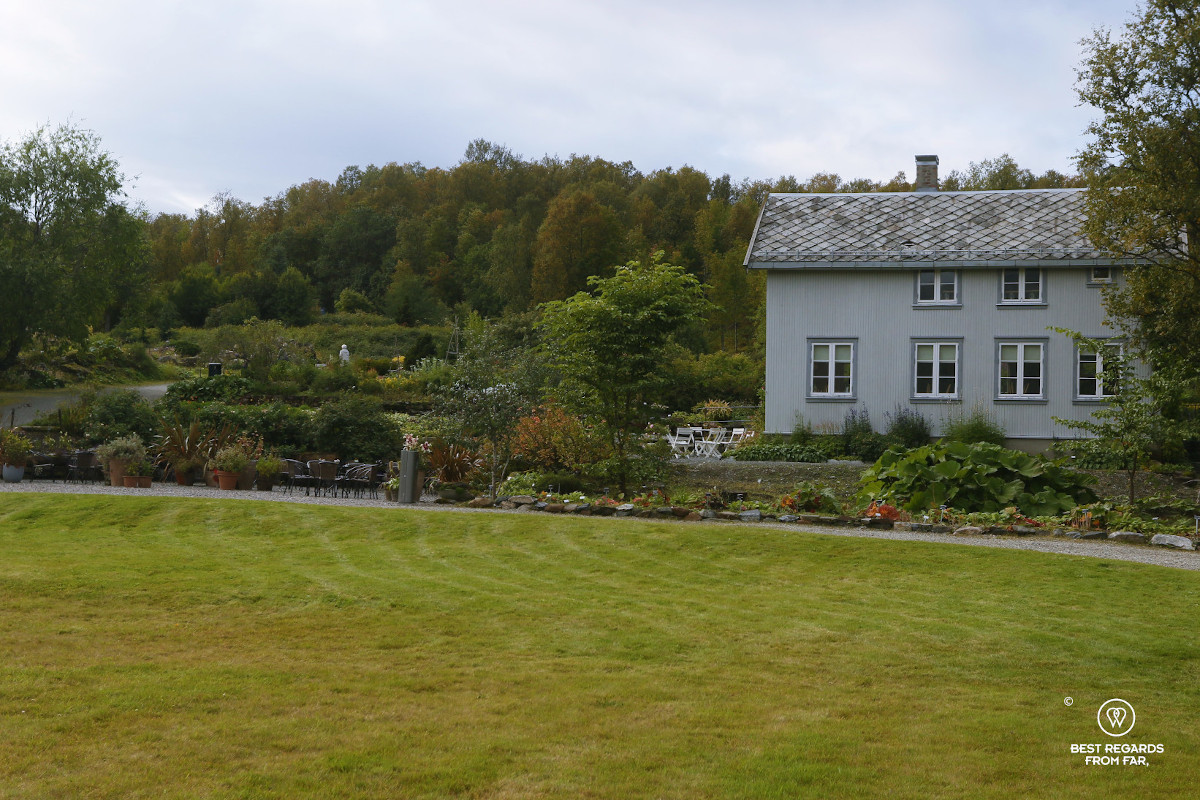
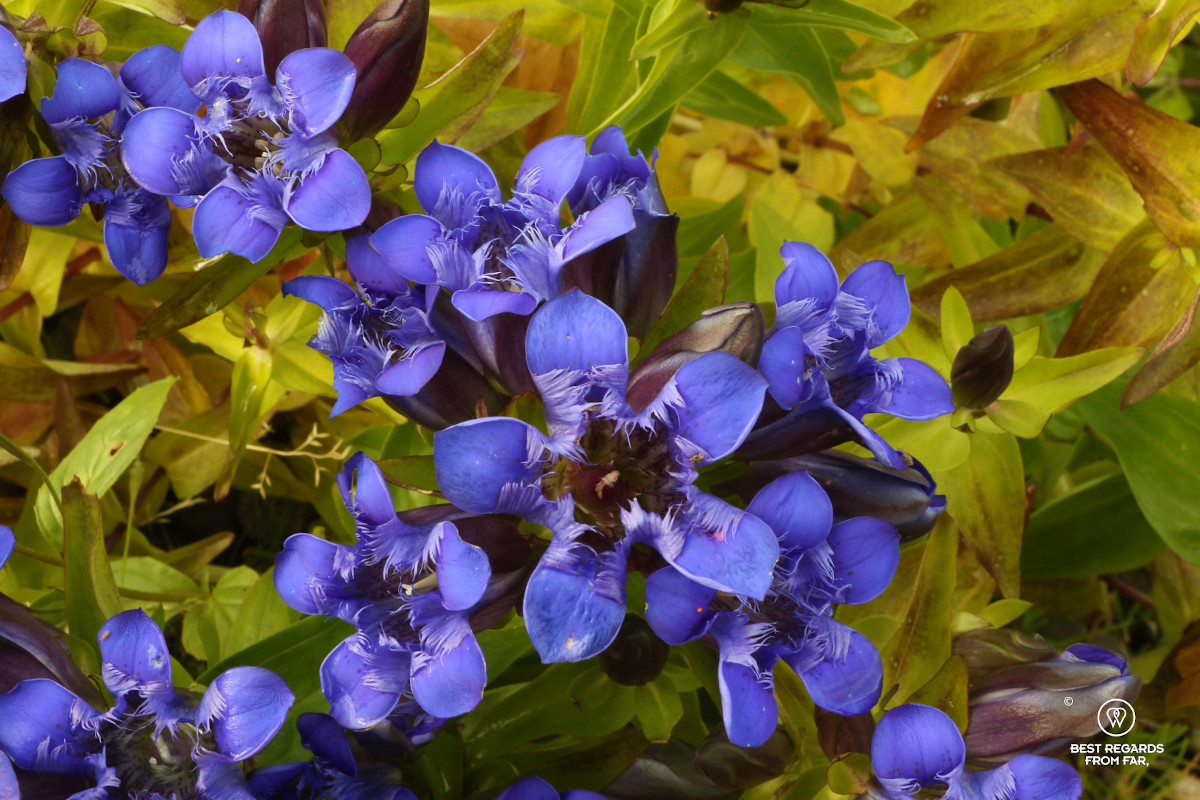
The geology trail leads to the garden, with the Tromsø Sound and snow-capped mountains in the backdrop. The Botanical Garden boasts 27 collections of plants from the Arctic, Antarctic and Alpine parts of all continents that are best appreciated between the end of May and mid-October. And of course, world’s northernmost botanical garden is run by the University of Tromsø, world’s northernmost!
The Polar Park [Up Close with the Shy Arctic Fauna]
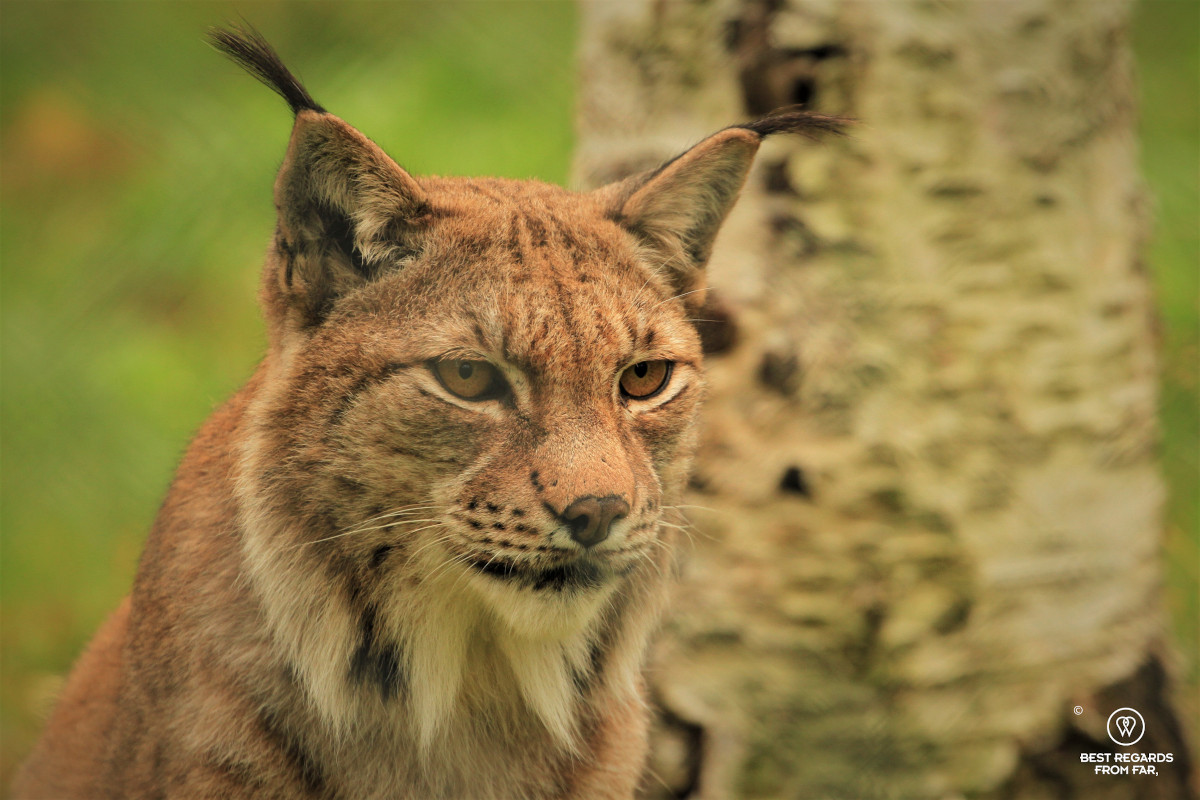
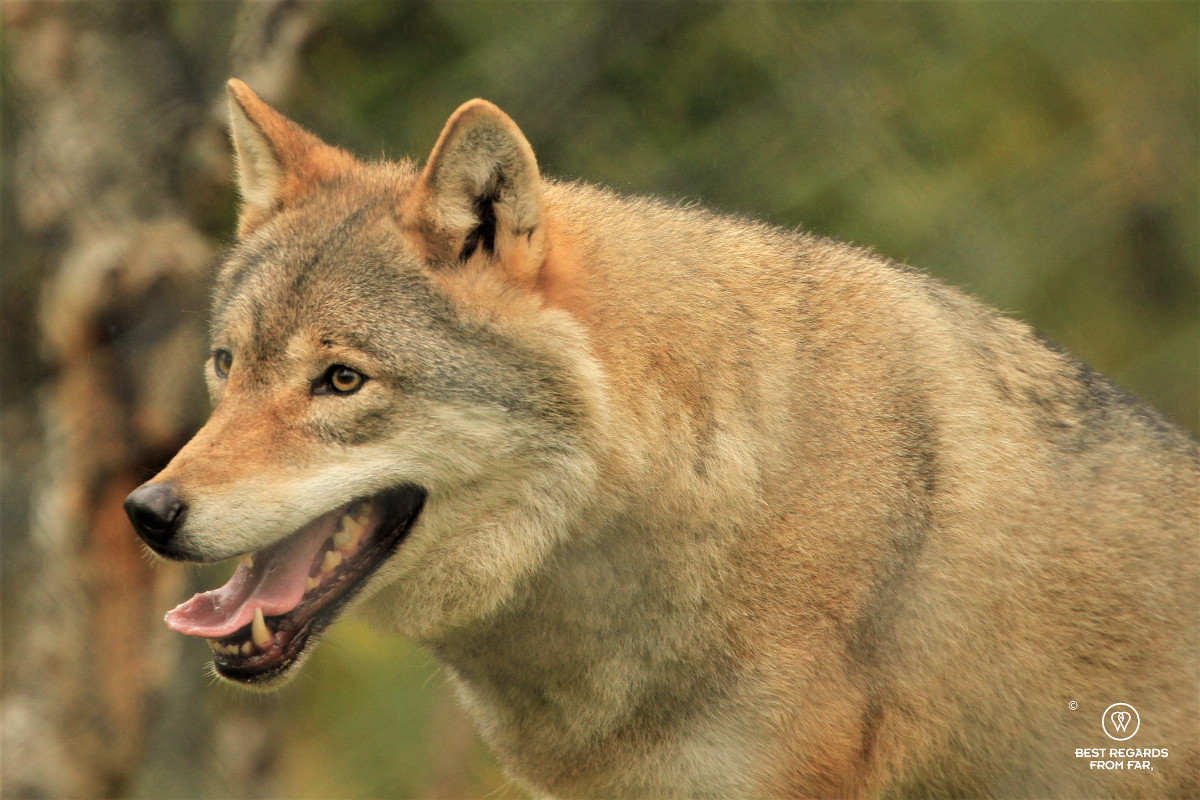
To observe the arctic fauna, as well as reindeers, musk-oxen, roe deer and moose in captivity in large enclosures and learn about them, a visit to the Polar Park (check out our article and photographs) (check out our article and photographs), about two and a half hours south of Tromsø, is quite rewarding.
Indoor activities
The Tromsø Planetarium [The Best Place in Tromsø to Appreciate the Northern Lights]
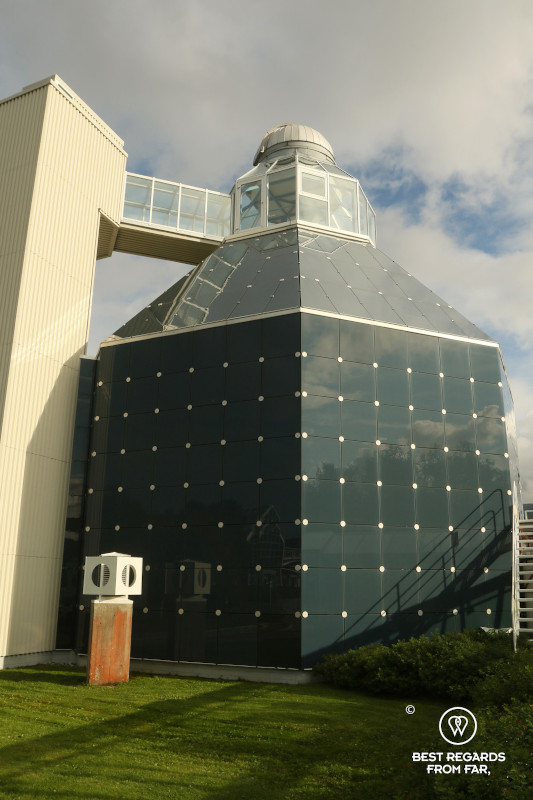
Located on the Tromsø campus of the Arctic University of Norway, close to the botanical garden, the Planetarium is hosted by the Science Centre of Northern Norway, an interactive science museum. In the Planetarium itself, the focus is on the Northern Lights that are explained in an interactive exhibit and beautifully showcased under the 12-meter diameter dome in the minute Extreme Auroras movie by Ole Salomonsen. Ole has been on a five-year quest all over Northern Norway in search for the perfect northern light display and has edited his best movies for this daily 2 p.m. show narrated in English.
Polaria
Polaria is a bit of a weird museum where plastic waste is advocated against, yet a whole basin for seals is entirely made of plastics to stand for the ice, and where wild seals are captured to please visiting families with zoo-type shows. If one accepts to ignore the lack of consistency of the institution, some interesting exhibits teach about the different forms of snow and ice such as grease ice, pancake ice, and frazil ice, or about polar animals and the impact of climate change that is felt even more strongly in the Arctic.
A couple of movies about the Northern Lights and a panoramic flight over Norway’s Svalbard Archipelago are perfect activities for one of these many rainy days in Tromsø.
The Polar Museum [Unsettling]
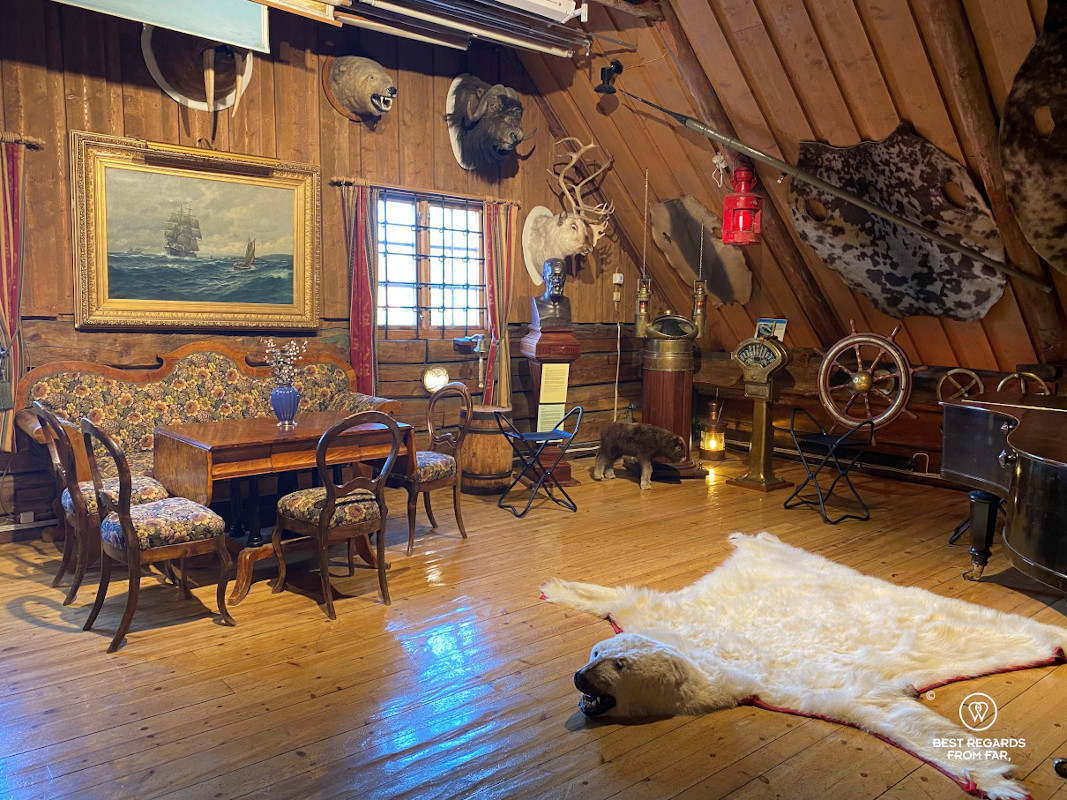
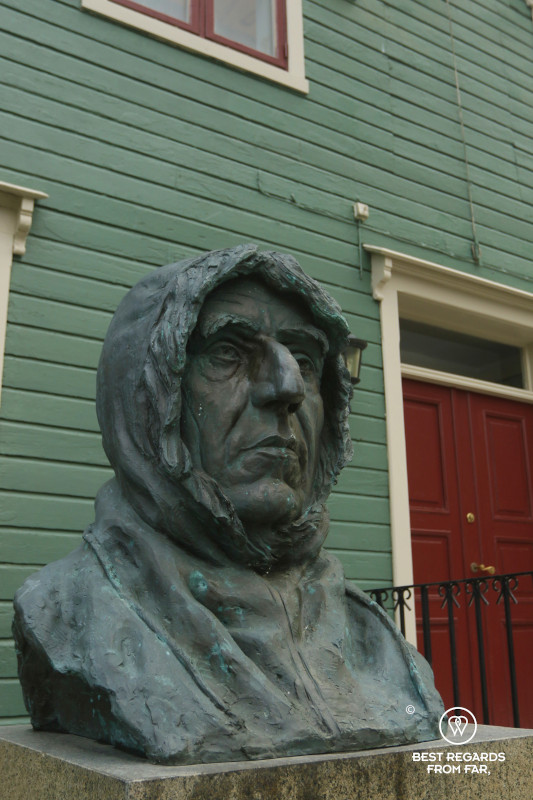
The Polar Museum also requires to step back to truly appreciate it, if at all possible. While the stories about the adventures of early Arctic explorers such as Barentsz, Nansen and Amundsen are fascinating, it also details the life of later fishermen and hunters involved in a very bloody business…
During the second half of the 16th century, the English and the Dutch were looking for a north-eastern passage to China. The Dutch Willem Barentsz (1550-1597) was the first to put Svalbard on the map and encountered polar bears during his expedition which were unknown to him. Navigating crews were fast to also notice the large amounts of whales and walruses: it was not long before land bases were developed by the English, Dutch, Danes, Norwegians and Russians for hunting and fur trapping for polar bears and Arctic foxes. Barely 40 years later, over hunting already took its toll and for instance, reindeer on Svalbard almost went extinct! As the wealth of Tromsø that became an important sealing centre developed, so did gruesome hunting techniques. Local hero and Norwegian best known trapper Henry Rudi, responsible for the hunt of 713 polar bears, was awarded the king’s medal of merit for his work in the Arctic in 1953! The risky business consisted in trapping a bear in such a way that it would shoot itself in the head with a rifle linked to baited meat. As many of his colleagues, after killing a polar bear mother, Henry was often parading in town with a cub to which he had taught a few tricks and that he would sell to a zoo for a good price. Even when stepping back a lot, considering the conditions of the time, learning about the life stories of these “heroes” is a rather unsettling experience, to say the least.
Thankfully, in 1973, the Economic European Community banned the import of seal skins putting a virtual halt to most of the bloody business in town that focuses today on sustainability of its fisheries, on oil and gas and high technologies from biotech to aerospace, and of course tourism.
The Troll Museum [Where Augmented Reality Meets Folk Culture!]
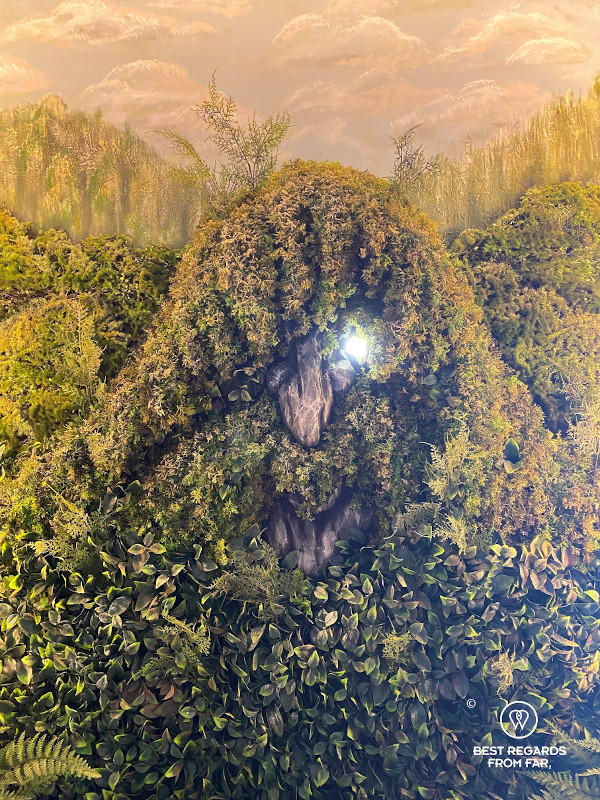
The first troll museum with augmented reality is a fun exploration of the world of the mythical creatures that inhabit Norway’s woods and mountains. Still very present in the Norwegian culture, trolls are at the root of the Norse mythology with Ymir, killed by the God Odin and from whom the whole universe was created.
Over the centuries, these ugly looking creatures of all sizes and shapes have embodied chaos, evil, and paganism. For others, such as the revered Norwegian composer Grieg, they are a true source of inspiration.

The University Museum
Did you know that polar bears evolved from brown bears about six million years ago?
Brown bears made their way on the pack ice looking for food adapting to the rough conditions, turning the fur white and gaining more powerful teeth. Polar bears now face extinction because of the melting ice as they have to swim longer distances to reach the sea ice and sources of food, hence burning more energy to get less food. The territories of brown bears and polar bears are now starting to merge, and they have actually started interbreeding…
Many more interesting facts related to Arctic fauna, flora, geology and Viking and Sami cultures of the North can be learnt at the University Museum. The Northern Lights movie shown at Polaria is also shown here, supported by a captivating exhibition about the phenomenon.
Mack Brewery & Ølhallen Pub
The Mack brewery is of course world’s northernmost brewery. Interestingly, its story is very parallel to the one of Tromsø and unfolds in the old brick cellar where everything started.
Originally from a family of German bakers, Ludwig Markus Mack set up Mack brewery in 1877 when Tromsø was an important sealing centre exporting to Germany, England, and Russia. Whether because of this bloody business or because of the Arctic climate, Tromsø had a drunkenness issue, housing no less than 33 bars for 5,000 inhabitants. Beer seemed to be a good idea to decrease the alcohol level compared to the strong spirits that were consumed. Following the ups and downs of the fishing industry and the restrictions of the 1880s abstinence movement, the Mack brewery survived and in 1928, the beer hall, that is today the oldest pub in Tromsø, was opened. It became the meeting place for fishermen and hunters sharing their Arctic adventures that are described on the walls of the Polar Museum.
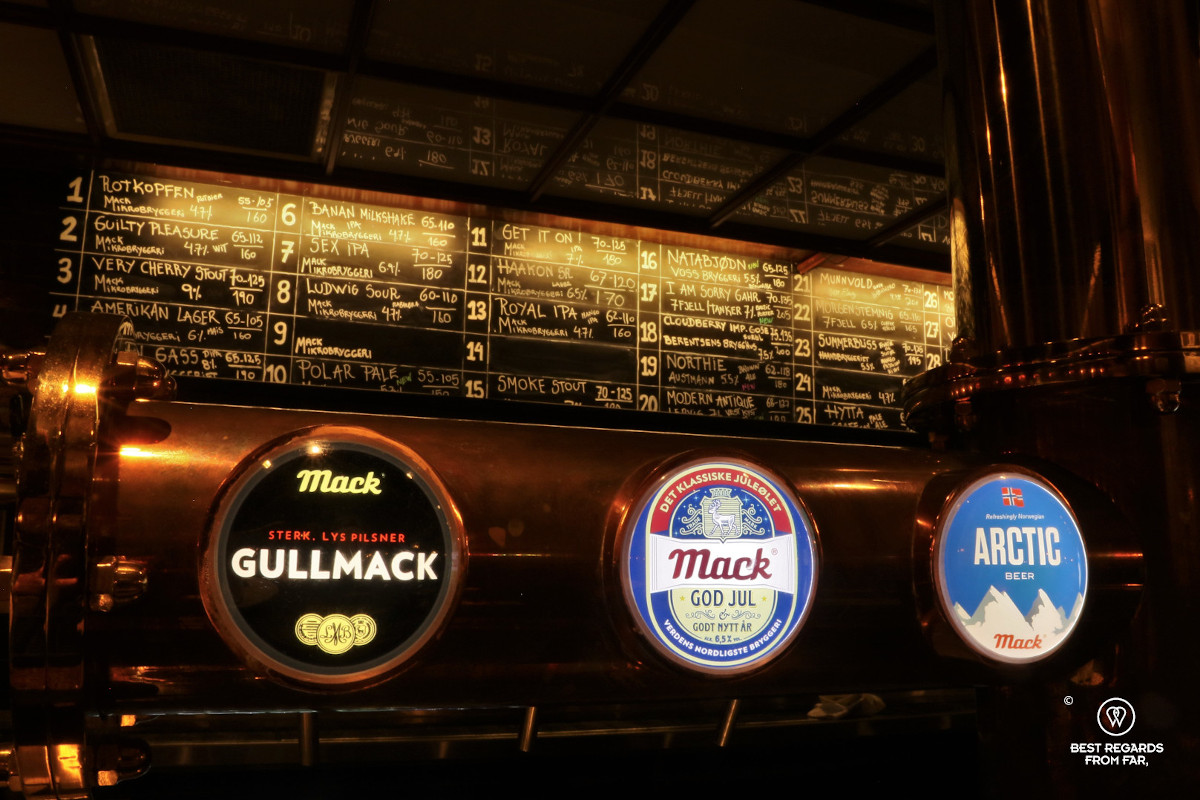
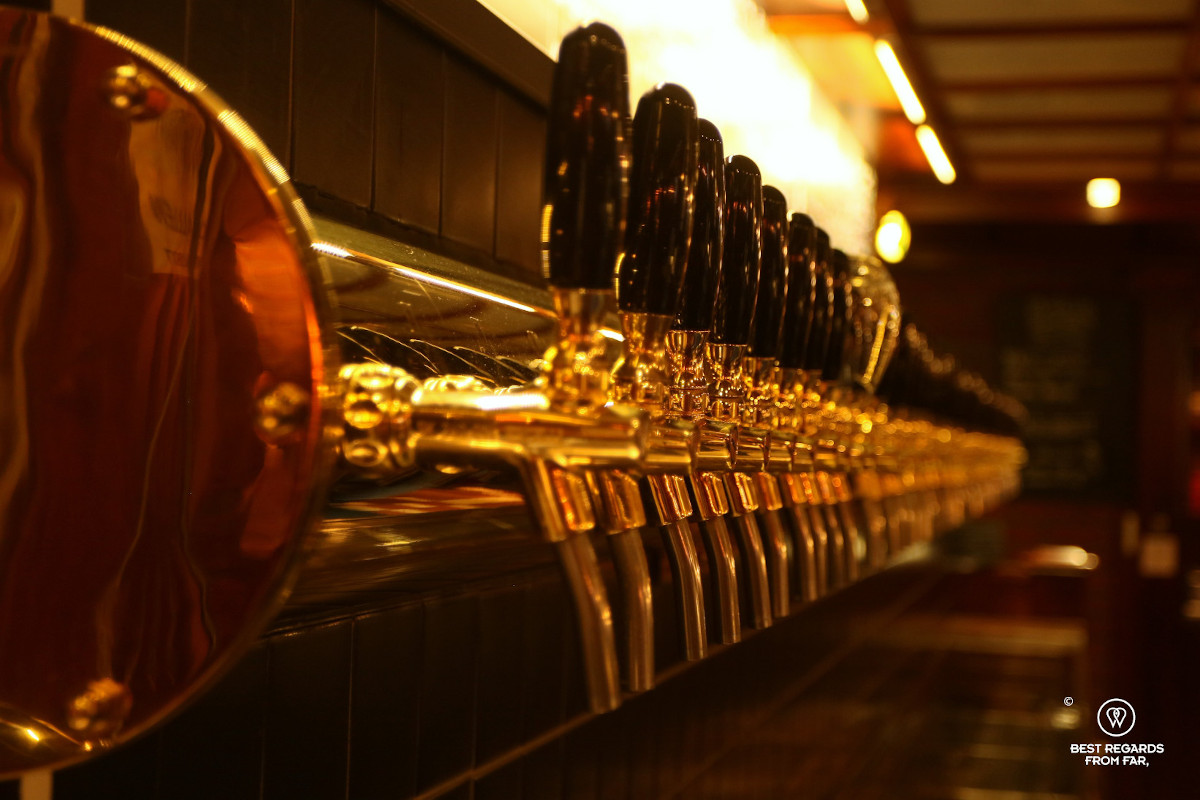
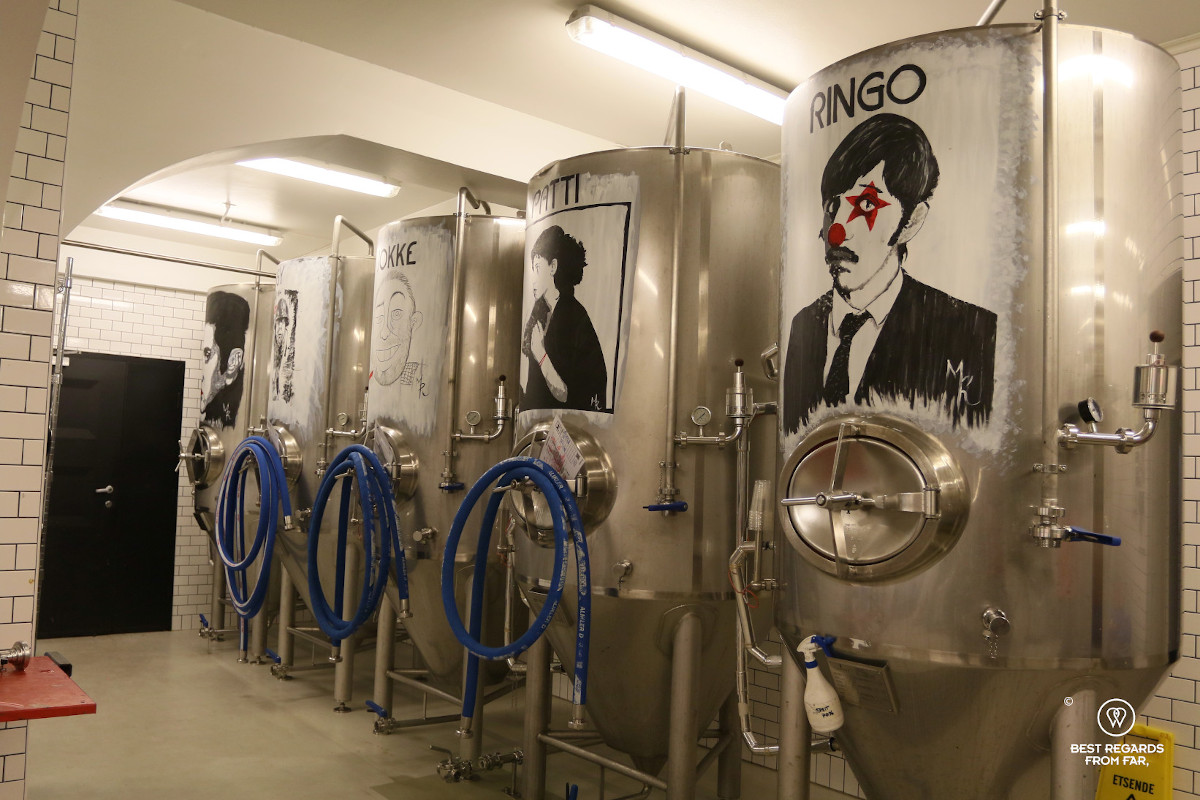
Today, the atmospheric Ølhallen pub is the ideal place to taste some of the Mack beers, either experimental from the next-door microbrewery trying some wild and exotic ingredients during the boiling process while rock music is played to keep the yeast happy, or some of the bestsellers of the fourth largest brewery and the only independent and family-owned one of Norway, managed by the fifth generation.
As the choices on tap are many, bear in mind that the Mack beers are brewed with water coming from the melting glaciers of the nearby Lyngen Alps. This soft water is ideal for pilsner-type beers, such as the Mack pilsener or the Mack Czech 1877 that is still brewed following its original recipe. The variety of beers brewed by Mack is so extensive that a tasting comes highly recommended and is perfect to take the pulse of the city in this locals’ favourite pub.
Where to Enjoy Arctic Food
Fiskekompaniet [The Arctic in a Plate for Foodies]
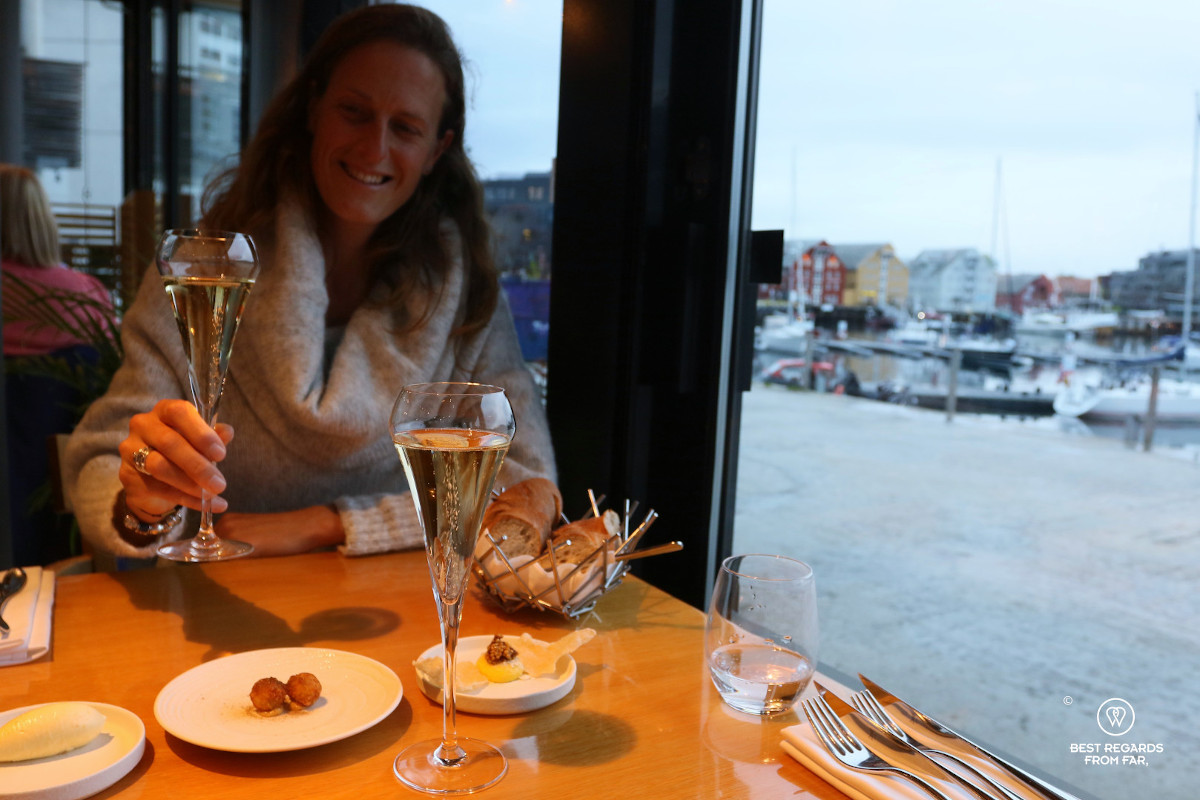
Directly located on the picturesque harbour, Fiskekompaniet is a refined seafood restaurant highlighting products from the Troms Region and fresh ingredients and vegetables, especially in the Menu Maritim. A sommelier, the food and beverage manager Martin Blomkvist proposes an excellent wine pairing option with bottles from all over the world to accompany the exquisite dishes.
Tatomer, one of the best Rieslings from California, pairs sublimely with the local potatoes from the Nygård farm marinated in turnip, with an egg-yolk dressing, coriander leaves, thin slices of kohlrabi and small flakes of dried seaweed to top it off.
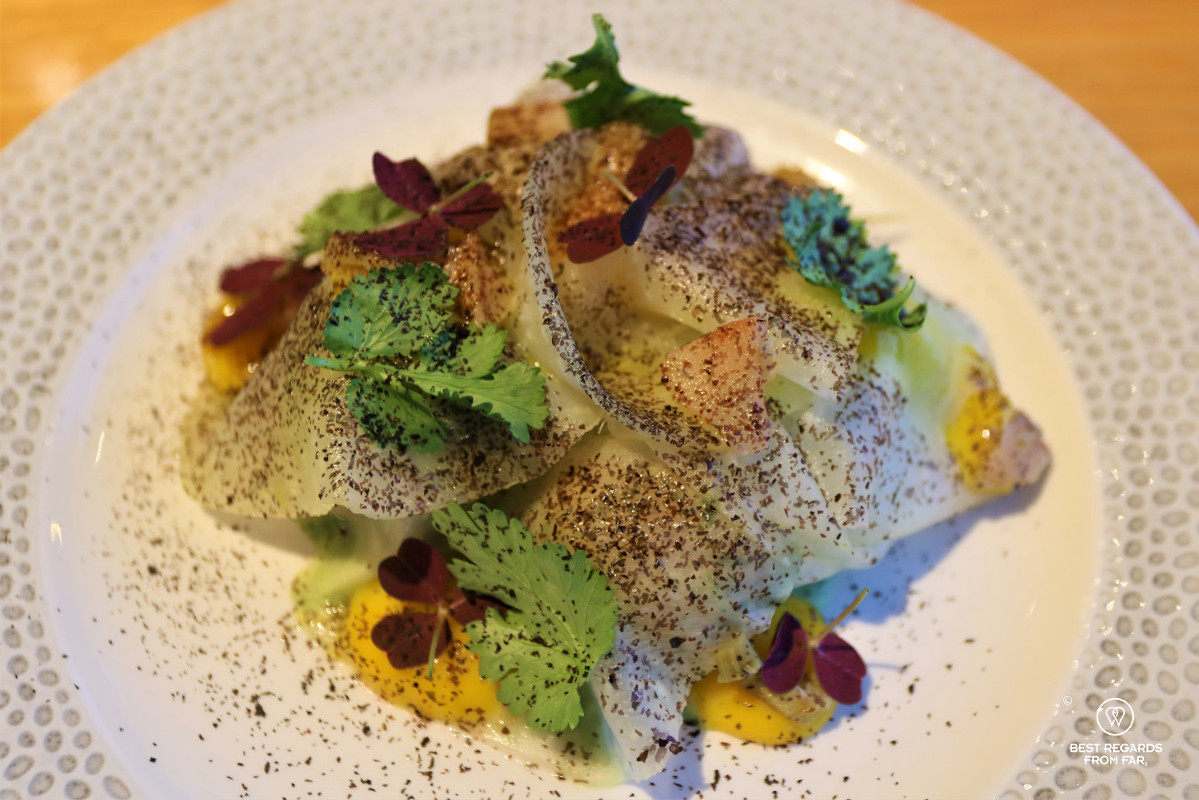
The Sattlerhof Gamlitz Sauvignon Blanc from the mountainous Steirmark in Austria by the Italian border is a fresh and mineral white wine that pairs perfectly with the summery bacalao carpaccio with blackcurrant, sundried tomatoes and blackcurrant leaf oil swimming in a refreshing clarified tomato juice with elderflower. A refined and most original summery twist to the bacalao that is usually served in a tomato stew, and a way of paying tribute to the cod fishing industry!
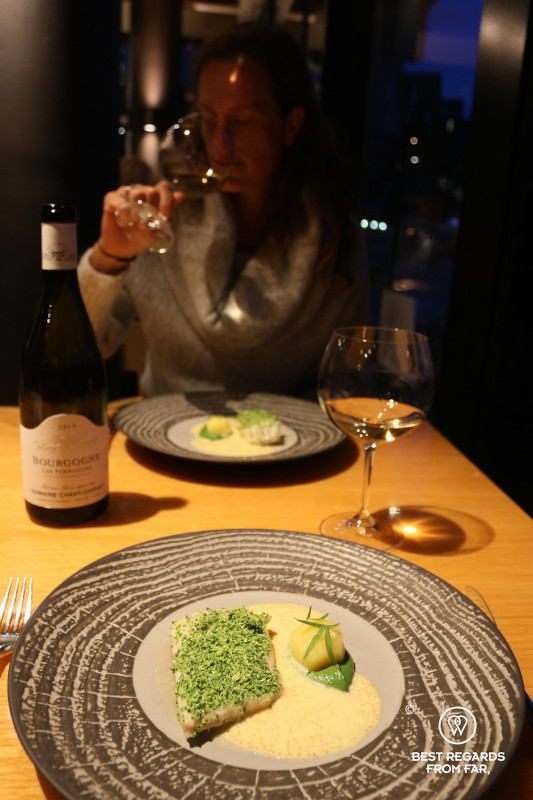
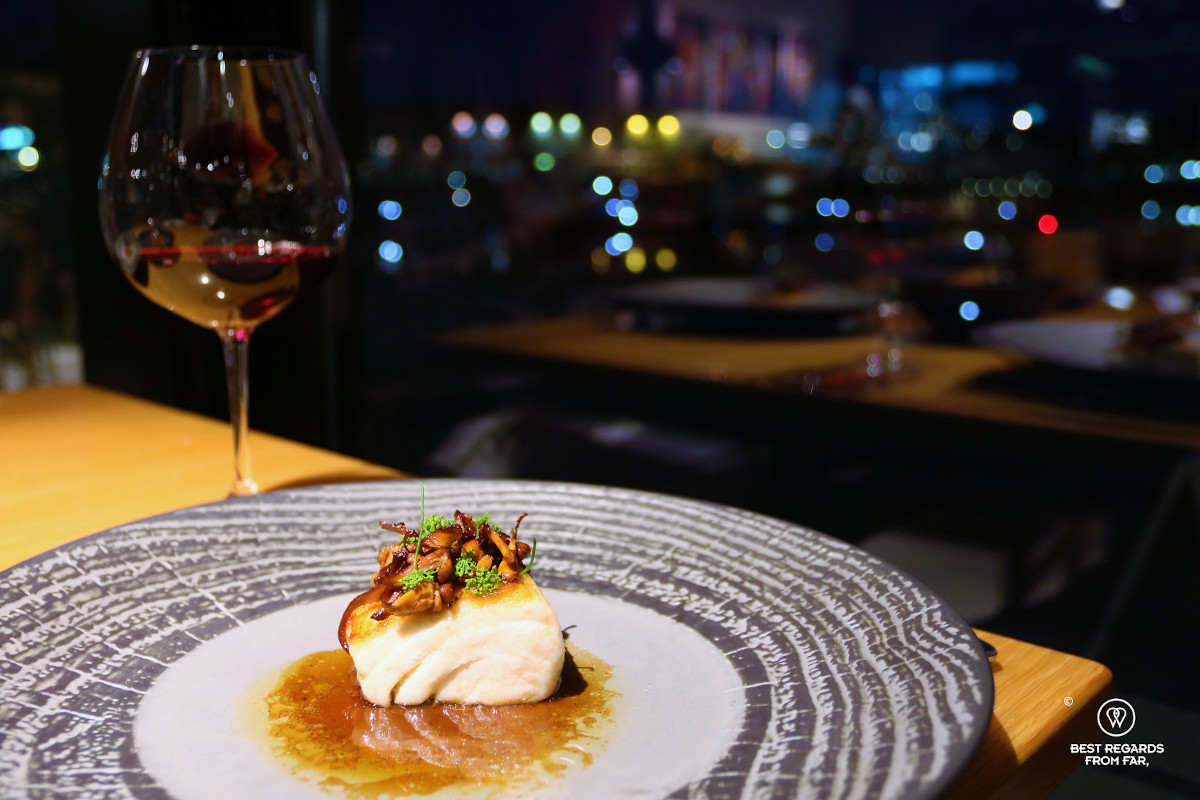
A delicious and perfectly cooked piece of skate, by-catch and turbot-like fish, is served with a broccoli purée, tarragon, and a sauce of herring-type roe for the best result. An equally delicious halibut on brown butter with chanterelle and dill and a crunchy side of cauliflower and roasted almond is boldly and brilliantly paired with a Morgon from Burgundy.
Ever changing, and always highlighting local and seasonal ingredients with a twist, the Menu Maritim is a real treat for foodies and a must try for a special evening in Tromsø.
Svermeri [Best Fish Soup & Heart-Warming Café]
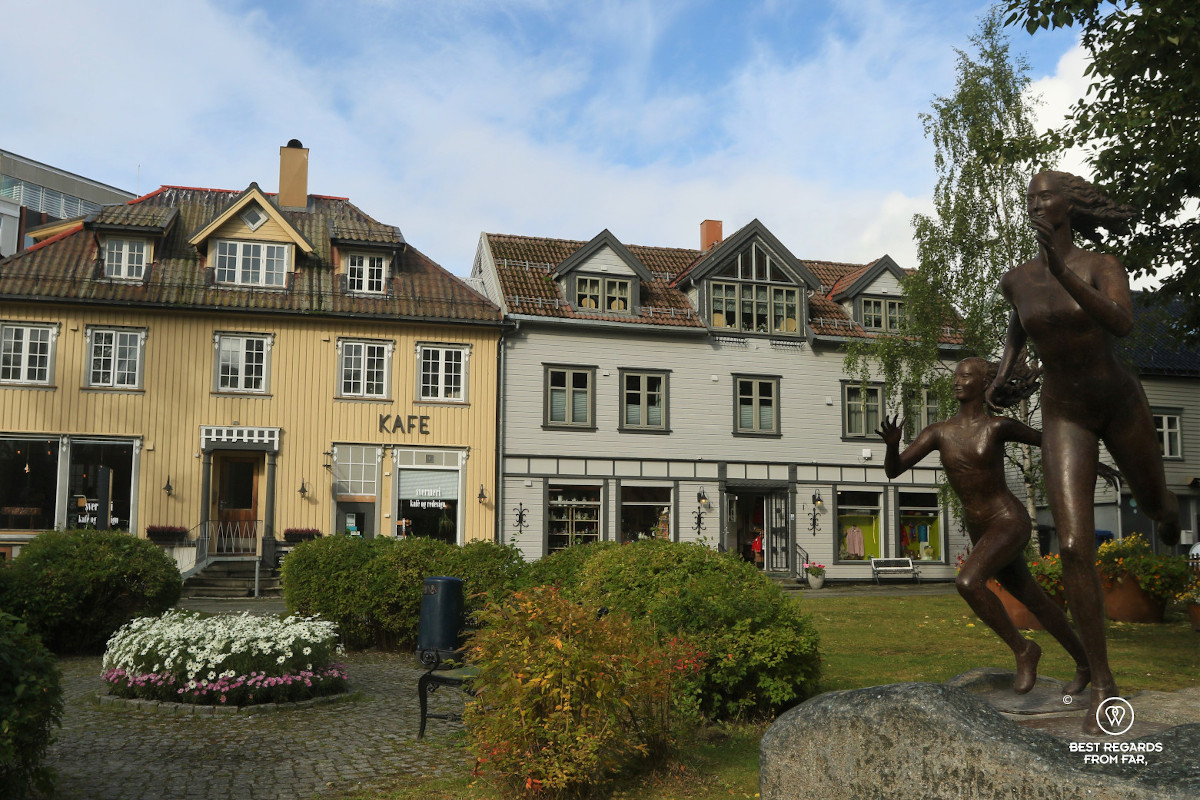
In Norwegian, Svermeri means infatuation, and it is easy to feel when entering the cosy restaurant and coffee shop filled with antiques located on a cute square in one of Tromsø’s oldest wooden houses.
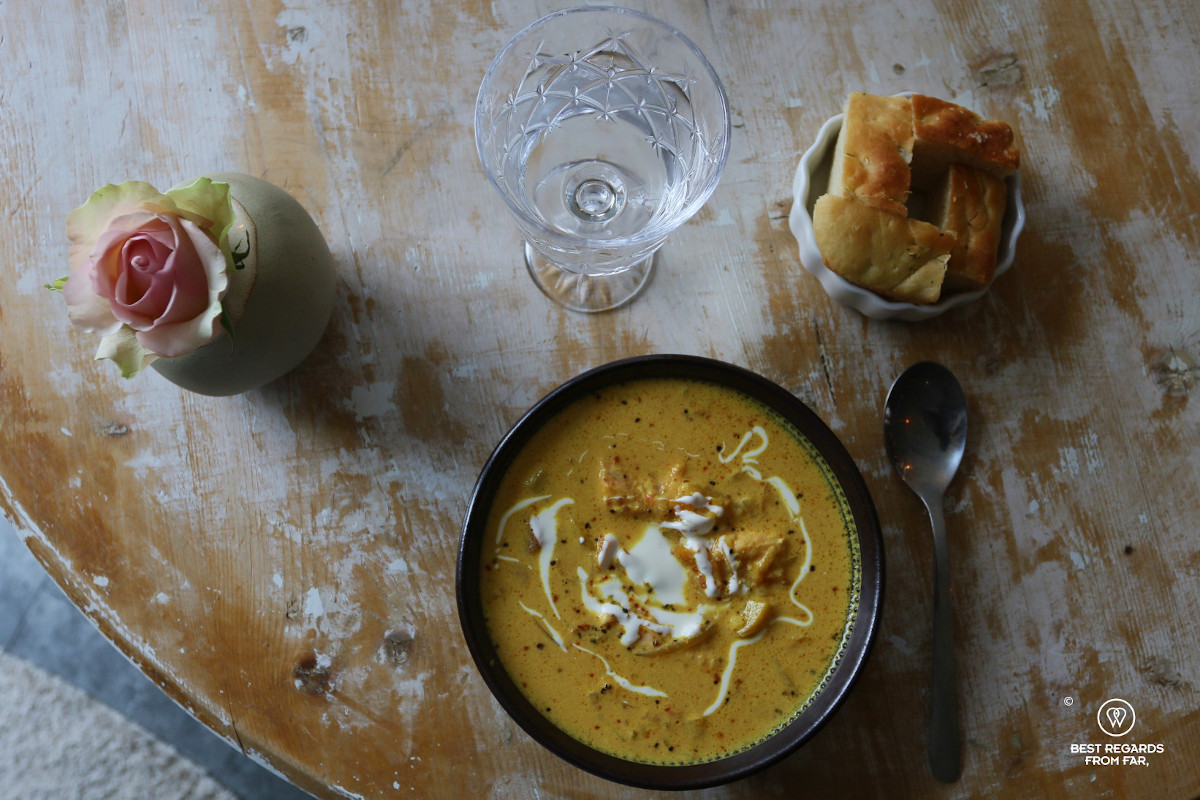
It is even more present when tasting the local best-seller: the fish soup. The recipe from the Faroe Islands was adapted with a few secret twists to make this delicious signature cream-based soup to die for! Spices bring a delicate kick while tomatoes, carrots, and sweet onions add some sweetness.
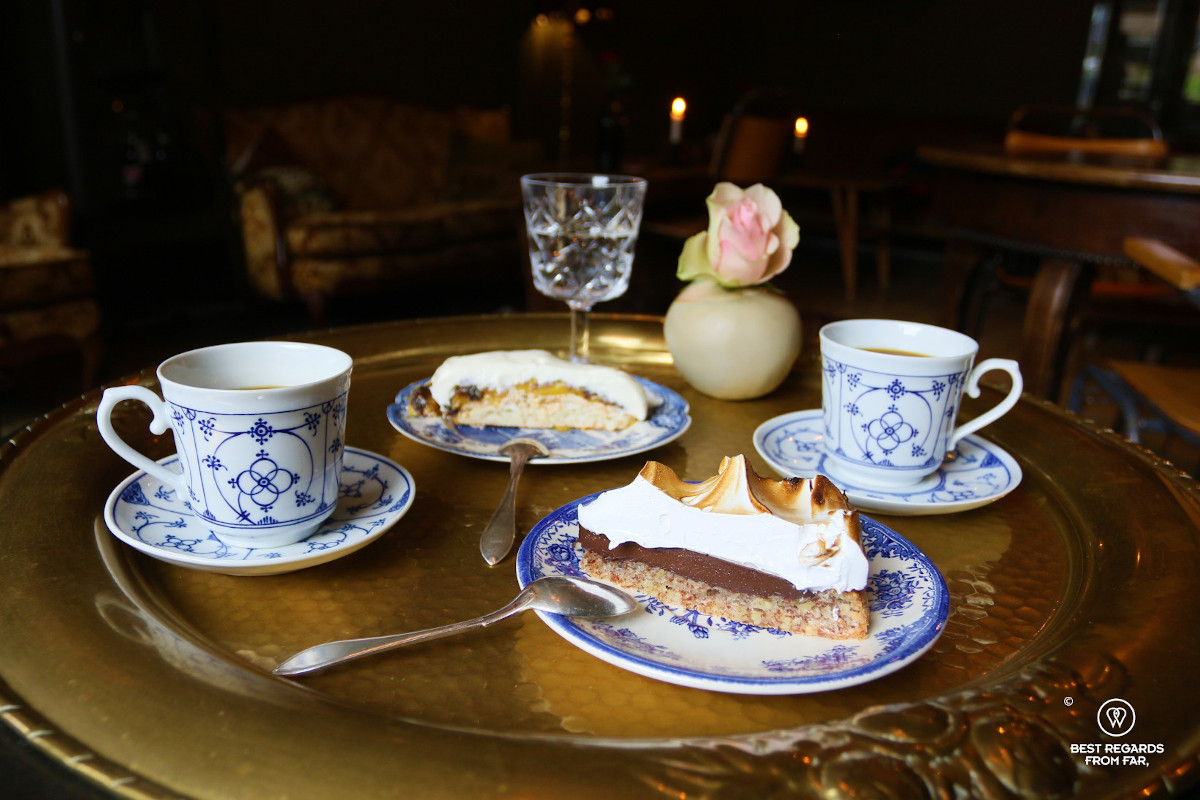
The cakes are always fresh and homemade, such as the local’s favourite Iceland cake from a family friend’s recipe encompassing prune cream, vanilla cream, and coconut meringue. The truffle cake with a crunchy almond bottom, chocolate, and softy sticky meringue on top with raspberry and blueberry sauce is also one to try with cup of tea or coffee served in antique porcelain.
Where to Stay
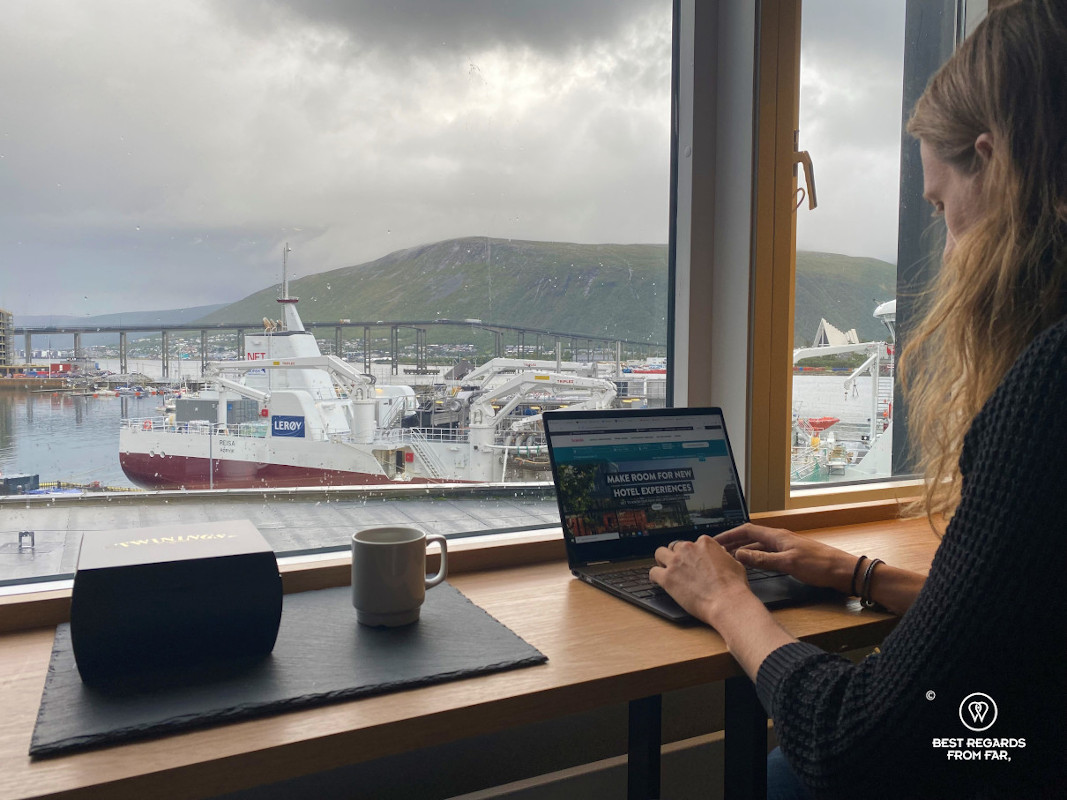
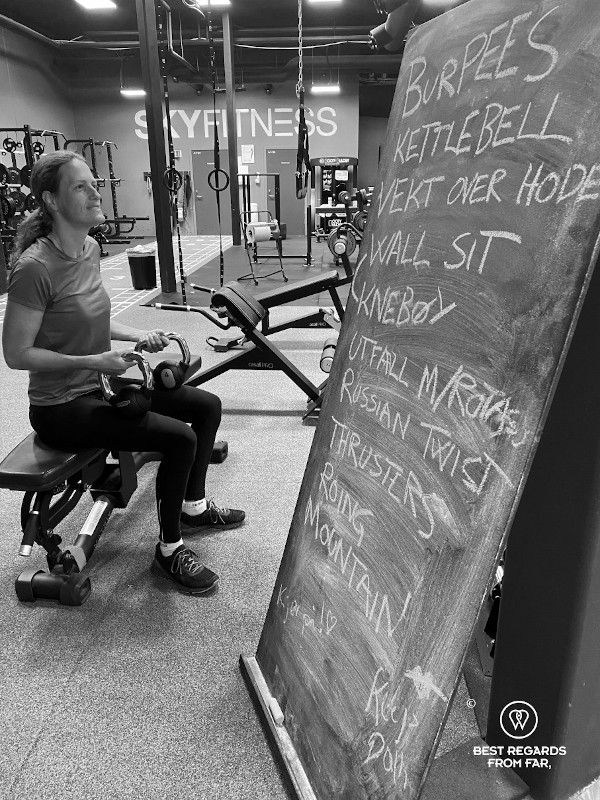
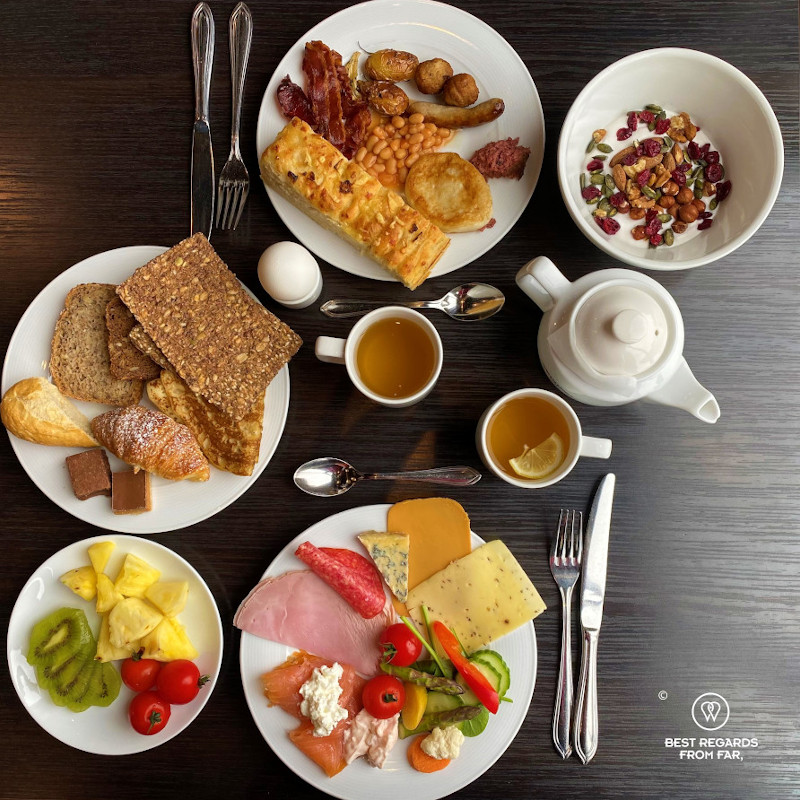
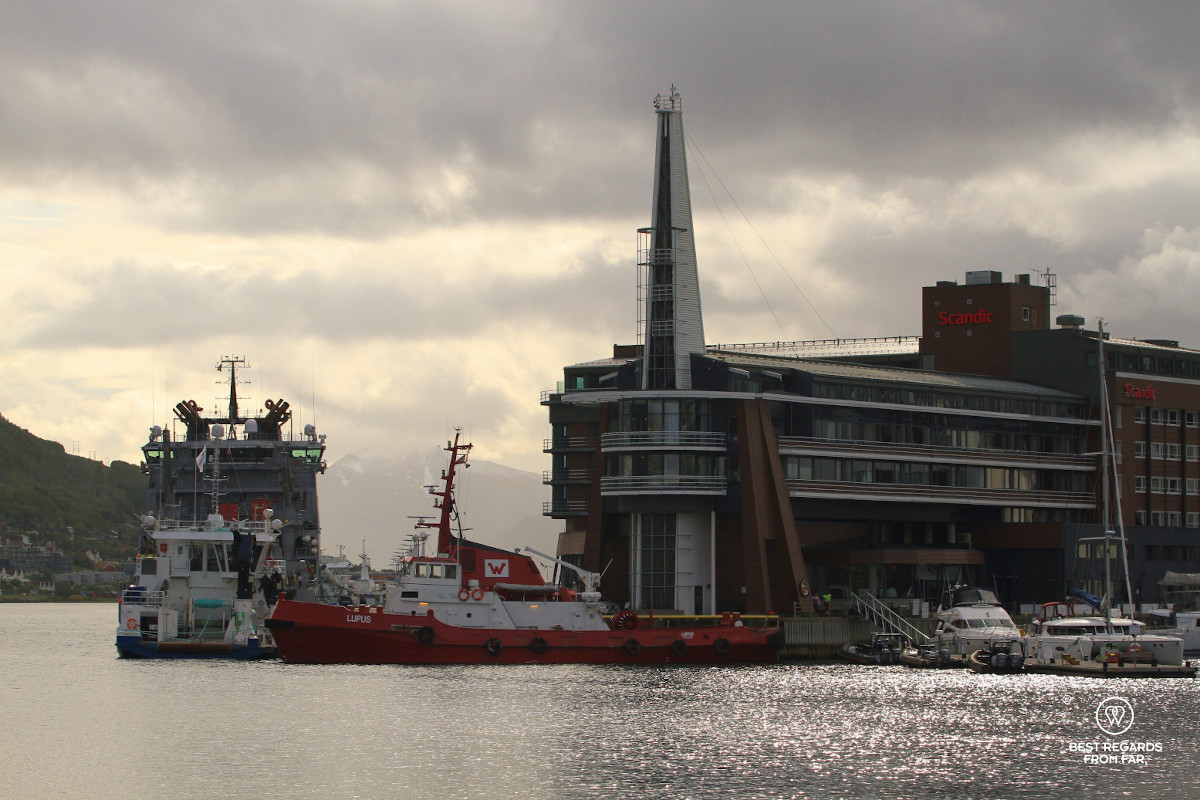
The Scandic Ishavshotel is perfectly located on Tromsøya – or Tromsø Island – to enjoy the Arctic city. The modern-looking building reminiscent of a ship fits in perfectly as an extension of the harbour and houses comfortable and modern rooms, some of which with a view on the Tromsø Bridge and the Arctic Cathedral. With access to an excellent gym and an award-winning breakfast buffet, it is a first-rate base to explore the gateway to the Arctic.
Travel tips:
- Check out this interactive map for the specific details to help you plan your trip and more articles and photos (zoom out: black pins refer to an article) about the area!
For more in Norway: