Article updated on August 12, 2026
Text & Photographs: Claire Lessiau & Marcella van Alphen
Norway is a rather small country per number of inhabitants, and some of them have led some of the craziest explorations admired from all over the world! They are celebrated in Oslo in some excellent museums where original artefacts that crossed oceans or reached the poles are exhibited. Know where to go to follow the tracks of some of world’s greatest explorers!
Pin it for later!
The Vikings
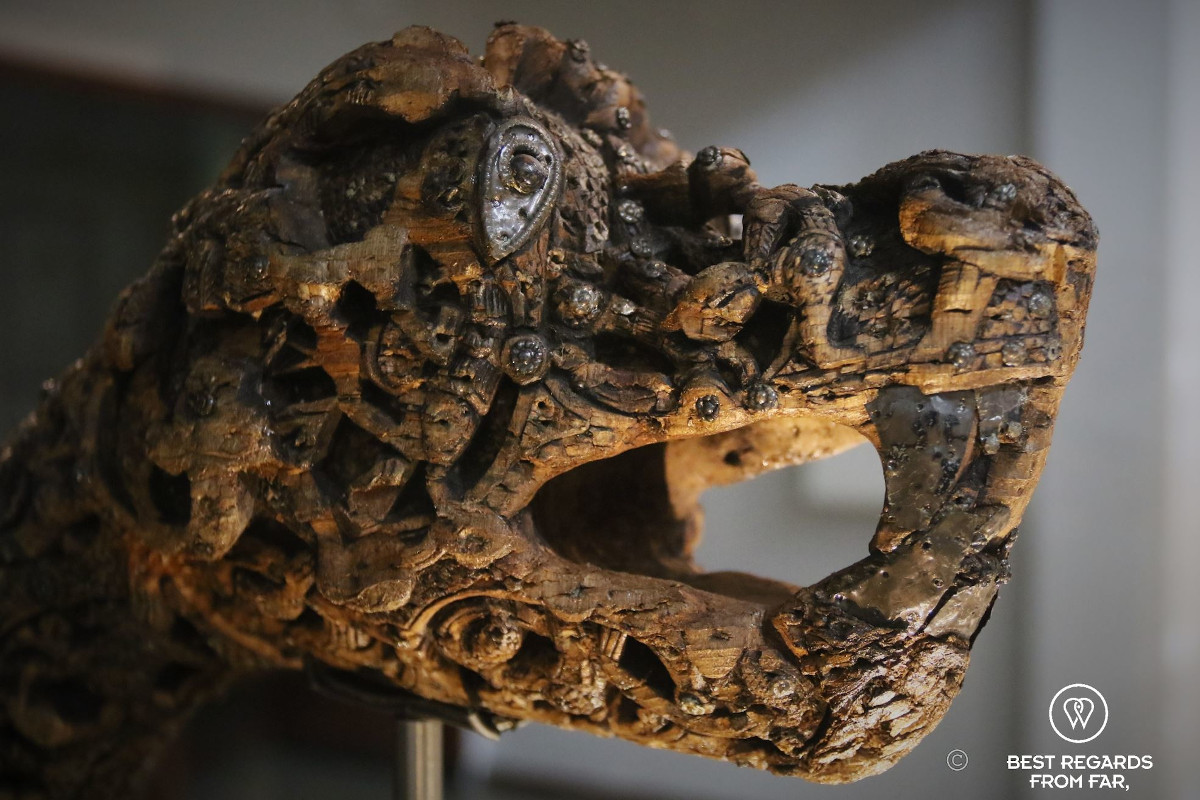
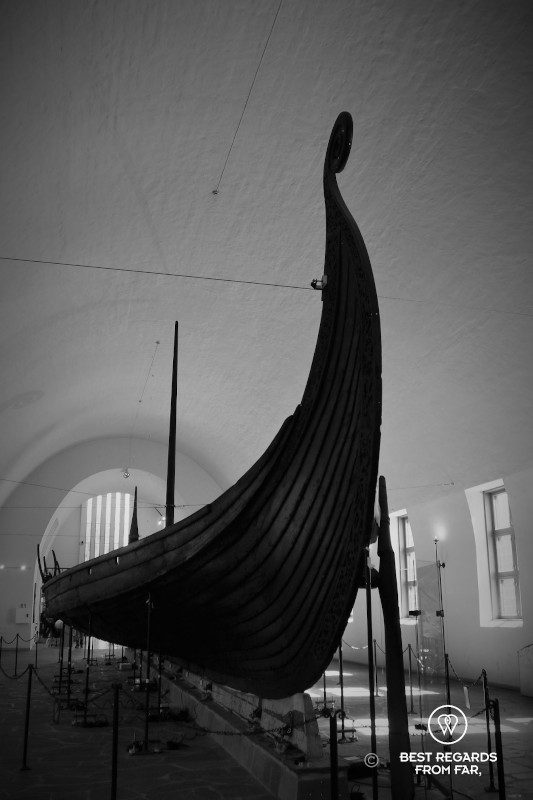
While Norway did not exist per say back then, the first known Norwegian/Scandinavian explorers are the Vikings. Between 750 and 1050, they discovered Iceland, Greenland, Canada, went all over Europe, part of Russia, and sailed to far-off countries along the Caspian Sea, the Black Sea and the Mediterranean Sea making it all the way to Egypt. However, it is only in the mid-19th century that a Viking ship was excavated in Norway and that the world could see this magnificent vessel. Their very specific clinker built technique (the boat is built from the outside in) allowed them to conquer the toughest seas thanks to a flexible structure that responded to wave pressure. The original fast and sturdy long-ships are exhibited in the Museum of the Viking Age along with their delicate wood carvings and the precious necessities recovered from the excavations of these burial boats.

Nansen Crossing Greenland
In 1888 Nansen crossed Greenland on skis from East to West. The dangerous expedition on skis with light sledges was successfully completed in 49 days. However the six men arrived too late on the west side to be picked up by a ship and had to spend another seven months waiting for the spring and the next ship. They learned how to fish, hunt, and survive with the Inuit people in this inhabited patch of Greenland.
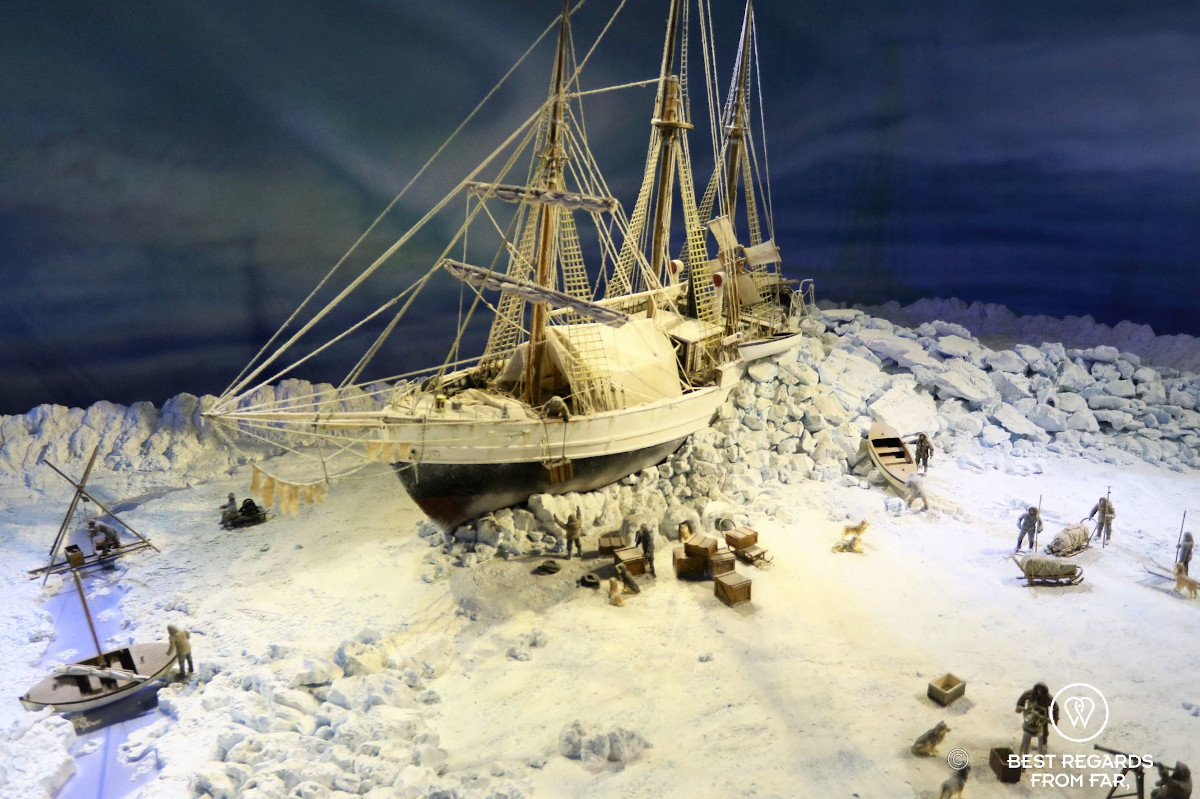
Nansen’s techniques of polar travel with an emphasis on gear and clothing were paramount to the success of subsequent polar expeditions. After his success in Greenland, Nansen battled to get a special ship built to be able to drift into the ice all the way to the North Pole: this is how the polar ship Fram got born, and how the way to the South Pole started…
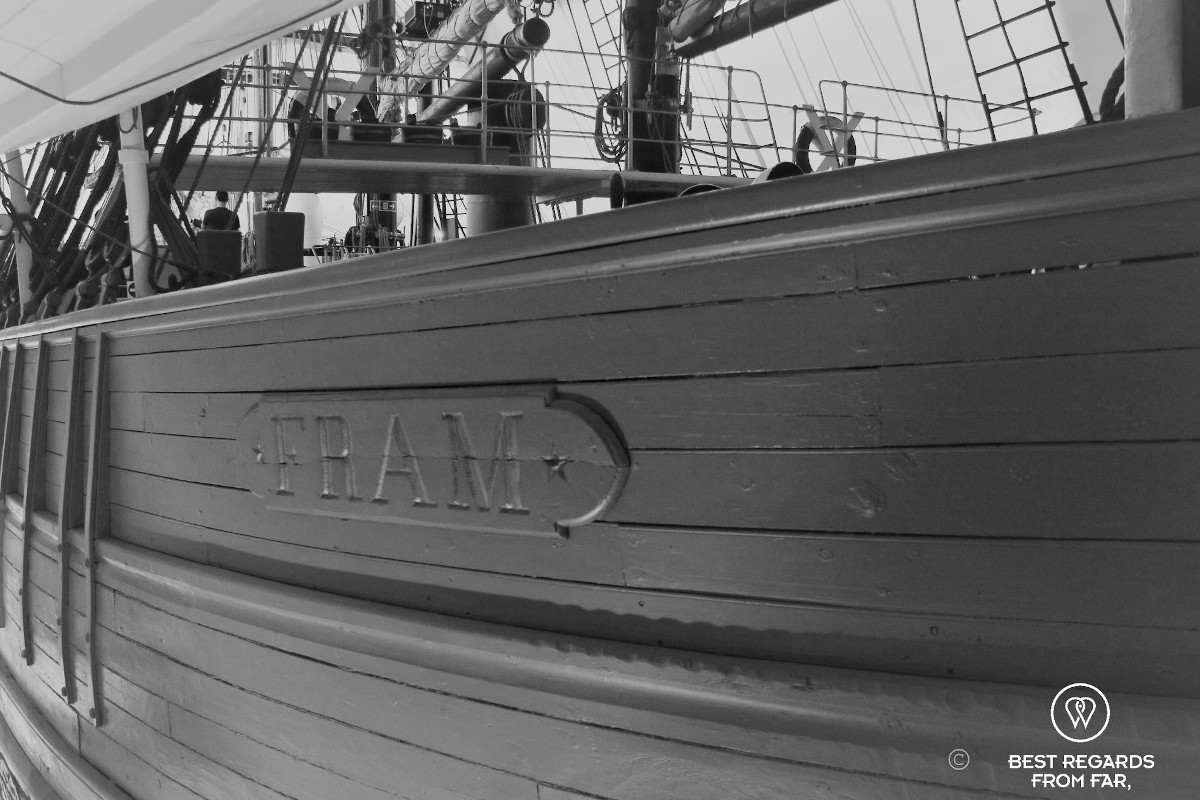
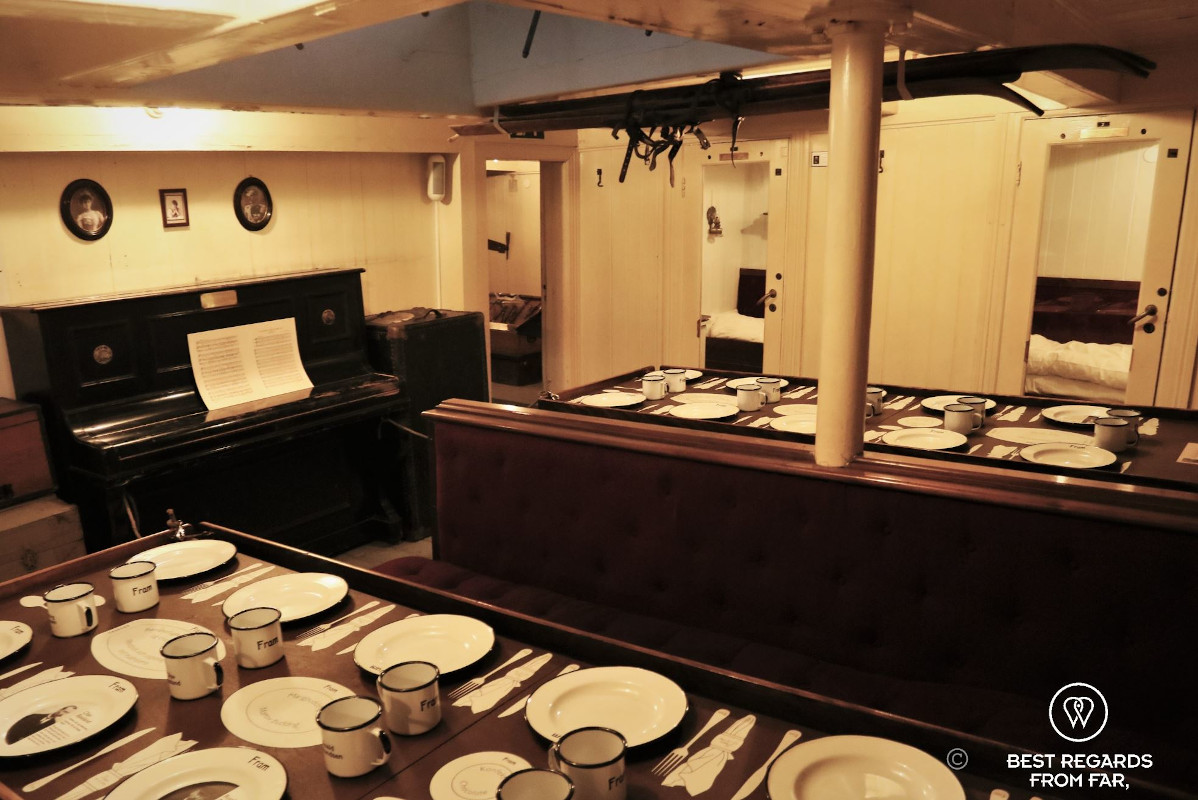
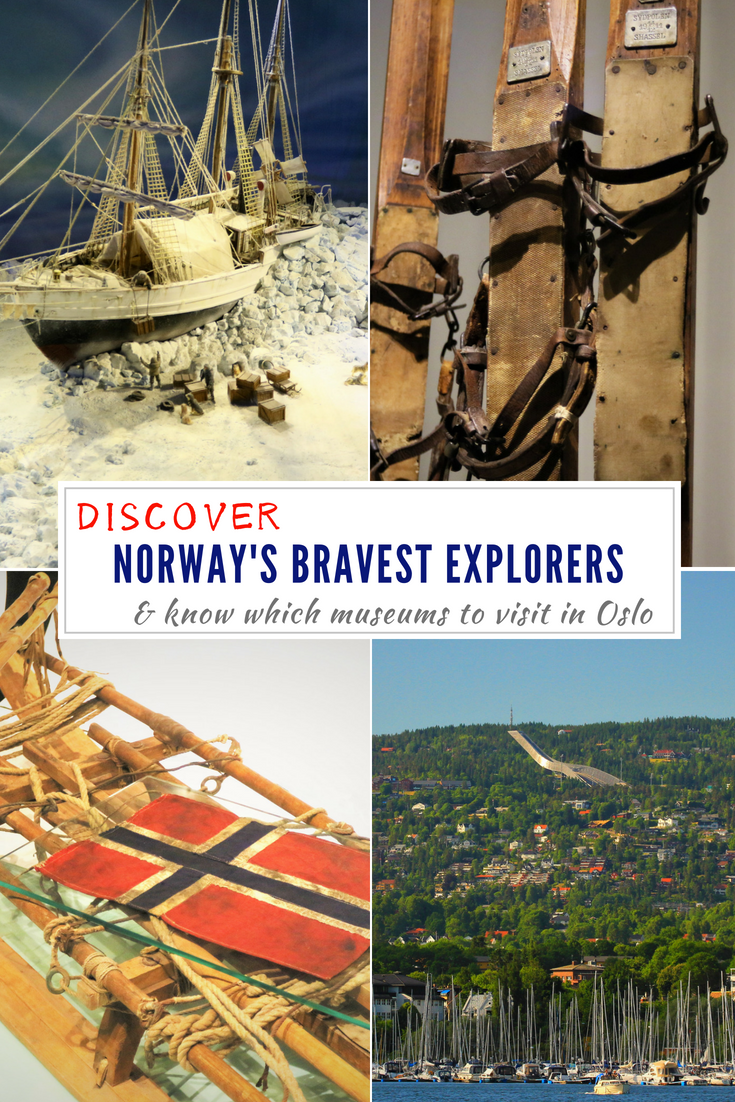
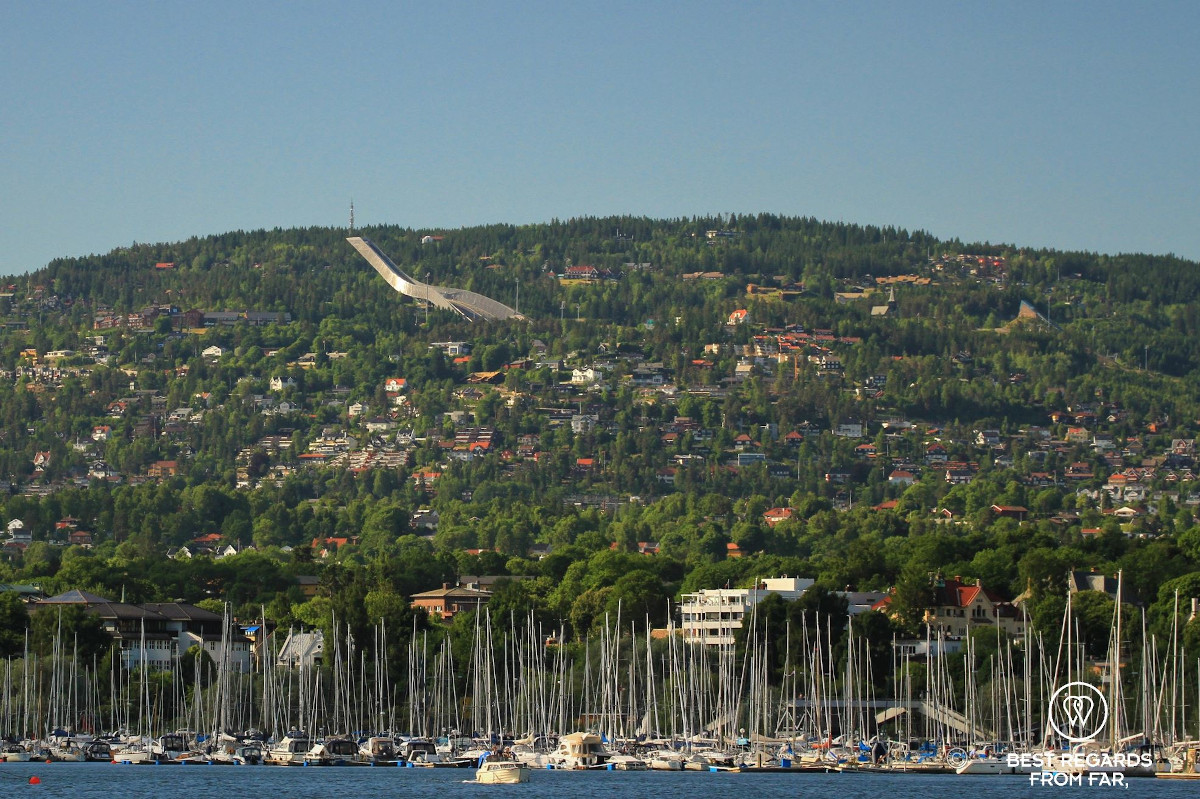
The original items from Nansen’s Greenland expedition can be seen at the Holmenkollen Ski Museum on the heights of Oslo that covers more than 4,000 years of skiing history, and which ski jump tower offers fantastic views on Oslo.


The Fram ship can be visited inside out in the captivating Fram Museum.
Roal Amundsen Reaches the South Pole
On December 14, 1911, Roal Amundsen is the first man to reach the South Pole. This expedition started in 1910 aboard the strongest wooden boat ever built: the Fram. Started years earlier as a North Pole expedition, Amundsen changed his objective to be the first to reach the South Pole as the North Pole got visited by Scott while Amundsen was still preparing his expedition. Very carefully planned, the team dispatched its supplies along the way to the Pole and built cairns to find its way back. The Norwegian team skied for 3,440 kilometres (2,138 miles) with 52 dogs (of which only 11 made it back) pulling four sledges with about three tons of equipment. They conquered the South Pole and planted the Norwegian flag. Four weeks later once they were back in safe territory, the British team led by Scott saw that flag flapping in the wind knowing they had lost the race to the Pole, a few days before they all perished on their return journey.
The original items from the North & South Pole expeditions can be seen at the Holmenkollen Ski Museum on the heights of Oslo.
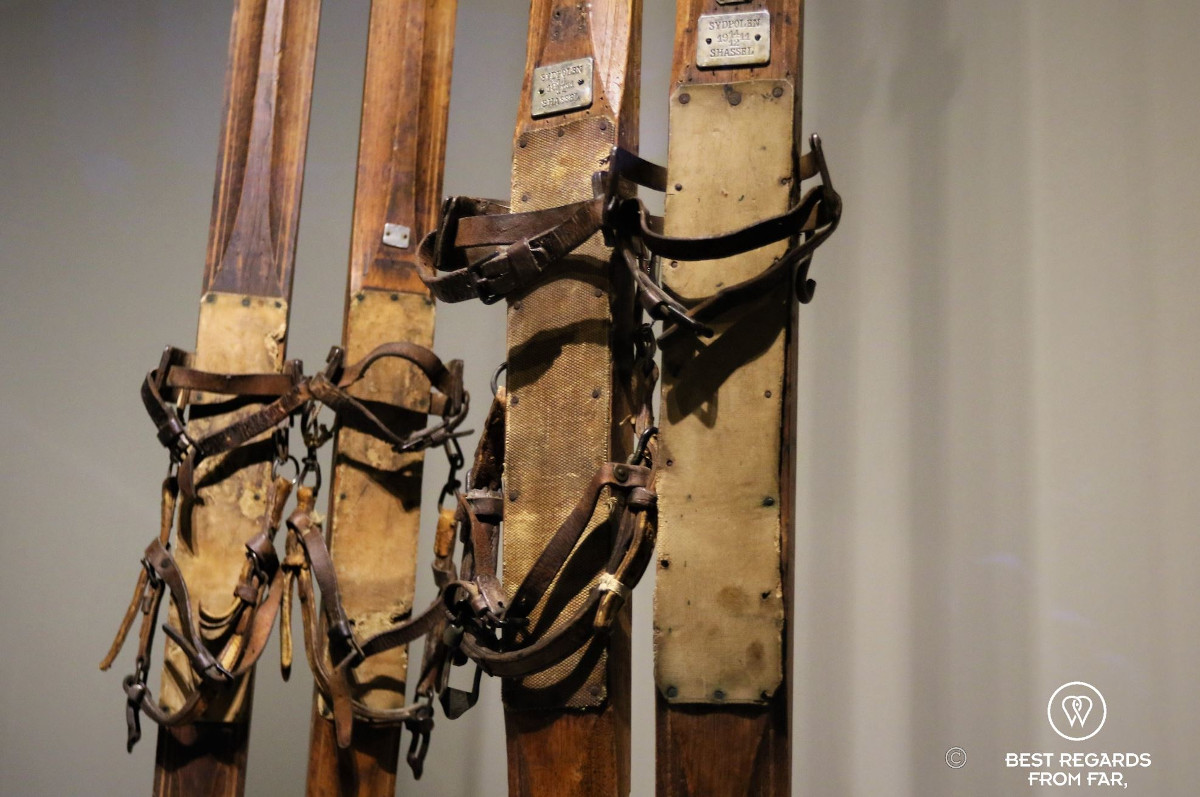

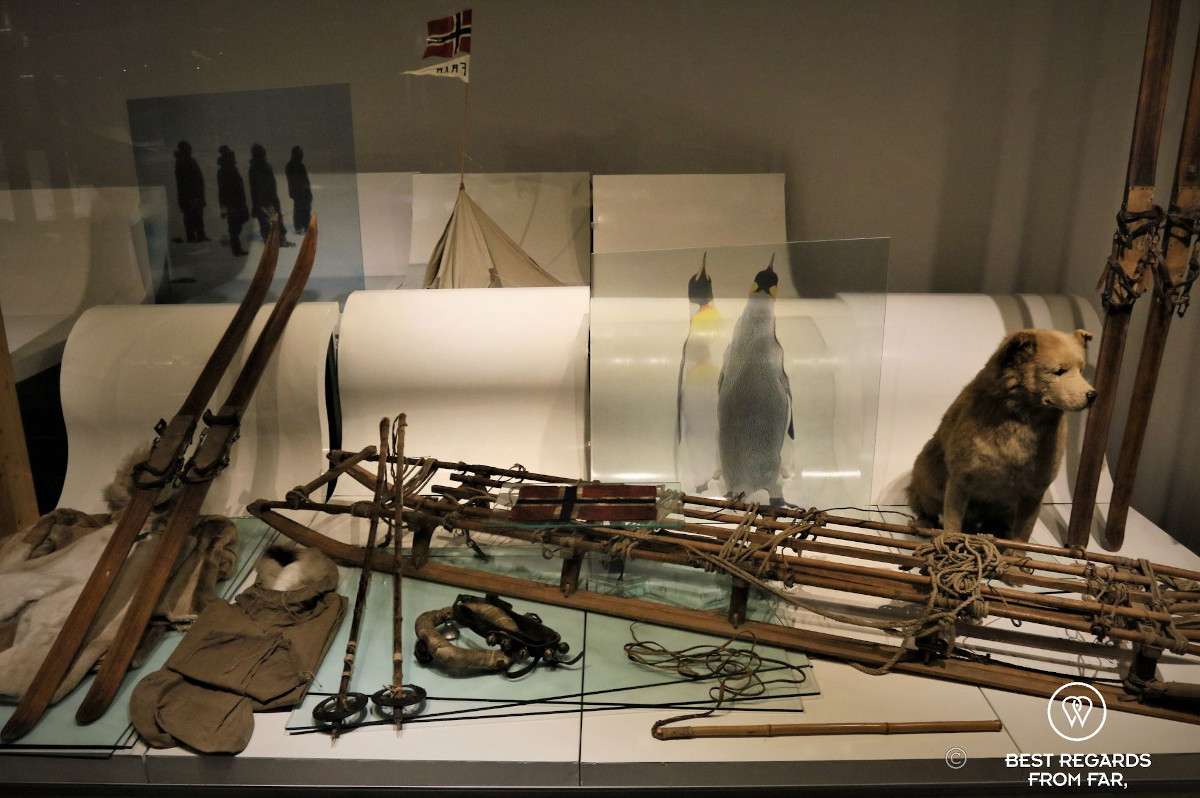
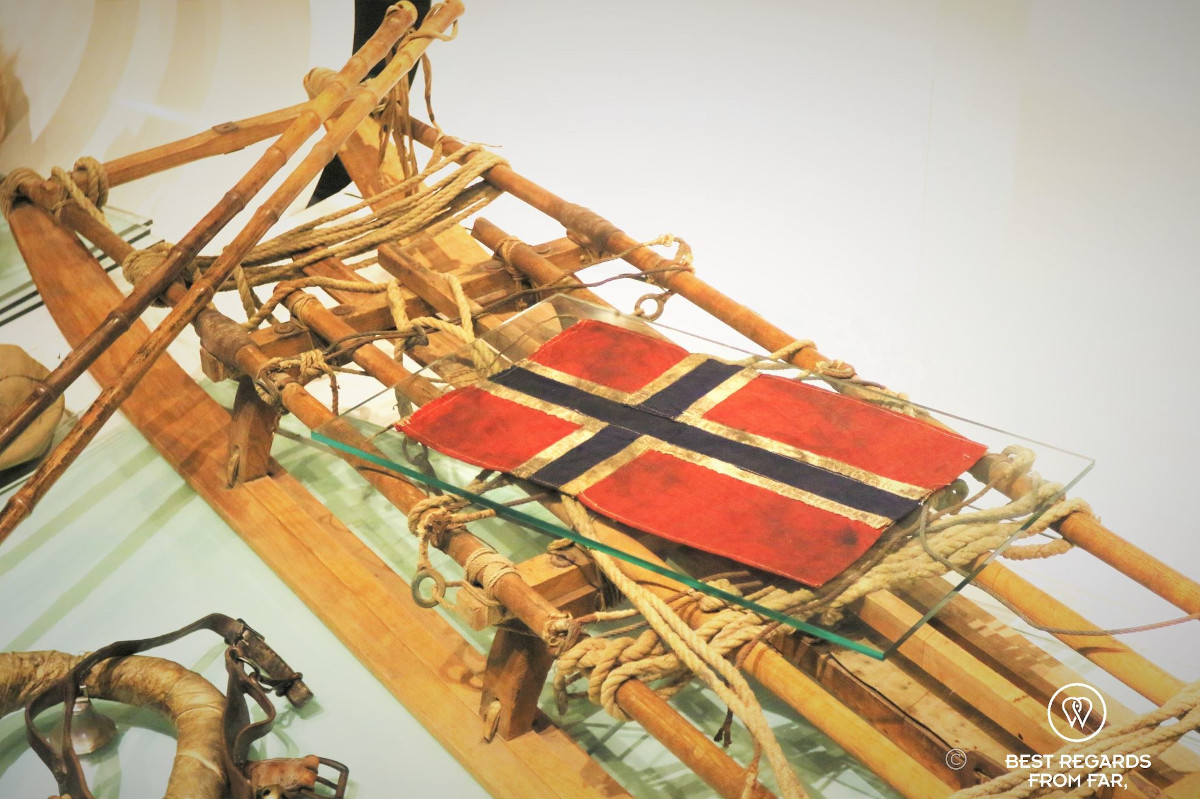
Even better, the original polar ship that sailed to drop off Amundsen and others to reach the Poles can be visited in the Fram Museum.
The Kon-Tiki
In 1947, a team of six men with hardly any sailing experience takes the sea on a 14 by 5.5-metre balsa raft (46 by 18 feet) they built exclusively with ancient techniques and materials. They leave from Peru to reach Polynesia 8,000 kilometres (4,971 miles) away with no support… And they succeeded in 101 days!
This is the Kon-Tiki expedition, a life-threatening journey led by the passionate Norwegian Thor Heyerdahl to prove that Polynesia and South America had had exchanges since ancient men. Decades later DNA studies proved that he had been right. If South Americans did not populate Polynesia per say, the exchanges were many: for ancient men, the sea did not represent a barrier, but a mean of transportation and Thor and his team risked their lives to prove it.
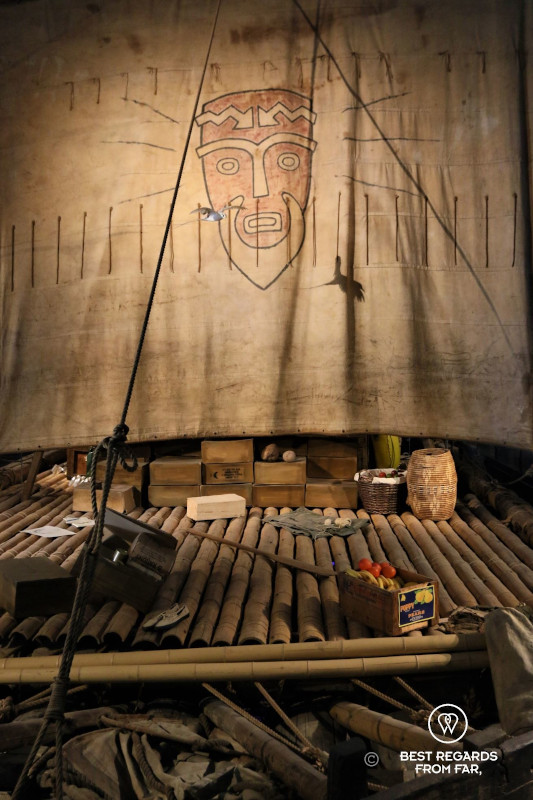
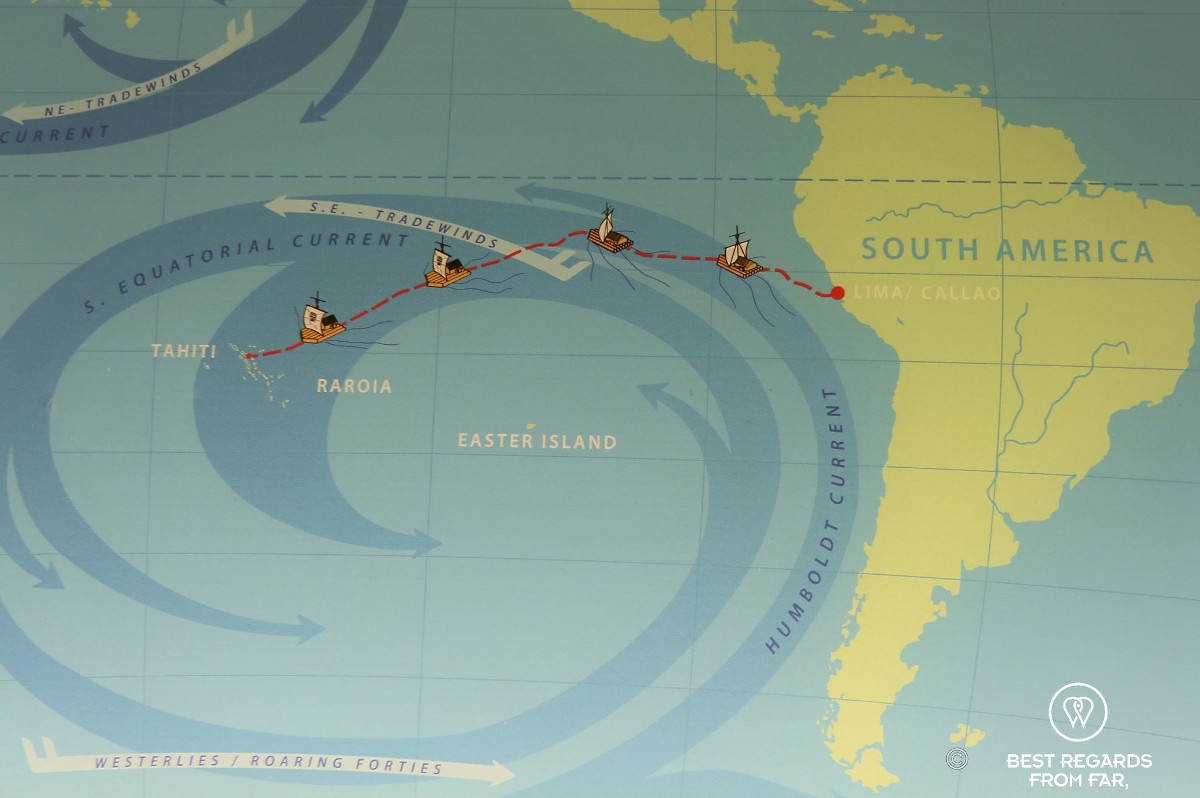

The Kon-Tiki Museum houses the original raft sailed by Thor Heyerdahl and his crazy crew, explains what led to that expedition, its logistics, and life aboard.
Travel tips:
- The sea is paramount to all of these expeditions. The Norwegian Maritime Museum celebrates every-day explorers who have been taking the seas, from fishing to oil exploration, showcasing the development of vessels throughout the ages.
- The Oslo Pass allows you to explore all of these museums for free, including transport, even by ferry!
- To get the GPS-powered version of this article in GPSmyCity, click on this link!
- To make it easy for you to explore Oslo, here is our interactive map, showing places to eat, drink, run and visit, from must-see cultural visits to low-key and off the beaten path spots. Zoom in on the area of interest, and check out the black pins. Each of them corresponds to an article.
For more in Oslo:




For more in Norway:





3 Comments Add yours