Text: Claire Lessiau & Marcella van Alphen
Photographs: Marcella van Alphen & Claire Lessiau
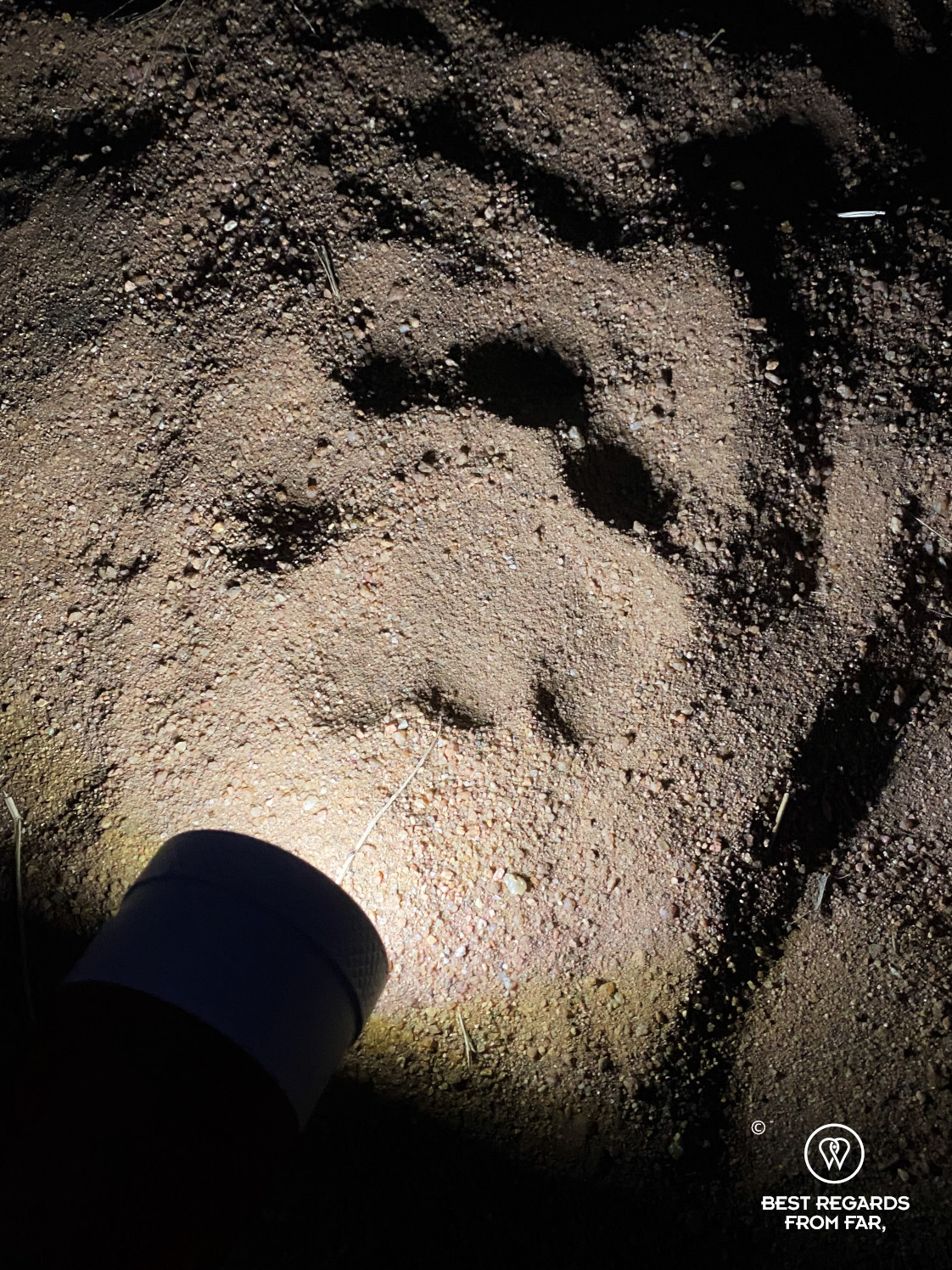
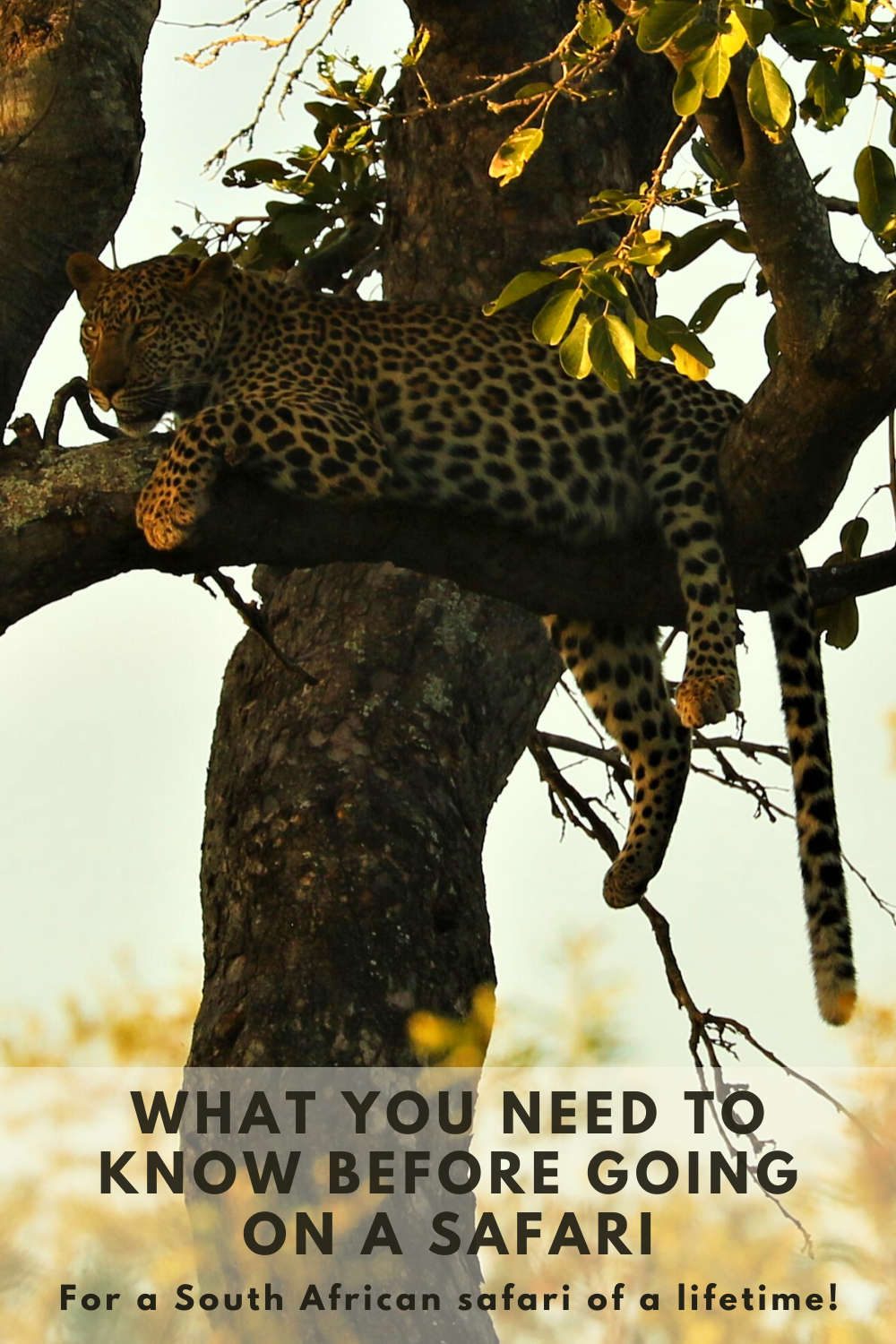
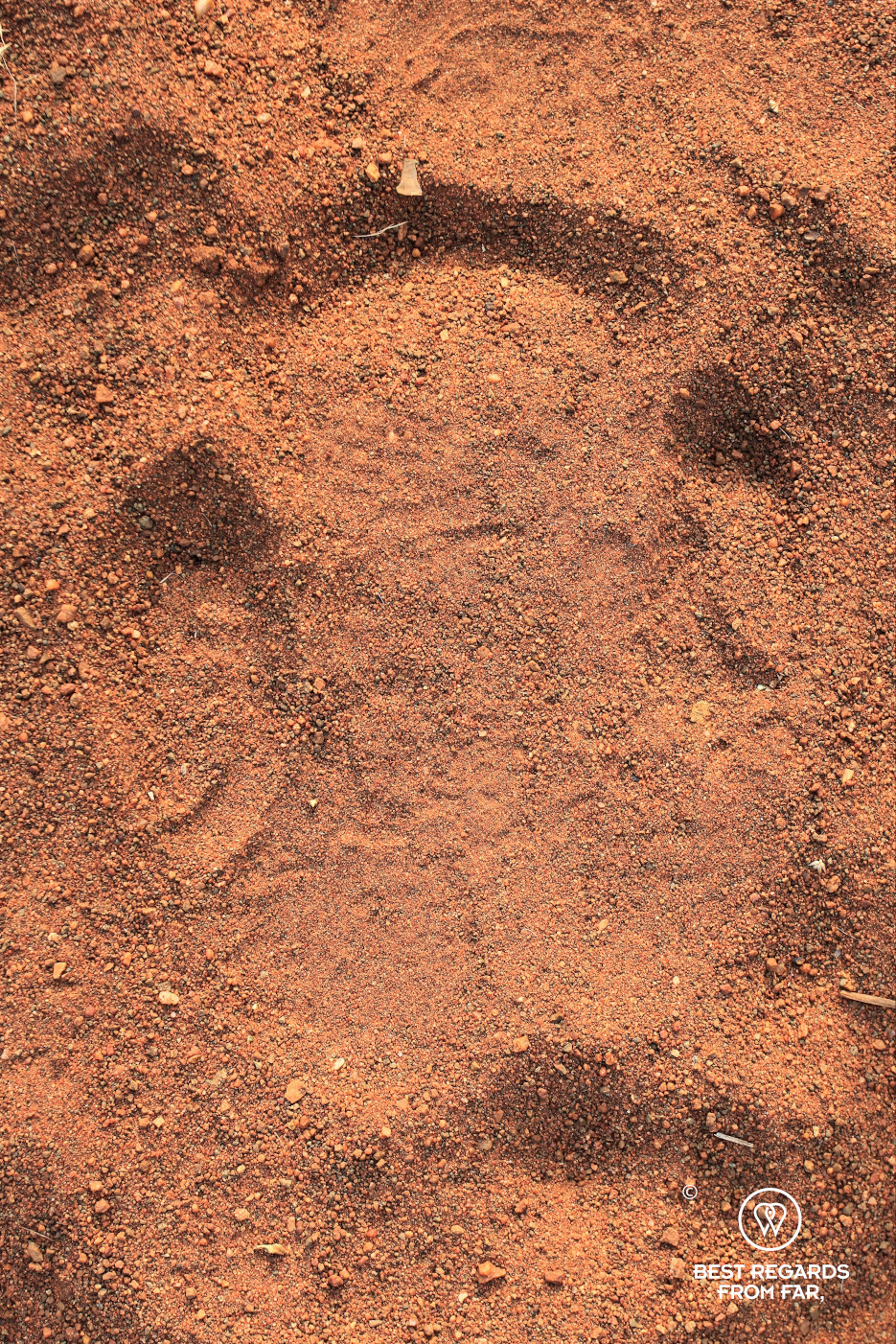
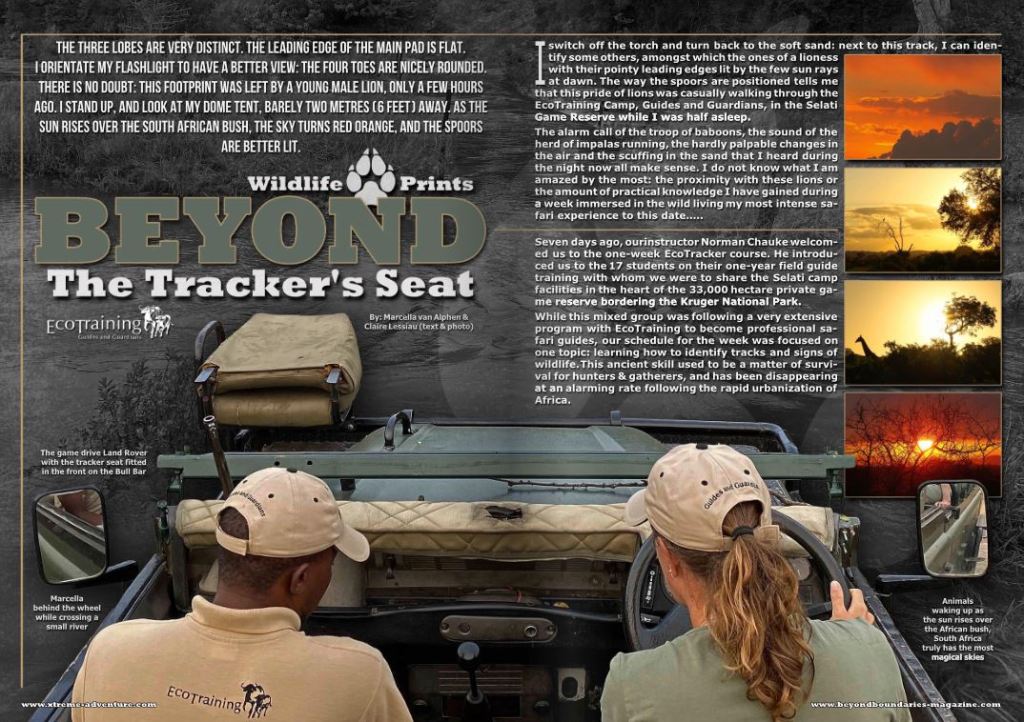
The three lobes are very distinct. The leading edge of the main pad is flat. I orientate my flashlight to have a better view: the four toes are nicely rounded. There is no doubt: this footprint was left by a young male lion, only a few hours ago. I stand up, and look at my dome tent, barely two metres (6 feet) away. As the sun rises over the South African bush, the sky turns red orange, and the spoors are better lit. I switch off the torch and turn back to the soft sand: next to this track, I can identify some others, amongst which the ones of a lioness with their pointy leading edges lit by the few sun rays at dawn. The way the spoors are positioned tells me that this pride of lions was casually walking through the EcoTraining Camp in the Selati Game Reserve while I was half asleep. The alarm call of the troop of baboons, the sound of the herd of impalas running, the hardly palpable changes in the air and the scuffing in the sand that I heard during the night now all make sense. I do not know what I am amazed by the most: the proximity with these lions or the amount of practical knowledge I have gained during a week immersed in the wild living my most intense safari experience to this date…

***
Pin it for later or bookmark it!
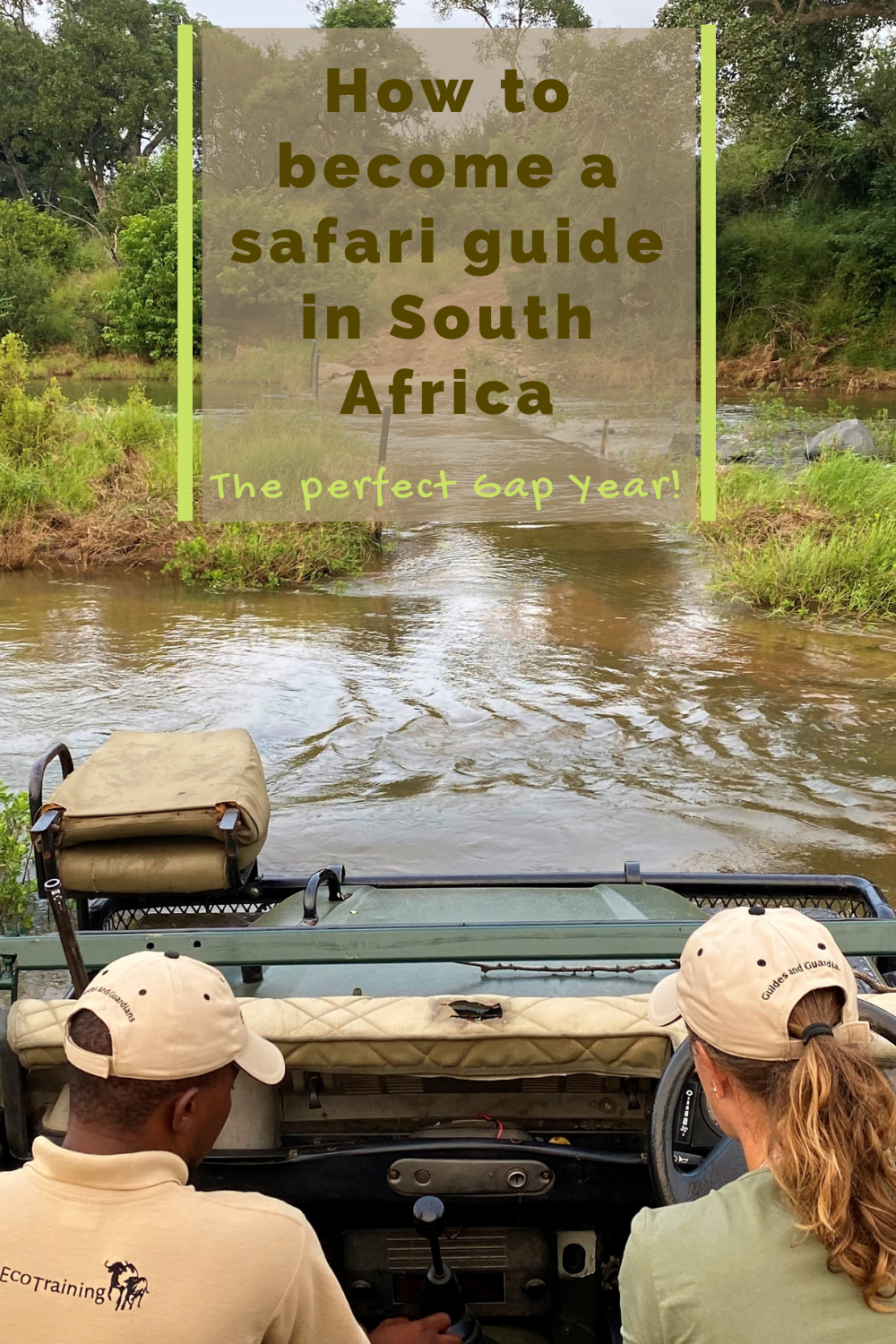
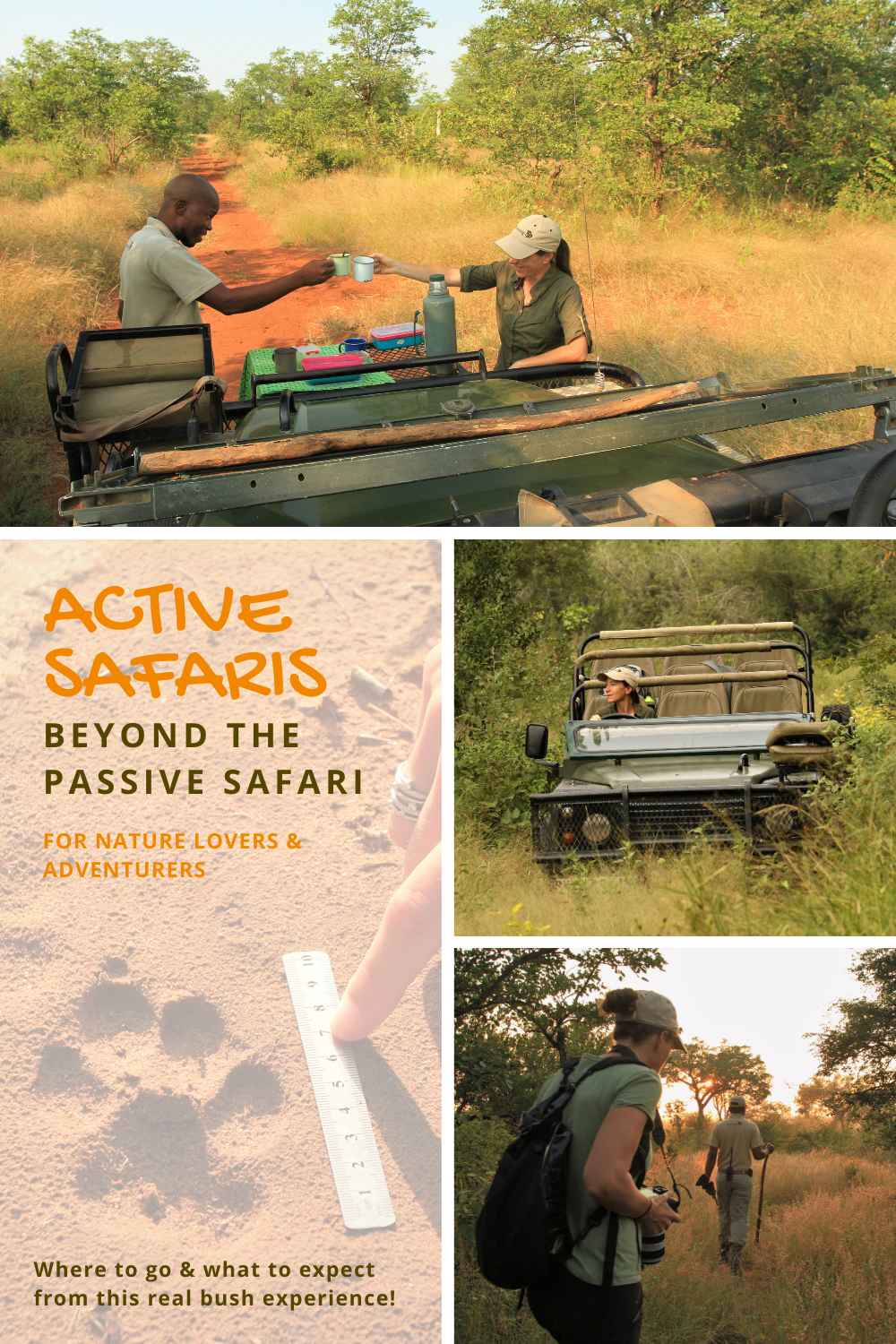
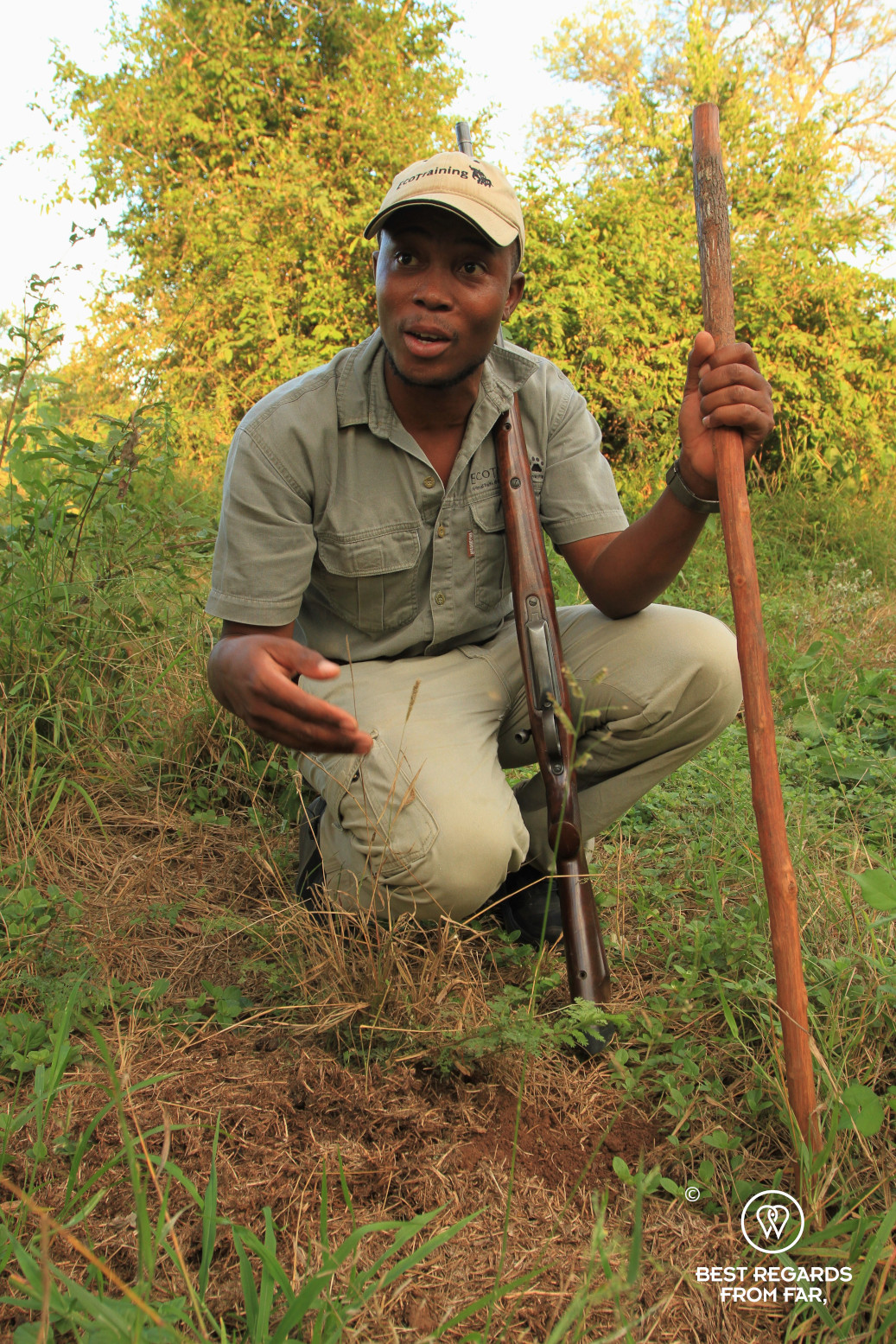
Seven days ago, our instructor Norman Chauke welcomed us to the one-week EcoTracker course. He introduced us to the 17 students on their one-year field guide training with whom we were to share the Selati camp facilities in the heart of the 33,000-hectare private game reserve bordering the Kruger National Park. While this mixed group was following a very extensive program with EcoTraining to become professional safari guides, our schedule for the week was focused on one topic: learning how to identify tracks and signs of wildlife.
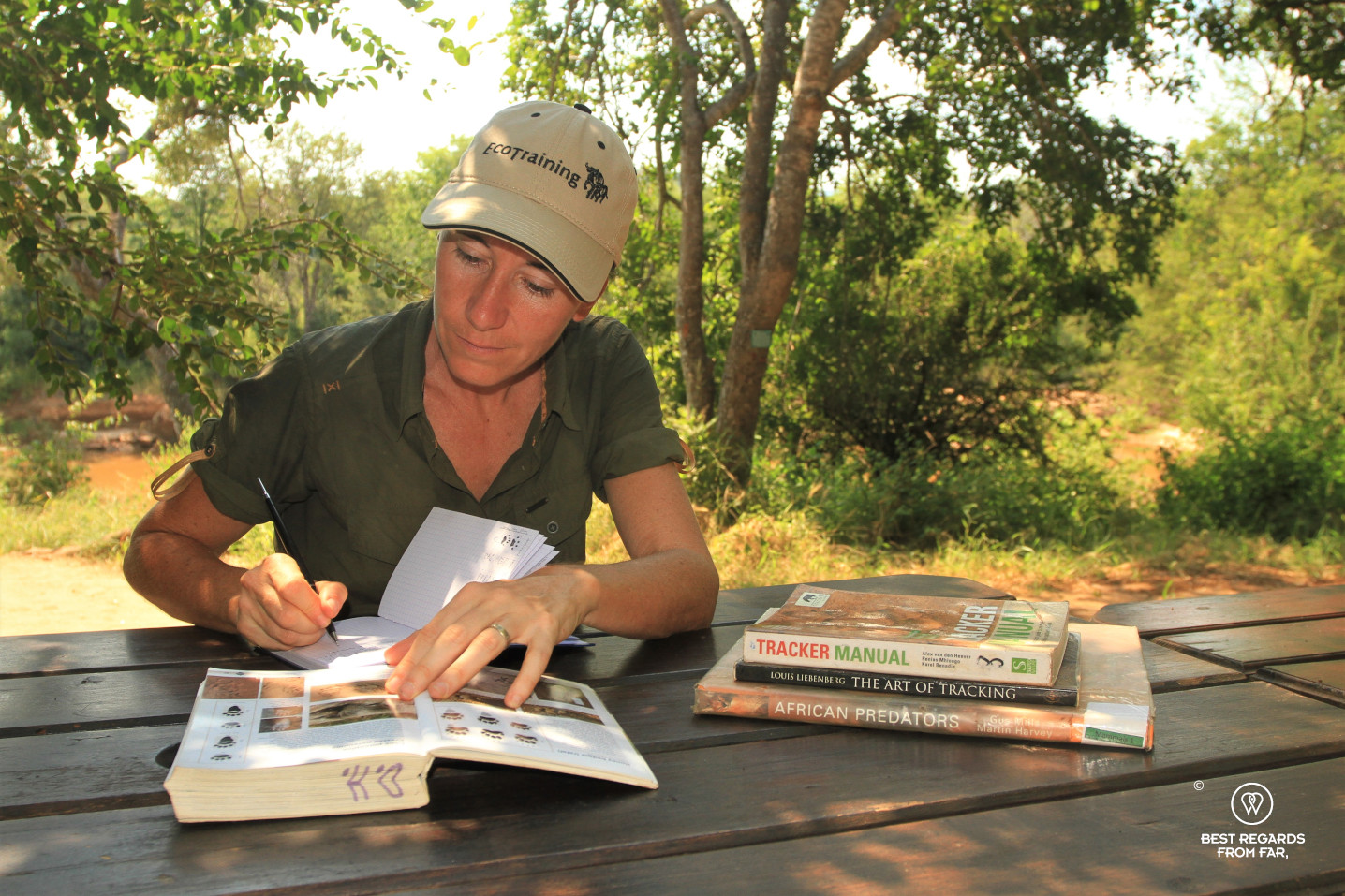

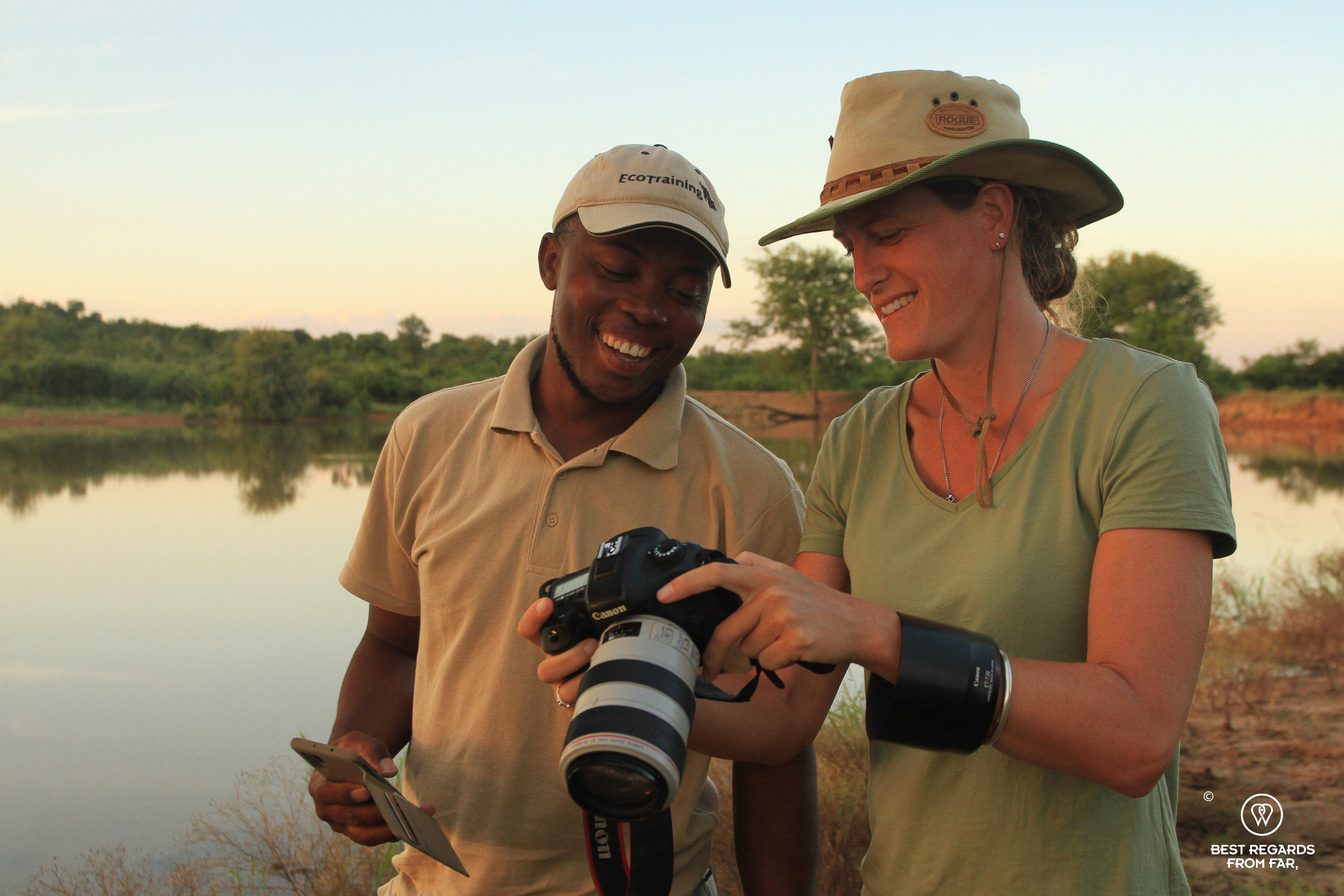
This ancient skill used to be a matter of survival for hunters and gatherers, and has been disappearing at an alarming rate following the rapid urbanization of Africa. If trackers are often undervalued and underpaid, mostly teamed up with field guides in private game reserves to find animals for tourists on safaris, Norman has a big pride when it comes to tracking, teaching and assessing. Actually, he is the very first African assessor for Tracks & Signs for FGASA, the South African Field Guide Association, renowned all over the continent, regularly visiting the most exclusive game parks to train and assess their trackers. If there is one thing Norman is as passionate about as tracking, it is the bush where he grew up, in Makuleke in the very northern part of the Kruger National Park, bordering Mozambique and Zimbabwe.
Before stepping into his beloved bush, Norman’s first daily lecture gives us a much better understanding of the science of tracking. Tracking goes way beyond identifying a footprint. A good tracker is a puzzle solver, able to gather all the pieces of evidence surrounding a print, such as dung, damaged plants, feeding signs, feathers, hairs, urine, territorial marking signs, pastings, droppings, hooves, horns, and skeletons, plus recognising scents and calls in order to draw a conclusion based on his/her intimate knowledge of the local flora and fauna. Additional to this knowledge not only good eyes and a great memory are required, but also some imagination, persistence and a lot of rational thinking.
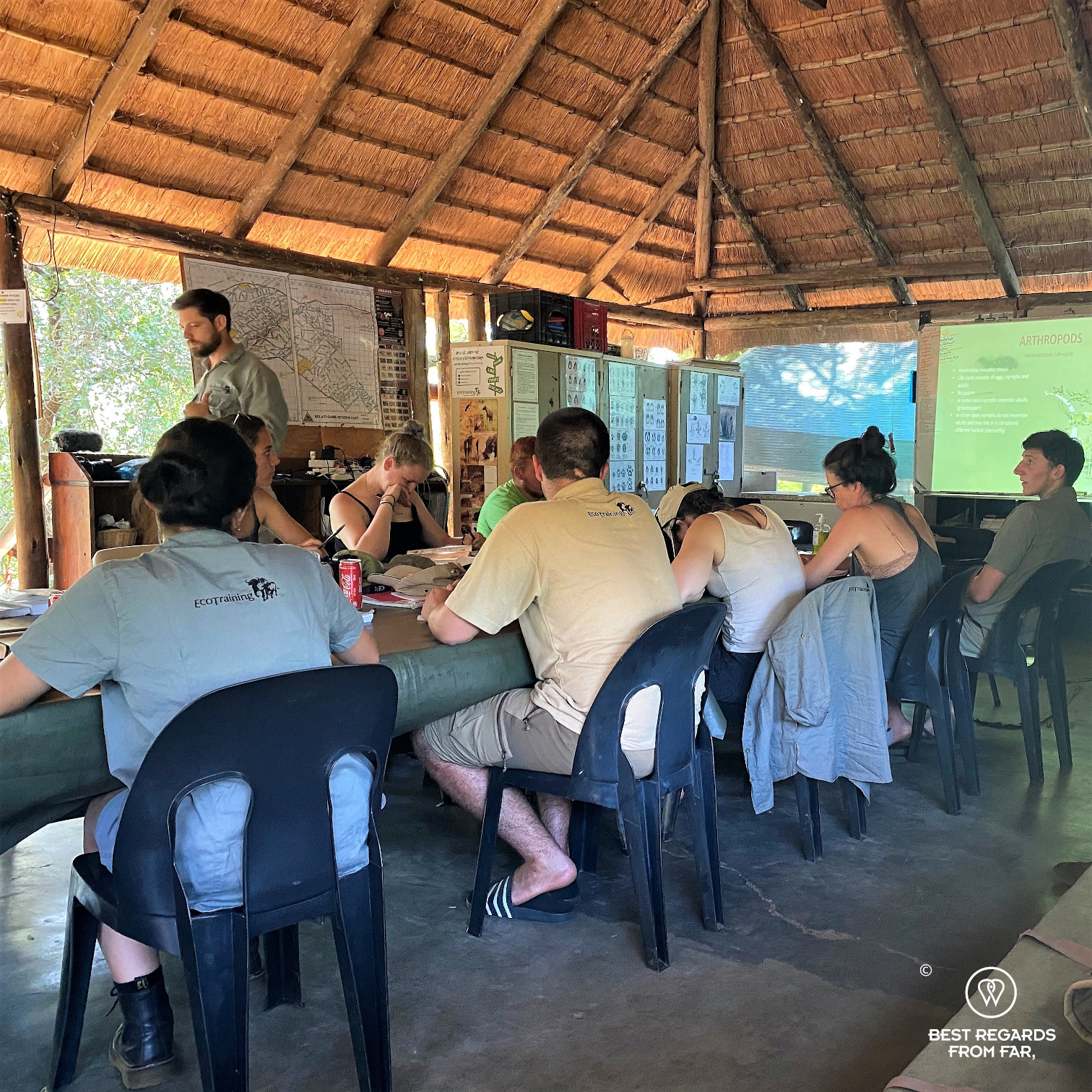
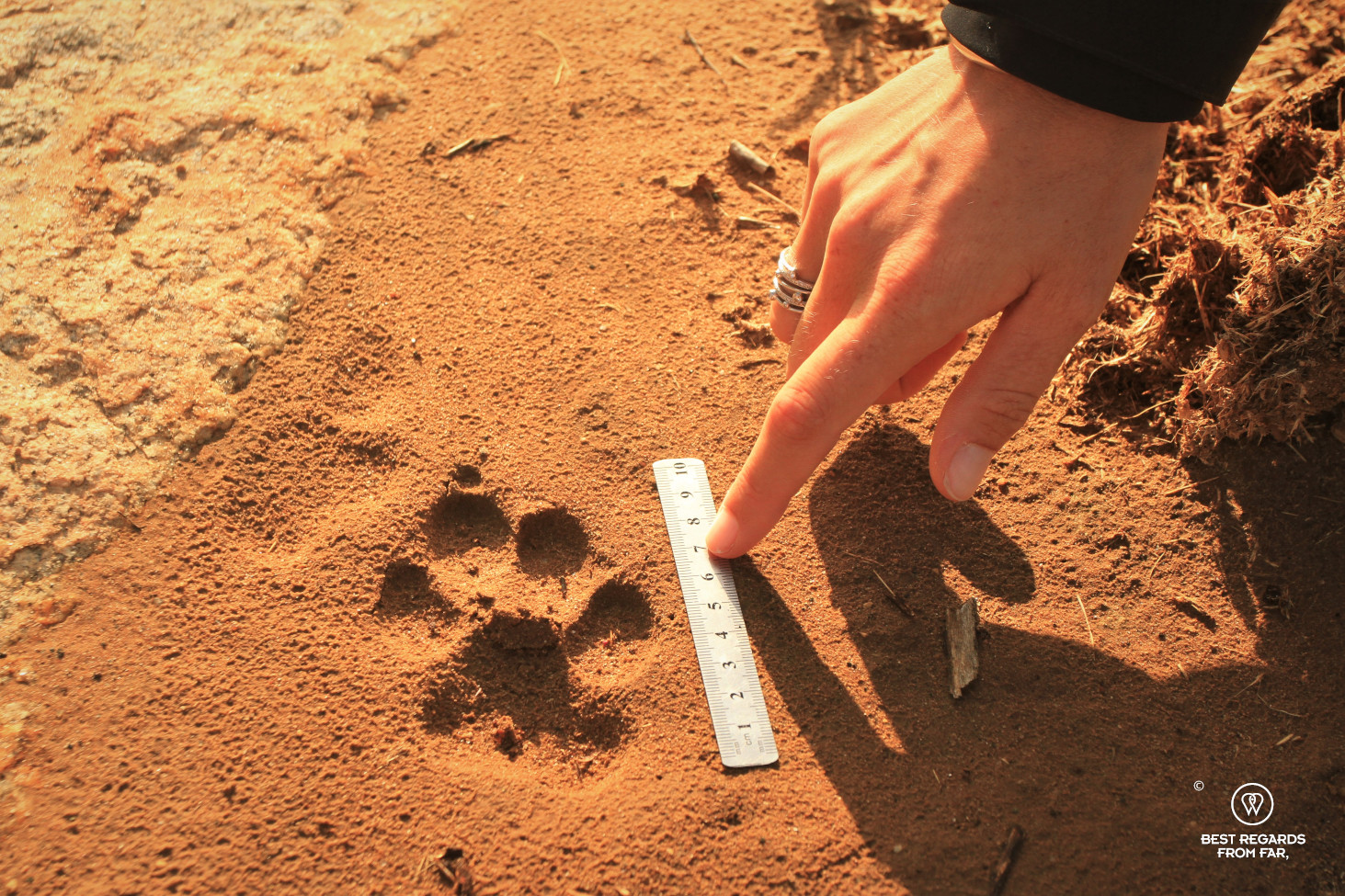
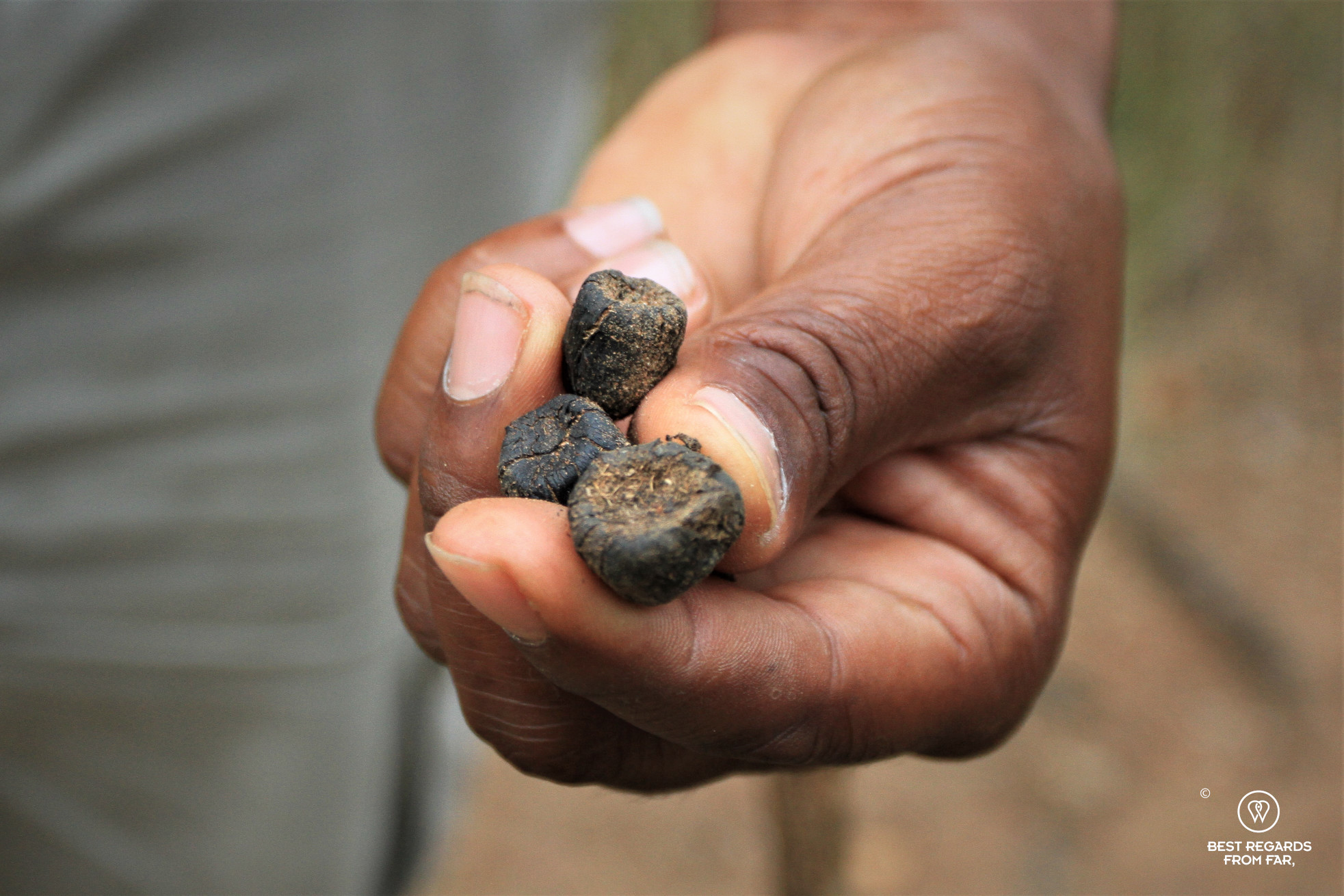
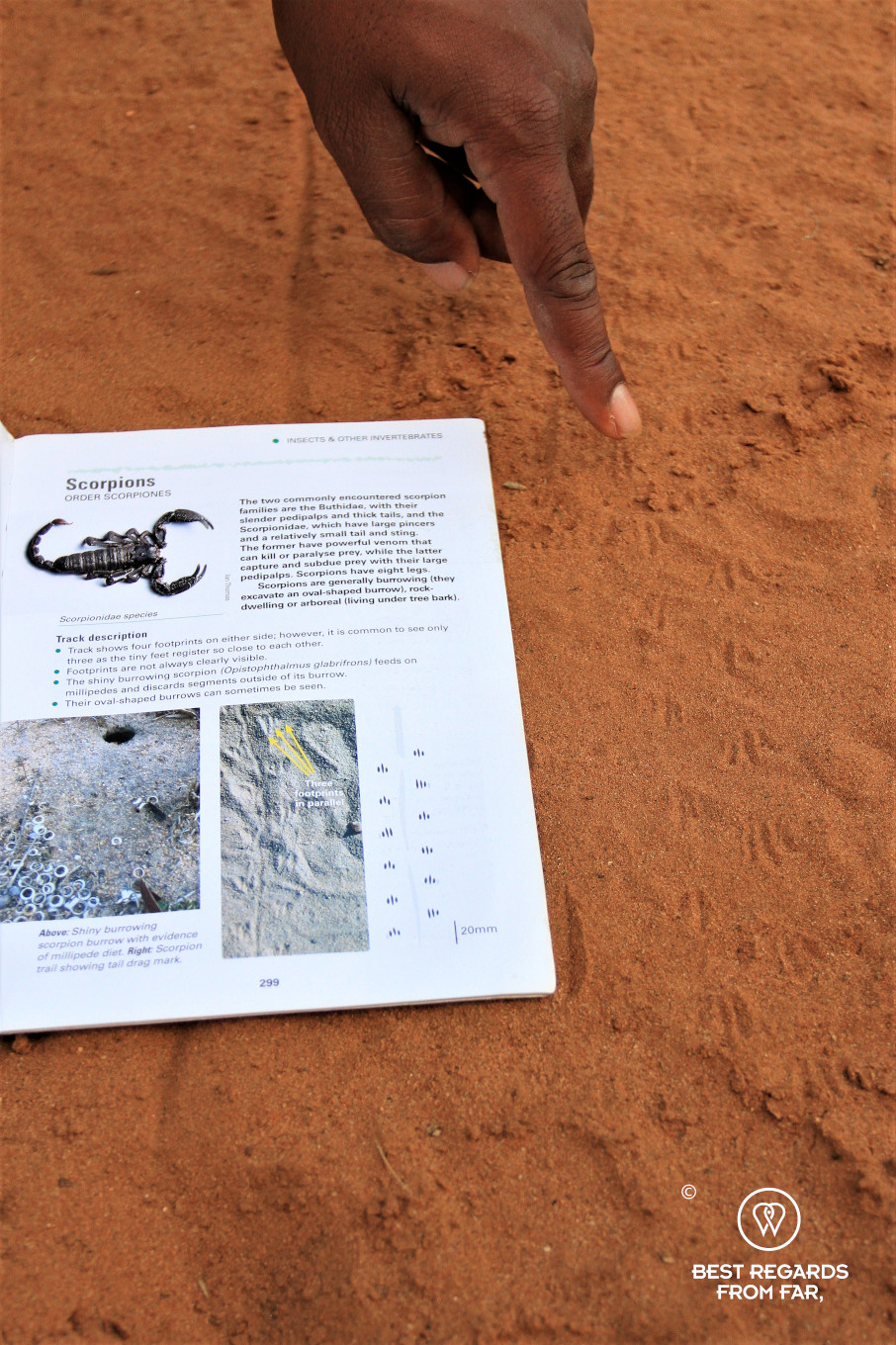
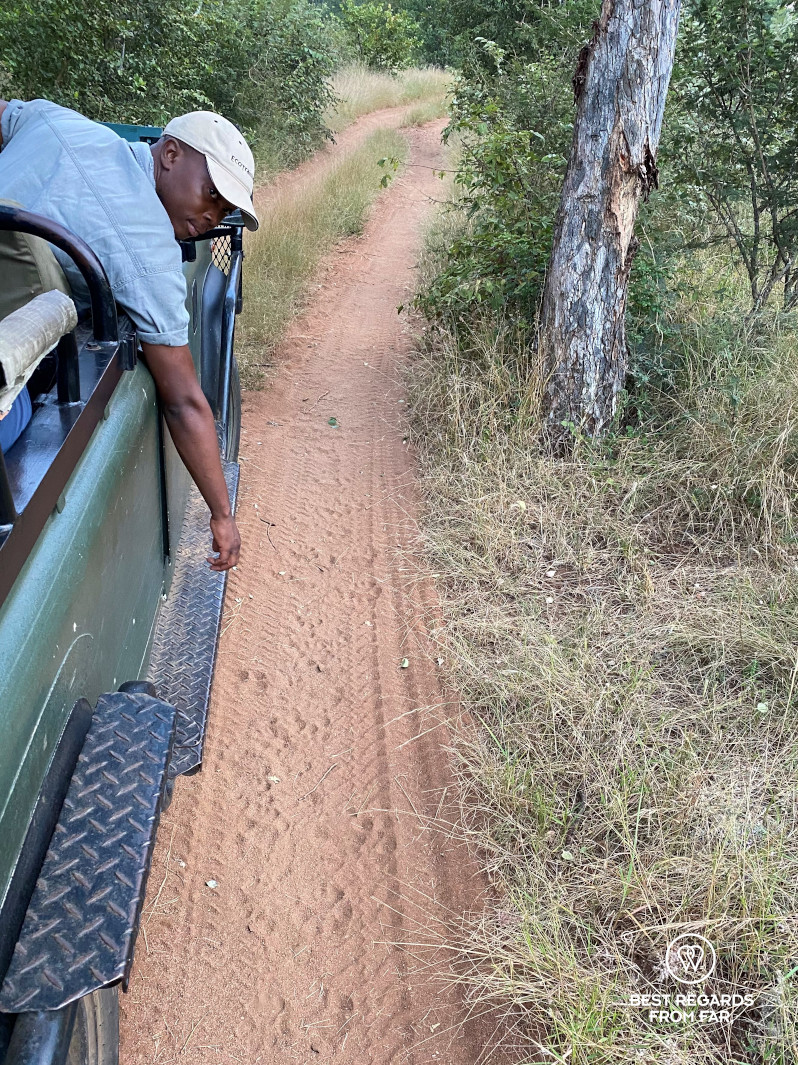
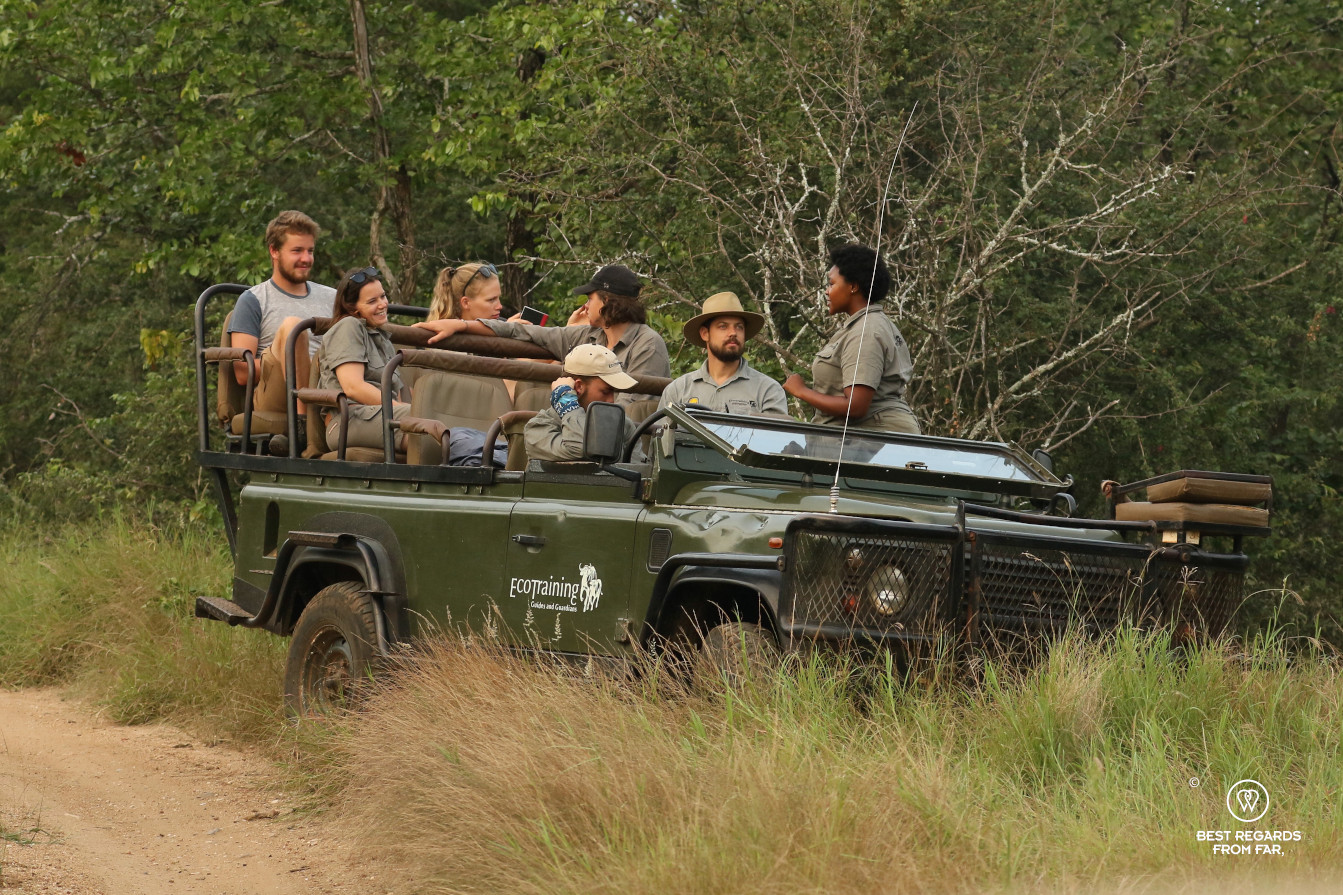
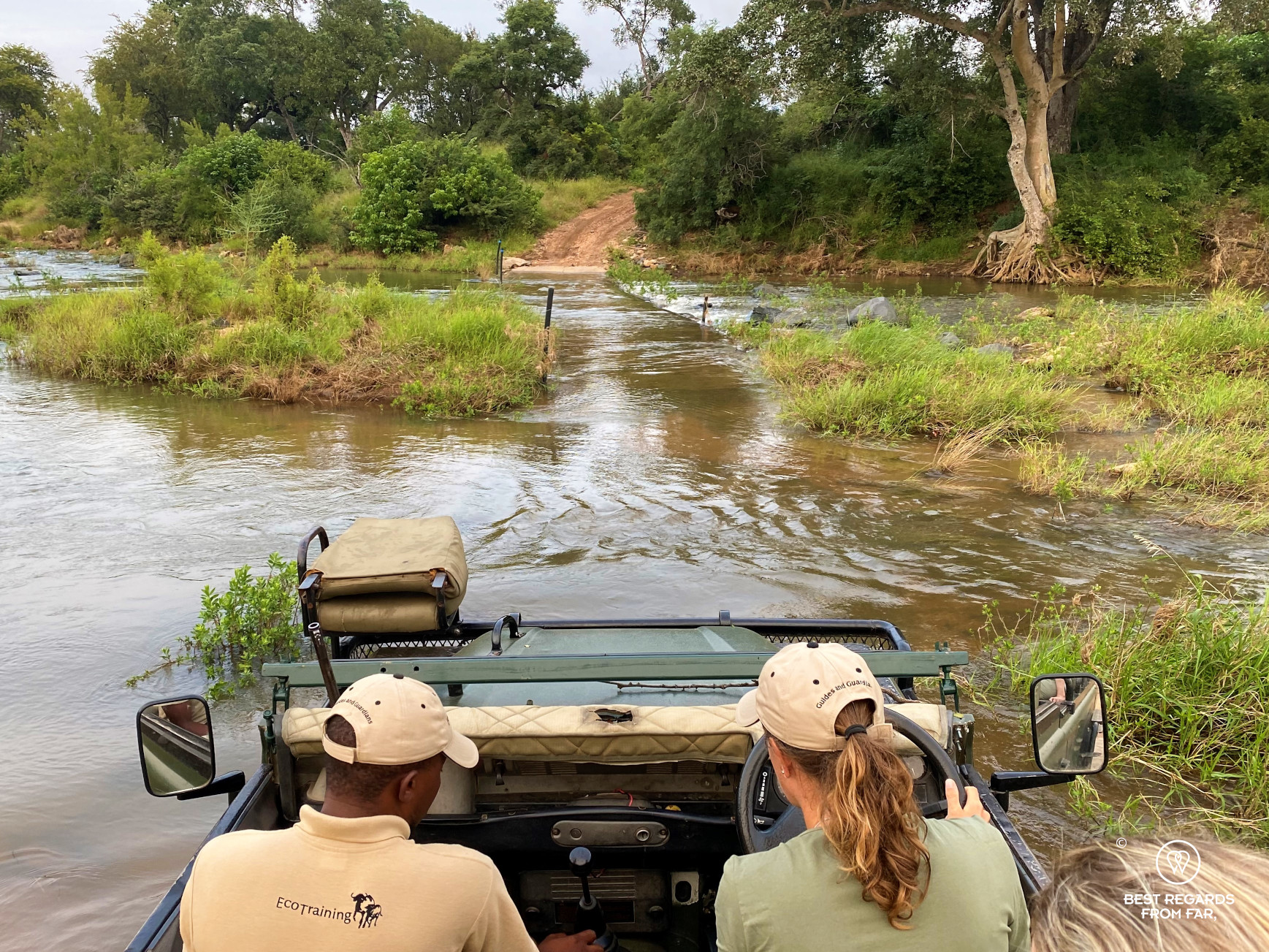
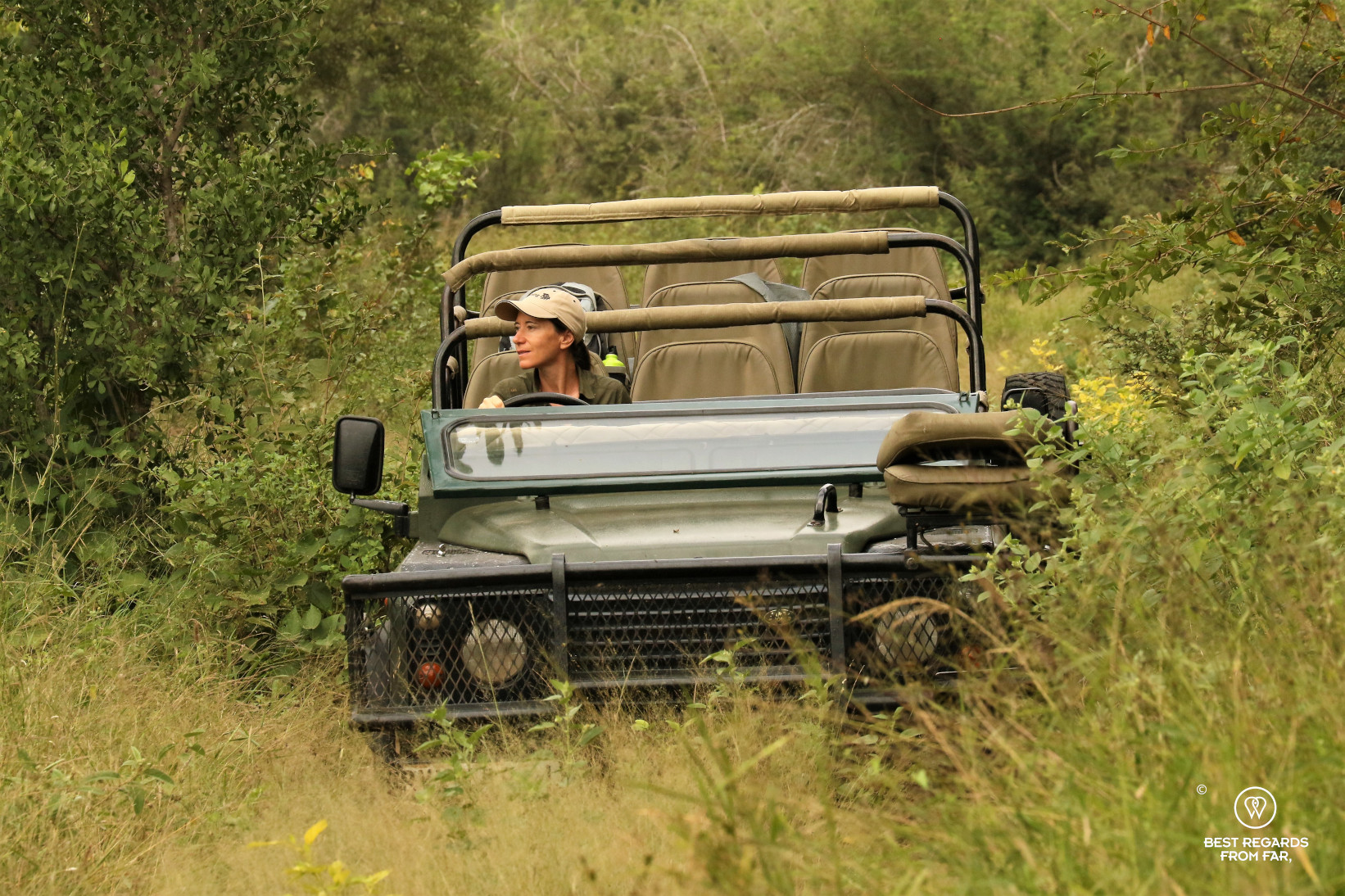
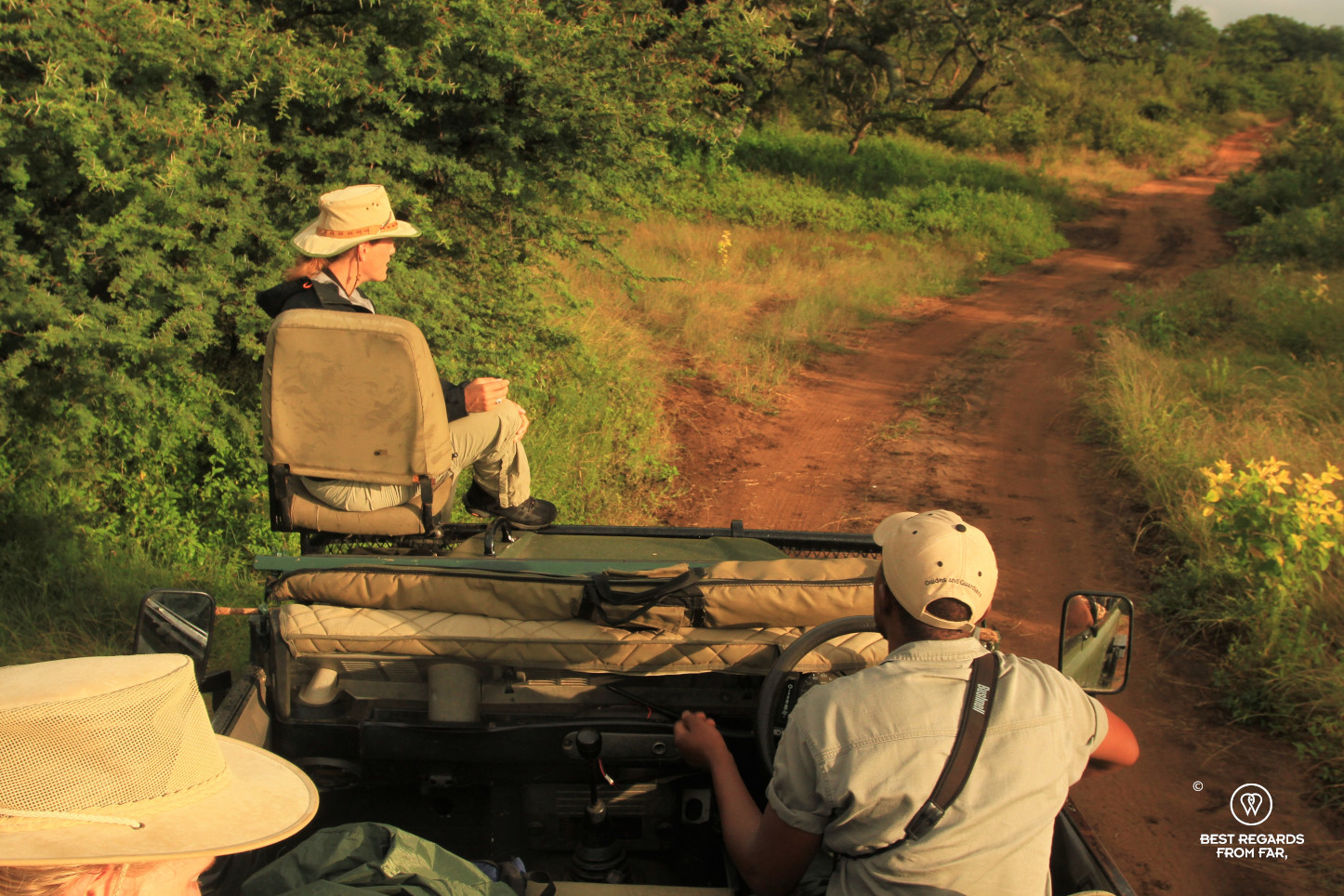
Beyond following classes in the lecture room in the centre of the Selati Camp overlooking the river, the best way to learn the art is to hop on the game drive vehicle, sit on the tracker seat on the bonnet of the Land Rover, and explore the bush to gain some practical experience. It quickly becomes obvious that the theoretical footprint is greatly affected by the type of soil, the pace (or gait) of the animal, its behaviour, and even the weather patterns of the area changing the lifespan of the animal tracks. Norman explains enthusiastically: “If wind and drizzle damage the spoors, they also offer a way to assess when they occurred, an invaluable tool when it comes to trailing wildlife.” For Norman’s trained eyes, a change of pace, an injury, or even old age affects the shape of the track, and the way the grass undulates reveals which animal has walked by.

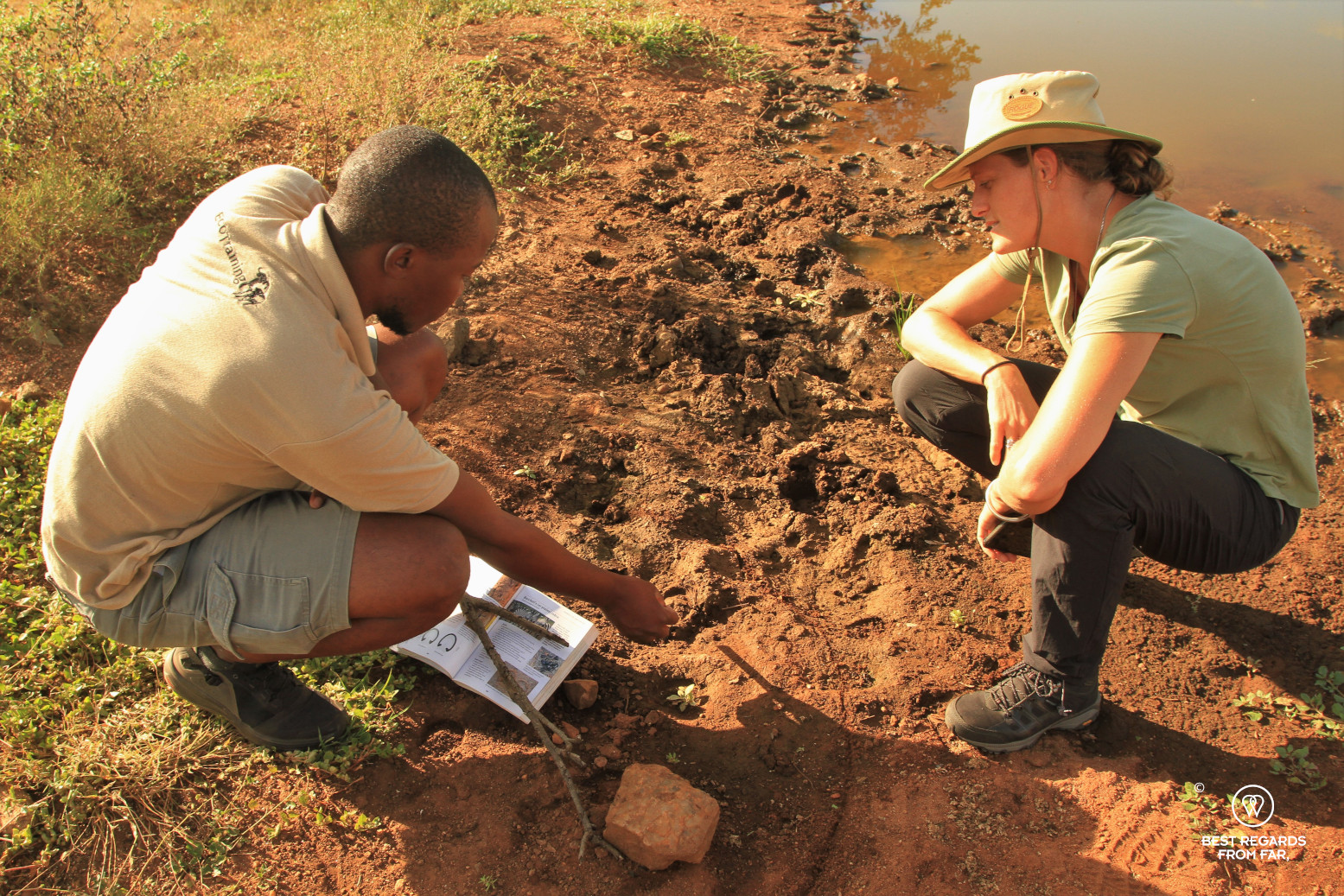

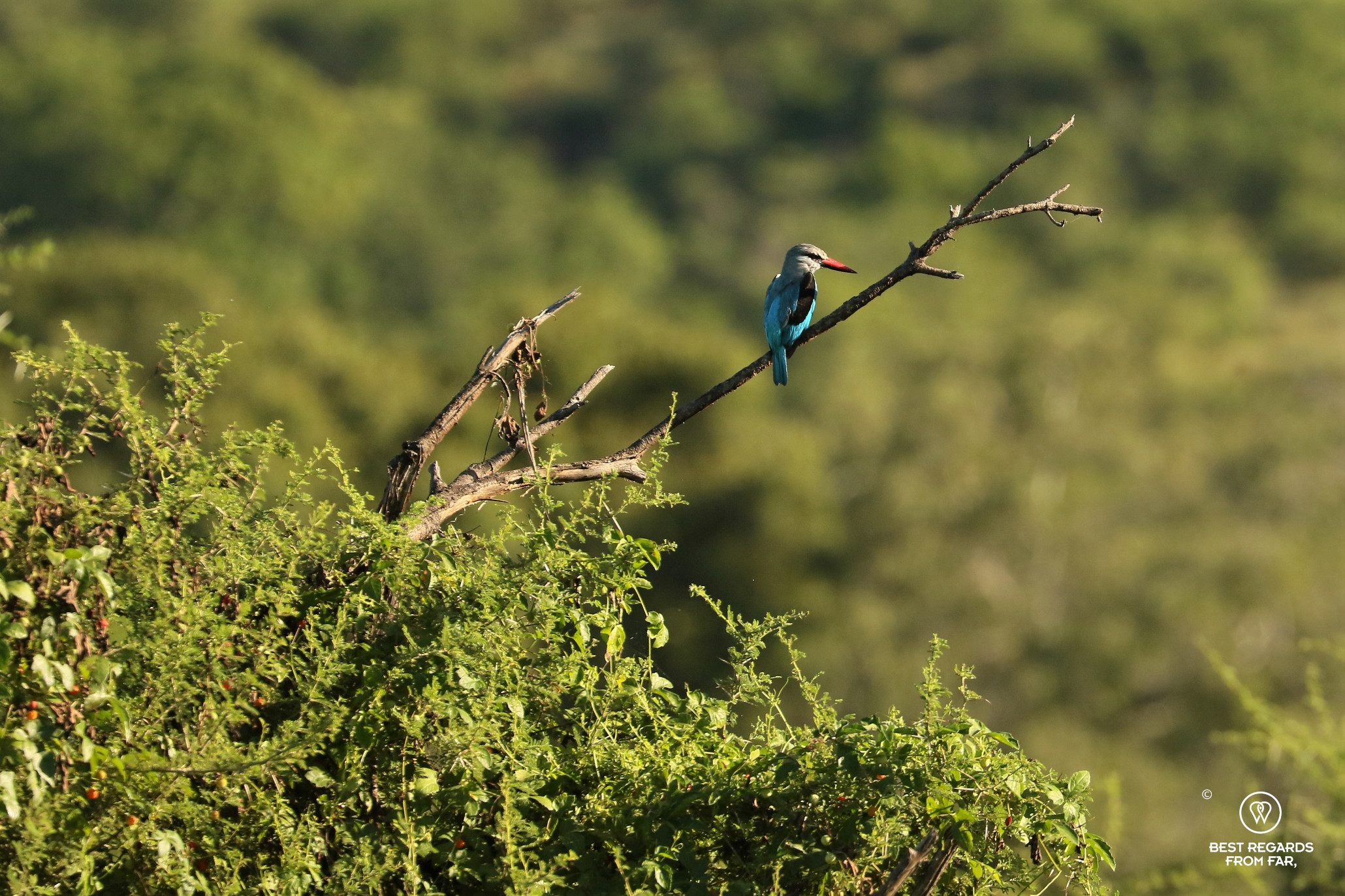
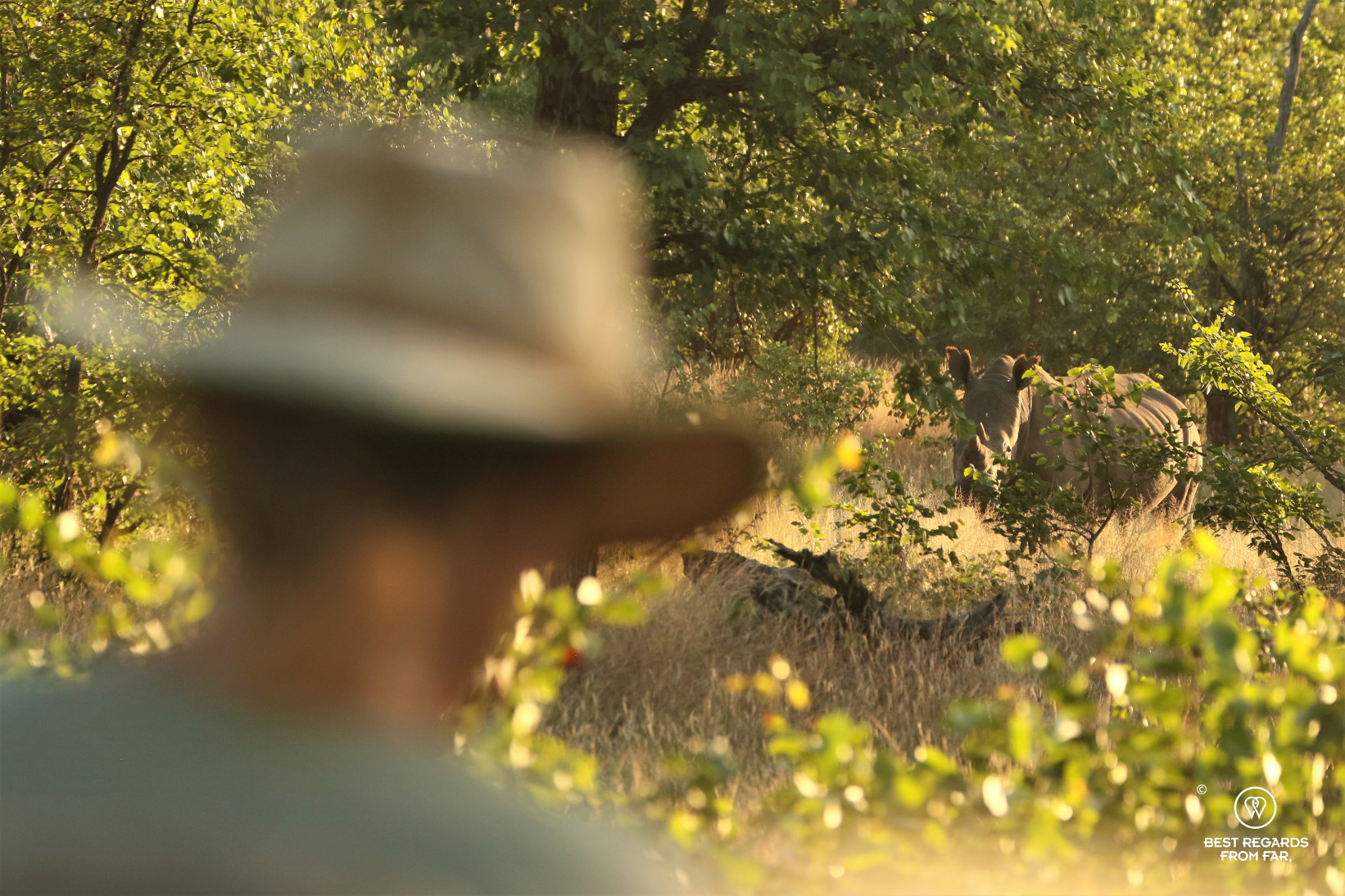
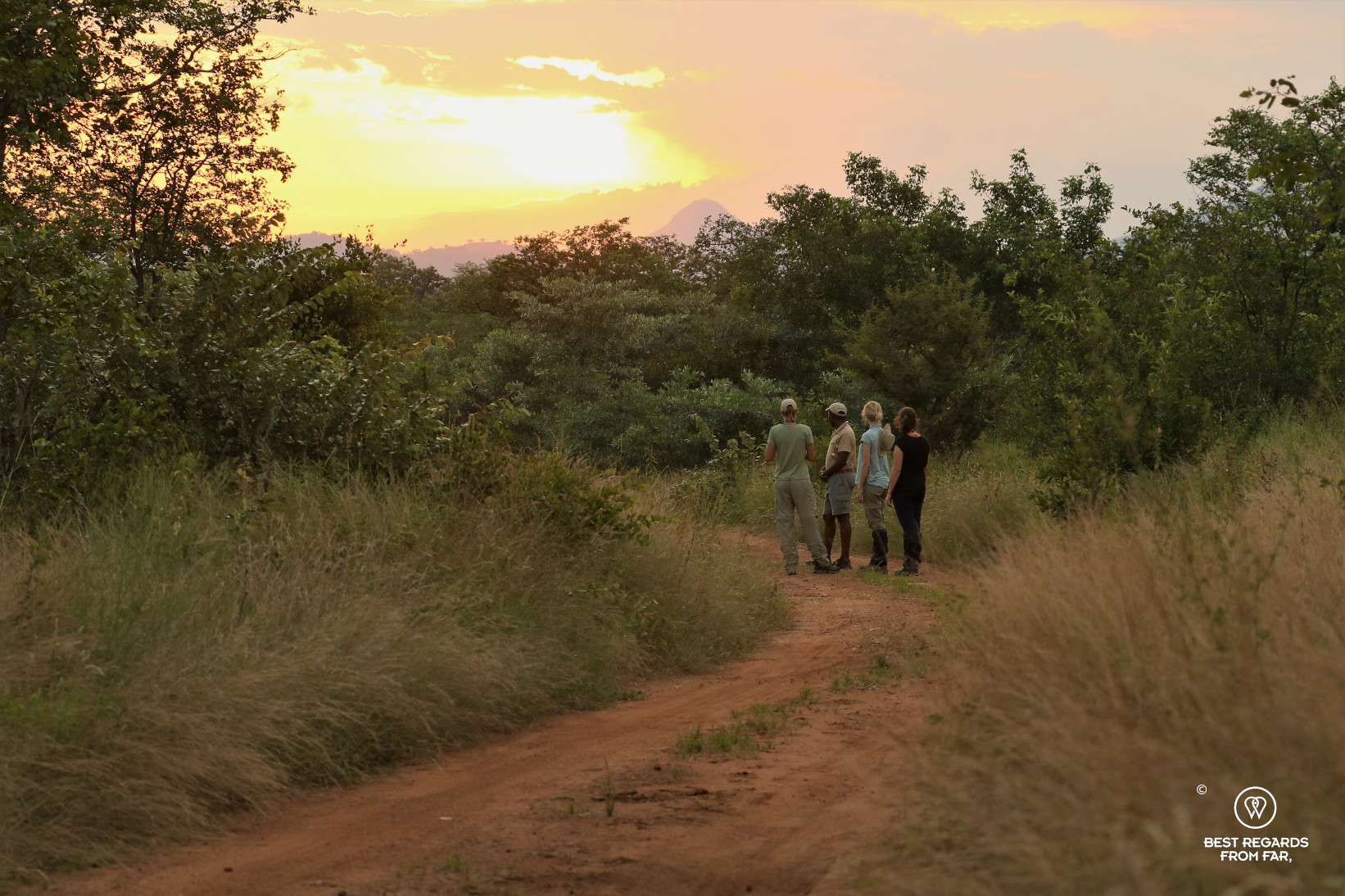
Always following the rules of tracking and guided by his senses, as we walk out of the camp at sunrise, Norman leaves the main 4×4 track to follow an elephant path through the thick bush. The presence of the Big 5 in Selati (referring to the most dangerous animals to encounter on foot in the wild) makes us very alert and tuned into our surroundings. It is hard to spot anything in the high grass, meaning that any animal could be only a few metres from us. The grass is wet after the humidity of the night and smells are intensified. As always in the bush, we walk in silence in a single lane, watching where we step cautiously while scanning our surroundings. We pick up every sound from branches cracking to birds calling. Sounding like a cough, the alarm call of an impala resonates, its snorting tipping off the rest of the herd of our approaching. Past a thorny acacia bush, the elegant animal stands still, staring at us while chewing some grass. A woodland kingfisher announces his territory in repeated calls from the top of a mopani tree. Norman stops to point out to the colourful bird. He starts whistling, mimicking the complex sound of a pearl spotted owlet. The kingfisher takes off. In the distance, an owlet replies with the same melody. The tiny cute blue waxbills hidden in the bushes alert each other of the presence of the bird of prey, while a few inquisitive mongooses stick their heads out of a close-by pile of branches to investigate what is happening on this quiet morning.
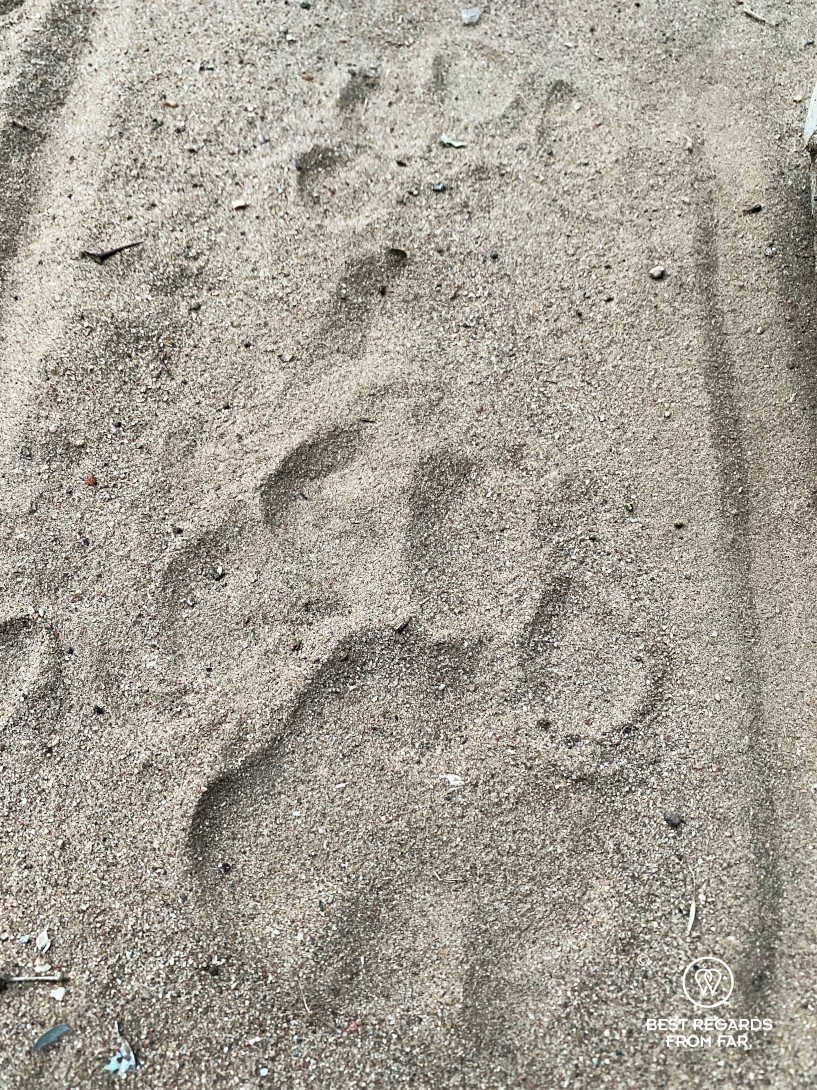
We keep following our tracking instructor in the giant footsteps of the elephant. A bit further, the bark of a tree is ripped off to a height of two metres (6 feet): this is a clear sign left by elephants feeding on the nutritious cambium layer of this marula tree in which nutrients travel from roots to shoots and back. A few metres onwards, we just avoid stepping into a massive pile of elephant dung. Norman tests our knowledge on this fifth morning in the bush and we start poking at it with a stick: grassy with twigs and undigested marula seeds as could have been expected. The dung beetles are already at it, shaping their large balls of dung that they will bury and lay their eggs in later. “It is about a day old,” Norman says, pausing. This is confirmed by the massive golden orb spider web which is already rebuilt along the track after the passing of the pachyderm. “Something tells me I should follow this elephant track,” Norman continues always tuned into his instinct.

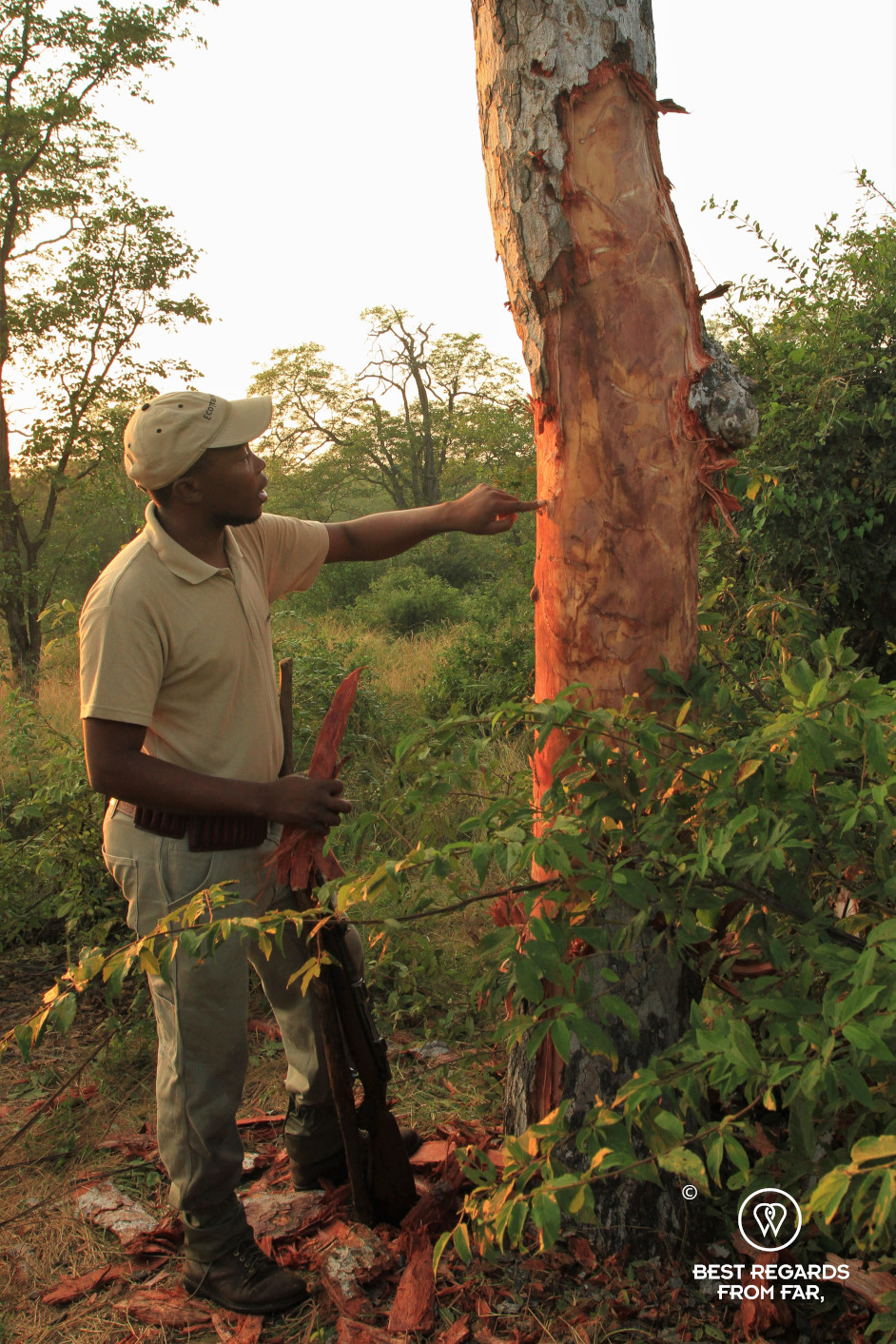
Shortly after, this puts us back on a Jeep track. We study a clear print of a hyena with its kidney-shaped pads and nails clearly visible in a mud puddle that captures spoors for a long time. While moving on I notice something in the soft sand we are walking on, the characteristic spoors of a lion reveal themselves. Tracks do not age well in loose sand, so this is not older than the early morning hours. As we study it to assess the speed of the lion, we hear a Land Rover approaching fast. Steve Baillie, the head instructor for EcoTraining at Selati, stops, surprised: “are you tracking the lions?” he asks Norman. “Then you should hop on: they have just been spotted by the research team,” he adds, excited. Norman jumps on the tracker seat and Steve’s students shuffle things around to make some room for us in the open game drive vehicle. The Land Rover conquers the terrain, up stony outcrops and down sandy river beds, and a few minutes later, Steve is driving seriously off-road to get closer to the sand-coloured shapes we vaguely distinguish in the high grass.
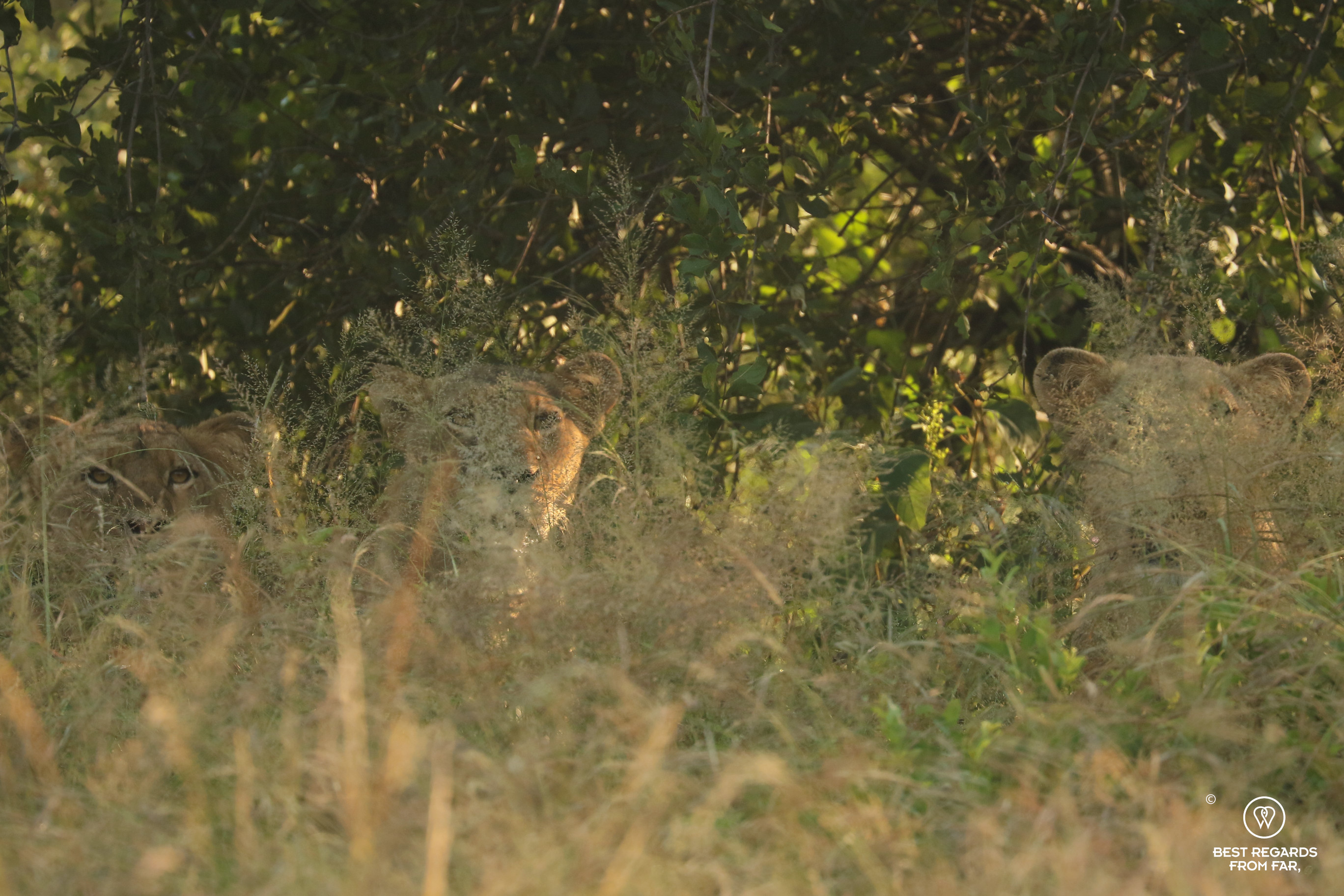

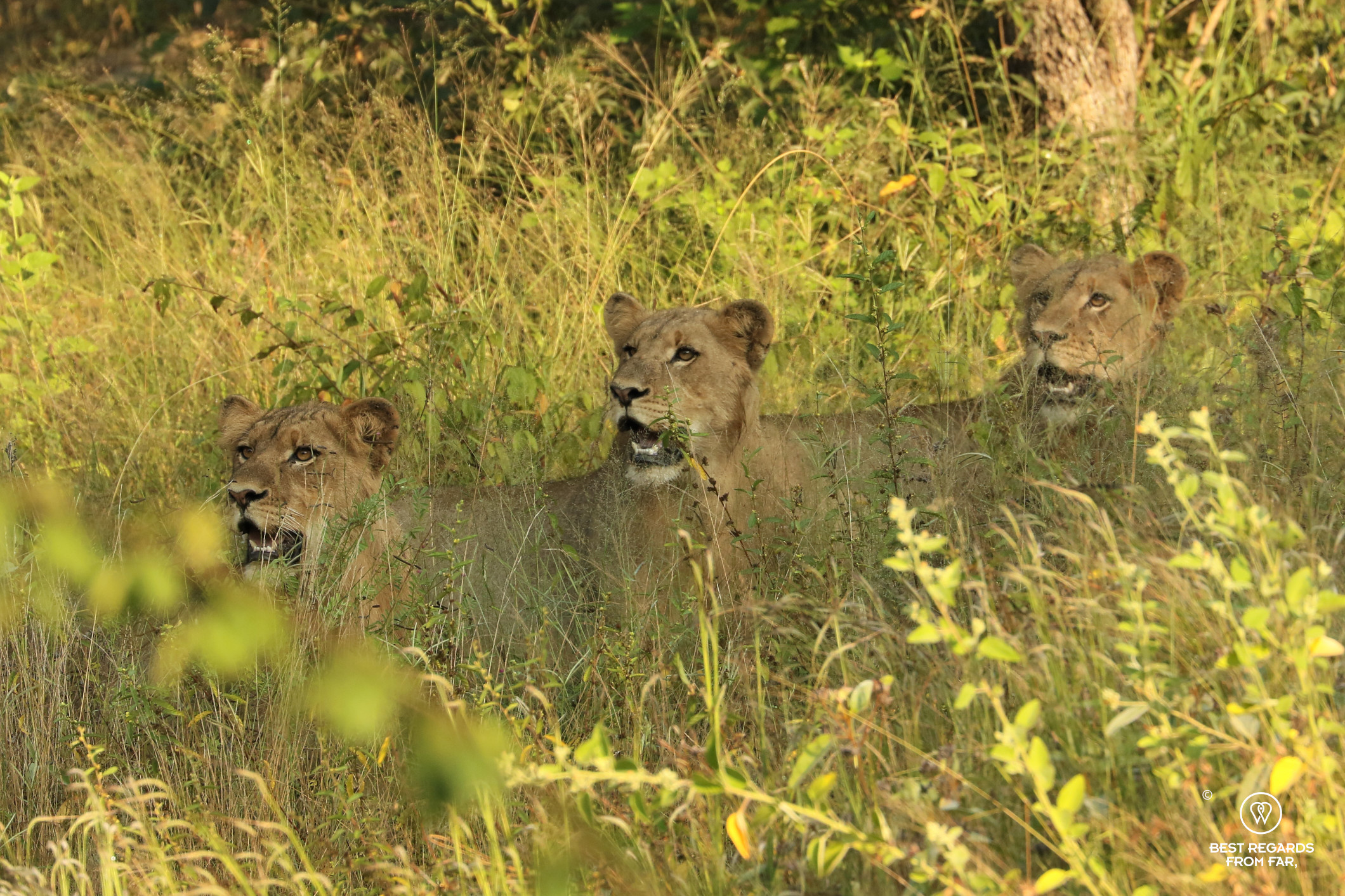

If the focus of safari goers on the Big 5 is sometimes difficult to understand as every encounter in the bush is magic, still, there is something very special about observing lions in the wild. We are lucky as the apex predator seems active (after all, lions spend a minimum of 18 hours a day sleeping, so most of the time they lay down in the grass or in the shade of a bush, completely invisible). Curious, three heads of young male lions with mohawk manes pop out of the grass to study us. They are about two years old. Their mother cannot be far. We follow them at a distance as they slowly move down a dry river bed. We see a glimpse of the female, laying down in the sand. She was introduced in the park from the Kalahari, and her cubs seem to be skittish, not used to humans at all as there are no tourists in this reserve. The young lions greet her and carry on to observe us better from the opposite slope. On the 4×4, only the sounds of shutter-release buttons can be heard. The foul and unmistakable smell of rotting flesh is carried to our nostrils. If we cannot see it in the thick vegetation, there is a kill close-by on which this pride of lions has been feeding. Steve repositions the vehicle. A branch cracks. We hear a deflating sound: we have just punctured! After observing the pride a bit longer, Steve reverses the sturdy Land Rover about 30 metres on a flat, slightly out of sight of the lions. Norman jumps to the ground and starts changing the tyre. A few minutes later, we are all back on board, and Steve drives off, giving these big cats some room. We head back to the camp.

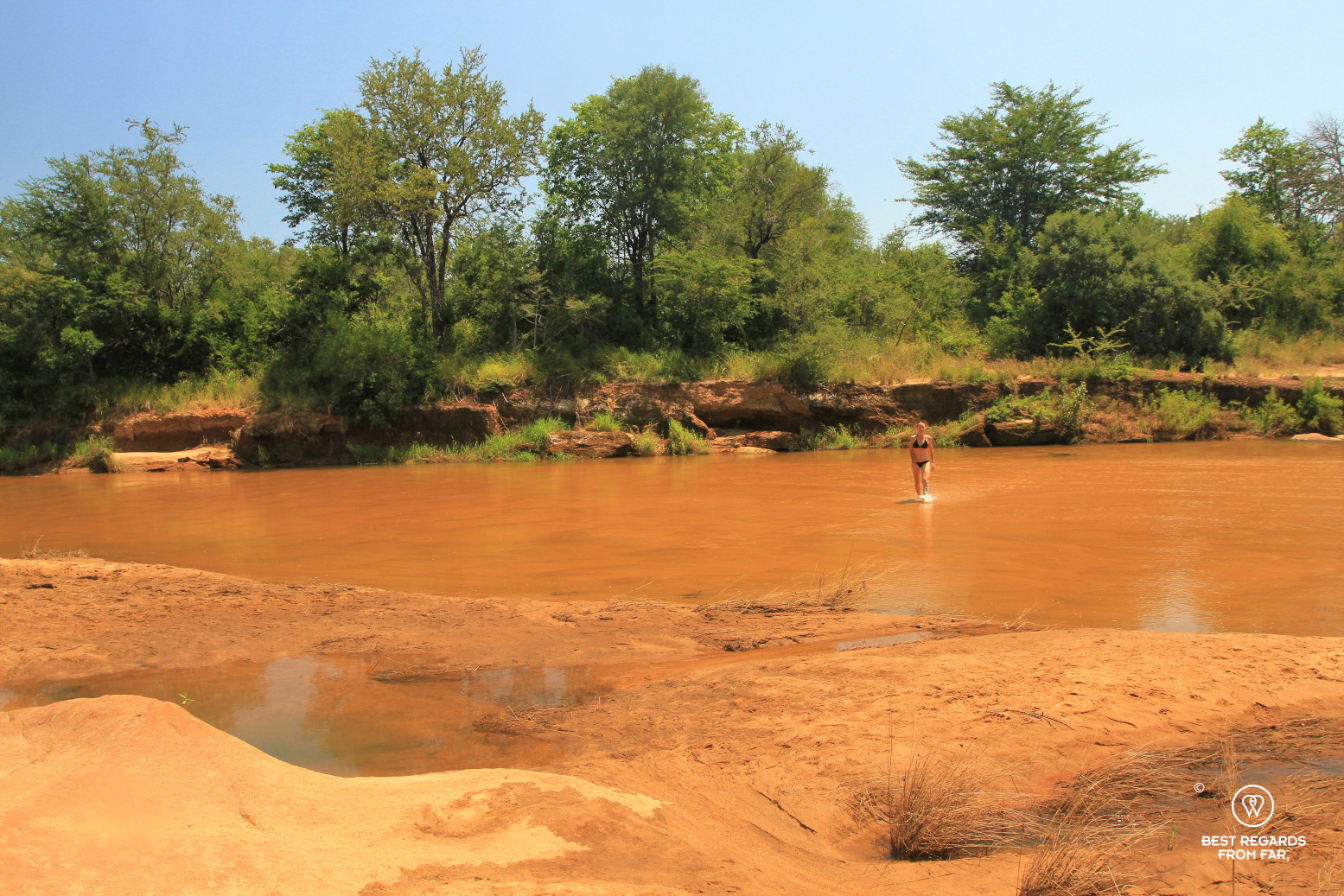
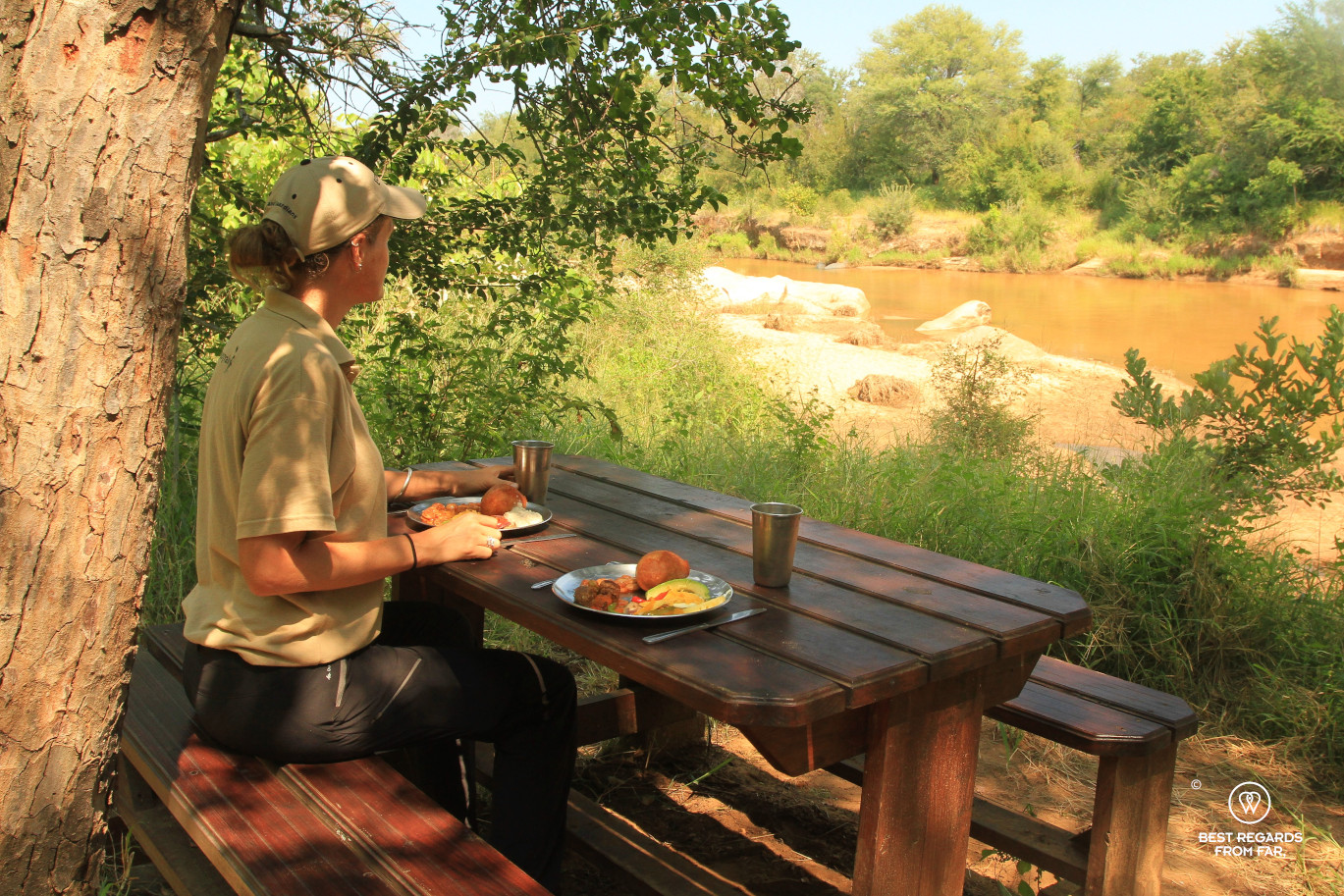
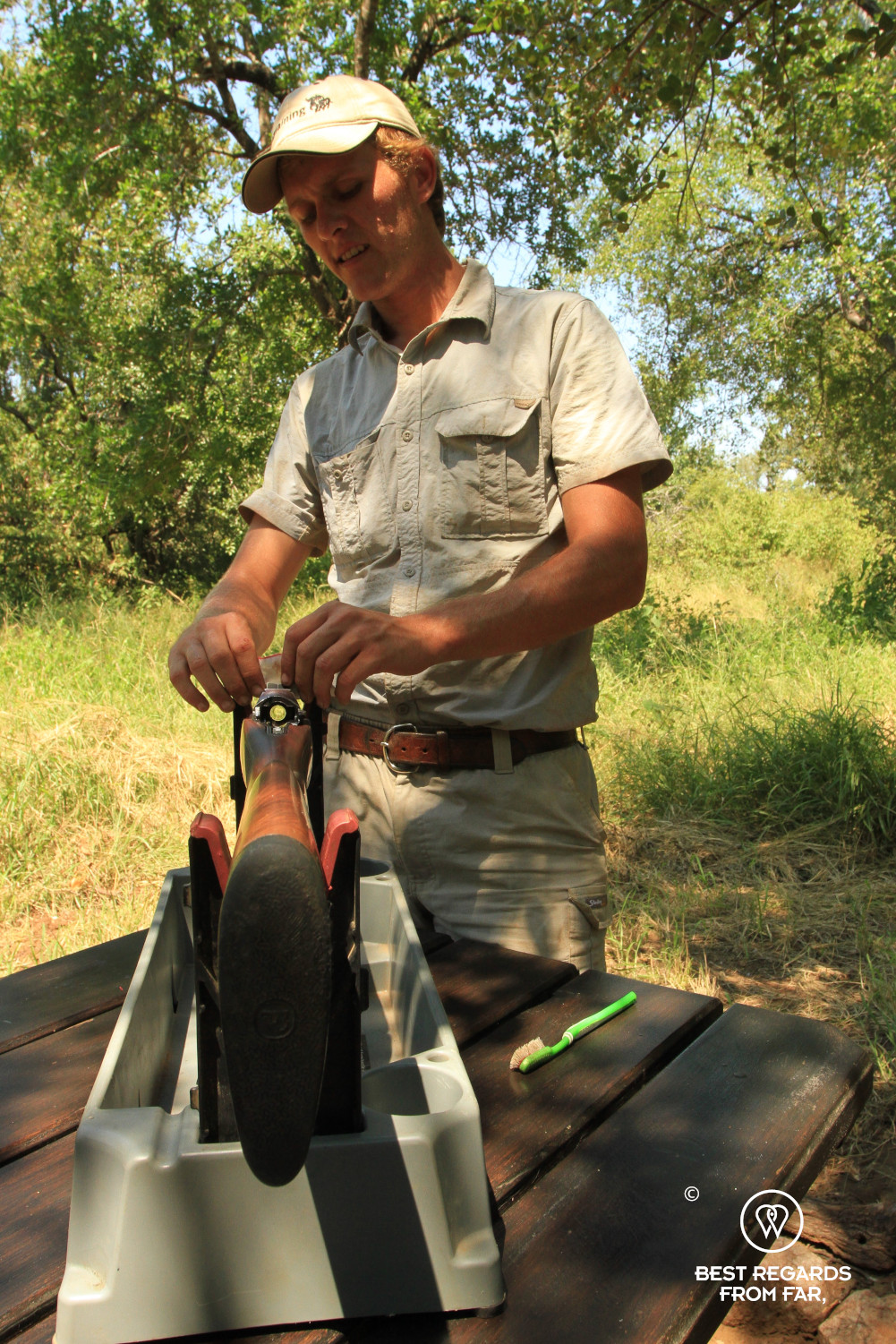
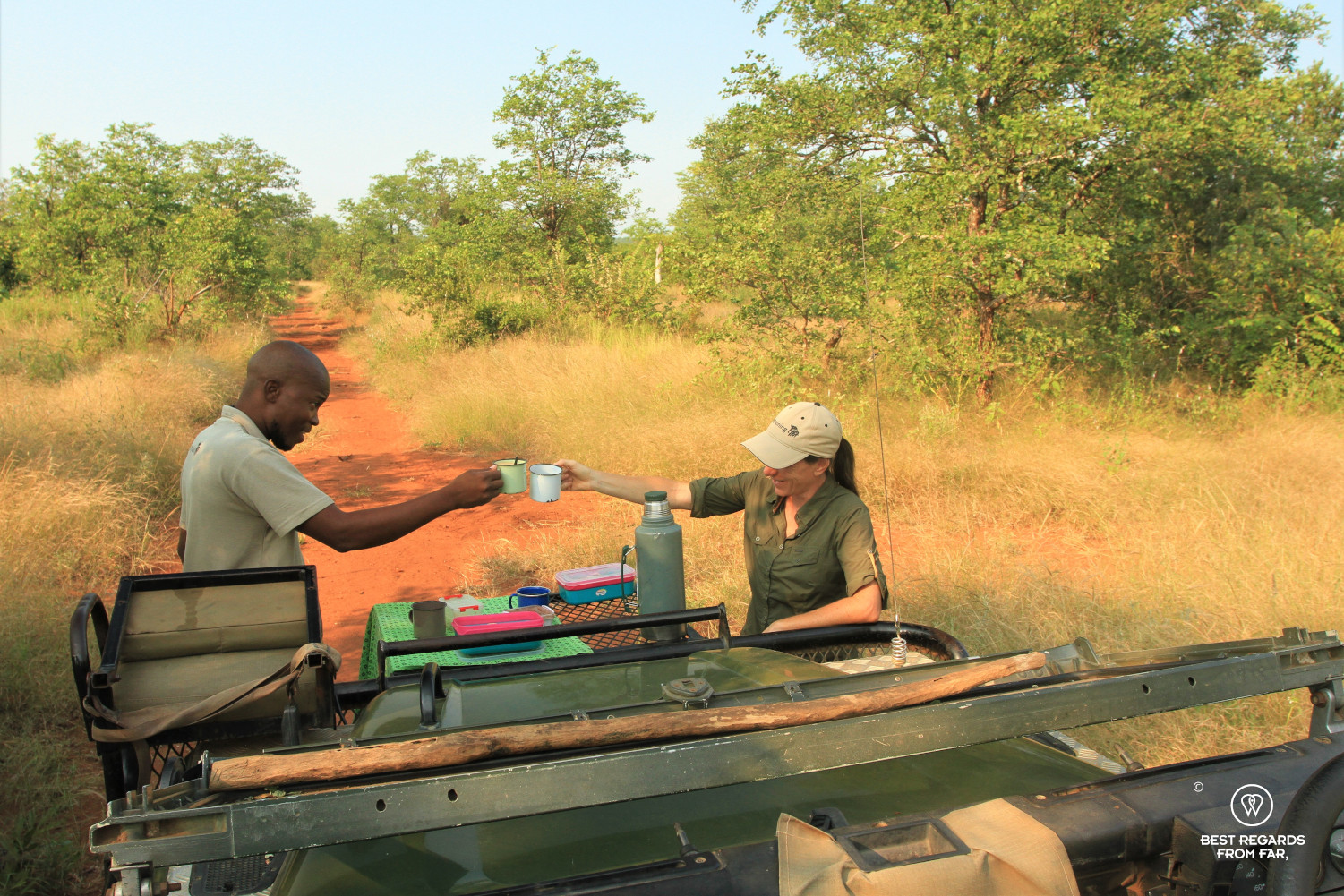
It is breakfast time: while we were tracking in the bush, the lovely cooks from Makuleke had prepared a hearty meal that we are now all sharing by the Selati River. Thrilled about the lion encounter, we exchange stories with other students. The EcoTraining instructors are already planning a night drive after the daily sunset game drive during which we look for tracks while spotting wildlife: these lions are going to protect their kill from hyenas, and we may be lucky and observe them some more at night when they tend to be more active…
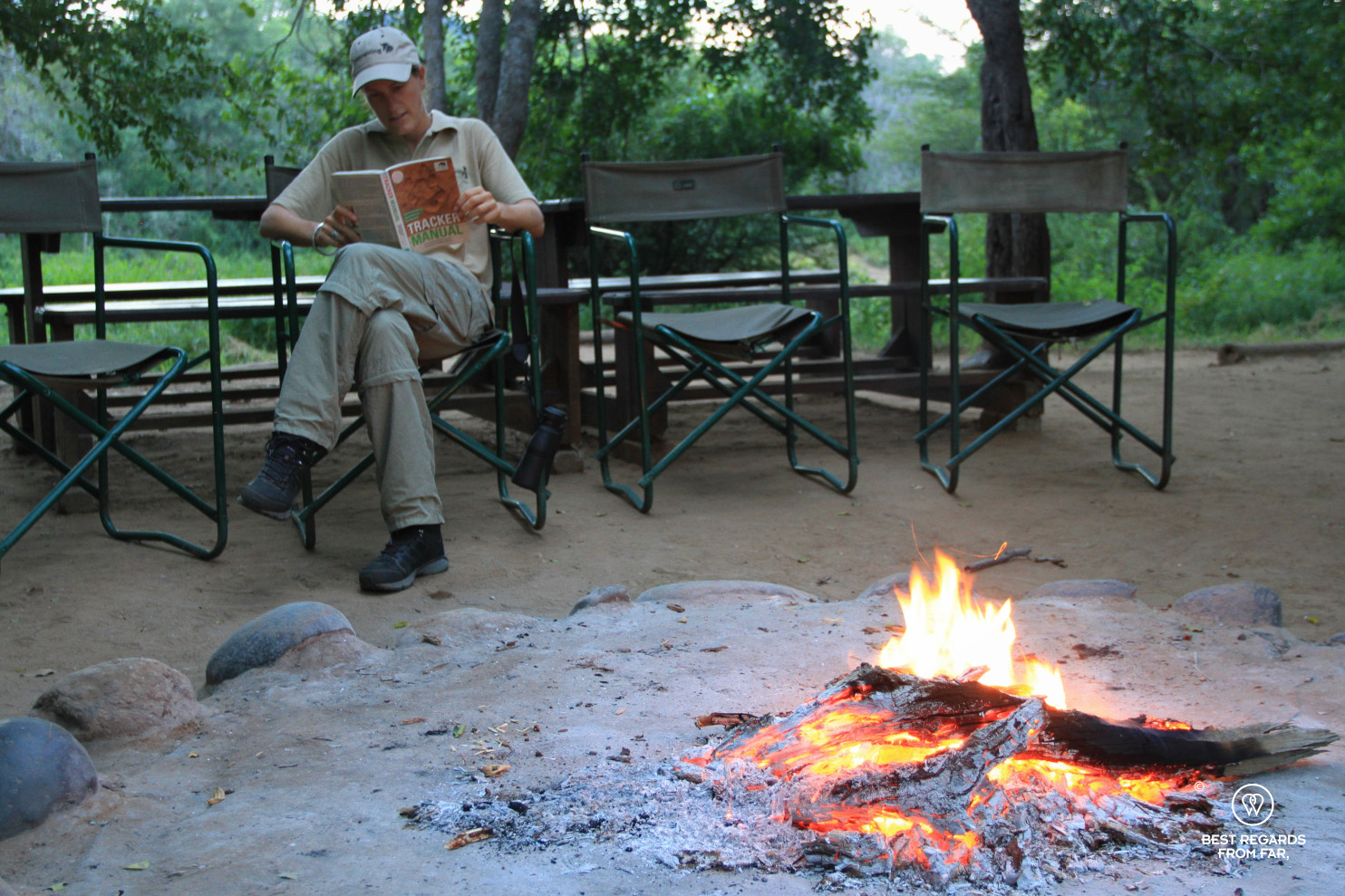
Despite the excitement, we focus on our daily lecture. Norman teaches us more about the animal tracks we have encountered in Selati: the direction in which the elephant is heading, the differences between lion and leopard tracks, wild dogs and jackals, honey badgers and porcupines, how to tell apart all similar tracks of hoofed animals such as impalas, waterbucks, klipspringers, nyalas, wildebeest, kudus, sable antelopes… Temperatures are rising fast in the heat of the summer. After a bath in the river, we study in the shade to prepare for our exam.
***
That night, under a star-lit sky, the lions were feeding on the kill before walking their territory. We followed them for a while from the safety of the 4×4. Actually, some of these very tracks became some of our assessment questions. This was yesterday, when Norman had us drive through the bush to find more than 40 spoors we had to identify in order to become official trackers. Thanks to the practical and theoretical knowledge we have gained in Selati, we mastered the exam, and proudly became FGASA-accredited trackers.

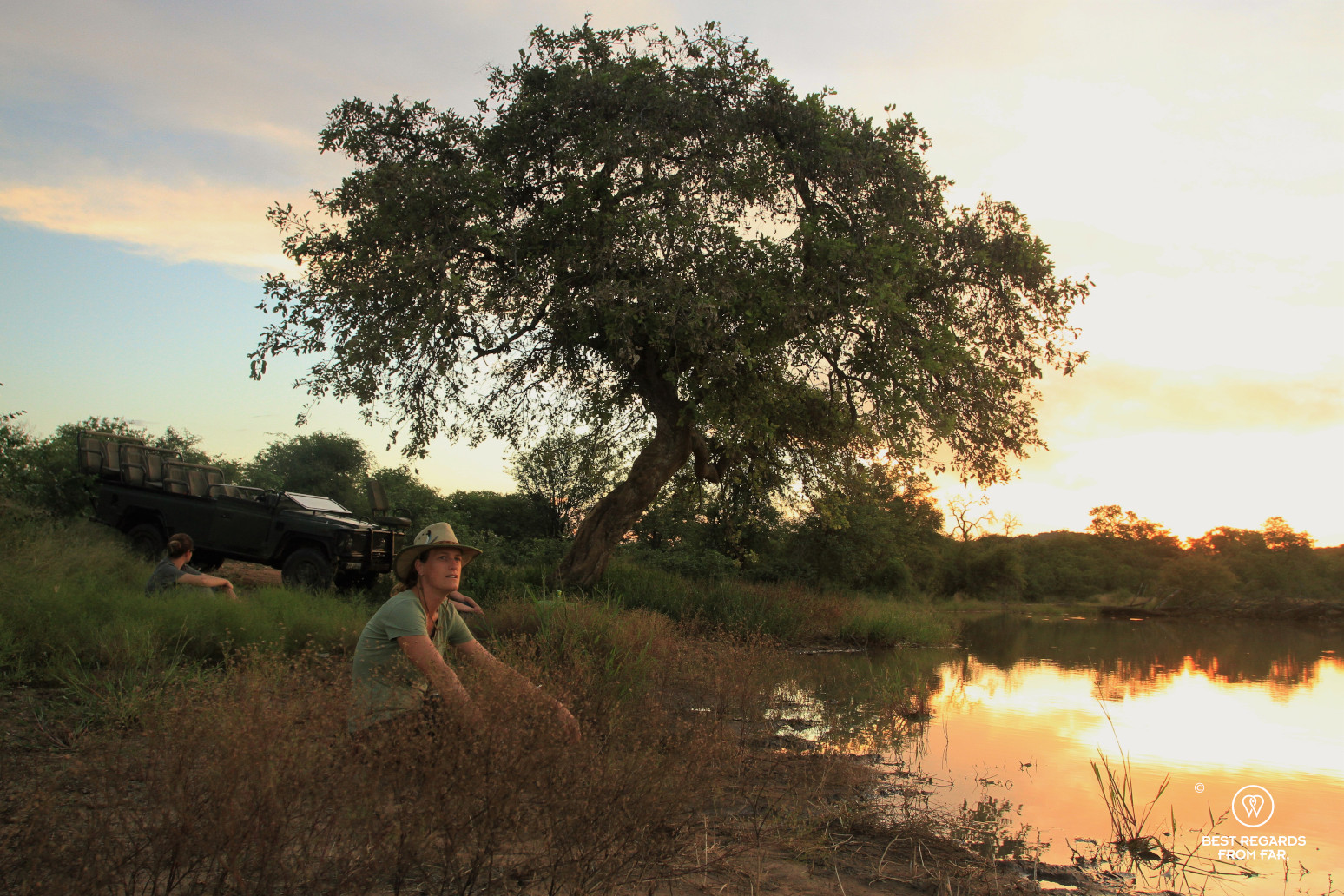

Beyond the hundreds of tracks and signs we came across and identified, we reconnected with nature in total awareness of the environment during an enriching week. More rewarding than a few days on a safari that can feel passive, this in-depth EcoTraining experience with other passionate bush lovers has definitely turned us into better guardians of nature and helped us start to better apprehend animal behaviour, subliming every safari experience from now on.
Travel tips:
- If you want to live this experience, get in touch with EcoTraining and sign up for the 7-day or 14-day tracker course, or a field guide course.
- Crazy about wildlife but not so much into tracking? Make sure to browse through their other trainings (including online options!).
- Check out this interactive map for the specific details to help you plan your trip and more articles and photos (zoom out) about the area! Here is a short tutorial to download it.
This article was published in the 12-million reader e-magazine Beyond Boundaries by Xtreme Adventure:
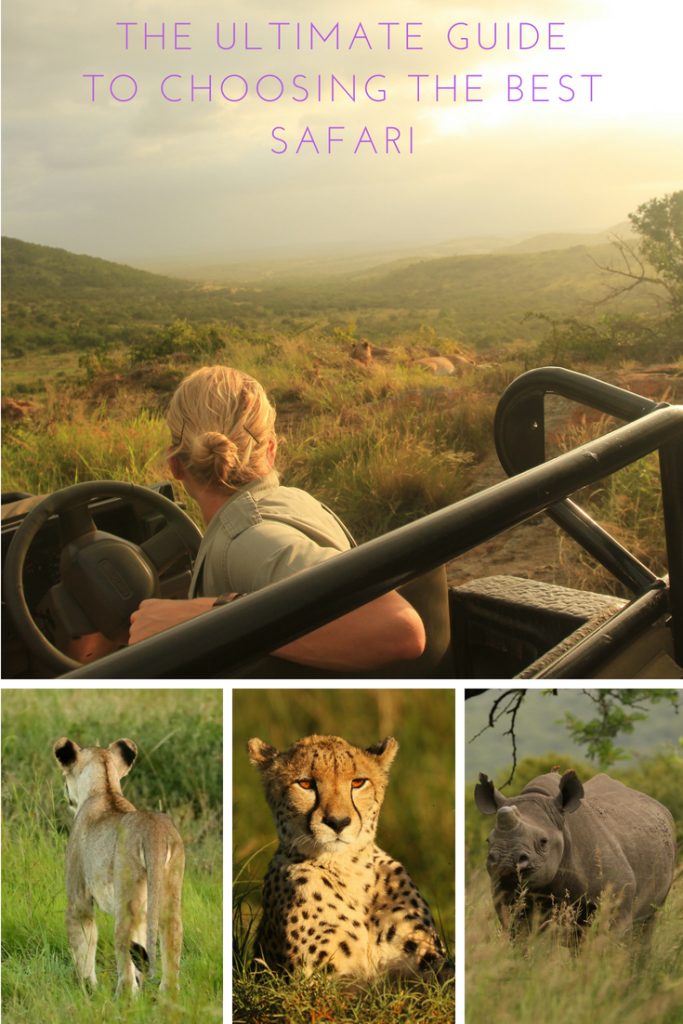
For more wildlife inspiration in South Africa, click on the images below:




 Best regards from far,
Congratulations on your accreditations! I often feel like I’m ‘tracking’ when I see footprints in the soil when I’m out walking. I try to work out whether they are recent and, if so, how many people are ahead of me and whether they are male or female. It’s a sort of game I play with myself and occasionally I’m even right!
Funny, that makes the walk a sort of treasure hunt! It is true that once you start, you keep looking at the soil for tracks wherever you are. Actually, the tracking techniques are also used to track criminals (they found a killer like this in Cape Town a few months ago).
It sounds like you would thoroughly enjoy this tracker course!
Congratulations on your accreditation and on writing such a captivating and informative article! The photographs are dream-like and really make me want to return to South Africa soon (being from Sweden where the winter is long, I could do with a mid-winter break! I did not know about the existence of such a course and that it would be accessible for one or two weeks, which is great to combine on a trip through South Africa. Thanks for broadening my horizon and for taking me traveling through the bush today.
Great Marie! Really happy we brought you a bit of African sunshine 🤗 & could inspire you. This completely changes the take on safaris making them really participative and even more captivating & memorable.
Claire
It looks like you have learnt a lot! Such a great way of spending some time in the bush. It is wonderful to see that the knowledge of tracking is passed down trough these courses.
Thanks for your comment Jake. Yes, we have learnt a lot (and never look at the soil in the same way!). It is great that these ancient practices find a modern frame thanks to professional qualifications so that trackers get recognition and more importantly today: jobs.
Claire
Hi Claire and Marcella,
Congratulations on the article! It was a great pleasure to be with you on the Ecotracking group and the article brought me back to South Africa. It gives an accurate impression of the life of an aspiring ecotracker.
” I do not know what I am amazed by the most: the proximity with these lions or the amount of practical knowledge I have gained during a week immersed in the wild living my most intense safari experience to this date…” I could not agree more!
Warm regards,
Marijn
Hello Marijn, thank you very much for your sweet comment, and very happy we could bring back these nice memories to you.
Hope to see you again, maybe in Kenya, and see what is left of our tracking skills: you are going to have a lot more practice than us 🙂
Warm regards,
Claire & Marcella
What an amazing adventure! I love your writing style and it felt like I was following along right there with you. Getting a flat tire next to a pride of lions must have been scary but you all seem to have taken the experience in stride.
Thanks for your sweet comment! Yes, it is an amazing adventure and I don’t think we will ever forget that change of tire 🙈 The EcoTraining instructors have years of experience, and we never felt unsafe. They knew perfectly what they were doing and know how to adapt to any situation in the bush, and tagging along with them was a learning experience in itself.
Happy you enjoyed the article!
Claire