Text: Claire Lessiau
Photographs: Claire Lessiau & Marcella van Alphen
With its Roman roots, Visigoths times, Arab golden age, and Christian reconquest, Cordoba is a city that fascinates and that is too often overshadowed by Seville or Granada. Allow yourself a few days to explore this jewel and to soak up its atmosphere.
Pin it for later!
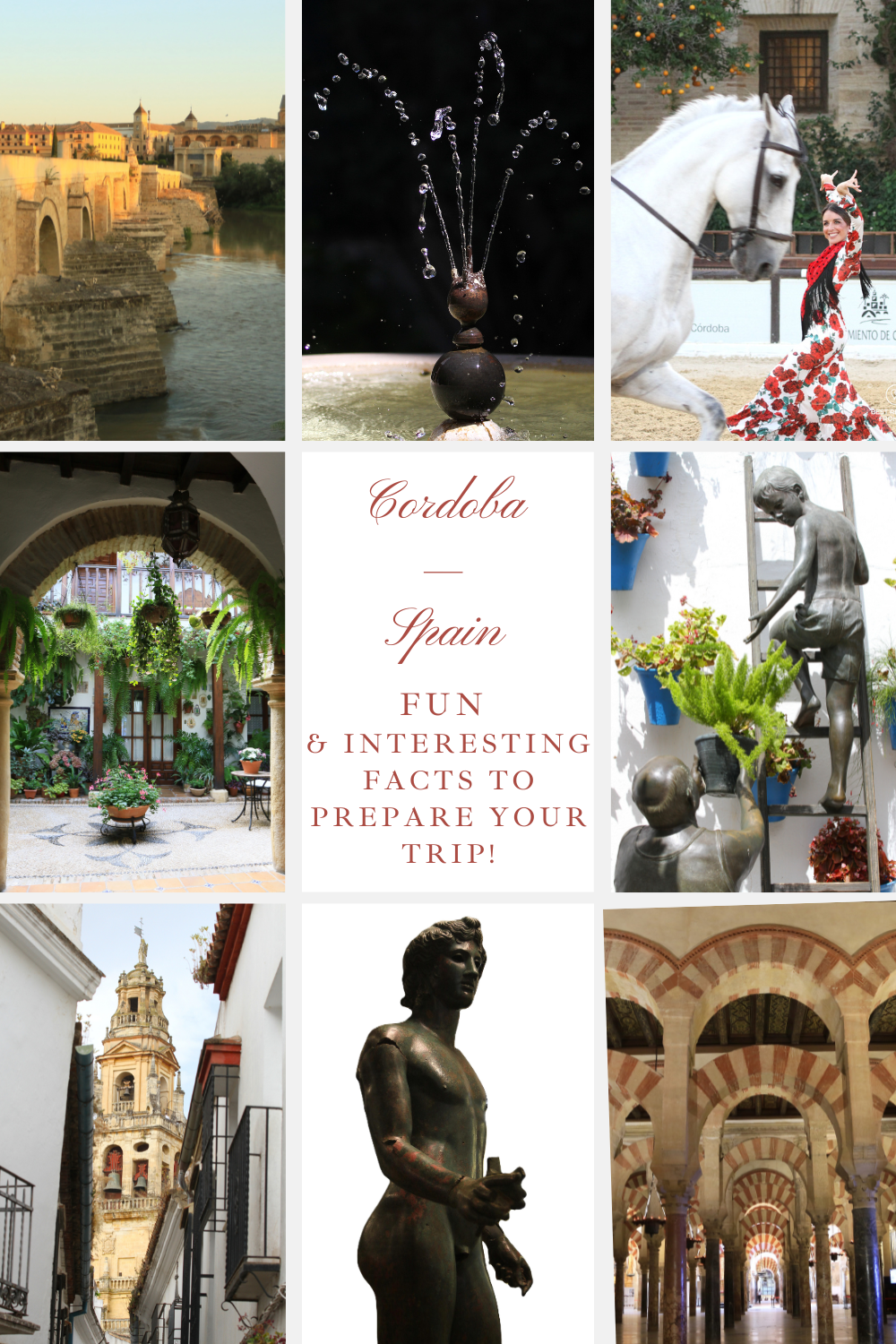
***
1. Cordoba: Once the World’s Largest & Most Influential City…
At the beginning of the 8th century, the Umayyads extended the territory of Islam from their capital in Damascus to the West reaching the Atlantic. From the north of Africa, they conquered the Iberian Peninsula. The fall of the eastern dynasty led to the flight of its descendant, Abd Al Rahmán I, to Cordoba where he created an independent Emirate: Al-Andalus.
As the capital of the Umayyad Caliphate in Al-Andalus, at its zenith in the 10th century, Cordoba was the largest city in the world counting an estimated 500,000 inhabitants— an astonishing size for its time, dwarfing Paris and London of the era.
Cordoba became a thriving hub of culture, knowledge, and innovation. Scholars from across Europe and the Islamic world flocked to the cosmopolitan city, which was famed for its extensive libraries, advanced schools, luxurious Arab baths, and vibrant intellectual life while the city’s streets buzzed with scholars, philosophers, poets, scientists, and artisans of all religions.



2. … To the One with the Most UNESCO World Heritage Sites
This golden age left a rich legacy visible today. In fact, Cordoba holds the distinction of being the city with the most UNESCO World Heritage sites in the world, totaling four of them: the breathtaking Mosque-Cathedral architectural masterpiece, the historic center of Cordoba with its maze of medieval streets, the famed planted patios, and the nearby Medina Azahara, the archeological remains of an opulent 10th-century palace-city.

3. The World’s 2nd Largest Mosque for Centuries
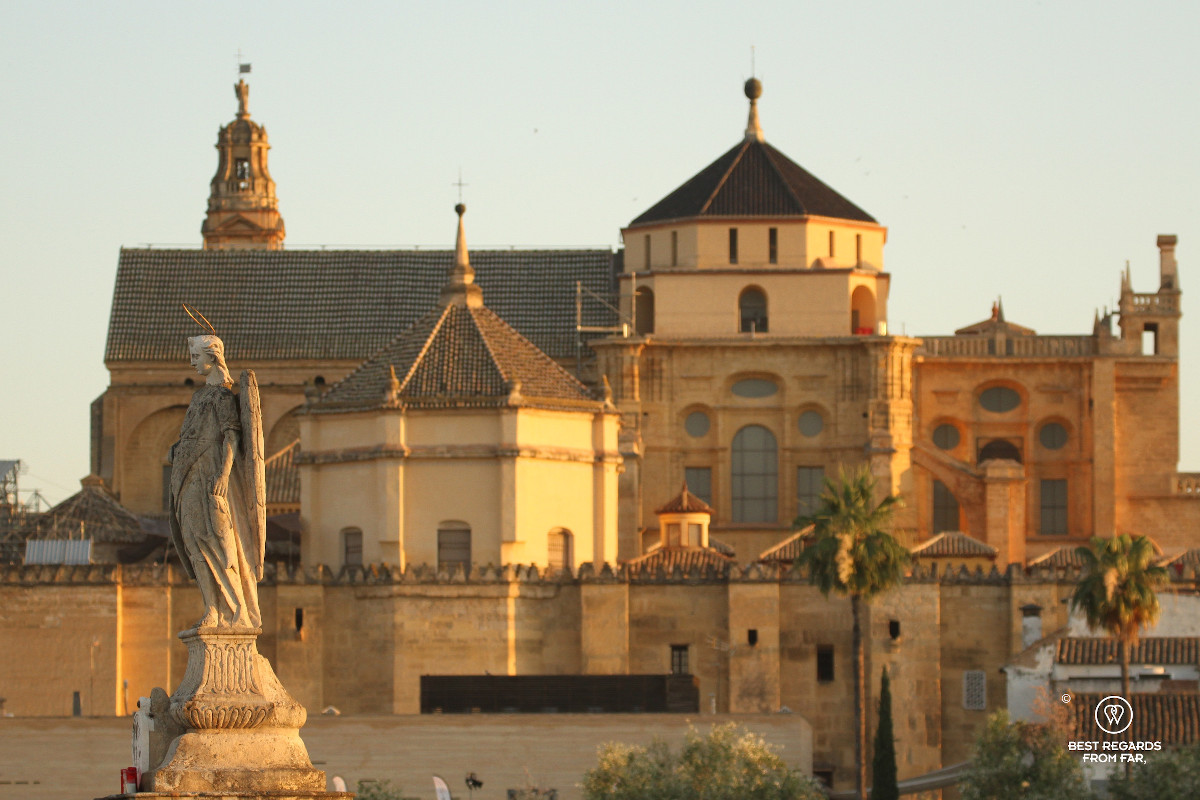
Commissioned in 785 by Abd al-Rahman I, the Great Mosque of Cordoba (La Mezquita) would become one of the most iconic monuments of Islamic architecture.
Built on the former site of the Visigoth Christian Basilica of Saint Vincent, the mosque evolved over nearly two centuries through successive expansions ultimately achieving its monumental size—23,400 square meters (5.8 acres), or the equivalent of three soccer fields. While it never surpassed the size of the prophet’s mosque in Medina, its sublime style, sheer scale, and vibrant harmony are awe-inspiring to this day.
The mosque of Cordoba could only impress the believer of the time. Before the cathedral was built within, its perspective with its 856 elegant columns and its forest of arches must have given an impression of infinity. Today, its sublime style, sheer scale, and vibrant harmony remain awe-inspiring.

4. The Catholics Didn’t Preserve the Mosque for its Grandness but Because They Were Broke!
After the 1236 reconquest of Cordoba by King Ferdinand III, the mosque was converted into a church. The size of the church, today’s cathedral, was to be the equal or larger than the mosque to assert the superiority of Christianity over Islam.
However, the Christian conquerors lacked funds: they started building the church within the walls of the mosque, with surrounding chapels funded by the nobility. By no means did the Christians wanted to preserve the sheer beauty of La Mezquita, but this was the only affordable method to ensure the church would match the mosque’s footprint.
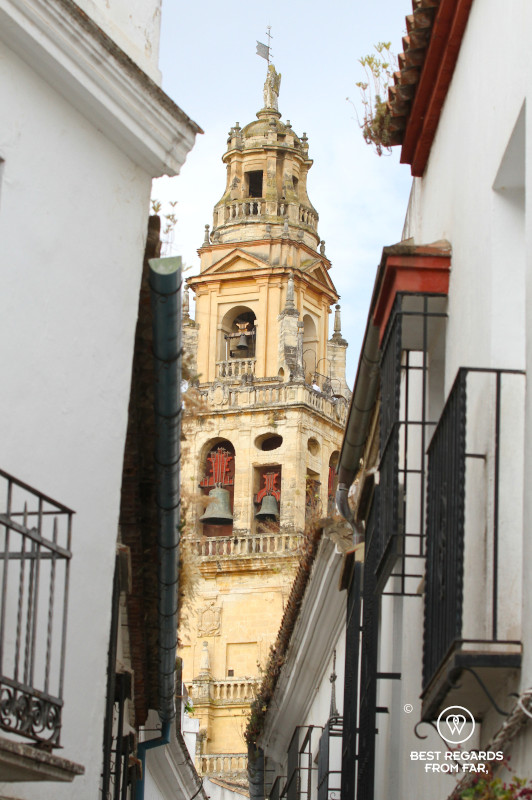
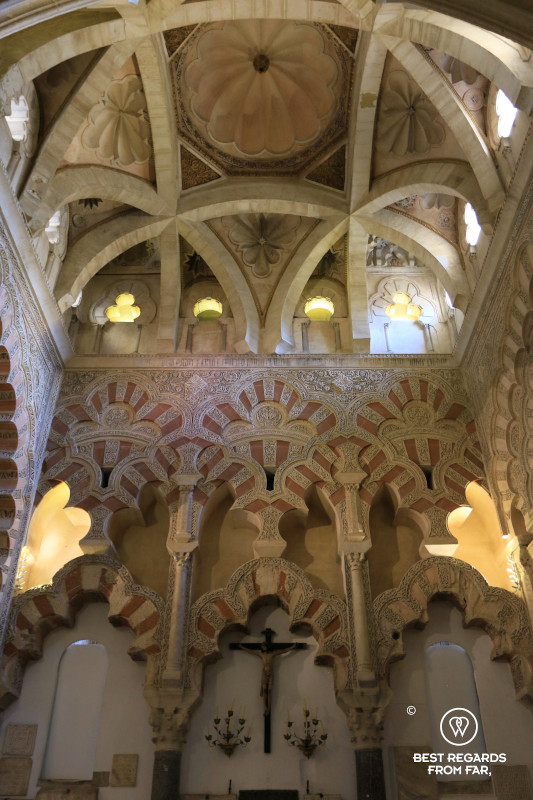
Today, the Mosque-Cathedral is a unique blend of Christian Renaissance art with Muslim medieval elegance, a breathtaking architectural fusion.


5. An Unusual Orientation
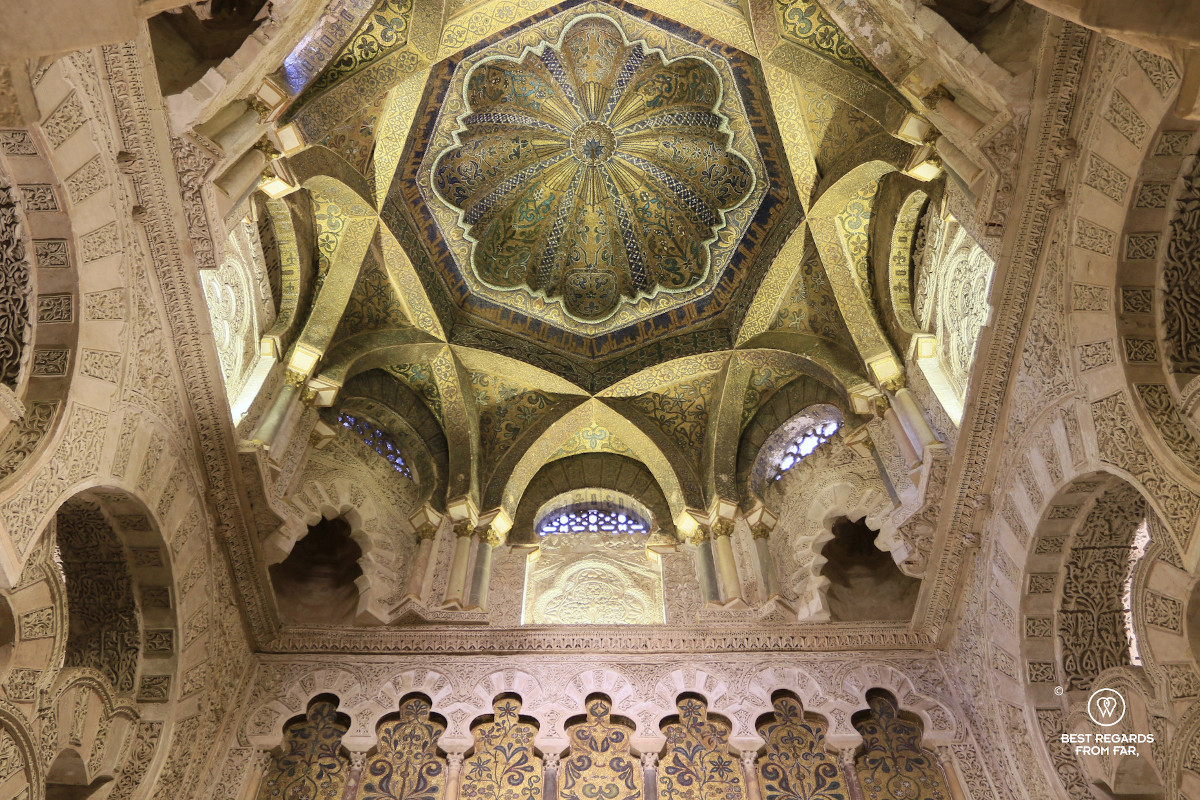
La Mezquita’s mihrab (prayer niche) does not face Mecca, defying Islamic architectural norms. Instead, it aligns with Syrian mosques—reflecting Cordoba’s early Umayyad roots.
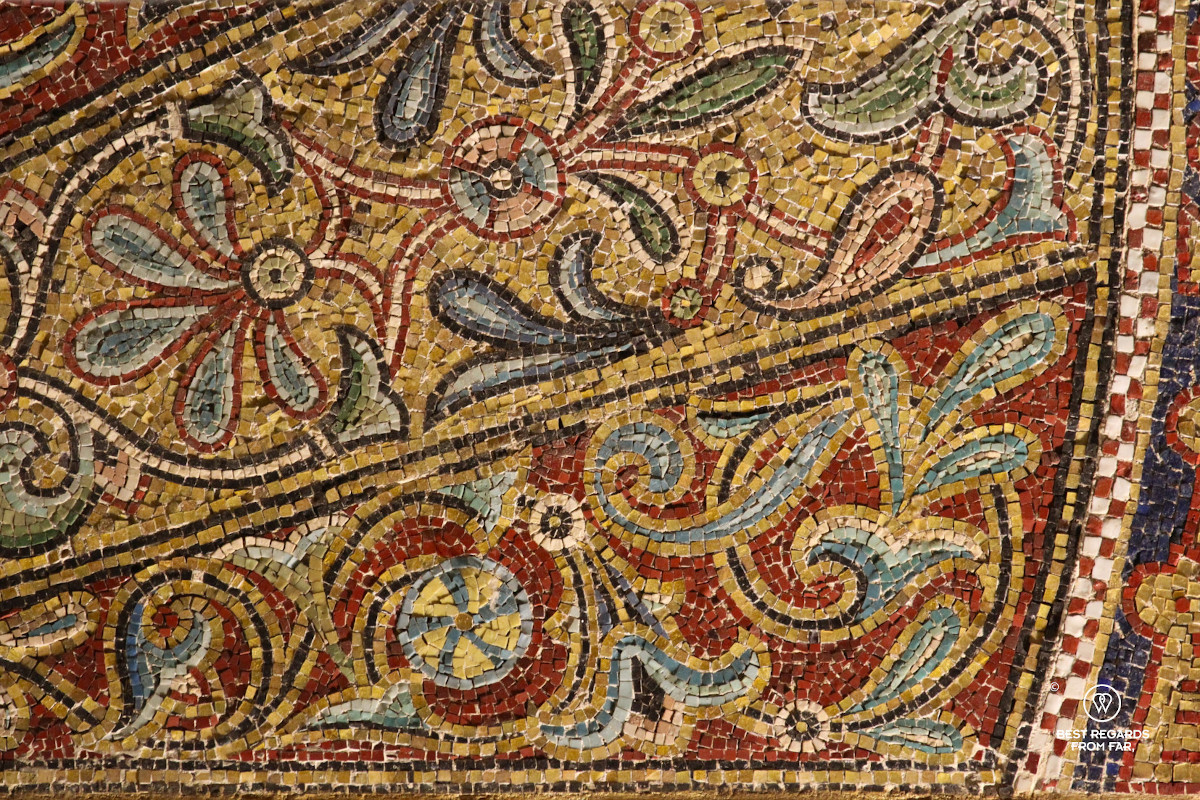
Next to it, a dazzling Byzantine mosaic of glass tainted with semiprecious stones such as lapis lazuli, jasper, gold and ochre adorns the southern wall of the mosque.
6. The Ghosts Beneath Cordoba’s Mosque-Cathedral
Though today about 200 bodies remain beneath the cathedral, there were once more than 2,500. A 1741 map studied by archeologists shows the locations of thousands of sepultures and 52 crypts. Accounting documents of the church detail how much wealthy Cordobeses had to pay to be buried in the most sought-after locations, closer to the holiest chapels.
Epidemics put an end to these burials to favor cemeteries out of the city, and in the late 19th-century, the earthen floor was covered with marble, and most of the remains were relocated.


7. The Hidden Synagogue: A Witness to Cordoba’s Jewish Heritage
Built in 1315, Cordoba’s synagogue is the only surviving medieval synagogue in Andalusia, and one of just three remaining in Spain. Hidden for centuries—disguised as a church, hospital, and guild—it was only rediscovered in 1884. In the heart of La Juderia district, the intimate 40-square-meter gem follows Talmudic architectural principles, featuring a women’s gallery and an entrance through a tranquil courtyard.


8. The Flower-Filled Patios of San Basilio
Cordoba’s patios are private oases where residents compete every month of May in the famous Festival de los Patios flower contest. To qualify, homes must be inhabited year-round and their gardens lovingly maintained throughout the seasons. Out of about 4,000 patios, only eight winners are crowned each spring.
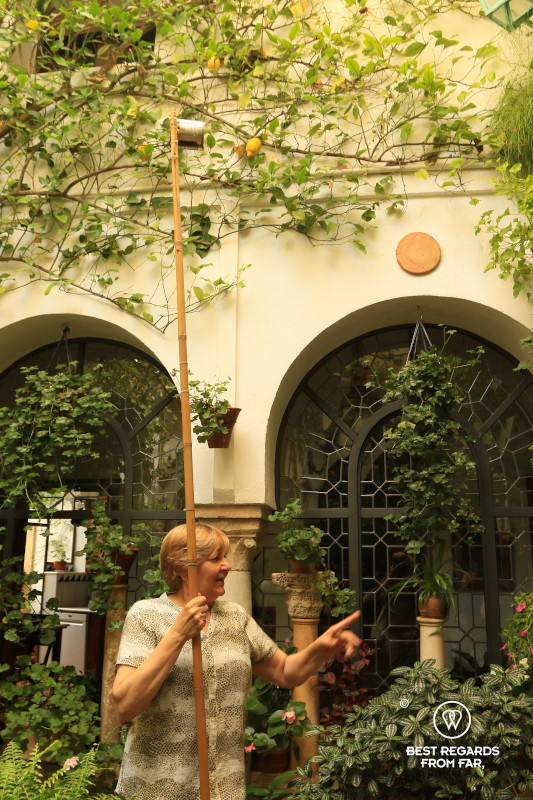


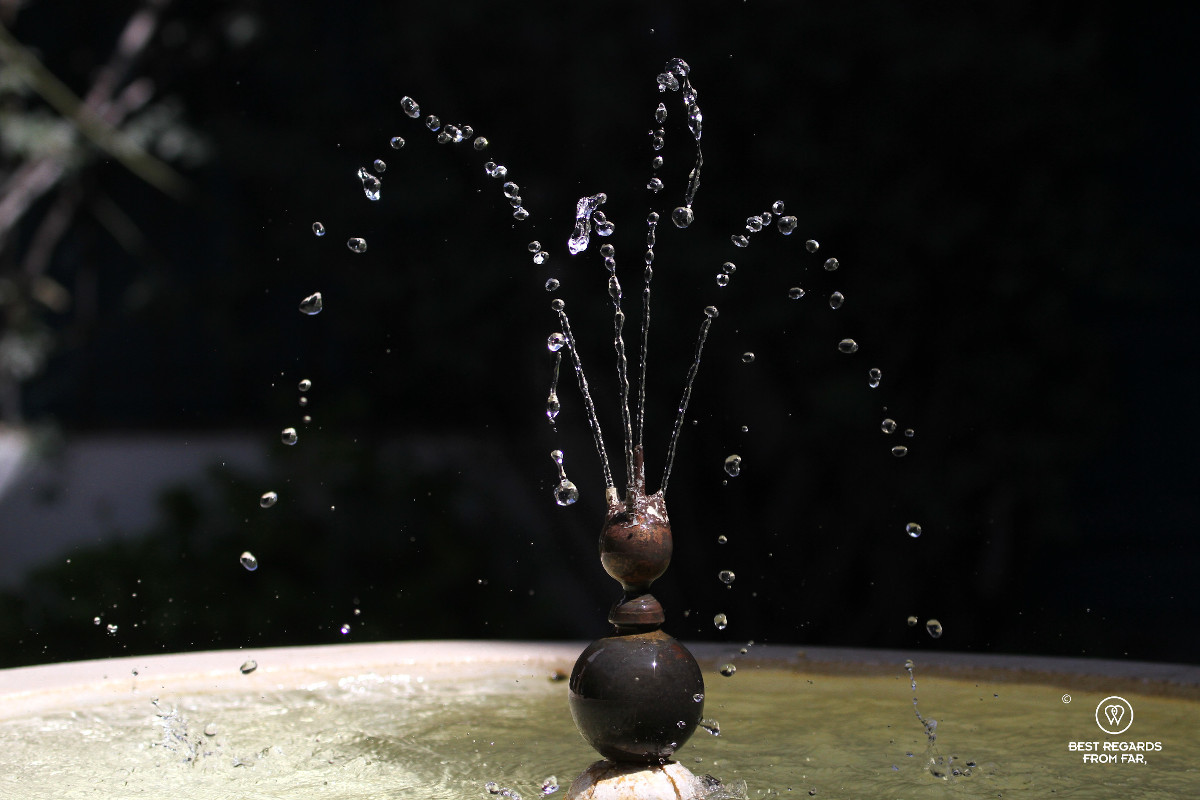
Outside the festival, the best place to experience the patios is at the Viana Palace, a 16th-century noble residence with a dozen exquisite courtyards. Strolling the refreshing patios to the sound of water flowing in their fountains is refreshing. Enjoying the delicate scents of flowers and citrus trees on trellises that provide shade without taking space is a marvelous experience. The wrought iron balconies and blue windows add to the charm of the palace.
Inside, the mansion that has been lived in for five centuries showcases a rich collection of art, books, and the famed leatherwork that made Cordoba a center of craftsmanship.


9. The Birthplace of the Andalusian Horse
Founded in 1570 by King Philip II, ruler of the vast Spanish Empire where the sun never set, the Royal Stables of Cordoba were established with a specific purpose: to breed the perfect horse for the Spanish crown.
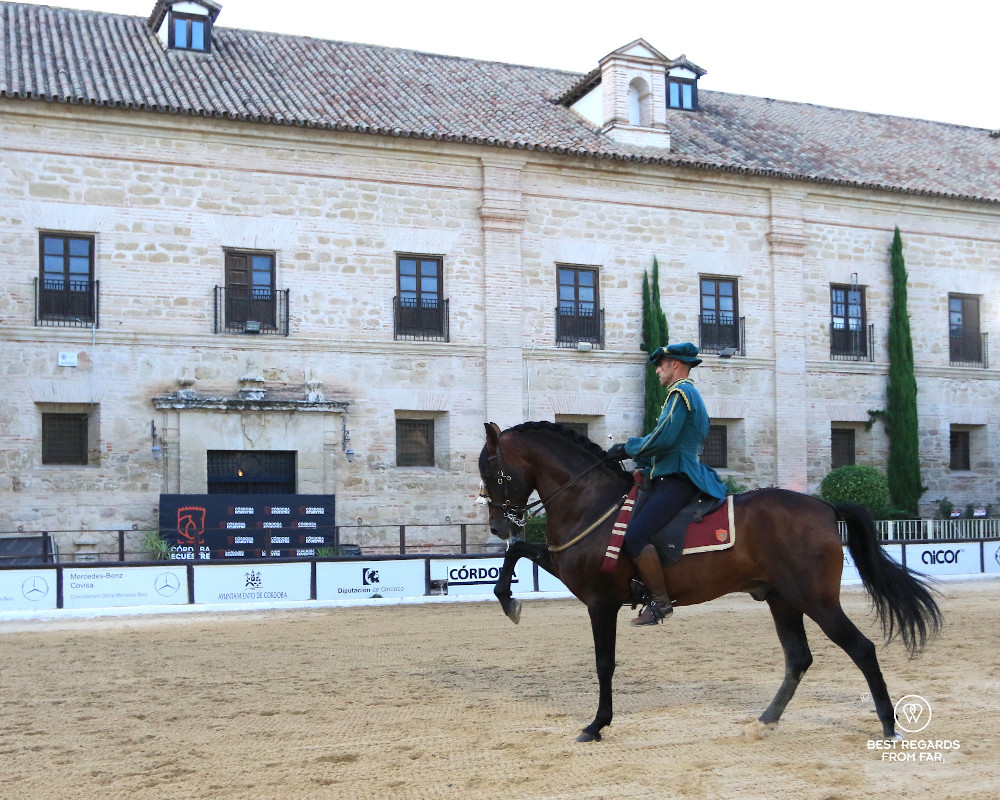
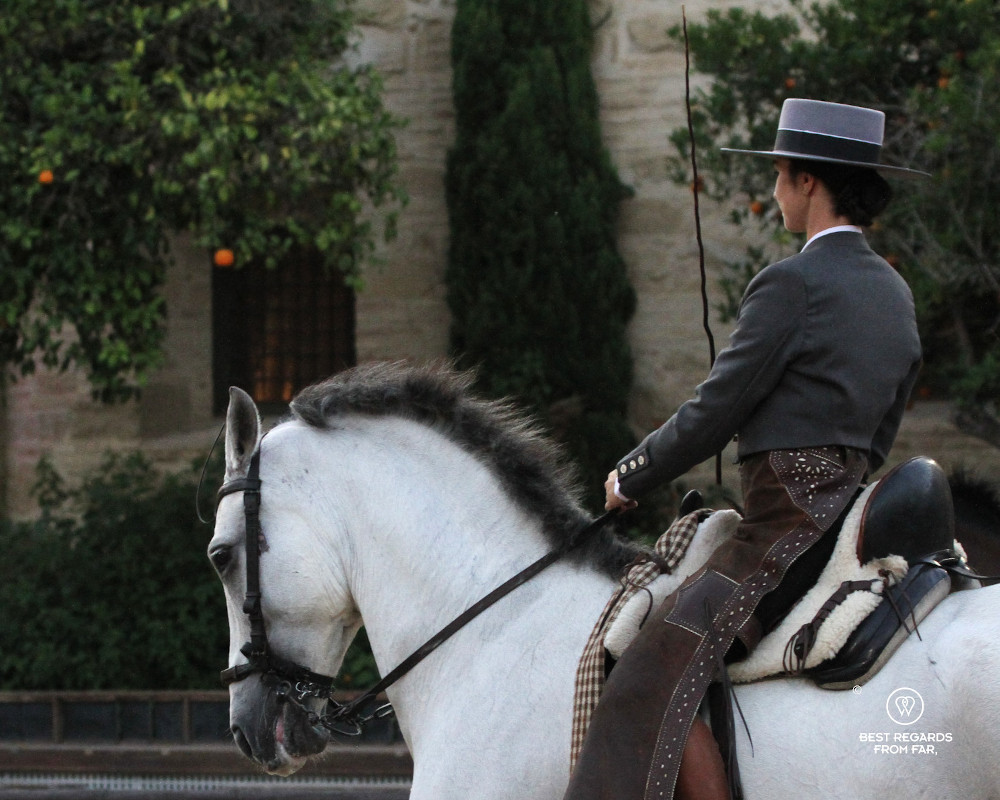


Through selective breeding, the legendary Andalusian horse was born — the favored breed of not only the nobility all over Europe but also the conquistadors who conquered the New World in great part thanks to their war horses. For most of the Spanish Golden Age (1492-1659), Cordoba was famed to breed the best horses in the world.
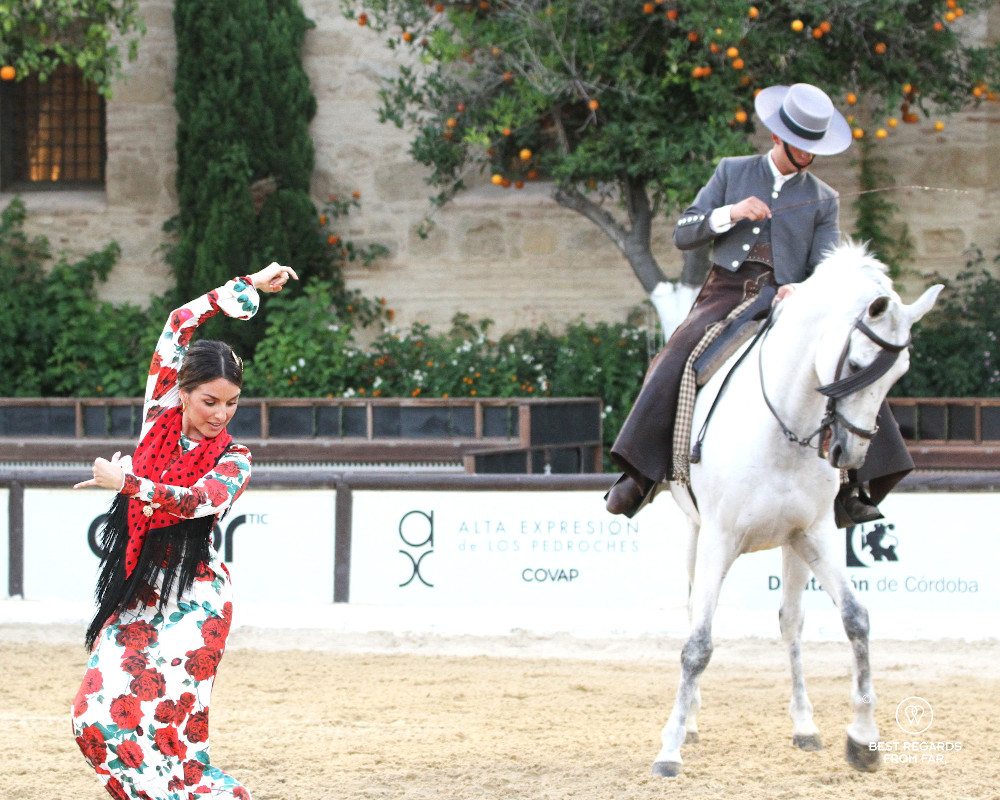
Today, the sought after breed still takes the main stage of the Royal Stables historic complex part of the UNESCO World Heritage city center of Cordoba. Within the “cathedral for horses” as the Grenade poet Federico García Lorca described the grand stables of Cordoba, nightly, the Cordoba Ecuestre dressage show highlights the strongly built and compact, yet elegant Andalusian horses, paying respect to centuries of tradition.

10. The Alcazar was the Bloodcurdling Seat of the Inquisition in Cordoba
Dating back to the 2nd century, the Roman customs by the Guadalquivir River had evolved into the residence of the rulers of the city. Visigoth, Umayyad, Almoravid, Almohades, and Christian sovereigns took turns and over the centuries, emirs, caliphs, and then kings inhabited the 1328 fortified palace complex that we can visit today.
After the 1236 Christian Reconquest, its gardens, palaces, and patios were the scenes of stories of power and intrigues, before the alcazar became the chilling headquarter of the Spanish Inquisition in the region when the chirping of birds and sounds of water in fountains could not cover the screams of the tortured heretics.

11. Ancient Mosaic with Renaissance Perspective!
Cordoba’s Roman mosaics displayed in the Alcazar are masterpieces. Dating to the 2nd and 3rd centuries, a specific mosaic depicts a drama actor with a surprising perspective technique: two planes, one in the foreground with the actor and one in the background with the theatrical decor. Maybe even more impressive, the 2nd-century mosaic of the scene depicting Polifemo and Galatea shows shadows and light effects on the bodies of the giant cyclop and the nymph. These effects of perspective precede the Renaissance architect Filippo Brunelleschi who is credited with discovering the technique in the 1450s by over a millennium!


While at the Alcazar, do not miss the exquisite 225 CE Carrara marble sarcophagus. Made of only one piece, it is so refined that it must have be sculpted by a talented artist from Rome to burry an important person in Cordoba, most likely a jurist the way he is depicted with his toga and parchment in hand.
12. Columbus’ First Audience with Queen Isabela Took Place in Cordoba
In 1485, Christopher Columbus started looking for backers for his bold plan to open a western sea route to the wealth of the Far East. Portugal that was ruling the seas back then turned down his plan, and so did Genoa, Venice and Britain.
The Genoese turned to Spain. The first meeting between Christopher Columbus and Queen Isabela I of Spain took place in the Alcazar of Cordoba. While tempted by the explorer’s project, the Catholic rulers could not fund the expedition as they had been warring for years against the Moors. Instead Queen Isabela granted Columbus a stipend to continue his studies and prepare his voyage and above all, not contact any other monarch for funds.
The rest is history, and this meeting was a pivotal moment leading to the 1492 voyage that reshaped the world.
13. The Arab Baths of the Alcazar: Luxurious… and Deadly!
The 10th-century caliphal baths were the private retreat for the elite, reflecting the refinement of the Umayyad court of Cordoba with their intricately vaulted rooms with star-shaped skylights, horseshoe arches, and marble columns. Gender-specific attendants provided beauty treatments with aromatic ointments in the serene atmosphere scented by musk and herbs perfume-burners.
The royal baths that were regularly used for political encounters were scenes of political intrigue, including assassinations that led to the fall of the Caliphate in the 11th century.
14. The Roman Bridge: the Best Preserved & Only Bridge for 2,000 Years!
Built in the 1st century BC, Cordoba’s Roman Bridge was the city’s only crossing over the Guadalquivir River for nearly 2,000 years. The city itself was a prominent Roman colony and one of the most important cities of the Roman Empire with its aqueducts, marble temples, forums, and a circus and amphitheater.
Being such an important connection, the Roman Bridge has been restored and heavily modified throughout the centuries so little more than its original foundations remain.

15. The Rescue of the Precious Bronze Ephebes
In 2012, two bronze ephebes (sculpted youth statues) from the 1st to 2nd century CE were discovered together—a unique encounter—near the Guadalquivir River in the municipality of Pedro Abad in Andalusia.
However, this rare find—the world counts only 8 bronze ephebes that have survived through history—were heading straight to the black market. After an in-depth investigation and just before they were about to be sold to an Italian buyer for €3million a piece, the Apollonian and the Dionysian ephebes were recovered by the Spanish police.
They were both in a bad shape though. The ephebes underwent full diagnoses using modern technology including 3D scans and digitalization and two and a half years of delicate and lengthy conservation. The silent servants must have been the main pieces of the dining room (the triclinium) in a wealthy Roman villa, holding lamps. Today, they proudly stand in the archeological museum of Cordoba.


16. Stay in Timeless Luxury at Las Casas de la Judería
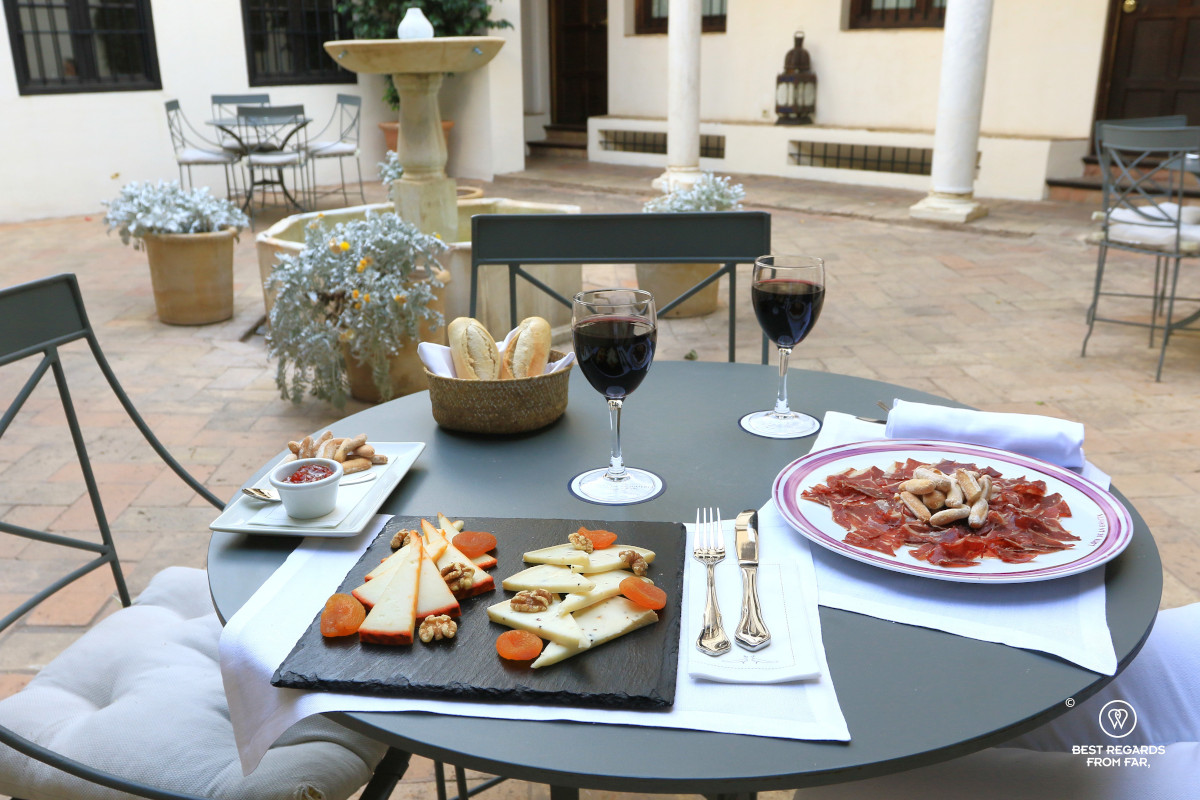
In the heart of Cordoba’s UNESCO-listed historic district, entering the luxury hotel Las Casas de la Judería feels like stepping back in time in a miniature Cordoba.
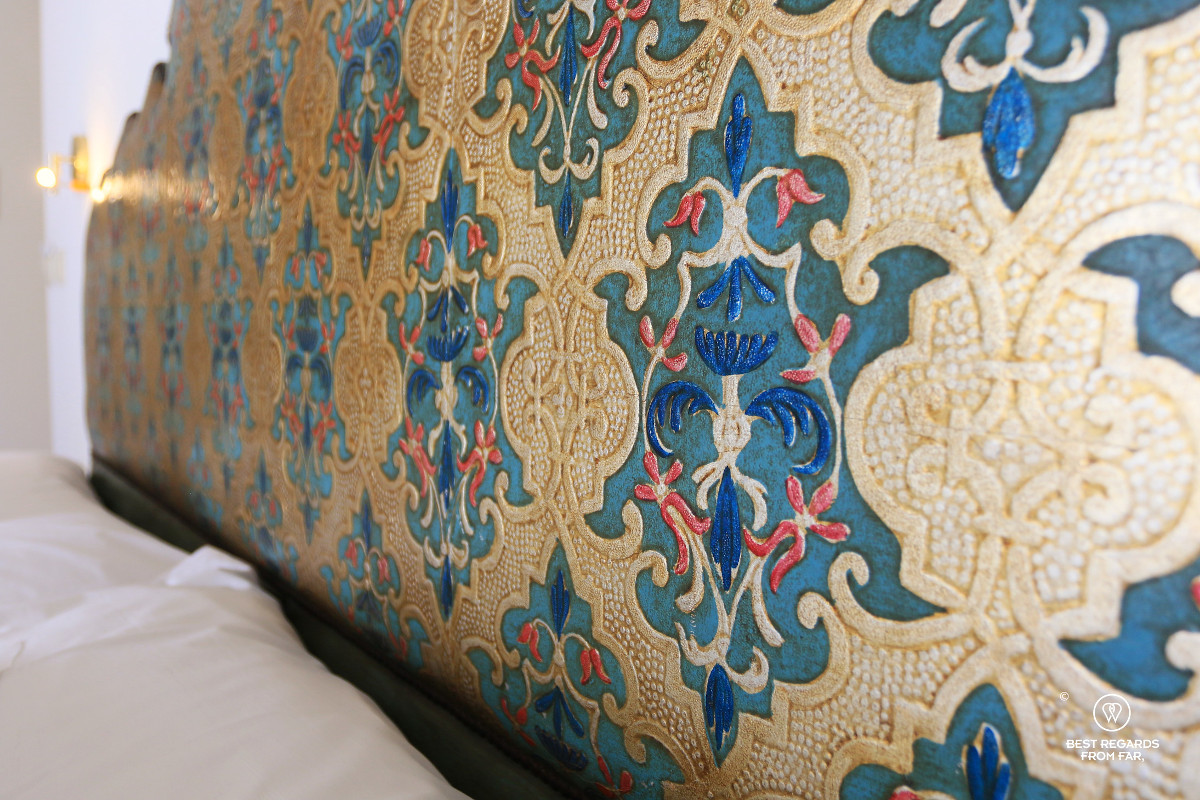
With its amazing location close to the Mosque-Cathedral and the Alcazar, the stately home has been owned by a succession of clergymen and noblemen who embellished it while its current owners have been paying the utmost attention to preserve these noble houses and their century-old history. Occupying five merged 16th-century houses, it offers a labyrinth of courtyards, fountains, and corridors, dotted by Roman ruins dating back to the 1st century A.D. The rooms showcase unique headboards of tanned leather adorned with handcrafted relief and painted imagery reflecting Cordoba’s artisanal traditions.

***
Blend of Roman sophistication, Moorish refinement, and Renaissance elegance, the heart of Cordoba is a living time capsule of civilizations. History lovers, architecture buffs, and curious travelers alike can only be charmed by this Andalusian gem.
Travel tips:
- To explore Cordoba with a professional and knowledgeable guide, refer to Contarte Cordoba. Tours can be arranged in English, French, or Spanish.
- This article is also featured on GPSmyCity. To download this article for offline reading or create a self-guided walking tour to visit the attractions highlighted in this article, go to Walking Tours and Articles in Cordoba.
- Check out this interactive map for the specific details to help you plan your trip and more articles (zoom out) about the area!
For more in Spain, click on these images:


 Best regards from far,
Terrific article!!! The fact about the hidden synagogue and the church
Thanks a lot!! Happy you enjoyed it 🙂