Article updated on July 5, 2025
Text and photographs: Claire Lessiau & Marcella van Alphen
Madrid is a paradise for art lovers! Here is a quick guide of our Top 5 museums of Madrid in order to avoid being museumed-out while admiring some of the finest art the Spanish capital has to offer… Plus some bonus keys to decode one of world’s most powerful and famous painting!
Pin it for later!

Museo del Prado
One of the most visited museums in the world, El Prado is the main Spanish art museum. Started from the royal collections, it hosts the best of Spanish paintings: if Las Meninas by Velásquez is the most famous of the museum, visitors are dazzled by the extensive Goya collection, many other pieces by Velásquez, and the paintings with elongated figures of El Greco. The first collection of Italian masters outside Italy, El Prado is also home to some of the finest pieces by Bosch like The garden of Earthly delights triptych or the Flemish school like Rogier van der Weyden’s Descent from the Cross and will enchant anyone with interest in the 12th to the early 20th century European art.


Museo Nacional Centro de Arte Reina Sofía
While the Museo Nacional Centro de Arte Reina Sofia hosts one of the most famous paintings in the world, Guernica by Pablo Picasso, it would be a shame to limit your visit to this only room. Take a rest in the lush patio among Miro’s scultpures, walk its excellent temporary exhibits and admire other 20th century masterpieces such as The Persistence of Memory, by Salvador Dalí and The bottle of Anis by Juan Gris.

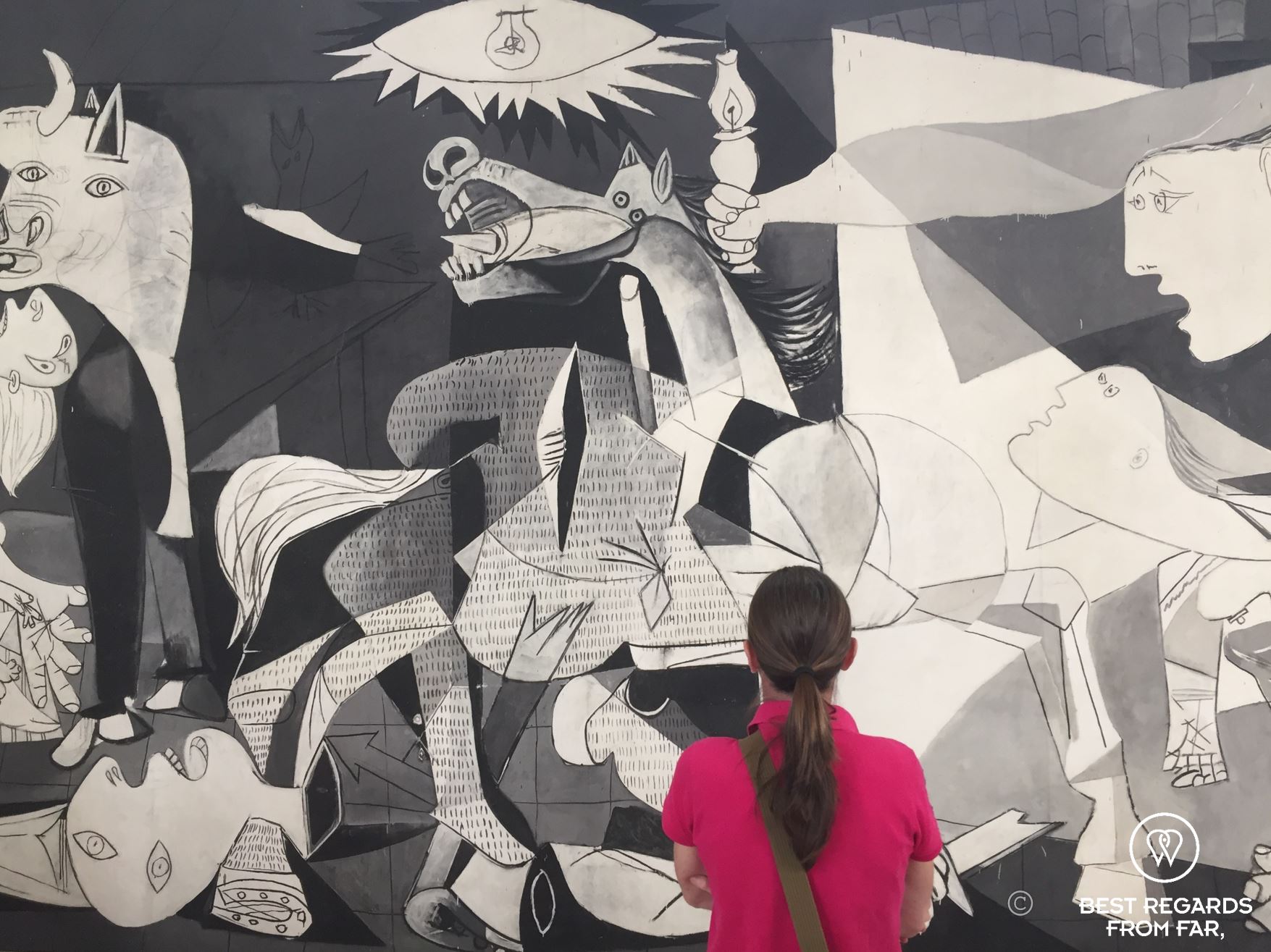
Yet, Guernica is such a powerful and symbolic painting that a few keys to decrypt it may come in handy, especially given the vision of the master: “No, painting is not made to decorate apartments. It’s an offensive and defensive weapon against the enemy”””.
Guernica unravelled
And art can be such a powerful weapon that it can transcend the specific conflict to reach a universal status as a symbol of fight against barbarism. Such is the destiny of Guernica, Picasso’s most famous painting, an art and history icon showcasing strong artistic and political commitments.
Context
The Spanish civil war broke out on the 17 July 1936 when General Francisco Franco led a military coup on the young republic and its democratically elected yet unstable popular government.
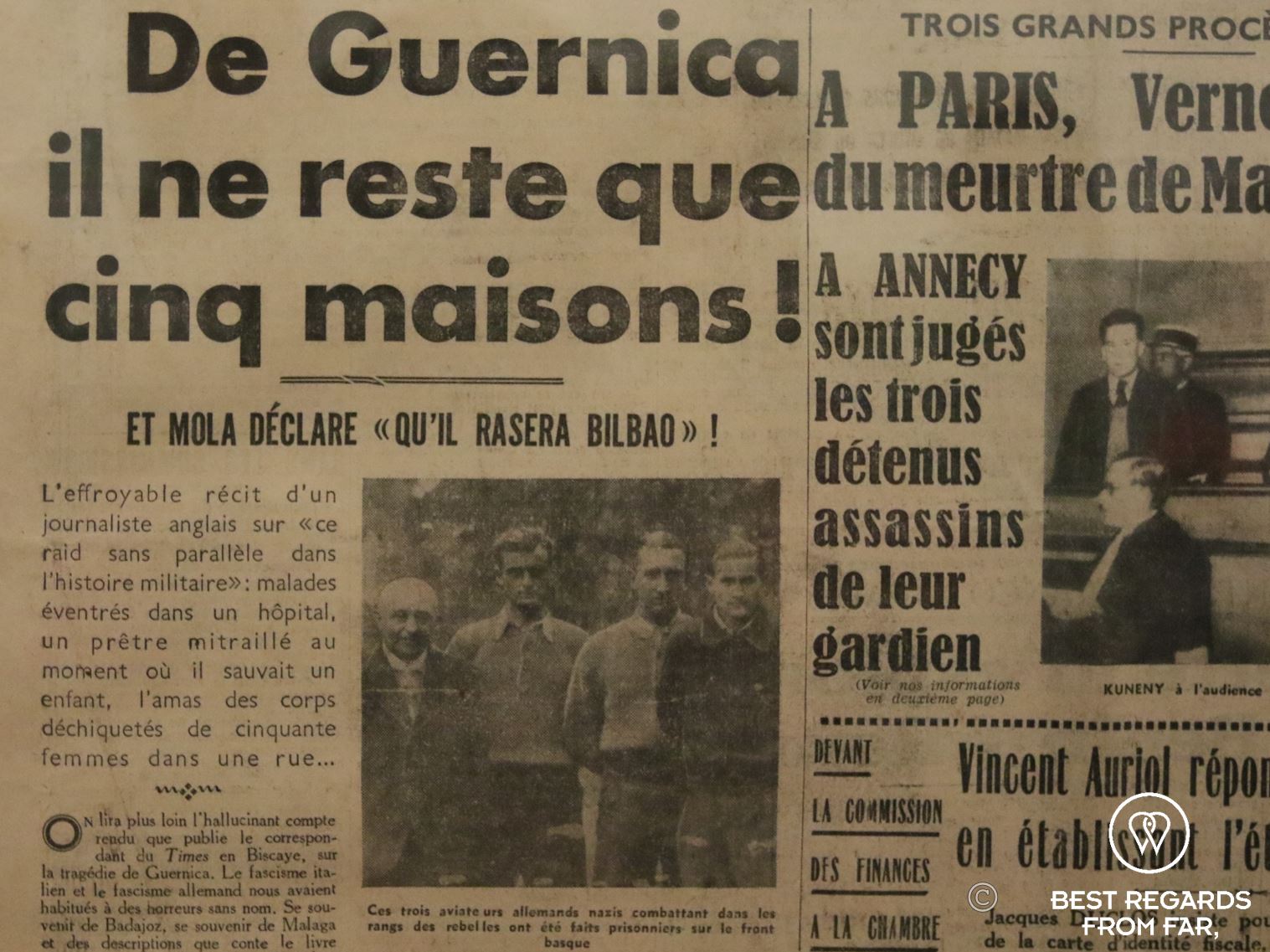
On the 26 April 1937, the Bask village of Gernika was bombed by the Nazi and fascist air forces, allied of Franco. This test for Hitler who was preparing for war is the first mass civilian bombing in history with hundreds of casualties and hardly any houses remaining standing in Gernika. Shortly after, Picasso read the reports in the press in Paris where he lived, and his reaction was almost immediate. As he was hardly inspired to execute a commissioned work for the Spanish pavilion at a Parisian international exhibit, he painted Guernica in only three weeks between May, 10th and June, 4th: a record time for such a massive painting!

As the Spanish civil war ended on 1 April 1939 on a victory of Franco, Picasso refused his painting to be recovered by the regime. It had travelled throughout Europe and the USA for years. Picasso died in 1973, Franco in 1975. It is only in 1981, under the king Juan Carlos and after democratic elections were held that the painting is rendered to Spain.
Decrypting Guernica
Despite his own political ideas as a supporter of the Popular Front movement in Spain, with Guernica, Picasso stays away from propaganda that was very common in the 1930’s: his figures are rather vague and he refuses to give a definitive interpretation to the painting to allow the spectator to form one’s own opinion. This is one of the reasons why Guernica is so powerful and universal as it is an open work.
However, here are a few commonly accepted keys to decrypt Guernica:
- The bull represents the people and the horse the Spanish Nationalism.
- The fallen soldier beyond being a Republican (the fair cause that is walked upon by the Nationalists) represents the casualty of all battles throughout history.
- The electric bulb inside the bomb suggests how a beneficial invention can be transformed into a destructive force in the modern world.
- Four women express both the physical & emotional suffering, while one of them is casting a light on this event to testify and ensure it will not remain hidden nor forgotten.

Today, Guernica can be admired at the Museo Nacional Centro de Arte Reina Sofía in Madrid. Despite the turmoil as visitors rush to stand in front of the painting, its brutality and darkness can only convey the strongest emotional reactions and Guernica silences the crowd.
Thyssen Bornemisza
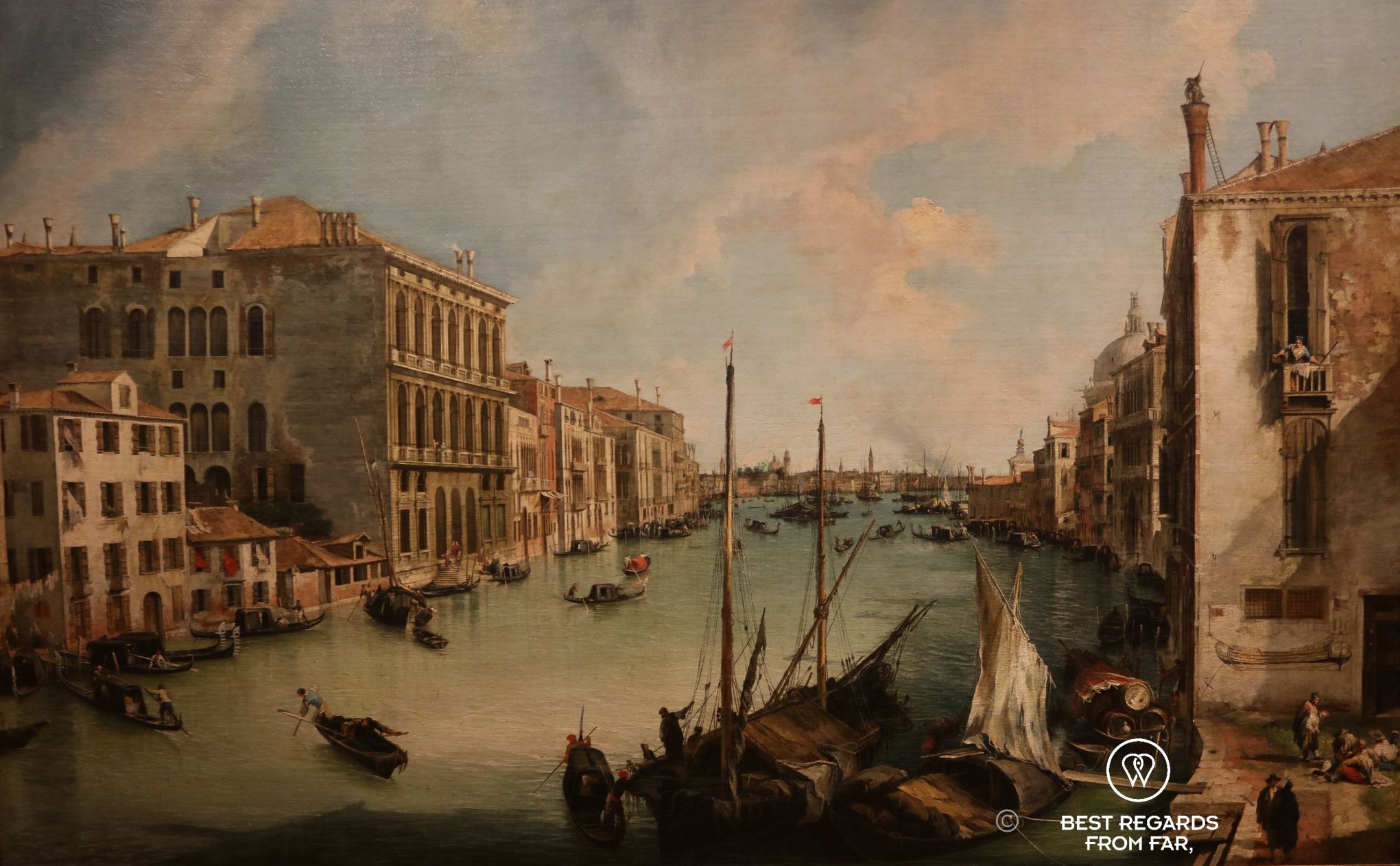
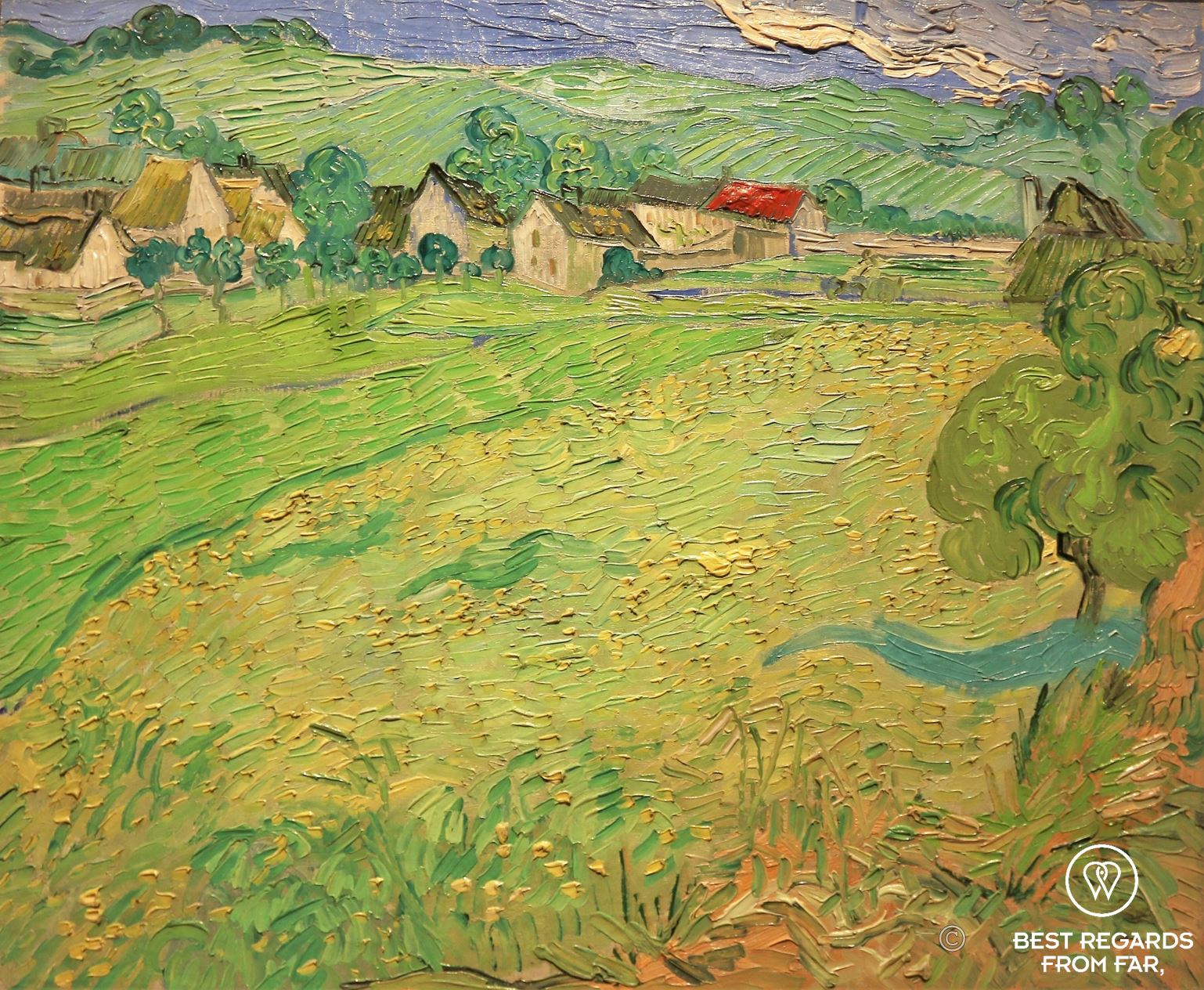
The collection displayed in the museum Thyssen-Bornemisza was started in the 1920s by Baron Thyssen-Bornemisza de Kászon. The third museum located between El Prado and The Reina Sofia along the wide avenue Paseo del Prado, completes the collections of the other two by showcasing a series of highlights from eight centuries of European paintings from the 13th right up until the 20th century. The museum includes the magnificent Italian primitives and works from the English, Dutch and German schools, Impressionists, Expressionists, and European and American paintings from the 20th century.

Museo Lázaro Galdiano
Jose Lázaro Galdiano (1862-1947) was a wealthy art collector and with his wife Paula Florido, purchased about 12,600 art pieces and 20,000 books to showcase the most relevant European artists from the Antiquity to the early 20th century.
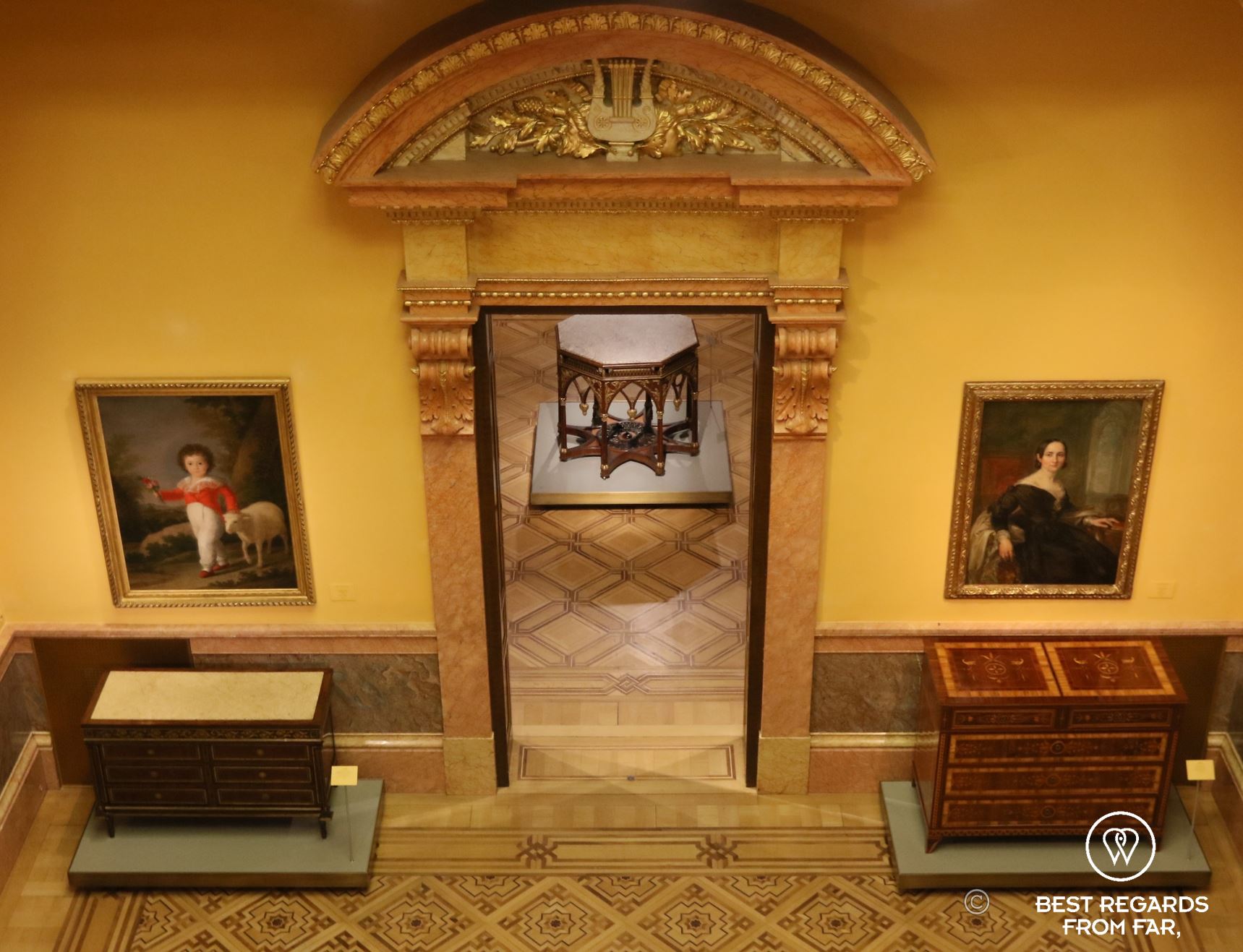
Today, about 3,000 of these are displayed in the Lázaro Galdiano museum in Madrid hosted in Galdiano’s mansion which interior decoration, hardwood floors and painted ceilings are pieces of art by themselves.
After losing Cuba in 1898, the last piece of a vast Spanish empire, Spaniards turned to the greatness of the past to look for national pride, and Galdiano acquired one of the finest private collections of Spanish masters. The masters of the Spanish golden century are displayed on the walls of the music room, reception area, or Galdiano’s office: El Greco, Ribera, Velázquez, Murillo, Zurbarán, as well as masterpieces by Goya.


This avid collector did not stop there, and classic European painters are also honoured in his mansion. The Adolescent Saviour by Boltraffio, one of the most gifted students of Da Vinci gives the museum a Mona Lisa-like painting that had been thought to be executed by the master himself for many years. The Meditation of Saint John the Baptist by Bosch is admired by a few visitors while others contemplate a landscape by Constable.
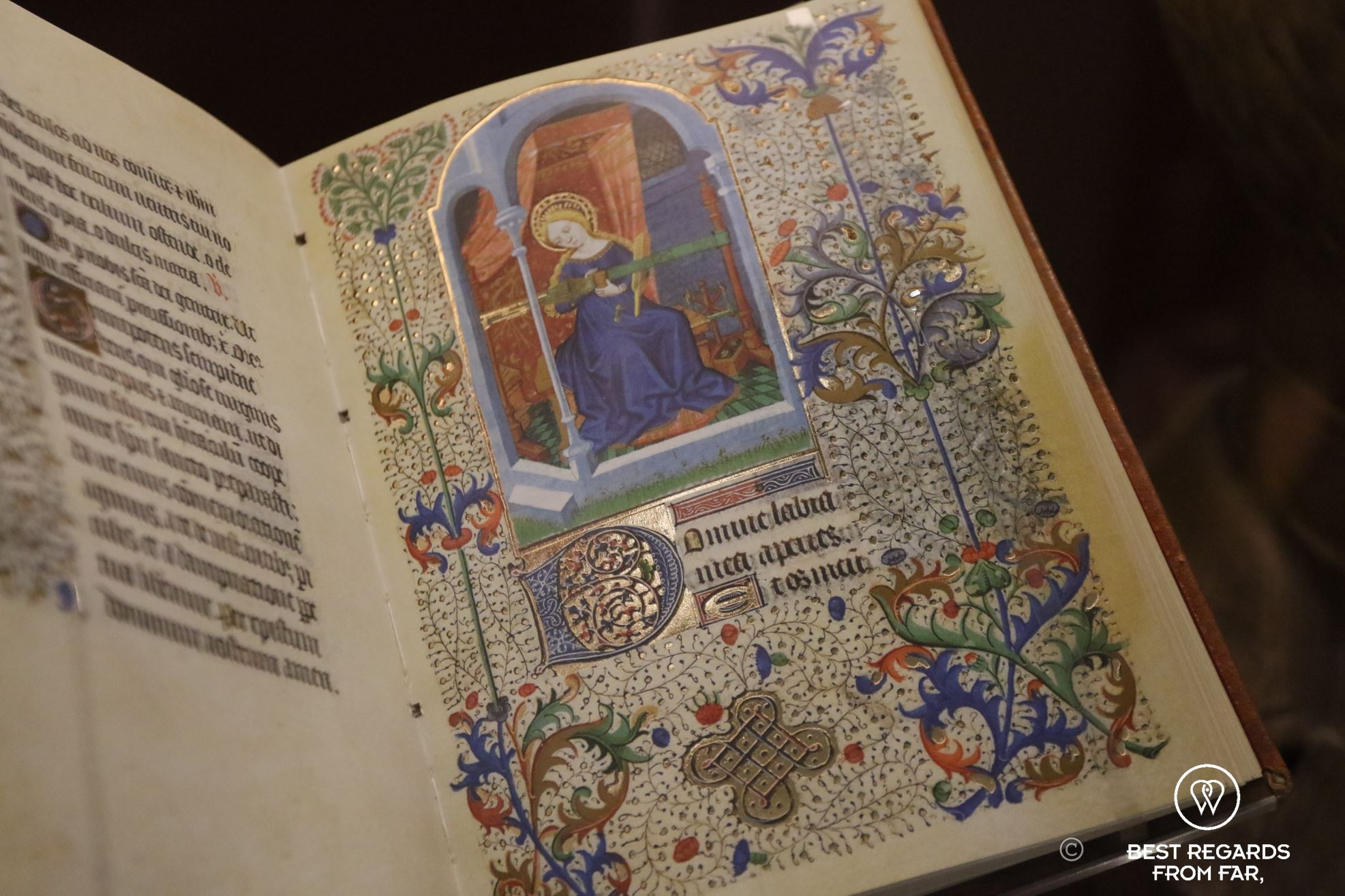
Beyond paintings, some other rooms showcase weapons, jewellery, fabrics, tableware, coins, sculptures, ceramics… Maybe Galdiano bought some of these fine enamels, from Frick or some of his 20,000 books from Morgan while he was living in New York City? If this is uncertain, what is sure is that these three men had the same delicate taste, passion for the arts, and vast resources they had devoted to gathering some of the finest art collections.
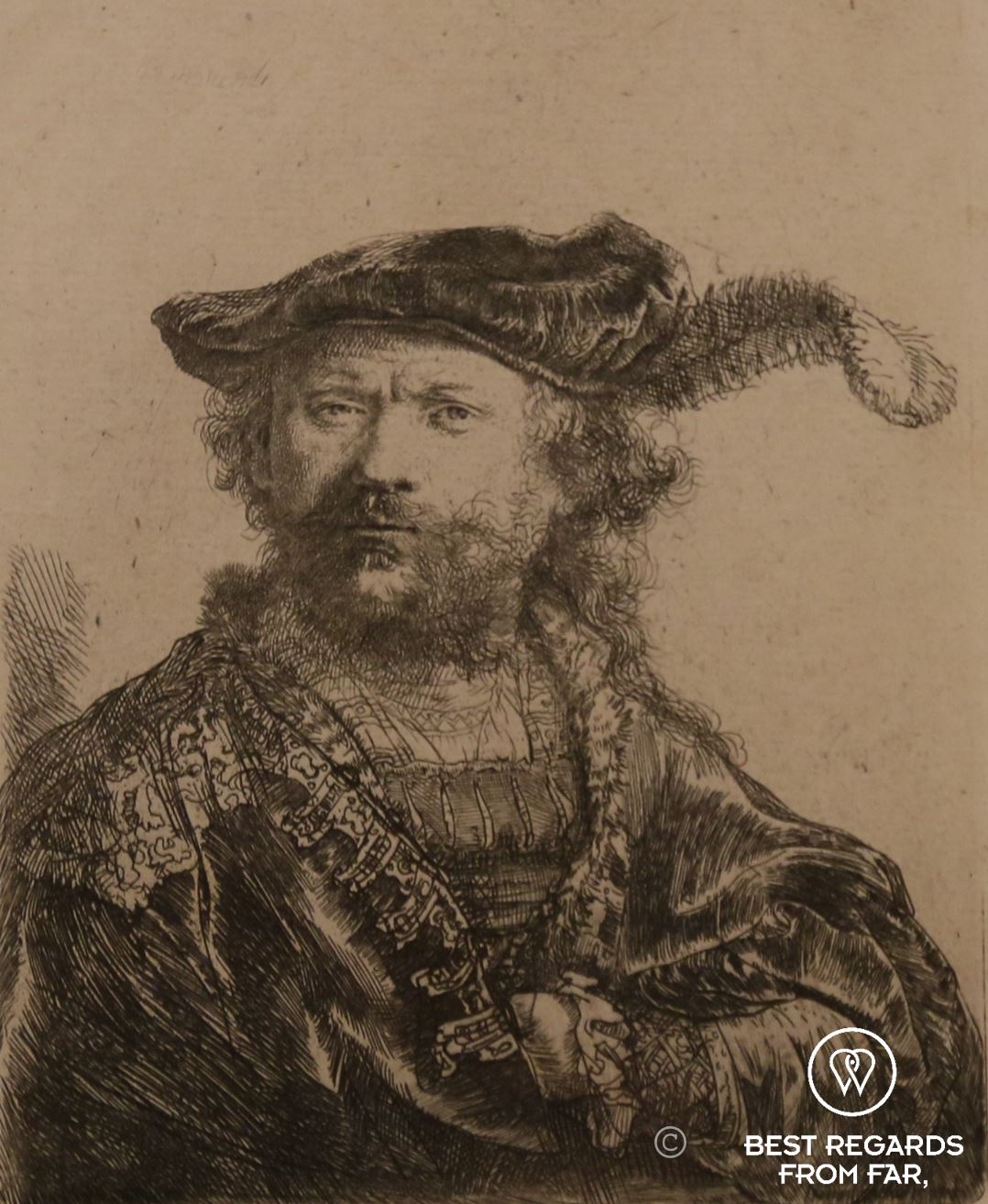
With some high-quality temporary exhibits (like Rembrandt’s delicate etchings on which emotions are shown), the Lázaro Galdiano museum is mostly off the beaten path and surprisingly quiet compared to El Prado or the Thyssen Bornemisza. It makes it a real pleasure to enjoy the art and take in the atmosphere of the mansion: a must-visit in Madrid!

Museo de las Americas
The Museo de las Americas will allow you to take a break from the above mentioned museums focusing on Spanish and European arts.
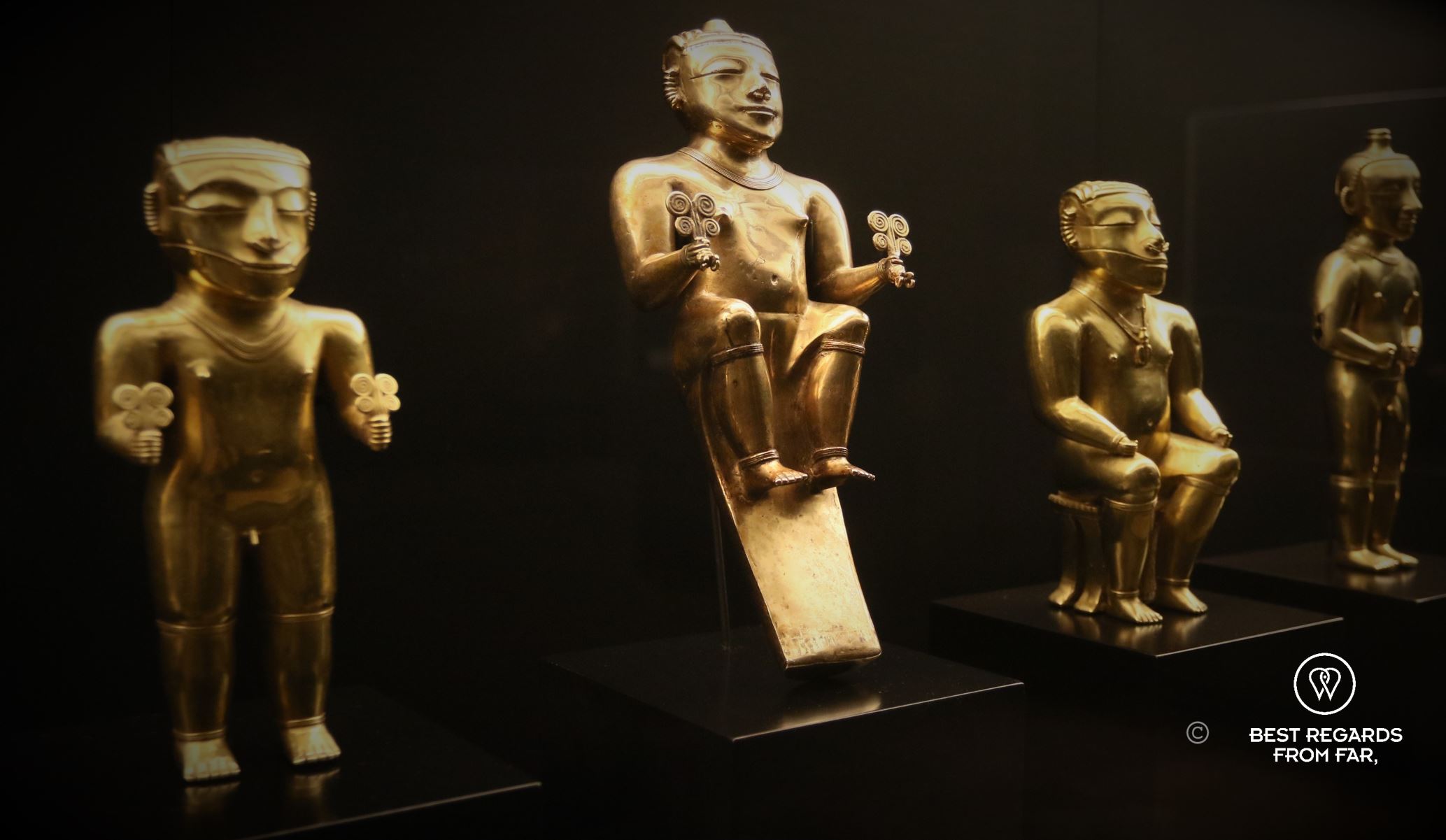
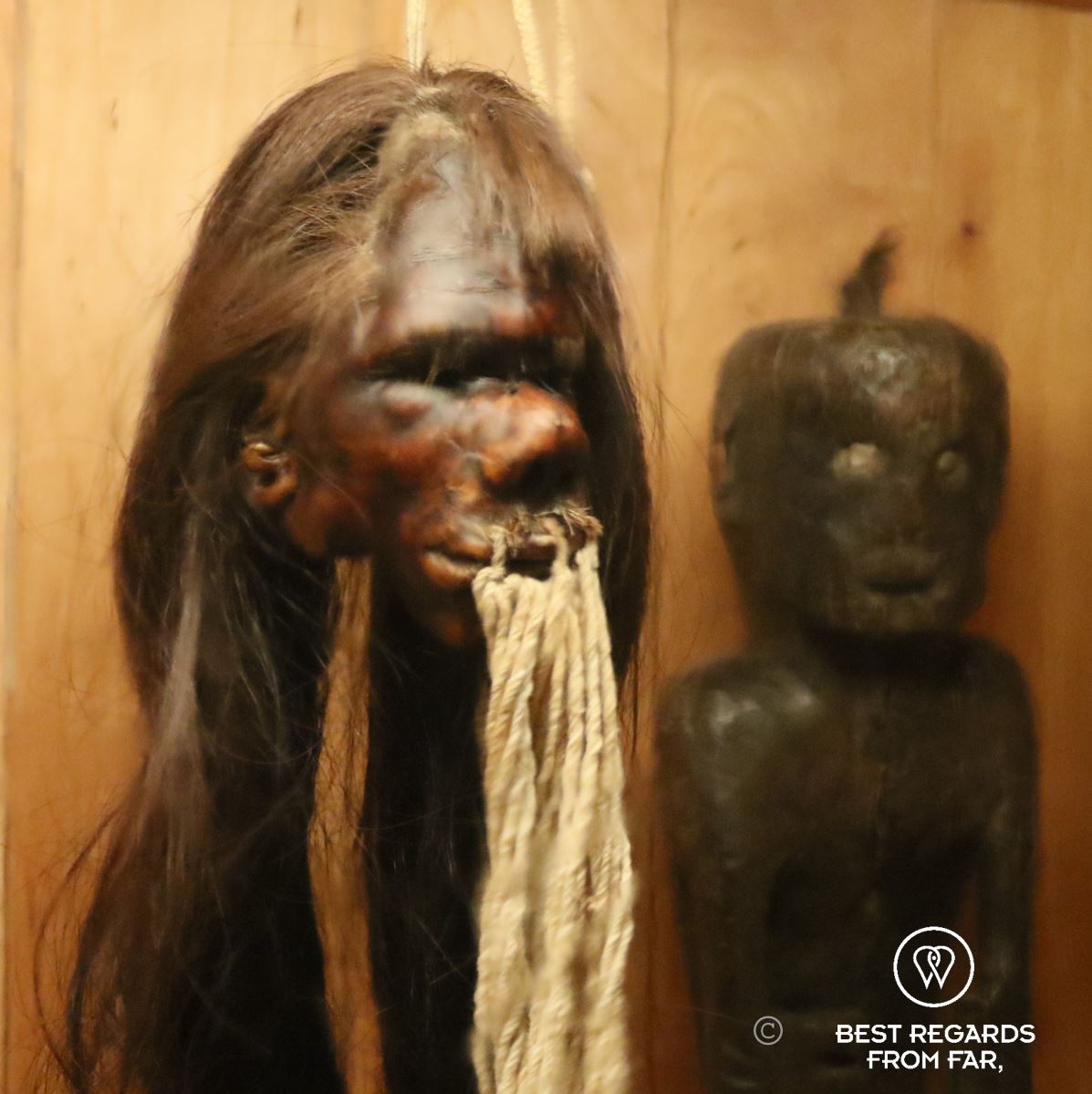
Starting in the 16th century, Spanish ships had been crossing the Atlantic and bringing back gold pieces and artefacts from the indigenous cultures of Central America and South America. The museum of the Americas gathers 25,000 pieces from ceramics, sculptures, jewellery, tools, to the paraphernalia of the conquistadors, including many from Peru and Bolivia.

Travel tips:
- This article is now featured on https://www.gpsmycity.com. To download this article for offline reading or travel directions to the attractions highlighted in this article, go to Walking Tours and Articles in (Madrid) on GPSmyCity.
- Check out this interactive map for the specific details to help you plan your trip and more articles (zoom out) about the area!
For more in Spain, click on these images:



 Best regards from far,
3 Comments Add yours