Text & Photographs: Claire Lessiau
Pin it for later!

1. Chachapoyas: Peru’s Hidden Cloud-Forest Gem
It is no coincidence that Indiana Jones, in the novelized version of Raiders of the Lost Ark, begins his quest for the golden idol deep within the cloud forests of Northern Peru. This is the ancestral land of the Chachapoyas—diverse and often unexplored where only recently excavated ruins ooze magic and mystery with secret archaeological wonders hidden in a pristine nature of the cloud forest, unique to Peru.
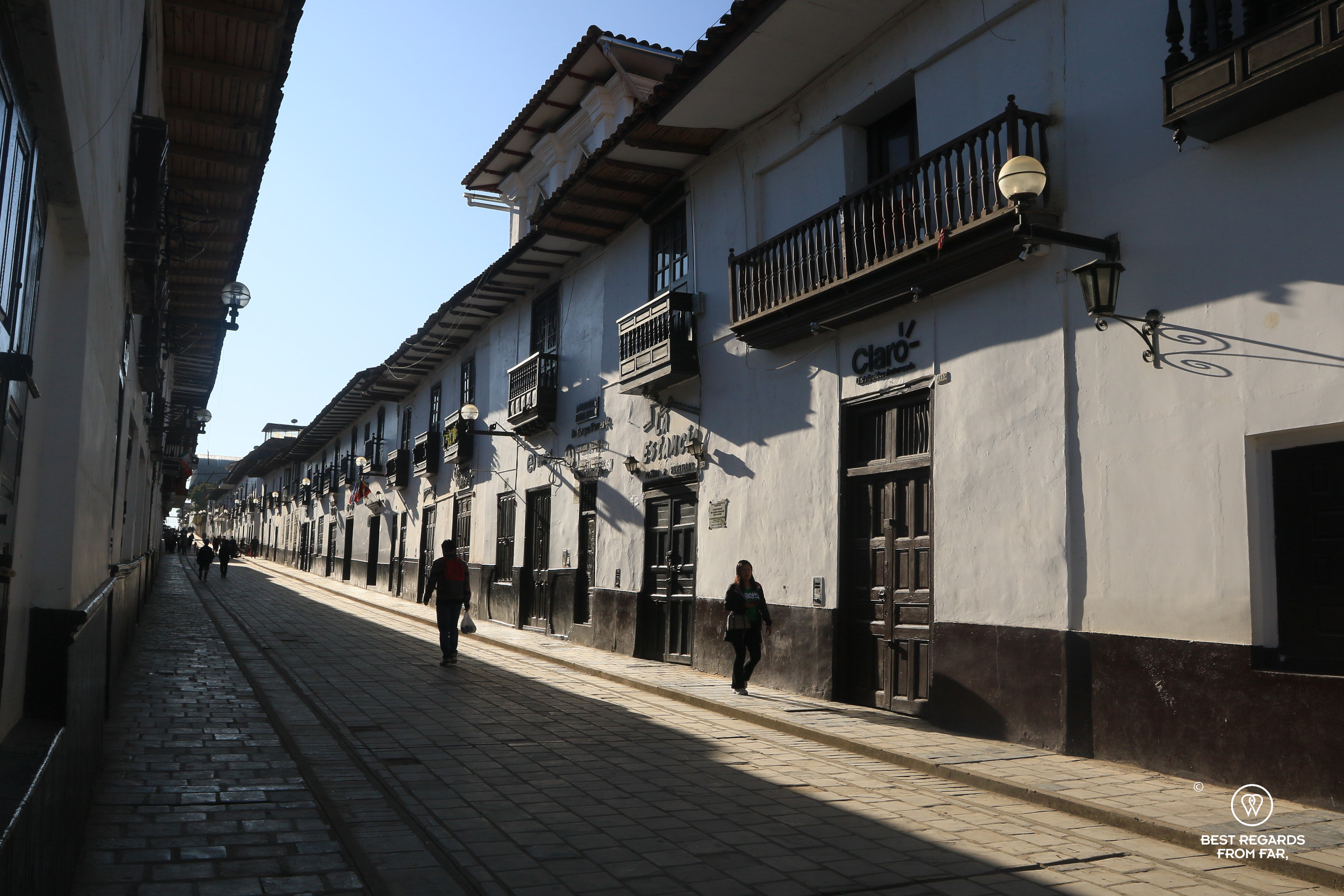
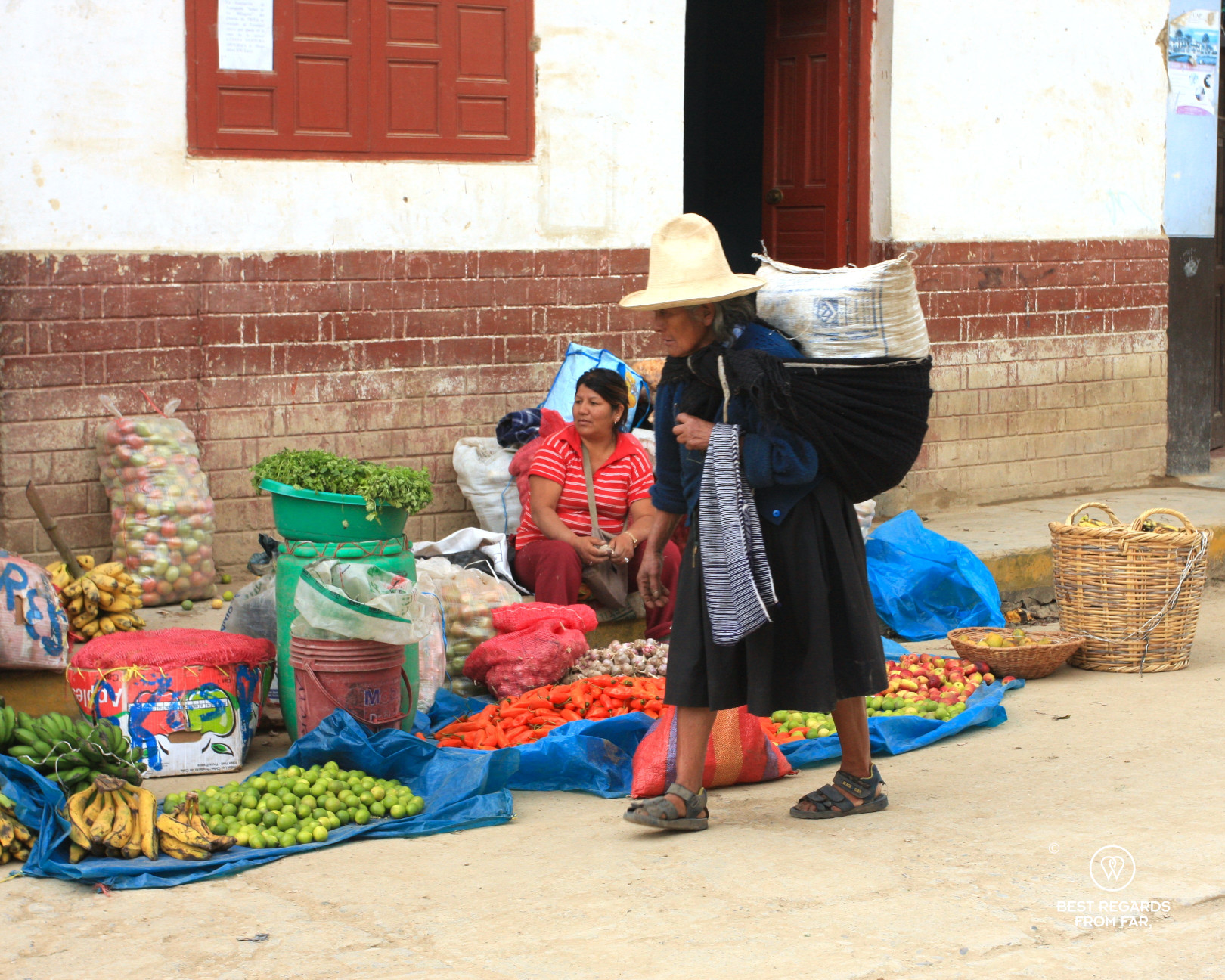
Long isolated from Peru’s coastal centers—connected by road only since 1961—”the Balcony City” remains remote and off the beaten path. The authentic charm of Chachapoyas and its slow pace of life seduce visitors instantly, or maybe it is the friendliness of its 20,000 or so inhabitants, renowned all over Peru. Far from the touristic Cusco that despite being an absolutely beautiful city has lost its charms to commercial pressure, Chachapoyas with its 4,000 traditional wooden balconies, whitewashed colonial facades, and vibrant local market where products of the Andes and Amazon Forest coexist offers a deeper cultural immersion at 2,338 meters (7,670 feet) above sea level, also allowing to acclimate for the higher altitudes of Cusco, the Sacred Valley, and Machu Picchu.


Insider’s tips:
- Cecina de res is a local specialty of air-dried beef in smoky flavor.
- The corn-based bread pan mollete is a must and local specialty.
- Refer to our interactive map below for a selection of the best restaurants in town that are really worth a try.
2. The Mausoleum of Revash: Housed for Eternity
Dominating the area before being conquered by the Incas, the Chachapoyas honored a very specific cult of the dead that is still largely unknown. They buried their elite high up, in difficult to access locations, looking towards the rising sun or a village and close to water, protected from erosion by natural ledges.
Reaching Revash requires navigating treacherous dirt roads offering spanning views on the Andes and a one-hour hike, and the reward is a rare glimpse into Pre-Inca mausoleum architecture. Dating back to the Pre-Inca times, these collective tombs once held bundles of bones, wrapped in cloth. Later, with the Inca conquest, the Chachapoyas learnt how to mummify their dead and the mummies were found in the sepultures like in Karajía.


Insider’s tips:
- Revash is best combined with a morning visit to Kuelap.
3. The Sarcophagus of Karajía: Silent Watchers of the Cliffs
A short, yet steep hike leads to the sarcophagus of Karajía. Unlike Revash’s communal mausoleums, the cliff side sarcophagi at Karajía are individual tombs, each representing a Chachapoyas elite figure and its power & wealth.
Like in Revash, given the location of the sepultures, the builders would have had to repel down the cliff or build an access path—later destroyed. The sarcophagus of Karajía are rather recent dating back to 1460, after the Inca conquest. Logically, mummies were found in these effigies of clay, straw, water, and small stones. Topped off by a more delicately-carved head, and painted in earthy tones, offerings such as clothes, ceramics, or coca leaves were also added to the sarcophagus. Some distinctive signs such as a skull put on top of the sarcophagus, or corset painted or penises and pectorals denote a warrior, a woman or a man.
The mummies and offerings were long looted when in 1985, the archeologist Kauffman Doig discovered the very well preserved site. Yet they remain standing, silent watchers of the cliffs of the Andes.


4. Pueblo de Los Muertos (Tingorbamba): a Village Full of Mysteries
A controversial US explorer, Gene Savoy (1927-2007) played Indiana Jones around Chachapoyas. While he discovered some great archeological sites, his contribution to science and history was rather limited as he was leveraging the discoveries for his own benefit, selling his expeditions thanks to very disputable theories and catchy titles.
Popularized under the romanticized name “Pueblo de los Muertos” by Savoy, Tingorbamba’s crumbling structures remain very mysterious. The overgrown roundhouse foundations and sarcophagi carved with human faces may be only grain storage units rather than tombs.
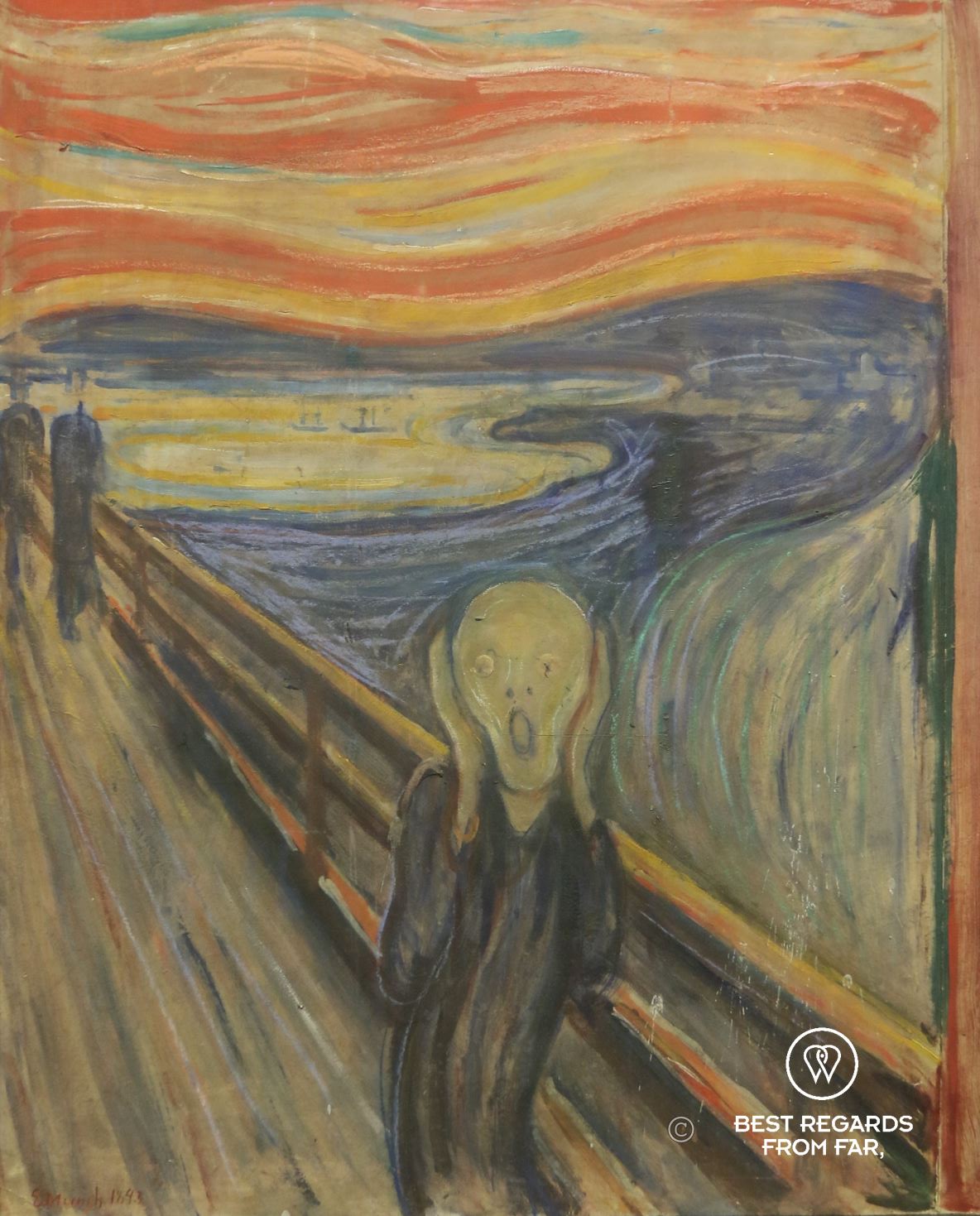
In a fascinating twist of history, while these mummies of the Chachapoyas are known to the very few who venture in the off-the-beaten path exquisite north of Peru, they are featured in one of today’s most famous paintings! In 1877, the French adventurer Pierre Vidal-Senèze found a sarcophagus that he brought back to exhibit at the ethnographic museum in Paris. The famous painter Gauguin got inspired by it while he visited, and later, his painting inspired Munch for “The Scream”.

Insider’s tips:
- Don’t miss the Museo Leymebamba home to over 200 well-preserved mummies of the Chachapoyas and an essential stop for understanding their funerary practices.
5. Kuelap: The Machu Picchu of the North
Towering above the Utcubamba Valley at 3,000 meters (9,843 feet), the fortified city of Kuelap is a marvel of ancient engineering. Built between 900 and 1100 CE at the height of the Chachapoyas realm, it was their political and ceremonial center with over 400 circular stone structures surrounded by walls up to 20 meters (65 feet) high.
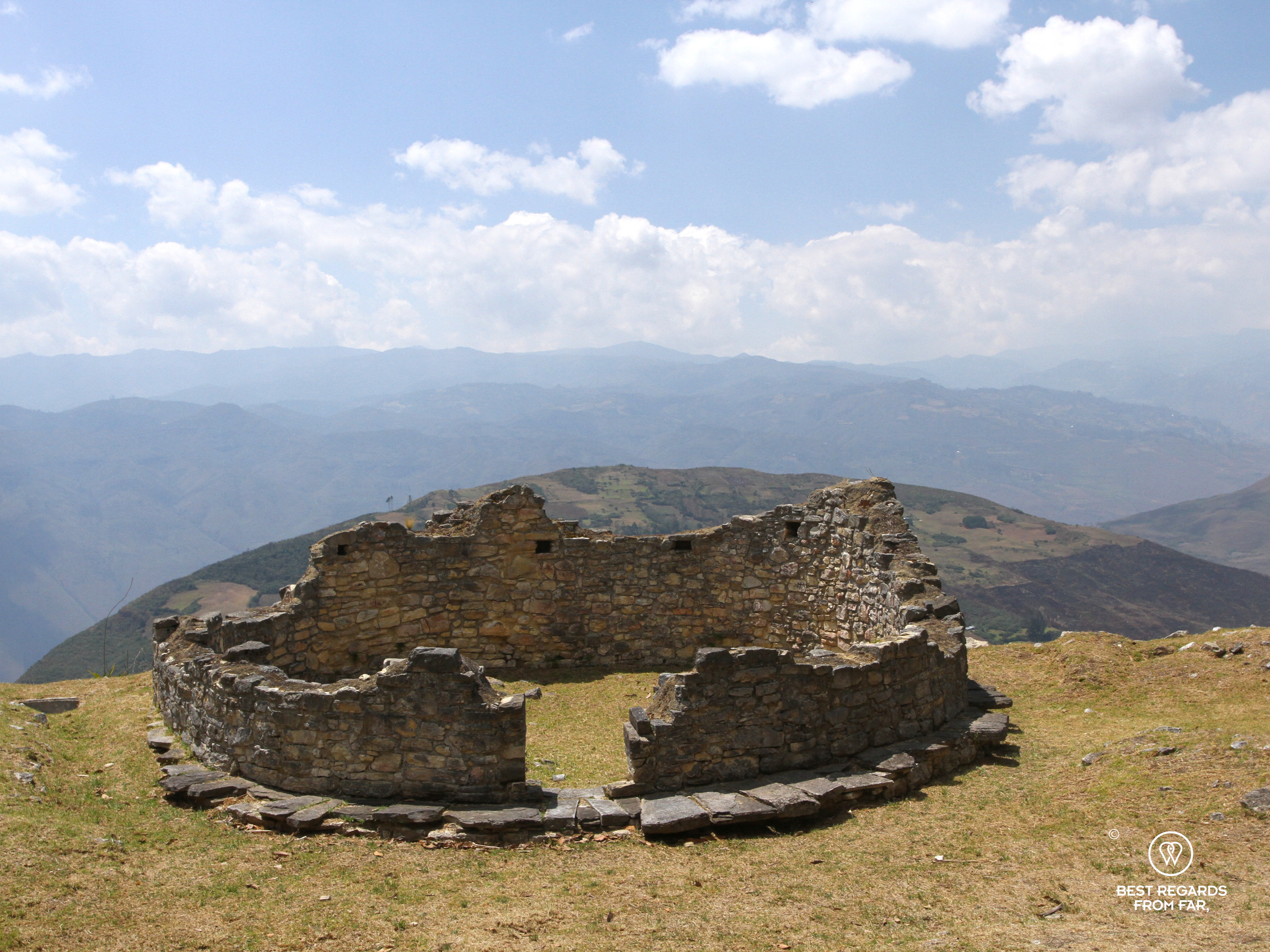


Such an endeavor required a strong centralized power to come to life. A communal activity over several generations, the administrative and political center of the pre-Inca civilization also served as a food storage, an essential function in the Andes where El Niño has been causing famines for millennia.
Only excavated in the 1990s, the Machu Picchu of the North as it is nicknamed reveals the architectural specificities of the Chachapoyas with their roundhouses and geometric friezes, an undisputable signature that can be found in sites such as the breathtaking Choquequirao.


Insider’s tips:
- While the site had remained out of reach for most due to its difficult access, a gondola has been built and allows an easy visit to the impressive site of Kuelap.
6. Gocta, Once World’s Third Highest Waterfall
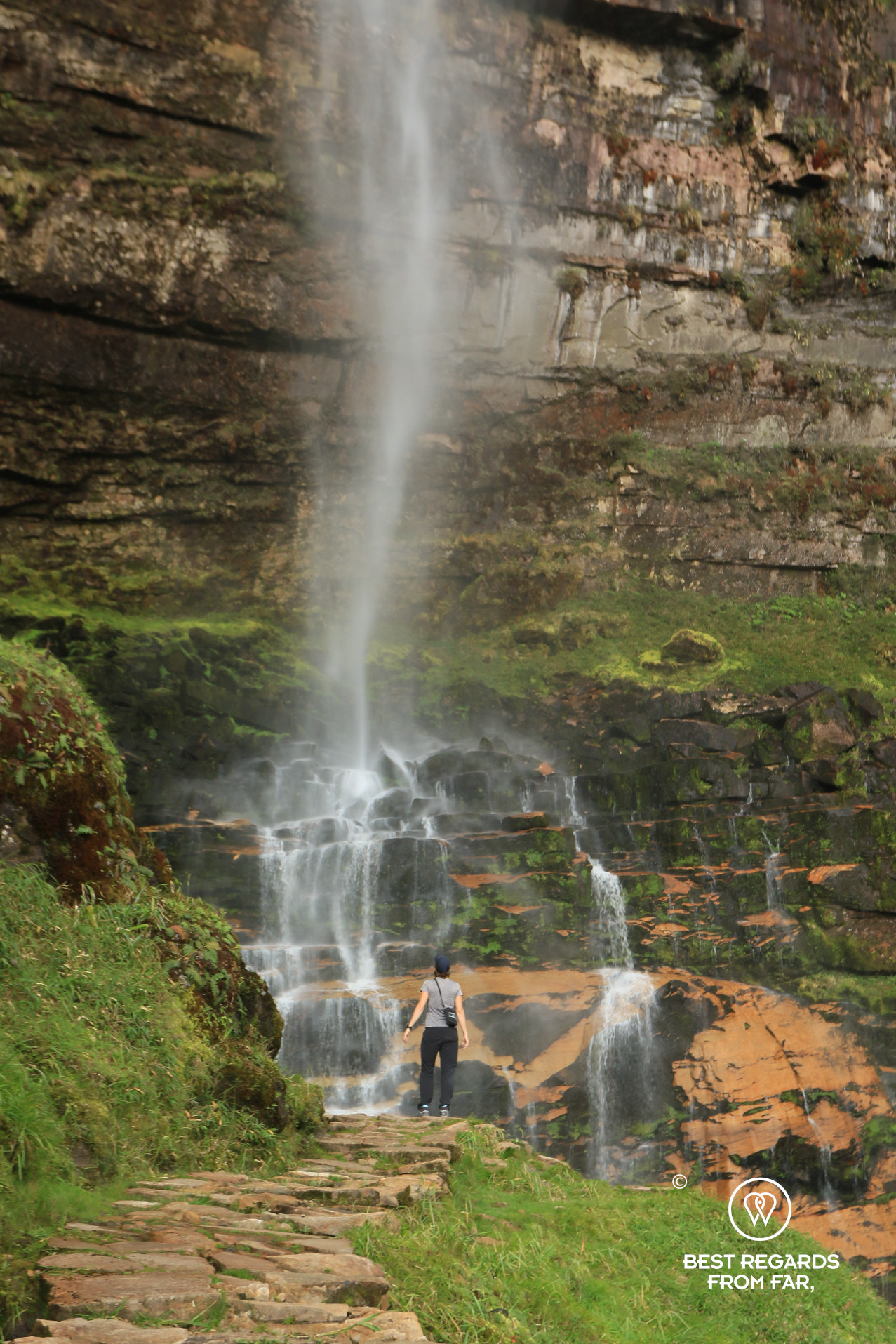
What a better place to explore one of the only patches of cloud forest of Peru than at the foot of the Gocta Waterfalls, one of world’s highest!
When it was discovered and measured, the Gocta waterfalls ended up being world’s 3rd highest after Angel Falls and Tugela Falls. Today, it ranks number 18 with its overall height of 771m (2,529ft) in two dramatic drops.

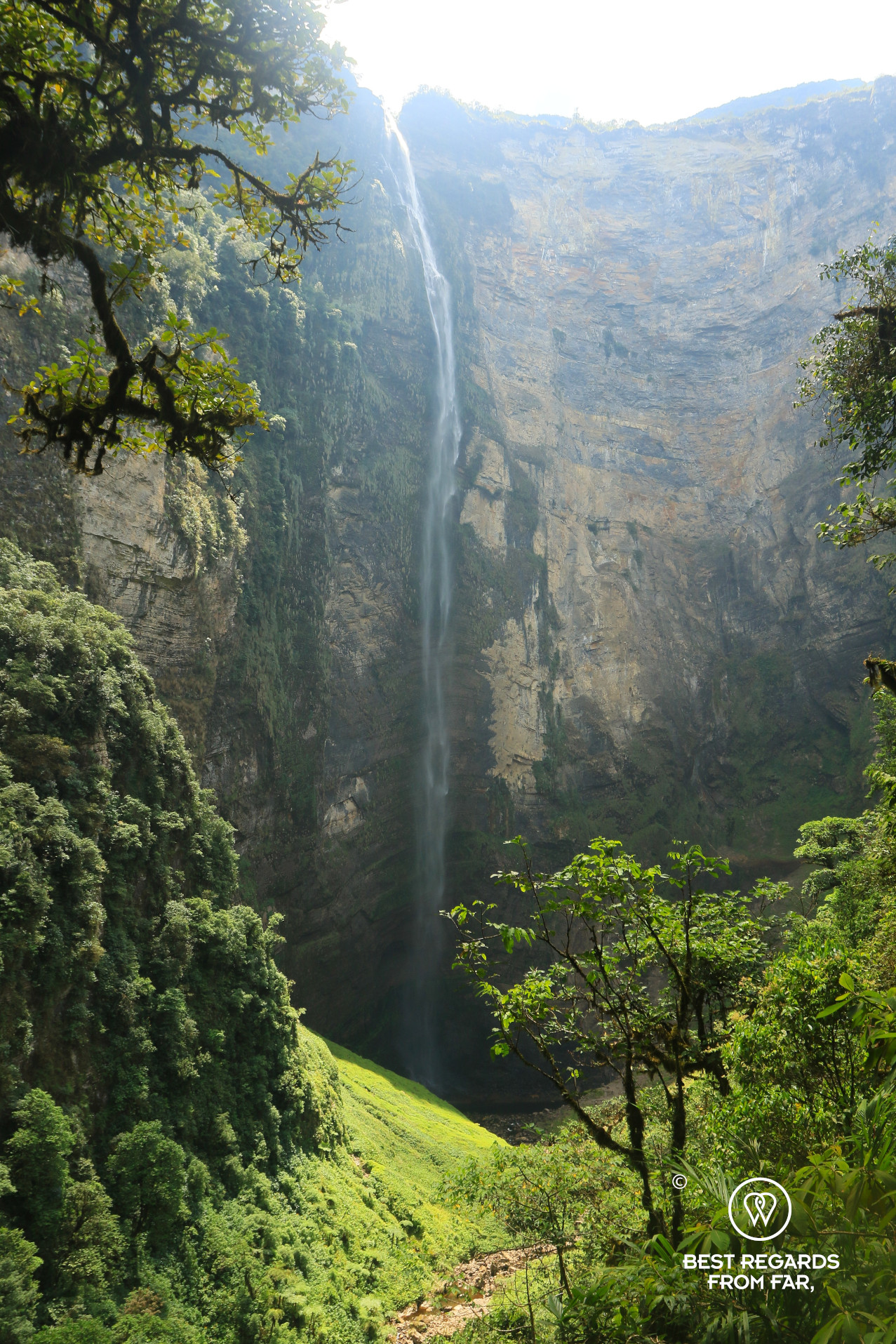

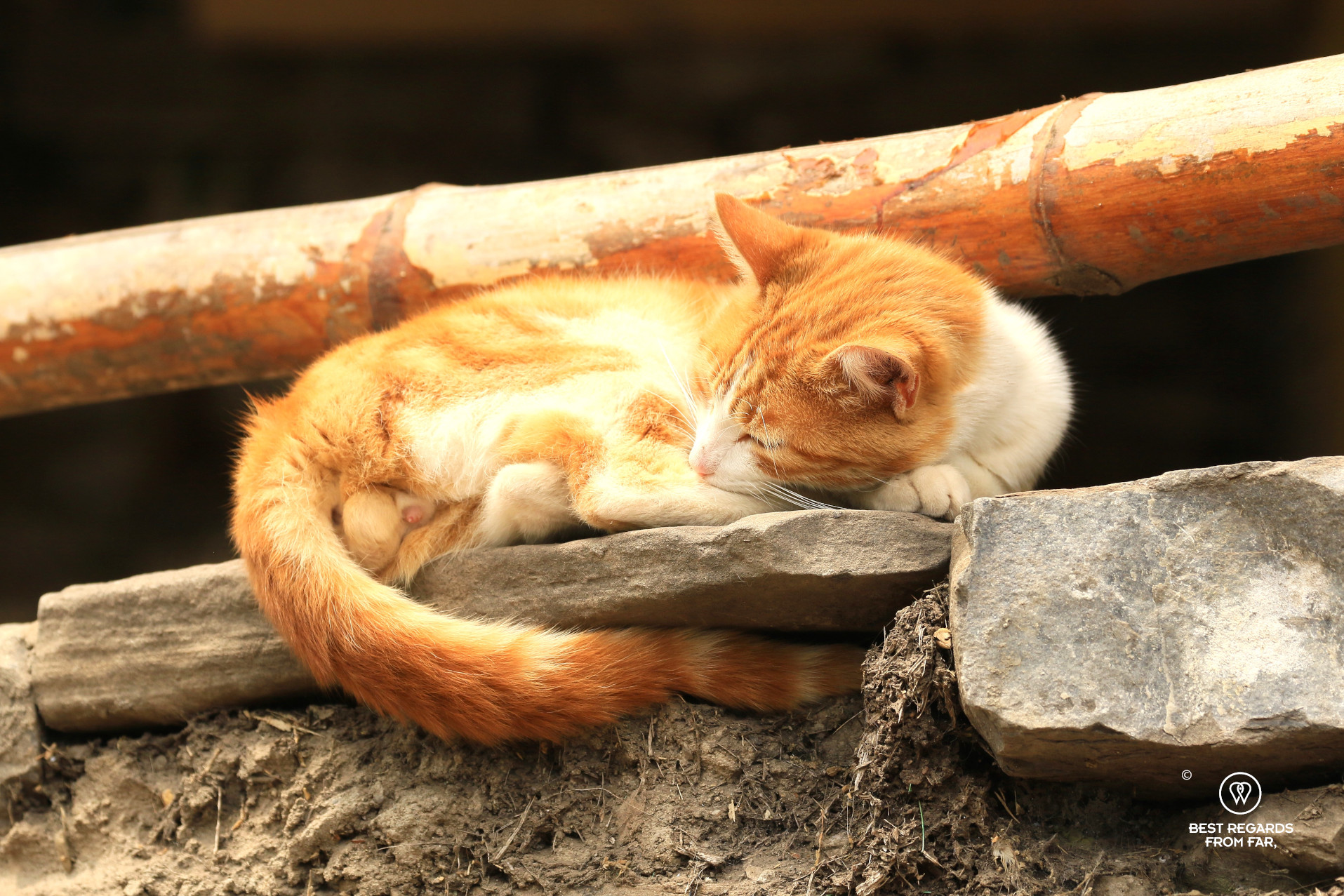

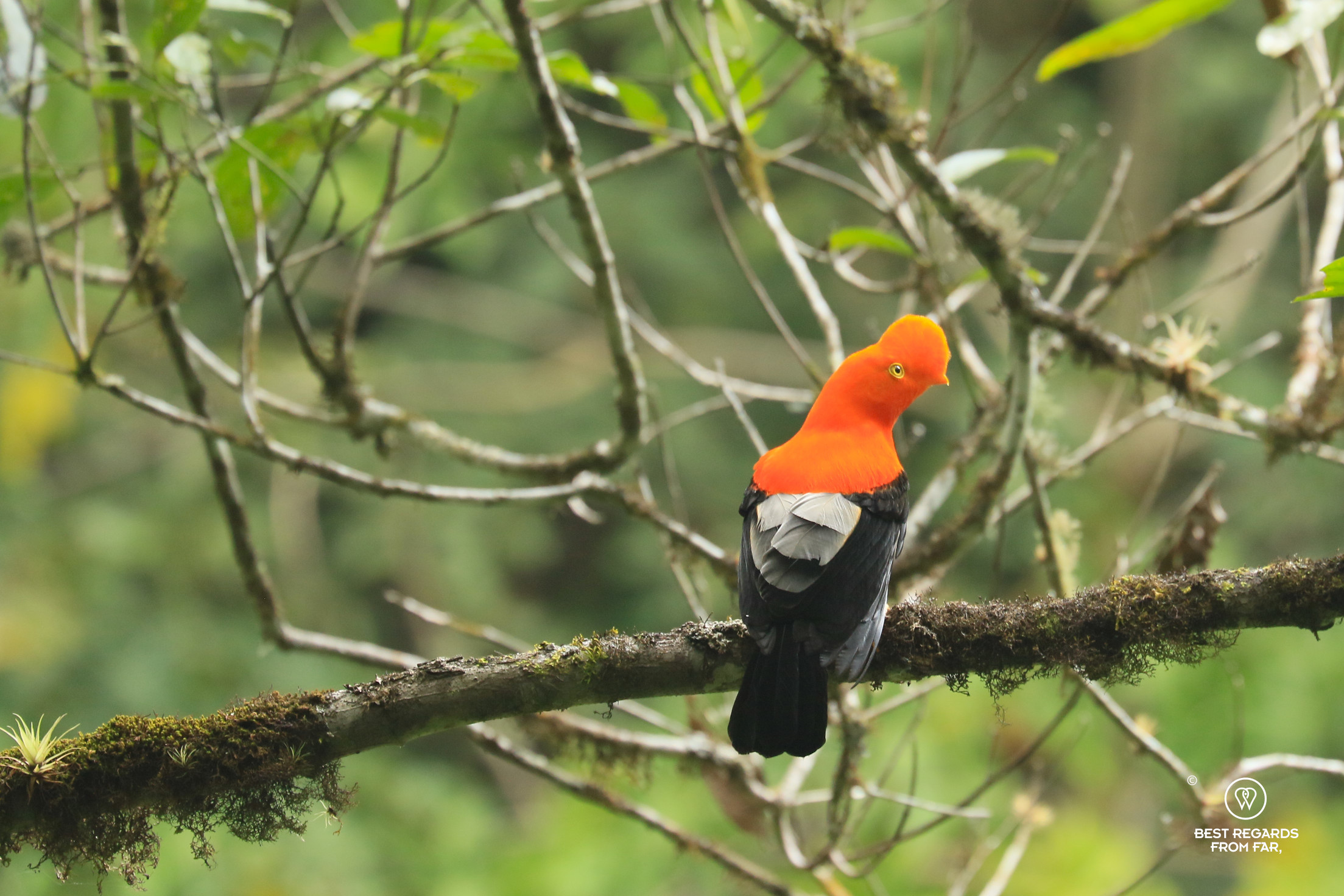
Yet, the ecosystem that surrounds it is even more striking than the grandeur of the waterfall. The dense cloud forest is extremely rich in biodiversity thanks to its altitude gradients—denser than the Amazon (in a 200-km (124-mile) corridor between the western edges of the flood plains of the Amazon Basin to the peaks of the Andes mountains the equivalent number of bird species can be found in 5 million square kilometers (2 million square miles) of low Amazon)! Spectacle bears (the only bear of South America), pumas, hummingbirds, yellowtail monkeys, quetzals, and the Andean cock of the rock, the national bird of Peru are some of its shy inhabitants that are sometimes spotted along the trail.

Insider’s tips:
- To enjoy to the fullest, consider staying at the Gocta Andes Lodge in the village of Cocachimba.
7. Gran Vilaya: Peru’s Lost World in the Cloud Forest
The adventure starts in a 4×4 on the dirt tracks leading to the serene Belen Valley. Before the trek starts, the view from the dirt road is striking: its river looks like a snake slowly crossing this green plain. Named by the colonial Order of Bethlehem that settled in this valley, it is in this remote location that the hike to reach the vast archaeological complex of Gran Vilaya that is hardly excavated starts.


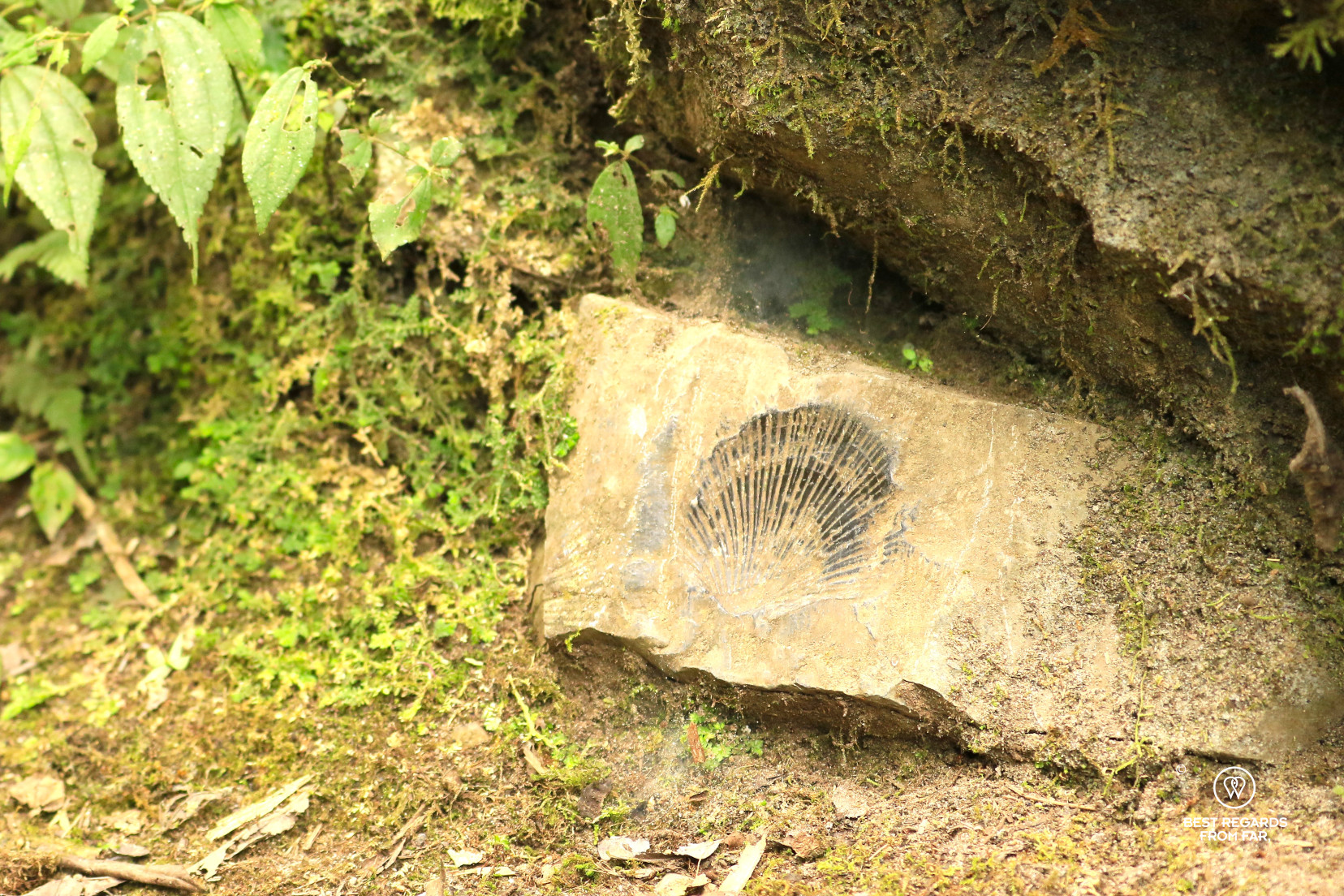
After hiking through the cloud forest of northern Peru where flowers of bright colors replace the non-existent trail markers, it is a bit of moss on non-natural looking stones that attracts the attention. Only rediscovered in the 1980s by the controversial explorer Gene Savoy, Gran Vilaya comprises around 5,000 structures, scattered across remote sites like Escalera, Pirquilla, and Lanche. Built between 1100 and 1350 by the Chachapoyas, this sprawling network of ruins is now hidden beneath centuries of jungle growth. Hardly ever visited as it requires a multiday trek along which facilities are very rare, the mystique ruins—circular stone houses, watchtowers, and ceremonial platforms—are waiting to be explored. A couple of settlements can offer a very basic bed and a bit of food while some locals rent their horses or mules to the few who venture as far out.


Insider’s tips:
- To explore, make sure to book a tour and take a local guide.
8. Yalape: A Secret Ruin Watching Over Kuelap
In the Andes, along the Inca trail, across the Utcubamba River lies Yalape, the quieter brother to Kuelap, far in the distance. Only very partially excavated, Yalape was a pre-Inca agricultural settlement built by the Chachapoyas in the 1100s. Its ruins are scattered on four hectares (about 10 acres) and the first dig took place only in 2004. Archaeologists estimate Yalape once housed around 250 houses and over 600 structures in total built in harmony with the mountainous terrain.
The delicate architecture of the Chachapoyas with characteristic circular limestone edifices and beautiful geometric friezes impresses. One detail stands out: on a circular structure, the eye of a puma shaped with stones stands in the heart of the citadel— its gaze fixed protectively over the landscape, as if still watching out over the lost city towards Kuelap.


On the top of the hill, following an overgrown trail lined with archeological remains covered in moss, breathtaking panoramic views of the Chachapoyas Valley and its city below rewards the daring travelers and tops off this unique adventure.
9. The Inca Trail without the Crowds
Many think the Inca Trail is a hiking path leading to Machu Picchu. While this is true, it is only a very small part of the whole story. The Qhapaq Ñan by its Quechua term meaning Royal Path encompasses six countries today—Argentina, Chile, Bolivia, Peru, Ecuador & Colombia—and covers over 60,000 kilometers (37,000 miles)! Or at least, that is the distance uncovered to this day by archaeologists who are still digging to find more of its sections, maybe one day beating the record 80,000 kilometers (50,000 miles) of vias of the Roman Empire!


Following the Spanish conquest, the reduction policy of the vice king of Spain forced the indigenous populations to relocate in settlements instead of being scattered in the hard to reach mountains—a way to ensure control or a way to “civilize” local populations as the Spaniards thought civilization could only raise from a city. Either way, this policy led to less maintenance along the path. Complete sections of the trail disappeared.
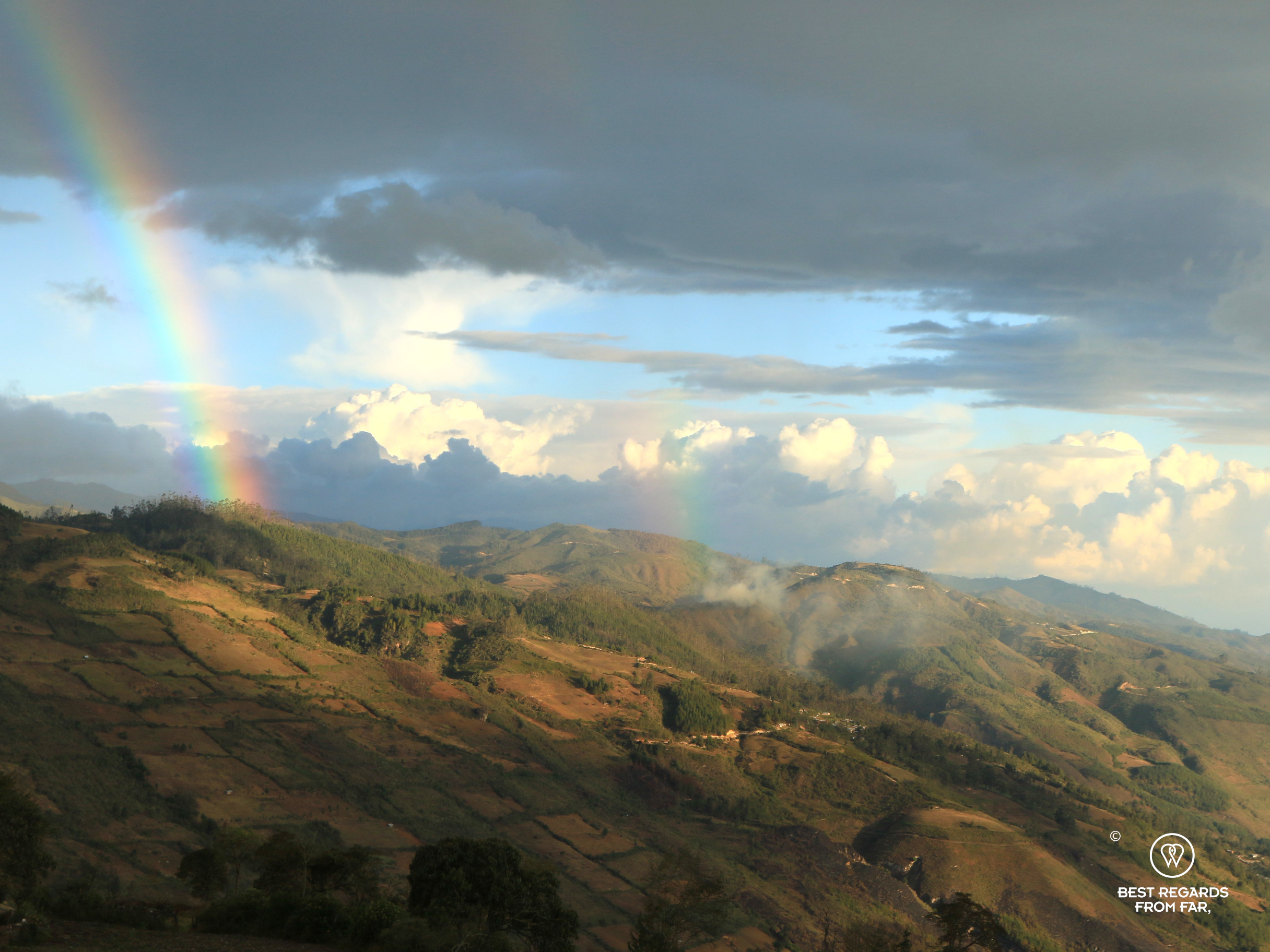
The upside is that with such a vast network, it is completely feasible to enjoy quiet sections of the trails without hordes of tourists and mandatory permits (as it is the case around Machu Picchu). More specifically, the section near Chachapoyas reveals how the Incas absorbed and expanded pre-existing trails built by pre-Inca civilizations to connect their empire. The Inca Empire itself lasted for about a century. Building such a network of trails within this short amount of time would have been an impossible task even for one of the most fascinating civilizations of South America. Yet, impressive civil engineering skills were required. In such a rugged land as South America, builders had to use an array of techniques to ensure the trail could be used by the chasquis, or the messengers of the empire carrying important news across the realm, along soldiers and tax collectors.
Along the arid coast and its desert, elevated ridges prevented the trail from being sanded in. In the humid cloud forest, a drainage was added to the stony path to survive the rainy season. Staircases were common in the steepest sections of the Qhapaq Ñan while bridges made of grass, vines, and branches that had to be rebuilt regularly allowed crossing the wild mountain torrents.
Studies project that it took anywhere from five to 10 days for a message to arrive from Quito in today’s Equator to the capital of the Incas in Cusco thanks to the chasquis relay runners. This record time to cover such an astonishing distance of about 2,500 kilometers (1,500 miles) was possible only thanks to these highly trained and specialized athletes who were stationed in huts some 6.5 to 8 kilometers apart (4 to 5 miles). The messages were also quite light, as for secrecy purposes, they were coded in knots on a rope (quipu) or oral. When more people had to walk the trail, the Inca government built posthouses or tambos at regular intervals that could be used as sleeping shelters and storehouses that the local population had to keep serviced & provisioned especially with chuño—a freeze-dried potato mash that is still found on markets today in Peru and that can be kept for years.


Insider’s tips:
- After visiting Yalape, hike back to Chachapoyas along the Inca trail.
10. Petroglyphs of La Pitaya: Stories Etched in Stone
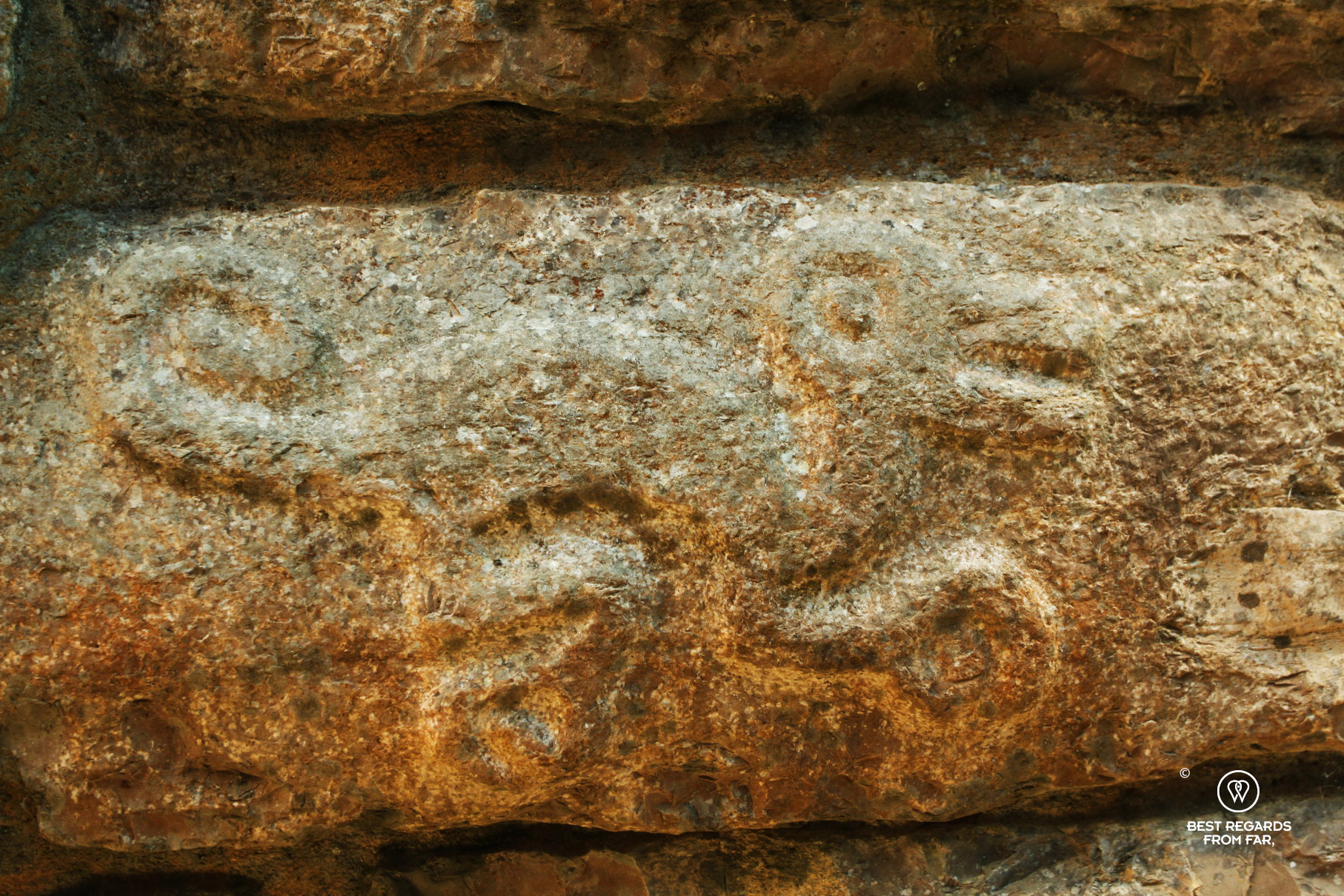
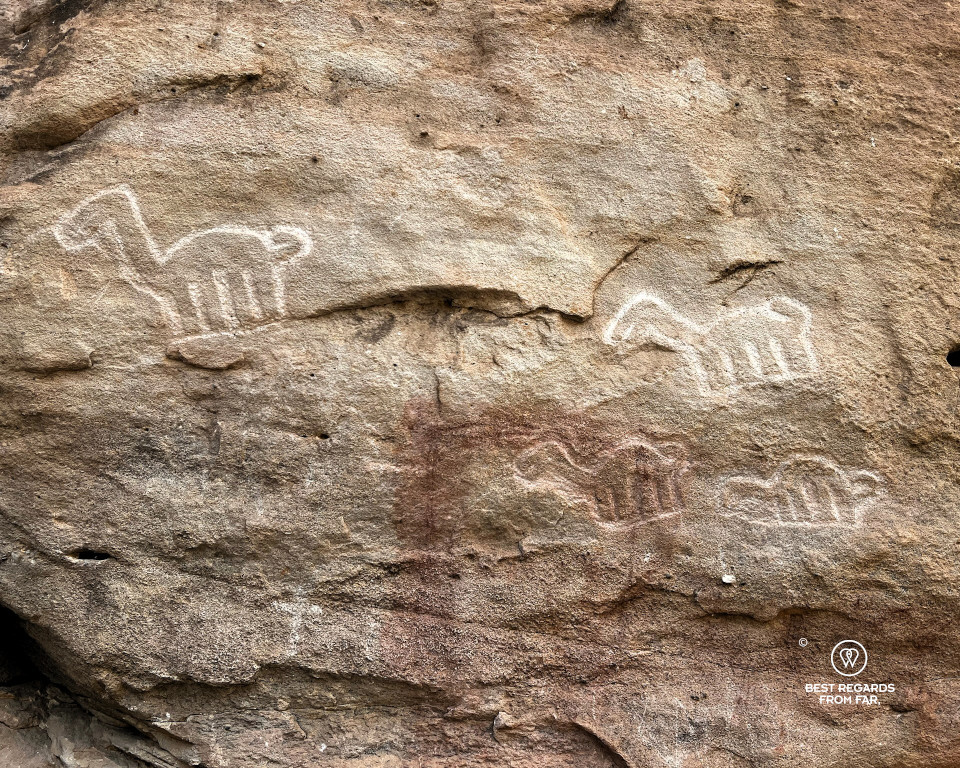
While the pre-Inca and Inca civilizations did not develop a written language, the Chachapoyas region hides an ancient mean of expression. Just off the road between Chachapoyas and Gocta lies La Pitaya, an open-air gallery of enigmatic petroglyphs scattered across boulders and canyon walls. Spirals, animals, and abstract figures, worn by time, still speak to the spiritual and symbolic world of the Chachapoyas.
Though their meaning remains elusive, these stone carvings are among the few surviving and unaltered forms of expression from a civilization who relied on oral tradition, and whose stories were retold first by the Incas, then rewritten by the conquistadors.

Insider’s tips:
- Your best bet in Chachapoyas is to stay at the lovely Casona Monsante on the Amazonas Boulevard, only a few blocks from Plaza de Armas.
- Check out this interactive map (quick tutorial) for the specific details to help you plan your trip and more articles (zoom out) about the area!
For more in Peru, click on these images:





 Best regards from far,
Claire and Marcela,This brings back so many memories! I still need to create my Peru photo book. This is motivati
Thanks Heather! It is quite fun to have seen this lovely town evolve for the past 16 years and yes, it brings back many memories. I still think this is my favorite part of Peru after Choquequirao.
Claire