Article updated on December 27, 2024
Text & photographs: Claire Lessiau & Marcella van Alphen
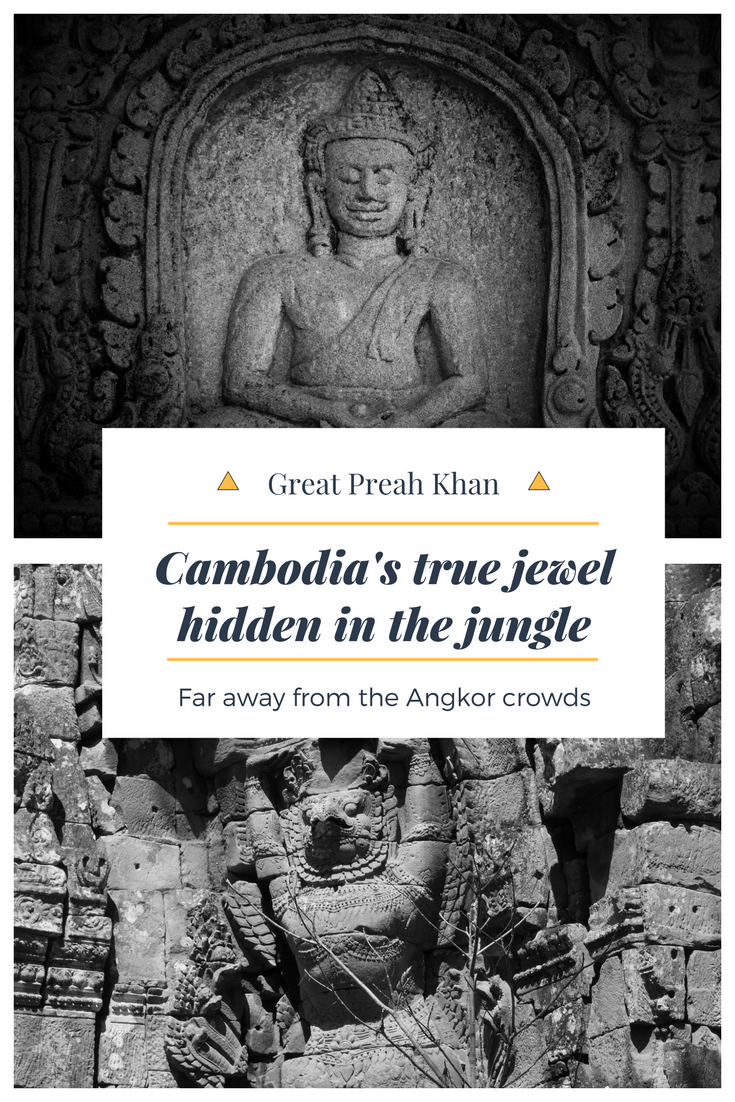
Tucked deep within the untamed jungles of Cambodia’s Preah Vihear province lies one of the country’s most atmospheric and least-visited temples—Preah Khan of Kompong Svay. Far removed from the tourist throngs of Angkor Wat and Siem Reap, this majestic royal and religious complex, dating back to the 9th century, rewards intrepid travelers with awe-inspiring ruins and a profound sense of solitude. It is an expedition, not just a visit, and one that promises unforgettable moments for those daring enough to undertake the journey.
Pin this article for later!
The Road Less Traveled: A Journey Begins
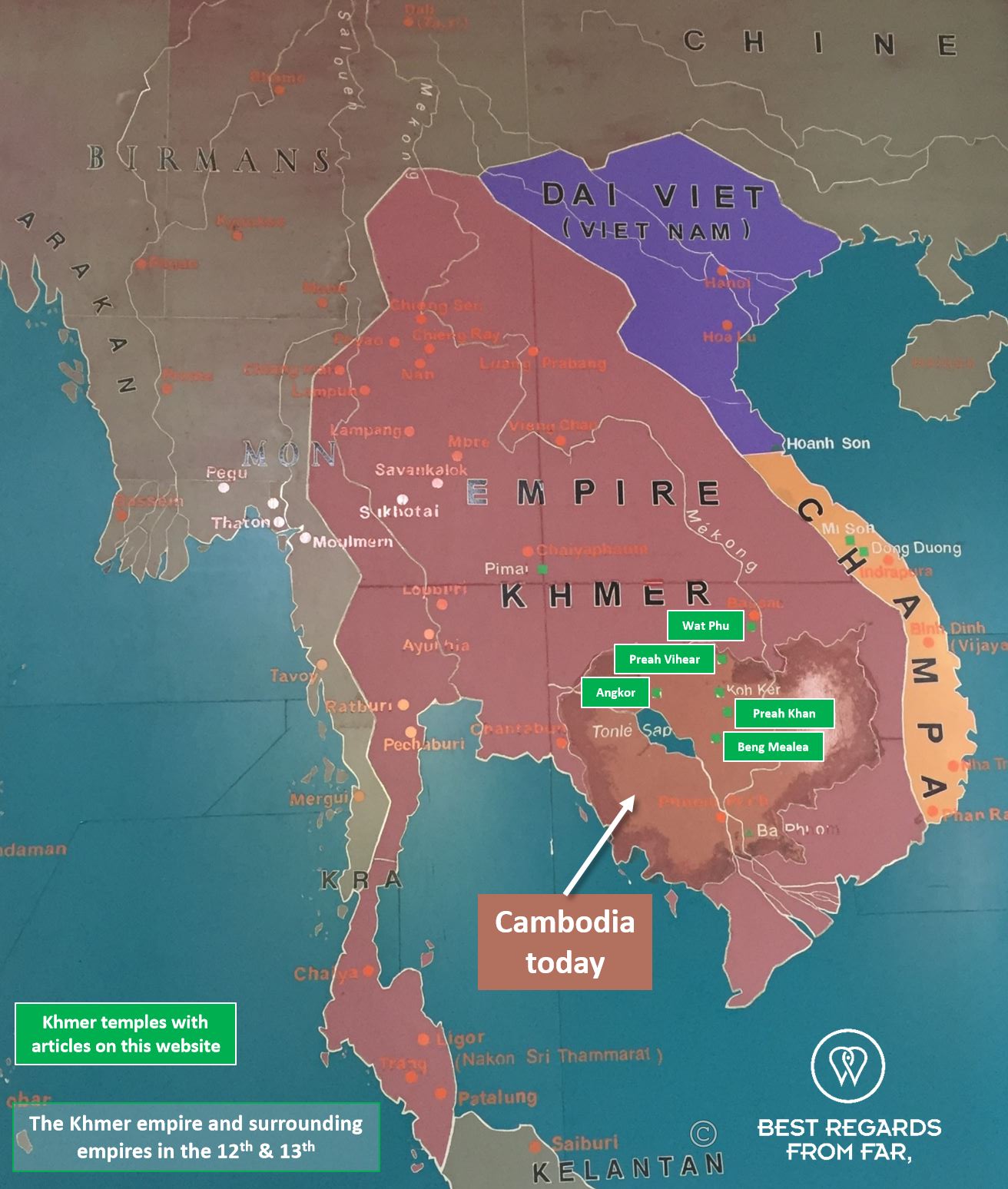
The engine of our scooter hum as we advance deeper into the remote southwestern reaches of the Preah Vihear province. Leaving behind the modest village of Sra’aem, just south of the disputed Preah Vihear Temple on the Thai border, we brace ourselves for the rugged terrain ahead. The sun beats down relentlessly as we navigate isolated dirt roads riddled with potholes, inching toward Cambodia’s largest temple complex that has only emerged recently from the thick jungle—Preah Khan at Kompong Svay (not to be confused with the Preah Khan Temple of Angkor).
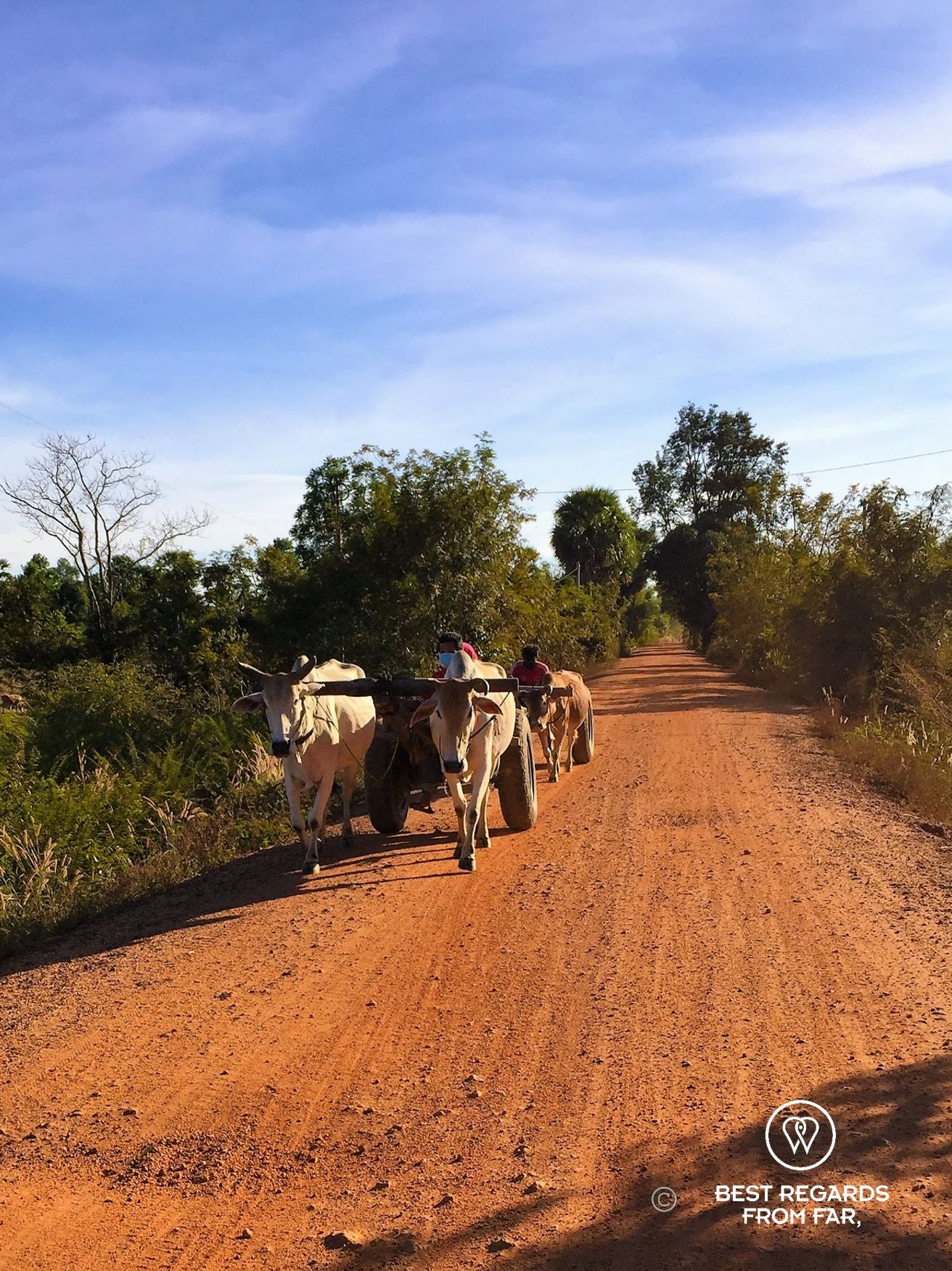


The first leg of the trip unfolds over 130 kilometers of quiet asphalt roads, punctuated only by the occasional ox-drawn cart or tractor hauling crops. Then, the adventure shifts gears. A bumpy 30-kilometer dirt track tests our stamina and skill, with tire-swallowing potholes forcing us to crawl at 15 kilometers per hour. The wildness of the landscape intensifies, and by the time we reach the Elephant Temple (Prasat Preah Damrei), we already feel worlds away from civilization.
The Elephant Temple: Guardians of Time
Once guarded by four massive stone elephants, the Prasat Preah Damrei pyramid temple now clings to history with just two of its original statues. The others, displayed in Phnom Penh’s National Museum and Paris’s Guimet Museum, raise questions—were they looted or preserved? Regardless, those that remain stand as dedicated keepers to an era long gone, watching over the jungle’s encroaching embrace while the others have been protected from smugglers and erosion.


Into the Sacred Core
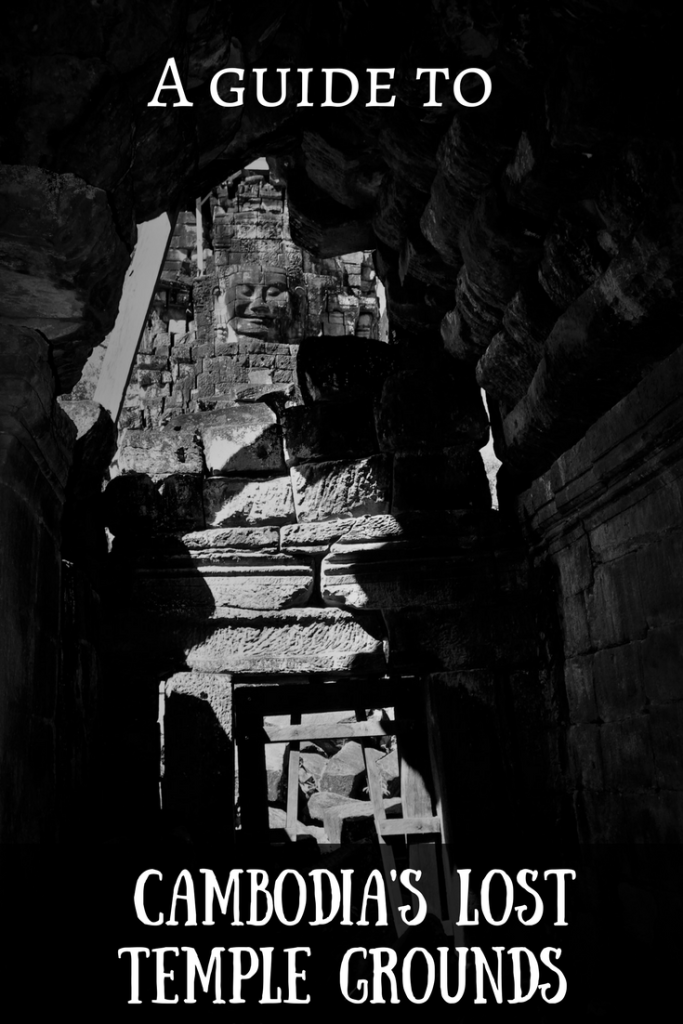
Following the banks of a vast rectangular reservoir, we navigate narrow paths to reach an island where Preah Thol’s sandstone shrine emerges above the trees. Further along, we cross the 5-kilometer-long moat surrounding the main complex that gives way to the striking Prasat Preah Stung temple. Its central tower, adorned with four massive stone-carved faces bearing the enigmatic smile of King Jayavarman VII, mirrors the iconic Bayon Temple of Angkor.


During the 12th century, while the Khmer capital of Angkor he built was occupied by the Chams, this formidable king fled to today’s Vietnam, the country of his invaders. There, he studied the Chams military techniques before returning and creating his own army, trained in secrecy in the jungle of Preah Khan. From this hidden fortress, he rebuilt his forces, utilizing nearby iron mines to forge weapons for his soldiers and eventually reclaim his kingdom, marching on Angkor where he defeated the Chams. He became King Jayavarman VII, and moved his capital back to Angkor in 1181. The main temple of Preah Khan, Prasat Bakan that he built and that we are now admiring, remained the second capital of the Angkor kingdom during his reign.


A Temple of Solitude
The remoteness of Preah Khan amplifies its appeal. Aside from an elderly caretaker near the Elephant Temple and a handful of young men guarding the paths, we encounter no one. There are no ticket booths, souvenir stalls, or bustling crowds—only the whine of cicadas and the rustle of leaves. This solitude has been a blessing for looters who have even blown up certain parts of the complex and taken away precious statues and stone carvings.
Walking the raised stone causeway, we enter the Dharmasala, or ‘house of fire,’ a structure unique to 12th century King Jayavarman VII’s reign. With its thick stone walls, westward tower, and southward window, it likely served as both a rest house for travelers and a sanctuary for the sacred fire essential to rituals. According to archeologists who deciphered an inscription on the site of Preah Khan, 121 such buildings once lined the roads to Angkor.


A Dance of Stone & Roots
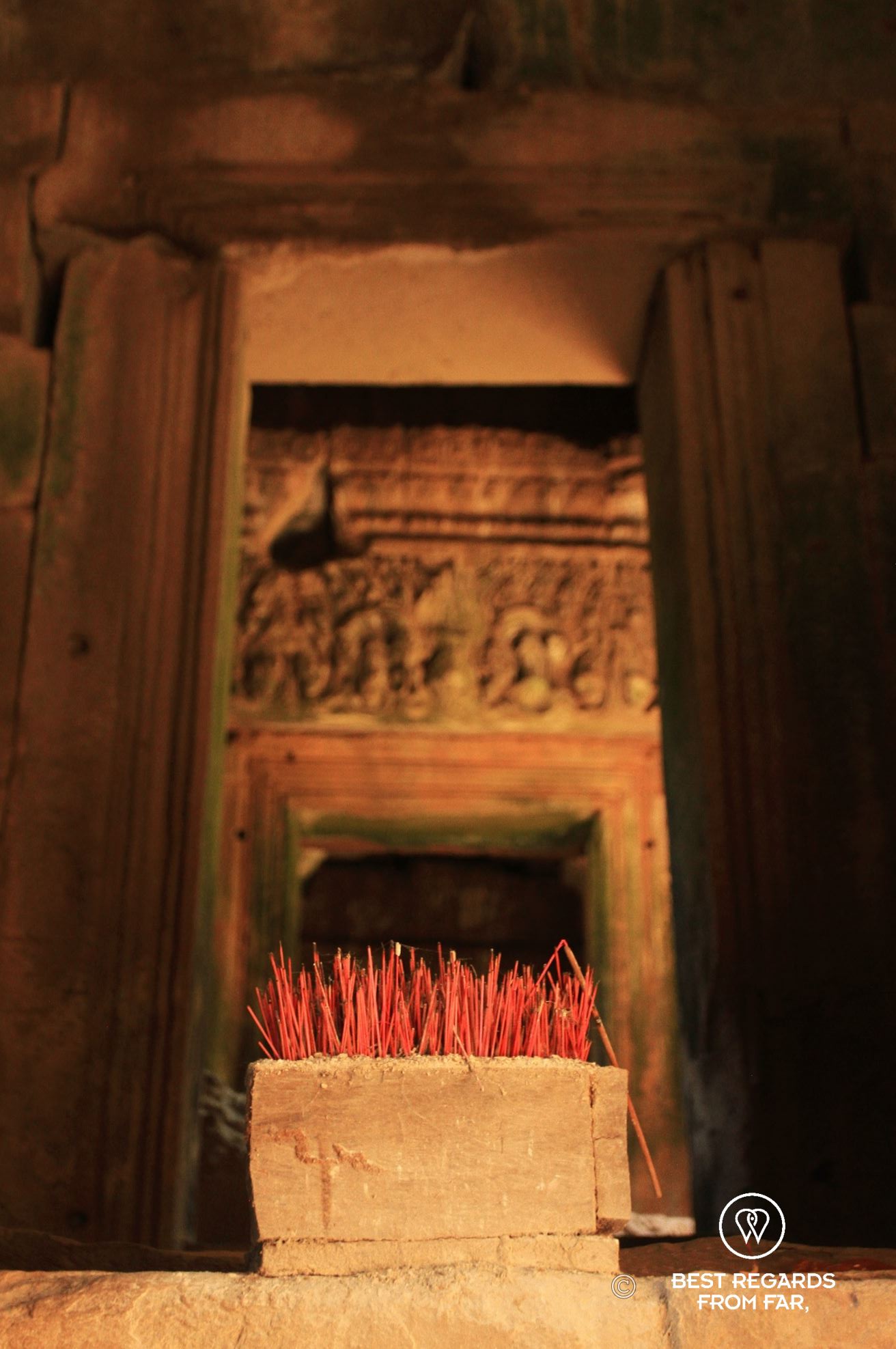
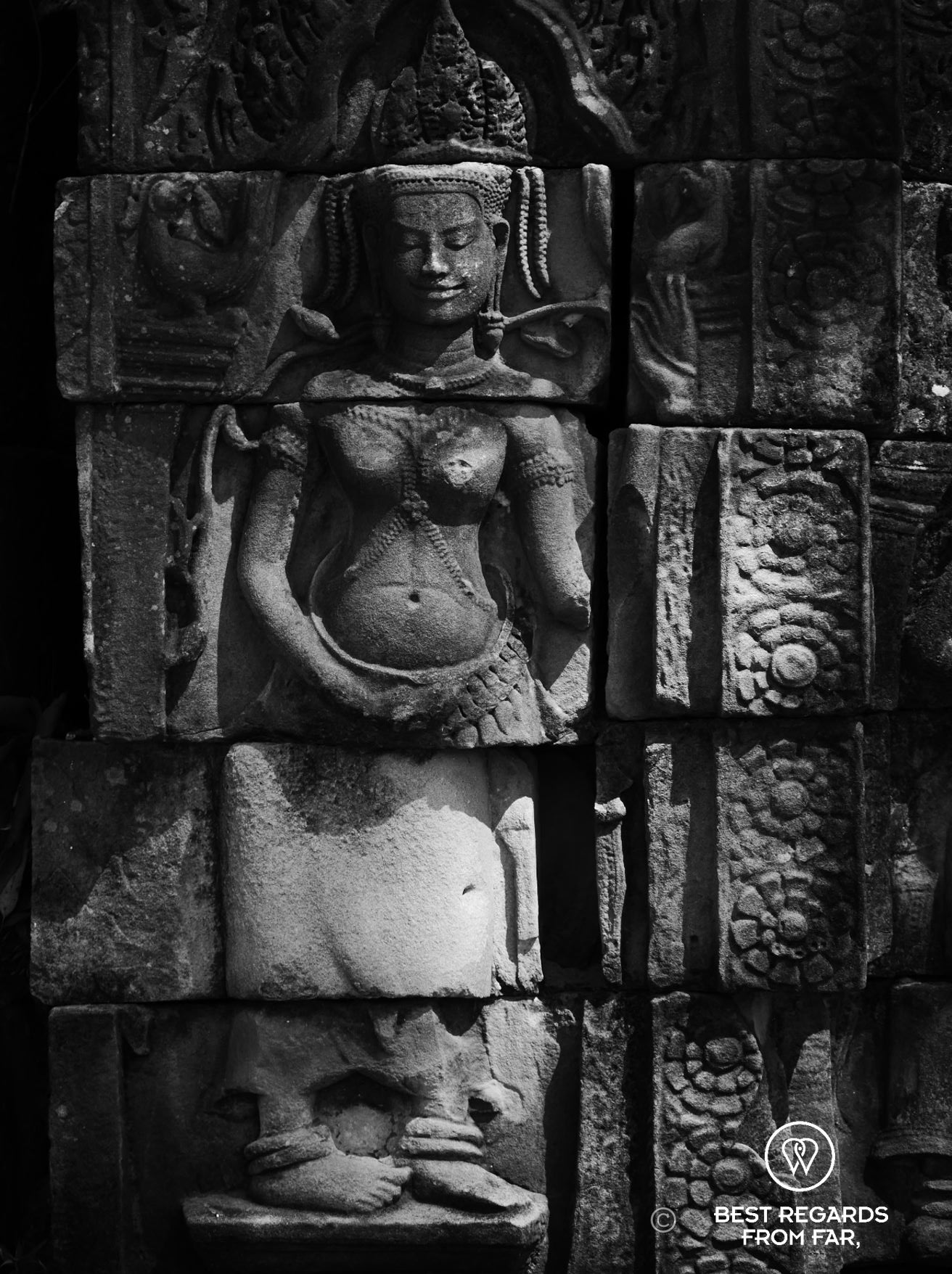
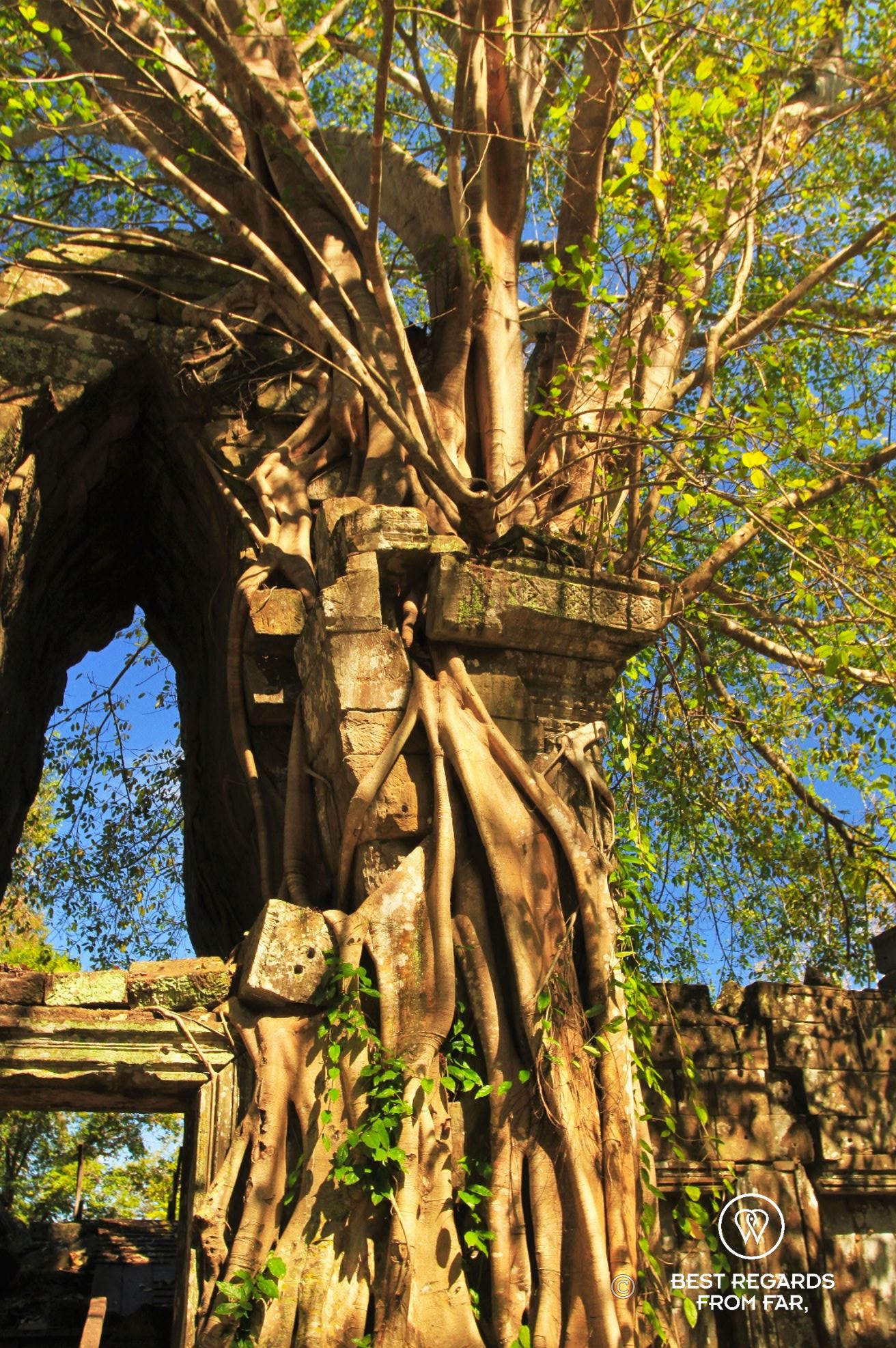
Shaded by towering trees and a lush vegetation, the central Prasat Bakan temple radiates its sacred energy. Locals still leave offerings here, by the most revered temples of Preah Khan, honoring its history. The temple’s apsaras—heavenly dancers with their soft smiles wearing precious garments—appear almost alive, entwined with the roots of strangler figs that snake through crumbling walls. Bas-reliefs peek through piles of rubble, seemingly lifted by the surrounding vegetation. Silent guardian of a site suspended in time, the head of the Naga—half human, half serpent—rises from the grass.


The Journey Back: A Test of Endurance
As the sun begins to sink, we brace ourselves for the long ride back. With 70 kilometers of punishing dirt roads ahead before we reach smooth asphalt to Siem Reap, we pass wooden shacks and villages where smiling children ride oversized bicycles around potholes, buffaloes roam, and chickens scatter across the trails. The sense of remoteness persists, reminding us that Preah Khan’s isolation is part of its magic—and its challenge.


A Temple for Adventurers
Preah Khan is not for the faint-hearted. Its remoteness, rugged roads, and lack of infrastructure make it an adventure in every sense of the word. Yet for those willing to embrace the journey, the reward is a rare and intimate connection with one of Cambodia’s most mysterious and beautiful temple complexes. It is a place where history whispers from the stones, and solitude amplifies every moment.
Travel tips:
- Visit the excellent National Museum of Cambodia in Phnom Penh to view artifacts recovered from Preah Khan.
- If you do not feel up for the 2-wheeler adventure, consider joining a guided tour from Siem Reap to explore Preah Khan, as navigating the dirt roads can be challenging, especially in the rainy season.
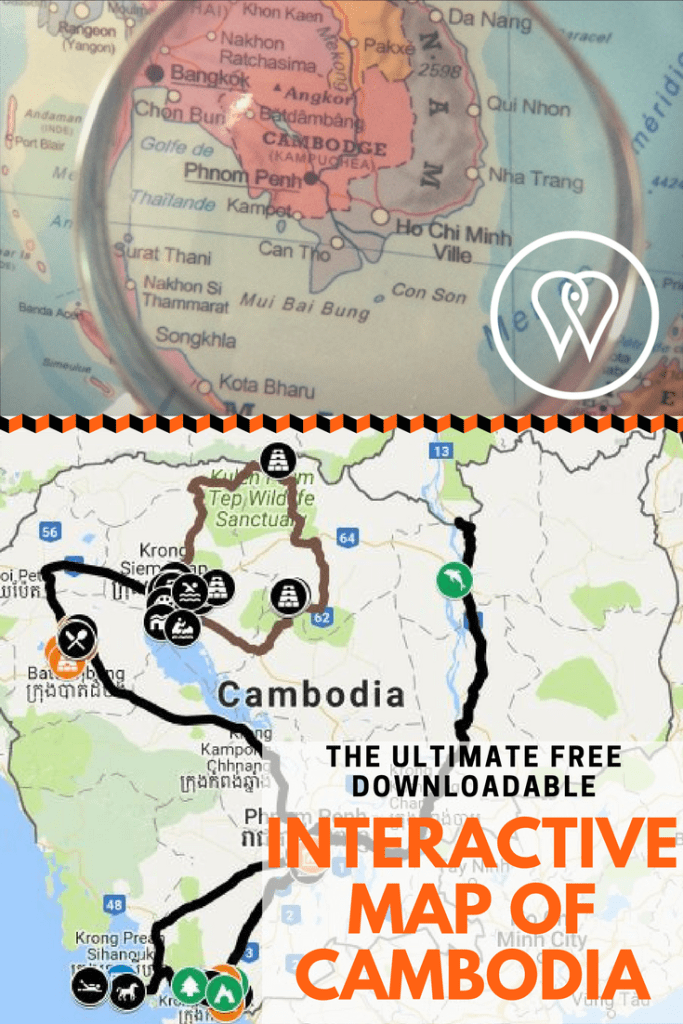
- Use this interactive map to plan your multi-day trip and explore other nearby attractions like Preah Vihear (zoom in and out, and black pins lead to more articles about the area):
For more in Cambodia, click on the images below:




 Best regards from far,
Just amazing. What a stunning place. I didn’t visit this temple but did several others.
Thanks, it is truly magical there! Which temples did you visit?
Great post, enjoyed reading this !
Thanks Megala, happy you enjoyed it 🙂 Based on what you write about, you may want to check out our articles entitled « a taste of Cambodia » and « a taste of Thailand ». We love Indian food and would love to write about « a taste of India »!