Article updated on January 19, 2024
Text & photos: Claire Lessiau & Marcella van Alphen
The setting sun colours the isles of the Inland Sea as we drive along the northern coastline of the off-the-beaten-path island of Shikoku in Japan. The close-by village of Ozu is one of the rare places where the ancient tradition of cormorant fishing still takes place, on the Hijikawa River. This way of fishing, called ukai in Japanese, dates back approximately to the 8th century: skilled fishermen use trained cormorants to fish for them. There are only four or five places in the world, including three in Japan where this ancient tradition can still be witnessed, and it happens only during a few summer months.
Pin it for later!

Arriving shortly after dusk, our heartbeats increase when two boats with torches appear on the river out of the dark: ukai is in progress!
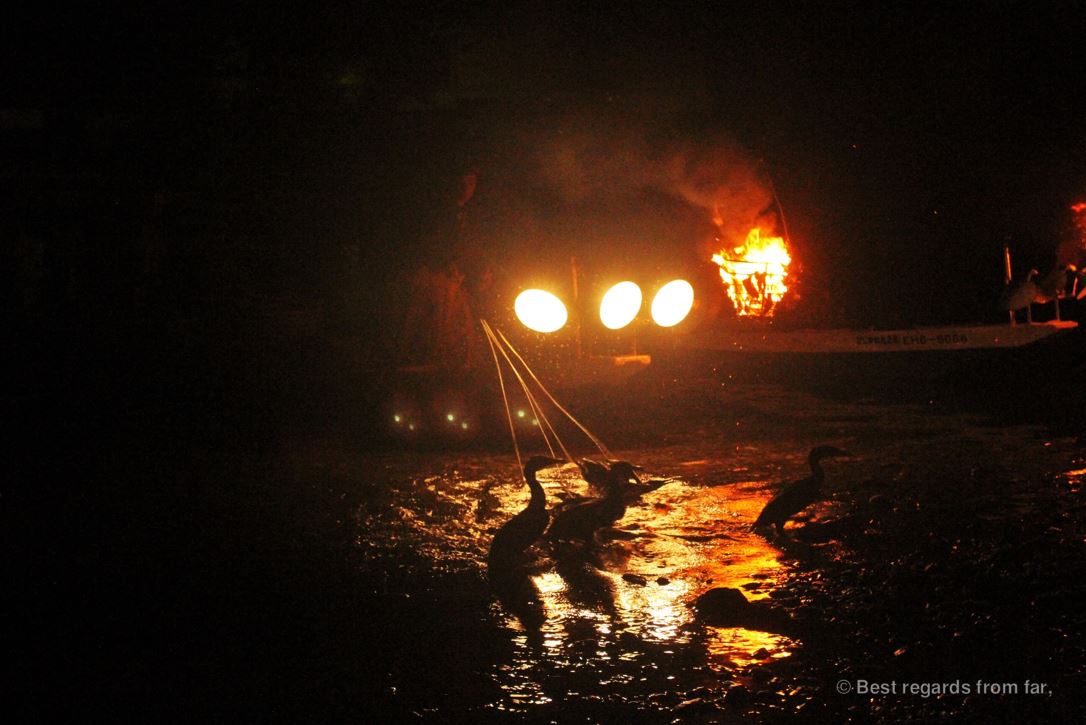

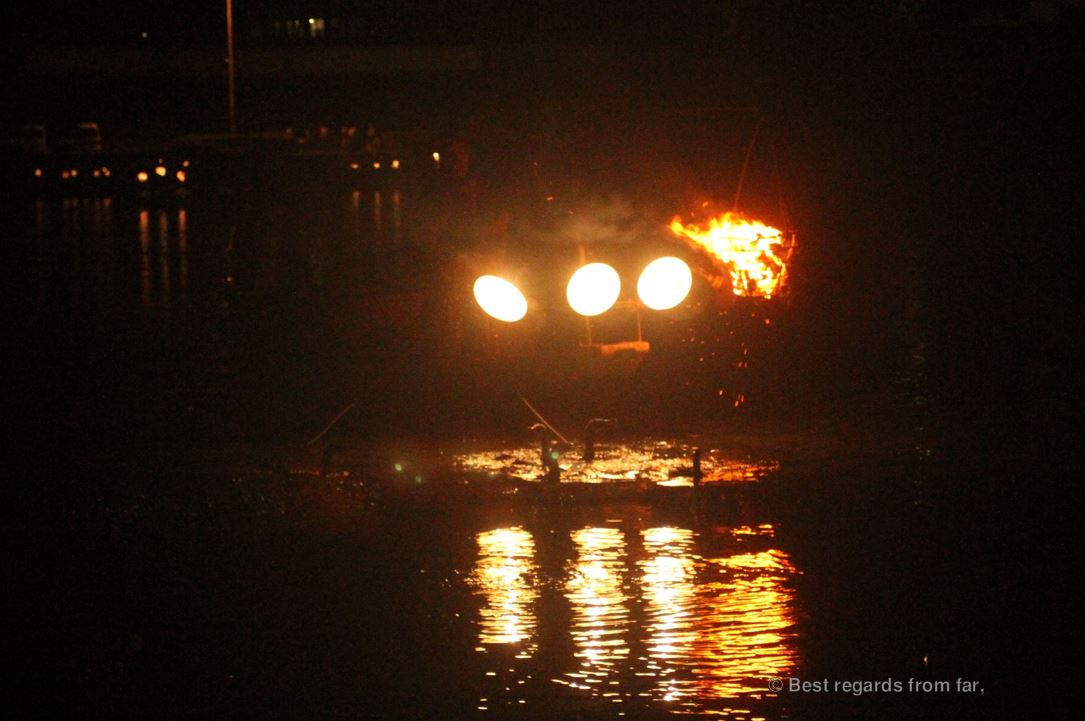
We walk along the river banks briskly to keep up with the pace of the bonfire. The boats are manned by three men, including the master cormorant fisherman standing at the torch, who can be recognised by his traditional cloth (a koshi-mino which is a kind of skirt made of straw). He is skilfully handling about a dozen cormorants on leashes which enthusiastically dive to catch fish by the side of the boat. They eagerly swallow the small ones that are attracted by the light of the bonfire, and the big ones get stuck in their throats as the rope around their necks prevent them from gulping them down. The master demands the bird to come on board to deliver the catch.
The fishing is about the end, and the small boat lands. Silently, we observe how the cormorants wiggle on shore to be carefully put in a big basket one by one before being driven away while fishermen put off their torches and gather their catches.
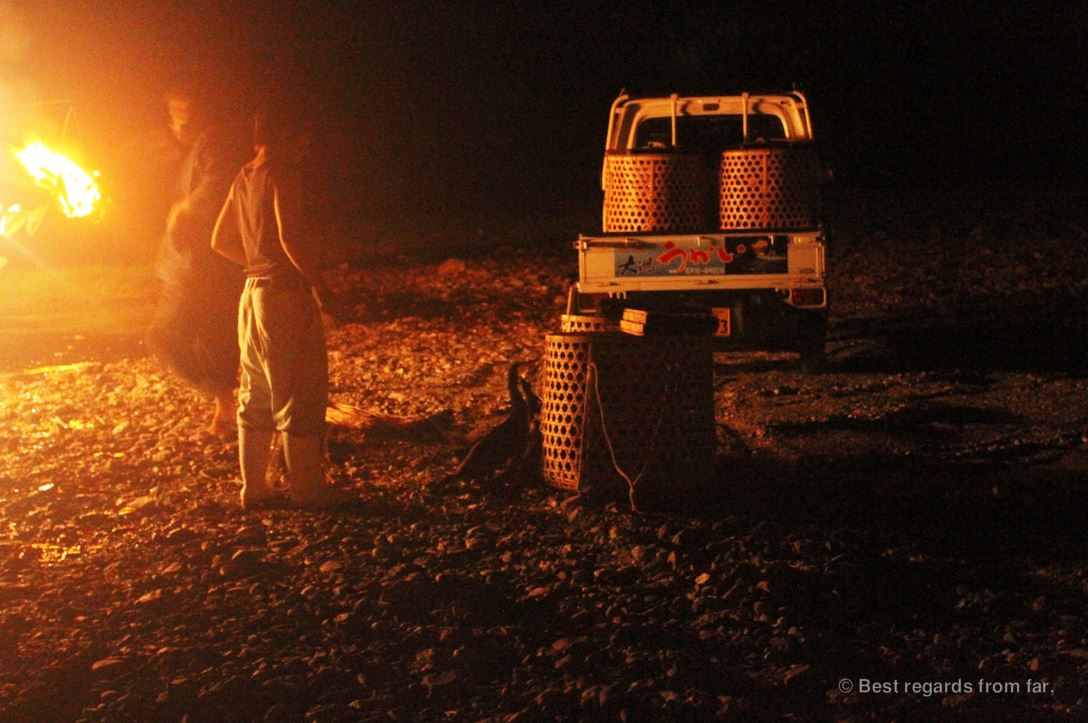
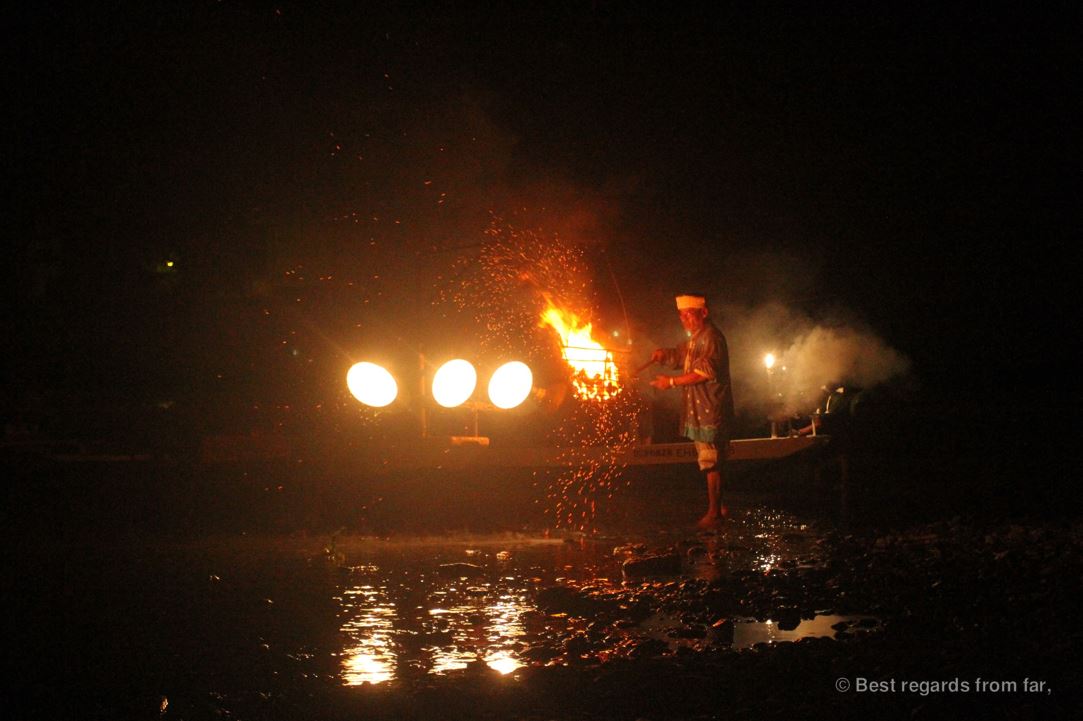
This fishing technique may seem cruel and is controversial, especially as it is no more a mean of making a living, but of keeping a tradition alive. We witnessed the cormorants being treated with great care by their masters, and learnt that they are raised, trained, and treated like family members, with a life expectancy much longer than in the wild.
Travel tips:
- Check out this interactive map for the specific details to help you plan your trip and more articles (zoom out) about the area!
For everything about Japan, click here!
You may also be interested in:





 Best regards from far,
One Comment Add yours