Text & Photographs: Claire Lessiau & Marcella van Alphen
Nestled on the Bolivian side of Lake Titicaca, close to the Peruvian border, lies Isla del Sol, an island blessed with spectacular scenery, a fascinating history, and inhabitants who have opened their narrow trails across their fertile land to visitors. These Aymara and Quechua communities live their life according to ancient traditions on the scenic island, a mere one-hour boat ride away from the bustling touristic hub Copacabana. Breathing authenticity and tranquility, Isla del Sol has more to offer than just a perfect weekend getaway that gives a glimpse into local customs. Here are 6 compelling reasons to extend your stay on Isla del Sol when exploring Lake Titicaca.
Pin it for later!
Reason 1: it is the birthplace of the Inca civilization
Lake Titicaca and Isla del Sol more specifically is often considered to be the cradle of Inca civilization. Recent DNA research suggests that today’s inhabitants share their genes with ancient populations related to the Incas. Legend has it that it was here that the half-real half-mythical first Inca Manco Cápac and his sister-wife Mama Ocllo emerged from the sacred rock. Tasked by the Sun God Inti, they embarked on a 20-year long journey to find a land to build an empire which turned out to be Cusco. Till today the Inca creation myth reminds locals and visitors of the profound connection between Isla del Sol and the first Incas who valued it so deeply that they left many traces…


Reason 2: Bolivia’s most incredible Inca ruins
It is not a myth that the Incas lived on the island. The fast-growing civilization that mastered agriculture, engineering, and construction left deep marks. Today fascinating Inca ruins are scattered all over Isla de Sol.
Pilko Kaina (The Temple of the Sun)
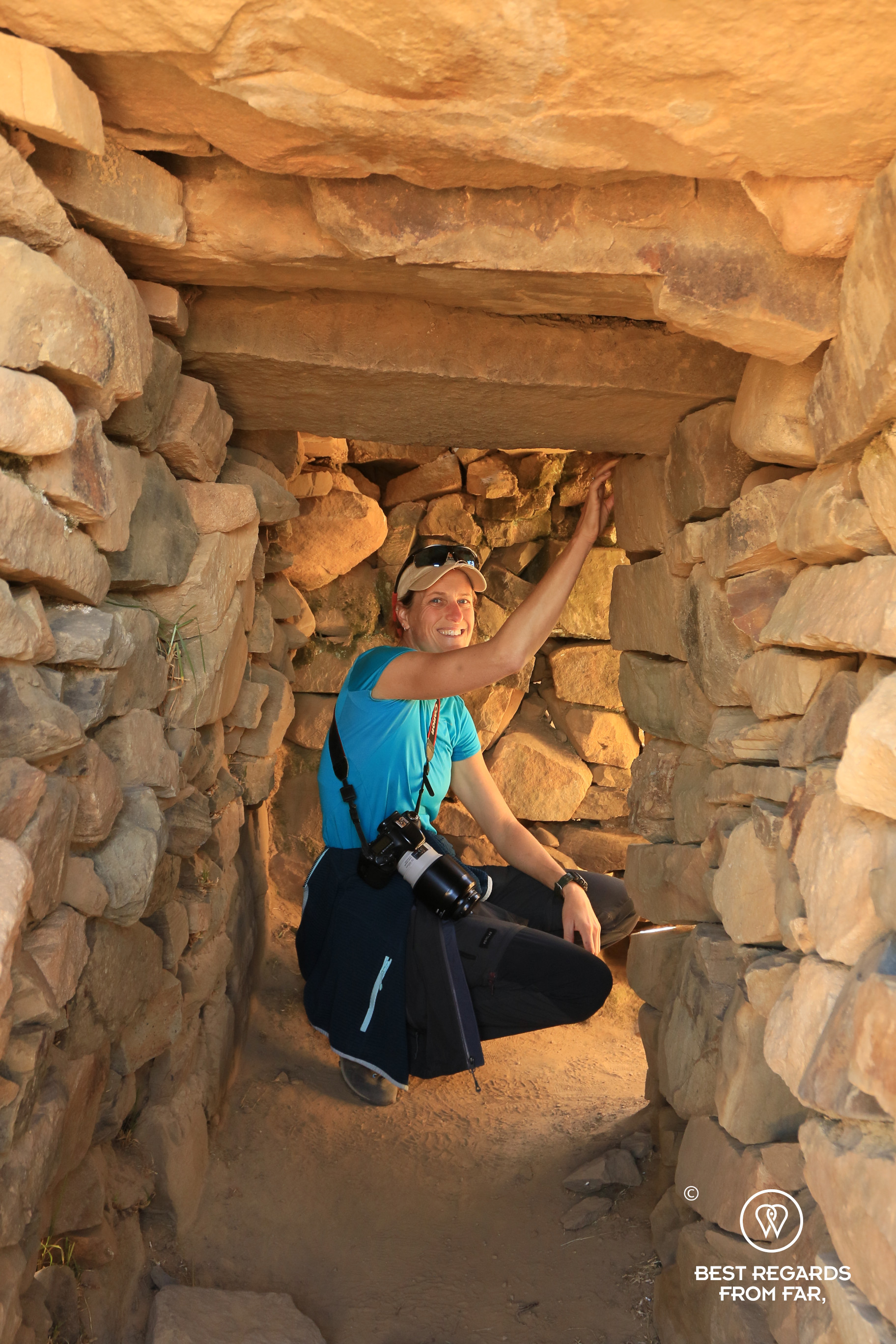
This ancient Incan palace in the southern part of the island is dedicated to the Sun God Inti. The two-story structure boosts magnificent views over the lake and is an excellent example of the impressive stonework skills the Incas possessed. To this day coca leaves that are offered by locals to the gods can often be found in the small niches in which the Incas used to venerate holy objects.


Chinkana (The Labyrinth)
Located in the northern part of the island, Chinkana is one of the largest and most important Inca complexes on Isla del Sol. The site is a maze of stone walls, rooms, and passages believed to have been used by priests for spiritual purposes. Still covered in mystery, exploring the maze and secret alleys often opens up to sublime vistas on the deep blue of Lake Titicaca.



Escalera del Inca (The Sacred Staircase)
This impressive meticulously built stone staircase is located near the small Yumani harbor where most boats land. It leads to the fountain of the Inca, la fuente del Inca, to the song of birds attracted by the stream flowing parallel to the staircase. The fresh water of the spring is said to give eternal youth to anyone who drinks from the spring…


Reason 3: Isla del Sol is car free
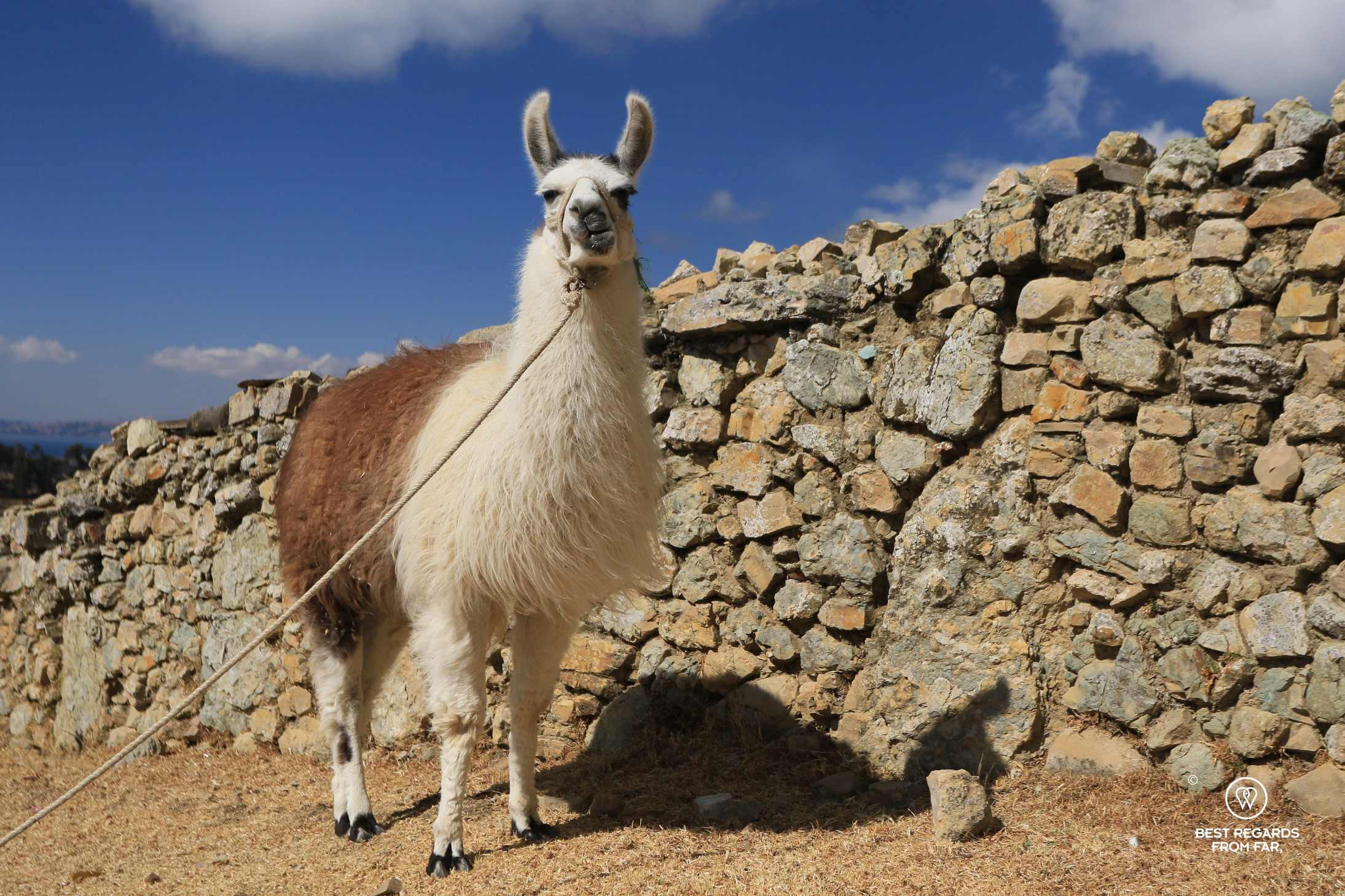
On the island luggage of visitors and other goods are transported by lamas or donkeys often herded by women with their characteristic long black braids, one falling over each shoulder, and wearing their typical colorful clothes.
The clean air, tranquil atmosphere, and silence contrast with the busy and touristic Copacabana and invite visitors to slow down and enjoy the island to the fullest.

Reason 4: It is a hiker’s paradise
With no vehicles on the island, the settlements are linked only by boat or by walking the numerous and well-trodden trails. All the historical sites can be visited during a rather demanding and long day hiking around the island. The scenery is diverse with arid mountains, rocky hills, cultivated terraces, small villages, and sandy beaches rising out of the turquoise to deep blue waters of the lake which are the perfect way to cool down during the warmer summer months.
Given the elevation, it can take some acclimating to enjoy the landscapes and archeological sites to the fullest.


Reason 5: Spectacular sunrises and sunsets
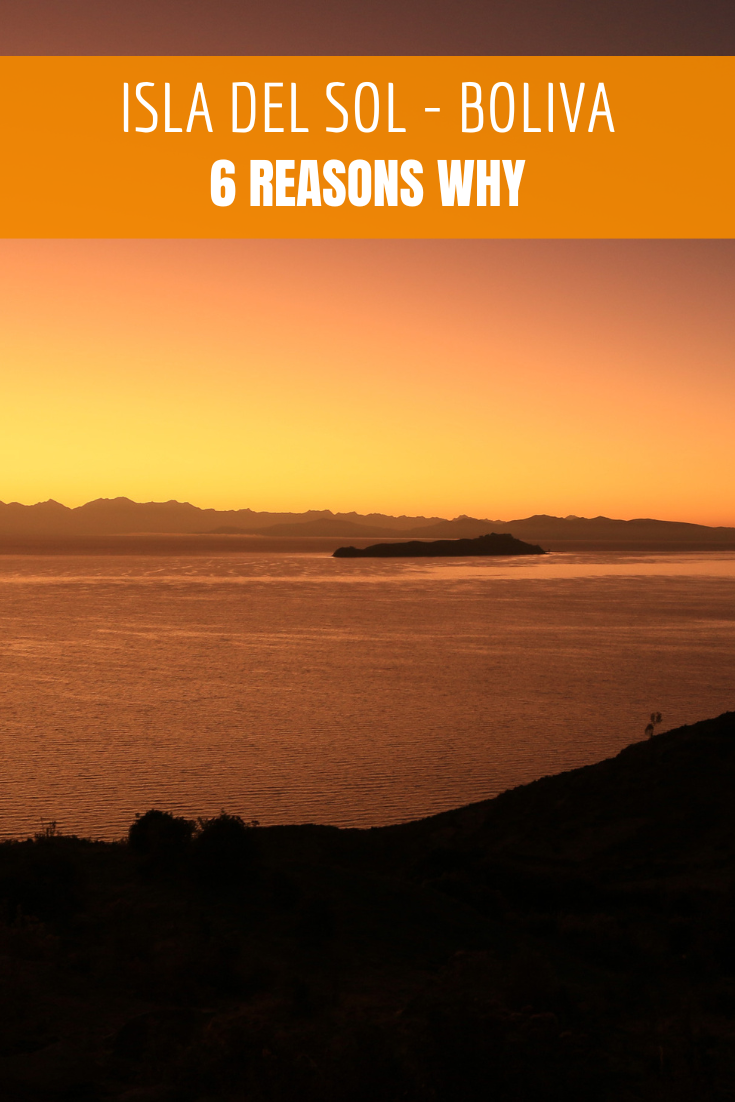
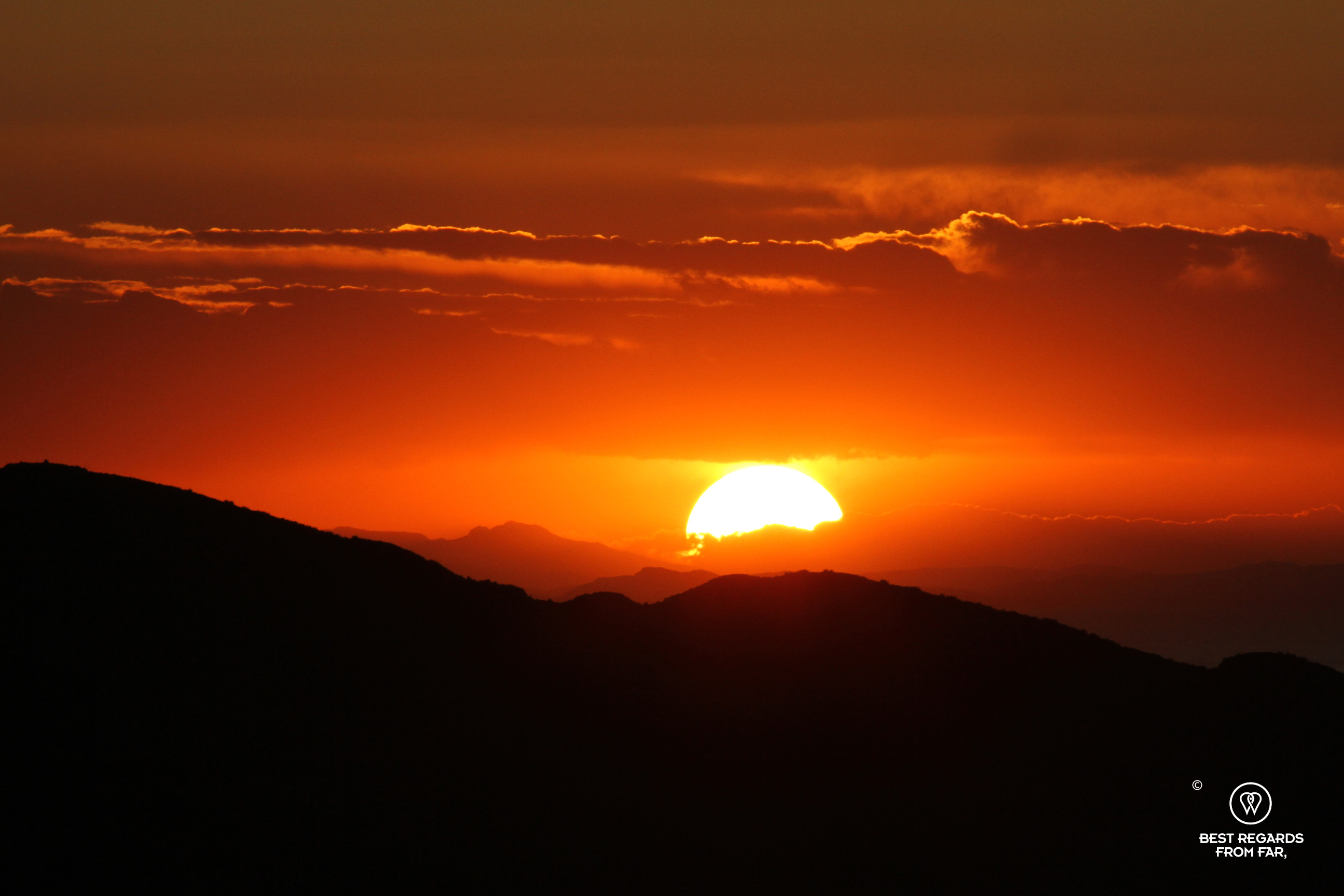
Isla del Sol that translates as island of the Sun is believed to be the birthplace of the Sun God Inti, the Incas most venerated god. Not surprisingly, it is one of the best spots of the country to gaze at sunrise and sunset.
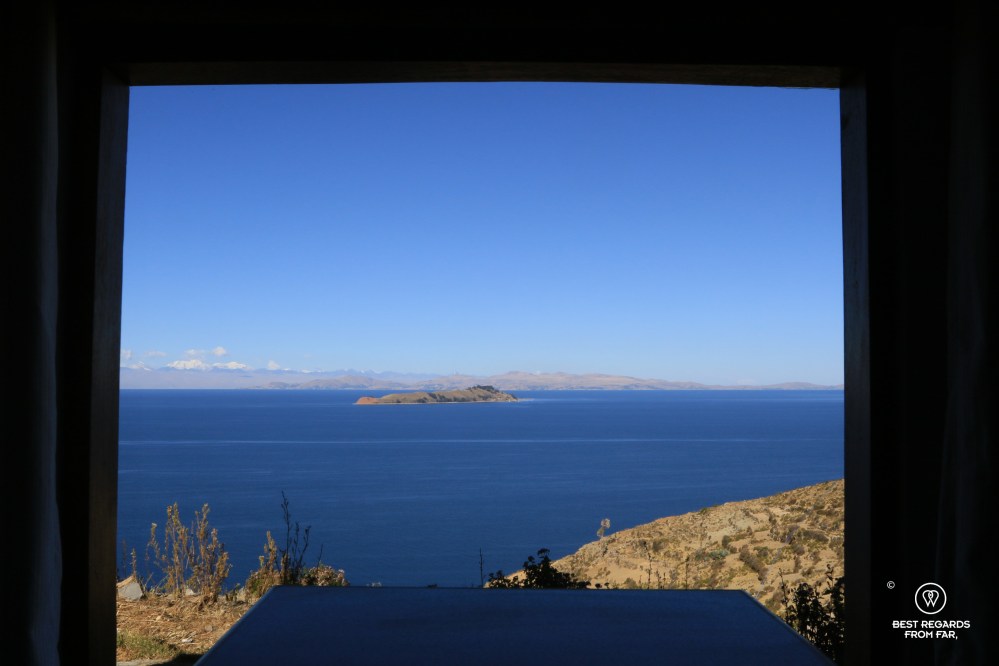
Early, the sun rising over the Andes bathing world’s highest navigable lake in a golden glow is a breathtaking sight to be contemplated anywhere on the east shore of the island.
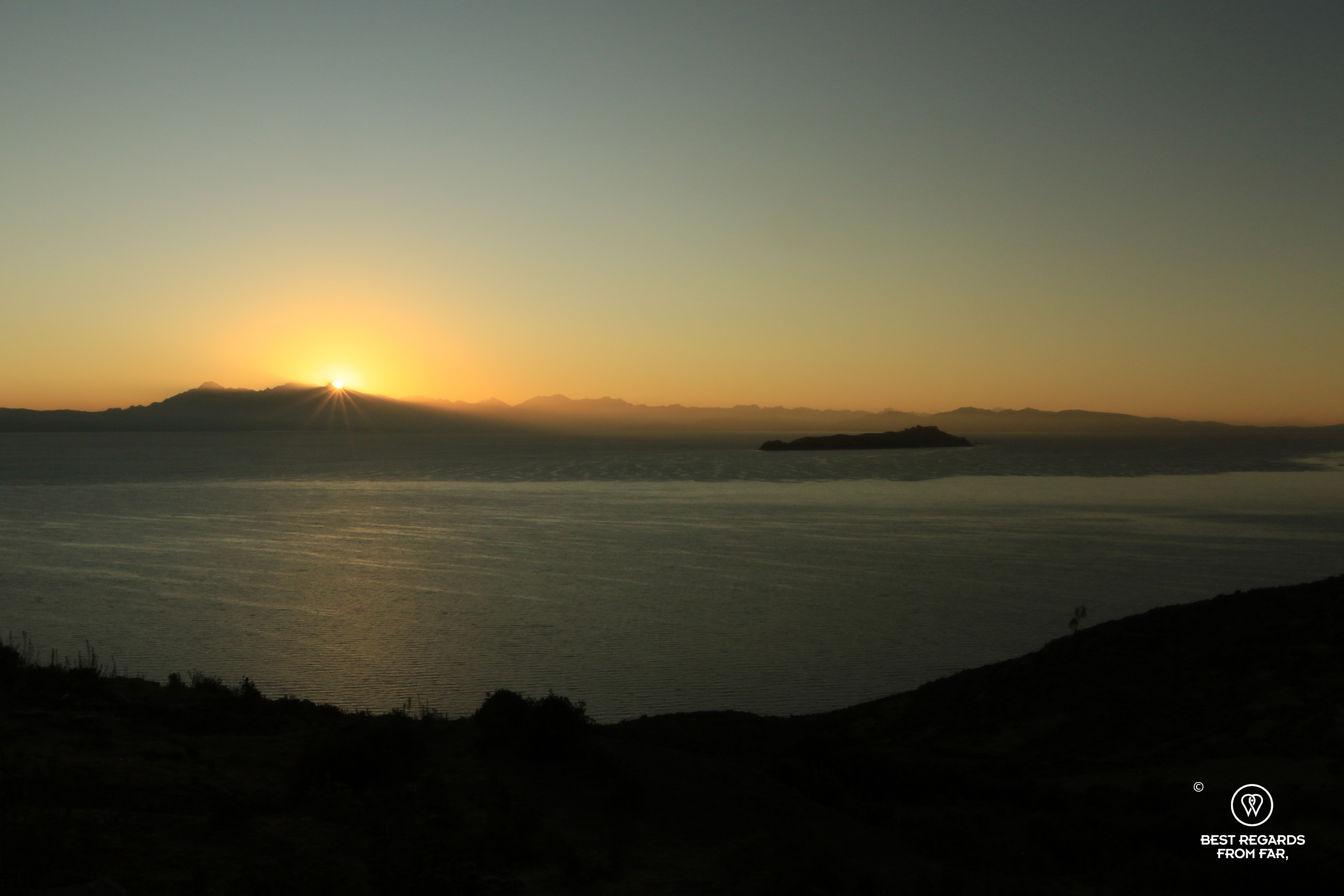


At dusk, the sunset is also spectacular especially from the observation platform at a higher point in the middle of Isla del Sol or from a small terrace over a Bolivian wine from the west side of the island.

Reason 6: Ecotourism paving the way [K’aracirca Ecolodge]
Aymara and Quechua communities live on the island with traditions and lifestyles still deeply connected to the land and their ancestors. If the investment can be steep for local families, it seems logic that ecotourism is starting to pave the way.
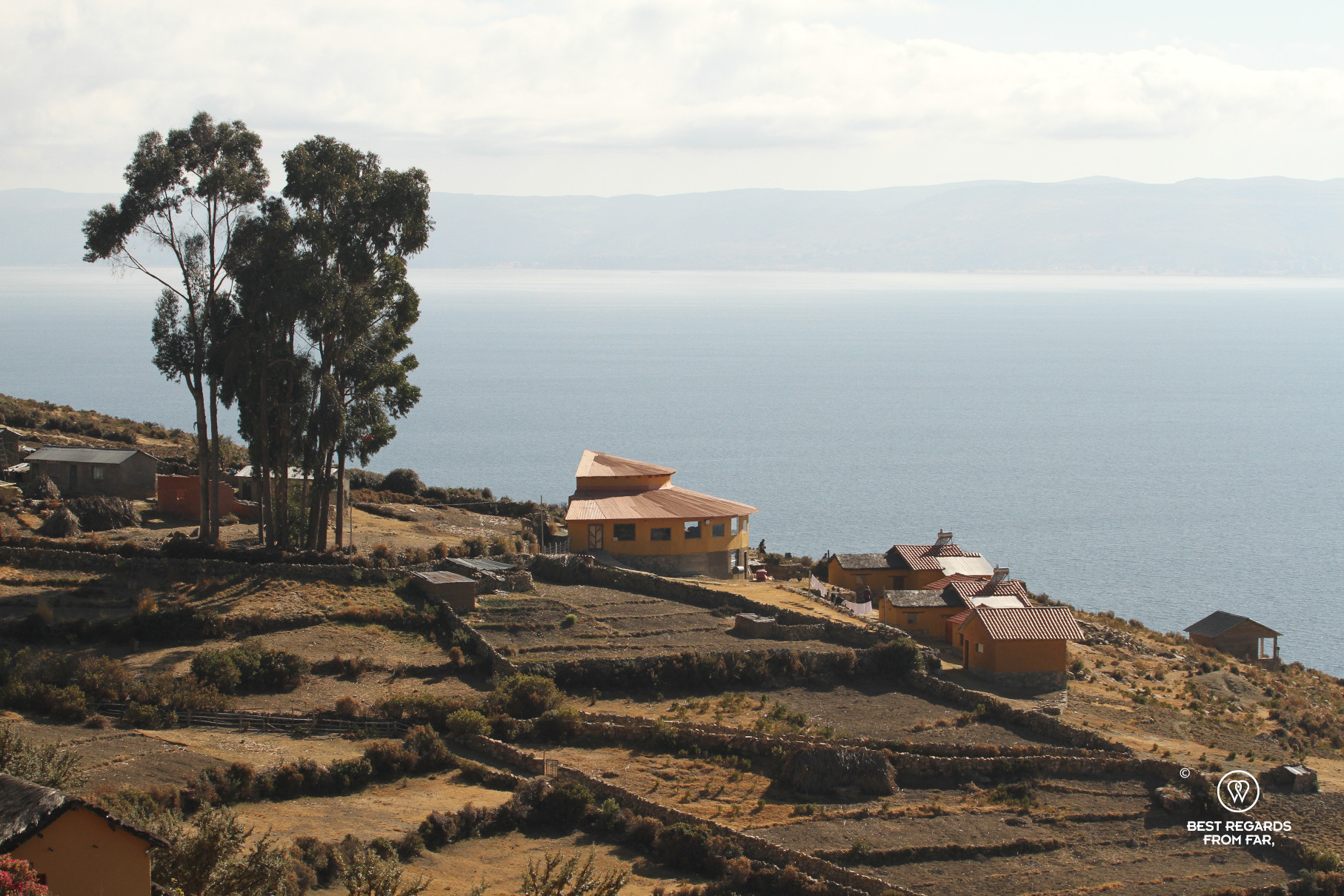
Beyond solar showers, the commitment to sustainability becomes apparent when traditional building techniques are preserved. Instead of transporting new building materials from the mainland, it is not uncommon to see men shaping adobe clay bricks and letting them dry in the sun for a new construction. Others cultivate the terraced fields according to age-old traditions also contributing to limiting erosions and maintaining the scenic manufactured landscape.
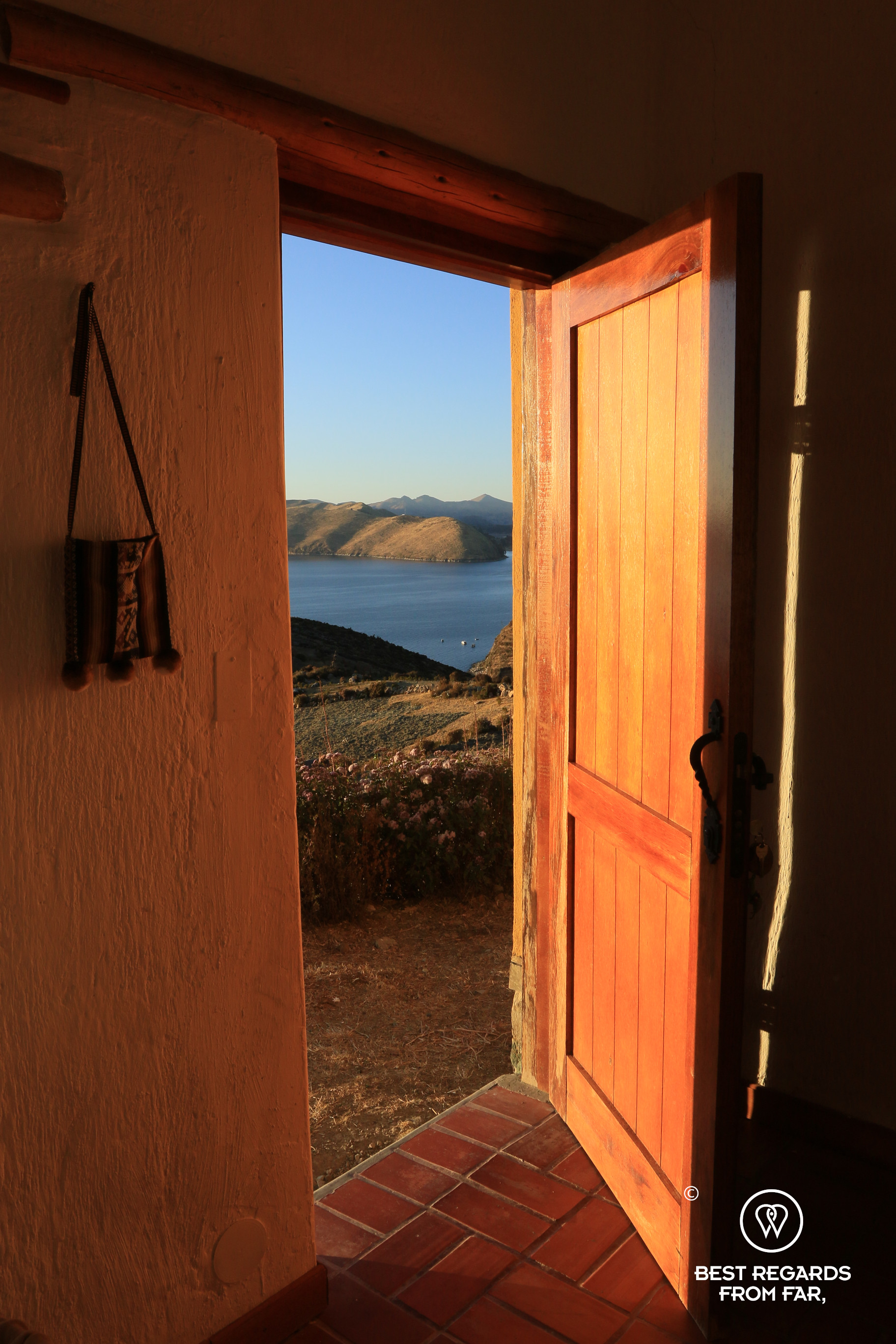
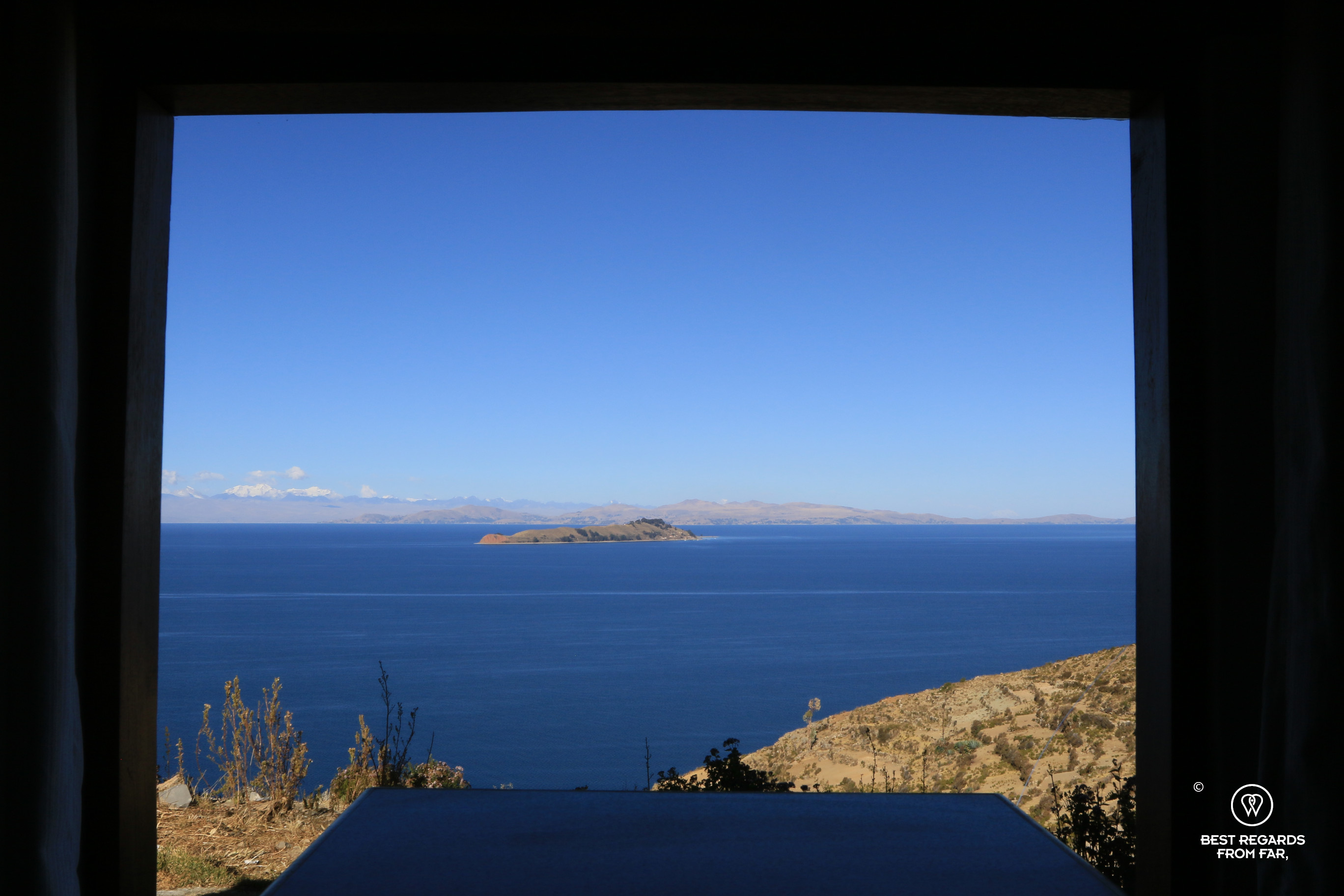
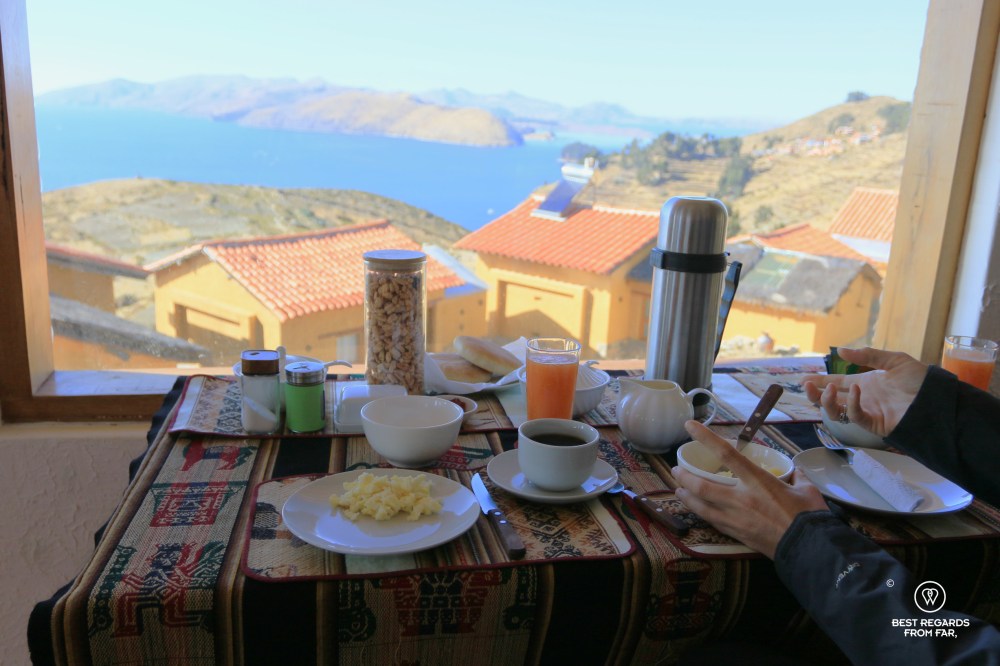
The K’aracirca Ecolodge is such a family-run gem. The comfortable adobe clay brick bungalows open on the east side of the island for spectacular sunrises from the warmth of the bedroom decorated with some sober traditional crafts. Surrounded by fields worked by the family members and roamed by their donkeys and lamas that also carry the luggage of the guests to the lodge when not helping on the terraces, the family has managed to find a healthy balance between tourism and agriculture, staying true to the earthy traditions of Isla del Sol.

Travel tips:
- Boats depart regularly from Copacabana to Yumani, the main port on Isla del Sol. Plan to spend at least a few nights to fully immerse yourself in the island’s beauty and history.
- The K’aracirca Ecolodge is the best accommodation on the island with gas heaters in the rooms, large solar showers, stunning views, and very hospitable hosts.




- Check out our interactive map for more in the area (black pins lead to an article):
For more in Bolivia:


 Best regards from far,