Text: Claire Lessiau
Photographs: Claire Lessiau & Marcella van Alphen
The A320 airliner starts its descent towards Sandakan flying over oil palm plantations that seem to never end as I witness it from my window. After logging made the wealth of the settlement, today the palm oil industry clearly dominates the landscape. If new large-scale plantations are not an option anymore for major companies, many local landowners like Eric, our nature guide for the next three days during a safari on the Kinabatangan River, have turned to the lucrative palm oil to secure revenues, especially after the disastrous Covid years.
Pin it for later!

Imported by the British from West Africa to Southeast Asia, the fruit of the Elaeis guineensis produces a cheap and versatile oil that has been widely used in the food industry including animal feed but also in personal care and cleaning products, biofuels, and pharmaceuticals… About half of the packaged products found in supermarkets contains palm oil! The cash crop presents many benefits: according to WWF, palm oil supplies 40 percent of the world’s vegetable oil demand on just under 6 percent of the land used to produce all vegetable oils, and oil palms produce more oil per land area than any other equivalent vegetable oil crop.


The catch though is that these 6 percent of land are located in the fast-disappearing rainforest, our global medicinal garden, lung of the planet, and the most diverse biome on Earth. If a forest hosts an average of 10 tree species per hectare (2.5 acre), a rainforest hosts an average of 480 tree species on the same surface area! This bewildering diversity makes the Bornean rainforest home not only to the poster-species orangutans, but also to proboscis monkeys, pygmy elephants and Sumatran rhinos of which only 30 to 40 individuals are left in the world to name only a few of the most emblematic mammals.

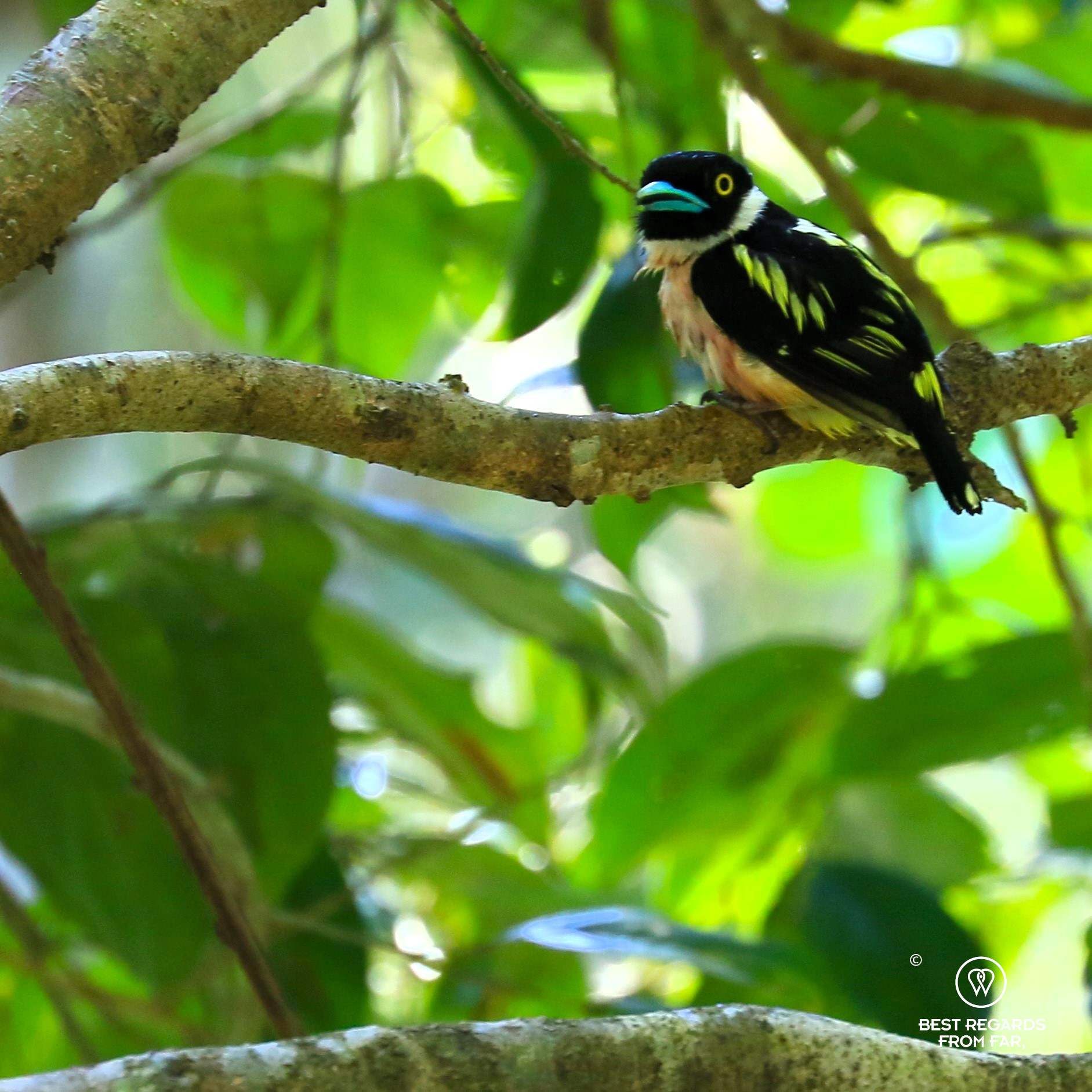
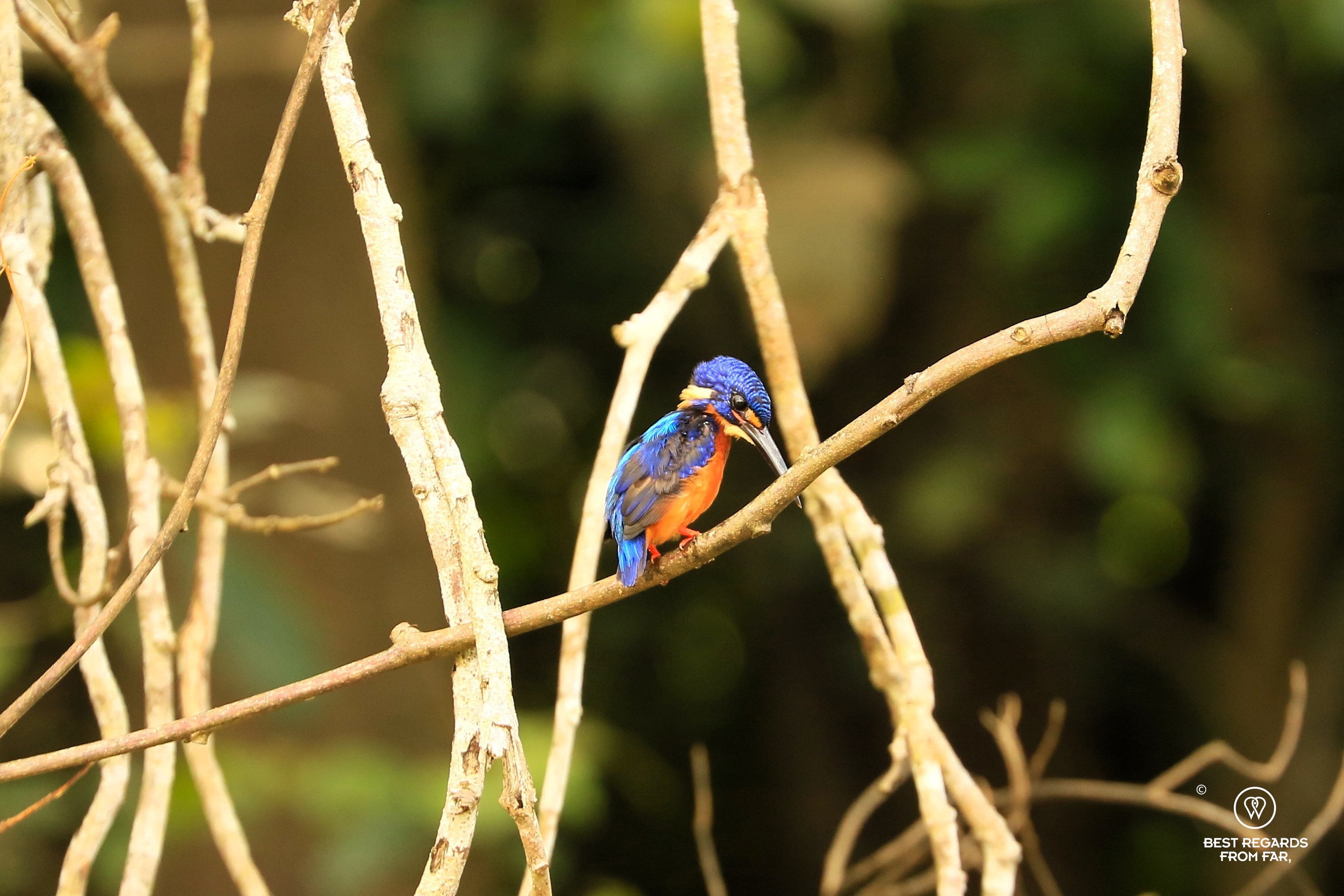
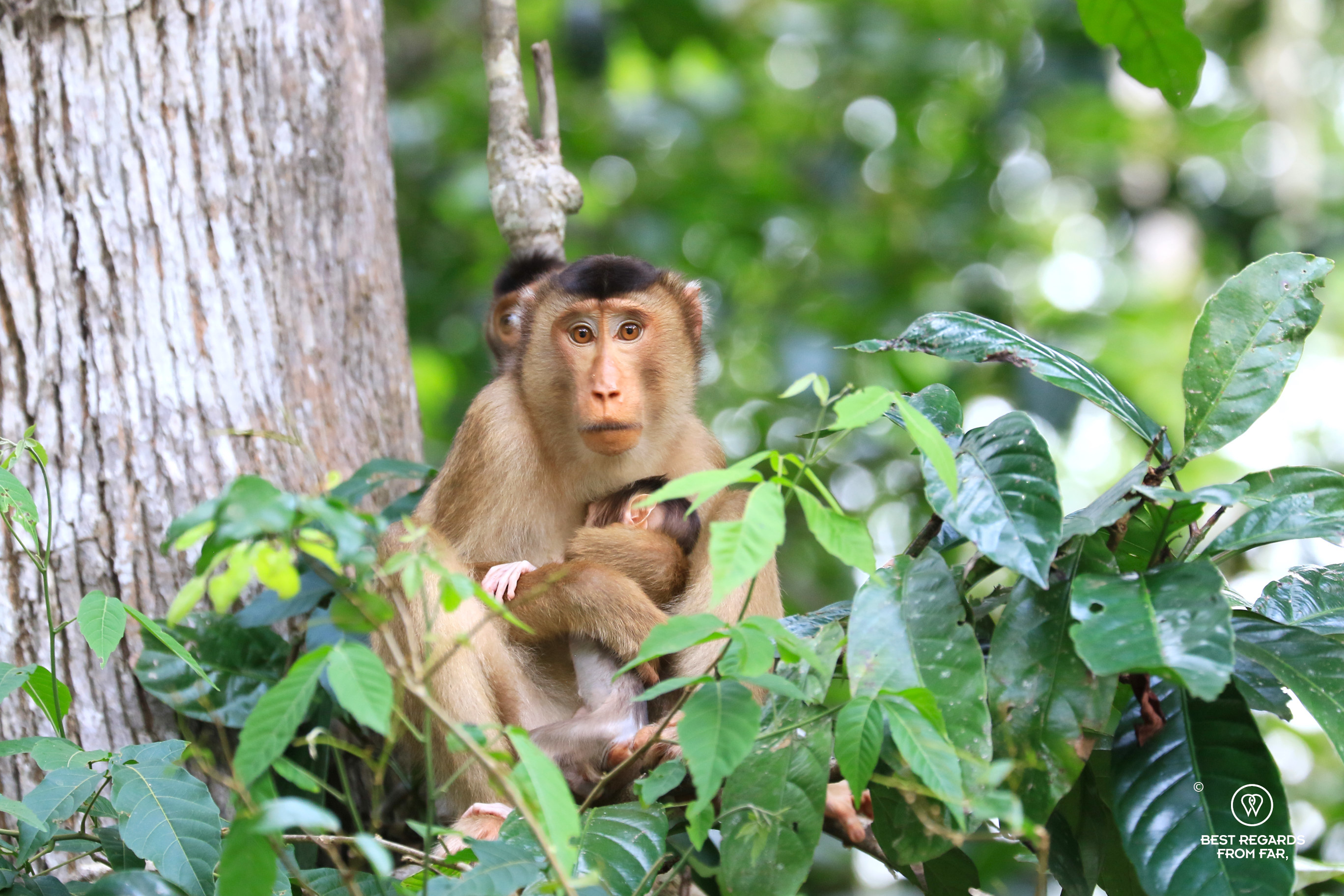
As we are scanning the banks of the Kinabatangan River in search of birds, primates, and pachyderms, we are very conscious of the fact that the success of palm oil has led to millions of hectares of rainforest being wiped out in Malaysia and Indonesia (the latter being world’s first producer and consumer of palm oil), both countries accounting for 85 percent of the palm oil produced globally. According to the National Geographic, since 1947, more than half of the rainforest has been cut down worldwide for agricultural and industrial purposes, plummeting from 14 percent to an all-time low covering only 6 percent of the surface of the Earth today. As a side effect, oil palm plantations dry the peatland on which the rainforest grows leading to large-scale fires like in Indonesia in 2015 contributing significantly to climate change while also reducing the carbon dioxide conversion of the land compared to the previously present rainforest. Consequences go even further as the clearing of the forest has increased the human-wildlife conflicts: occasionally orangutans and pygmy elephants that are seen as pests by palm plantation workers are getting illegally snared, shot, or poisoned intentionally, and maybe also accidentally by water contaminated by chemicals used in the plantations (post-mortem findings have constantly failed to come through).


For the past 30 years while it seems that the awareness about the devastating impact of oil palm plantations on the rainforest and its wildlife has been raised all over the globe, the patches of rainforest have dramatically dropped by a staggering 70 percent around Sandakan in the east of Malaysian Borneo. A short drive out of town, between the frequently visited Bornean Sun Bear Conservation Centre and Sepilok, Borneo’s most popular orangutan rehabilitation centre, a small patch of 4,300 hectares (10,626 acres) of rainforest where ecotourism tours are run has been protected since the 1960s.
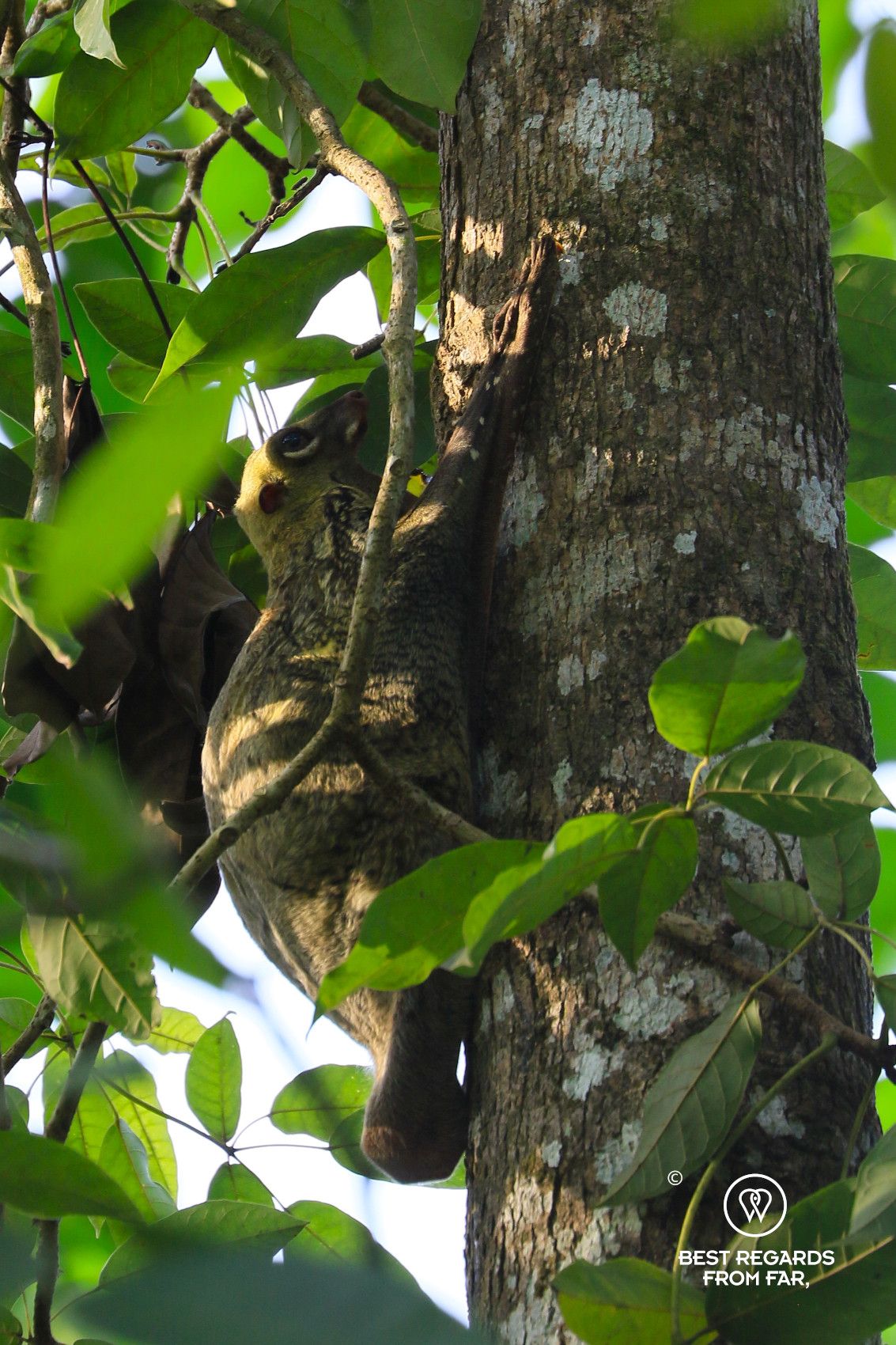

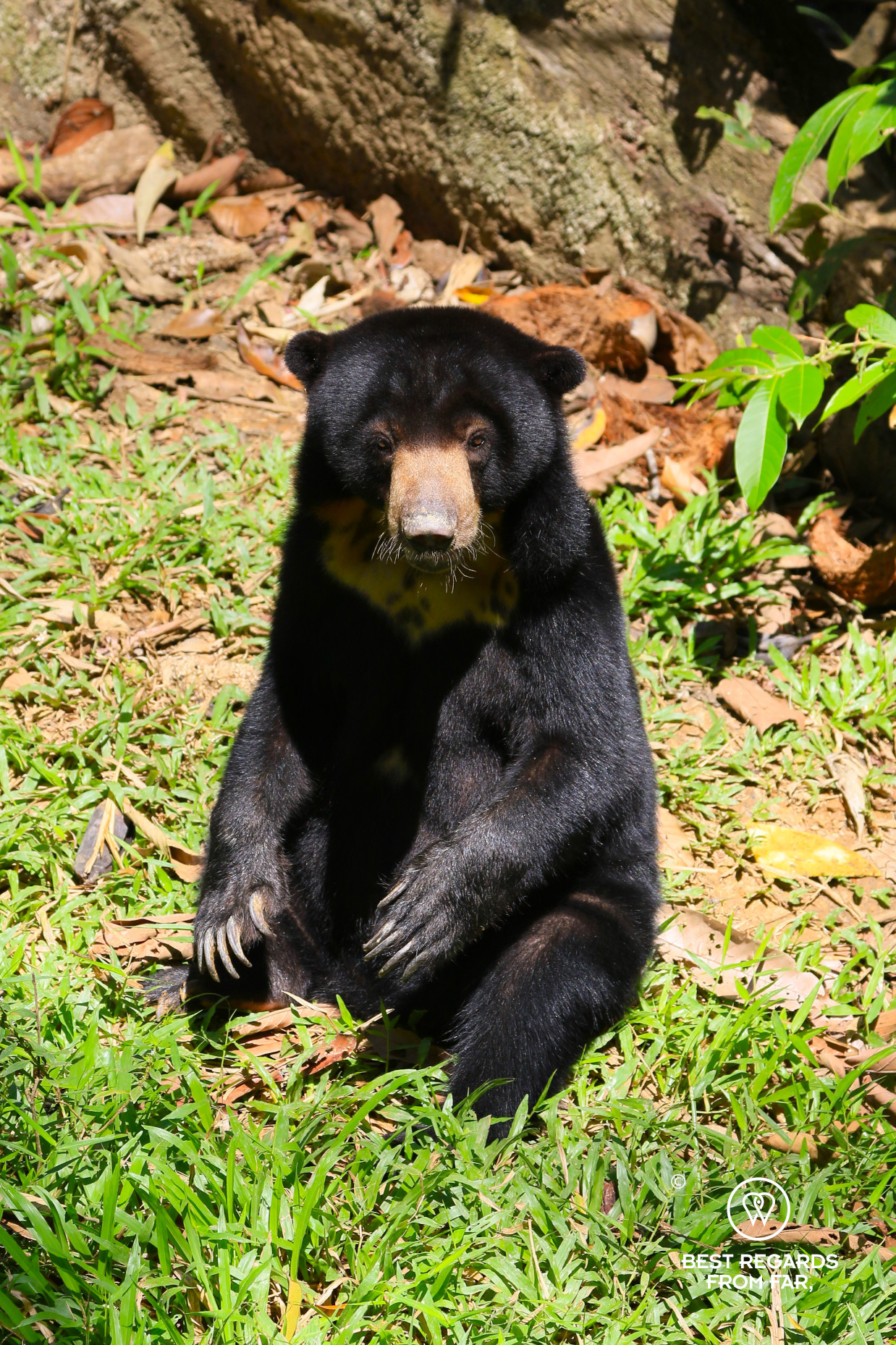
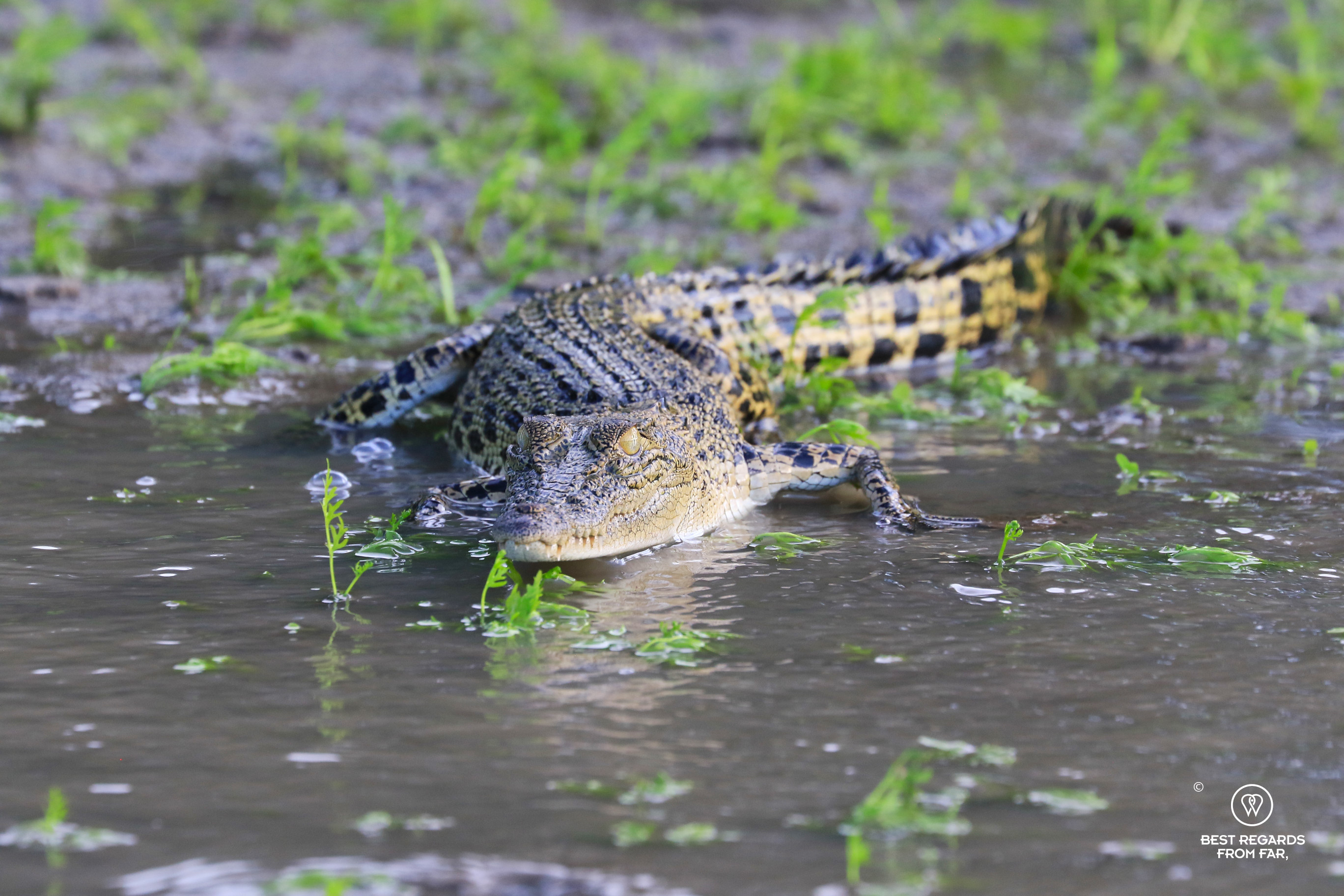
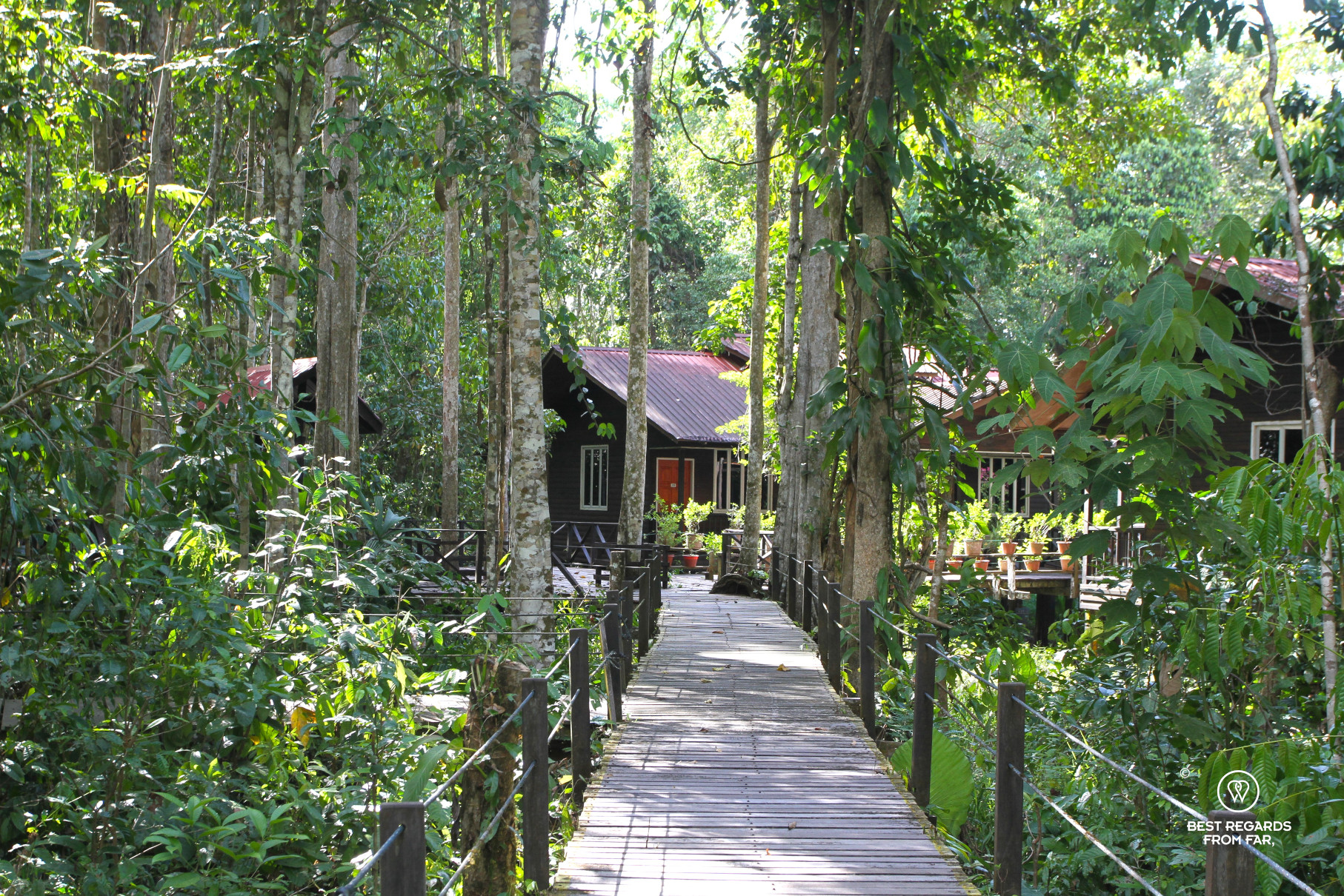
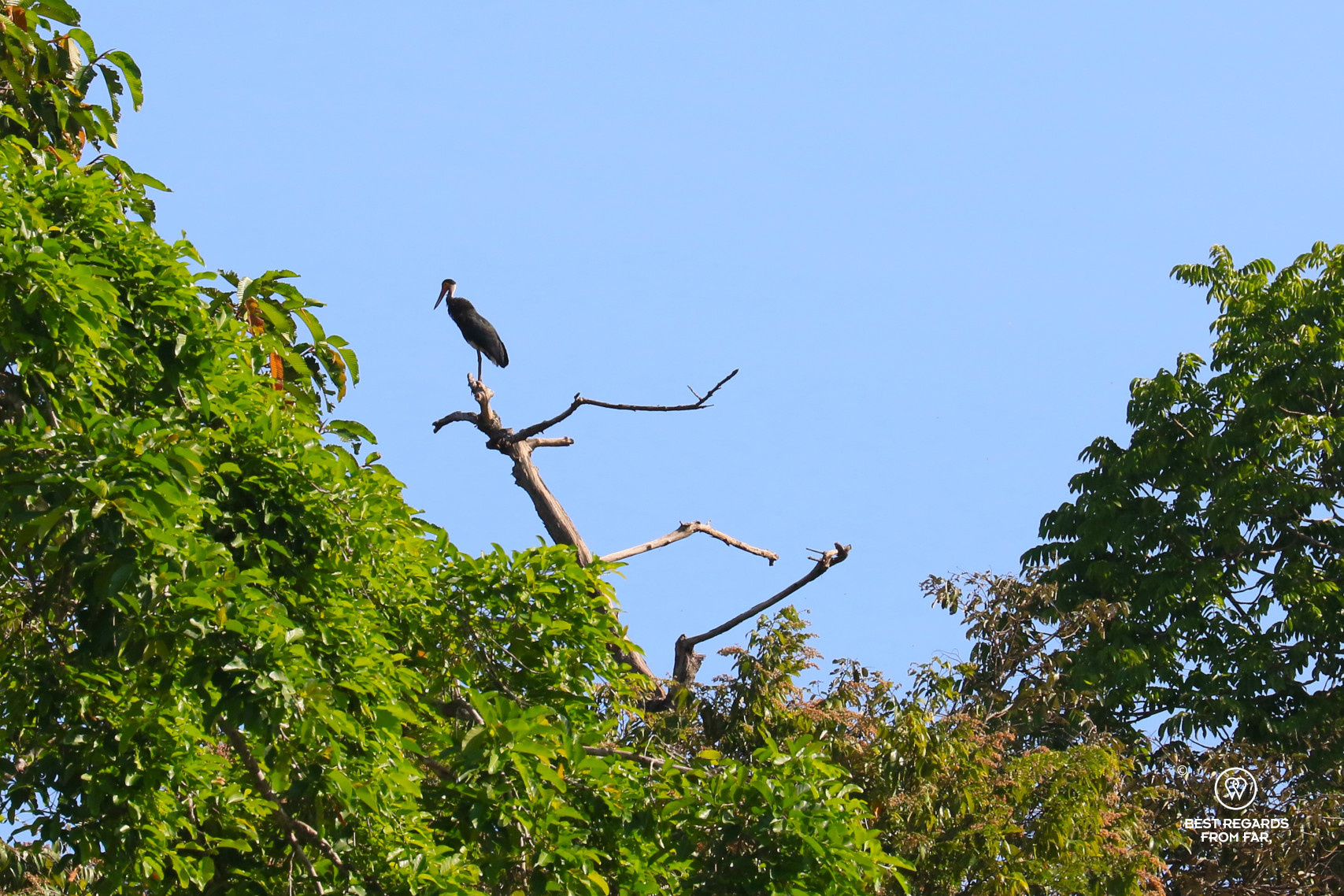
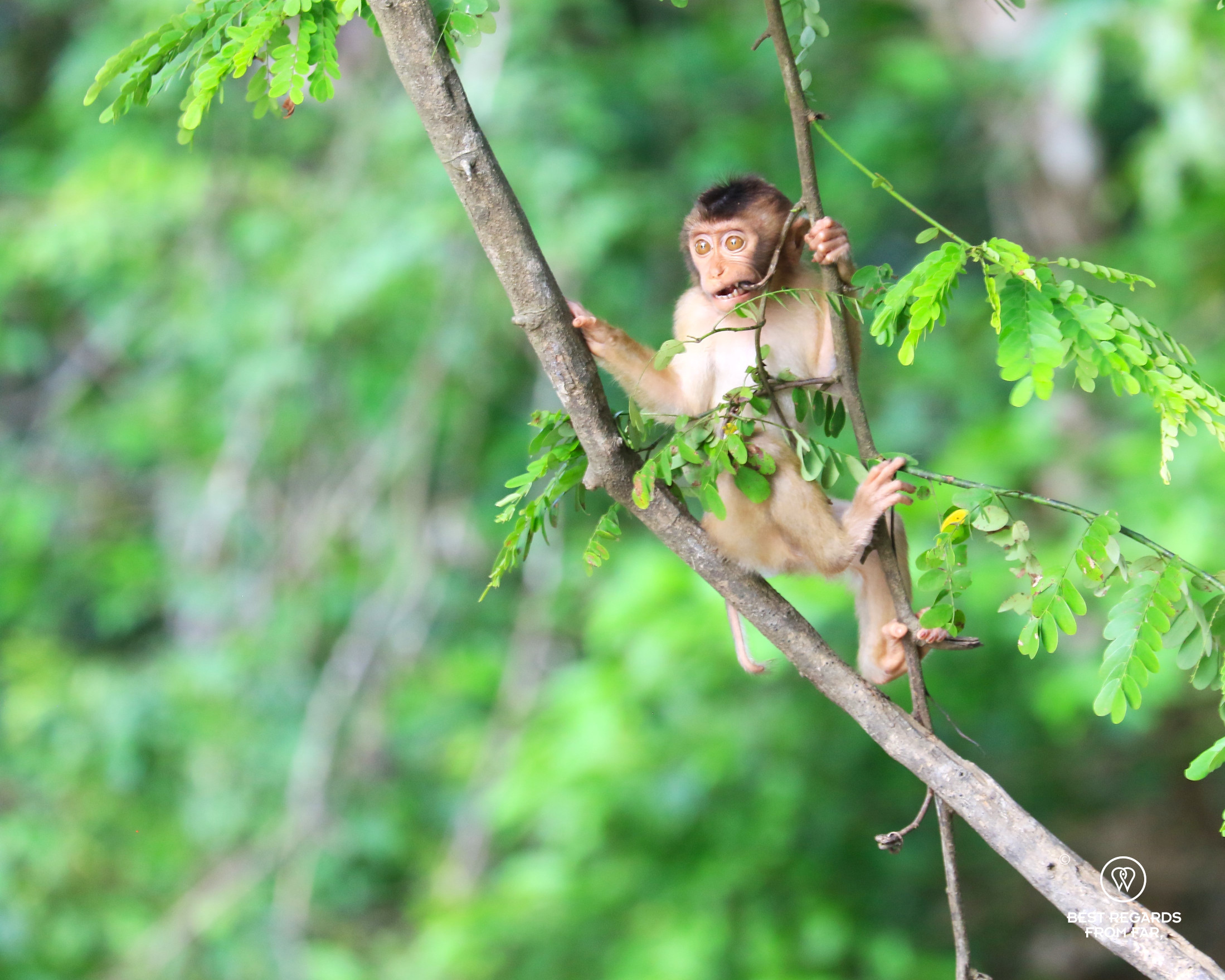
The upside of the fast-reducing rainforest is that wildlife takes shelter in the few remaining jungle corridors where it is easier to spot for nature guides and tourists (sarcasm intended). At sunrise when the tall trees are tainted in an orange hue with the first rays of light and the jungle orchestra gets a notch louder, enchanting melodies betray the presence of gibbons. The not-so-enchanting growl of the hornbill also resonates and reveals their presence as they fly over. Deeper into the “wild”, going up the wide and brown river endangered proboscis monkeys and macaques jump from tree to tree while orangutans swing out of their fresh nests and crocodiles roam the brackish waters of the Kinabatangan River, which muddy banks show fresh track of pygmy elephants.



Various NGOs try to maintain a wildlife corridor in the area and along the Kinabatangan River. Local tourism professionals point to the sustainable initiatives: making the plantations produce longer for about 30 years, reusing the same land to replant instead of deforesting some more, collaborating on the wildlife corridor, and of course getting the “RSPO” (the Roundtable on Sustainable Palm Oil) stamp, the global standard for the sustainable production of palm oil. This accreditation that makes buyers – multinationals in the first place, and us while doing the groceries in the second place – feel much better about the acquired products. But with a supply chain with questionable practices as deforestation is still being carried out by some RSPO-accredited planters, with an organization that is standing up for the planters and moving very, very slowly, and the palm oil (pardon me, it seems to now be called “sustainability-sourced palm oil” on most websites and packages) being so widely used in so many everyday products, too many of the sustainable efforts seem closer to greenwashing.
By no mean can the rainforest survive if local populations cannot generate an income around their land. Beyond the ecotourism initiatives, some other harvests with a smaller impact on the rainforest have been leveraged.
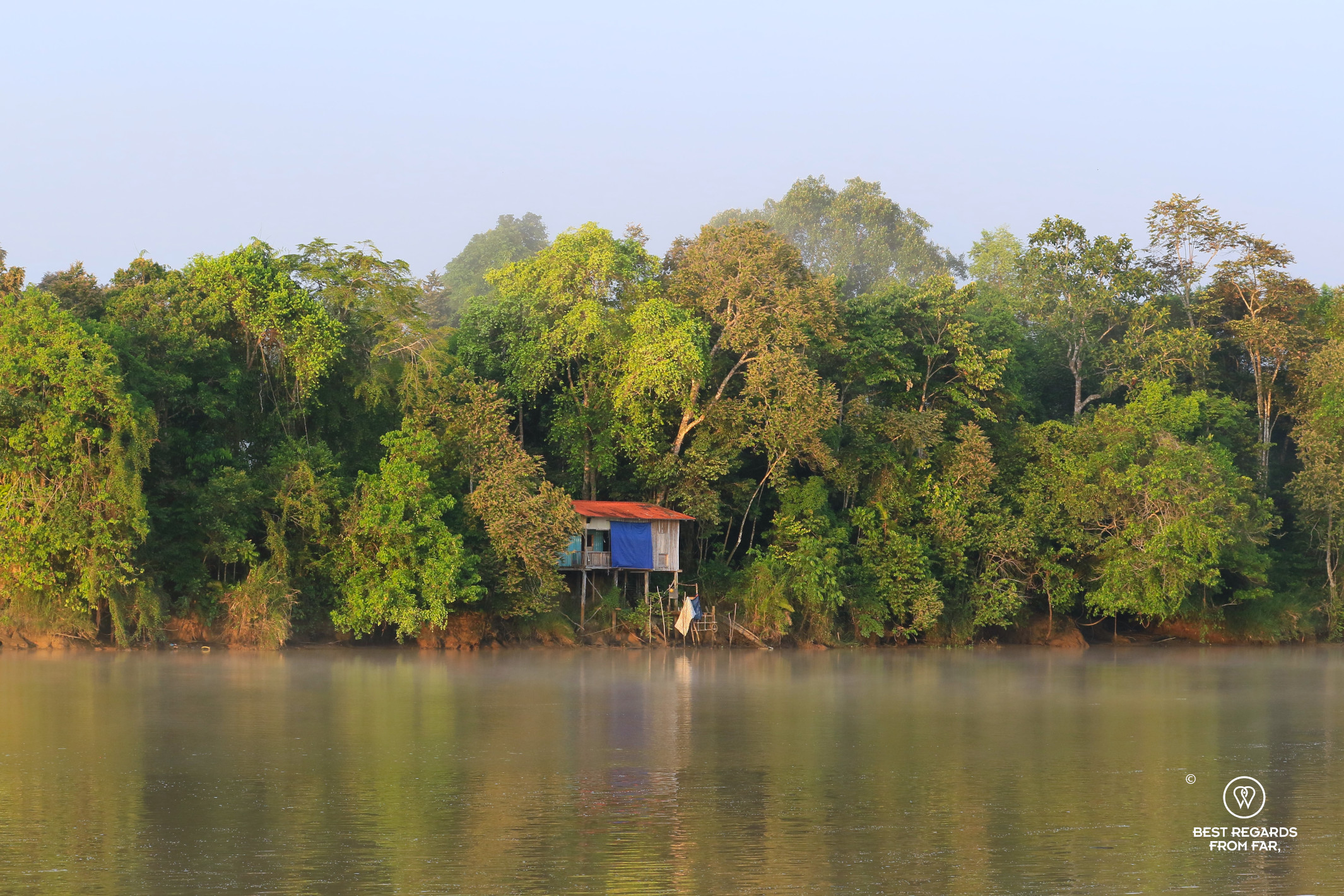
As we pass a settlement by boat, loud bird songs seem unnatural, and they are: speakers are diffusing calls of swifts continuously also well into the night. Bird’s nests are another (very high) revenue-generating product: when they can afford it, a few inhabitants invest in building a tower and playing the bird songs to attract and host the swifts that build their nests made of solidified saliva. Collected and sold when the price is right, giving farmers a better control of their income over market-fluctuating prices of crops that must be sold as soon as harvested such as oil palm fruits, the edible birds’ nests have been a delicacy in Chinese cuisine for centuries.


The historical rubber is still being produced even if it is quite labour-intensive and generates a fraction of the palm oil revenue (at the current rate, a 1-hectare (2.5 acre) plantation generates a fourth of the revenue of 1 hectare of oil palms). Others have recently turned to durian that is very sought after all over Asia: if the right type of durian is grown, a couple of trees produce the revenue of one hectare (2.5 acre) of oil palms in a year.



Clearly, the solution is not simple especially in countries that have been historically exploited for their resources by former colonial powers that are now giving lessons while eager to purchase the precious oil. More clarity on the sustainable efforts and meaningful accreditations with clear and enforced rules would definitely come a long way for both growers and consumers: stopping selling non-sustainably-produced palm oil as sustainably-produced one (a classic scam of the organic industry globally where the organically planted hectares and tons of organically produced goods seem to never match), and simply banning deforestation and actually doing so seem to be the obvious initial steps.
Meanwhile, ecotourism, when it is well-run also benefiting local populations and actually preserving the environment and wildlife can be a game-changer in local mentalities, showing the value of conserving the rainforest for long-term benefits over sacrificing it for short-term income.

Travel tips:
- S I Tours has been involved for over a generation in ecotourism in the Sabah region of Borneo and has also set up lodges in the rainforest providing jobs to local communities and implementing tree planting campaigns, rivers clean ups and plastic reducing programs. While many locals start running their own tours and homestays with a fairly limited knowledge of the hospitality industry, not only is the service provided not to the standard, but the initiatives are counterproductive for the environment with a lot of erratic boat traffic at high speed eroding the riverbanks while loud and old engines pollute the biome. This is also a reason why we recommend S I Tours that has been investing in cleaner and more silent engines to run their daily river safaris.
- The Rainforest Discovery Centre is a birders’ paradise.
- To learn more about oil palm plantations and how they affect local livelihoods, hop on a bike with Melaka on Bike in peninsular Malaysia.
- Check out our interactive map for more in the area (black pins lead to an article):
For more in Malaysia, click on the images below:



 Best regards from far,