Article updated on January 5, 2025
Text & photographs: Marcella van Alphen & Claire Lessiau
Pin it for later!

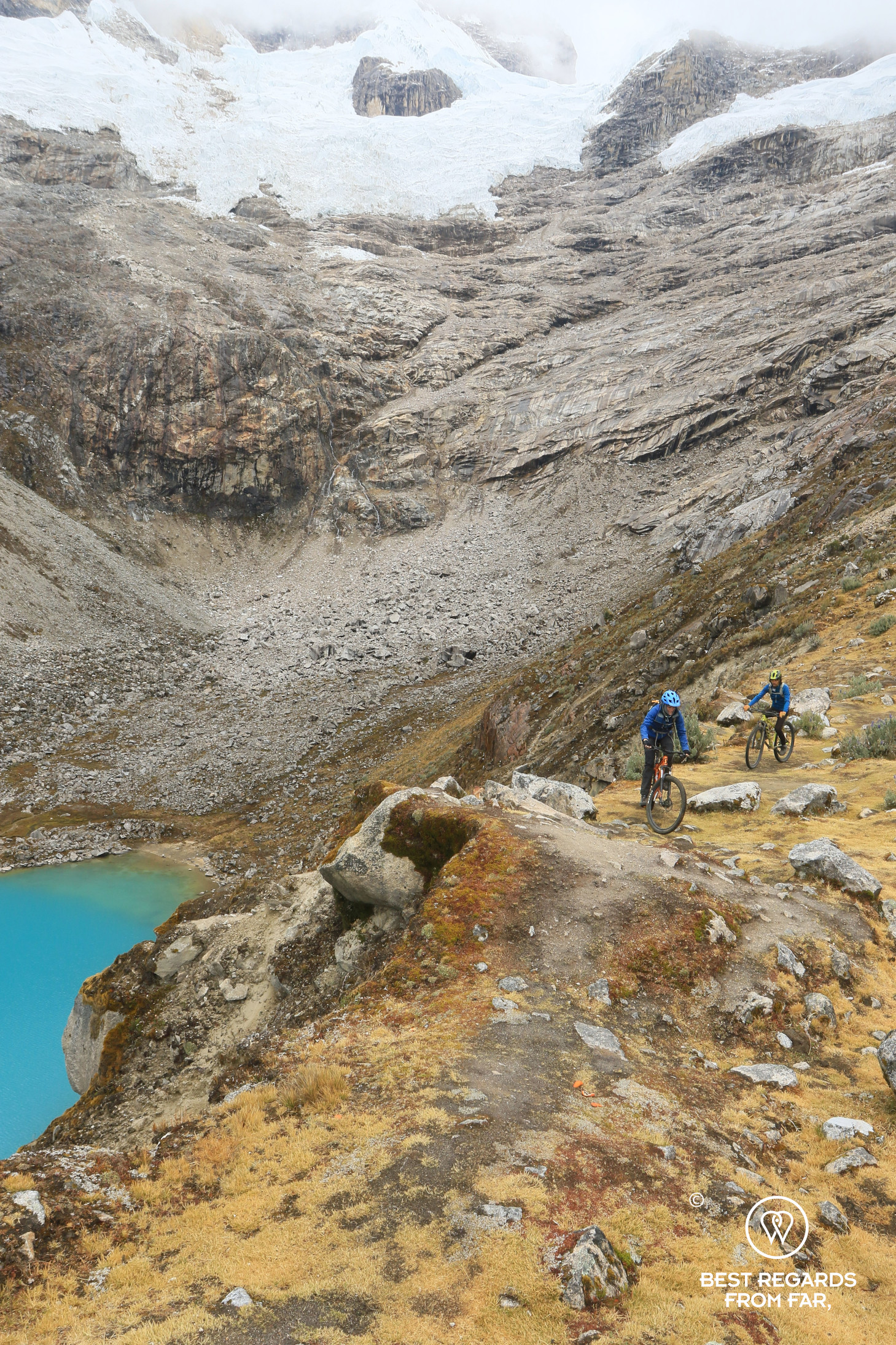
1. Great mountain biking for all
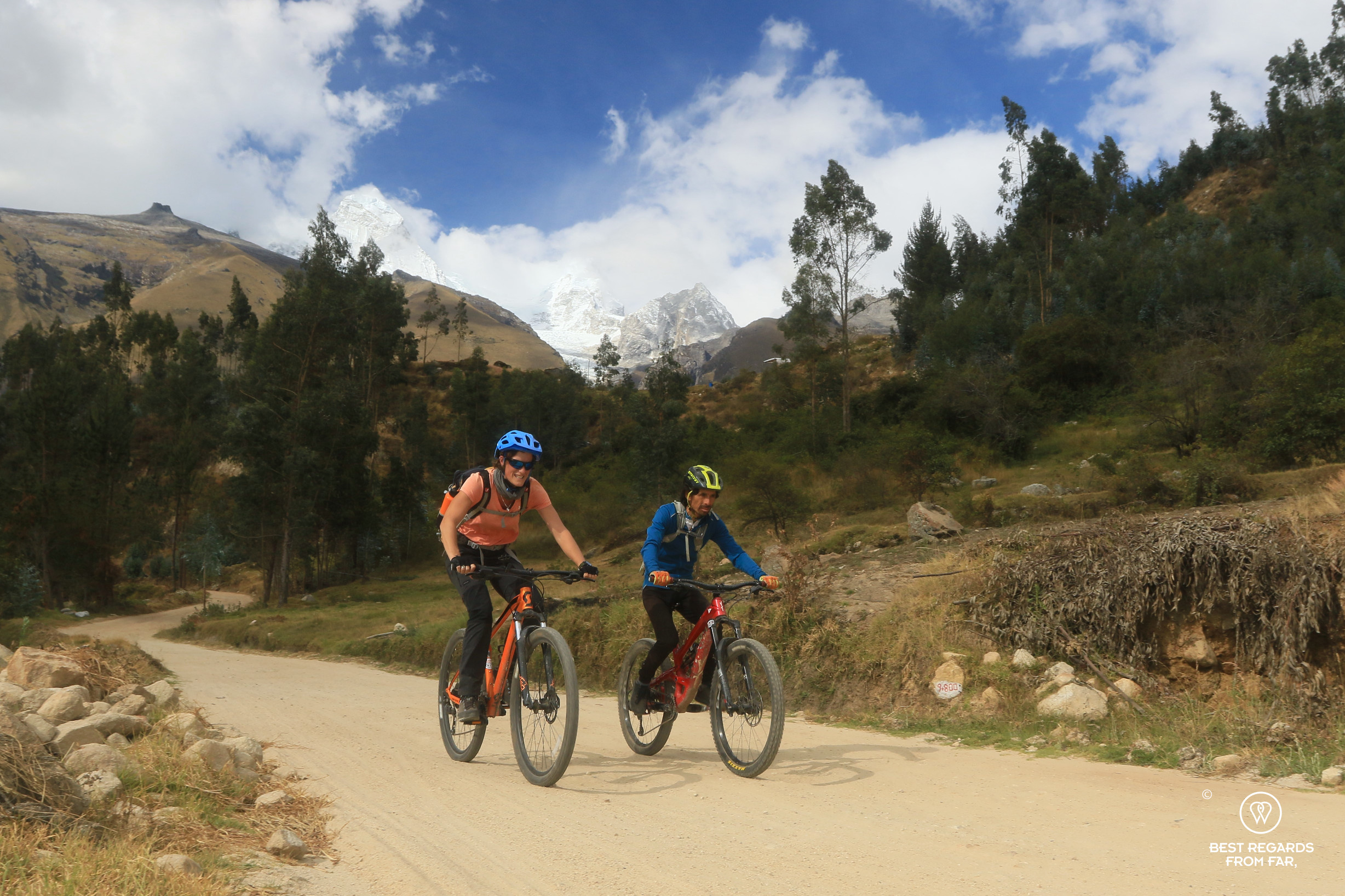
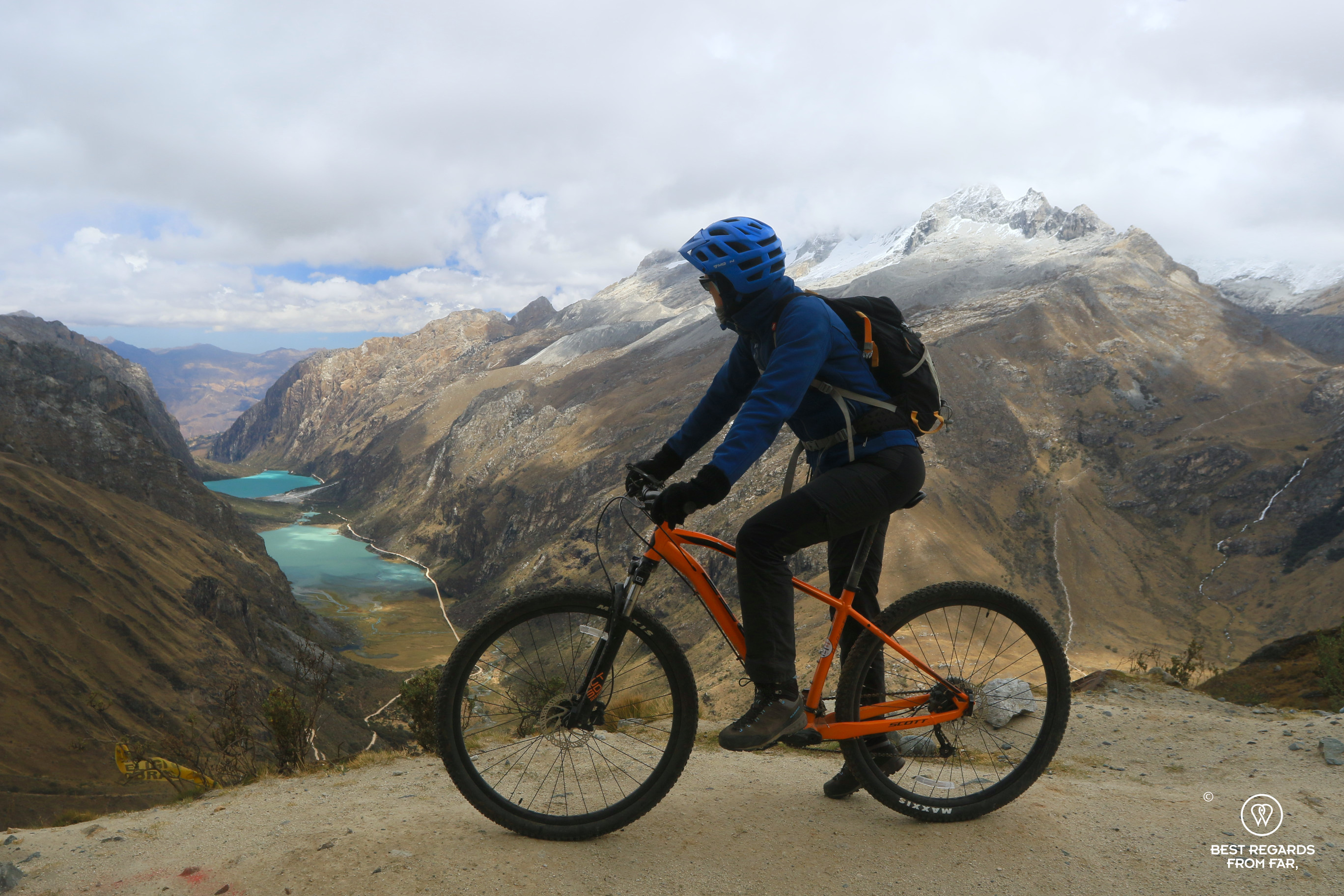
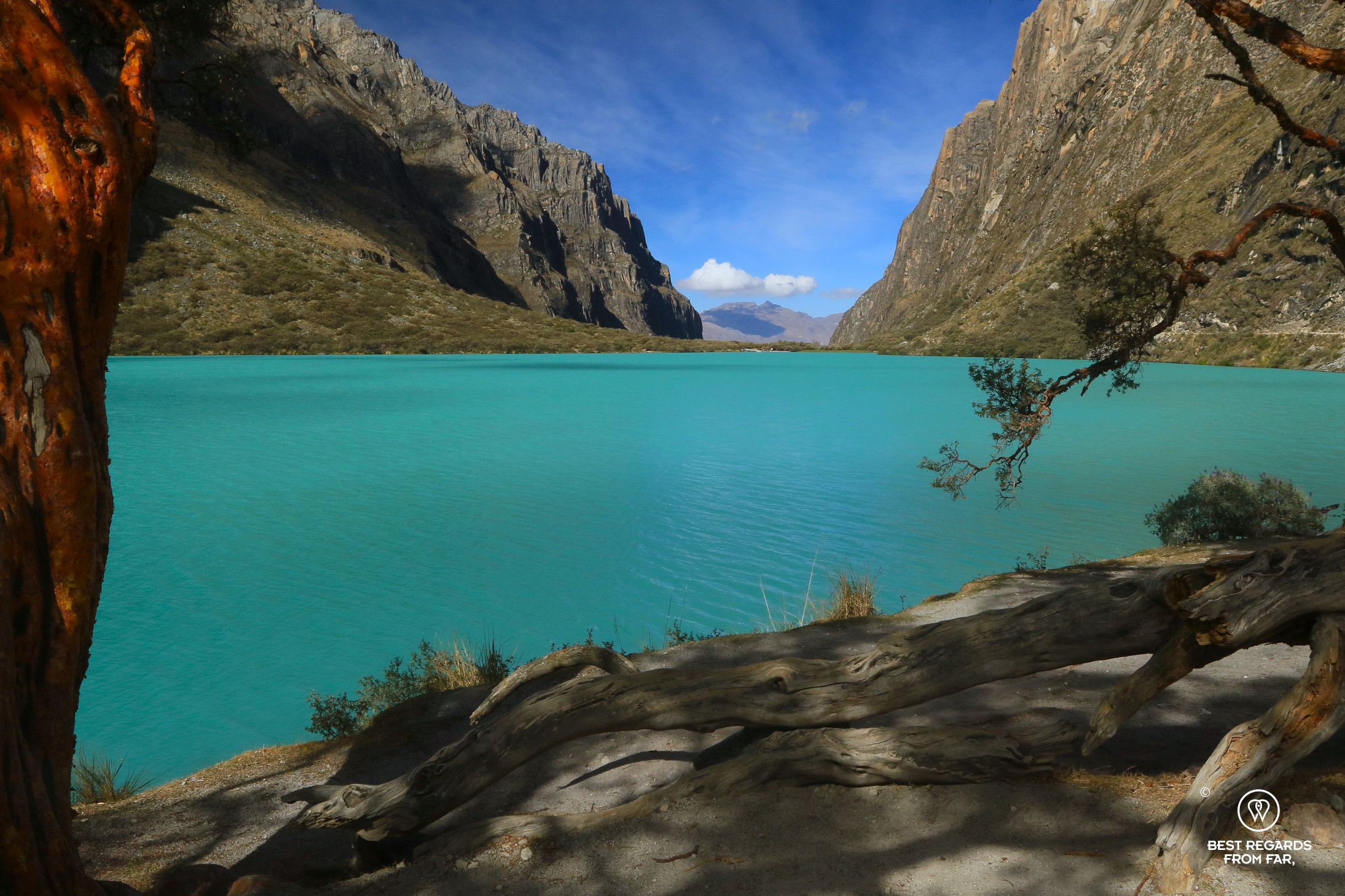
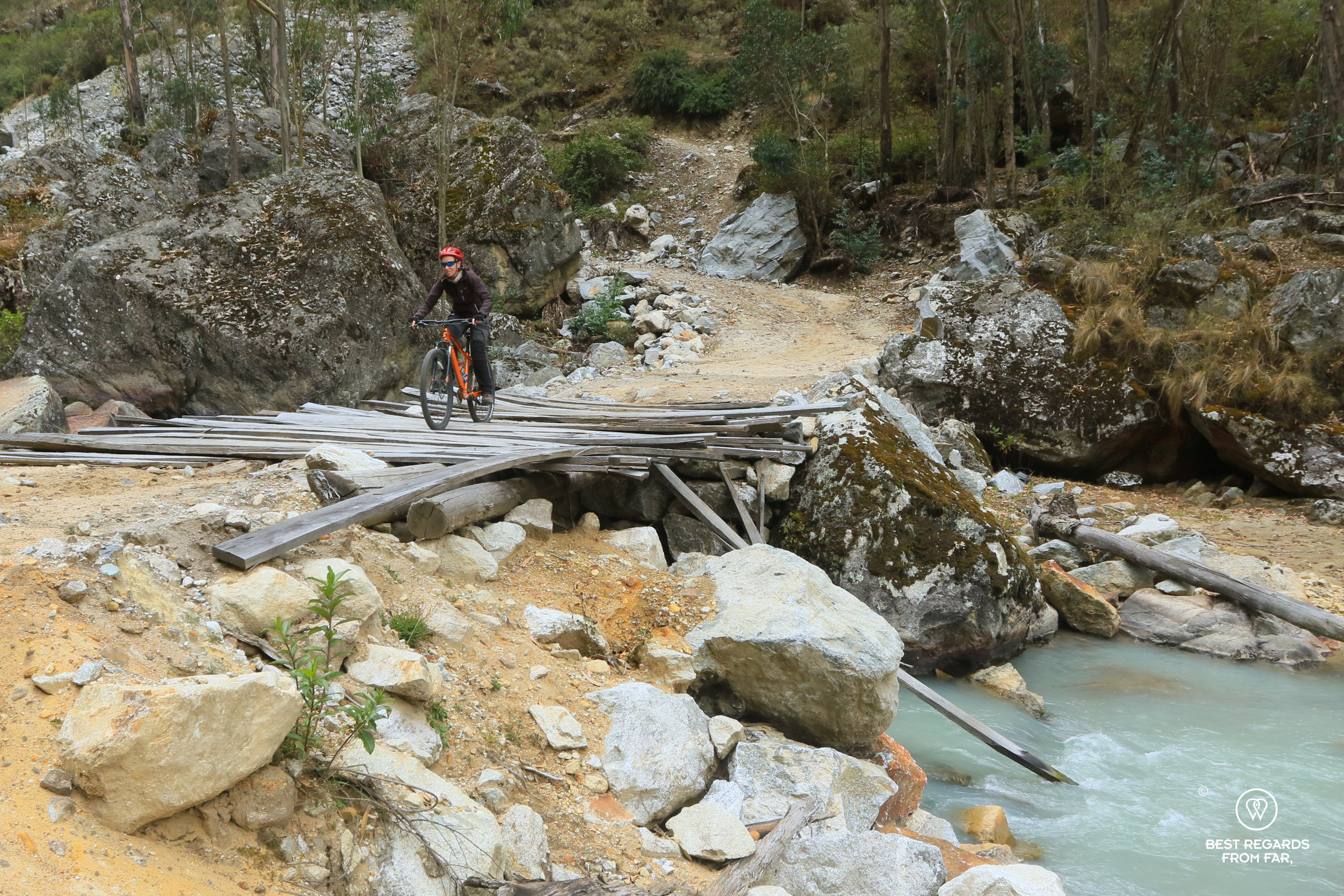
Elevate your acclimatization game for high-altitude adventures with the exhilarating experience of mountain biking in the Cordillera Blanca. Brace yourself for awe-inspiring sceneries as you pilot downhill through dramatic landscapes, encountering thrilling descents that promise an adrenaline rush.
Check this article out!

2. World-class trekking
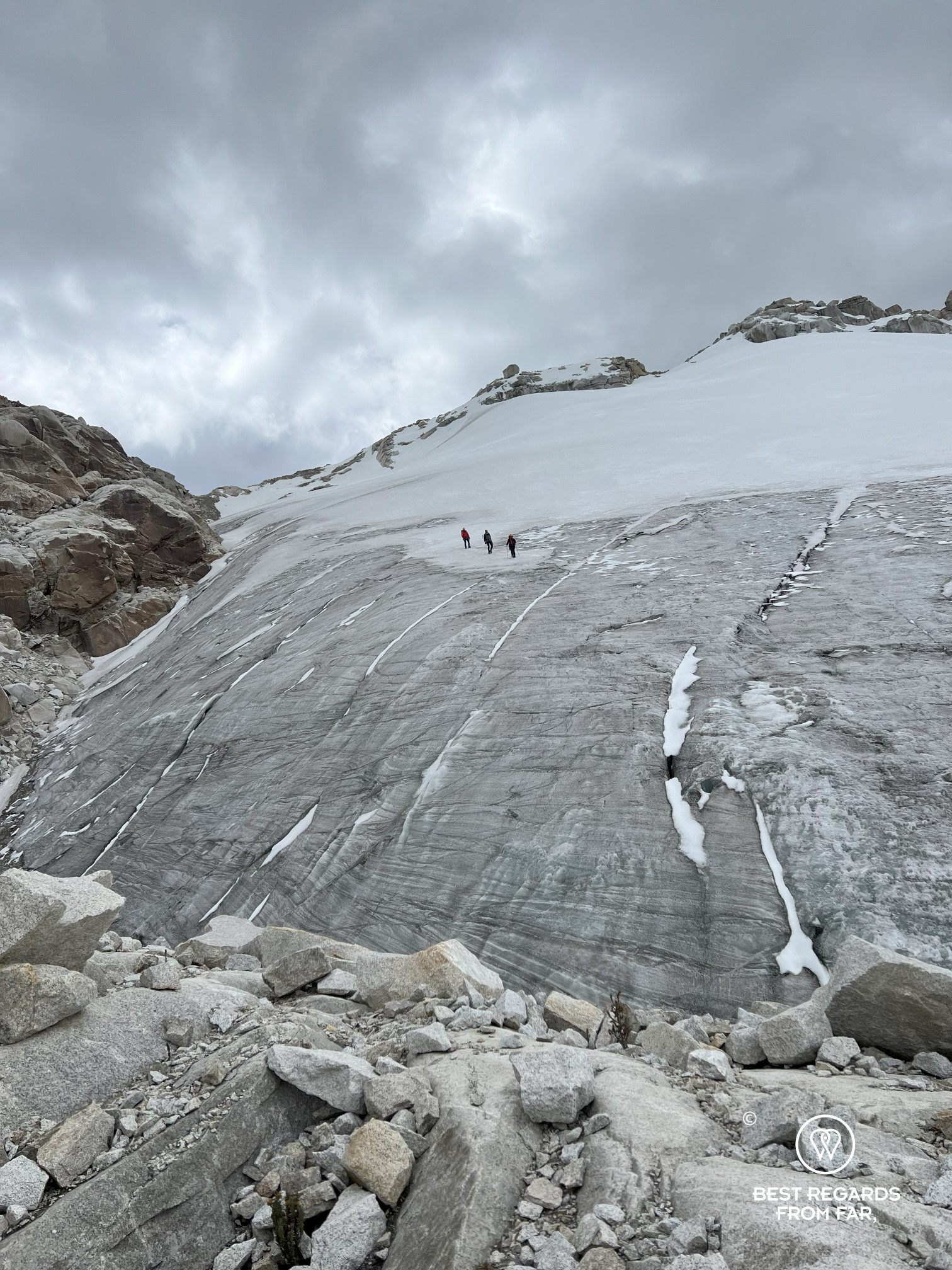
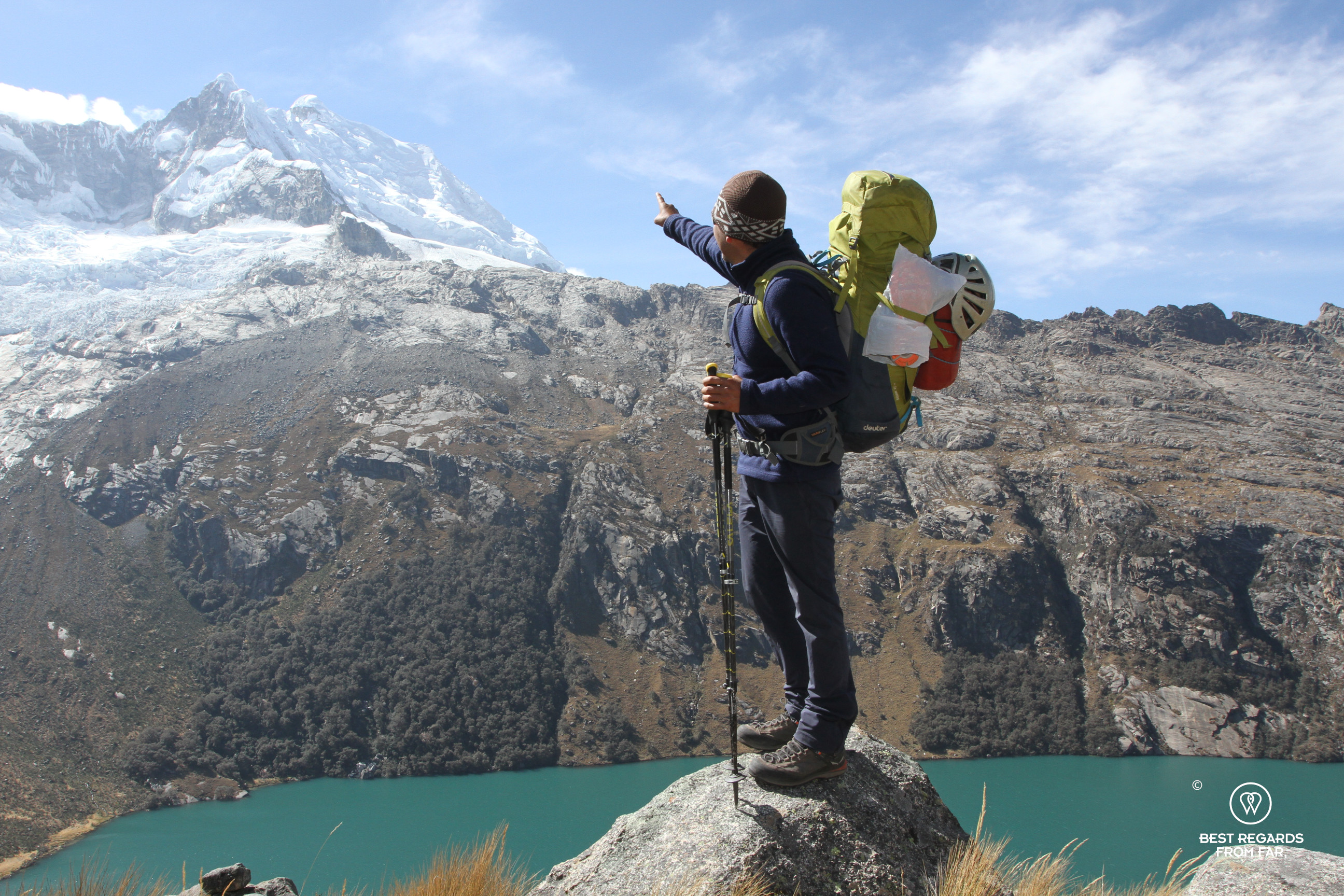
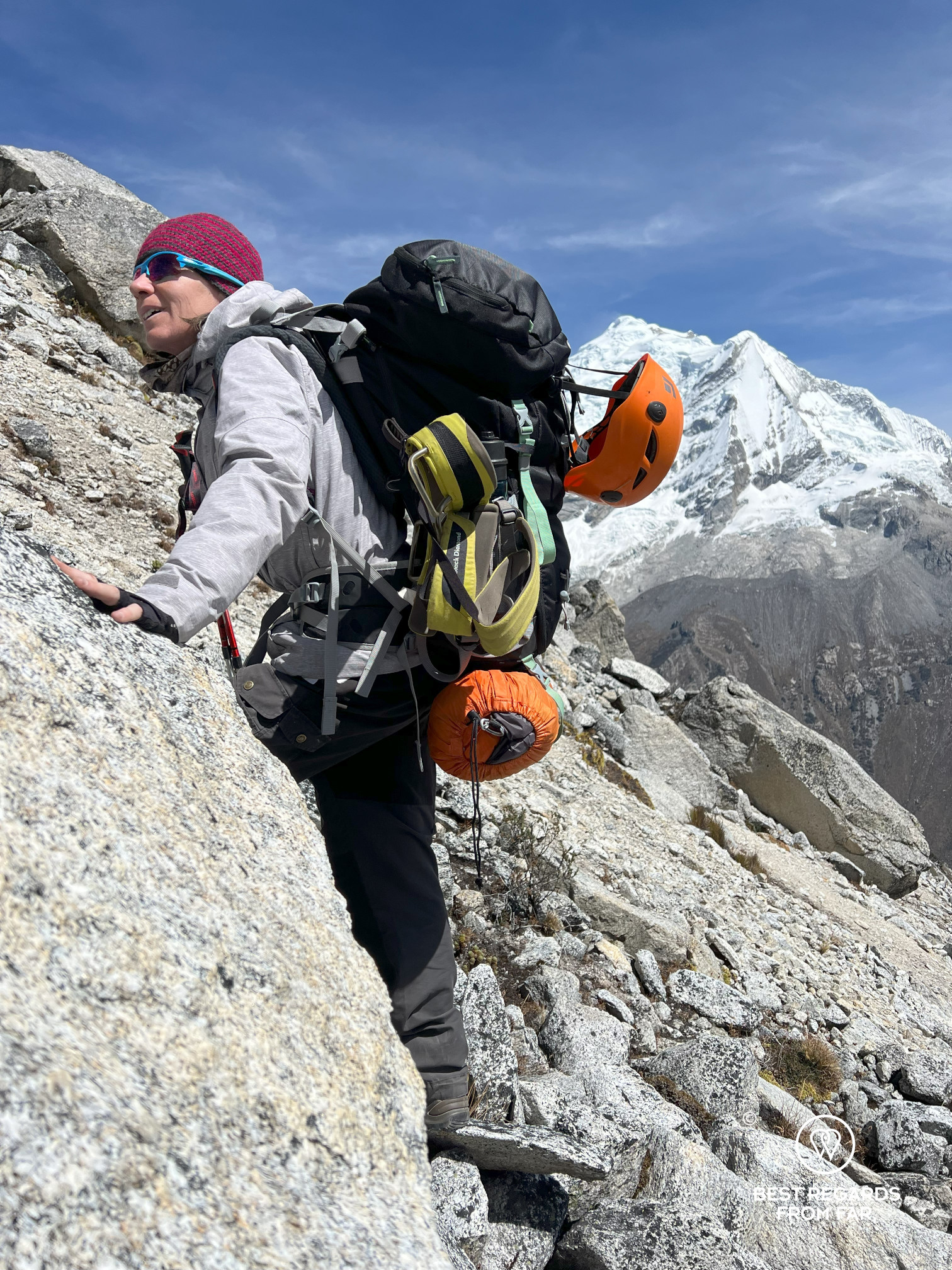
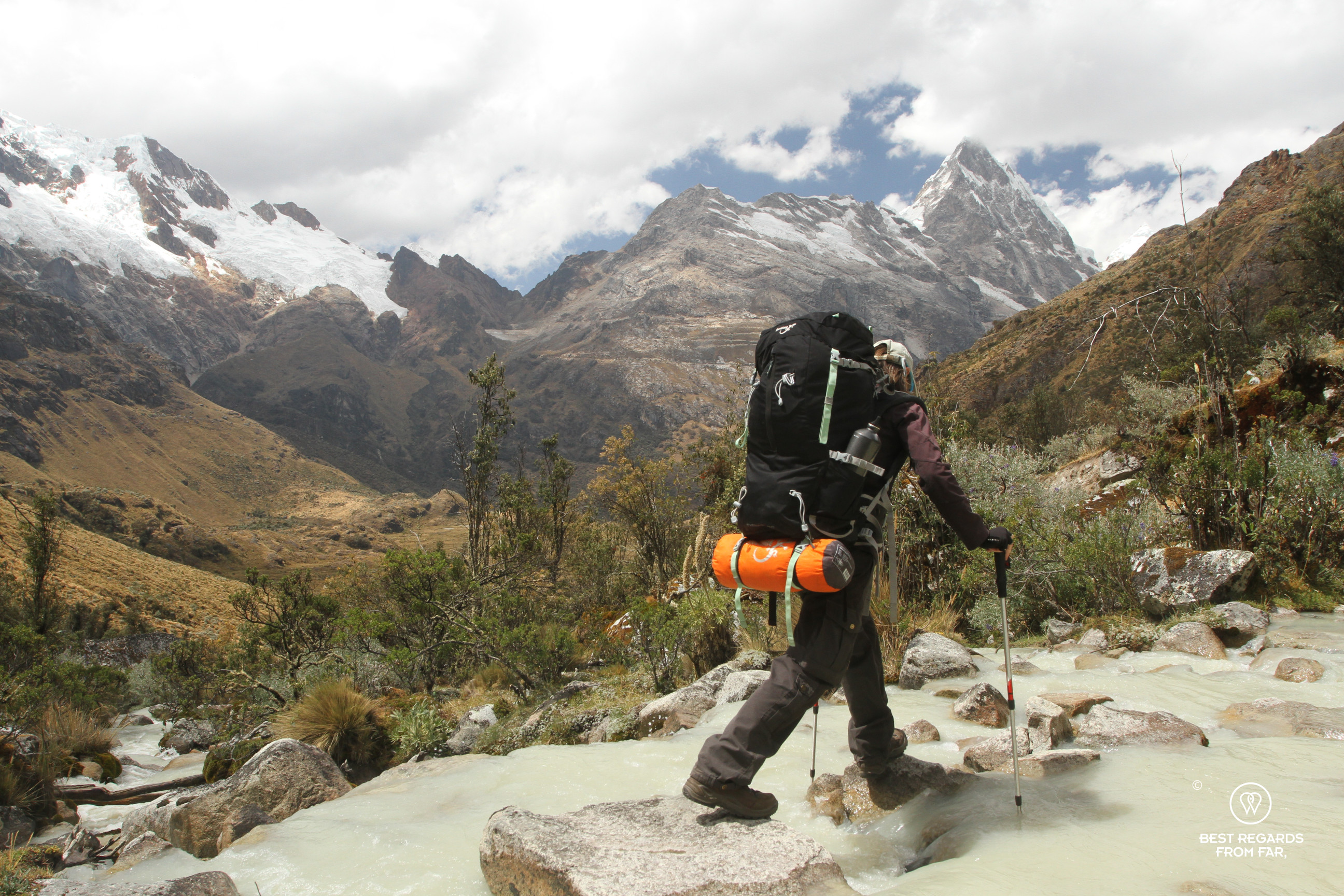
The most renowned mountain chain of Peru, the Cordillera Blanca is a trekking Mecca! With most trails being part of the Huascaran National Park, a UNESCO World Heritage site, options are plenty from day adventures such as the (too) popular Laguna 69 to multi day treks sleeping either in top-notch mountain refuges or camps set up by excellent professional guides. In any case, be ready for a trekking of a lifetime up vertiginous mountain passes, across moraines, over glaciers, through pampas, all towered by the most emblematic peaks of the Andes. Positioned at the heart of it all, Carhuaz stands as the optimal launchpad for your Cordillera Blanca adventure, way more central than well-marketed Huaraz.
Check this article out!



3. Inspiring Chacas & its craft schools
In the heart of the Andean village of Chacas, beautiful wood-carved balconies adorn every building around the Plaza de Armas, denoting the high-quality craft schools of the most picturesque village in the Cordillera Blanca.

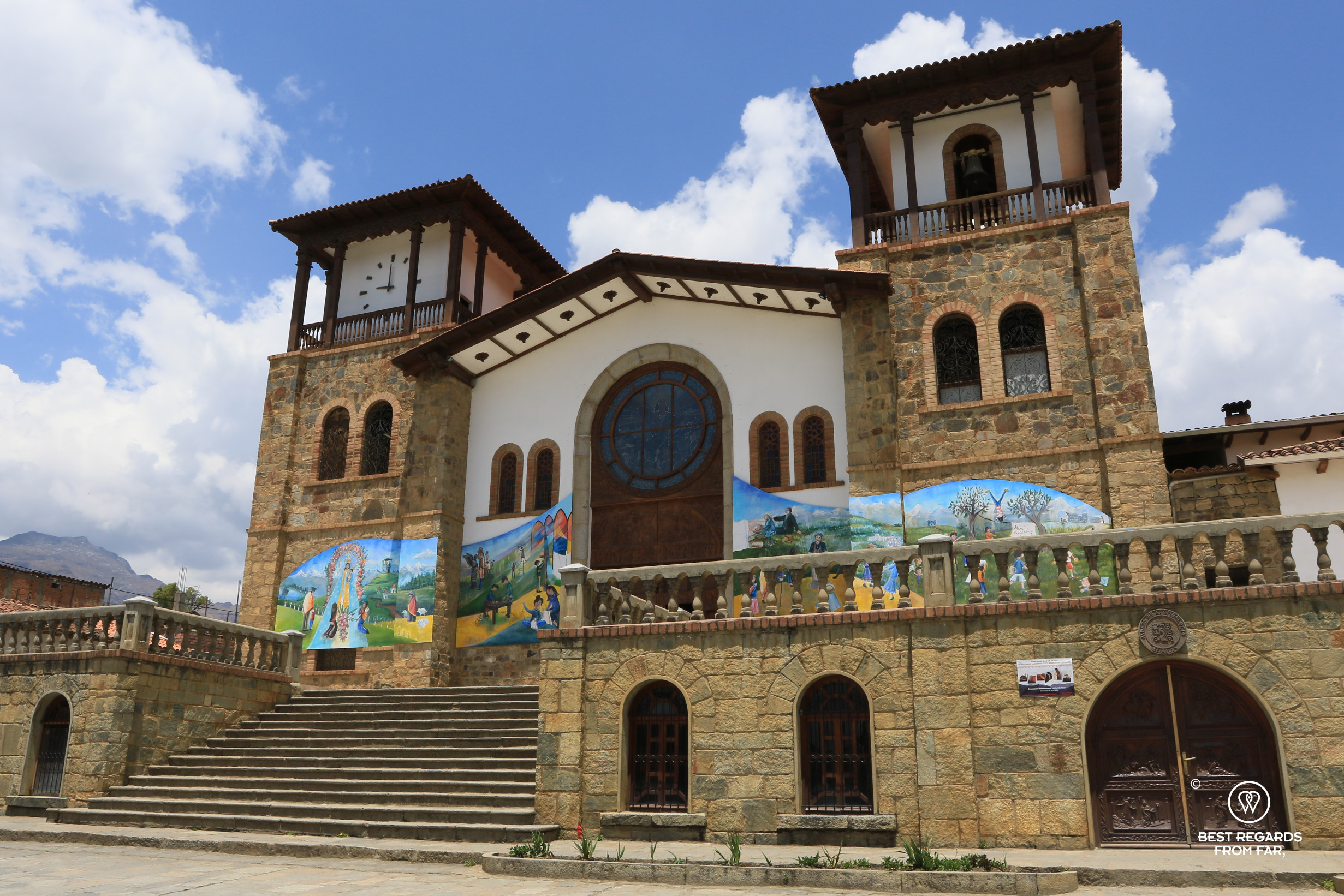
It all started with the arrival of the 52-year old Father Hugo de Censi in the extremely poor Chacas, in 1976. After years visiting his parishioner on foot across the mountains, Father Hugo was committed to finding a solution to relieve this indigence. Unexpectedly, it is a beautiful but weathered retable from the church of Chacas that triggered an initiative that has been changing so many lives in these mountains and beyond ever since: the Italian priest picked up some of the poorest yet willing locals and started teaching them carpentry, sculpting and painting to restore the retable. More than four decades later, the Don Bosco Carpentry School stands as a beacon of hope, offering not just education but also free housing, meals, and healthcare during the five-year schooling period. What began as a venture to renovate a church retable has evolved into a comprehensive institution, encompassing disciplines like metalworking, plumbing, construction, mountain guiding at one time, nursing, and weaving for women.
Italian volunteers flocked to Chacas, contributing their skills to teach, or design refuges and even a hydroelectric power plant to support Don Bosco’s operations. The influx of support was so significant that the tiny village of Chacas hosts an Italian consulate!


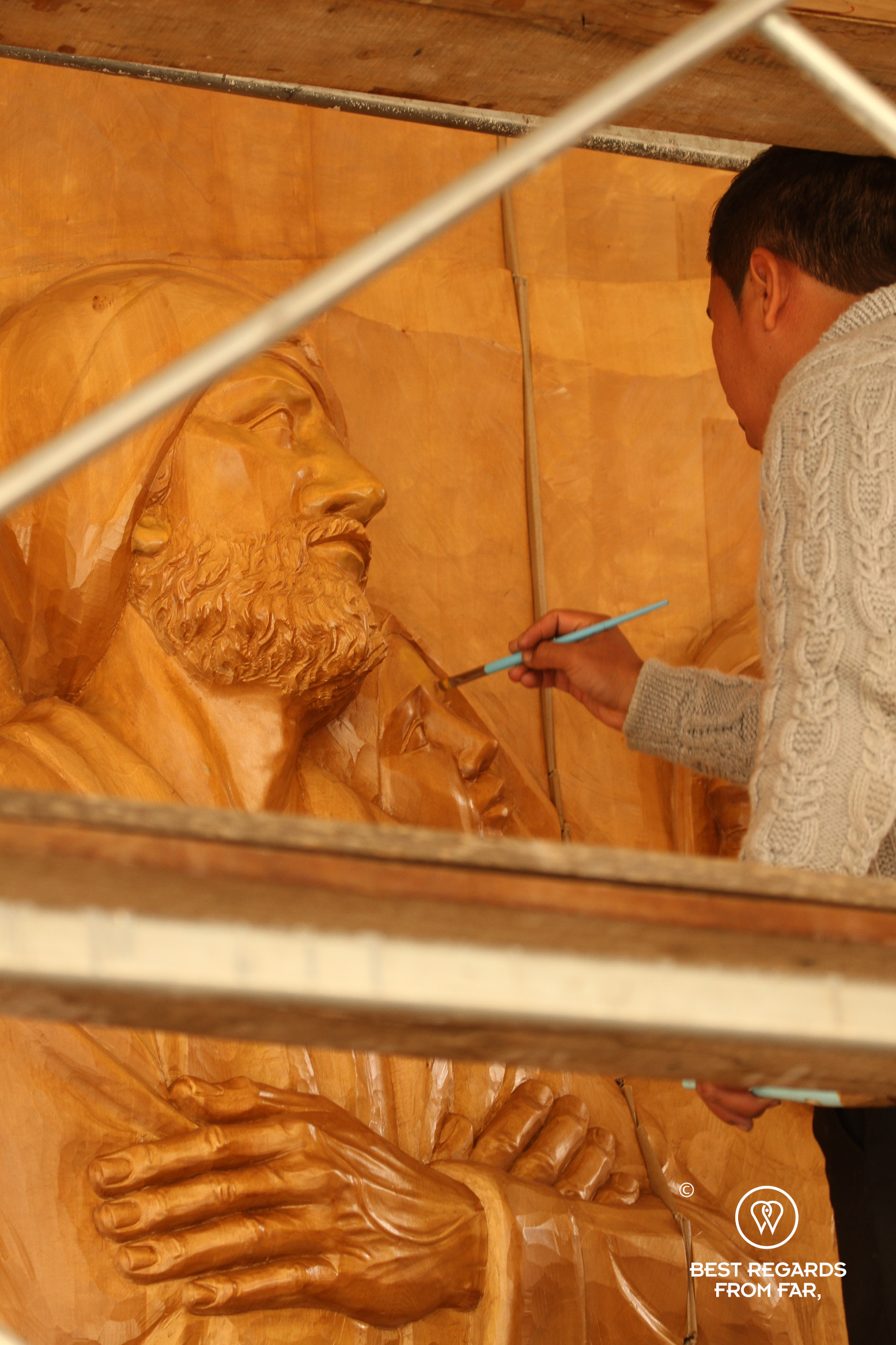


Father Hugo’s legacy extends far beyond Chacas. His works, ranging from religious buildings and churches to hospitals, schools, and Andean refuges, span across 14 Peruvian provinces. The Angel of Chacas gave a career to carpenters, stone workers, glass workers, mountain guides, nurses, cheese makers… As we walk out of the wood-carving school, we marvel at a majestic wooden artwork being crafted here in Chacas, destined for a new church in Las Vegas – a testament to the enduring impact of compassion and craftsmanship that transcends borders.

4. Authentic & off the beaten path farmer’s market
The bustling market of Carhuaz beckons locals from distant valleys every Wednesday, but it is on Sundays that the marketplace is at its best, when livestock is also sold.
Whether inside the market hall or outside, the market unveils a kaleidoscope of colors and flavors. All sorts of fruits, vegetables and grains are displayed on the ground as a colorful patchwork: tarui, quinoa, wheat and all sorts of corn varieties, green flat fava beans, or the white pea beans, potatoes of all kinds, including the ancient species known as oca, small and big squashes, short and long bananas, barbary figs, flowers… Inside the market hall, meat is hung and fish are displayed in their respective sections.
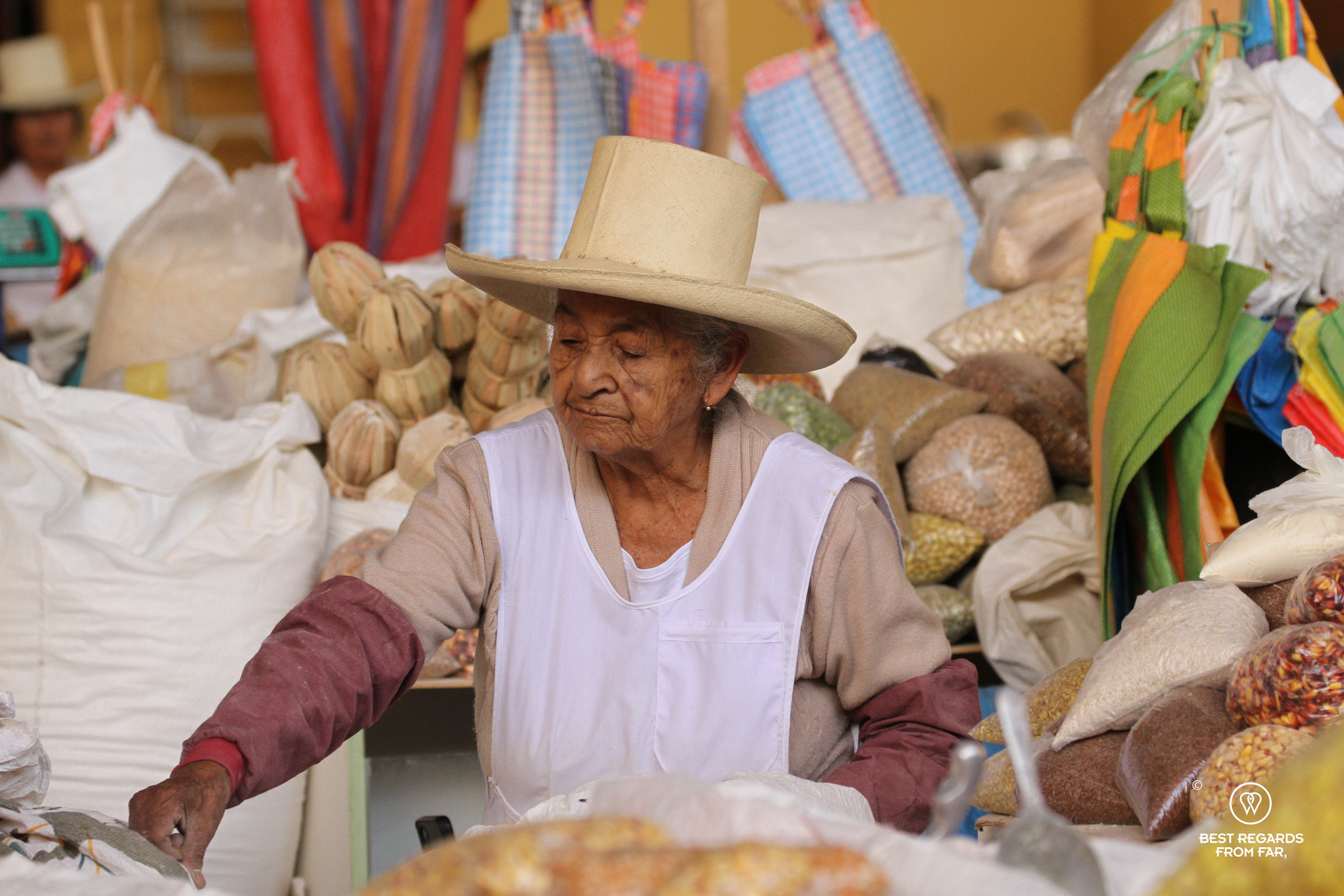
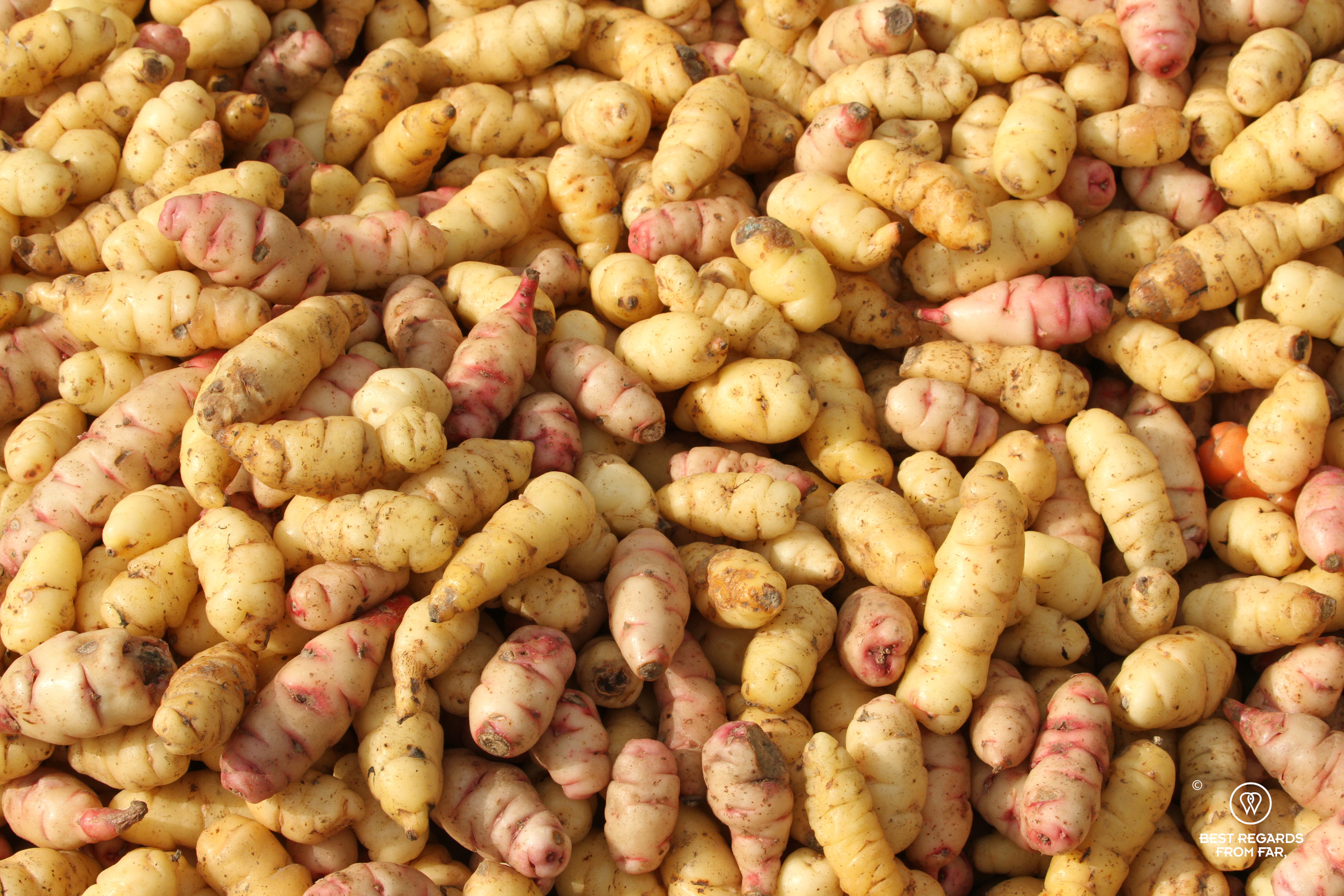
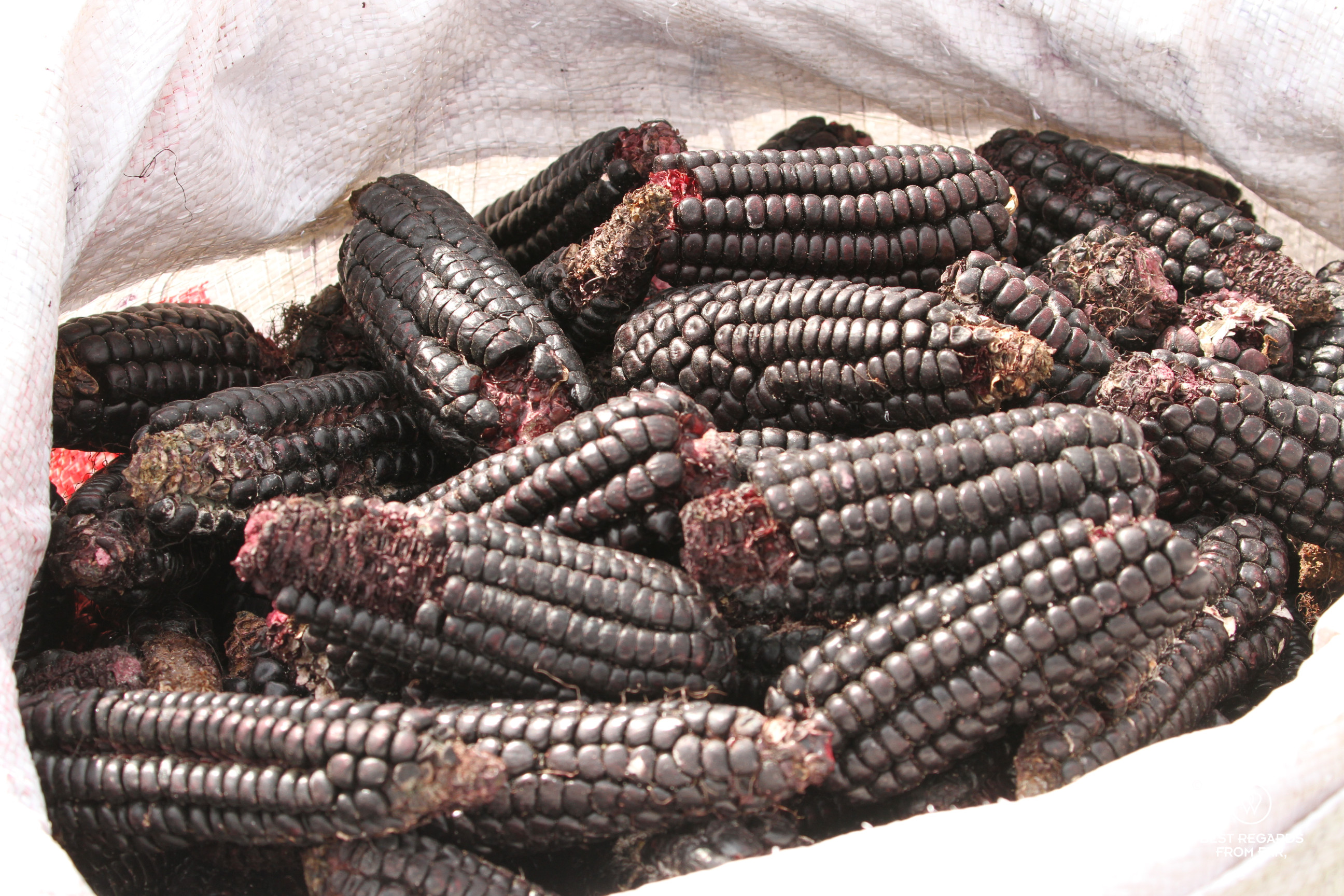
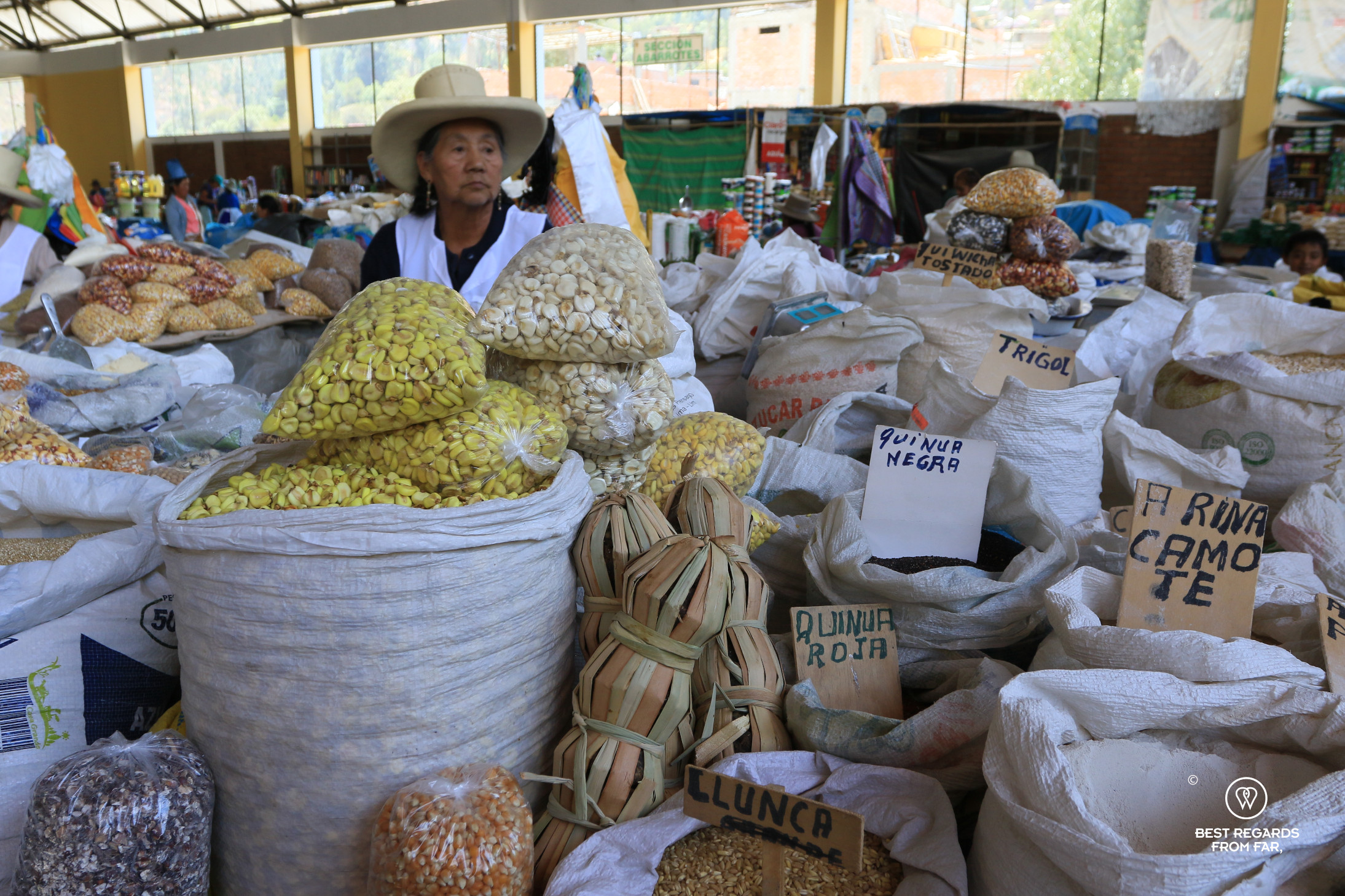

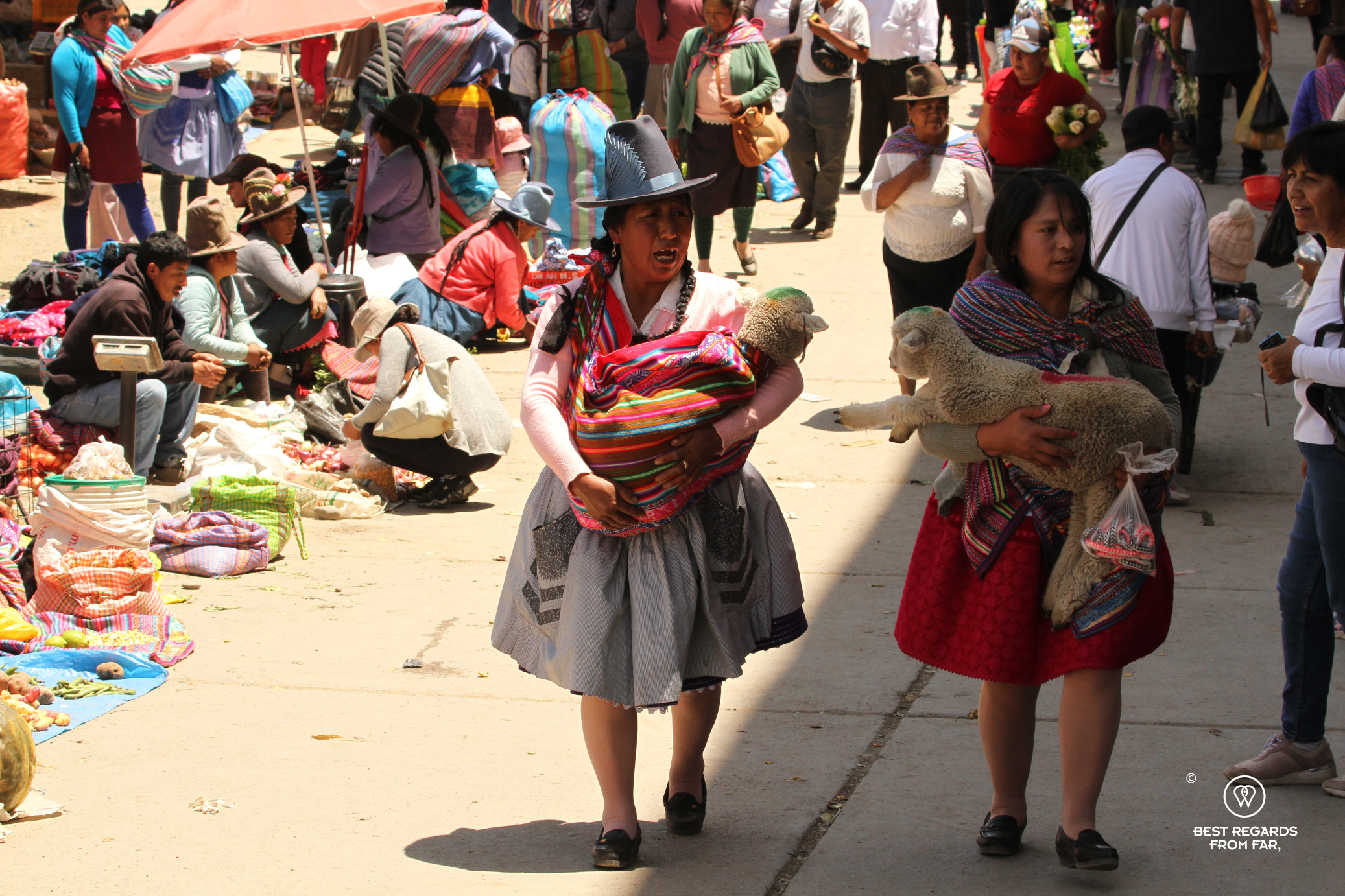
Women, adorned in traditional attire, showcase the products they have cultivated, later embarking into their own shopping quests with the proceeds, carrying it all in their colorful manta—pieces of cloth tied around their shoulders.
In the past, the hats worn by these women spoke volumes about their origins and marital status. Today, fashion is slowly taking over: the tall hats are a must-have accessories that blurs the tradition, expressing the social status by their sophistication. A few traditional hats remain: low and made of sheep wool, with a pink, blue or black ribbon respectively for single, married or widows. The width of the hat reflects the village’s elevation, with broader brims offering enhanced sun protection in lower-altitude locales.
The market of Carhuaz goes beyond being a trading place where community members sell the fruits of their labor, it is a hub of life where locals come together. Amidst the vibrant colors and lively exchanges, the farmer’s market of Carhuaz remains an authentic hidden gem.


5. The perfect start for an alternate trek to Laguna 69, without the crowds!
Trekking in the Cordillera Blanca, Peru’s most famous snow-covered mountain range, has changed so much from the first expeditions in the 1960s in which live animals took part as part of the menu!
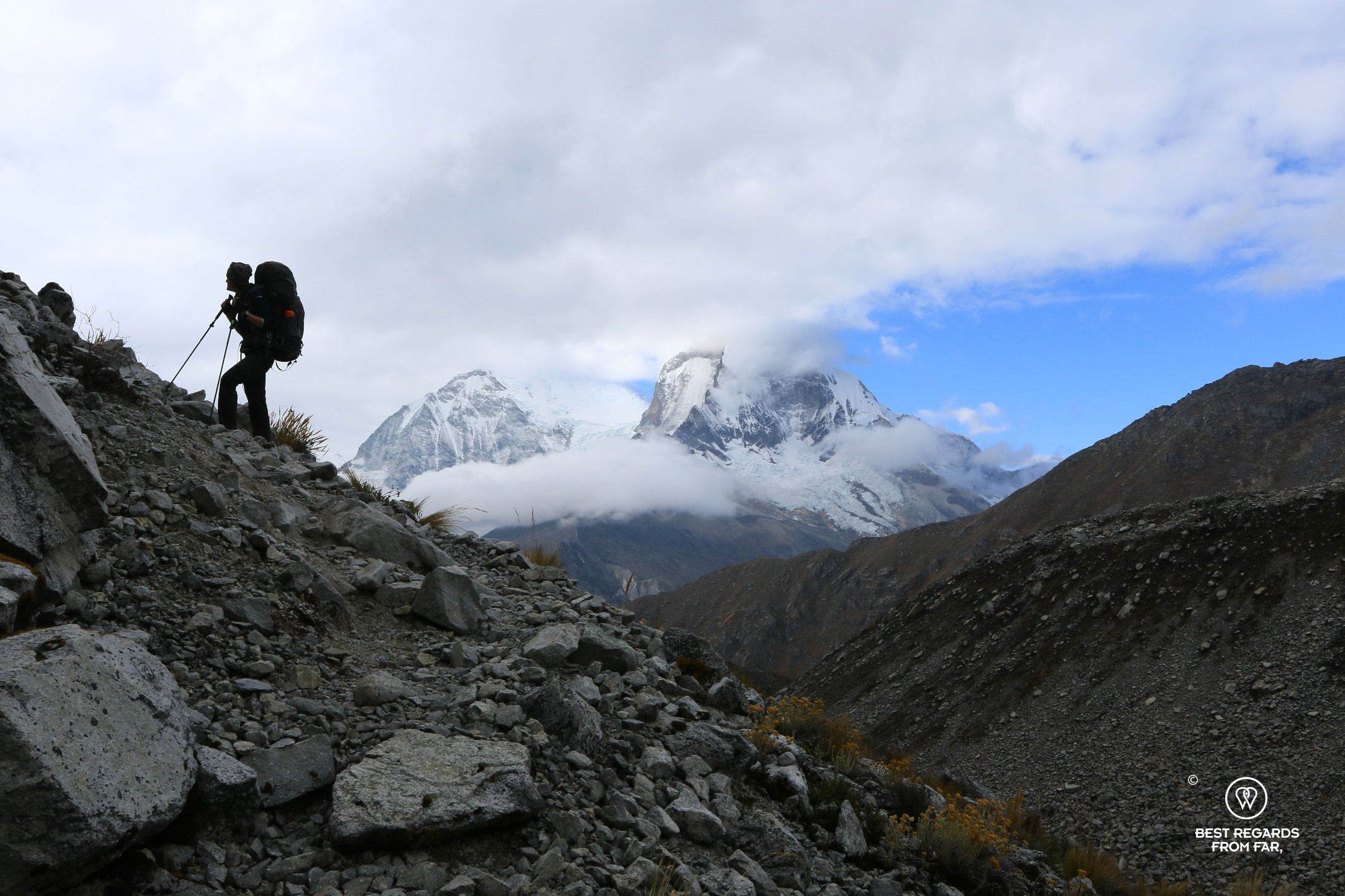
Back then, coming from the Pacific Coast hardly 100 km (62 miles) away, mountaineers conquered first the 5,000-meter-high (16,400 ft) Cordillera Negra that blocks all the influence from the cold Pacific to its west and which summits are never covered in snow. They then arrived at the foot of the Cordillera Blanca named after its snowy peaks as the bad weather comes from the Atlantic more than 3,000 km (1,864 miles) away, builds up over the humid Amazon rainforest before it hits the high cold peaks it covers in snow.


It is during these years that a French and Belgian team climbed one of these snow-capped peaks that had no name on a July 14th and celebrated their success with some Pisco bought in town. It probably did not take many glasses before this summit became the Pisco Mount!
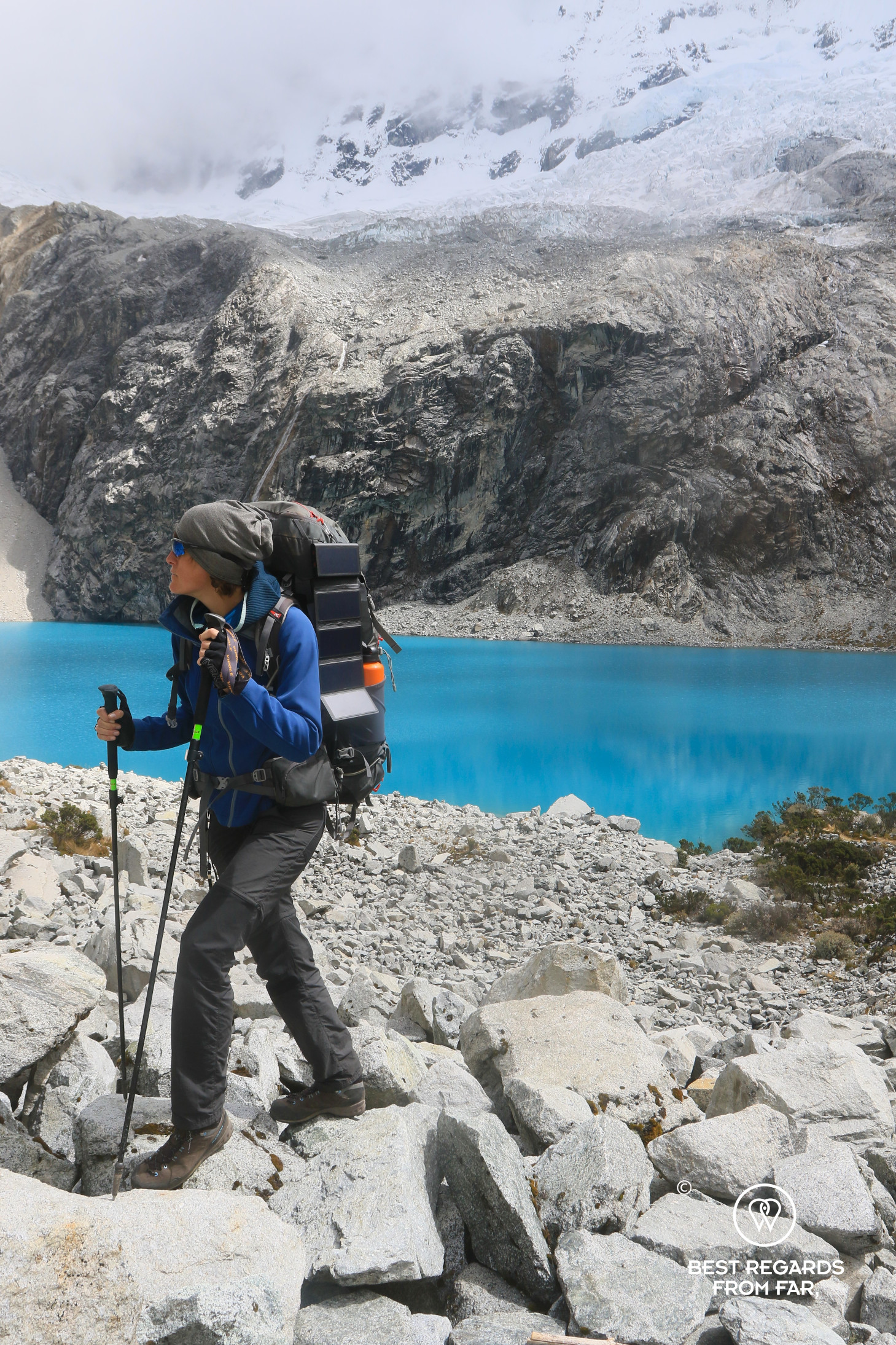
Today, at its foot, the Refugio Perú or Refugio Pisco, Peru’s first mountain refuge built in 1996 and refurbished since, powered by a water turbine and solar energy is a warm and comfortable base to summit Pisco of course, or to trek the very popular Laguna 69 Lake avoiding the crowds. When most depart in the middle of the night from Huaraz, or sometimes Carhuaz on a day trip, spending a night in the Refugio Pisco offers a much more interesting alternative, passing a hair from a 5,000 meter (16,404ft) col, enjoying Lake 69 alone, and looping back crossing path with all the tourists making their way up after being dropped off by bus loads.
On top of a much more enjoyable experience, staying in Refugio Perú is also a way of making a positive impact by participating in the Don Bosco initiative that has created jobs for locals (please see point 3).



6. Fiesta time!
Nestled in the heart of the Cordillera Blanca with Huascaran Peak in the background, the quaint town of Carhuaz comes alive with vibrant festivities from mid-September to mid-October. This annual celebration is a grand tribute to the revered Virgin de la Mercedes of Carhuaz, where tradition and religion are expressed with exuberance.
Every day, gifts are brought to the mayordoma and mayordomo, the hosts of the party whose role is coveted: the waiting list to be the host spans over two decades! Gifts vary from many, many crates of beer to bulls, from food to fireworks, from crops to many more crates of beer!



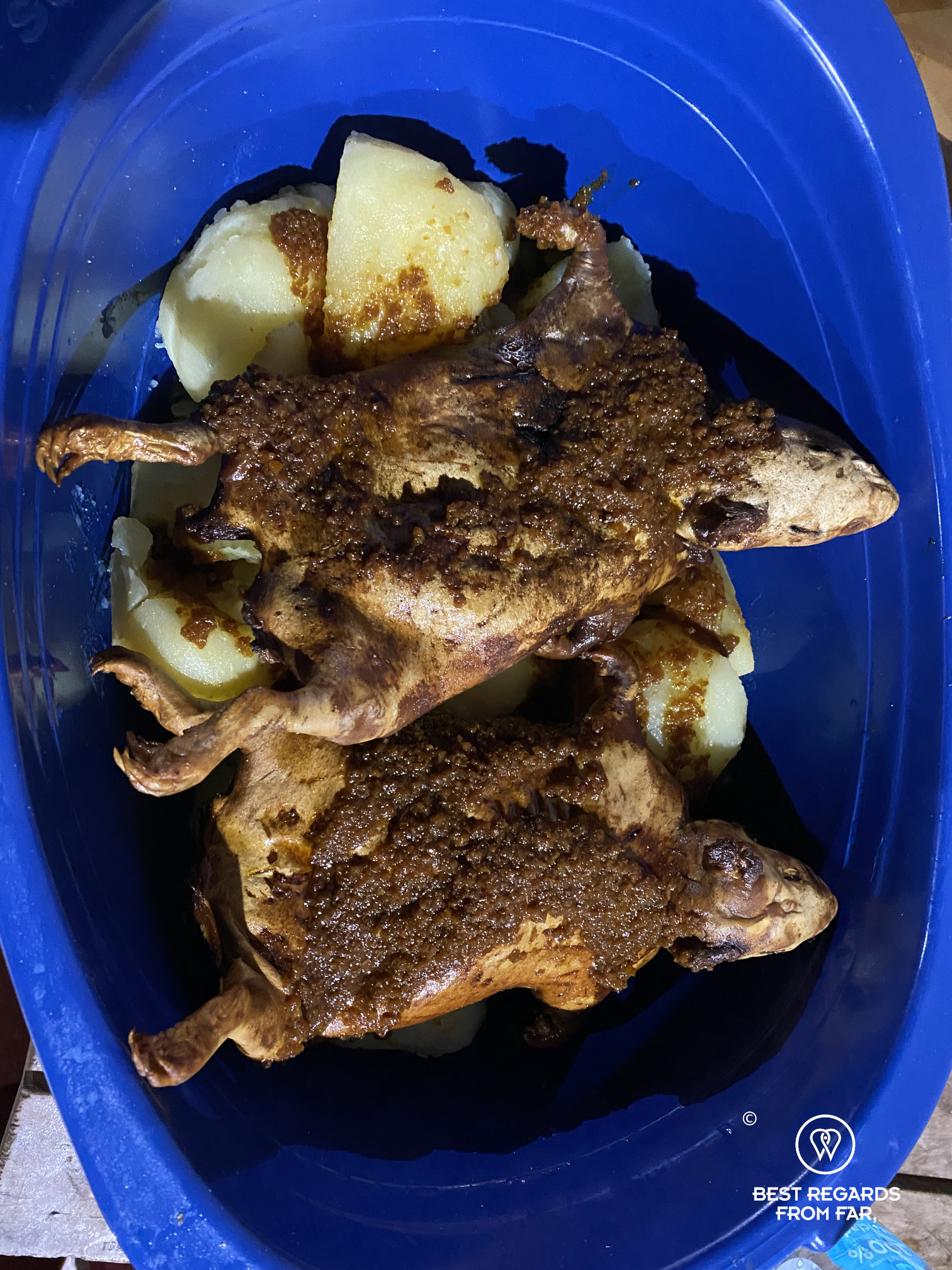
The presents are not simply offered, they are paraded through town by the offering families, each with a live band in tow. Some families even add a touch of elegance with Peruvian dancing horses. Others traded the orchestra for a couple of men playing roncadora, an old music dating back to the Incas. Firecrackers are launched all throughout the procession which starts in the afternoon and lasts till late into the night as many families line up to present their gifts to the hosts. Hundreds of liters of beer are drunk during the parade only. After paying their respect to the virgin of Carhuaz in front of the church, the procession heads to the house of the mayordoma and mayordomo to offer their presents. It is the culmination of the party. There, the air is filled with the cheerful tunes of multiple bands playing in perfect dissonance, creating a loud symphony of festivities, more beers or pomelos (a local alcohol based on Pisco and pomelos) are served, everyone is dancing, and party food is brought to the table: the traditional soup as a starter and for the luckiest, cuy (Guinea pig) with potatoes.
Carhuaz’s celebration echoes through the Cordillera Blanca, as neighboring villages also celebrate their saints. The nights become a cacophony of celebrations until the early morning hours, a pagan celebration of a Catholic cultural heritage.

7. The perfect stay
Centrally located along the 180km-long (112 miles) Cordillera Blanca at an elevation of 2,688 meters (8,819 ft), Carhuaz is the perfect base to acclimate comfortably while easily accessing most of the points of interest of the mountain range. Contrasting with the bustling Huaraz, which sits above 3,000 meters (10,000 ft) and an hour away, Carhuaz provides a more serene altitude for a smoother acclimatization process.
It usually takes 3 to 5 days for the body to acclimatize, i.e. produce more red blood cells in order to distribute more efficiently the lower oxygen content of the air at altitude to the muscles. To truly enjoy the high peaks, it is essential to spend enough time at the recommended altitude between 1,500 meters (4,920 ft) and 2,500 meters (8,200 ft) above sea level, so that the acclimatization can take place comfortably.

Breakfast at Wayarumi Sky Hotel, Carhuaz, Peru 
Wayarumi Sky Hotel, Carhuaz, Peru 
Wayarumi Sky Hotel, Carhuaz, Peru 
View from the Wayarumi Sky Hotel, Carhuaz, Peru 
Infusion from the garden, Wayarumi Sky Hotel, Carhuaz, Peru 
Wayarumi Sky Hotel, Carhuaz, Peru 
Breakfast at Wayarumi Sky Hotel, Carhuaz, Peru 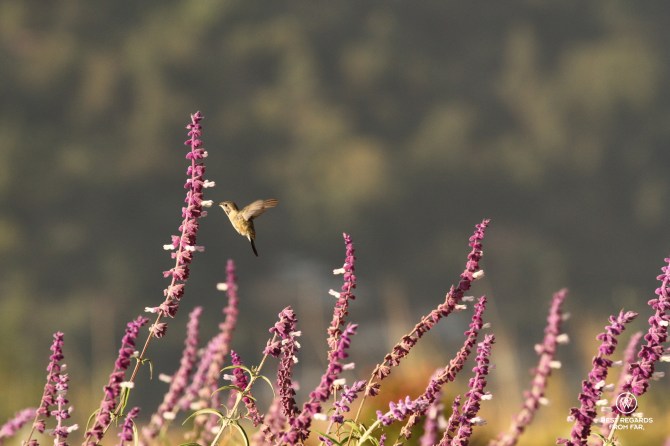
Kolibri at Wayarumi Sky Hotel, Carhuaz, Peru 
View on Huascaran, Peru’s highest peak from Wayarumi Sky Hotel, Carhuaz, Peru 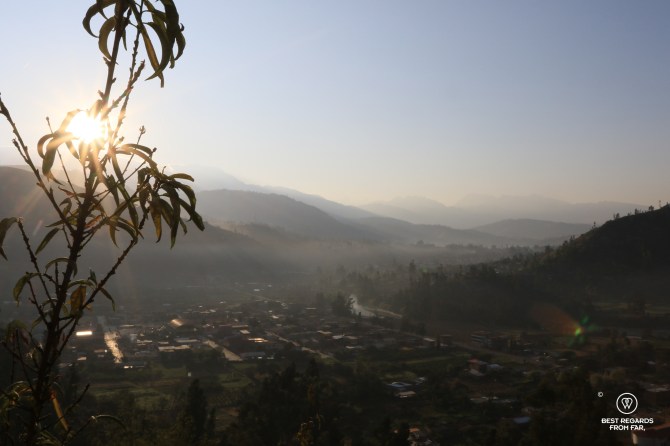
View from the Wayarumi Sky Hotel, Carhuaz, Peru
For an exceptional stay, the Wayarumi Sky Hotel, perched on the heights of the town, stands out as an ideal choice. Situated amid the ancient Huari ruins of Hirca Pampa dating back to 600 B.C., this family-run boutique lodge offers a wonderful panorama of the valley of Carhuaz between the Cordilleras Blanca and Negra. Crafted with locally sourced stones by skilled artisans from the area, the hotel features solar showers and is run with ethical practices and a genuine passion for hospitality.
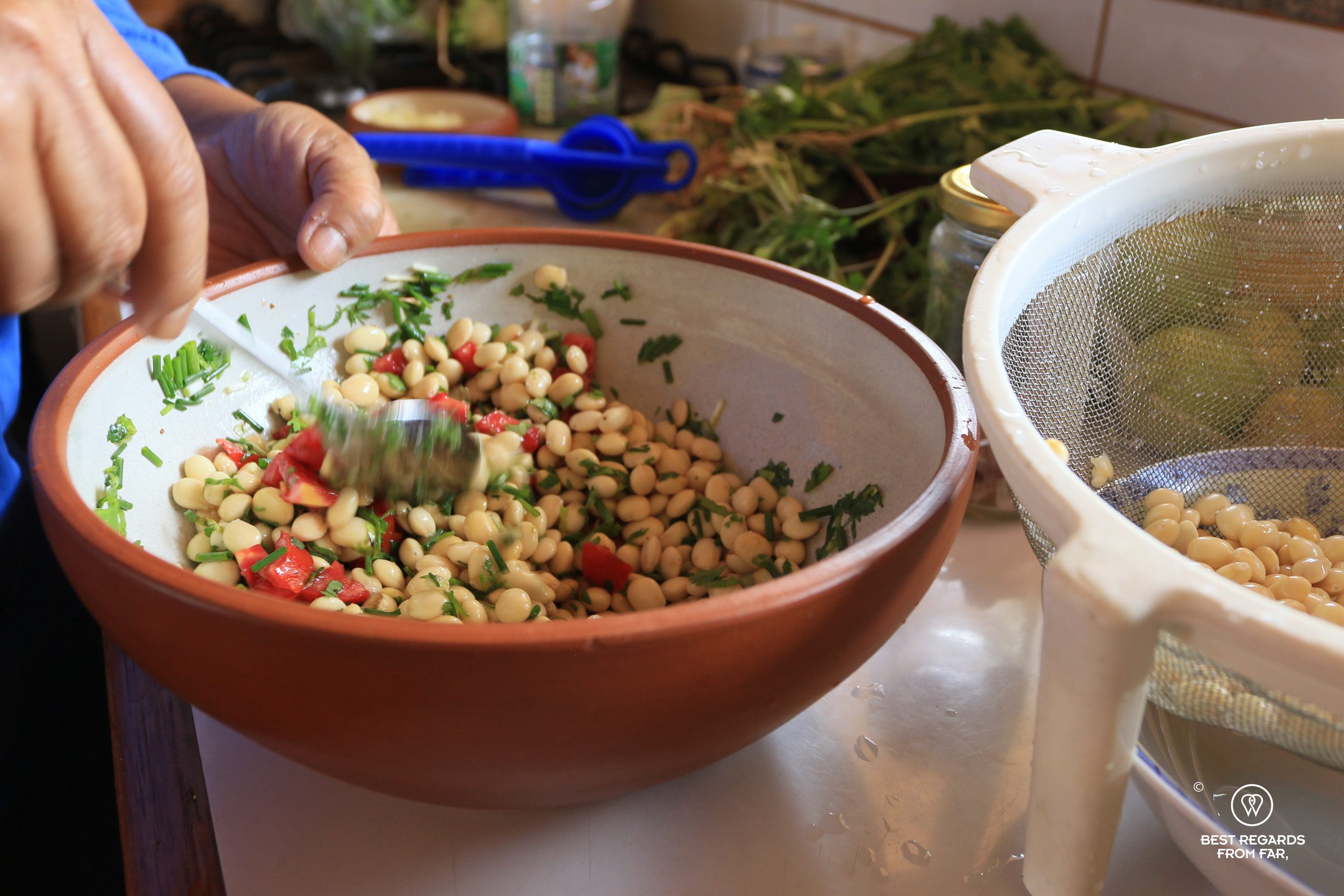
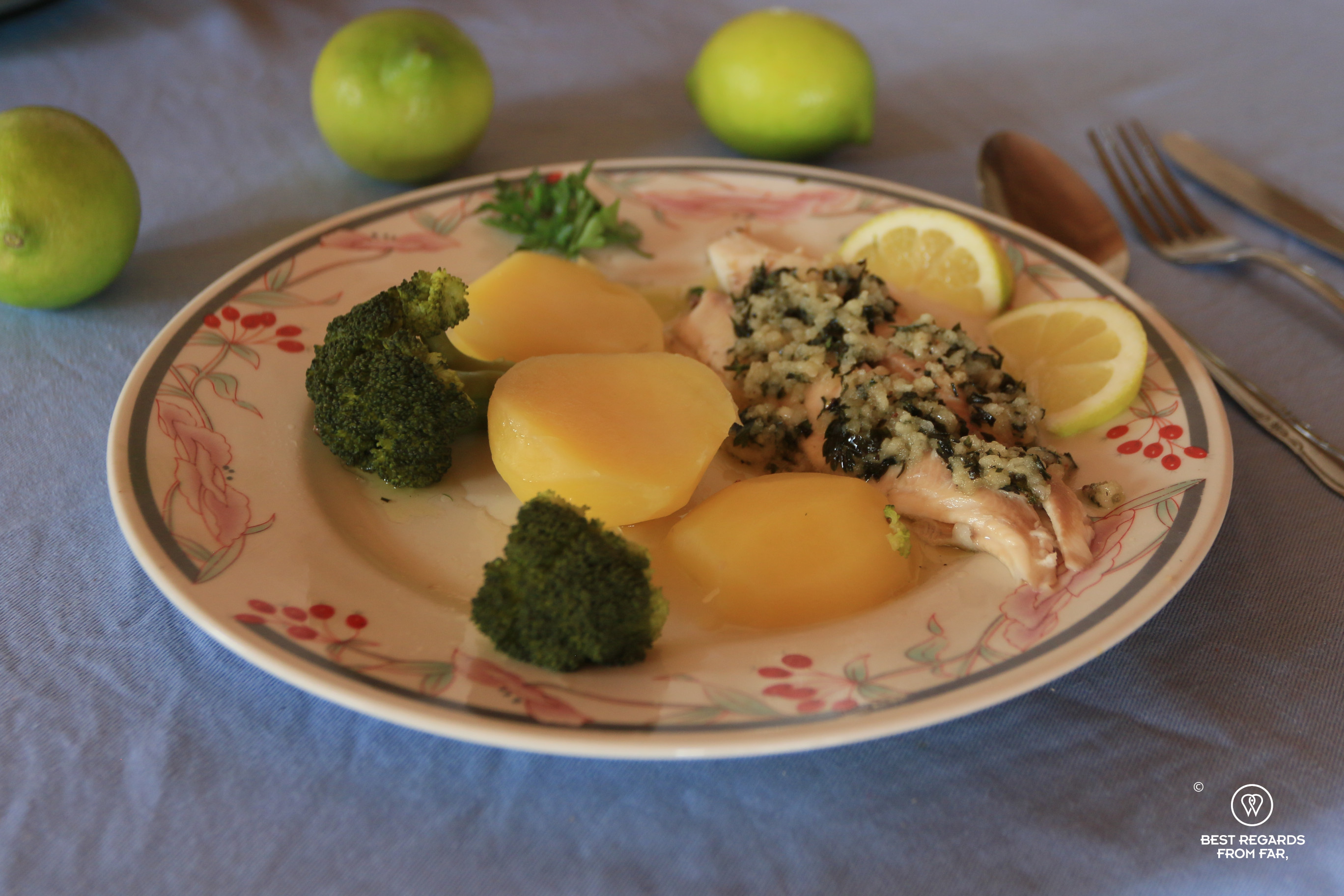
The Wayarumi experience extends to its restaurant, where the onsite organic herbal garden contributes to the flavors of delicious, healthy, and impeccably presented dishes.
A few days here are a must to get ready for and also to recover from any adventure in the Cordillera Blanca in style and comfort!
8. Within easy & safe reach – the Huaraz airport
In July 2024, a daily air route connecting Lima to Huaraz airport (that is actually closer to Carhuaz) was inaugurated.
Bid farewell to overnight bus journeys as flights promise a swifter, safer, and more efficient means of exploration amid the breathtaking landscapes of the Andes and the wonders of the Cordillera Blanca.

Travel tips:
- To help you set up your trip to Carhuaz, the Cordillera Blanca, or further into Peru, Gloria from Gloria Pérou Voyages is full of resources with a real passion for her country!
- Check out this interactive map for the specific details to help you plan your trip and more articles (zoom out) about the area!
For more in Peru, click on these images:




 Best regards from far,