Article updated on December 28, 2024
Text & photographs: Claire Lessiau & Marcella van Alphen
Battambang, Cambodia’s second-largest city with a thriving agriculture, is an authentic destination that is ideal to dig into the traditional crafts of the country. Join us as we take you through a series of seven short articles, each uncovering the secrets of one of these crafts.
“Smell like hell, taste like heaven,” our local guide, Mr. Ola, states with a captivating grin, his eyes twinkling as he recounts his mother’s signature recipe for prahok, a traditional Cambodian fish paste dish. I shift uncomfortably from one leg to the other, trying to pay close attention to his story while subtly holding my breath to avoid the overpowering, pungent odor filling the air. We are about to discover the somewhat unsettling process of how fish paste, a key ingredient in many Southeast Asian dishes, is made in the bustling fish paste market of Battambang.
As we step into the narrow, bustling streets of the Phsar Prohok market, the smell of fish is almost unbearable, and as Mr. Ola enters a damp, dimly lit warehouse where the precious fish paste is prepared by local families, I prepare myself. Inside, the air is thick with the heavy odor of fermenting fish, and my senses are overwhelmed.
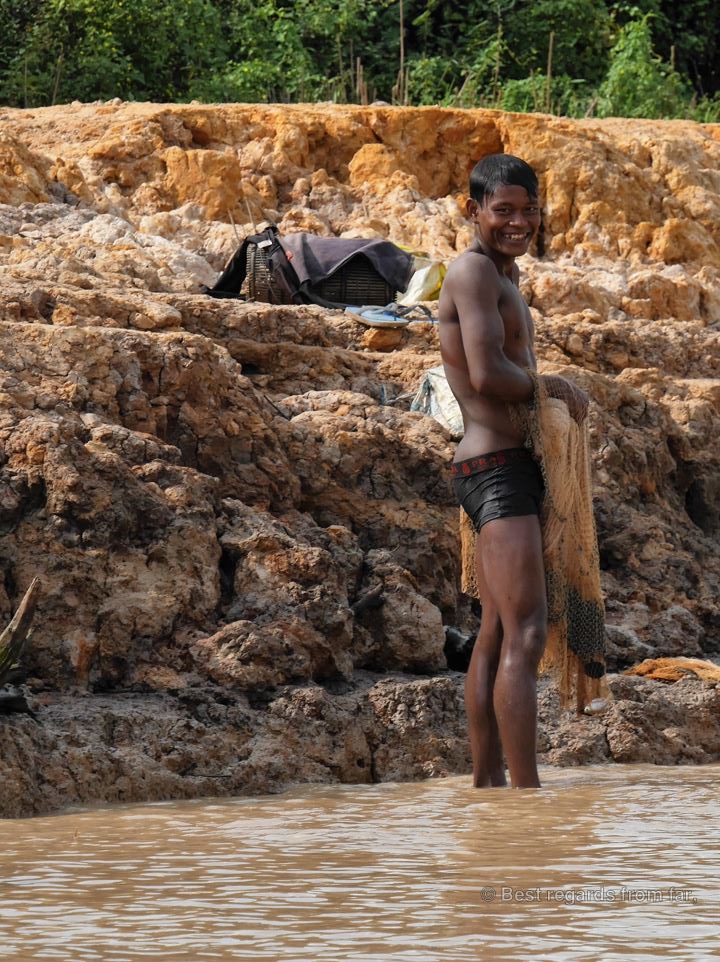
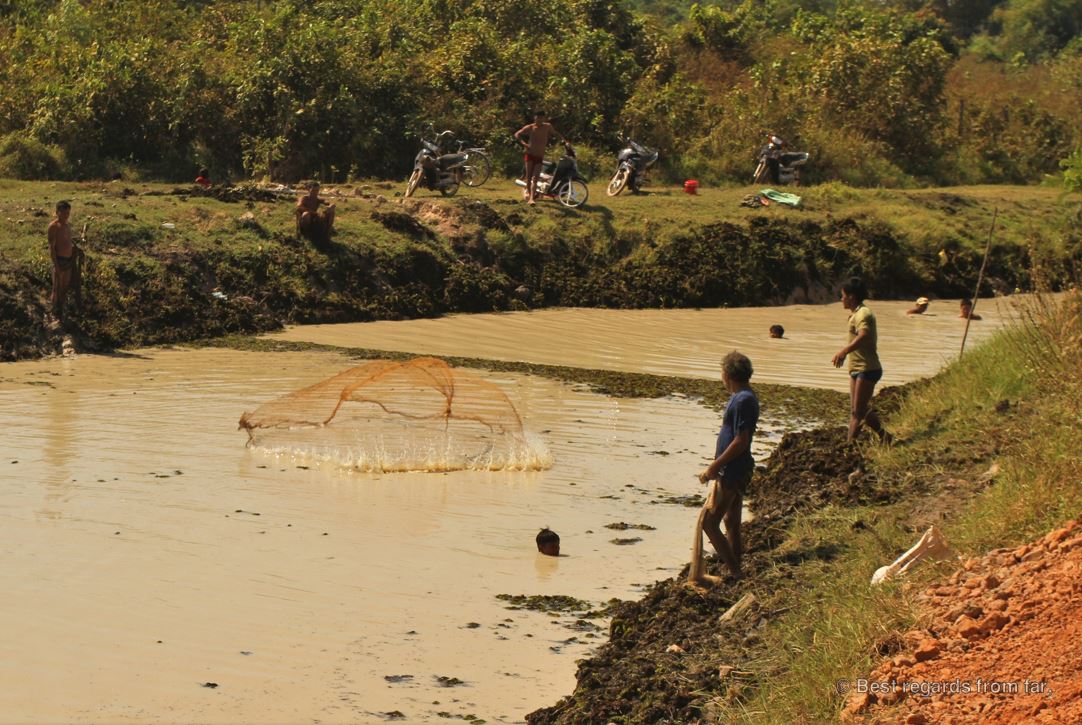
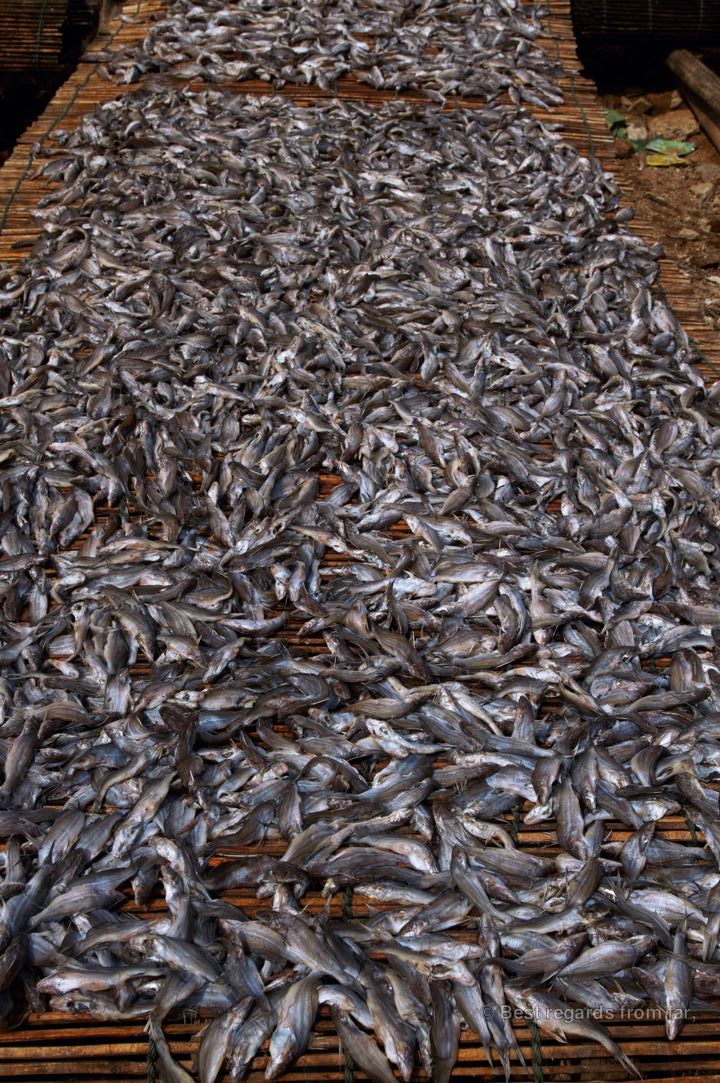
I watch as a young man, mashies fresh fish with his bare feet like wine grapes in the old times. This step is part of the meticulous process that transforms fresh fish into prahok. The fish, caught from the Tonlé Sap Lake and the river connecting Battambang to the lake, are carefully cleaned, cut, and mashed. After being dried in the sun for about a day, the fish is left to ferment in large vats for anywhere from a few months to up to three years, allowing the flavors to deepen and intensify. The result is a potent fish paste with a flavor so distinctive that it has earned its place as a key ingredient in dishes such as pho, soups, and many other Asian dishes.
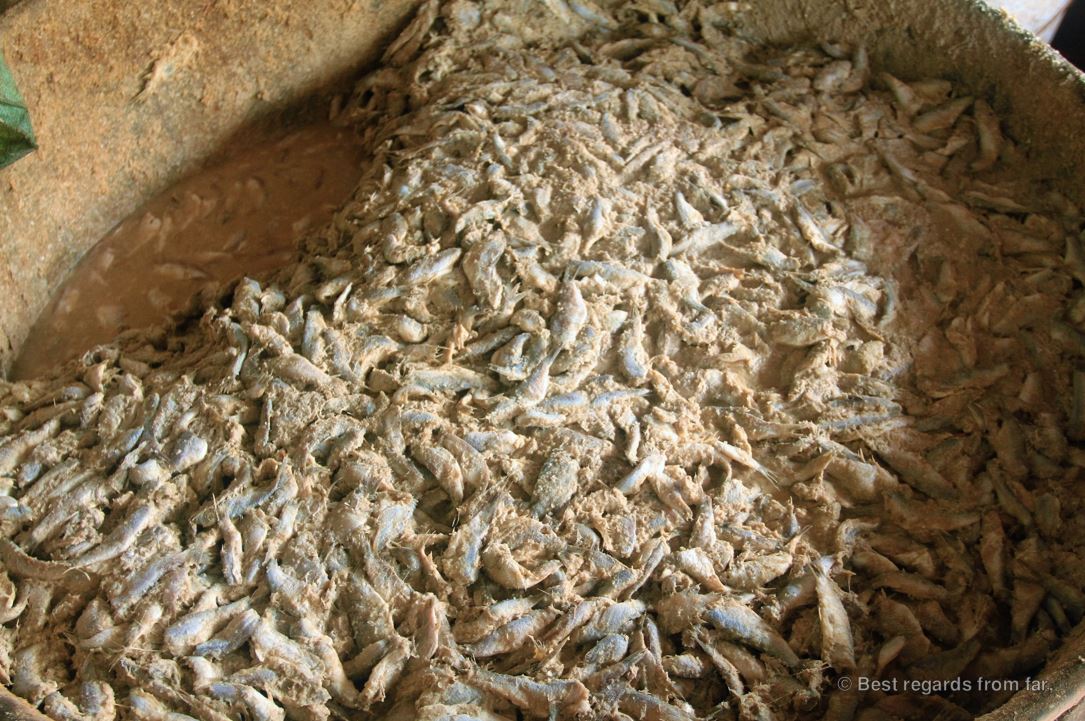
Leaving the Phsar Prohok market behind, I feel a slight sense of relief that this pungent place will not be our lunch stop today. But my experience is not over just yet. An hour later, I sit down to taste pho in a local restaurant, and test Mr. Ola’s statement. As I add just a small spoonful of the prahok to my steaming bowl of pho, the intense aroma of fish paste enhances the flavors of the soup, adding umami. Indeed, it smells like hell, but the taste is undeniably heavenly!
Travel tips:
- To make the most of your visit, we strongly recommend you to take a local guide as most craft-people do not speak English and are actually working hard to make a living, so they should not be disturbed. The local guide knows the usage and will tip appropriately.
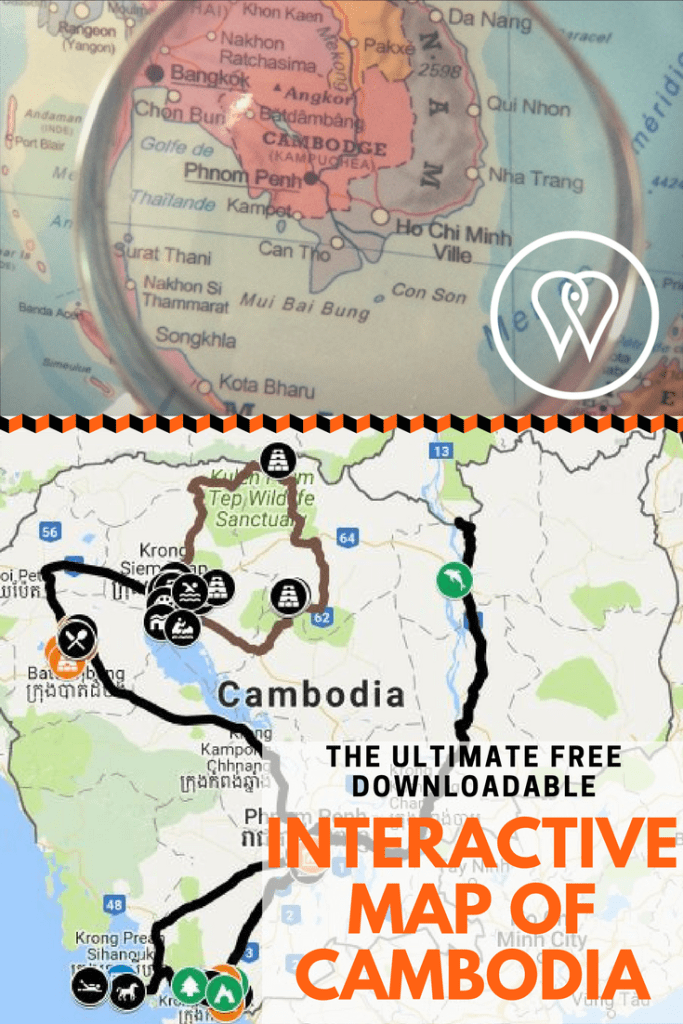
- Check out this interactive map for the specific details to help you plan your trip and more articles and photos (zoom out) about the area!
For more inspiration about Cambodia, click on these pins:




 Best regards from far,
Yes indeed and it is indispensable to the cuisine of Cambodia, Thailand and Vietnam! It is an acquired taste…sort of like cheese to them
Yes, cheese can be as stinky 😉
For us Asians at least!