Article updated on December 28, 2024
Text: Claire Lessiau
Photographs: Claire Lessiau & Marcella van Alphen
The traffic in Phnom Penh is hectic. I weave through the bustling streets on our 125cc scooter, I dodge pedestrians who cross at will, scooters that appear from every direction—often against traffic—and tuk-tuk drivers skillfully maneuvering between trucks, buses, and cars. Driving in these conditions requires unwavering focus. Yet, despite the frenetic pace, my mind keeps drifting back to S-21, the prison we just left. The depiction of the atrocities committed in this prison under the Khmer Rouge regime has left such a deep impression that we can hardly utter a word to each other. As we head south, the traffic gets slightly lighter, and the relentless potholes jolt me back to the present. I cannot help but think about those who survived S-21’s tortures. These victims too, may have felt the same bumpy road while being driven to the village of Chhoeung Ek—the Killing Fields—just half an hour from Phnom Penh.

After detention in S-21 and enduring frequent tortures to confess to crimes against the revolution that most of them did not commit, prisoners were told they were being transferred to a new house. Men, women, the elderly, and even children were crammed into military trucks. Fifty to seventy individuals at a time, several days a week, made the journey to their final, horrific destination. As we drive down the very same bumpy roads they did, it is hard to imagine the terror they must have felt during the slow, eerie passage through an empty Phnom Penh—emptied of its citizens by Pol Pot’s regime.
The journey to Chhoeung Ek must have taken about 30 minutes. Once there, the victims were unloaded, blindfolded and handcuffed, and led to their deaths under the cover of the darkness of the night, unaware of the fate awaiting them having no idea of what was about to happen to them. Diesel generators hummed in the night, powering the harsh lights that illuminated the executions. Happy communist songs about Kampuchea Democratic blared from loudspeakers to cover the screams.
Kneeling before their mass graves, victims were executed one by one by the Khmer Rouge soldiers, often with crude instruments like machetes, bamboo sticks, axes, or farming tools—anything that did not waste expensive ammunition. Afterward, bodies were discarded in the pits, covered with chemicals to mask the stench of decay and to ensure that any survivors were finished off.
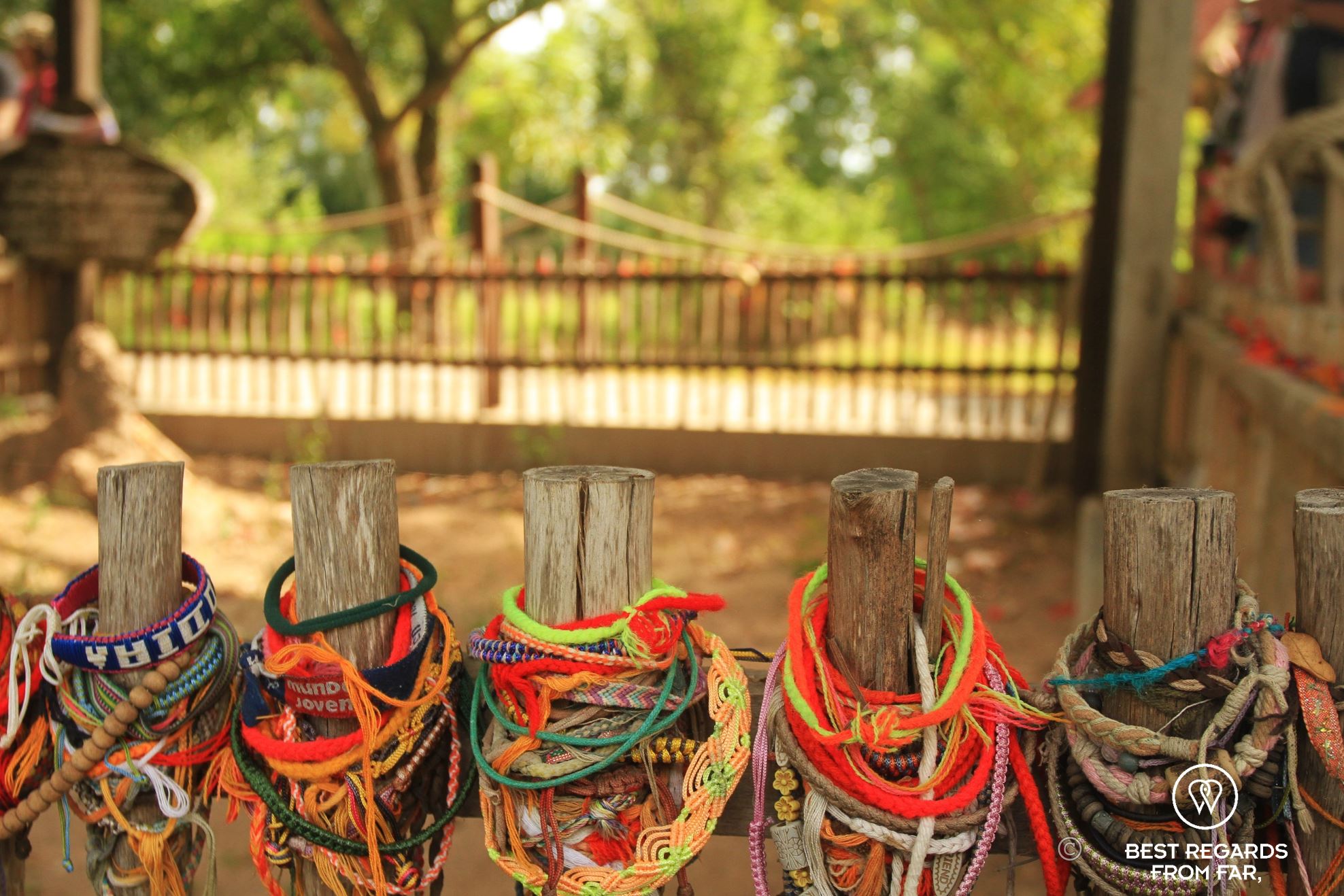

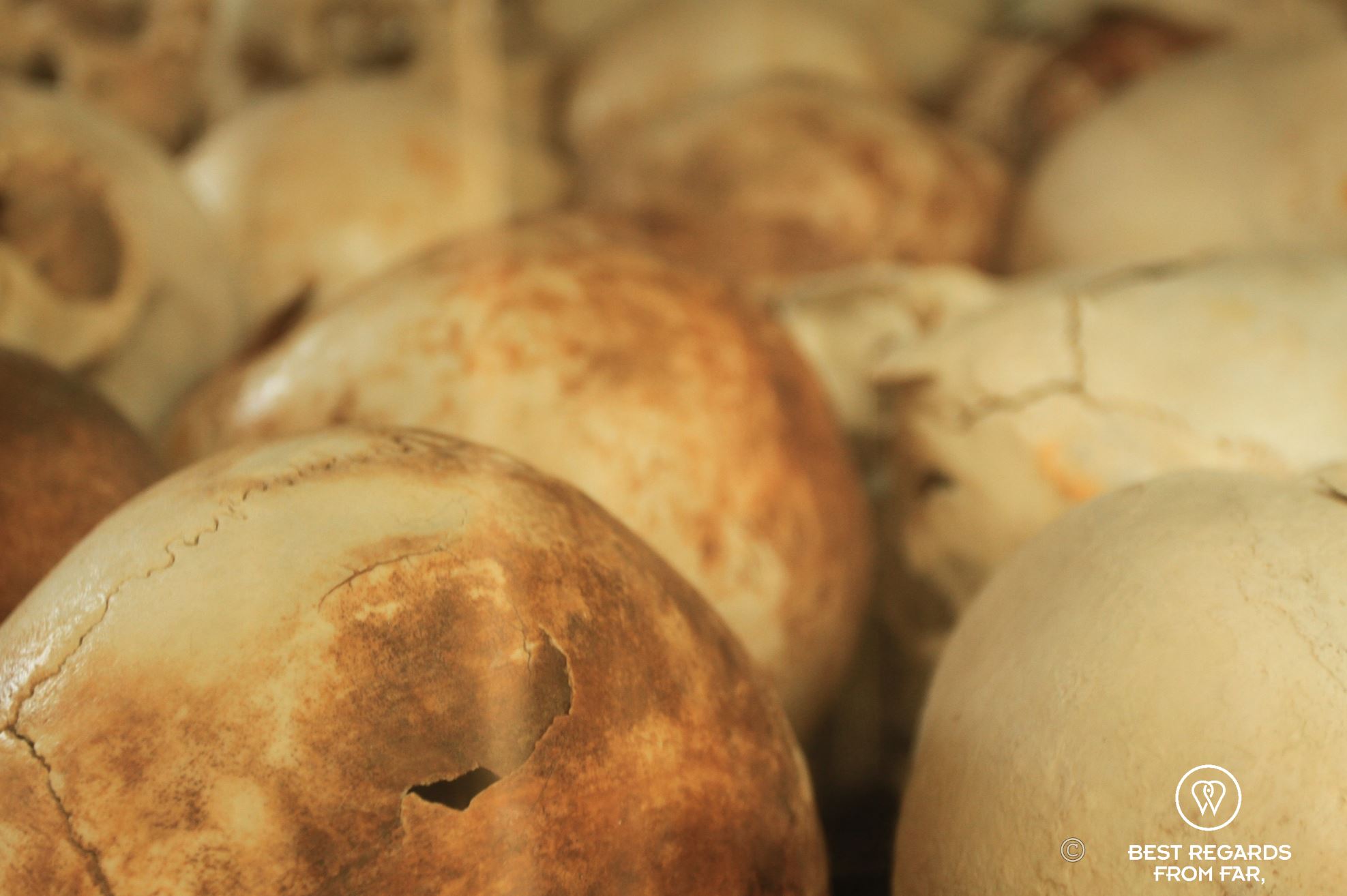
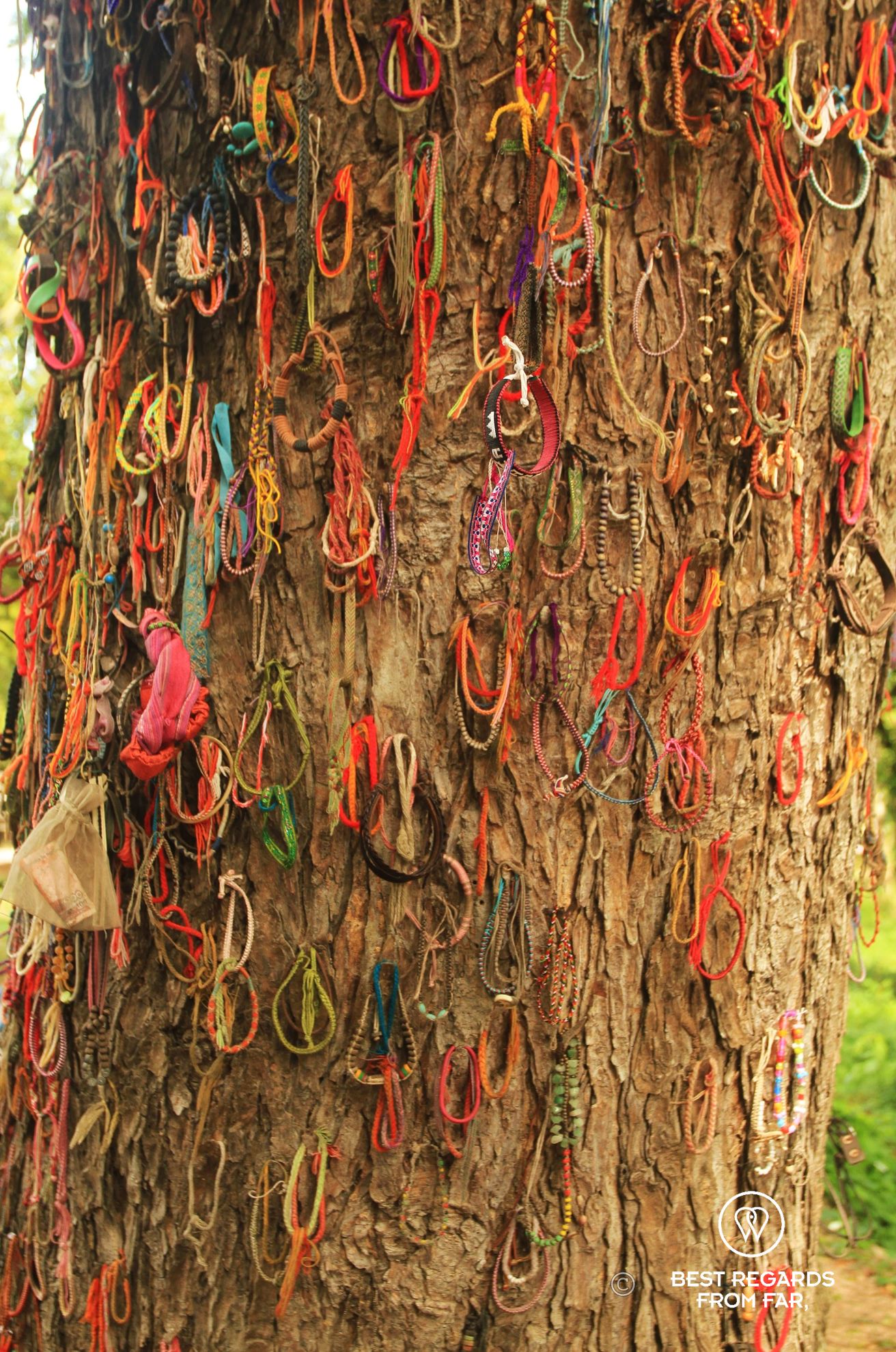
The Khmer Rouge regime believed that it was better to kill an innocent person by mistake than to spare an enemy. To ensure no one would seek revenge, when one family member was executed, entire families were obliterated—babies included. One tree at Choeung Ek serves as a chilling reminder: it was used to bash in the skulls of infants. No one who has seen this tree can ever forget it. How could a person clutch a baby’s feet and violently smash its head against the trunk? But in the world of the Khmer Rouge, if you did not kill, you were seen as a traitor, next in line for execution.
To rule Kampuchea Democratic, Pol Pot trusted only a small group of educated leaders, relying on poor and uneducated teenage peasants— unspoiled by the urban bourgeois society, malleable, and brainwashed—to carry out the atrocities. These young soldiers are also considered victims today.
By 1978, the Khmer Rouge could no longer keep up with the nearly 300 prisoners brought to the Killing Fields each week. Some prisoners waited another day before meeting their gruesome end, possibly understanding the fate that awaited them.
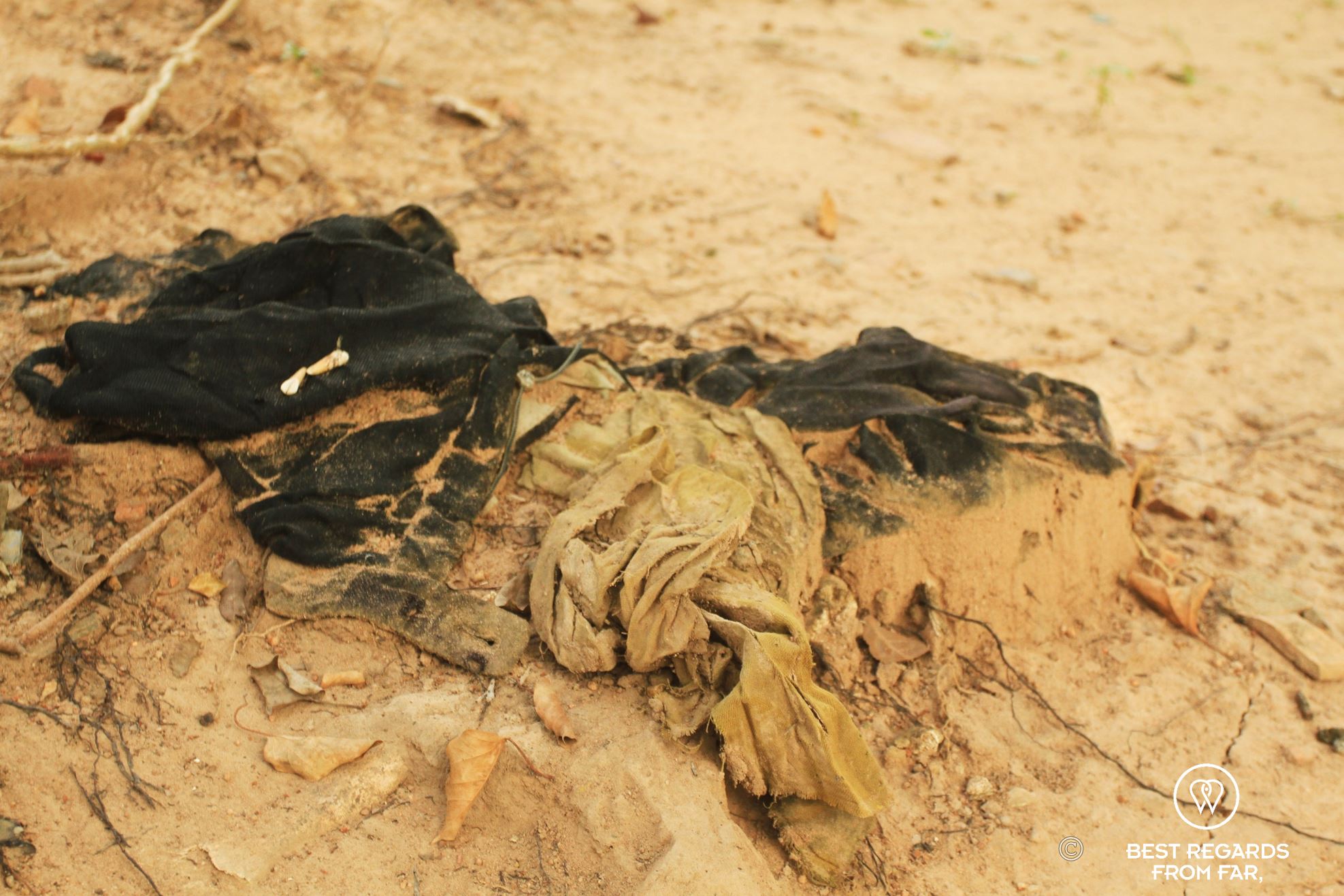
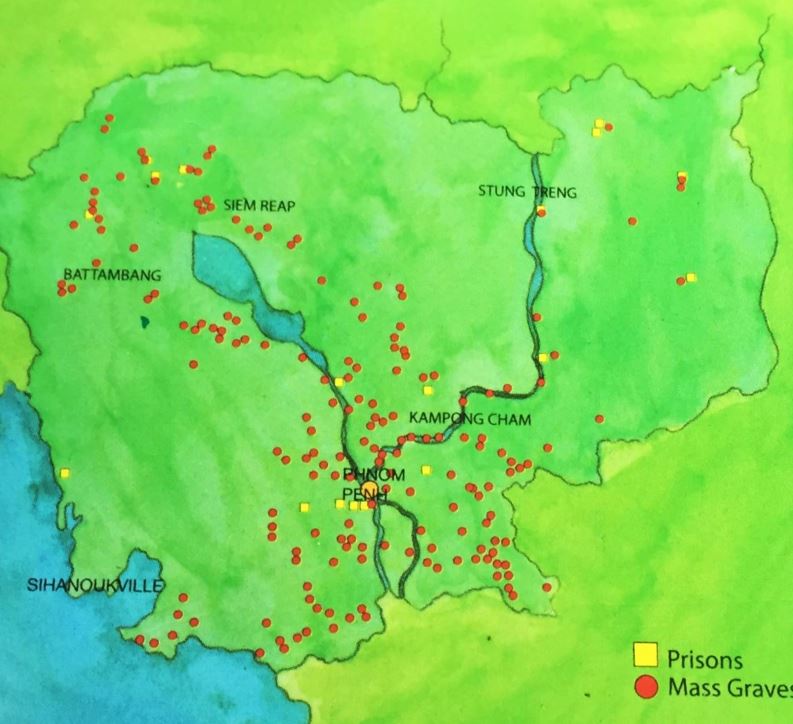
More than 40 years later, bones, teeth, and fragments of clothing continue to surface from the shallow graves across Choeung Ek. These remnants are methodically collected to allow for proper burial and to honor the victims who were denied that dignity. It is estimated that 1.3 million Cambodians lost their lives, slaughtered by their own, in one of the 300 killing fields throughout the country during the Cambodian genocide during the Khmer Rouge’s reign of terror.
Reflecting on History:
- The Khmer Rouge regime is believed to have caused the deaths of up to 2 million people—approximately a quarter of Cambodia’s population at the time.
- After the fall of the Khmer Rouge, Pol Pot fled to Thailand and remained the head of the Khmer Rouge who were still representing Cambodia and seating at the UN in New York City and receiving international financial aid, while the new Cambodian government was largely ignored.
- The Extraordinary Chambers in the Courts of Cambodia (ECCC) is special court that was put in place to prosecute the senior leaders of the Khmer Rouge. At the time of writing, three top leaders had recently been sentenced to life imprisonment.
- As travelers, we strongly believe that we have a duty to try and understand the history of the countries we visit. Understanding history, and its darkest moments, is a way of commemorating victims while keeping a critical mind on our present. At the time of writing, we cannot help but thinking about the alarming events that have been taking place in Syria and bear horrific similarities.
Travel tips:
- We recommend visiting S-21 before heading to the killing fields for a better understanding of the Khmer Rouge regime and of what happened during the Cambodian genocide.
- Many initiatives have been implemented to try and heal the horrors of the Khmer Rouge dictatorship. Some of the most inspiring ones are Phare, the Cambodian Circus in Siem Reap Phare Ponleu Selpak in Battambang that you can attend and support, and Golden Silk that you can learn about.
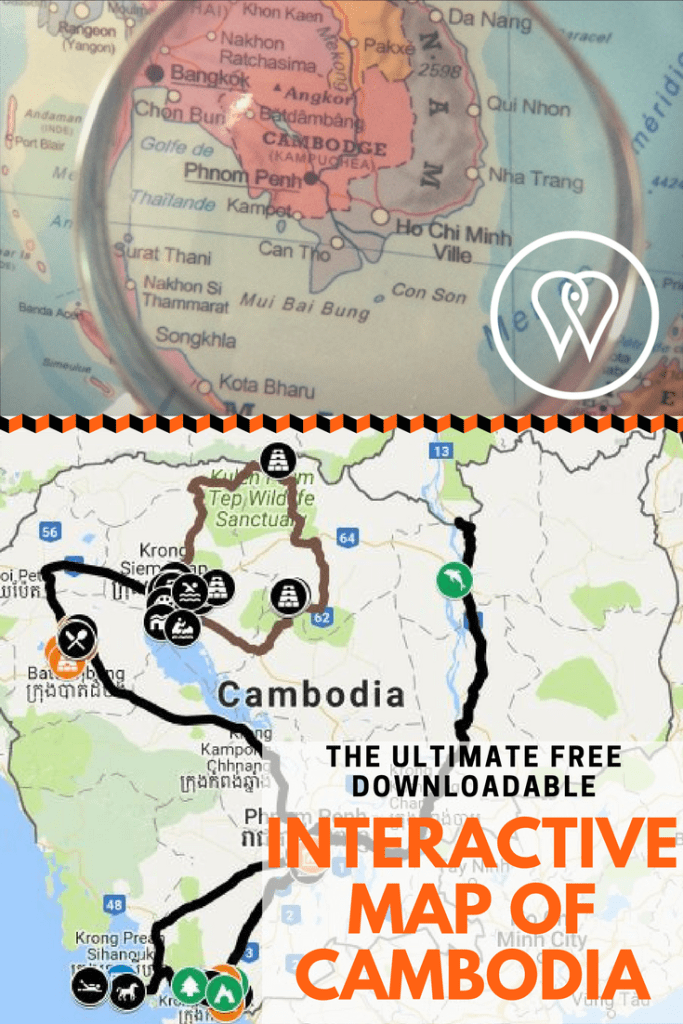
- Check out this interactive map for the specific details to help you plan your trip and more articles and photos (zoom out) about the area!
For more inspiration about Cambodia, click on these pins:





 Best regards from far,
14 Comments Add yours