Article updated on December 28, 2024
Text & photographs: Claire Lessiau & Marcella van Alphen
While Cambodia does not have the same reputation as Thailand for its vibrant coral reefs, idyllic islands, and pristine beaches, this lesser-known destination offers an alternative for those in the know. As I write this article from the quaint fishing village of M’Pai on Koh Rong Samloem, a small island in southern Cambodia, I am soaking in the peaceful atmosphere, feet in the sand, sipping a refreshing mango shake at a cozy wooden shack run by a local family. From here, I have a perfect view of the pier with its colorful wooden fishing boats and the paradise-like bay, where turquoise waters meet the soft white sands. Unspoiled by mass tourism and maintaining a laid-back vibe, this is the postcard-perfect scene.
The beauty of this place makes it hard to leave. In fact, almost every resident I meet was only supposed to stay for a short time. “I’ve been here for five years now,” says Tom, a dive instructor with a local outfitter. For someone like Tom, it is easy to see why he has stayed—there are nearly 12 shallow dive spots just 5-10 minutes by boat from M’Pai, with reef drift dives that explore both artificial and natural reefs. One notable spot, the “Back Door” dive site, features an astonishingly rich variety of corals, some of the rarest and most beautiful in the world.


However, the very reefs that attract divers like Tom and us are under serious threat. Overfishing has ravaged the waters, leaving few large predators and causing significant harm to the coral ecosystems. Destructive practices like dynamite fishing, cyanide fishing, and trawling are still prevalent in the area. Vulnerable coral pinnacles are often smothered by fishing nets and lines, blocking sunlight essential for their survival. Recently, a conservation area was designated around the island, but illegal fishing traps and nets continue to be found, as there is no enforcement of the regulations.
Another critical threat to the reefs is trash. An overwhelming amount of garbage, particularly plastic, often ends up wrapped around the corals. The consequences are devastating, not only for the reefs but for marine animals like sea turtles, which mistake plastic for jellyfish, and seabirds, which ingest plastic debris thinking it is fish. The currents carry trash to specific areas around Koh Rong Samloem, turning parts of the ocean into an underwater dump.


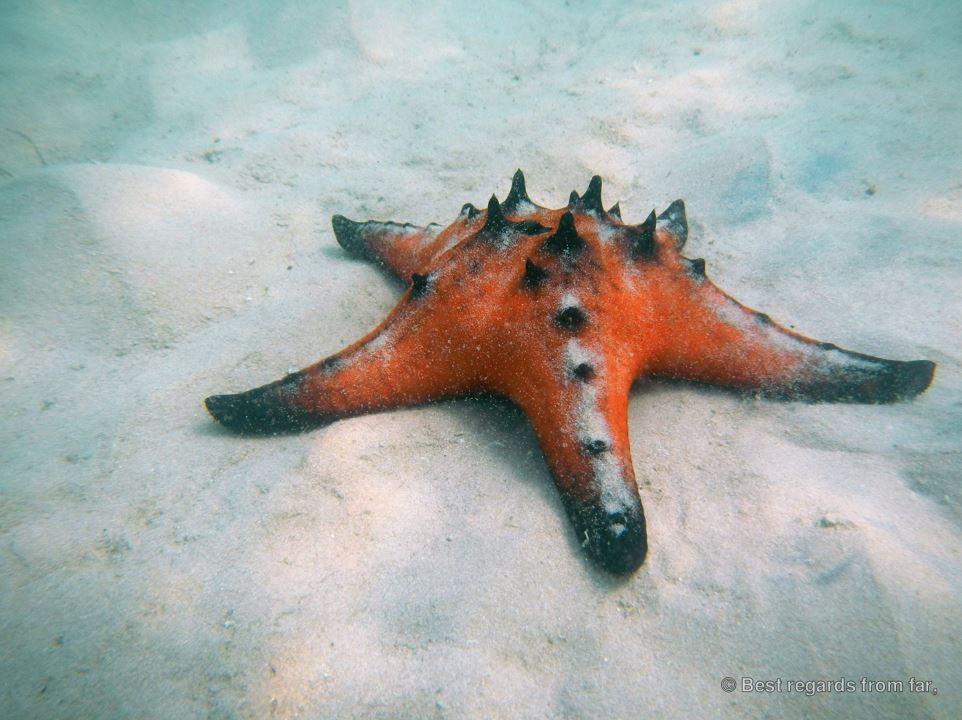

In response to these threats, some NGO’s set up to protect this delicate ecosystem, but COVID got the best of them and the situation is currently even more critical. It takes passionate environmentalists to restore corals and clean up beaches. During a one-hour snorkeling session with a group of six, we collected two large 40-liter bags filled with trash: plastic bottles, discarded fishing nets, clothes, cans, diapers, and more.

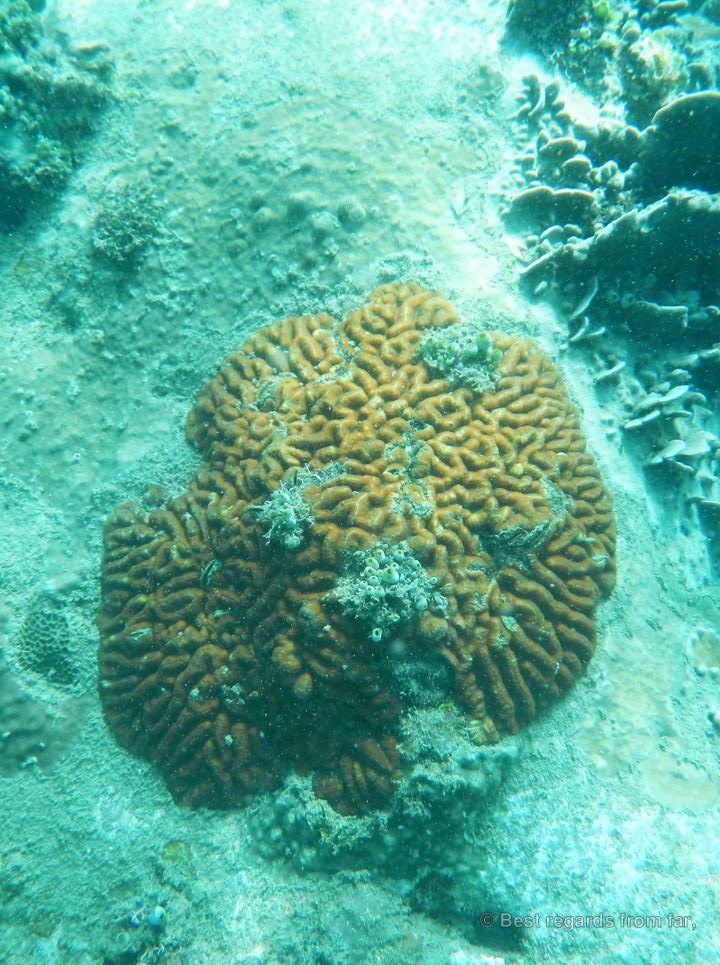
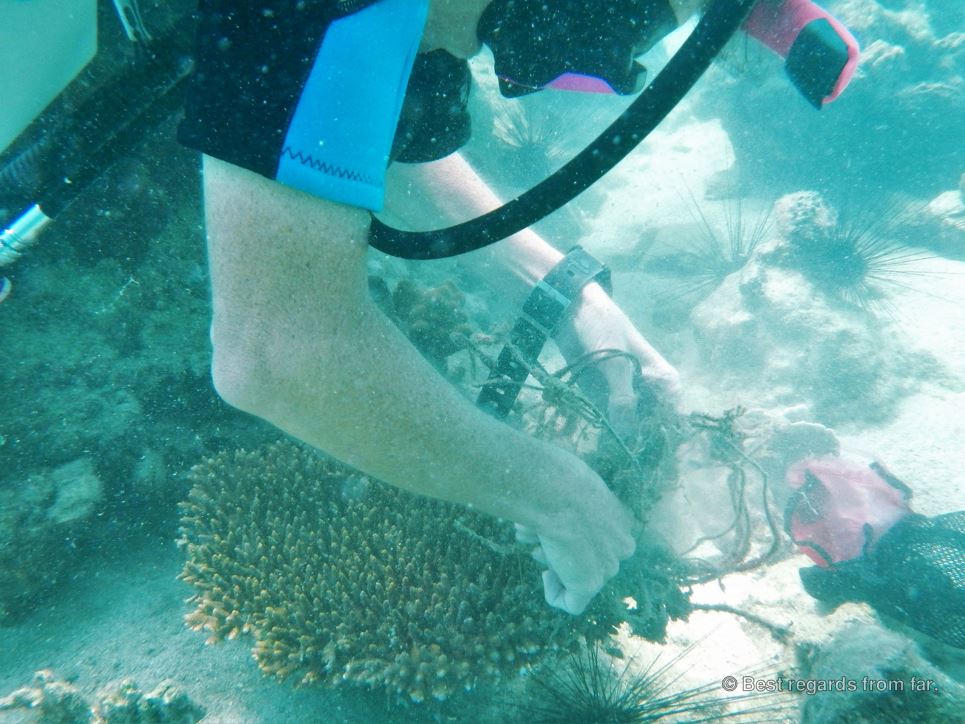
A key mission to salvage the reef is coral farming. The process is intensive and requires dedication:
- Coral fragments, about the size of a finger, are cut from a “mother frame” submerged about 4 meters (12ft) deep in M’Pai Bay, then carefully tied to biodegradable bamboo frames.
- In their first 3-6 months, these young corals are more vulnerable on the frame than on the reef and require daily cleaning to remove algae and prevent suffocation.
- After 6-12 months, the corals become more resilient, requiring bi-monthly cleaning to ensure they remain healthy and free of disease.
- Once the nursed corals reach 12-18 months and are strong enough, they are transplanted onto the nearby natural reef to help regenerate the ecosystem.
Aside from coral farming, educating local communities about the impact of overfishing, pollution, and waste water management is another key mission of most NGO’s.


Coral reefs are not just stunning natural wonders to enjoy snorkeling or diving; they also play a critical role in ocean health, supporting a quarter of all marine life and nursing many commercial fish species. Protecting these ecosystems is essential for the health of our planet.
Travel tips:
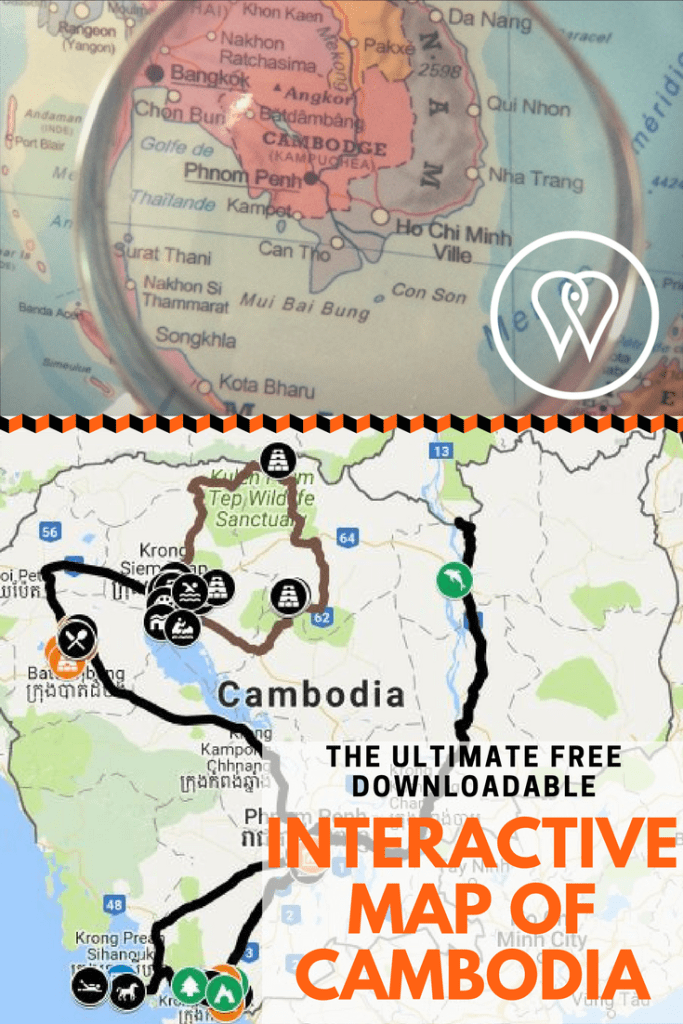
- Check out this interactive map for the specific details to help you plan your trip and more articles and photos (zoom out) about the area!
Click on these images to get inspired by Cambodia:





 Best regards from far,
I didn’t know scuba diving was so much fun until I decided to give it a try. I just love it. The main reason I love diving is for the adventure, because you never know what might happen below the water surface. I use the https://dive.site map to find new diving spots and the logbook to keep track of my dive adventures.
Thanks Helene, I have just checked the website you mention out, but it is not functional from a smartphone nor without registering. I’ll keep my old-school dive log 😉
Wow, Coral farming! How cool is that! It’s good to know that so many efforts are being made to save the marine life.