Updated on November 26, 2025
Text: Marcella van Alphen & Claire Lessiau
Photographs: Marcella van Alphen & Claire Lessiau
After 35 years under a gruesome Japanese rule, divided in half after the Second World War, and devastated by a civil war between 1950 and 1953, South Korea has, in slightly over half a century, risen to become the world’s 6th-largest economic power, surpassing Japan. A global leader in technology and innovation as well as a major influencer in pop culture, this success has come at a significant price for South Koreans.
Anchored in a Confucian culture that prioritizes respect for elders, loyalty, and group harmony—values that foster a strong sense of hierarchy and patriarchy—South Korea faces significant societal pressures, while individualism has been on the rise with the post-World War II US influence.
Expectations begin at a very young age, with academic success being both expected and heavily supported through costly private lessons. They persist into adulthood, shaping not only professional lives but also marital expectations and societal appearances in a country where plastic surgery has become the norm. All this pressure—reflected in the suicide rate that is the greatest of all developed countries—is released in alcohol-fueled outings with colleagues, visits to love hotels, massage parlors, and karaoke with hostesses.
On a healthier note, high-quality wellness programs, whether in urban centers or in the abundant Korean nature where trees, waters, and centennial traditions combined to modern methods, have the power to restore the souls and bodies of weary modern individuals.
Pin it for later!

Traditional Korean Herbal Medicine Spa [Yeo Yong Guk Spa, Seoul]
In bustling Seoul, the earthy tones of the interior, the paper sliding doors that gently dim the light, and the soothing music of the Korean Spa Yeo Yong Guk create an atmosphere of calm from the moment I enter.
This traditional Korean herbal medicine spa is rooted in the principles of Sasang, the indigenous Korean medicine that classifies people in four body types based on the relative sizes of liver and lung on one hand, and kidney and spleen on the other.
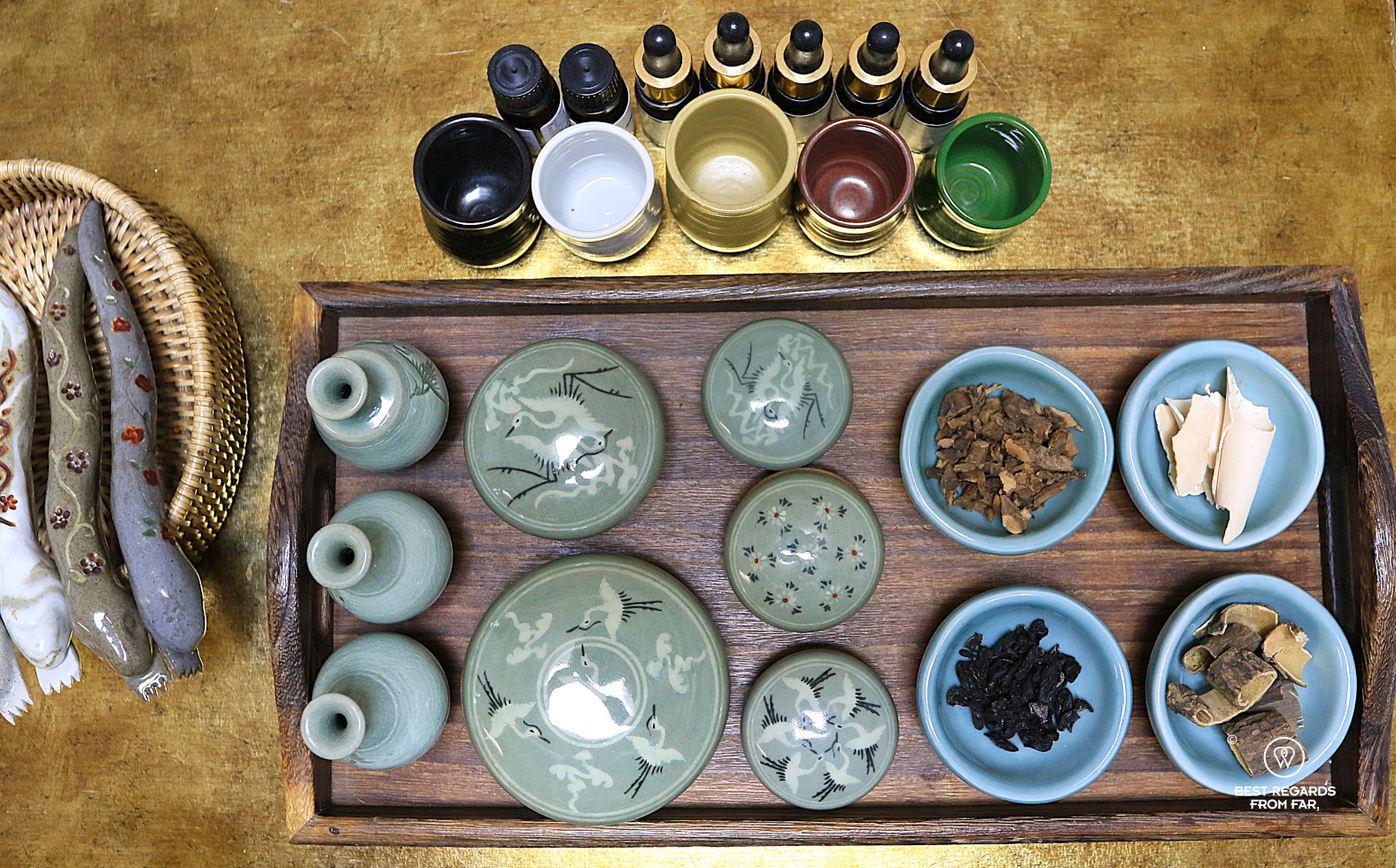
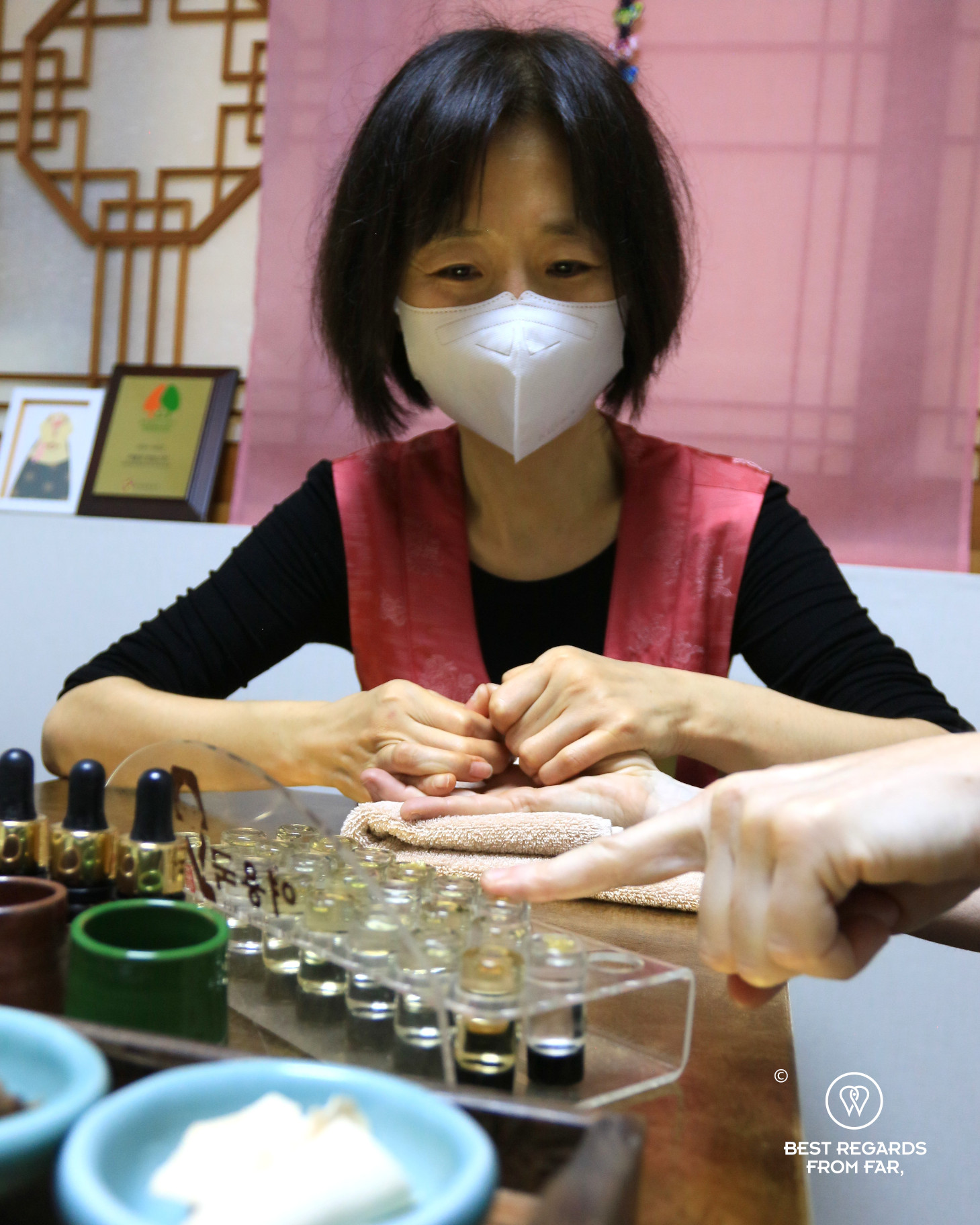
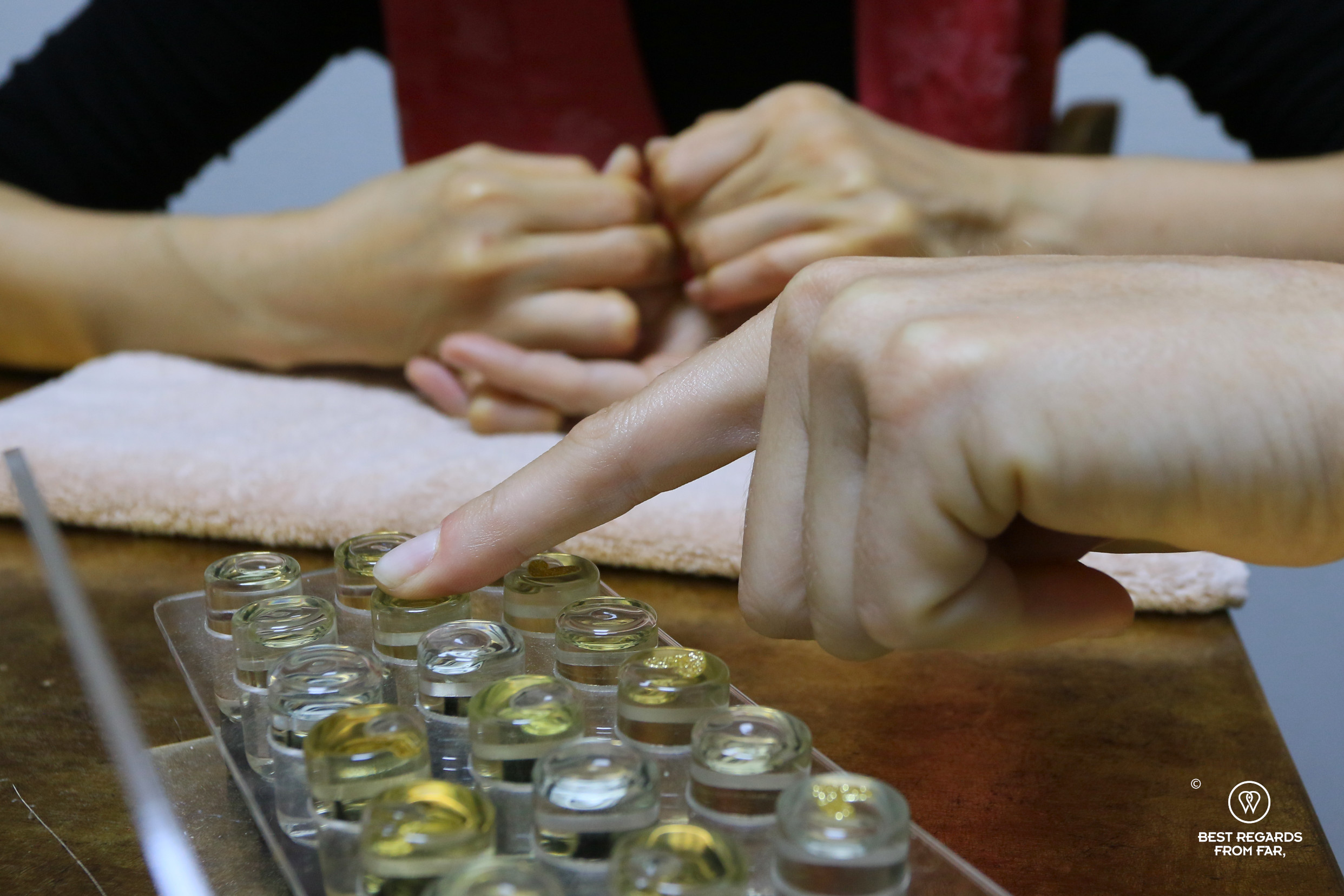
Logically, the first step in any treatment is a personalized physiological assessment to determine one’s body type. For the academically-trained Master Zio Choi, there is no need to dig at the organ level. Using a unique diagnostic method, she places my left index finger on vials containing specific medicinal herbs while testing the strength of my right hand as I attempt to maintain a closed O-ring shape with my index finger and thumb. After testing my reactions to various vials, she confidently affirms my body type: Type 28, or so-yang.
From there, the professional spa program of Spa Yeo Yong Guk is tailored to my specific body type for the maximum efficacy.
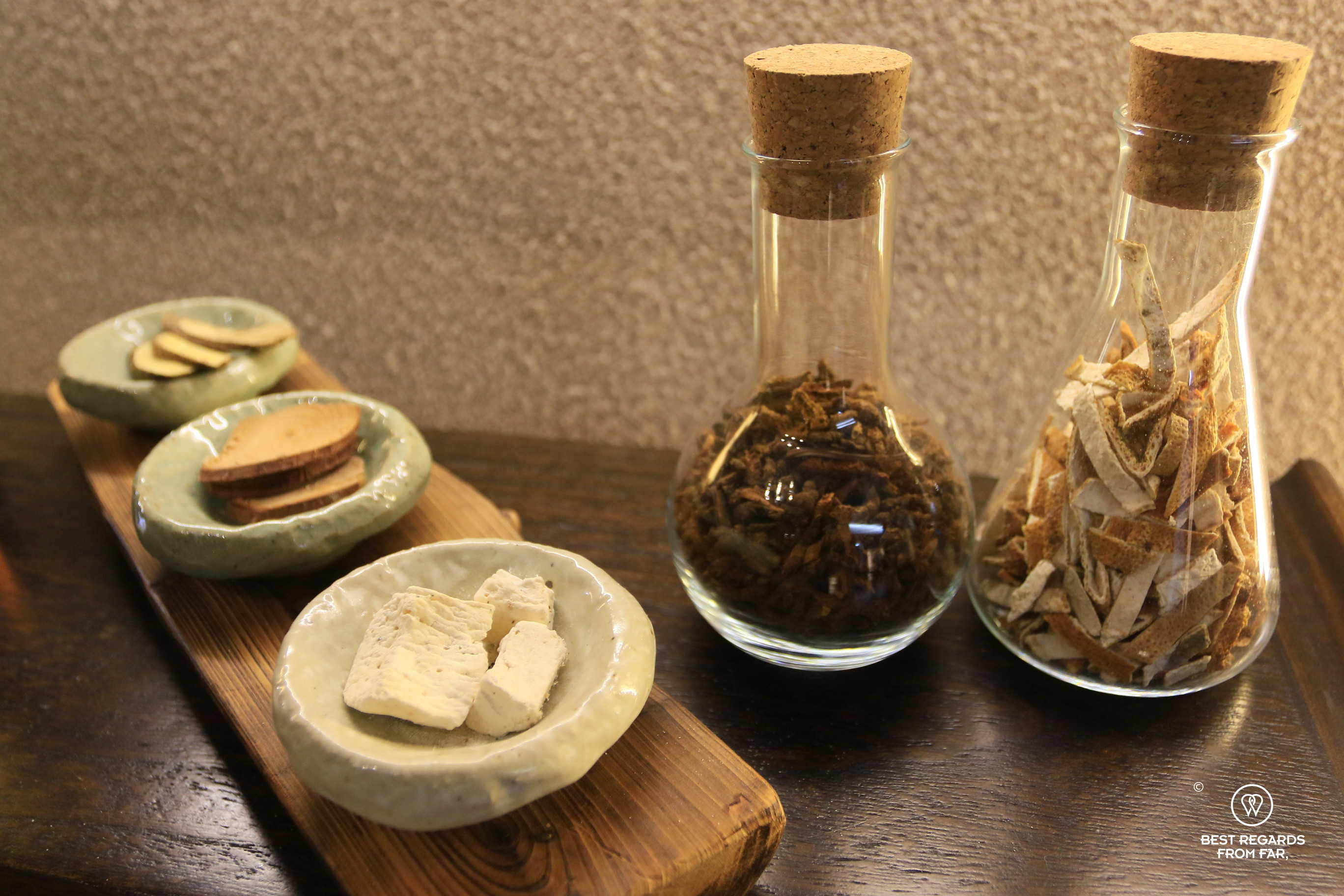
The facial and body care session begins with a gentle warm-up using herbal oils that were carefully selected for so-yang body types. Actually, Master Zio Choi partners with a traditional Korean medicine doctor who formulates all the essential oils, lotions, and creams used at her spa. Not only are the concentrations of medicinal herbs greater than in commercial cosmetics, the herbs are also carefully selected based on their origins, often deep in the Korean forests and mountains. Over 100 naturally fermented plants that have been used in Korean medicine for centuries are incorporated into these skincare formulations, ensuring their potency.
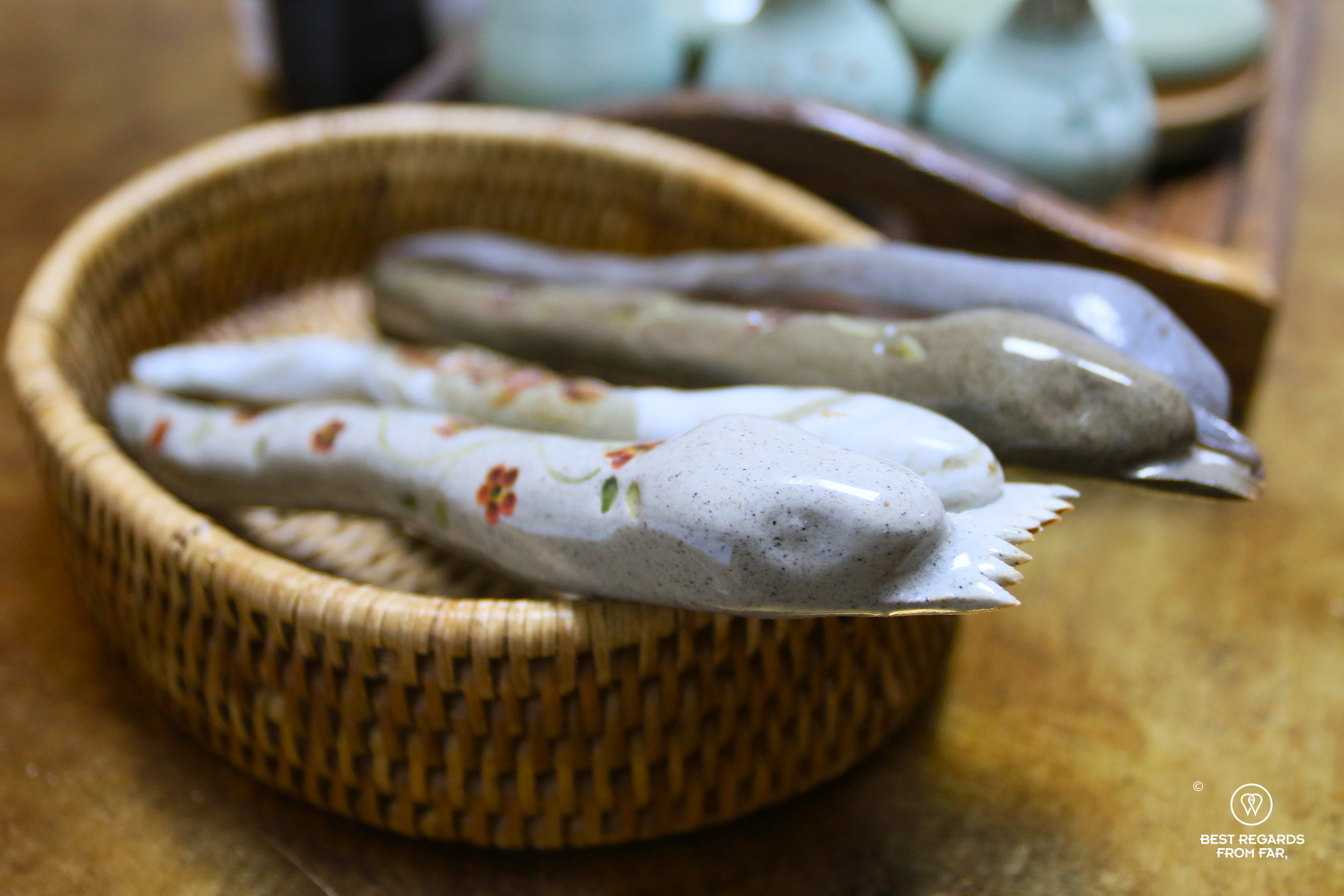
Other traditional and unique tools are used by Zio. I feel a tingling sensation on my back. Choi is using a hwasa or a porcelain snake-shaped ceramic instrument that reminds me of acupuncture. I feel the “fangs” of the porcelain snake move methodically in a grid-pattern, stimulating blood aperture points in a unique acupressure treatment that promotes skin regeneration.
Throughout the session, various massage techniques, healing hand methods, and potent oils are applied to every part of my body, each one of them customized to my body type. Many are unique and anchored in traditional Korean medicine, or hanbang. Toxins are released. The skin is purified. My energy levels feel restored.
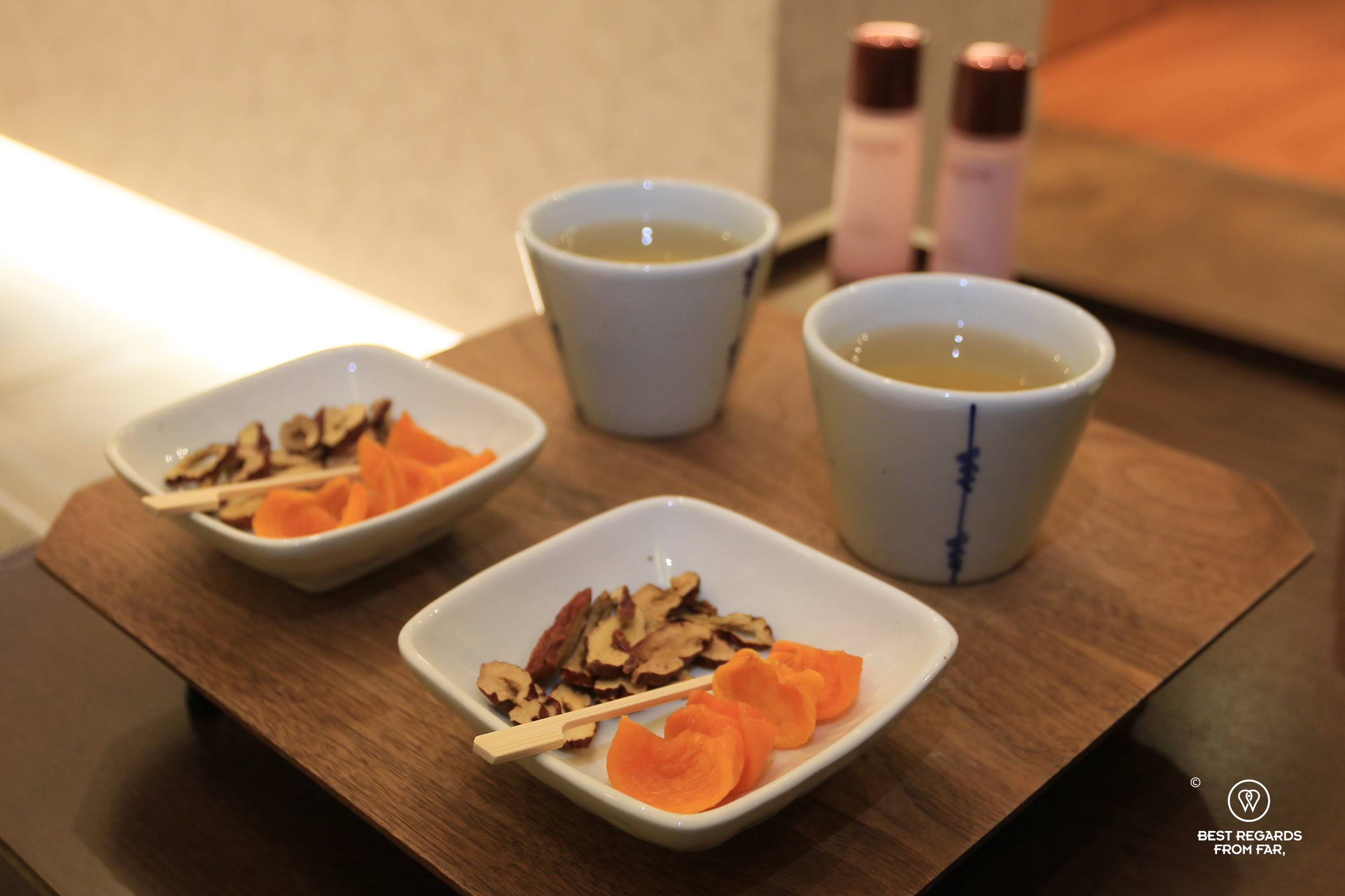
After two hours of deep treatment, I conclude my session in Master Choi’s office where I sip a warm lemon tea tailored to my constitution. Zio explains which food I should avoid given my body type, such as chicken, eggs, oranges, ginger, and honey, as they may cause skin dryness, leg swelling, or sleep disturbance.
More than a spa, Korean Spa Yeo Yong Guk offers an immersive experience in hanbang treatments, transcending mere pampering to reach a deeper wellness that encompasses lifestyle guidance, nutrition advice, and personalized skin and body care. If this may be important in every culture, it may be even more so in Korea where skincare and beauty are so paramount that there is even a term describing them: “K-beauty.”
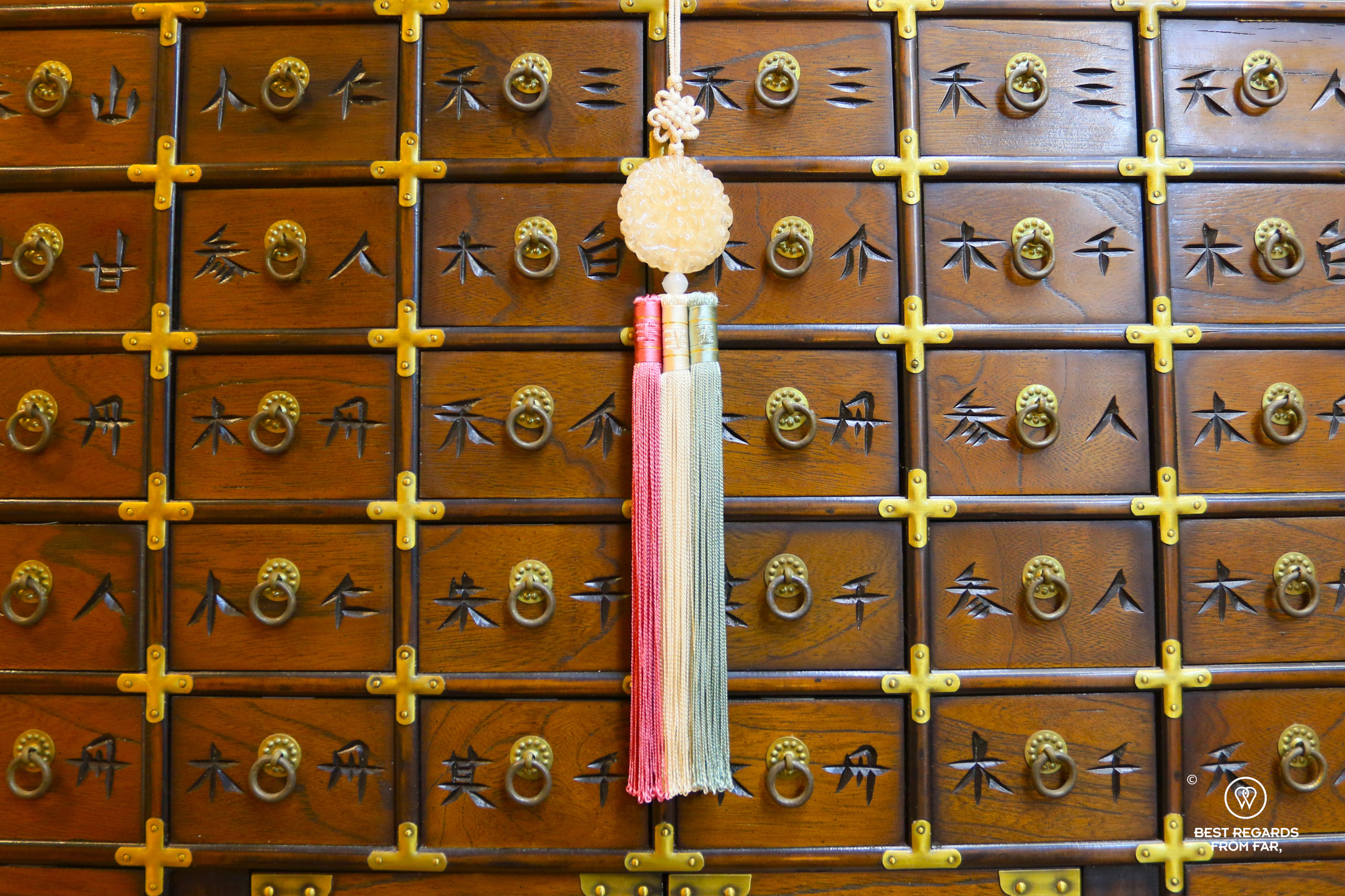
Red Ginseng Luxurious Pampering [Spa 1899, Seoul]
Where the tranquil Tancheon Stream winds its way to the Hangang River that waters Seoul, the sophisticated Spa 1899 welcomes its guests in a modern building for an exclusive red-ginseng-based pampering treatment.
Red ginseng—unpeeled ginseng harvested from Korea’s pristine mountains and valleys that is steamed for about three hours and then slowly dried—is one of Korea’s most sought after traditional medicine ingredients, notable for its extensive health benefits. Korean red ginseng has been scientifically proven to strengthen the immune system, reduce stress, exhibit anti-inflammatory properties, and boost cognitive function. Its reputation as an aphrodisiac, a metabolism enhancer, and a natural defense against aging skin further solidifies its rank as a cornerstone of Korean traditional medicine.
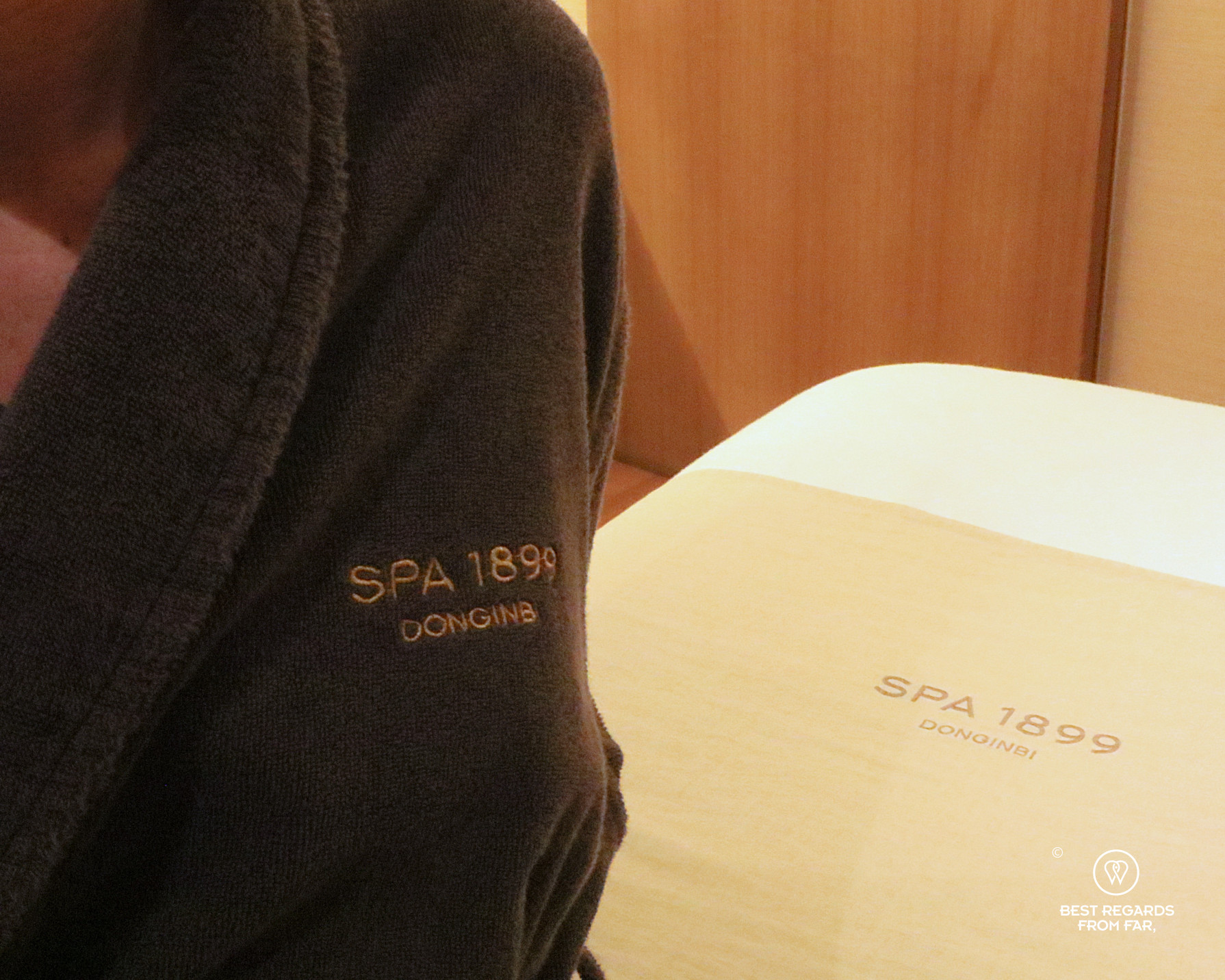
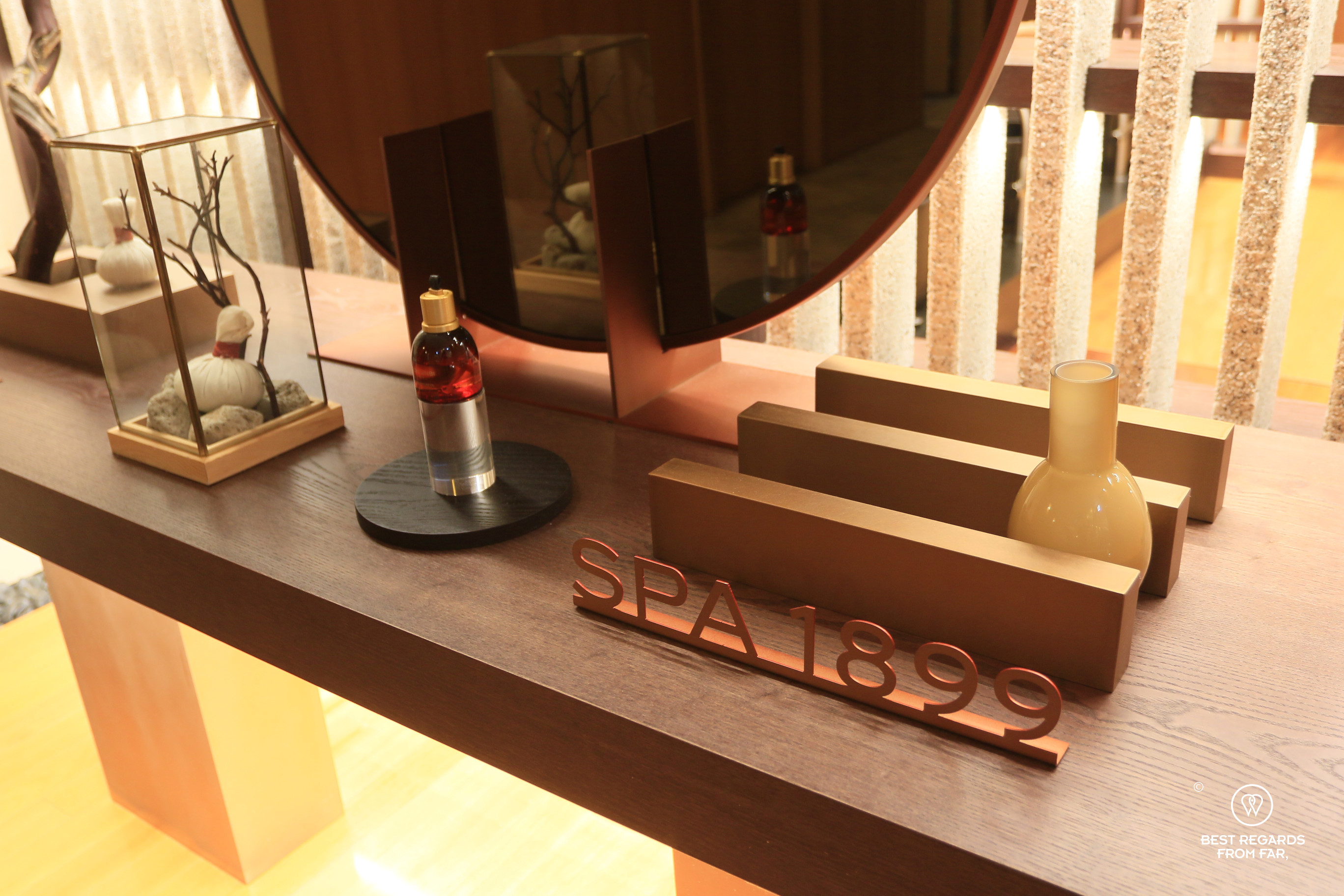
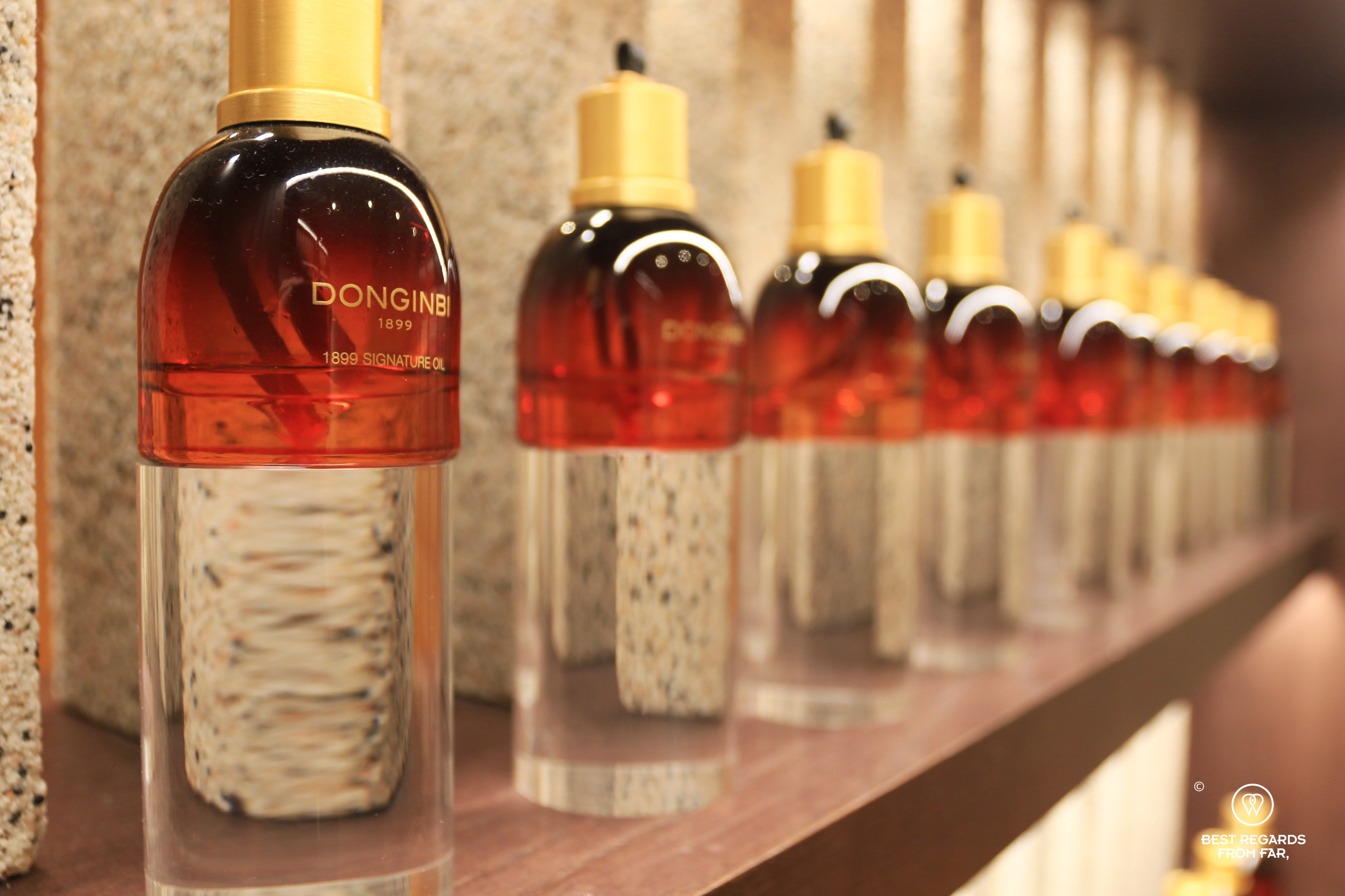
At Spa 1899 Donginbi, the expertise of the luxury red ginseng brand Cheong-Kwan-Jang is put to the service of the guests. The spa is renowned for being the only professional establishment to not only incorporate red ginseng into its treatments, but six-year-old red ginseng ensuring optimal potency and effectiveness. From the moment I step inside, red ginseng is omnipresent, beginning with the welcoming aroma of Cheong-Kwan-Jang red ginseng tea, served as a prelude to the personalized three-hour treatment described to me by my massage therapist.
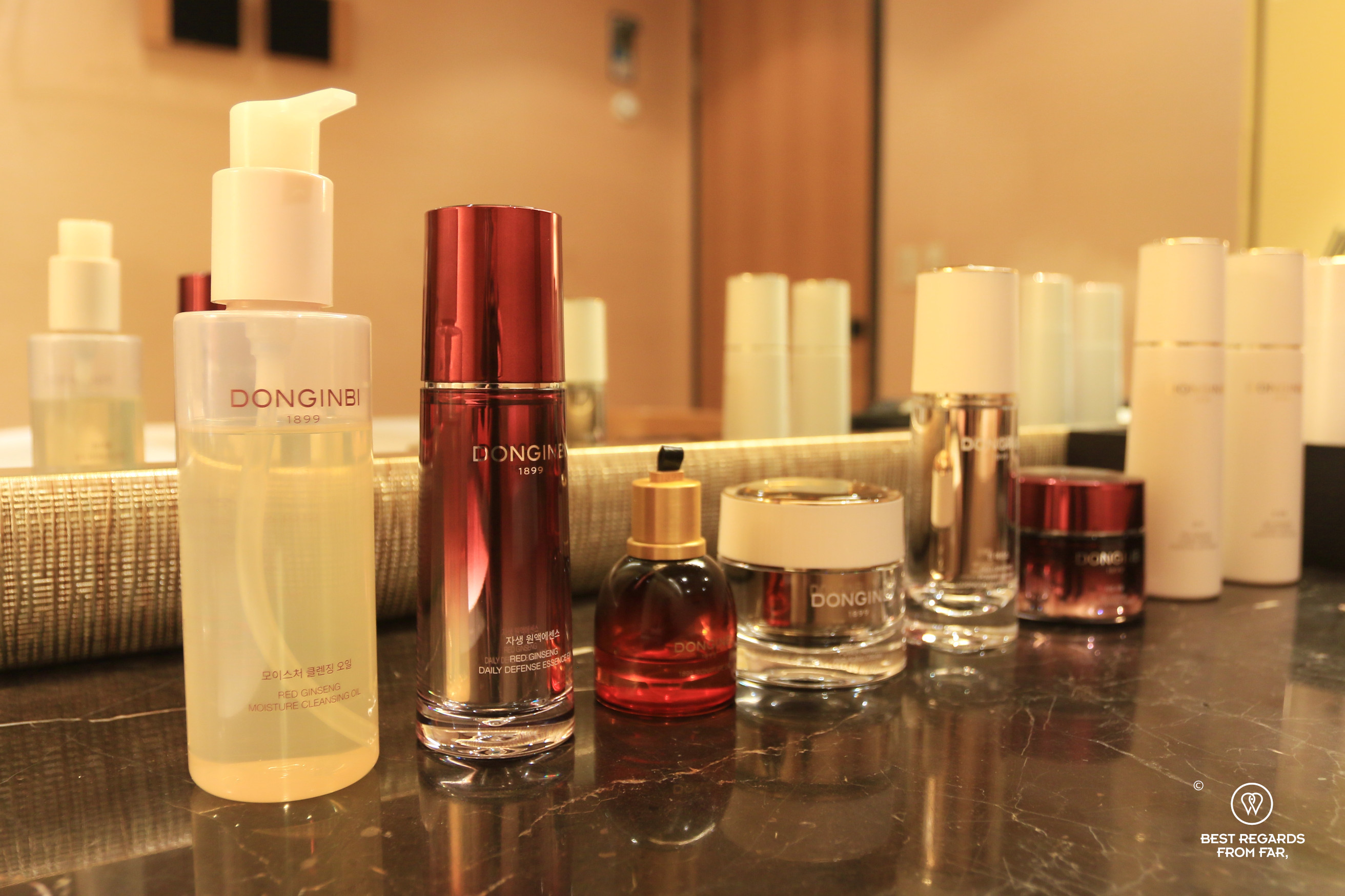
The journey at Spa 1899 is both rejuvenating and deeply restorative, with every aspect of the treatment designed to leverage the remarkable properties of red ginseng. The signature therapies make extensive use of Donginbi skincare products, enriched with red ginseng extracts: from scalp to toe, promoting blood circulation through pampering massages and relaxing warm Jacuzzis sessions infused with red ginseng essence, of course.
An integral part of the experience includes a two-step facial mask treatment that takes the rejuvenation process to the next level. First, a collagen-infused mask is applied to enhance the skin’s elasticity and firmness. Second, a charcoal mask intensifies the effects of the collagen treatment by drawing out impurities, removing dead skin cells, and refining the skin’s texture. Together, these masks create a radiant and smooth complexion that leaves guests feeling refreshed and revitalized.
Spa 1899 offers guests a pampering experience focused on relaxation and skin and body care honing the multiple health benefits of red ginseng that leaves me feeling restored and radiant.
Wellness Resort [Park Roche, 2.5 Hours Southeast of Seoul]
Nestled in the Korean mountains, Park Roche Resort and Wellness offers the ultimate retreat for weary bodies and perfect weekend getaway. Upon arrival, I am greeted by a crackling fire in the spacious, modern lobby, setting the tone for the relaxing days ahead.
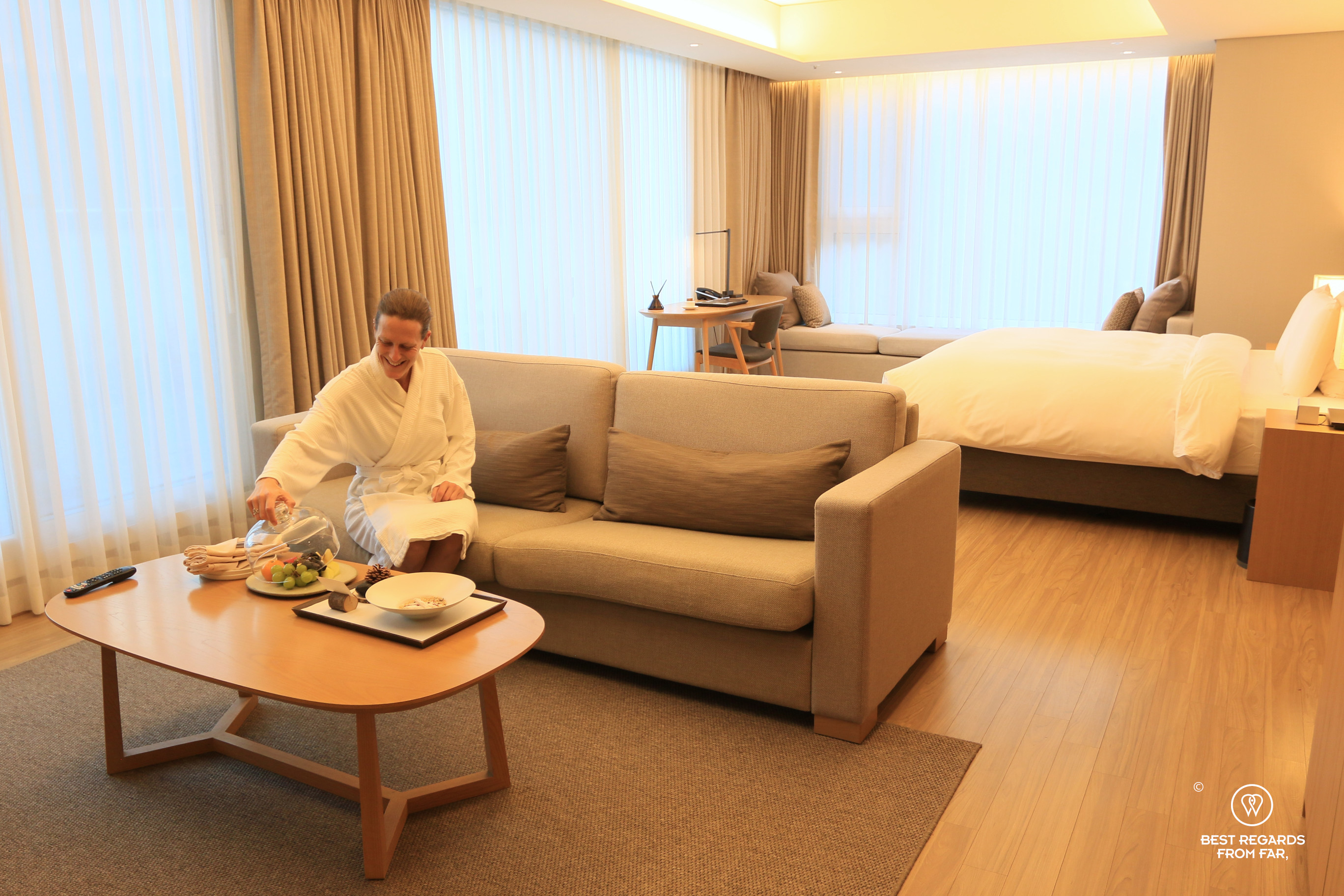
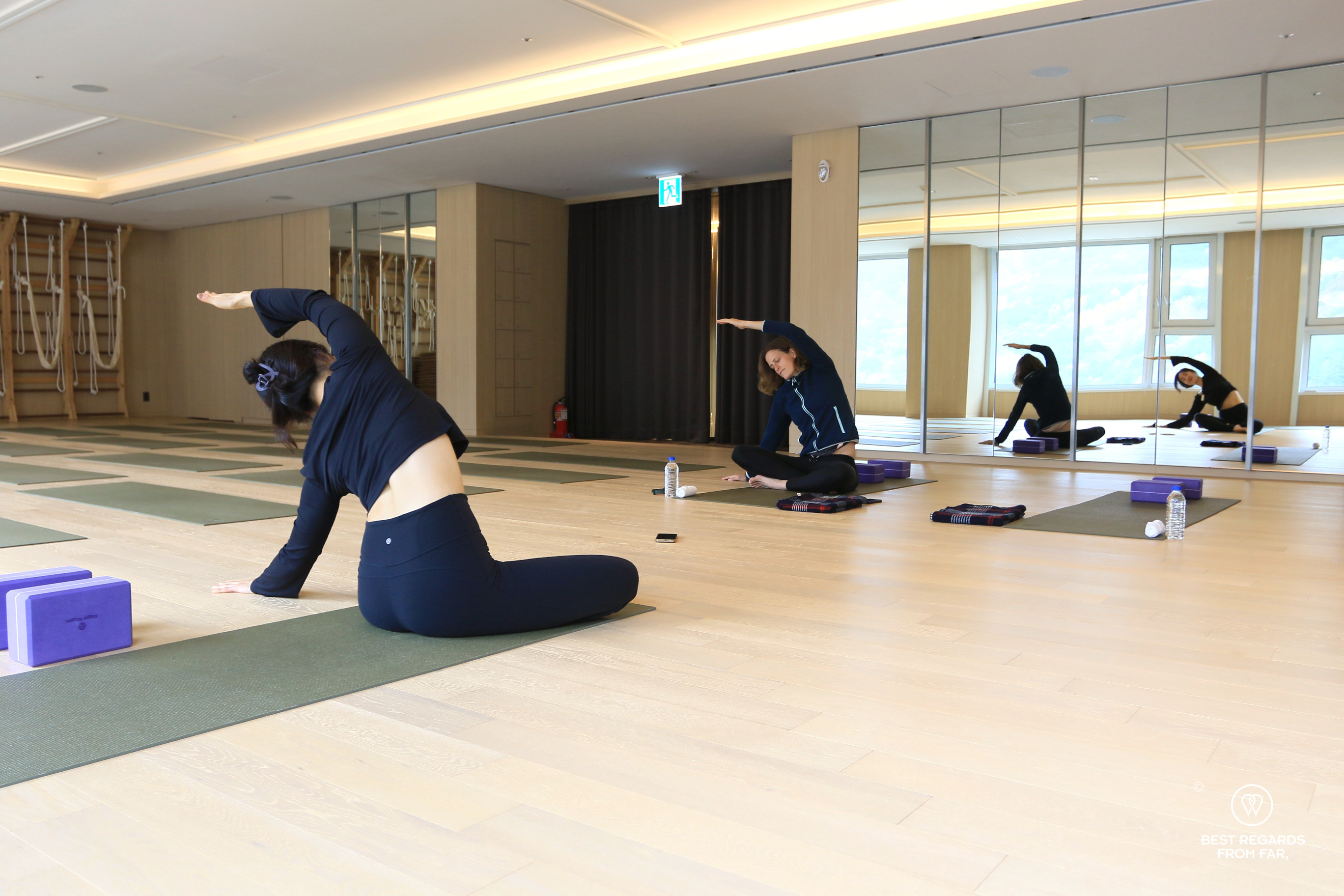
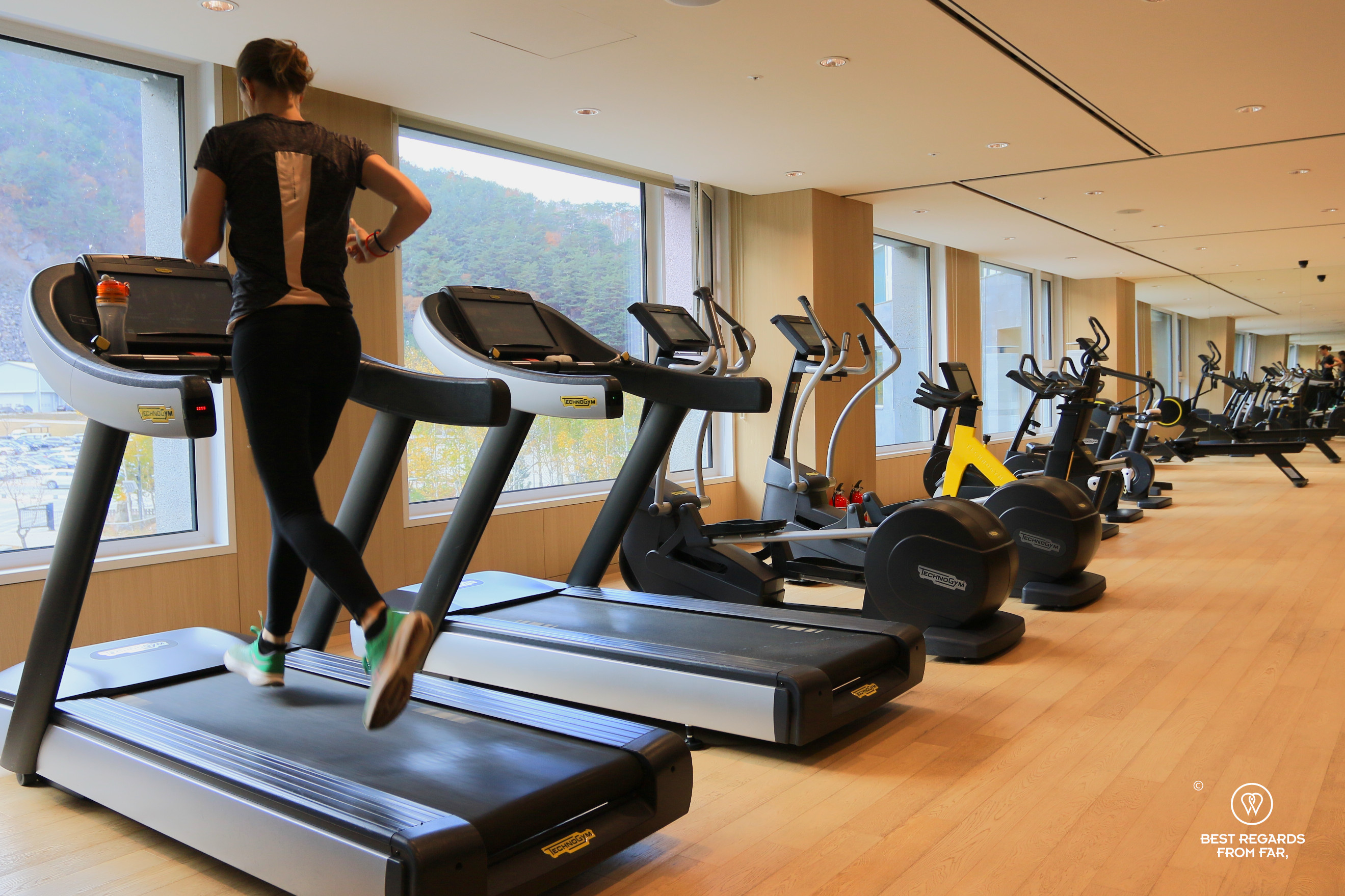
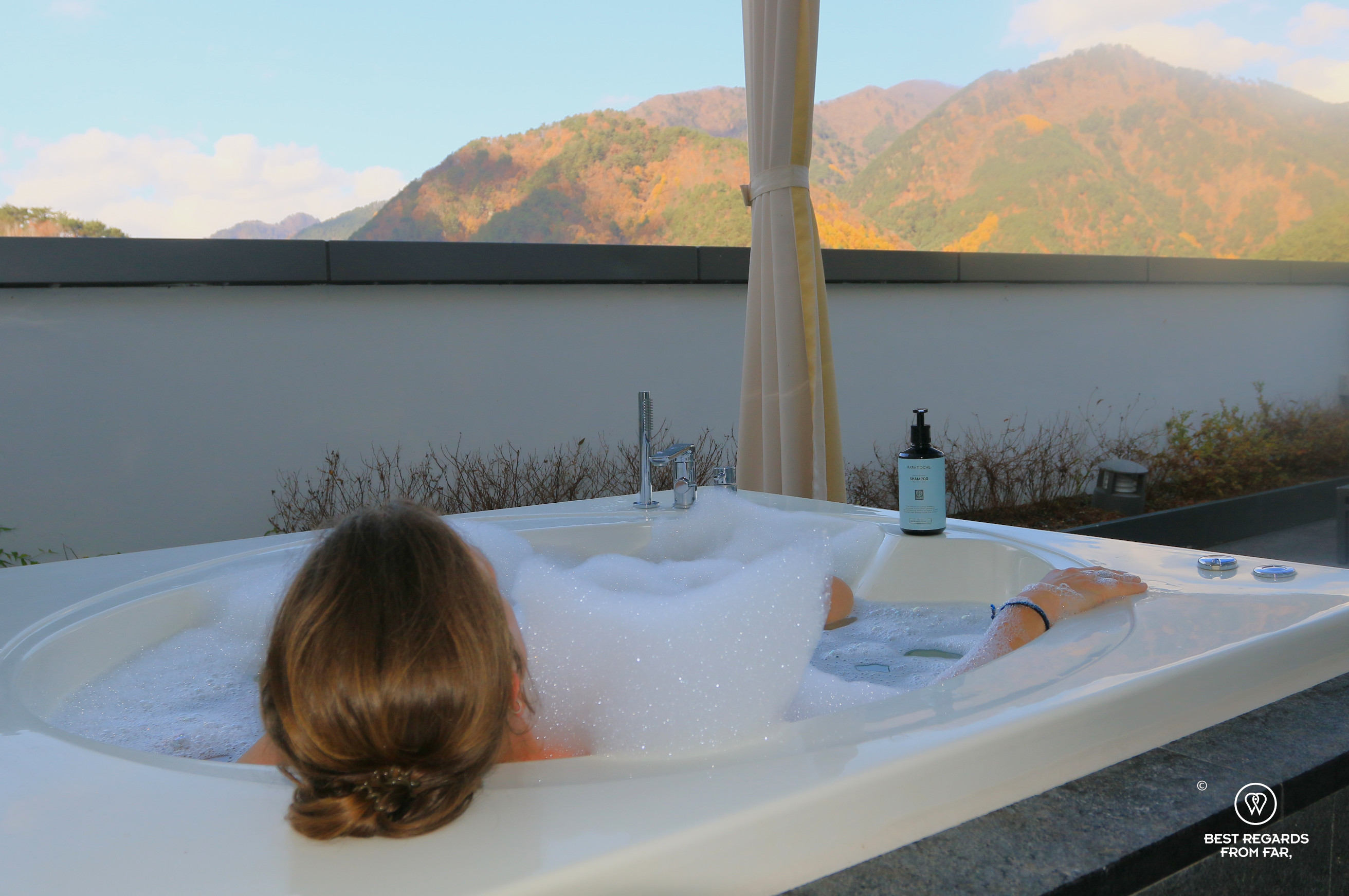
The 4-star resort provides a wide range of wellness activities: from baro yoga, which focuses on aligning the spine and strengthening the muscles for an upright posture, to sugam yoga which emphasizes gentle stretches and breathing techniques to calm the nervous system, release shoulder and neck tensions, and prepare the body for restful sleep. Designed for weary city dwellers, the sessions are tailored for beginners and aim to restore energy rather than burn it. During the yoga session, the slow, mindful movements, and deep breathing help anchor my mind in the present moment—making the experience of overlooking the mountains from my private Jacuzzi, sipping herbal tea, or soaking up the warmth at the spa of the Park Roche even more enjoyable.
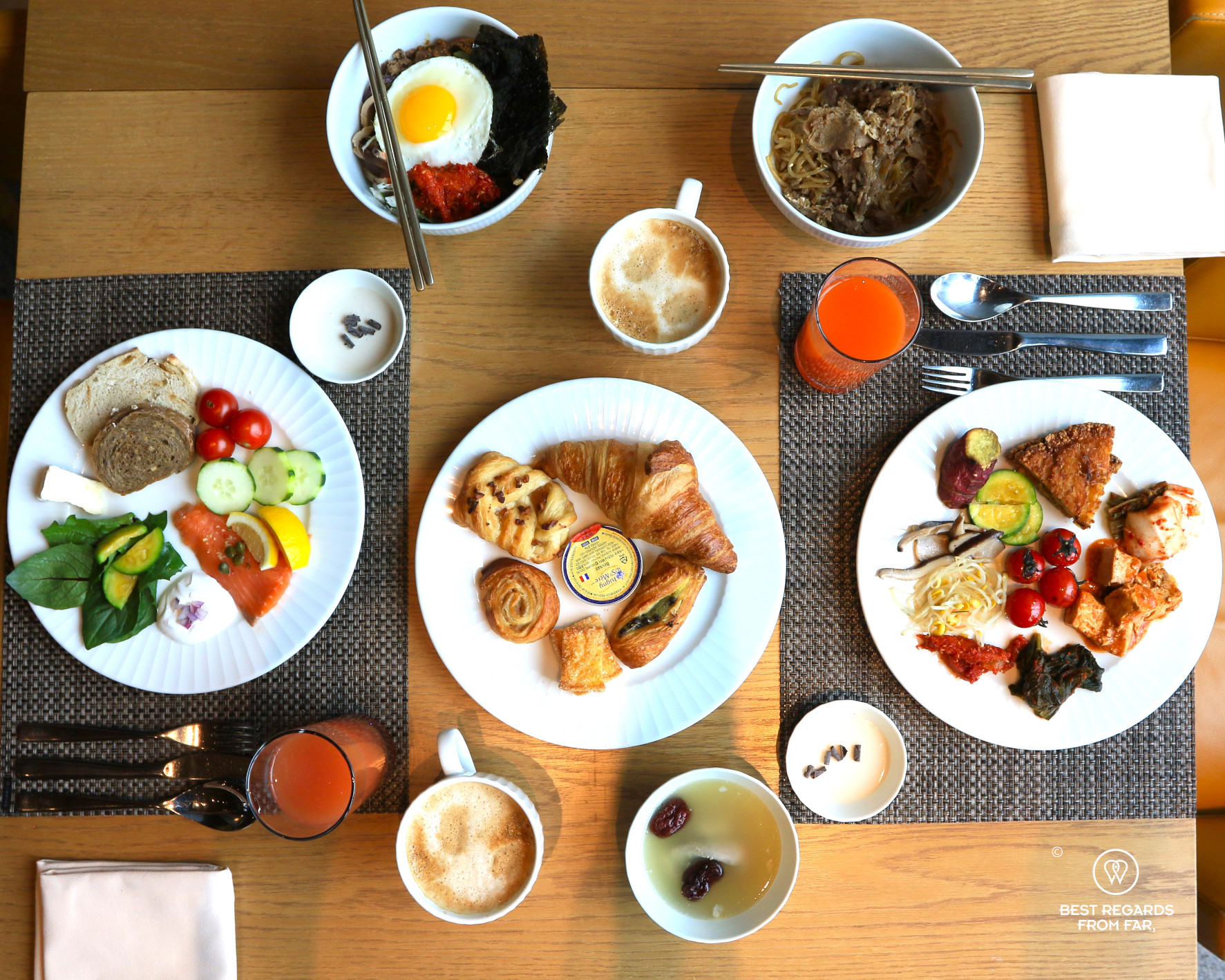
I spend my day hopping from the gym to the sauna, from a yoga class to an excruciating yet effective foam roller session to release muscle tension and improve circulation. I make sure to not skip the healthy Korean food of the incredible breakfast buffet which spans from organic and vegan yogurts to kimchi, from traditional Korean dishes such as bibimbap, bulgogi, and local soups to seasonal fruits—not forgetting a comfort food section!
After experiencing the best night’s sleep in months, thanks to my suite’s luxurious bedding—that absolutely does not make me miss the traditional Korean futons on the ground!— my body and mind feel fully rejuvenated and energized. This multi-day wellness experience is nothing short of recharging.
Temple Stays
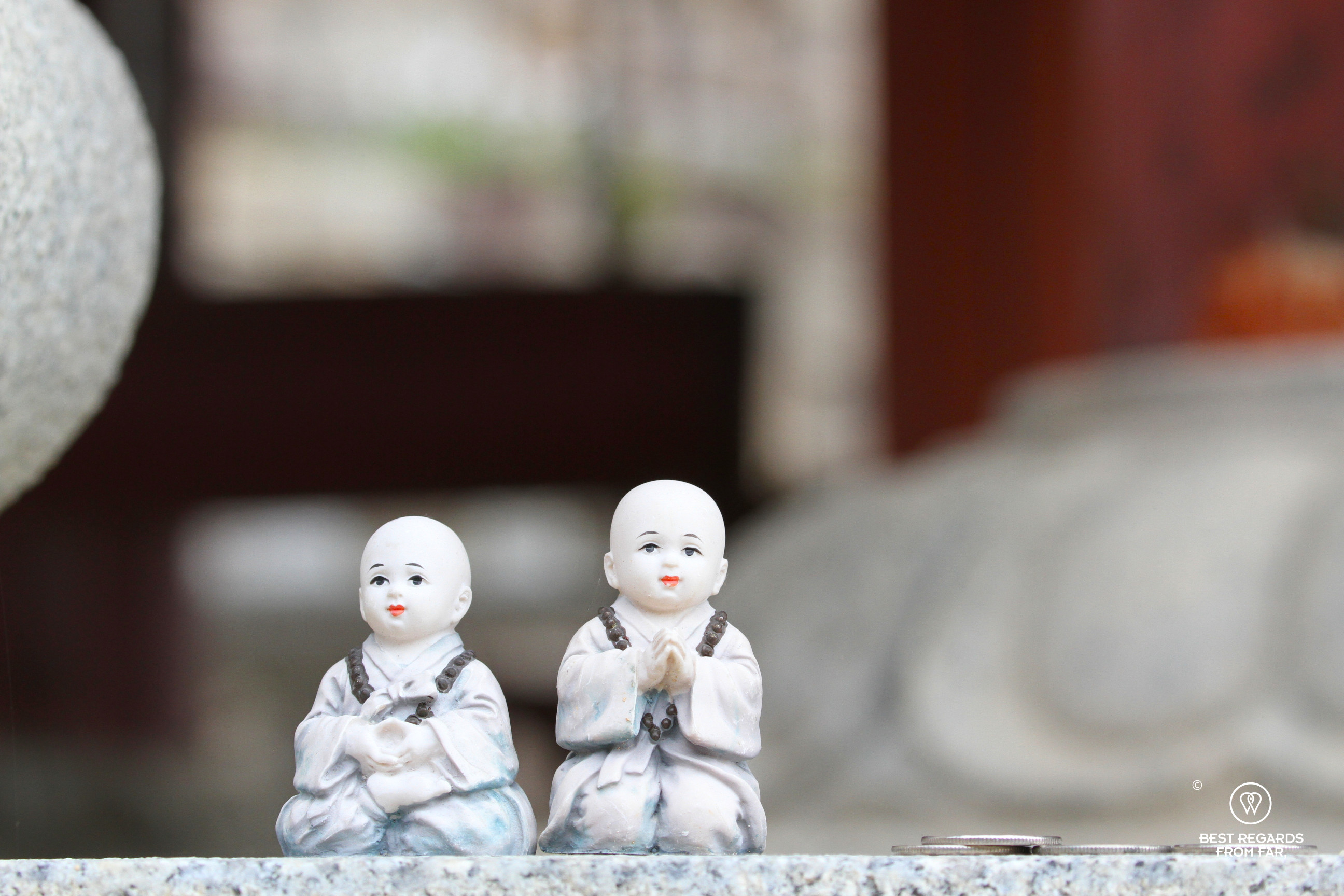
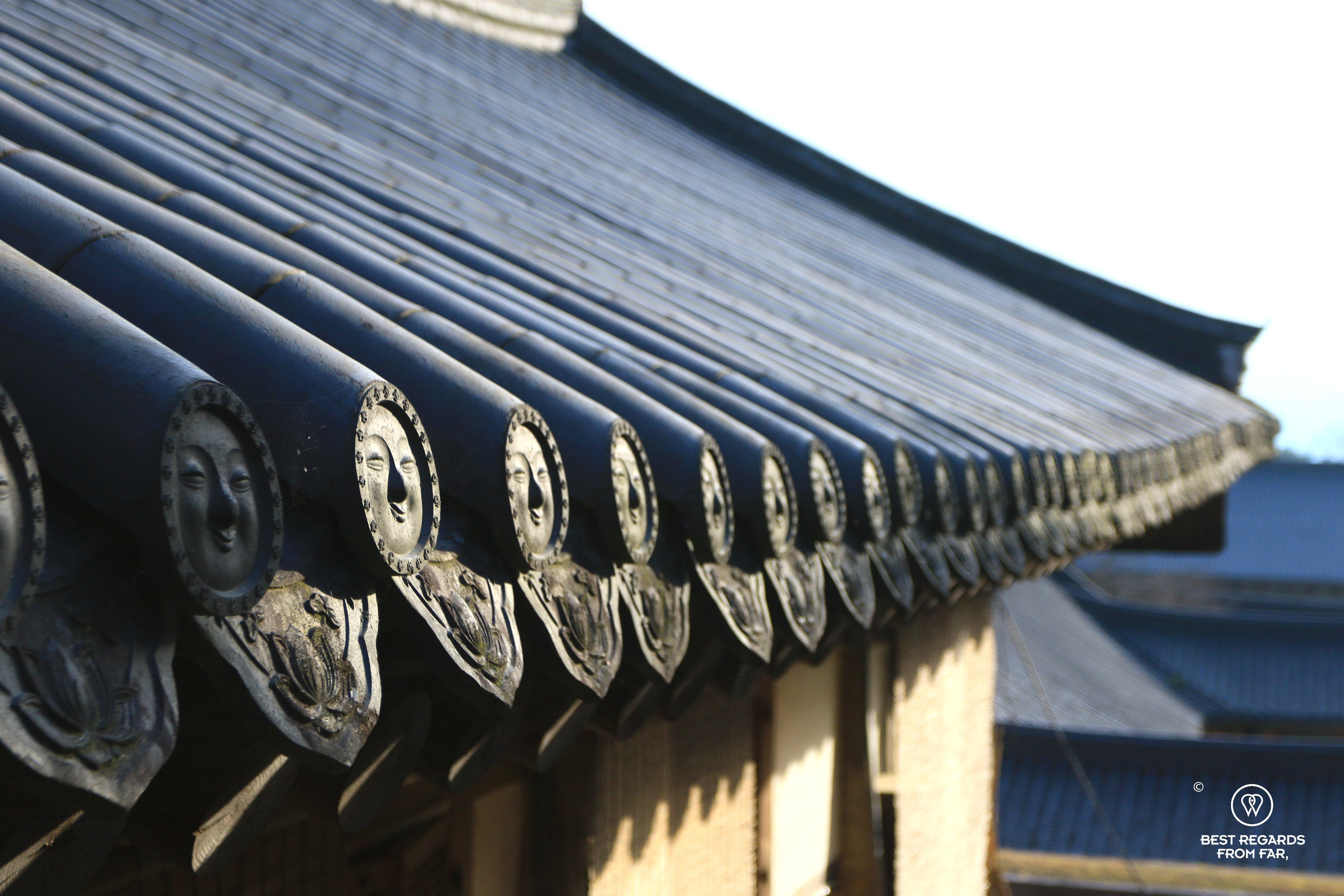
Another aspect of the South Korean wellness culture can be found in Buddhist temples scattered across the country. Spending a night in a temple offers a way to step out of the fast-paced secular world. Increasingly, Koreans—often lay Buddhists, particularly from the younger generations—are drawn to this practice, which is also accessible to foreigners through one of the two dozen temple stay programs available in English.

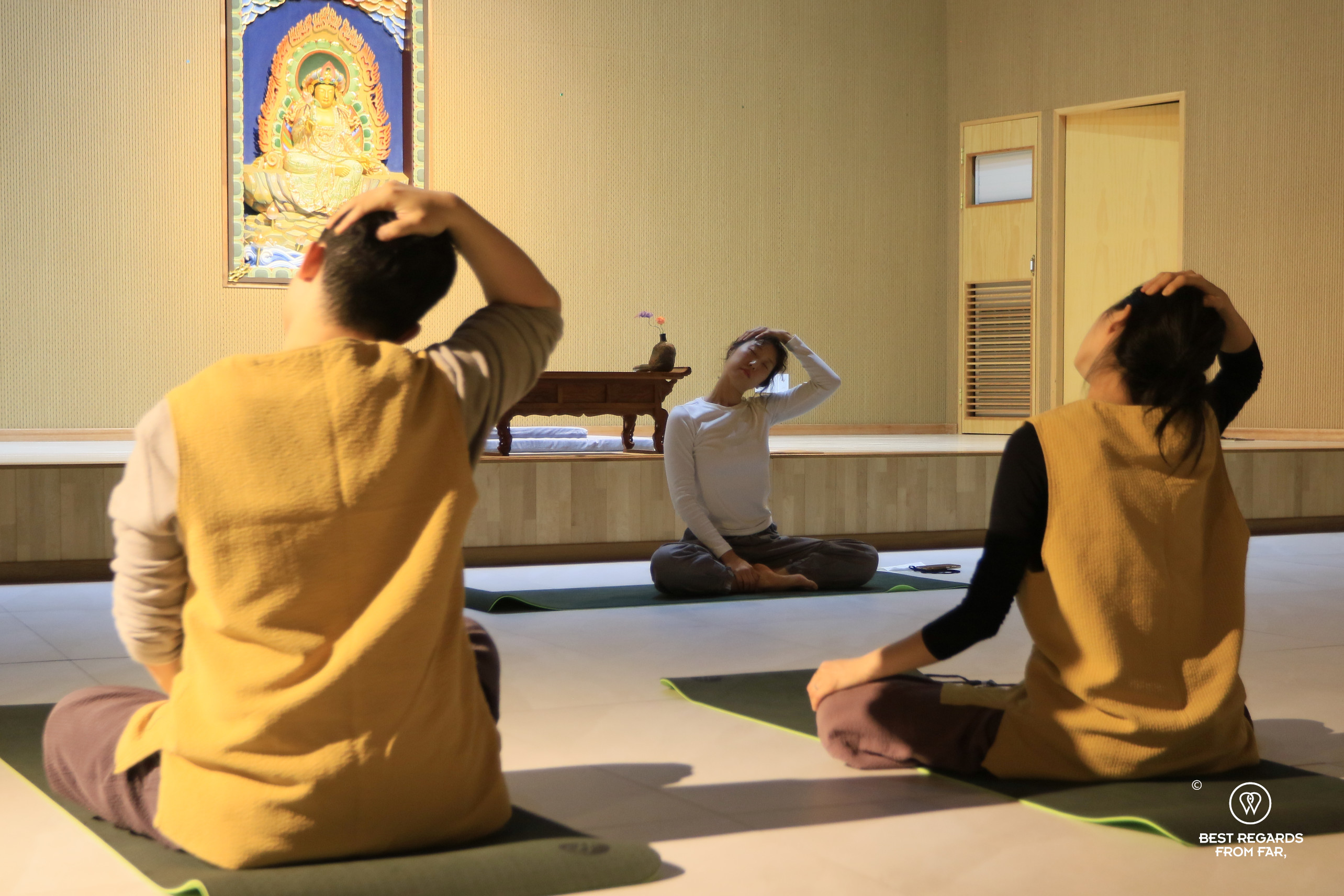


While vegan temple food, meditation sessions, walks in nature, conversations with monks; and prayer times in temples—often nestled along mountain slopes and surrounded by forests—are typical, each temple stay offers its own unique experience, and all programs differ.
To get a clearer idea of what to expect, refer to this article about temple stays in Korea, and these specifically about Haeinsa Temple and Naksansa Temple.
Travel tips:
- To enjoy any of these experiences, make sure to book ahead of time using the links in the text above.
- Check out our interactive map for more in the area (black pins lead to an article):
For more in South Korea, click on the images below:



 Best regards from far,