Text: Claire Lessiau
Photographs: Claire Lessiau & Marcella van Alphen
Located in the heart of the country’s food basket, Jeonju is renowned as the culinary capital of South Korea. Designated by UNESCO as a Creative City of Gastronomy, this vibrant city is not only famous for its rich cultural history but also as the birthplace of bibimbap, the iconic Korean dish.
Pin it for later!

The Capital of Bibimbap
Bibimbap is a dish that has taken on many forms across South Korea—from the seafood version in Tongyeong to the raw-meat variant in Jinju or the steamed fish type in Andong. But it is the Jeonju style of bibimbap that stands as the gold standard.
Centuries ago, bibimbap was akin to the Korean pizza—the “mixed cooked rice” as it literally translates was affordable, nutritious, and often made from leftovers. Over time, this humble dish evolved into a symbol of Korean culinary sophistication. Traditionally, the Jeonju bibimbap contains a mix of 30 ingredients served in a brass bowl. Among the key components are hwangpomook (mung bean jelly colored yellow with gardenia fruit), Sunchang gochujang (a fermented soybean paste infused with chili), and jeopjang (a soy sauce fermented for a minimum of five years). At Hankookjib, Jeonju’s legendary bibimbap restaurant and the first Korean eatery to be listed in the Michelin Guide, the beloved dish has been served for more than 70 years. The third generation of this family-run restaurant elevates the experience with a secret homemade red hot chili paste and a soy sauce that has been fermented in an earthenware jar for more than seven decades!
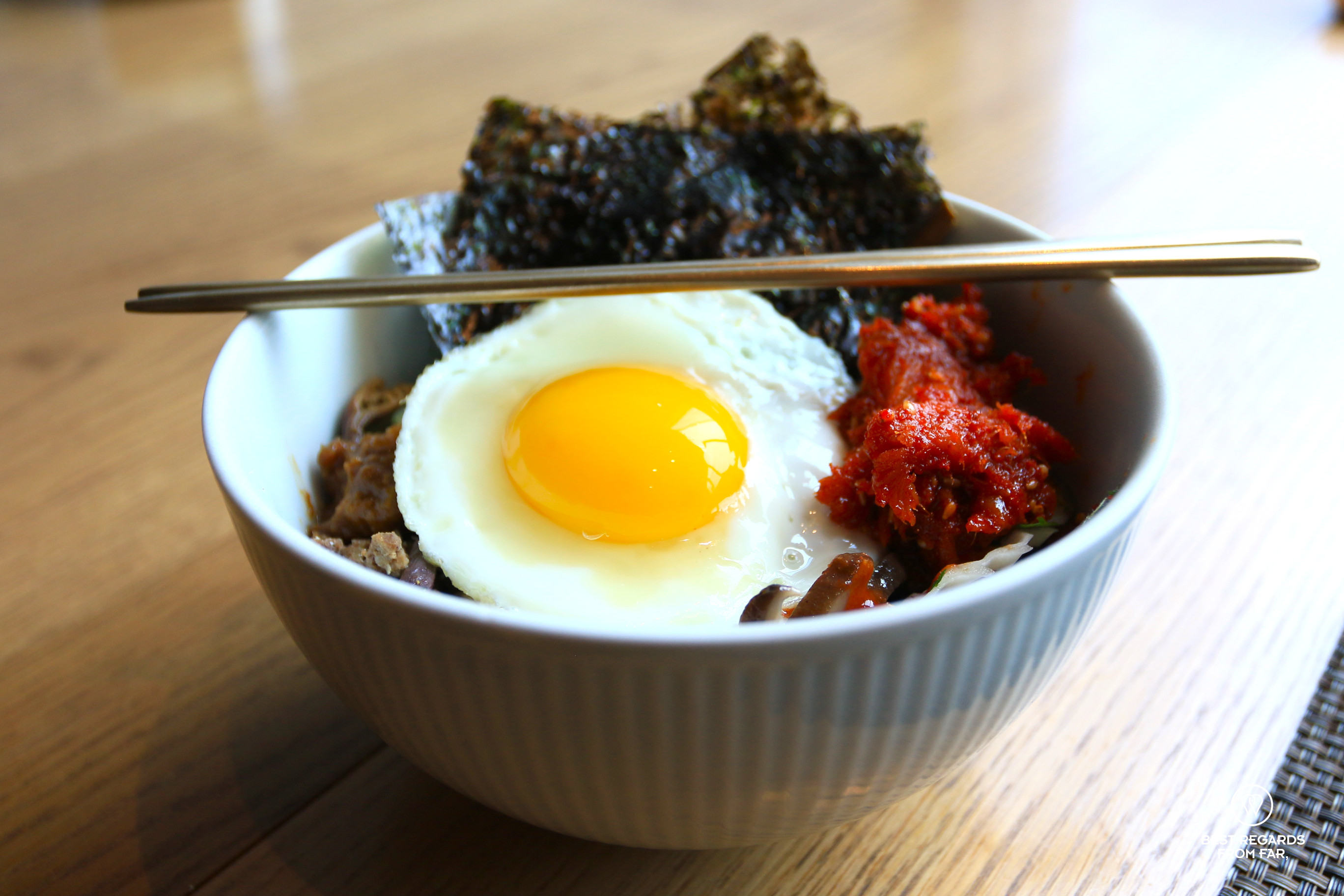
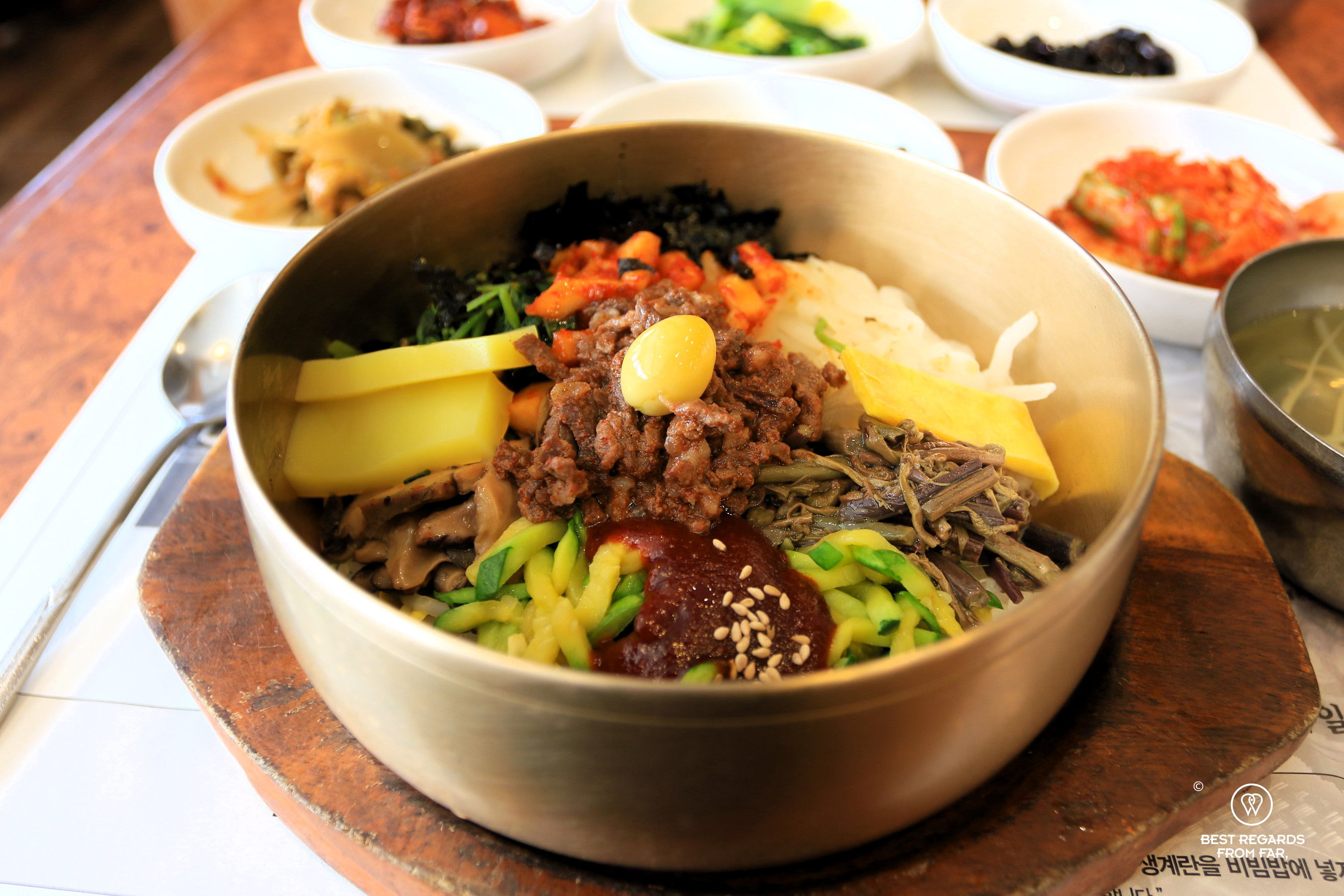
The flavors of this Jeonju bibimbap are enhanced: salty, sweet, spicy, sour, and bitter. This harmony reflects not only the five fundamental tastes but also the representative colors of Korean cuisine—red, green, yellow, white, and black—that represent the five elements, respectively fire, wood, earth, metal, and water. These colors also correspond to the five main positions on a compass (South, East, center, West, and North) and the five major organs of the human body (heart, liver, stomach, lungs, and kidneys) adding a layer of symbolic meaning to each bite.
Colors are also mirrored in the banchan, or side dishes that accompany bibimbap. Brought in small individual dishes, they change with the seasons, offering an array of flavors, such as garlic stems with mushrooms, marinated raw crabs in a sweet and spicy chili paste, and kohngnamul guk (soybean sprout soup)…
Tempted to taste each ingredient separately, I do not misstep. The proper way to enjoy bibimbap is to stir all the ingredients together, creating a deliciously chaotic mixture of textures and flavors. I start by vigorously mixing all the ingredients artistically laid in the brass bowl with my metal chopsticks. I easily identify a quail egg on top, carrot, cucumber, spinach, kale, ground beef, and of course rice that has been steamed in oxtail broth for extra savors. I pick up the flavors of the sesame oil that was drizzled on top. To the taste, the bibimbap is perfectly balanced with not one ingredient overpowering the others—a dish that feels both comforting and complex, and above all delicious.
Kimchi: Korea’s Fermented Treasure
Part of the banchan or side dishes that are brought along bibimbap or any other dish in traditional restaurants, kimchi is Korea’s staple food.
Unique and indigenous to Korea, the first kimchi recipes date back to the 5th century as a preservation method, soaking raw vegetables in salt or sauce to ferment them and extend their shelf life. Over time, this fermentation technique became an integral part of Korean cuisine, enriching both flavors and nutrition.

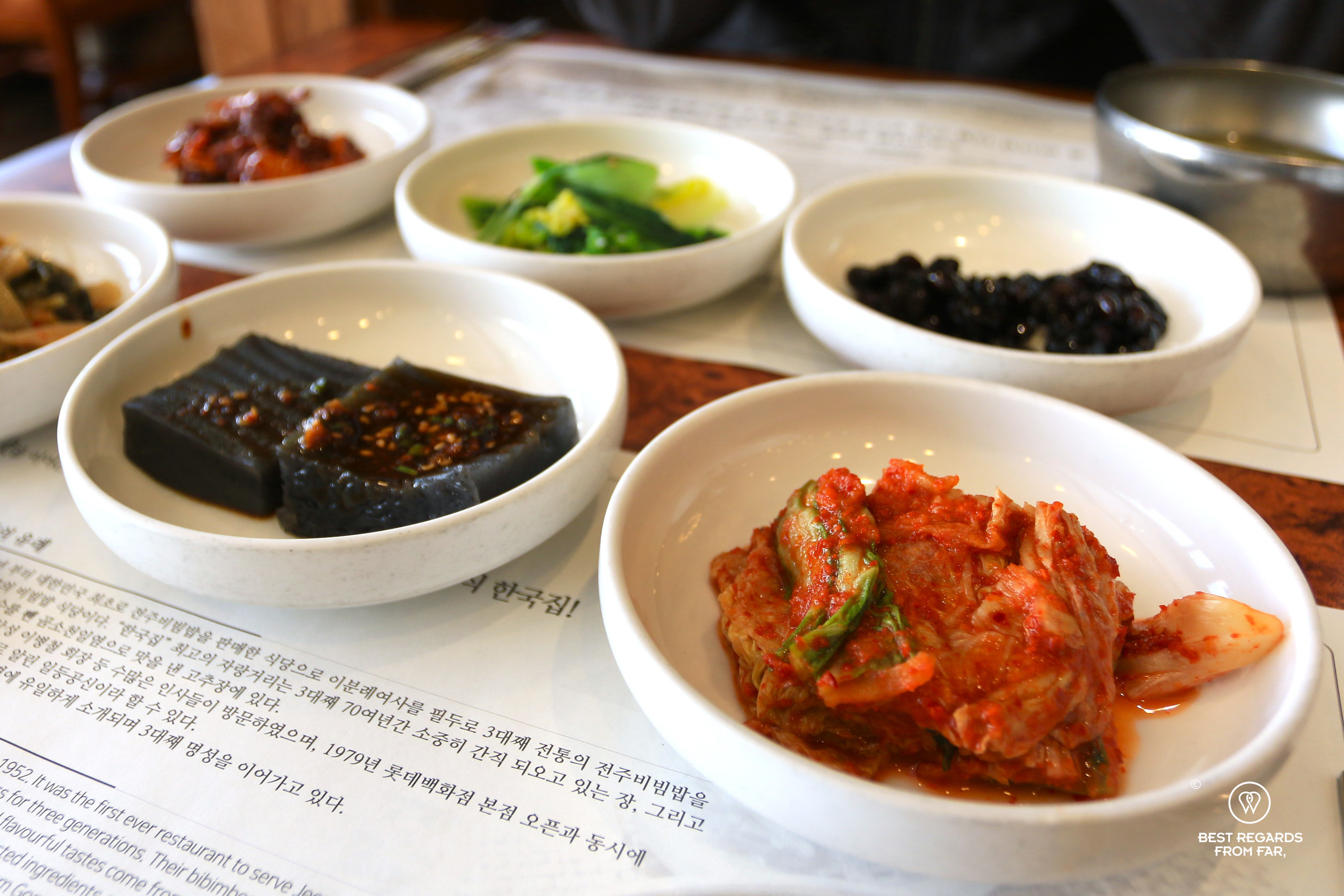
Kimchi is made by fermenting these salted vegetables—most commonly napa cabbage, and also radish, leaf mustard, green onion, persimmon, etc.—with an aromatic mix of white radish, Asian chives, garlic, ginger, fermented salted shrimps, Korean chili flakes… This second fermentation process enhances its nutritional value, promoting the growth of beneficial probiotics that support gut health and bolster the immune system but also have a positive effect on heart and mental health as well as weight loss. During fermentation, sugars and carbs are broken down into acid or alcohol by enzymes of microorganisms such as bacteria and fungi (e.g. yeast) in the absence of oxygen. The resulting alcohol or acid helps preserve the fermented food, while transforming its taste to a specific sour profile.
In addition to its health benefits, kimchi is a flavor powerhouse! The tanginess from fermentation and the heat from chili flakes create a bold contrast unique to Korea’s traditional specialty.

While fermented food had been out of fashion in many western countries since the discovery of pasteurization by Louis Pasteur in 1854—consisting in heating the ingredients at low temperatures (55°C or 131°F) to kill the lactic acid bacteria he was the first one to discover—and the invention of refrigeration, recent scientific research has put the probiotic-rich food back on the main stage of health-conscious foodies for their health benefits and the simple fact that they are more nutritious than their unfermented versions.
Other examples of fermented foods include wine and beer (which undergo ethanol fermentation), vinegar (produced through acetic acid fermentation), as well as cheese, sauerkraut, yogurt, pickles, and sourdough bread (all created through lactic acid fermentation, similar to kimchi). Soy sauce and miso, which are made through a combination of fungal and lactic acid fermentation, are also known for their rich umami profiles. Meanwhile, kombucha, a trendy “super drink,” is crafted through a symbiotic fermentation process that combines ethanol, acid, and lactic acid fermentations, resulting in its signature tangy, effervescent flavor.
Tea at Gyodong Tea House with a Tea Master
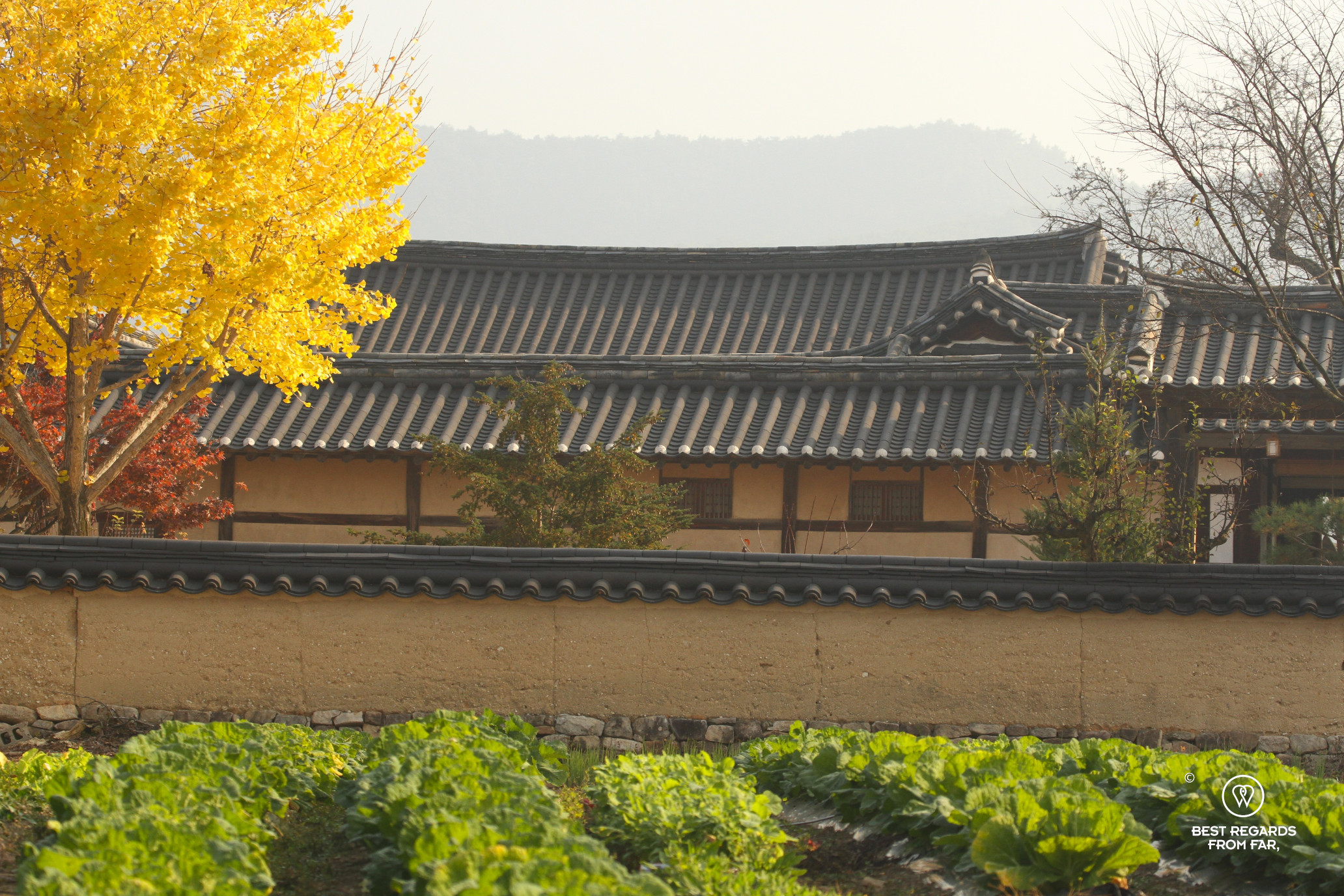
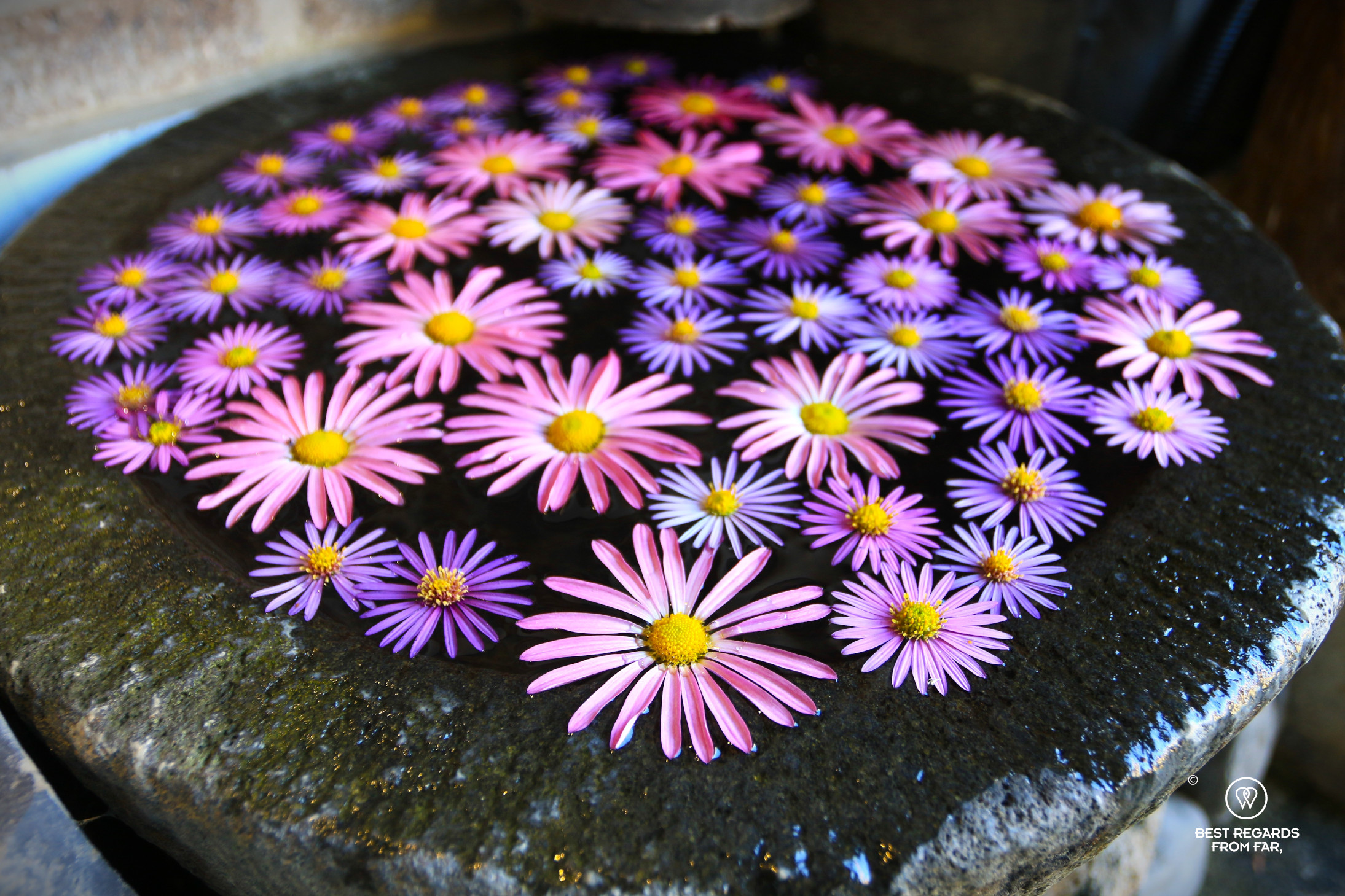
The ancient city of Jeonju, today’s gastronomic capital of South Korea is renowned for the country’s largest traditional hanok village. Within its maze of characteristic wooden Korean houses or hanok, and many charming alleyways lies Gyodong Tea House. Here, tea is not just a beverage to grab on the go: it is a practice of mindfulness and a moment to unwind while sipping one of South Korea’s finest teas, grown in the nearby mountains or along the slopes of the sacred Jirisan Mountain.
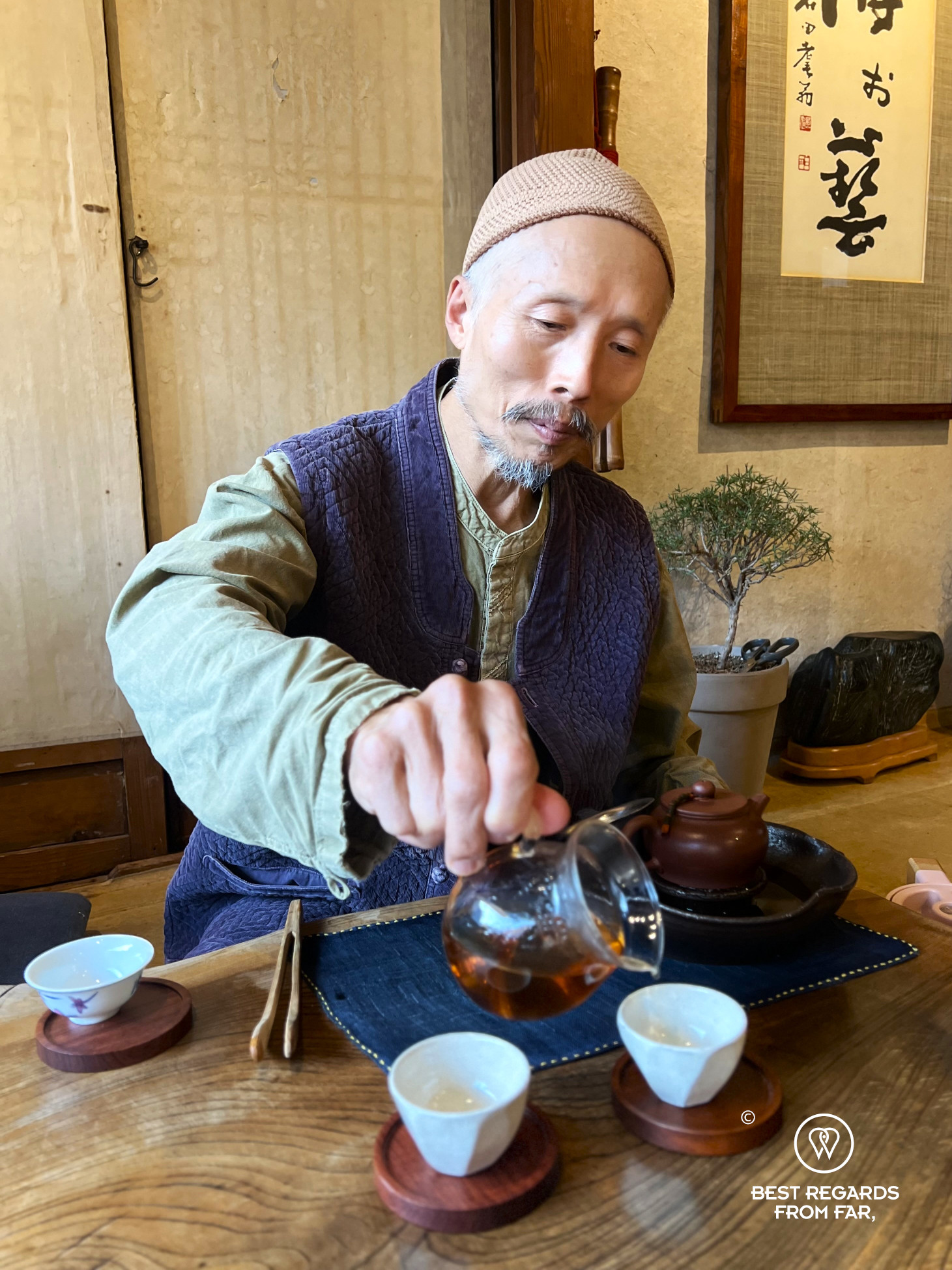


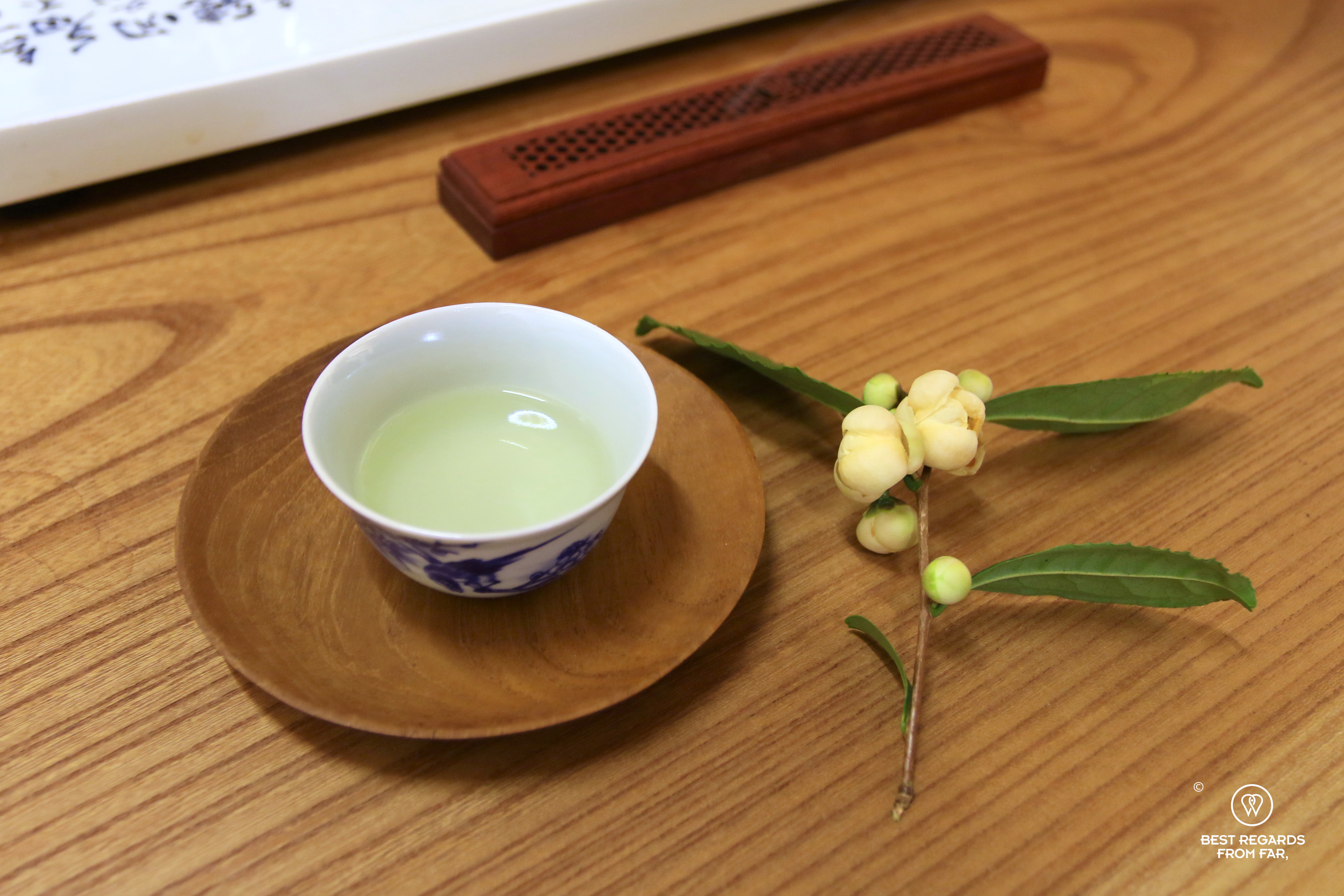
Seated in the serene space of his historic hanok tea house, tastefully decorated with natural elements, tea master and owner Gi Jung Hwang invites us to slow down as he calmly demonstrates the art of a Korean tea ceremony. The ritual involves preheating the small ceramic teapot and the delicate Chinese porcelain tea cups, then observing the tea’s color, inhaling its delicate aromas, and savoring its complex flavors in three deliberate sips. Tea master Hwang grows, plucks, and dries his own leaves from his plots, ensuring each cup is infused with a deep connection to the land. Once the cup is empty, a sweet, honey-like fragrance lingers from the still-warm cup that slowly cools down.
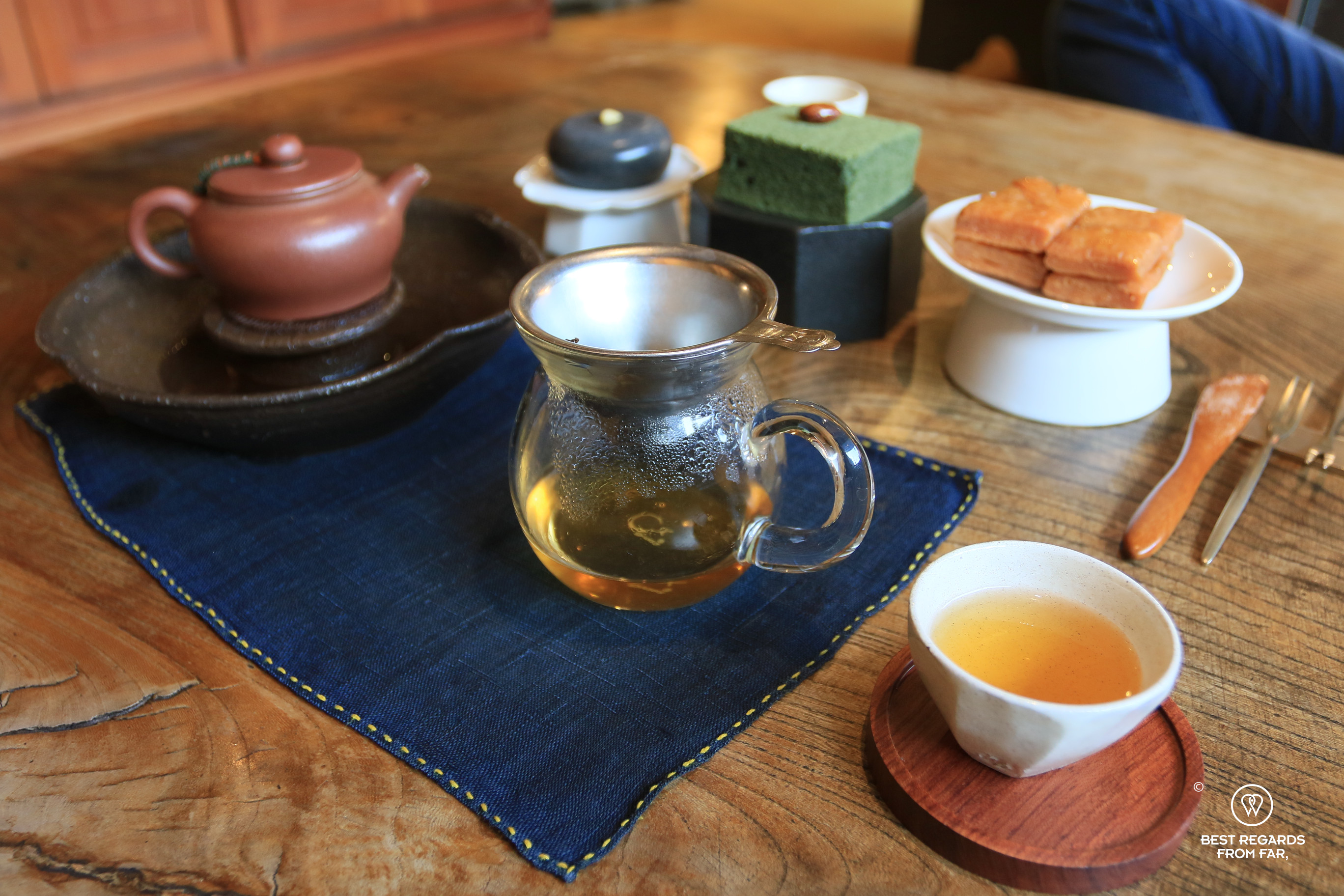
As we converse with the tea master, sometimes with the help of his sons to bridge the language barrier, he repeats the process again and again, and the flavors and savors of the tea evolve slowly. Accompanied by homemade yakgwa (a deep-fried honey-based traditional Korean sweet), a homemade mugwort cloud rice cake, and another black sesame delicacy, the meditative tea drinking becomes an epicurean experience. Being present in the moment has rarely been so enjoyable!

***
Jeonju, with its exquisite culinary offerings and rich traditions, is a place where every meal tells a story, and every sip of tea is an invitation to slow down and savor life. Whether indulging in bibimbap, savoring the umami of kimchi, or finding peace in a teacup, Jeonju is an invitation to experience the essence of Korean culture through its aromas, savors, and colors.
Travel tips:
- To learn all about kimchi, visit the Kimchikan Museum in Seoul.
- The entrance to the mueum in included in the Discover Seoul Pass!
- To avoid any disappointment, make sure to book the Gyodong Tea House (a message in English on their Instagram page does the trick).
- Check out our interactive map for more in the area (black pins lead to an article):
For more in South Korea, click on the images below:



 Best regards from far,
Thanks for sharing!