Article updated on February 4, 2026
Text: Claire Lessiau & Marcella van Alphen
Photographs: Claire Lessiau & Marcella van Alphen
The founder of the Joseon Dynasty that ruled over Korea for 27 generations (1392-1910) set up his capital in Hanyang, which may ring a bell using its contemporary name: Seoul. From that moment on, the city embellished with palaces, gardens, and shrines. If many were destroyed during the various Japanese invasions, some were restored to their past splendor and the city has been expanding continuously. From its royal palaces and spiritual shrines to its sleek skyscrapers and modern architecture, from its wellness spas to its smelly and loud markets, from its high-end cocktail bars to its low key food joints, follow us to discover bustling and vibrant Seoul!
The following ideas are structured geographically to shape 72 hours in Seoul efficiently (or more!). If before starting you want to grasp the history of Korea better, jump to this section. And to choose your accommodation to make the most of your stay, jump to this paragraph!
Pin it for later!

1. Changdeokgung Palace [A Blend of History & Nature]
Constructed between 1405 and 1412 by the Joseon Dynasty, Changdeokgung Palace lies to the east of Seoul, balancing the royal residence of Gyeongbokgung Palace to the west. Unlike the typical symmetrical layout of Korean palaces along a north-south axis, Changdeokgung is defined by the natural topography of the land, creating an unusual yet harmonious blend of architecture and nature.


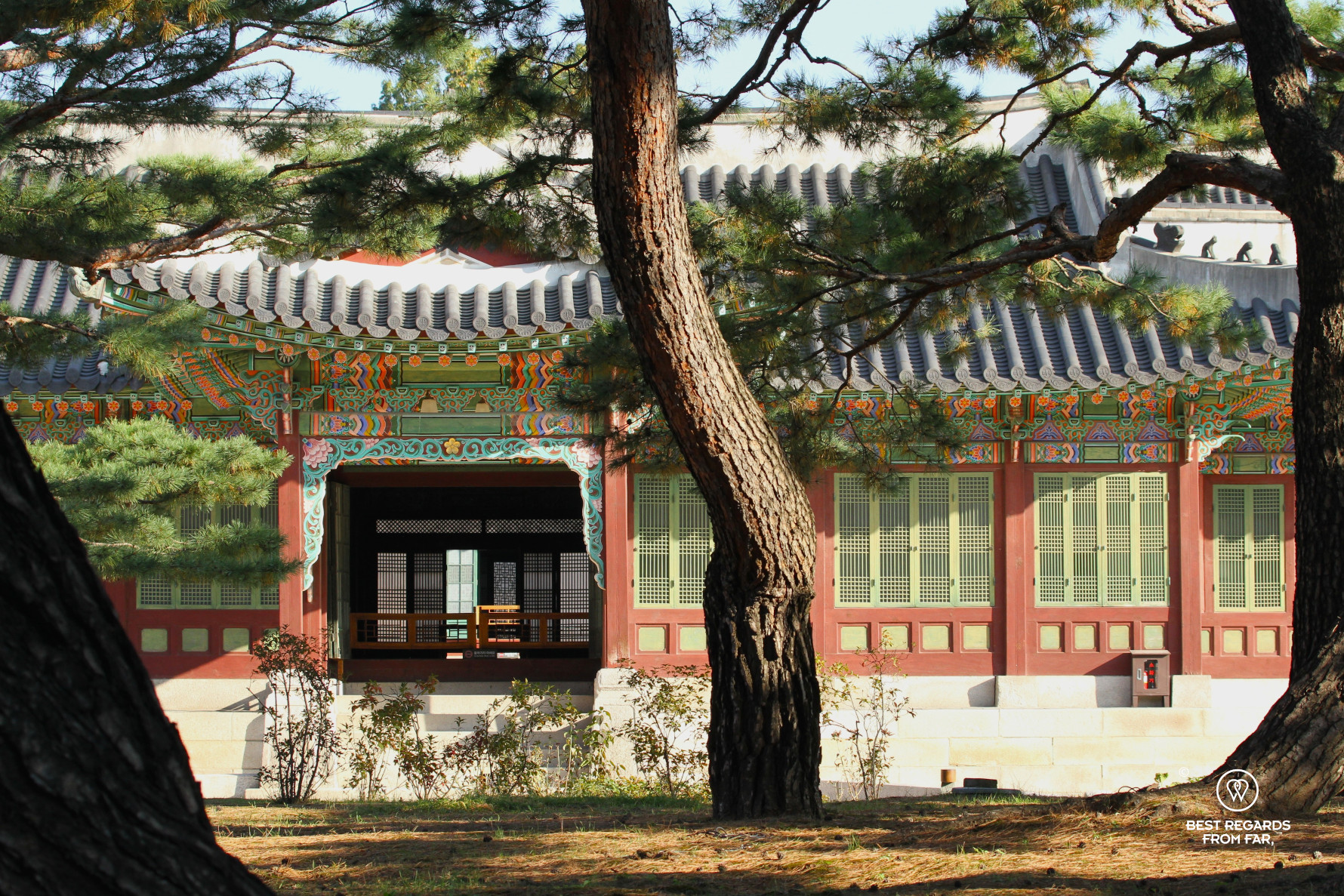
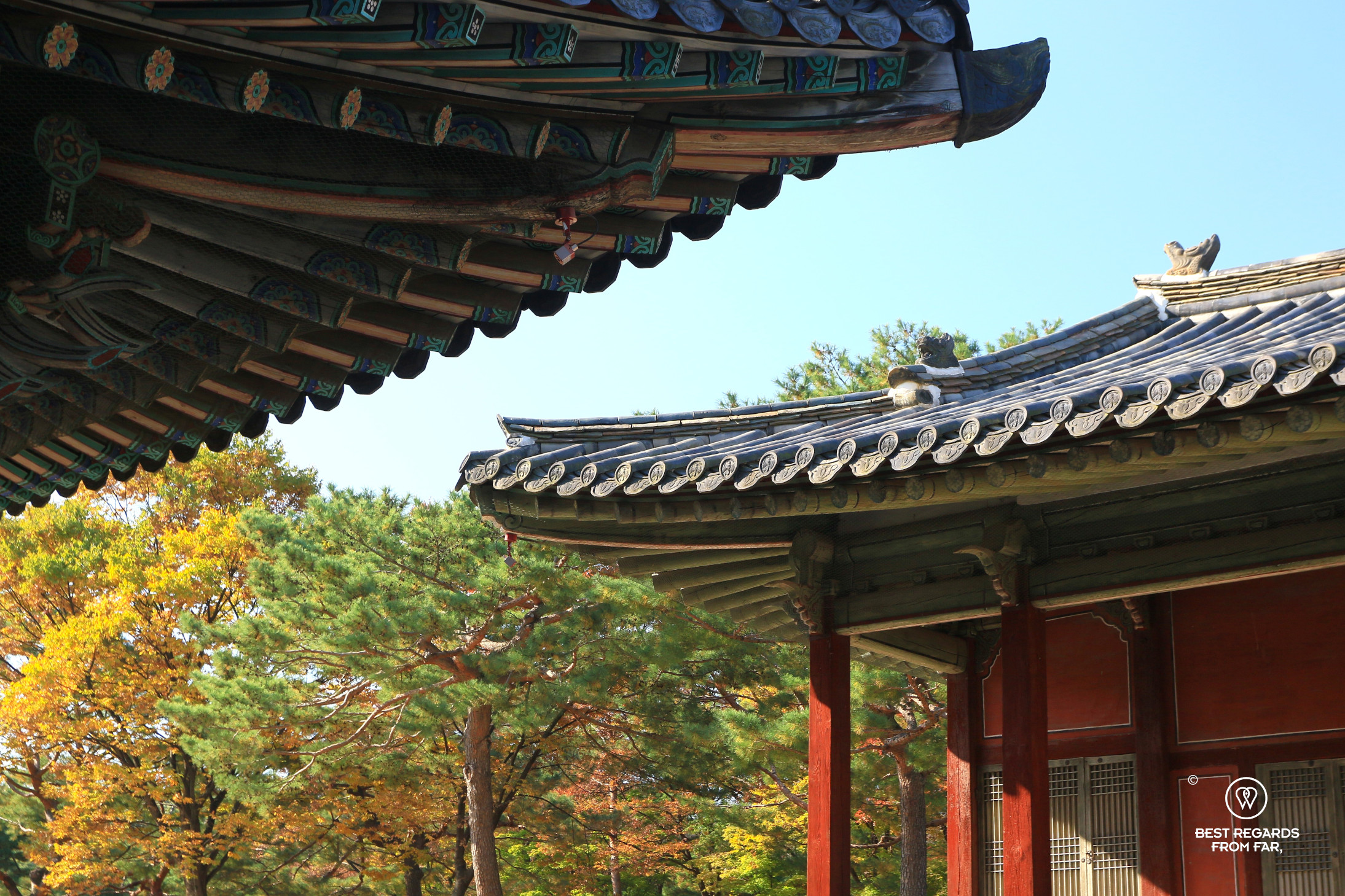
The “Palace of Illuminating Virtues” as its name translates, Changdeokgung was tragically completely destroyed by fire during the Japanese invasion of 1592-1598. It was the first royal palace to be restored in 1612, becoming the primary palace for nearly 270 years, until Gyeongbokgung was also rebuilt.
Today a UNESCO World Heritage Site, the palace complex of Changdeokgung encompasses remarkable gardens in its higher part including the famous Secret Garden, and many buildings from the living quarters of the king and the ones of the queen to the Injeongjeon Throne Hall where important events were held—such as the king’s ascension to the throne and royal banquets—and the Seonjeongjeon Hall with its characteristic blue-tiled roof that served as the king’s office.


The two-story Donhwamun Gate, the king’s entrance, remains the largest palace gate and is still used today by thousands of visitors from all over the world and even more so in the autumn when the fall foliage mimics a palette of warm colors.
2. Jongmyo Shrine [A Sacred Space of Timeless Rituals]
Jongmyo Shrine is the supreme shrine of Korea where the tablets of royal ancestors are enshrined. As Koreans think that these tablets also shelter the spirits of the late royals, memorial services for deceased kings and queens have been continuously performed for over half a millennium at Jongmyo Shrine. While they used to be run more frequently, today the Grand Ancestral Rite is held twice a year, on the first Sunday of May and first Saturday of November on the grounds of the sober UNESCO World Heritage Site in front of the spirit tablets of former kings and queens. The solemn ceremony in ancient traditional attire has hardly changed since the 15th century.
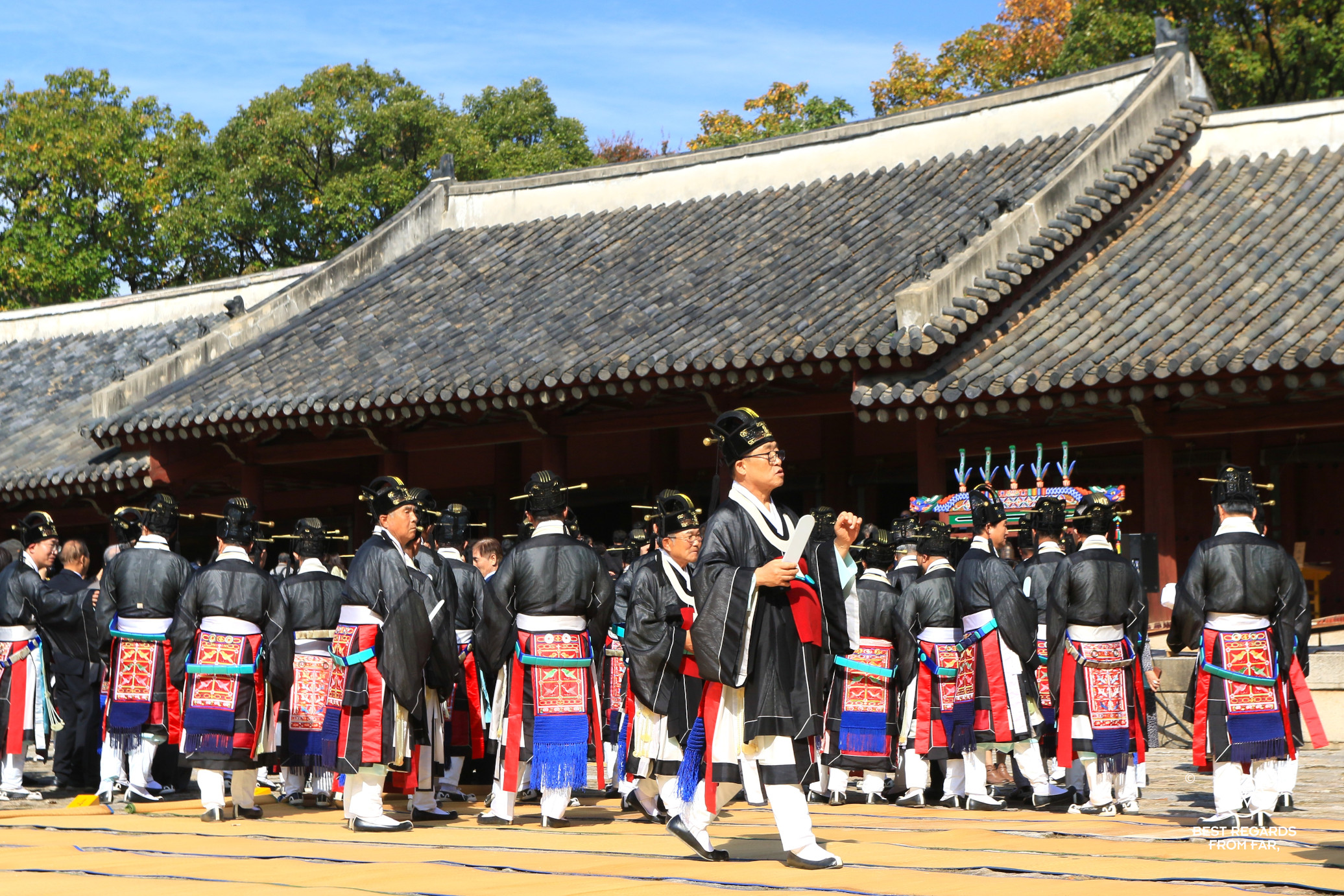
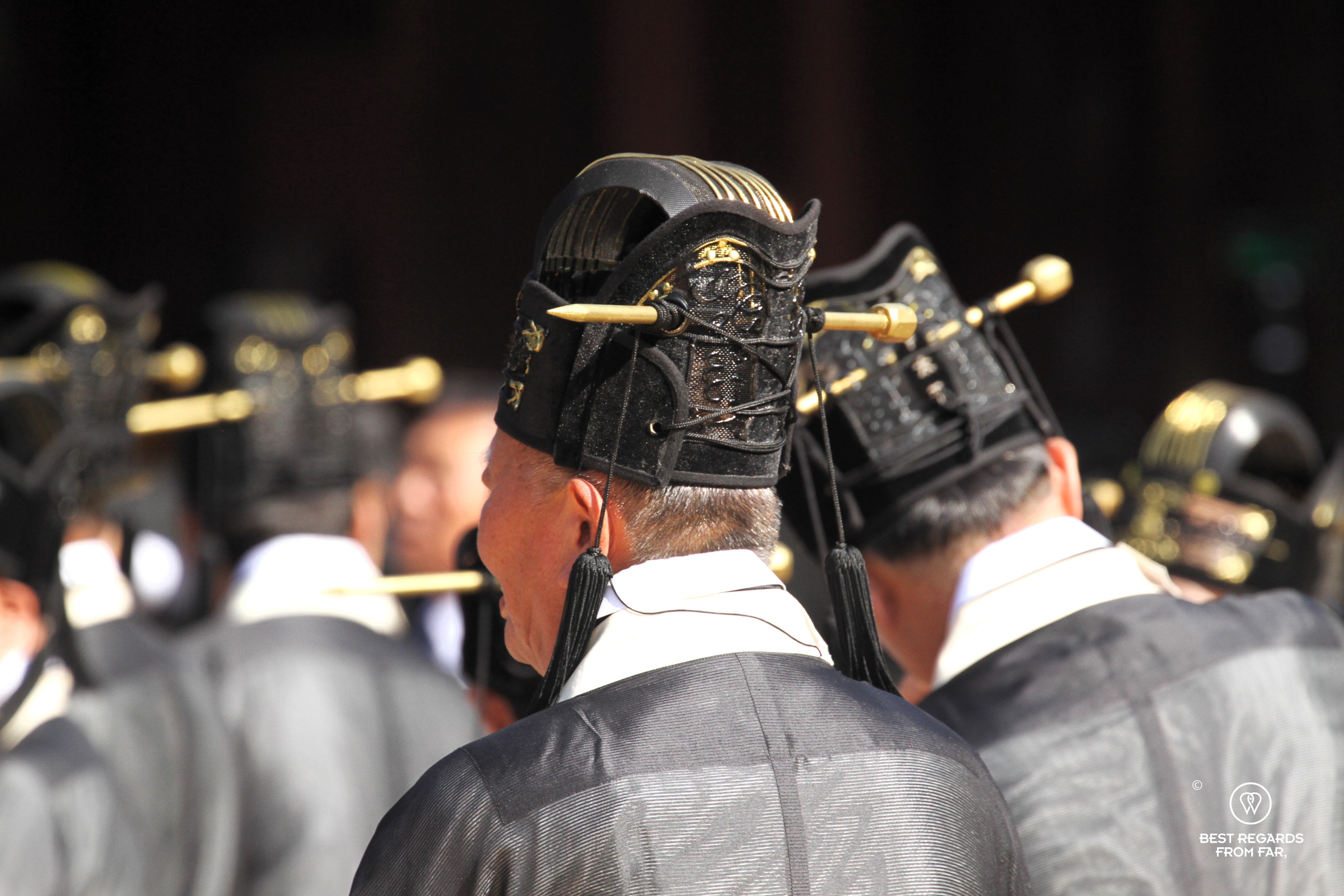

Located just a short distance from Changdeokgung Palace, Jongmyo Shrine was built in 1395 by King Taejo, founder of the Joseon Dynasty, shortly after Hanyang—today’s Seoul—was designated as the capital. Since then, when a king or a queen passed, memorial tablets of the deceased have been enshrined in Jongmyo. The 19 kings credited with outstanding deeds were enshrined in individual cells in the main hall, Jeongieon, which houses 49 tablets in total—the 19 juxtaposed cells total an impressive length of 101 meters (331ft). An annex is dedicated to the others while the tablets of the few rulers who stepped down are not kept.
The serene stone pathway leading to Jongmyo Shrine, the oldest and best-preserved royal Confucian sanctuary, reflects the Confucian principles of reverence for the ancestors. Sacred, it has been reserved for the spirits that are to take the center pathway while the king and crown prince accompany them respectively to their right and left. South Koreans will be sure to remind you expeditiously should you attempt to step on it!


3. Lunch at Jalppajin Memil [A Low Key Local’s Fav]
Halfway between Changdeokgung Palace and Jongmyo Shrine, the local’s favorite Jalppajin Memil is tucked away in a quiet alley and easy to miss if it were not for the queue of Koreans waiting in front for a table. Far from the grandeur of these royal sites, in this unassuming eatery, the choice is limited to buckwheat noodles, pancakes, and dumplings.

The party platter is a great sampler consisting of buckwheat pancakes, fried dumplings, boiled pork, salted squid, dried radish, kimchi, and seasoned pollack presented on perilla leaves. Crowds of connoisseurs come in and out to gulp down the set menus and water them with makgreolli, a Korean milky unpasteurized rice wine.
4. Bukchon Hanok Village [A Glimpse of Traditional Seoul]
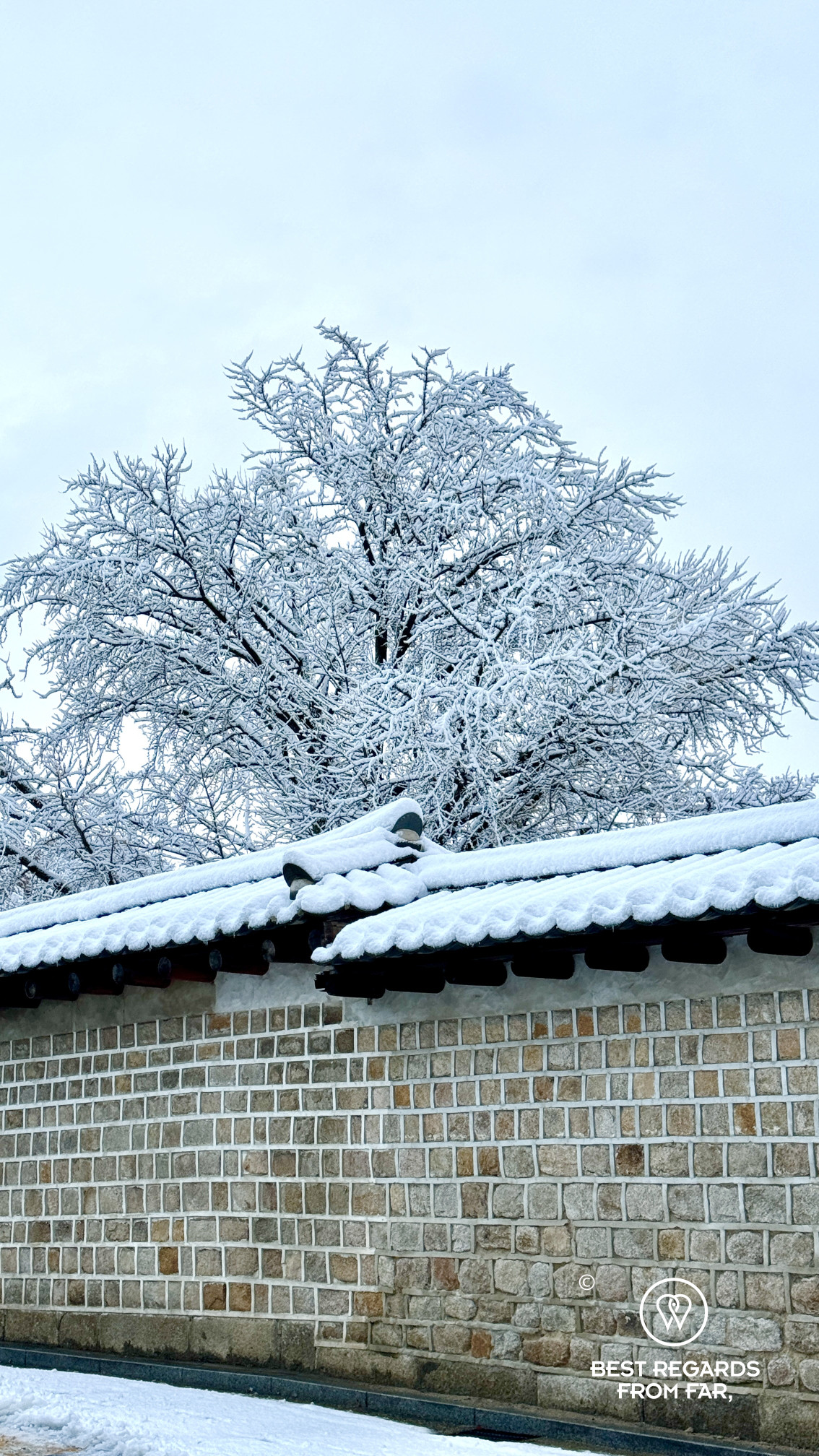
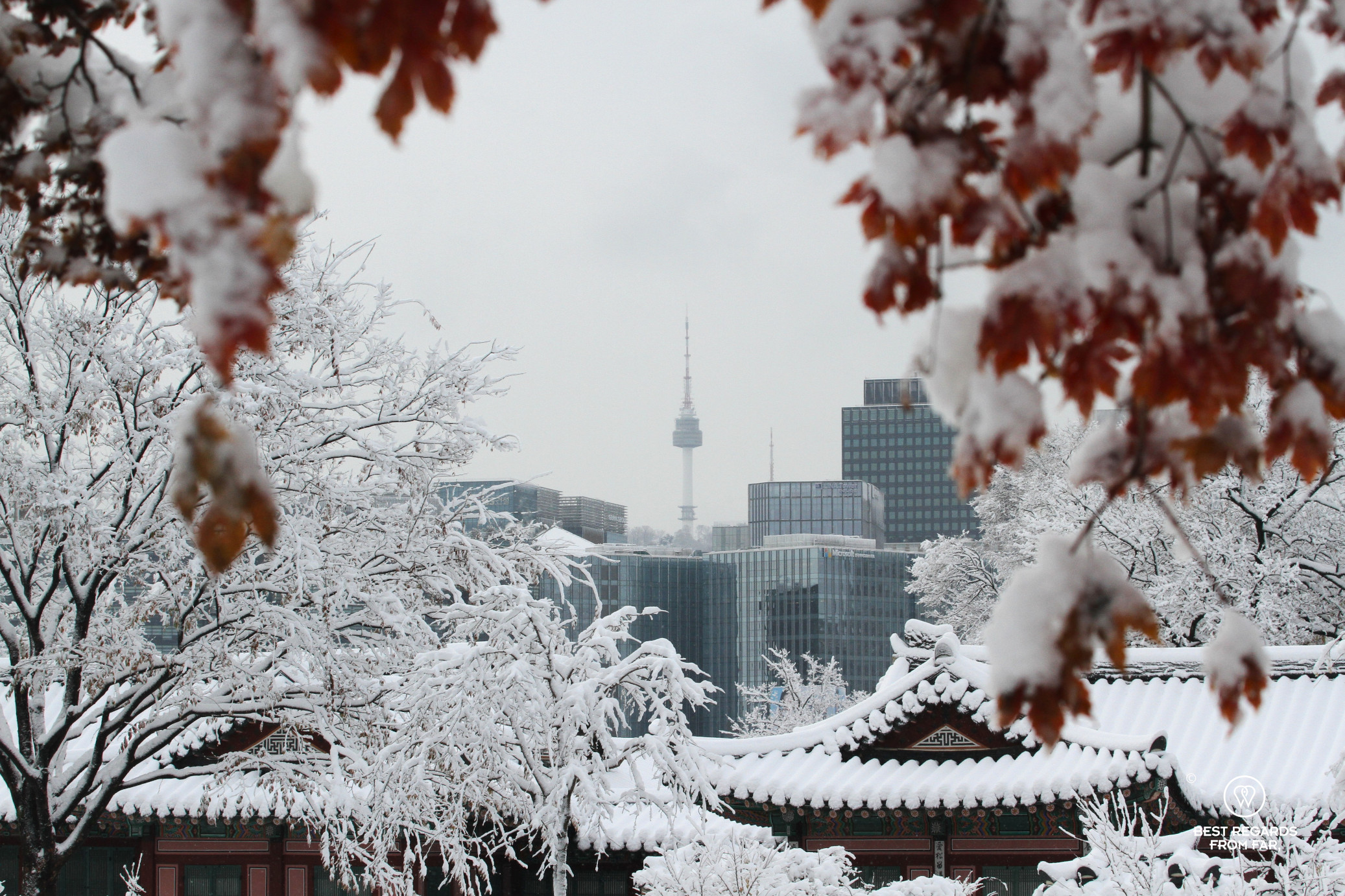
This charming neighborhood, home to traditional Korean houses known as hanok, has managed to preserve its historical charm amid the rapid development of Seoul. Strolling through Bukchon’s narrow alleyways feels like stepping back in time, as the well-preserved hanok offer a blatant contrast to the glass-and-steel skyscrapers and the N Seoul Tower in the distance.

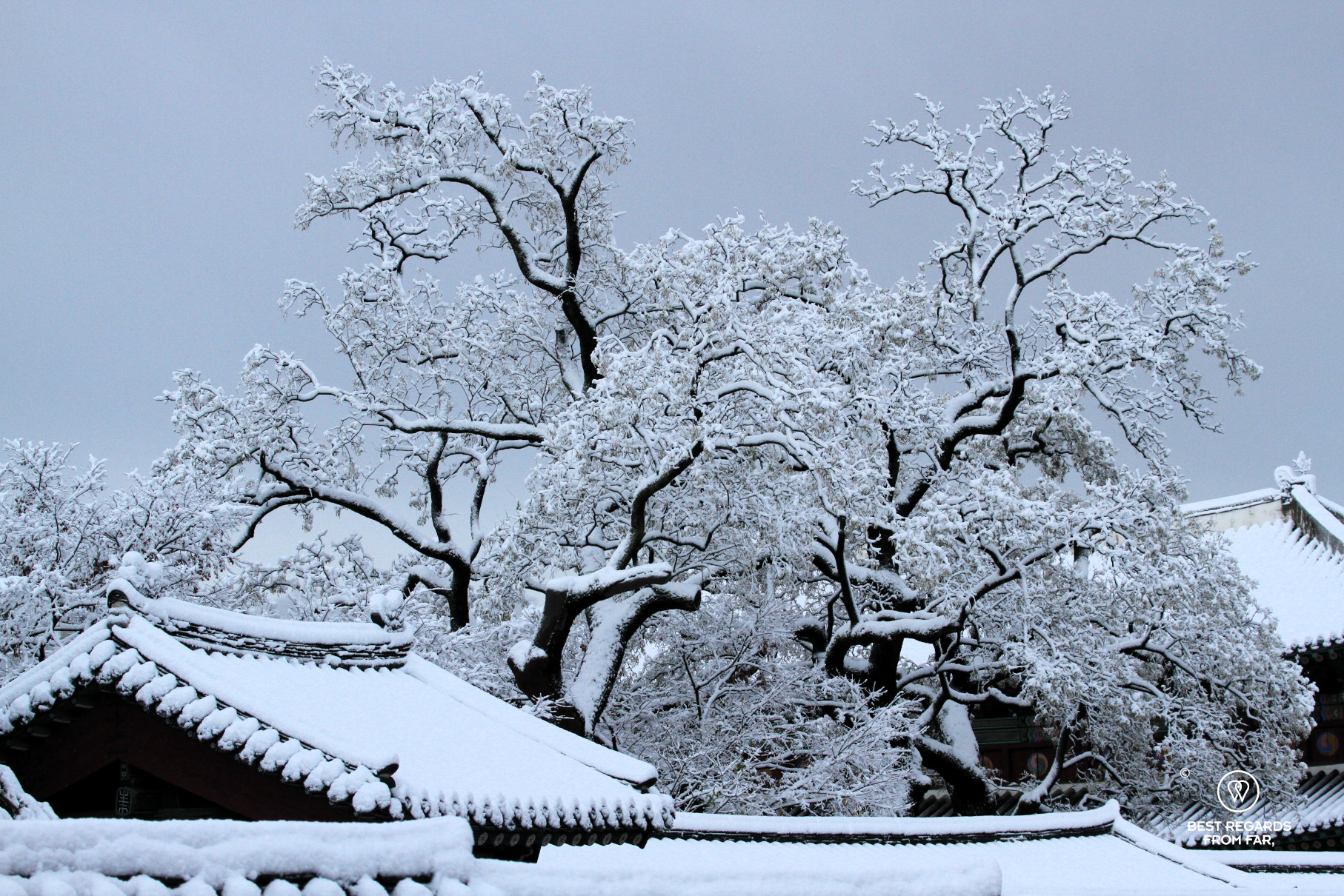
While many museums have popped up, often not really worth the time, simply strolling the cute streets is a real pleasure. Surprisingly, the most interesting museum in Bukchon is the National Museum of Modern and Contemporary Art (MMCA). The MMCA, housed in a striking modern glass building, contrasts beautifully with the traditional architecture of Bukchon, offering thought-provoking temporary exhibitions.

Gyeongbokgung Palace [The Heart of the Joseon Dynasty]
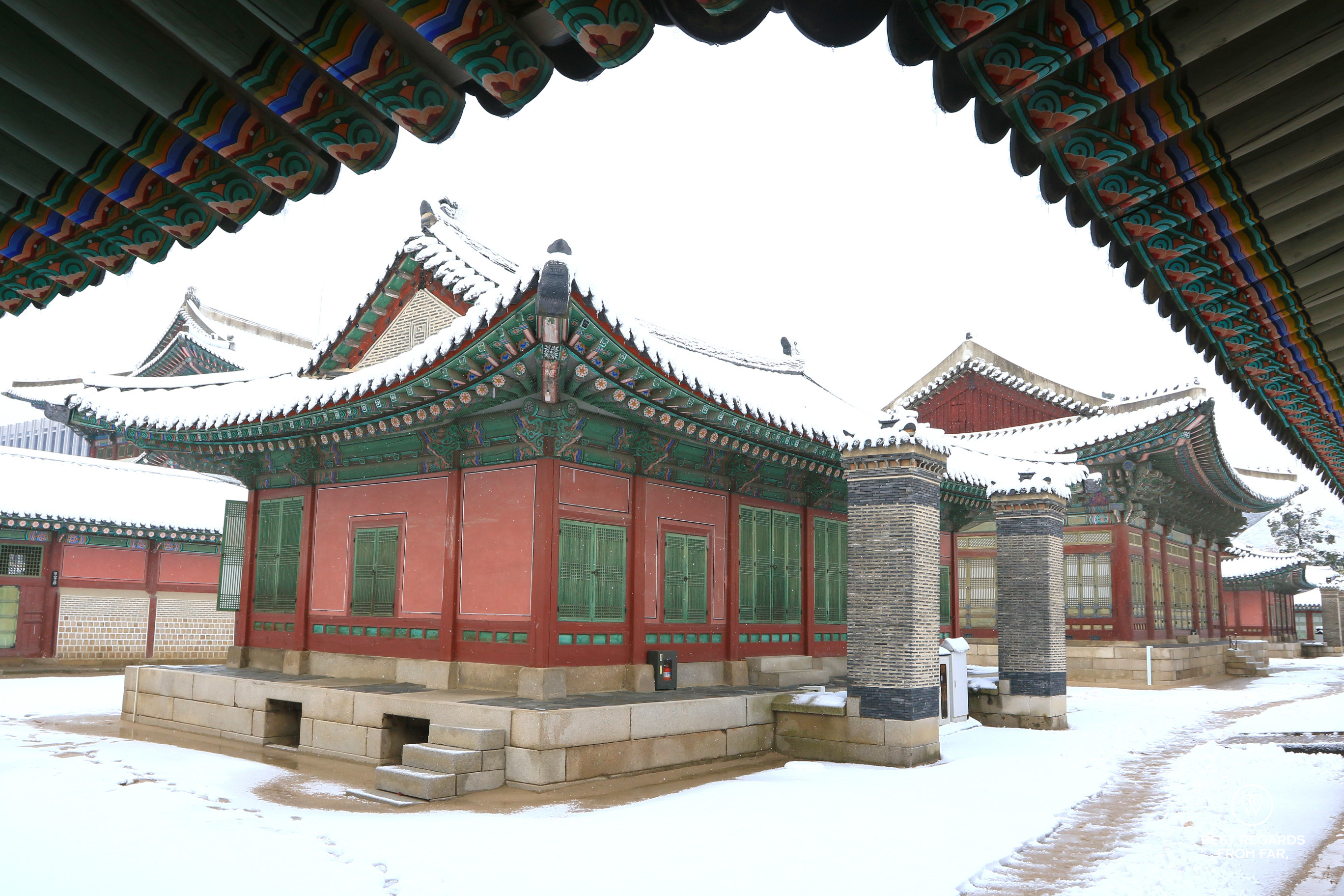
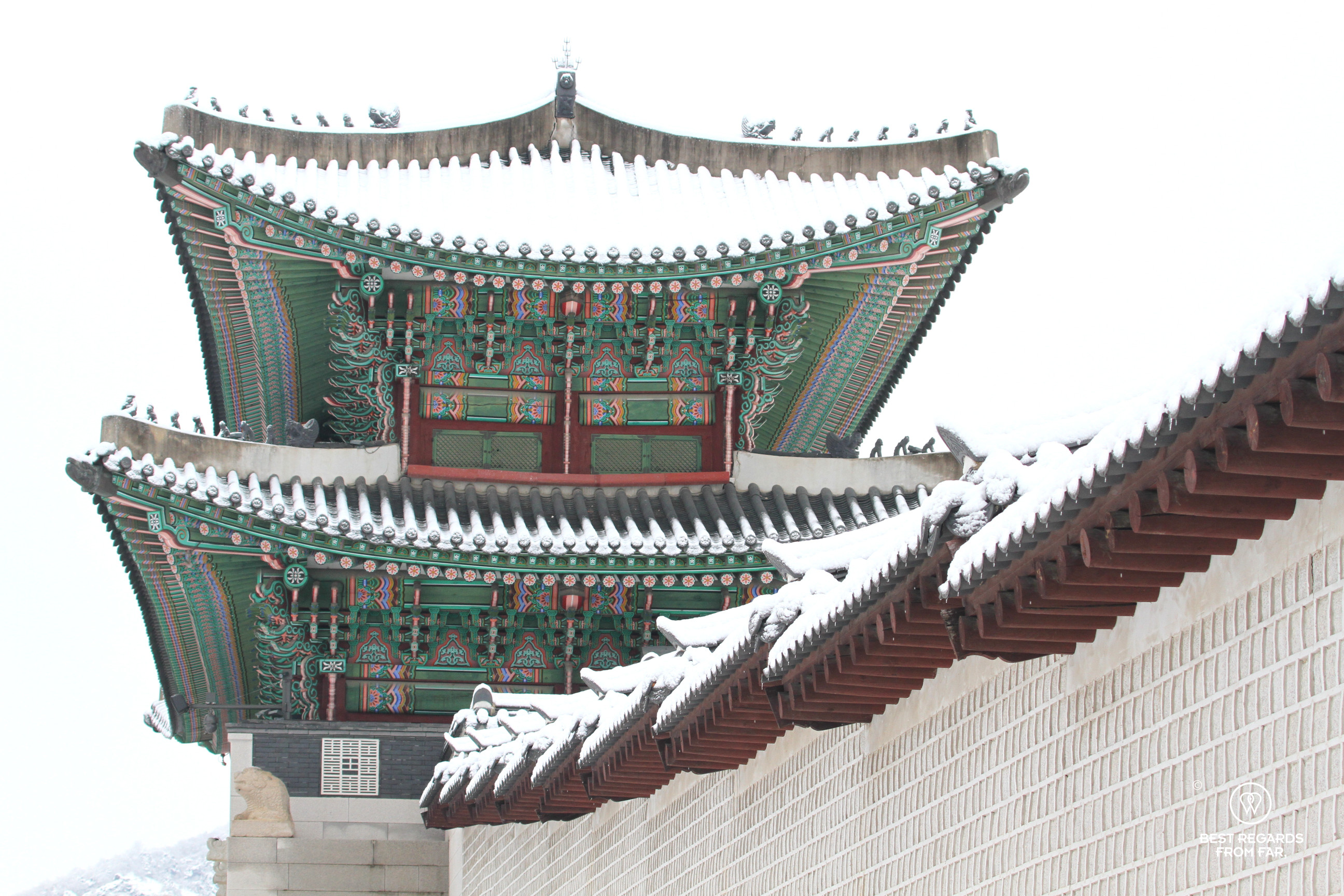
Built in 1395, the main royal palace of the Joseon Dynasty is the largest and most important of their Five Grand Palaces. Situated against the backdrop of the borrowed landscape of the Bugaksan Mountain, the palace was the primary residence of the royal family and the seat of government. Its name, meaning “the new dynasty shall have good fortunes and prosper,” reflects the hopes of the Joseon rulers.
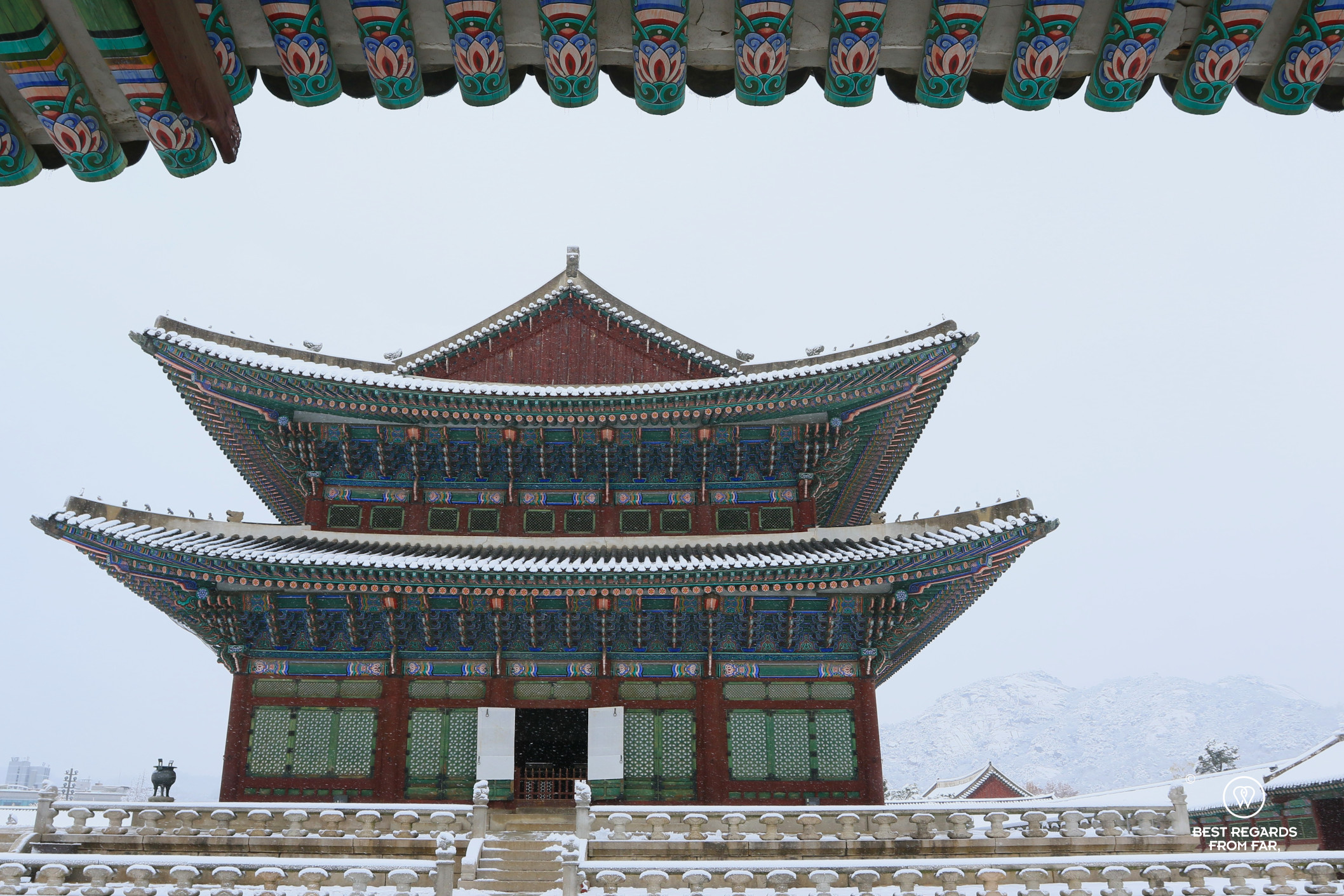


Though Gyeongbokgung Palace was destroyed during the 7-year Japanese invasion of the late 16th century and later during Japanese colonial rule to host the 1915 Joseon Industrial Exhibition, the palace has been restored. Past the Geunjeongmun Gate under which the daily changing of the guard ceremony takes place, the Geunjeongjeon Palace impresses.
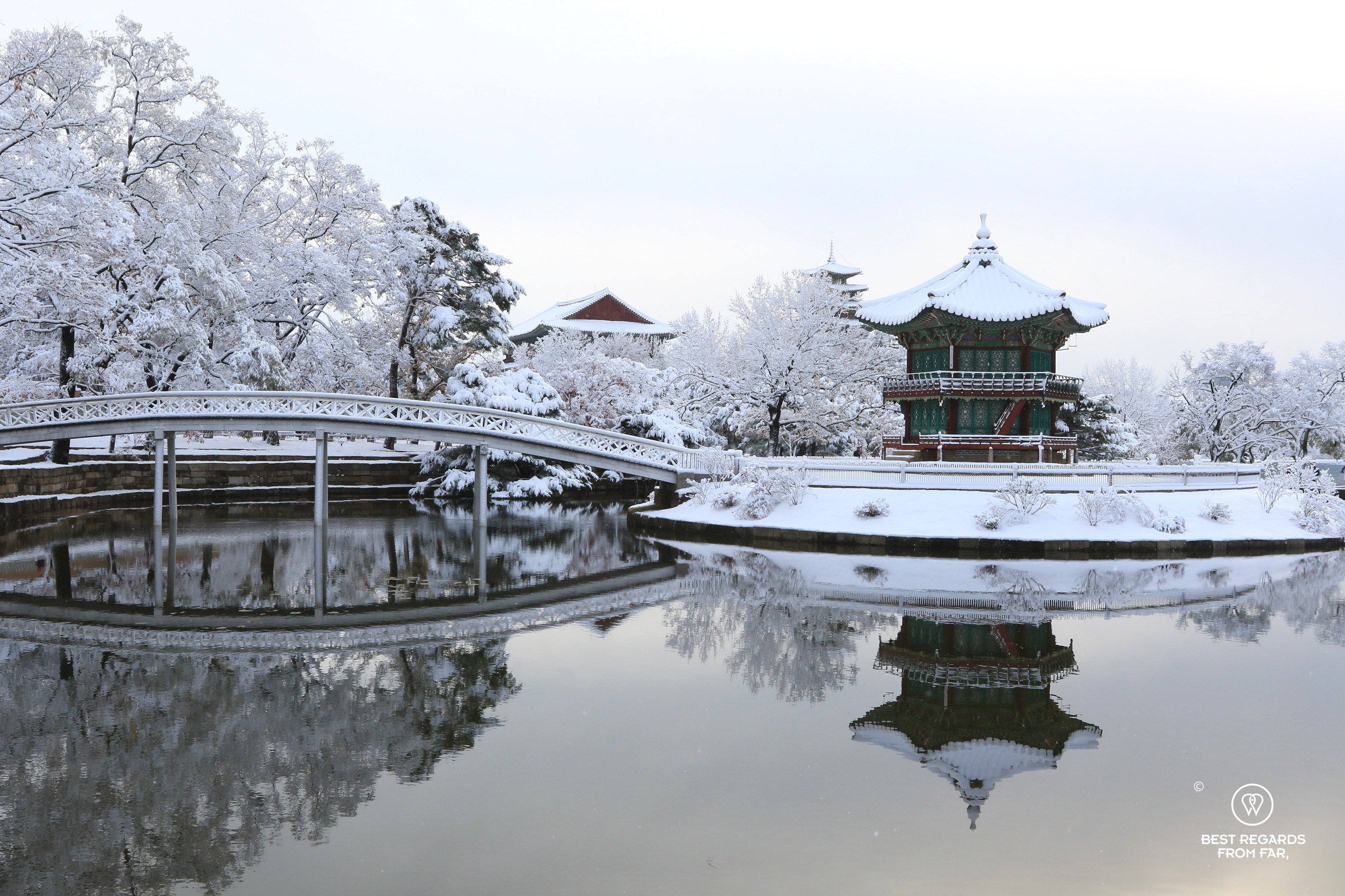
Flanked by more intimate administrative or living quarters, the temple complex provides respite from the bustling city, especially when strolling its peaceful royal gardens around the tranquil Hyang Wonji pond. The 10-story pagoda and the Hyangwonjeong Pavilion—a place of leisure for the royal family—reflect in its still surface—a postcard-perfect scene.


5. Cobbler Seoul [A Speakeasy in an Hanok]
Often living in small flats and leading hectic work lives, Koreans meet in restaurants and bars to socialize and release some pressure. While many joints dot the streets of Seoul, Cobbler bar, with its two locations in town, is an upscale mixology heaven where polished Koreans sip signature cocktails or carefully selected imported spirits.
In a back alley of Bukchon in a hanok—traditional Korean house—hides the stylish speakeasy. In an intimate atmosphere oozing nostalgia and sophistication with a jazzy music theme, barmen wearing sleeve garters on buttoned-up shirts and waistcoats ask about patrons’ flavor profiles and propose cocktails from classics to their amazing and very well-balanced creations.
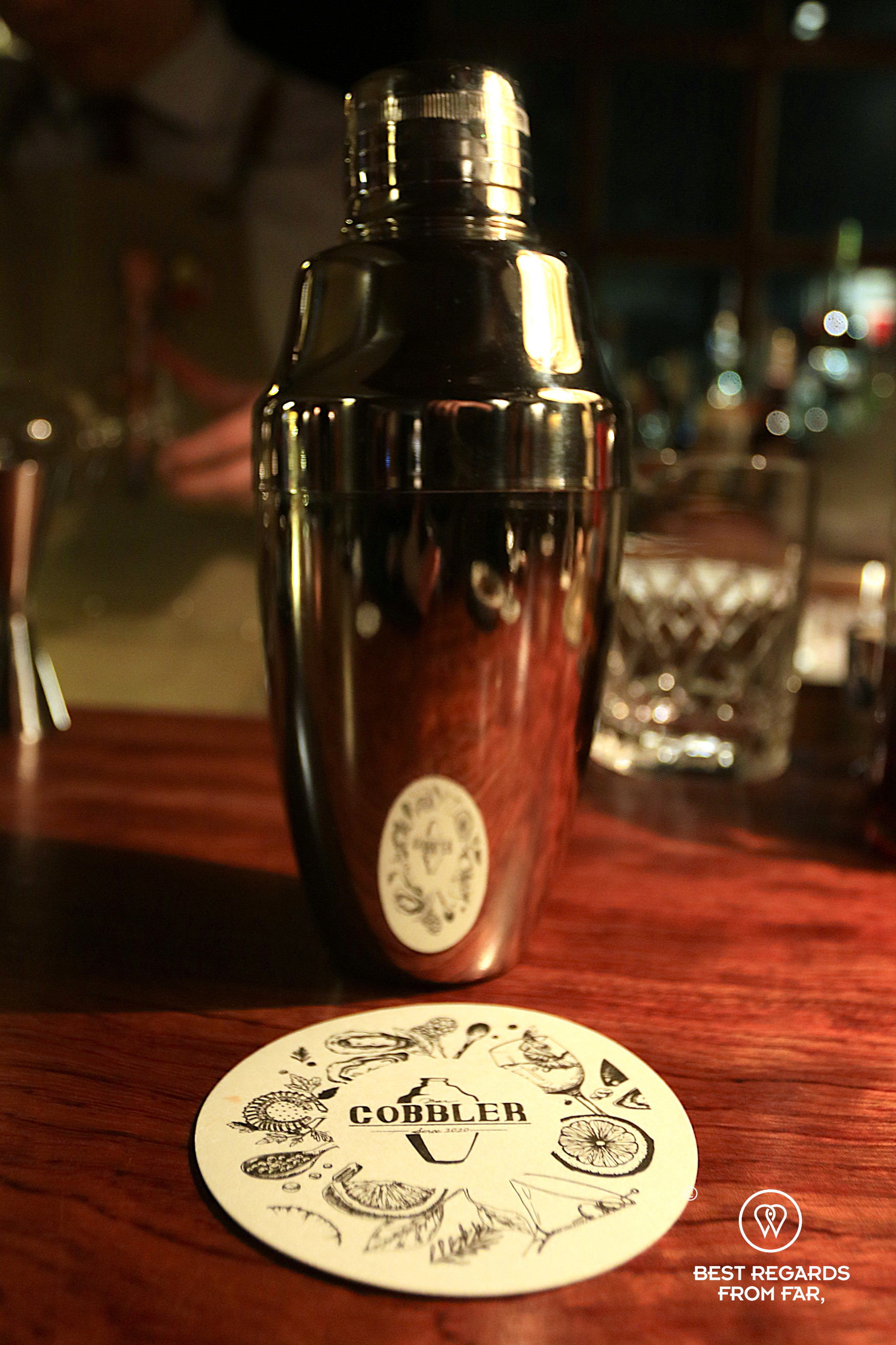

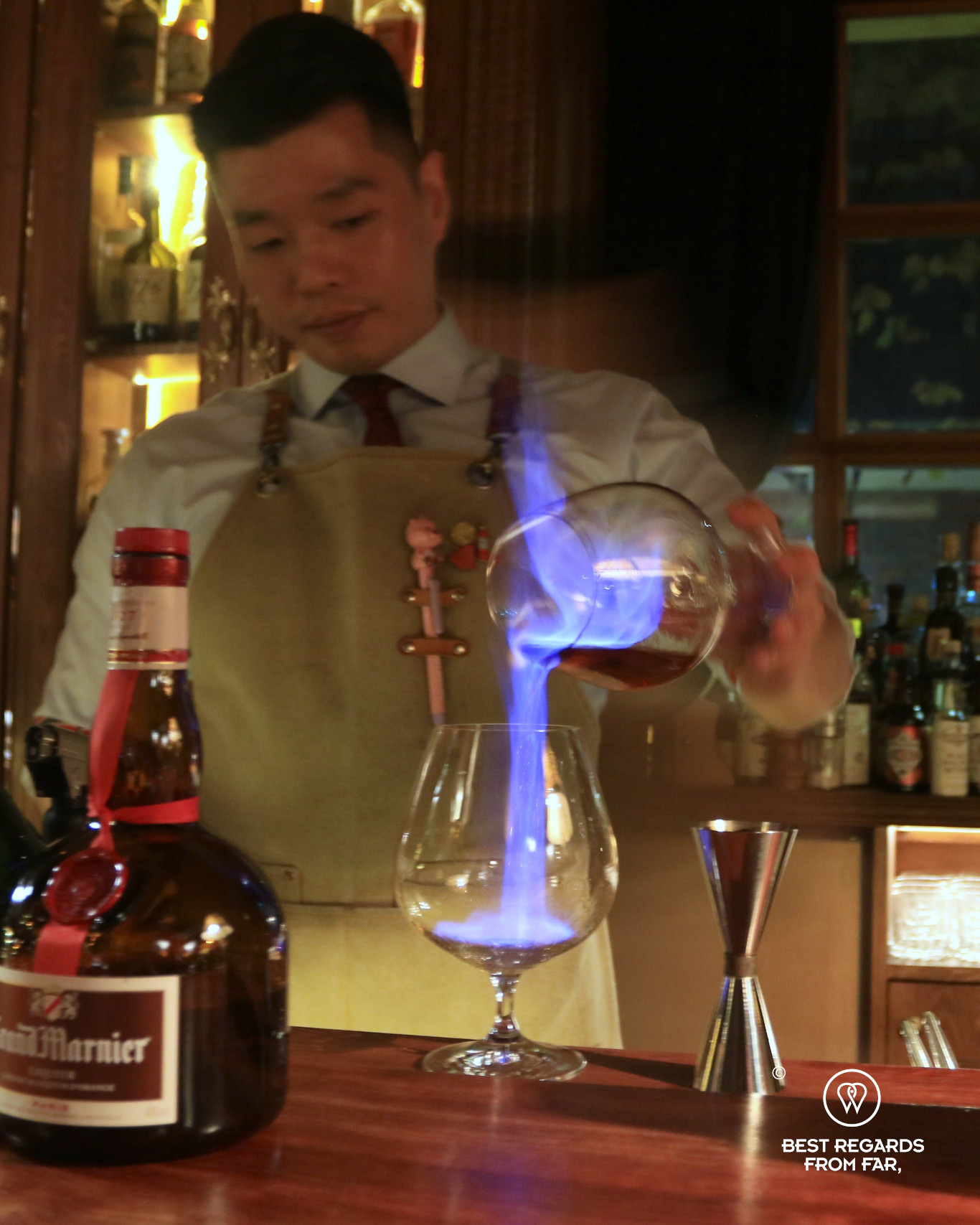
It is at the Yeonhee location that owner and talented mixologist Robin also distills Cobbler’s own unique elixirs. The list of classic spirits is completed by interesting flavors in which ingredients add a Korean twist. Barmaid Arem mixes with the utmost focus a blue cheese-distilled vodka with a bit more white vermouth than in your regular martini that pairs perfectly with the delicious home-made apple crumble that was discreetly set on the bar.
Another interesting take is Cobbler’s reinterpretation of the Negroni with a home-distilled strawberry gin. Topped off by a thin layer of egg whites vigorously shaken into a thin foam, once again it is a perfect balance between bitterness and a hint of fruity sweetness in which every spirit transmits its character to the pink cocktail.
***
6 to 10.Cheonggyecheon Stream, Market Food, Fortified Wall Mural Village & Design Plaza [Walking Tour]
This 6-kilometer (3.7 mile) walking tour can be tailored to your pace, whether you prefer to shorten the route by skipping parts of the Cheonggyecheon Stream and walking less along the fortified wall, or extend it by venturing further along the ancient perimeter wall. The journey begins at the westernmost point of the serene Cheonggyecheon Stream that gentrified from open-air sewage for most of Seoul’s history to a bucolic waterway popular among residents as a peaceful, leafy escape from the hustle and bustle of the capital. Walking along the stream—or occasionally crossing it on stones—offers a welcome respite in the heart of the city.

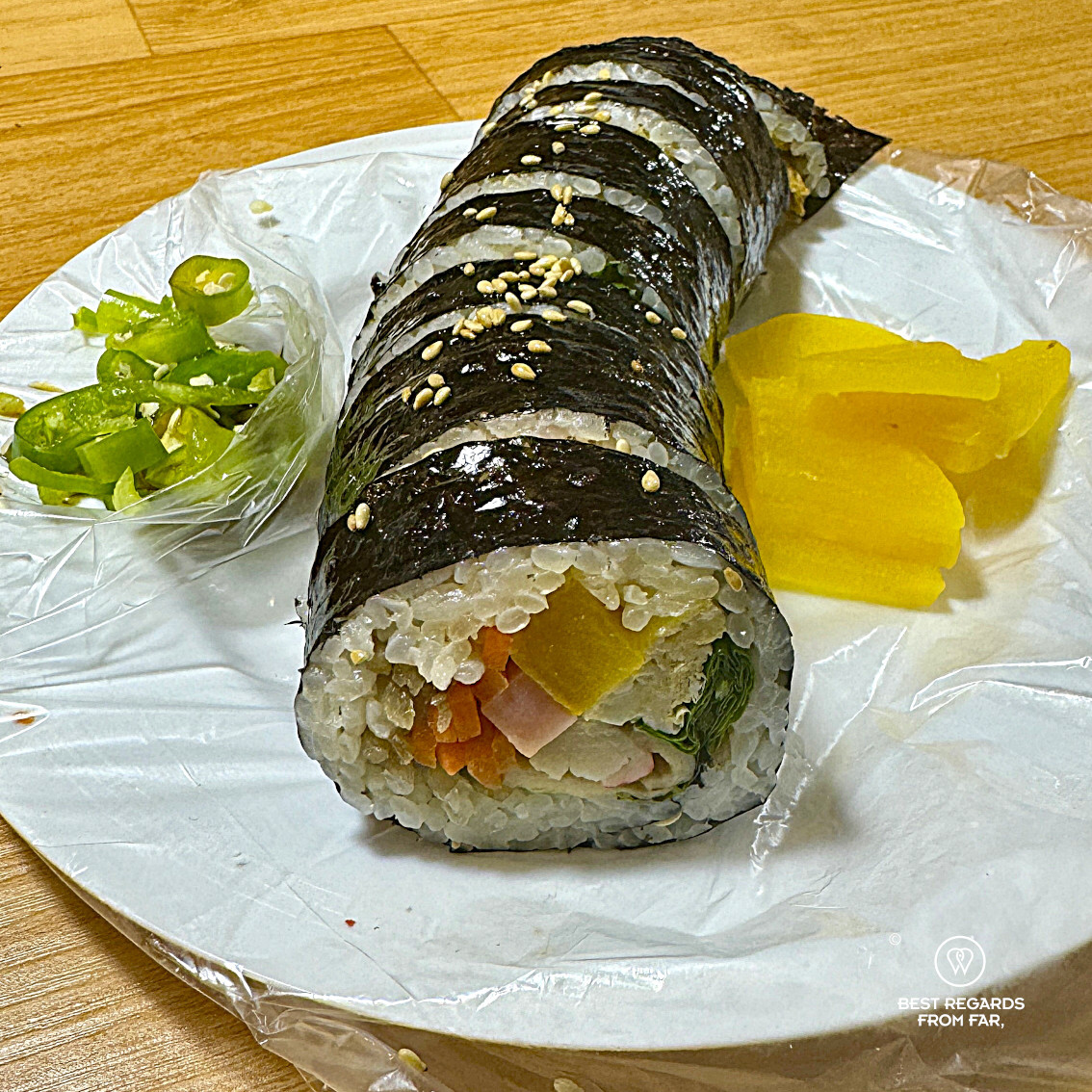

Above the stream, at street level, lies the vibrant Gwangjang Market, stretching across several blocks. This busy covered market is a must-visit for those seeking authentic Korean street food, from mandu (Korean dumplings filled with meat, vegetables, or tofu, and either steamed or fried) and gimbap (Korean rice rolls wrapped in seaweed, often filled with vegetables, seafood, and pickled radish) to boribap (a rice dish made with barley, usually served with vegetables, kimchi, and a savory sauce) and bibimbap (a mixed rice dish topped with various vegetables, meat, sometimes an egg, and spicy chili paste—Korea’s most famous dish). The narrow alleys of the market lead to the imposing Heunginjimun Gate (or Dongdaemun for Eastern Great Gate) with its unusual outer wall for extra protection. One of the eight gates that used to dot the wall, this historic gate is part of the original fortified wall that once protected Seoul, dating back to the Joseon Dynasty. Although most of the wall has been dismantled, a well-preserved section to the north offers a glimpse into the city’s past. A 1-kilometer (0.7-mile) uphill walk will take you to Ihwa-dong Mural Village. The former township for refugees after the Korean War has since become a charming neighborhood with panoramic views of the city, beautiful murals, and bohemian coffee shops. Brave hikers can explore the winding streets and steep staircases in search for colorful street art before reconnecting with the fortified wall, with its high point serving as a perfect turnaround.

After following the former perimeter wall and passing the Heunginjimun Gate, the walk concludes at the Dongdaemun Design Plaza (DDP), a stunning landmark designed by renowned late star architect Zaha Hadid. Opened in 2014, this futuristic building, with its flowing, organic curves, has become an iconic symbol of Seoul’s modernity. It serves as a dynamic event space for fashion shows, concerts, and performances, and houses a design museum as well as an incubator for emerging product designers. Conveniently accessible via public transport, the DDP offers a fitting end to this exploration from a slice of serenity to street food, and from historical landmarks to cutting-edge architecture.
11. Royal Tombs [Focus on Seolleung & Jeongneung]
Also a UNESCO World Heritage Site, the Royal Tombs of the Joseon Dynasty (1392-1897) encompass 42 tombs that were built on many sites around the Korean Peninsula. Seolleung and Jeongneung—the tomb of King Jungjong (1488-1544), the 11th ruler of the Joseon Dynasty—Royal Tombs are the easiest to access as they are located in Seoul’s Gangnam district. The green island with its unexpected man-made burial mounds resembling hills is towered by high-rise residential buildings. The stone horses and guardians have not failed to secure the site for about five hundred years, and seem dedicated to keep doing so from the top of the mounds.
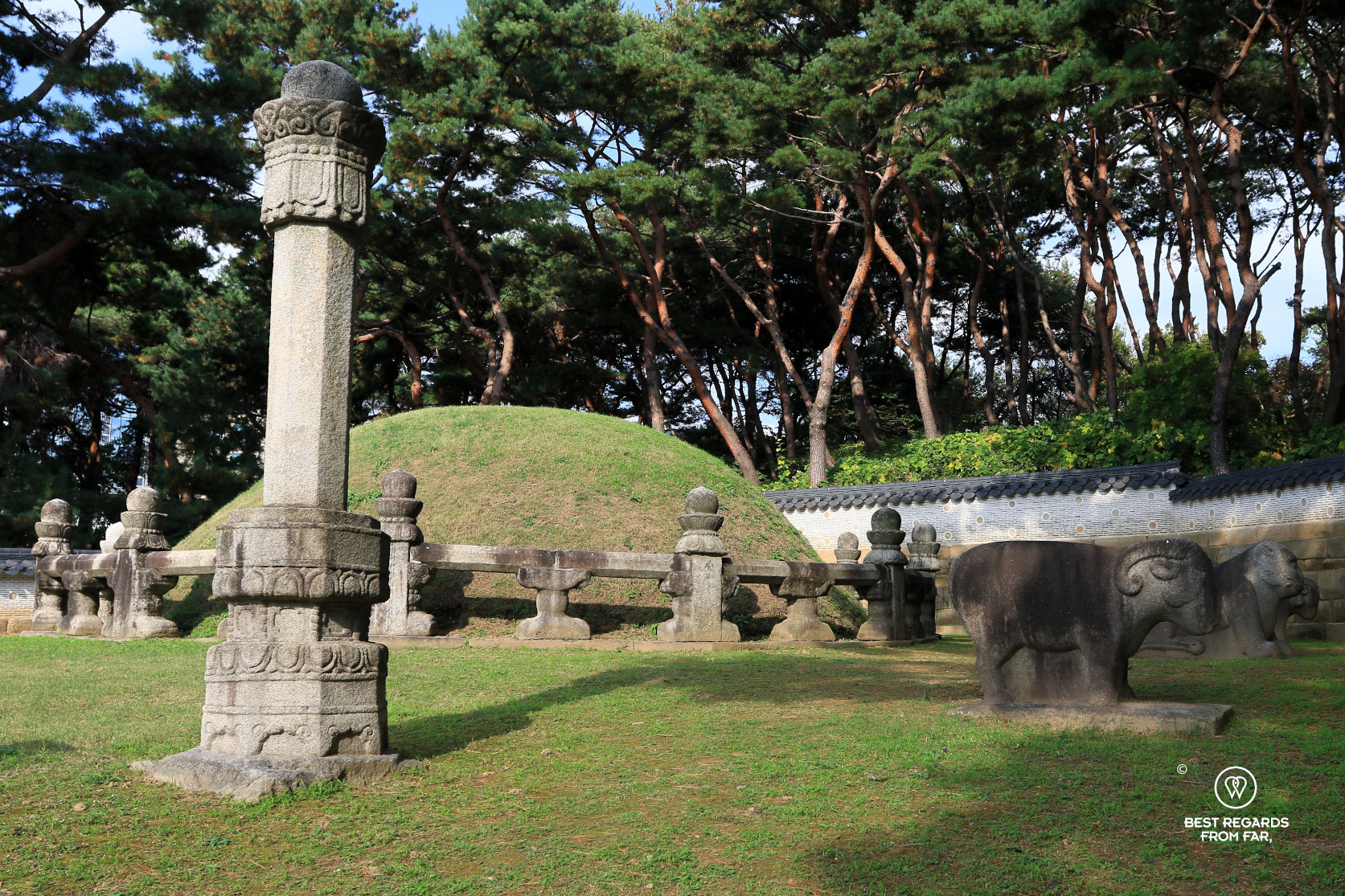

Seolleung is the tomb of King Seongjong (1457-1494), the 9th ruler of the Joseon Dynasty, and his third consort Queen Jeonghyeon who is buried on a separate hill on the same site. King Seongjong ascended the throne when he was 13-years-old and had a big impact on Korea. The national code of laws and the Five Rites of State were written during his reign, and anchored Confucianism in the legal system. This ideology also governed the way of royal tombs in strict accordance with the Confucian principles of filial piety. The mausoleums were built in the most suitable locations according to the principles of Feng Shui and integrated to the natural surroundings perfectly—even if it is a bit harder to recognize today with the surrounding urban jungle.
12. Experiencing wellness in Seoul [Korean Spa]
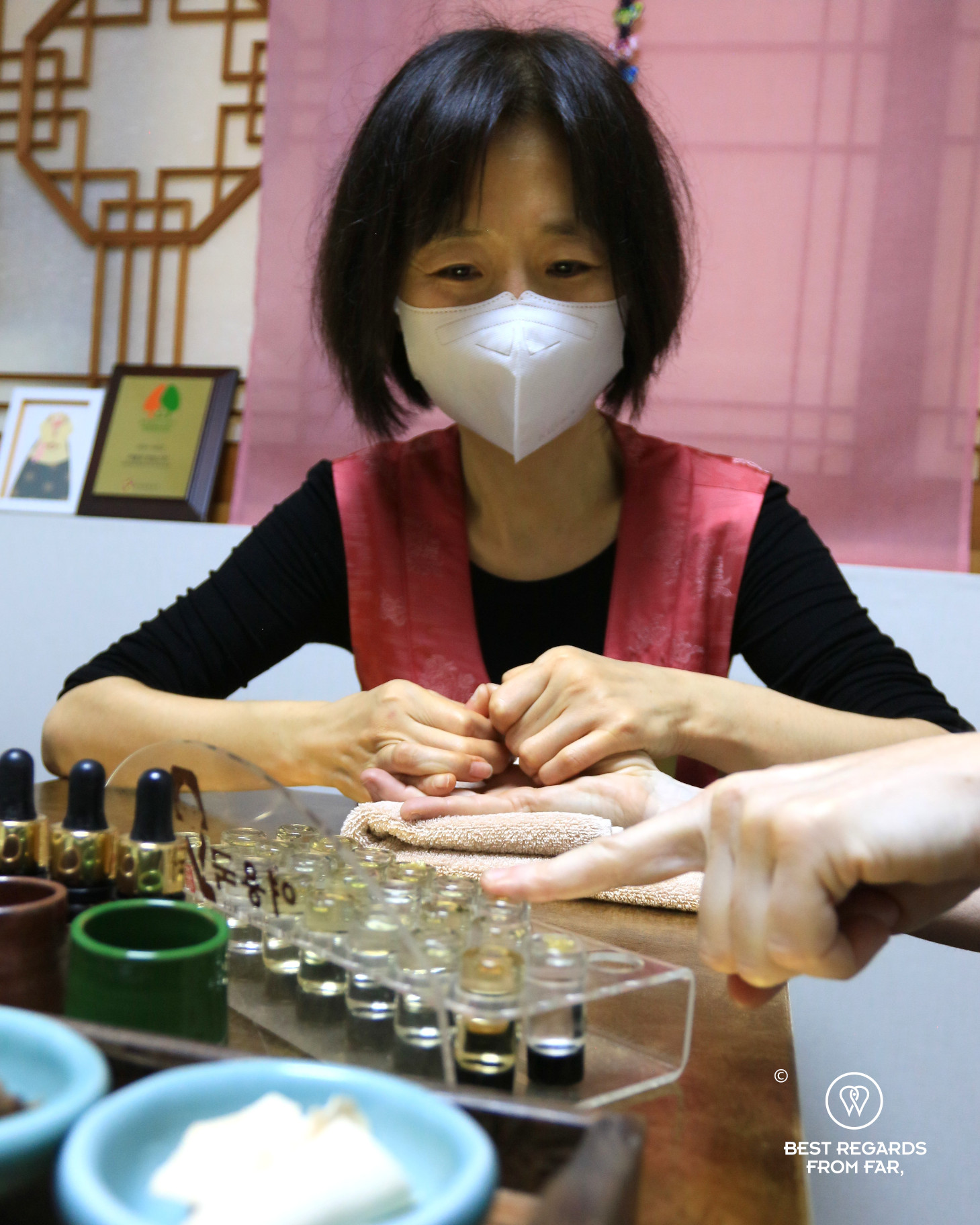
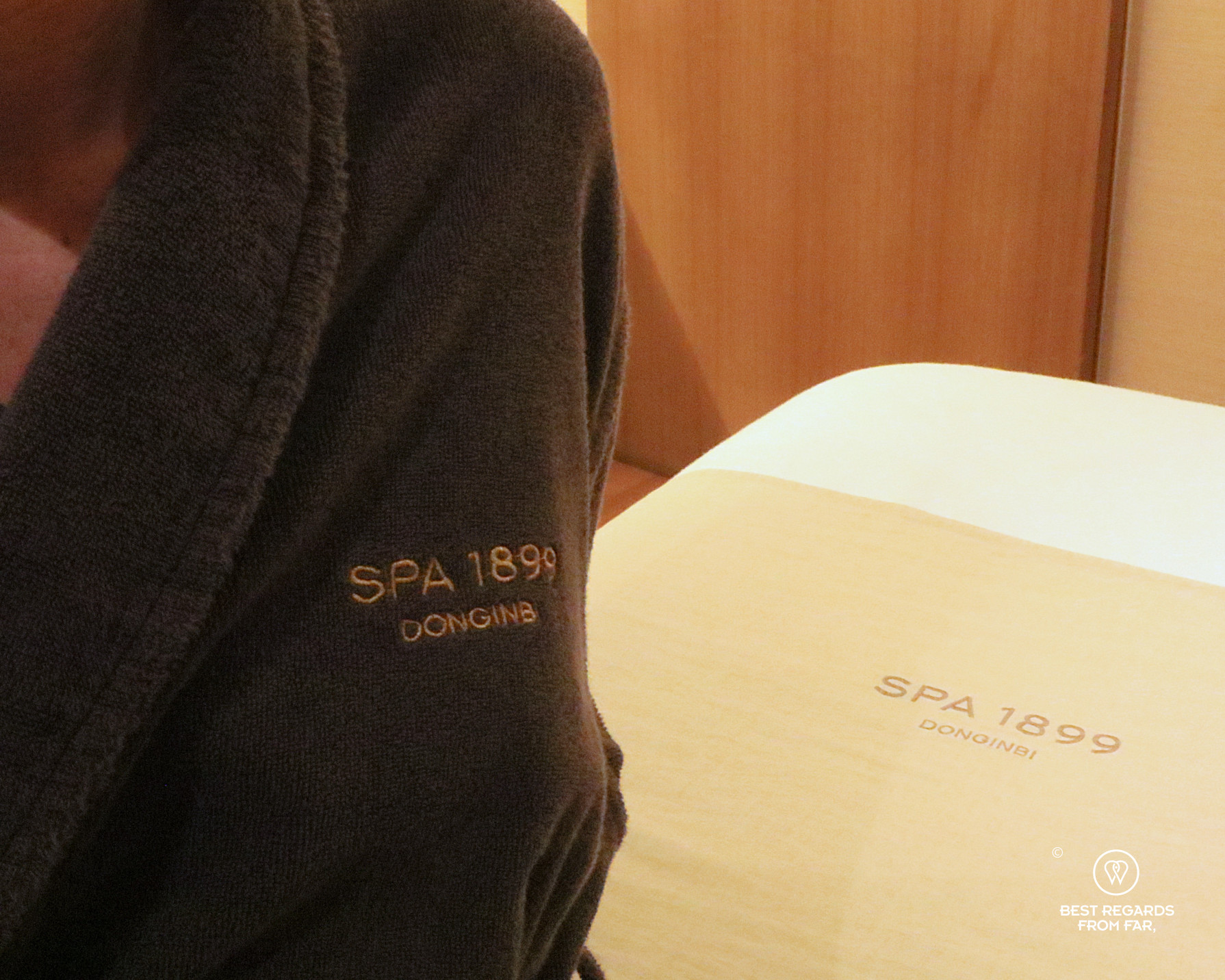
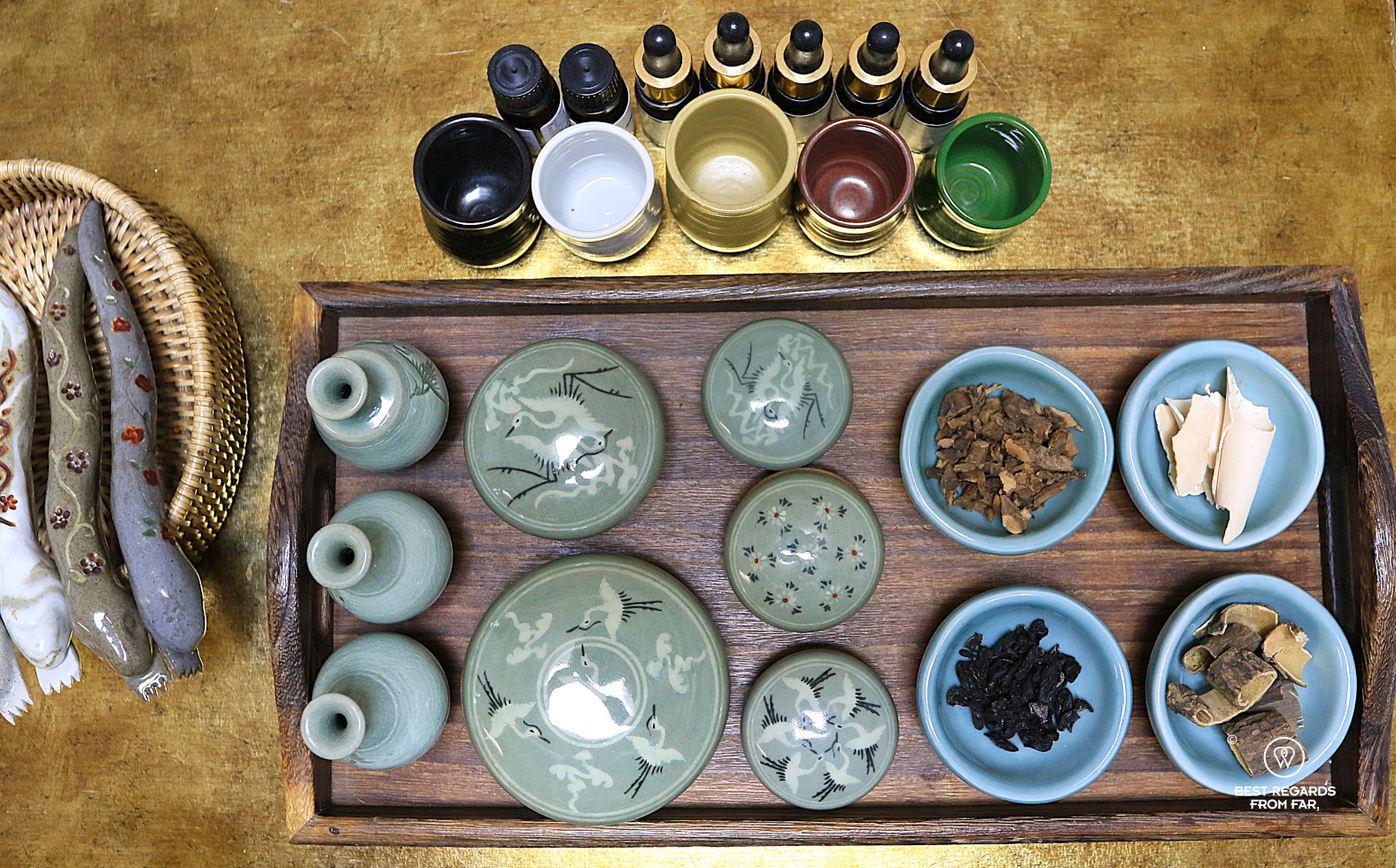
Wellness has become paramount in South Korean culture. While many centers and temples offer wonderful stays in the countryside (check out this article for a full rundown on South Korean wellness and how to pamper and reconnect body and mind), Seoul is home to several establishments that blend century-old traditions with modern wellness practices. At Yeo Yong Guk Spa, guests are immersed in a personalized experience rooted in traditional Korean herbal medicine. The spa’s treatments are tailored to individual body types. This personalized approach, combined with potent herbal oils promotes detoxification, skin regeneration, and overall vitality. Meanwhile, Spa 1899 offers a luxurious red-ginseng-based experience. Red ginseng, prized for its health benefits, is central to the spa’s treatments, which include massages, facials, and Jacuzzis infused with ginseng essence. The result is a deeply restorative experience, leaving guests feeling refreshed, rejuvenated, and radiant—just what the doctor ordered after a long-haul flight!
13. N Seoul Tower [A Panoramic View of the City]
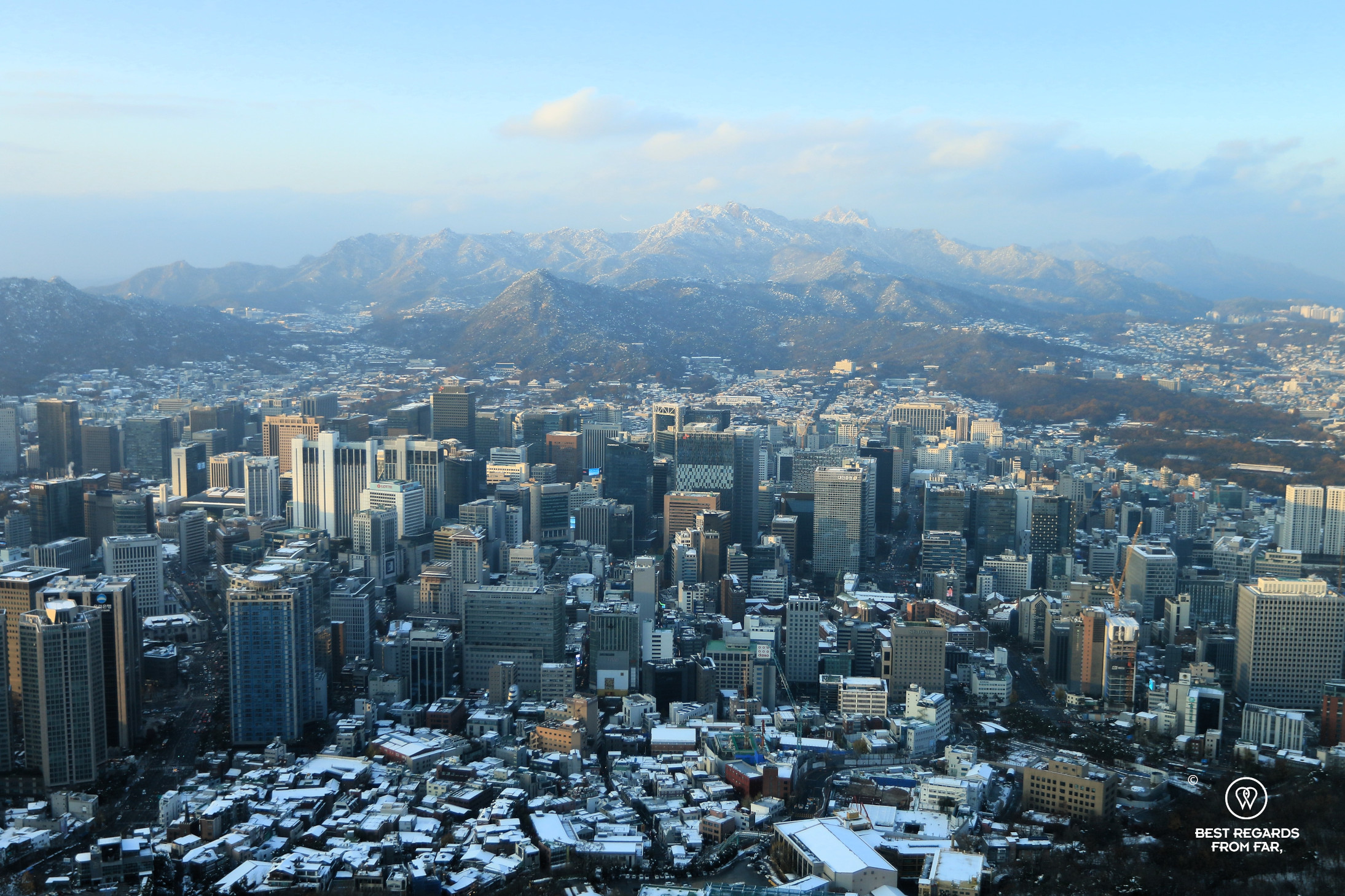
More than the tower itself, strolling or running the Namsan Park provides a nature escape close to the heart of Seoul. The 1969 broadcasting and communication tower culminates at about 480 meters (1,575ft) above sea level, offering panoramic views of the South Korean capital sprawling below. While the landmark can be seen from almost anywhere in town, the N Seoul Tower sticks out even more at night when it is lit in vibrant colors.

14. Street Food in Myeongdong [A Culinary Adventure]
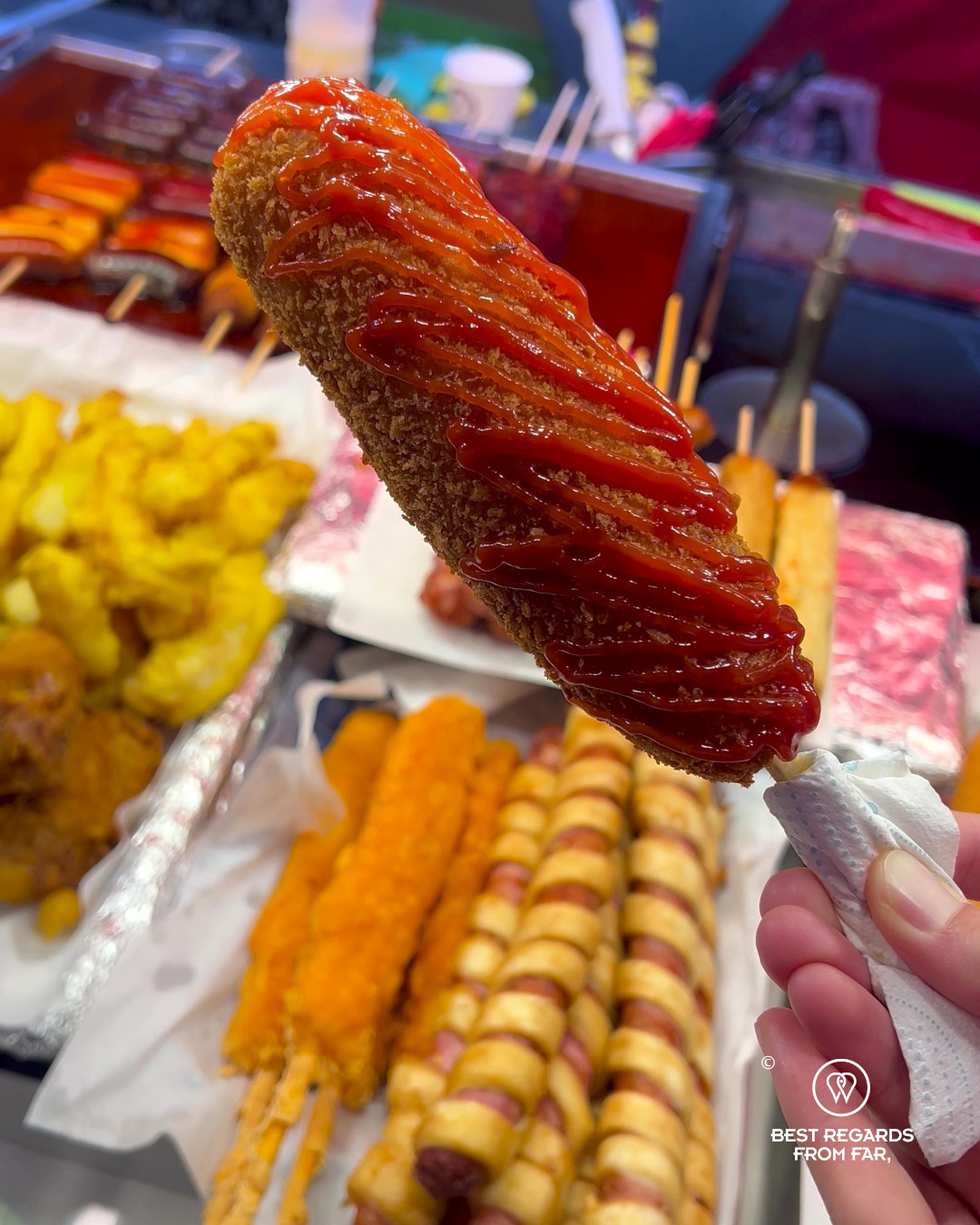
Nestled at the foot of the Namsan Park, home to the iconic N Seoul Tower, the vibrant Myeongdong district is a bustling shopping hub, hosting many local and international fashion and beauty brands. As the sun sets; its maze of narrow streets turns into a street food heaven, drawing locals and visitors alike pressing against each other and hopping from food stall to food stall.
The popular tteokbokki is iconic (simmered cylinder-shaped chewy rice cakes served in a spicy chili paste sauce (gochujang) or a milder soy-based sauce (ganjang)). The Korean corndog is a sausage dipped in a crispy batter, deep-fried, and served on a skewer for easy snacking on the go. The jeon (or Korean savory pancakes) come in a variety of forms, from vegetable fritters to seafood-packed versions, all crispy on the outside and tender within. Bindaetteok, a hearty mung bean pancake, is another must-try—crispy, golden, and often paired with pork and spring onions. Dakkochi, skewered spicy chicken with scallions and a brush of fiery sauce, is a popular choice, while eumok (or odeng), skewered fish cakes served in a warm broth, offer a comforting, savory snack perfect for the cooler winter evenings. Sweet tooths will enjoy a bungeo-ppang, a carp-shaped pastry filled with sweet red bean paste, or the warm, fluffy gyeran-ppang, a delightful egg bread with a whole egg nestled inside, balancing savory and sweet flavors.



***
15. National Museum of Korea [Brief Historical Recap]
Because of its geographical location, migration waves and invasions have shaped the Korean Peninsula, which has been a land divided by competing powers throughout its history. The National Museum of Korea is the perfect place to admire art and gain a deeper understanding of the country’s history.
The three-kingdom period was formative for Korea. At that time, Goguryeo (37 BCE–668 CE), located in the north was a powerful military kingdom in a mountainous land. Baekje (18 BCE–660 CE), in the west, was a strong naval state with fertile lands. Silla (57 BCE–668 CE) in the east of present day’s South Korea, was the weakest of the three but teamed up with China’s Tang Dynasty to eventually conquer the entire Korean Peninsula in 668.
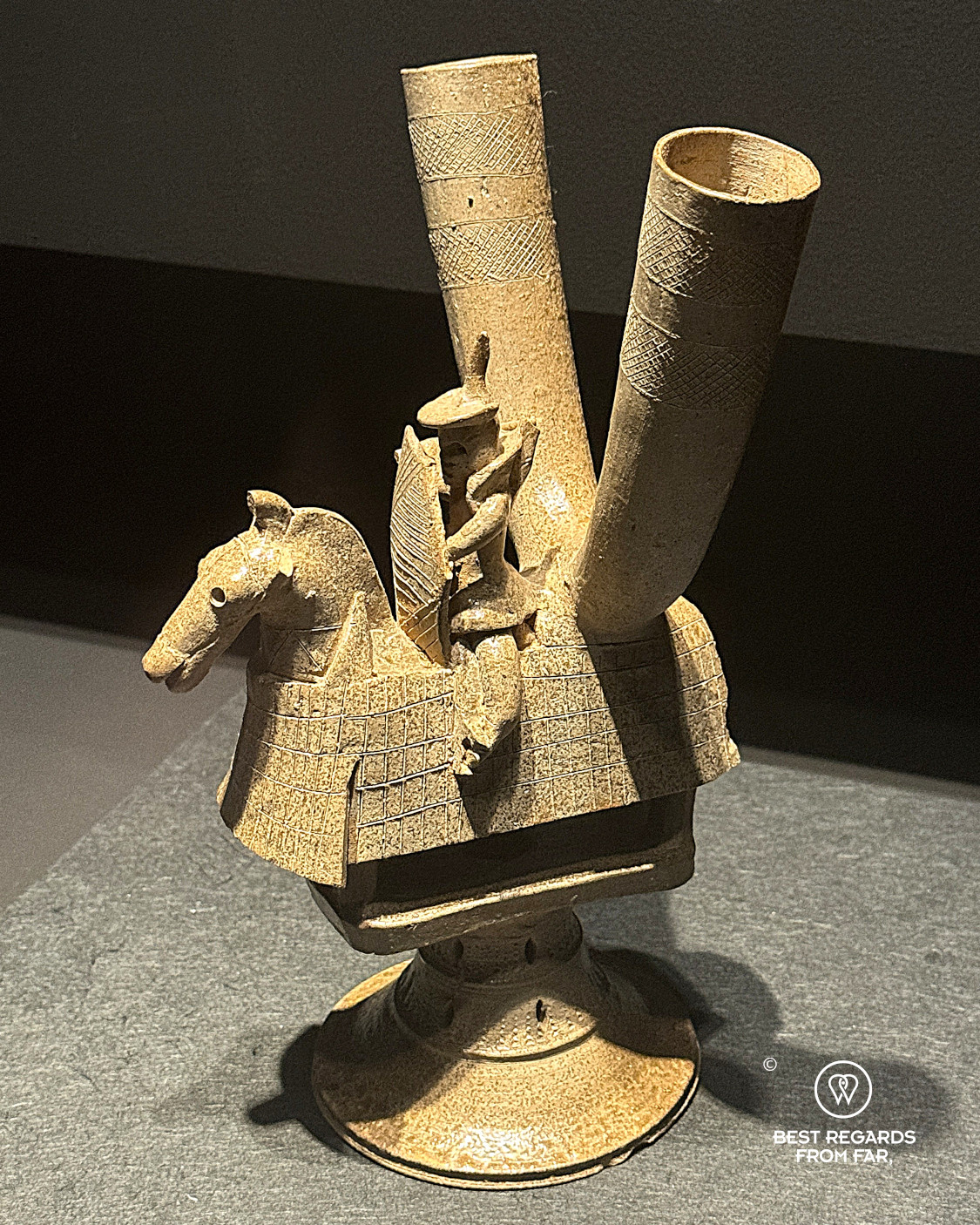


The Kingdom of Silla (57 BCE–935 CE) based in Jeonju introduced Buddhism that had a transformative impact on politics, society, and culture.
Weakened by the decline of the Tang Dynasty, it was the Goryeo Dynasty (918 CE–1392 CE) that emerged victorious, unifying the peninsula–largely thanks to the king’s 29 marriages, which helped foster loyalty. This was Korea’s cultural and intellectual golden age.
Later, Korea was dominated by the Mongols (1231–1368) despite a fierce guerrilla warfare fought by armies of peasants and monks.
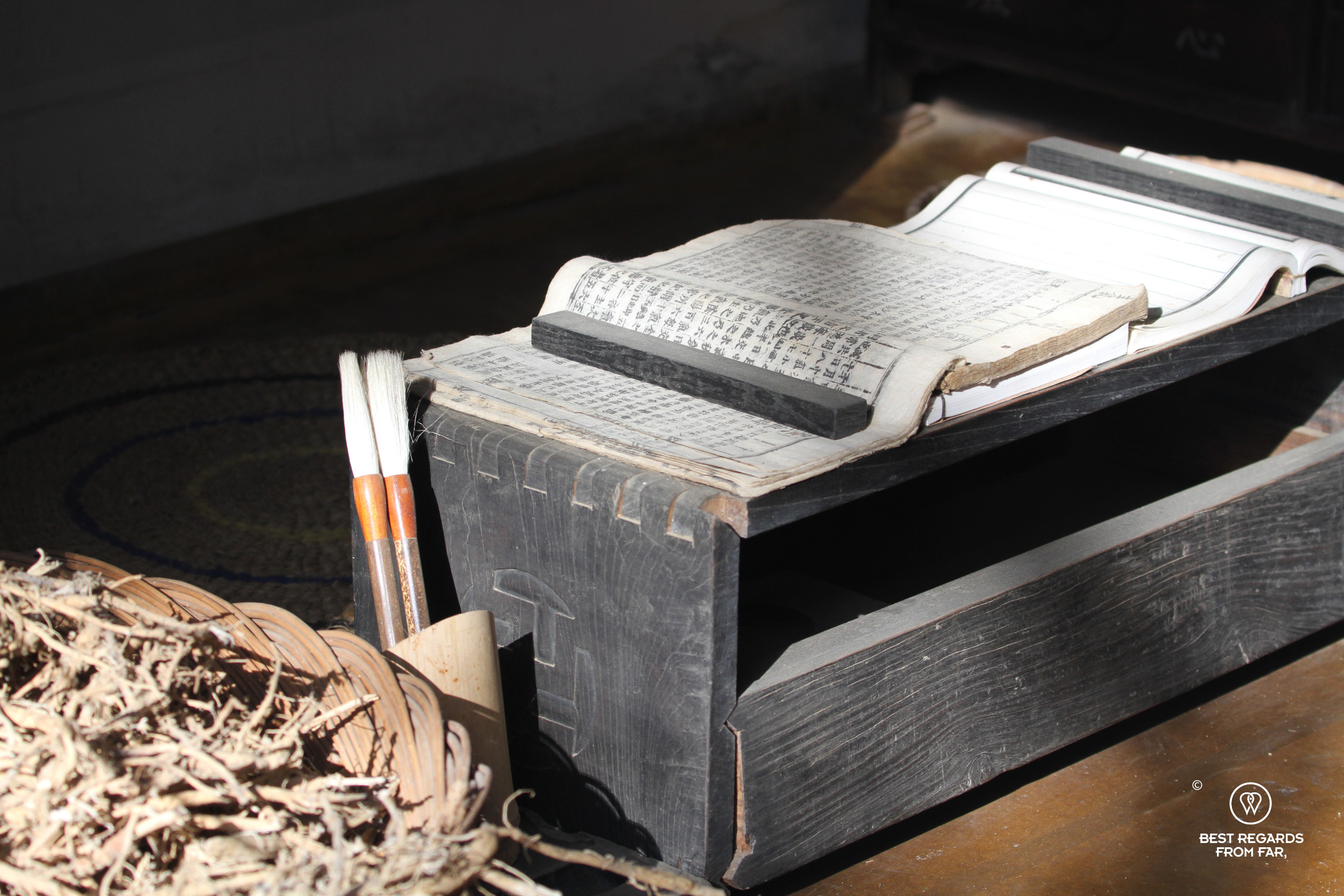
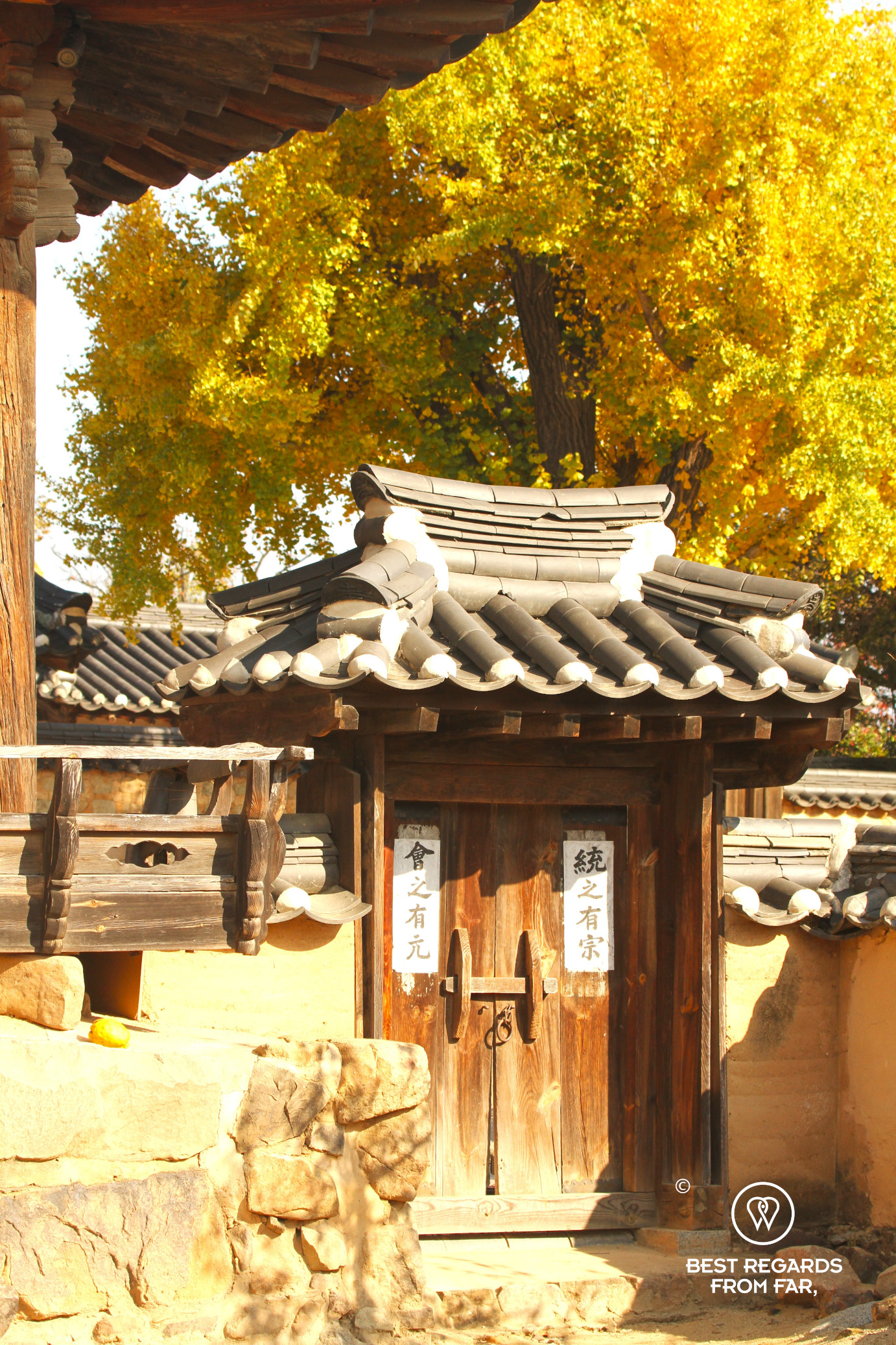
In 1392, General Yi Seong-gye seized power, taking advantage of a weakened administration and the overwhelming influence of Buddhism. This marked the beginning of the Joseon Dynasty (1392–1910), with the capital moved to Hanyang (today’s Seoul). During this half-millennium reign, Confucian ideals became predominant through law reforms and societal changes, and the Hangul script was created—one of the world’s most efficient writing systems, still in use today. It was developed to accurately match the sounds of human speech and could be used to write any language as a universal system.

Caught between China and a rising Japan, in 1592, Shogun Toyotomi Hideyoshi launched an invasion, which lasted until 1598. The samurais were finally defeated by the forces of Admiral Yi Sun-sin, who commanded the turtle ships—the earliest armored vessels—with the support of China’s Ming Dynasty.
To expand its sphere of influence and resist Western colonial powers, Japan invaded Korea once more and fought China on Korean soil. Korea was eventually annexed by Japan in 1910, after an estimated half million Koreans died in the conflict while many others were forced into labor in Japan, and women used as comfort women by the Japanese army. This period of occupation continues to be a point of tension between Japan and Korea to this day…
16. War Memorial of Korea [Understanding Today’s Tensions]
… In 1945, the USA and USSR divided Korea along the 38th parallel. Each superpower put in charge one of the most brutal dictators on each side of the parallel: Kim Il-sung in the north that became the Democratic People’s Republic of Korea in 1949, and the corrupt and anticommunist Syngman Rhee in the south that became the Republic of Korea. Kim Il-sung asked Stalin the approval of his invasion of South Korea but USSR’s premier refused and accepted only after the development of the atomic bomb and the establishment of the Popular Republic of China. Mao Zedong also approved the invasion in exchange for North Korea’s support in the civil war in China.
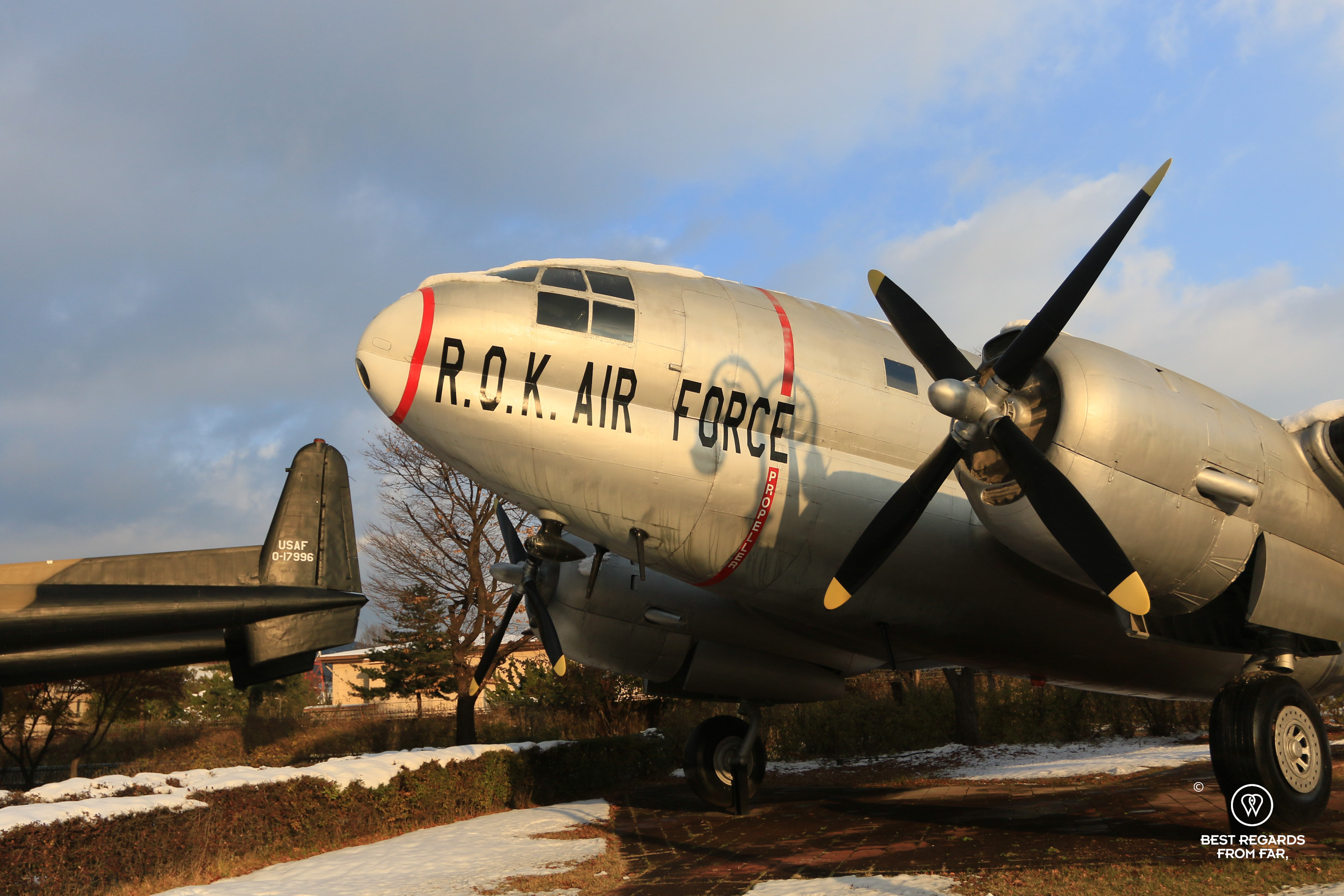
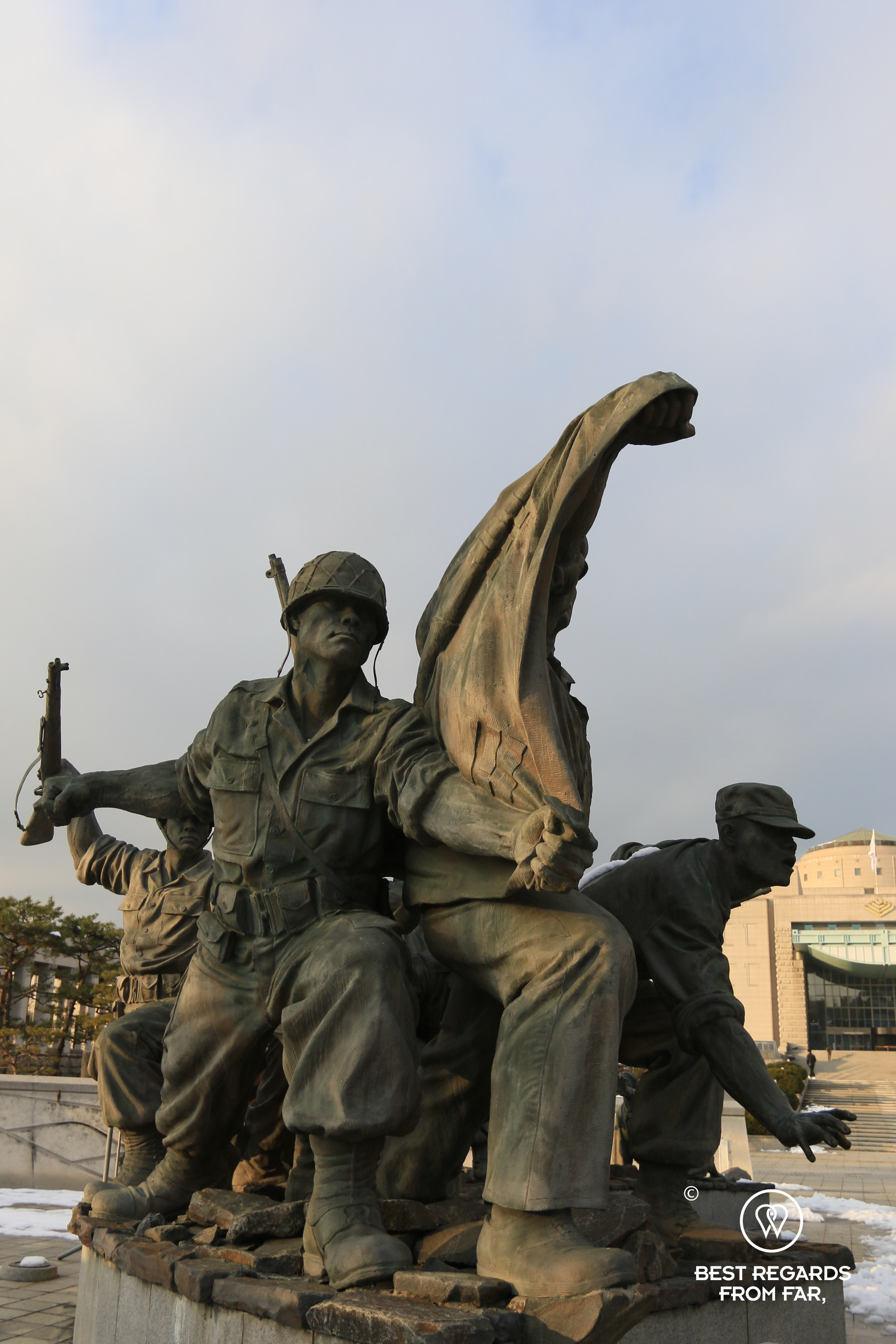
In 1950 the military dictatorship of North Korea invaded the south crossing the 38th parallel marking the start of the Korean War and the first open conflict of the Cold War. North Korea largely outnumbered South Korea in weapons and men. More than one million soldiers and 3 million civilians lost their lives in this proxy war that saw many Chinese and American troops on Korean soil. Atrocities were committed on both sides and continue to serve as reason to pursue hostilities to this day. If an armistice was signed in 1953, no peace treaty has been signed and technically speaking, North and South Korea have been at war for more than 70 years! While the south found its way to prosperity and democracy, the north has been living in the cult of personality around the Kim family.
If the successive administrations of South Korea have been going through many corruption scandals, the specter of influence game is still dictating the present and future of the peninsula as the THAAD antimissile US system has been deployed under the 2016 Trump administration.
To sum up the Korean War in brutal numbers:
- 1,269,349 South Korean soldiers à 137,800 casualties.
- 1,940,498 UN soldiers à 40,670 casualties.
- Including 1,789,000 US soldiers à 36,940 casualties.
17. Vegan food in the 0 waste restaurant Jumjumjumjumjumjum
To cap off a health-conscious day in Seoul, the six-course fine dining vegan experience at Jumjumjumjumjumjum is on the menu! A subway ride from the center of Seoul in the Digital Media City district, this minimalist and environmentally conscious space is a haven for food lovers, vegans or not. Designed with sustainability in mind, the restaurant uses recycled and repurposed materials with a creative twist, while banning all single-use items to reduce waste.

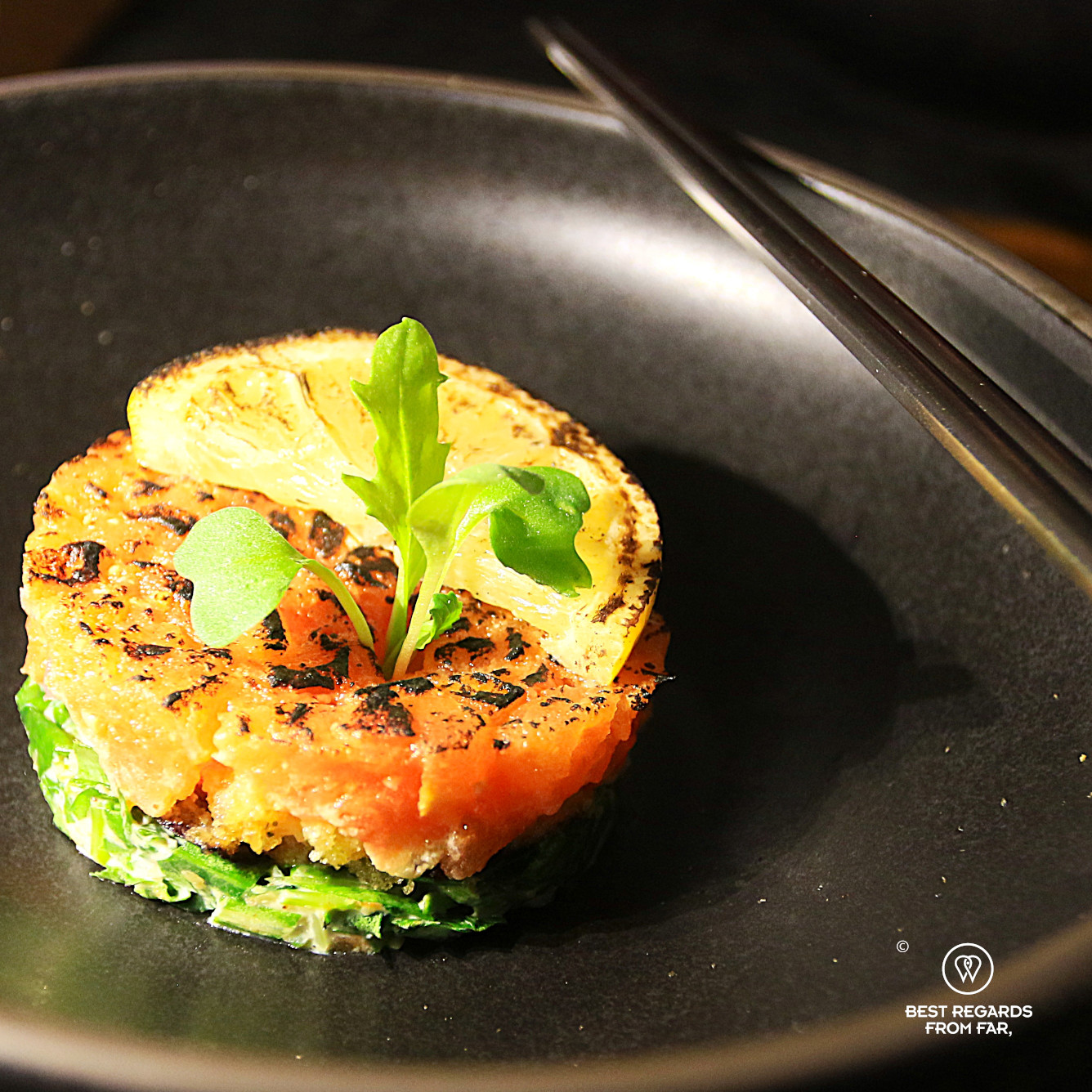

The sustainable plant-based restaurant proposes a modern Korean fusion cuisine in which some of the most emblematic Korean dishes are revisited. The seasonal tasting menu is sometimes inspired by local’s favorite street food taken to the fine-dining level: the tteokbokki is completely reexamined as a refined potato and rice cake dish topped off with pickled red paprika, mushrooms and cauliflower. The texture of the silken tofu on its bed of endemic green shishito pepper pesto makes it interesting.
The vegan adaptation of the bibimbap, perfectly portioned for a six-course meal, retains the dish’s bold, comforting flavors with a subtle kick. To conclude the experience, the dessert duo also surprises offering a delicious version of the normally neutral in taste and gelatinous konjac, popular across Asia.
***
18. Where to Stay
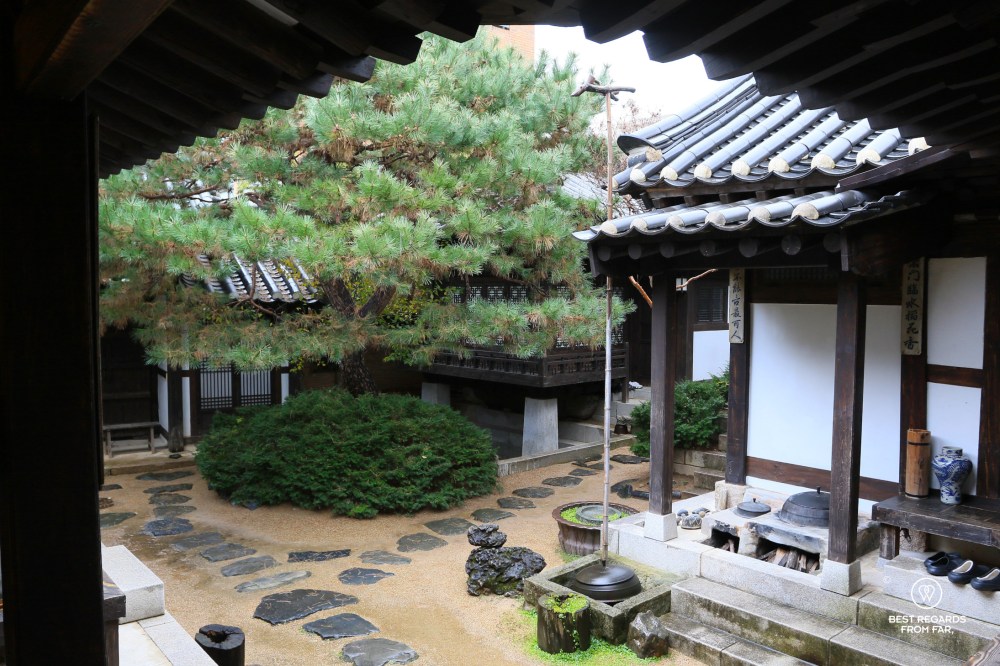
To stay in style in a historical setting in the heart of Bukchon, choose Rakkojae, a pioneer in the restoration of traditional Korean houses (hanok). Rakkojae is also a way of enjoying at best the quietness of Bukchon that is otherwise off-limits to tourists between 5 p.m. and 10 a.m.


***
Seoul is a city where ancient traditions coexist with futuristic visions. From its royal palaces and tranquil shrines to its lively neighborhoods and innovative cocktail bars, the city offers an extraordinary range of experiences. Whether you are a history buff, a food enthusiast, or a lover of modern design, Seoul is a city that will captivate your senses and leave you longing to return.
Travel tips:
- The Discover Seoul Pass encompasses most of the attractions described in this article as well as the AREX train transfer to and from Incheon airport.
- Check out our interactive map for more in the area (black pins lead to an article):
For more in South Korea, click on the images below:


 Best regards from far,