Text: Claire Lessiau
Photographs: Claire Lessiau & Marcella van Alphen
Founded by Parameswara in 1402, the Malacca Sultanate fast became the greatest trading port in Southeast Asia. Its strategic location in the centre of monsoon winds coming from both East and West, linking the Pacific Ocean to the Indian Ocean was attracting merchants from Arabia, India, China and Europe to barter their exotic spices, silks, and ceramics in the bustling sultanate. Malacca was a cosmopolitan city with diverse ethnic groups from Siam, Burma, China, India, Persia and various Arabic countries and as many as 84 languages were spoken in the city where this multiracial society was living peacefully and harmoniously.
Like it? Pin it!
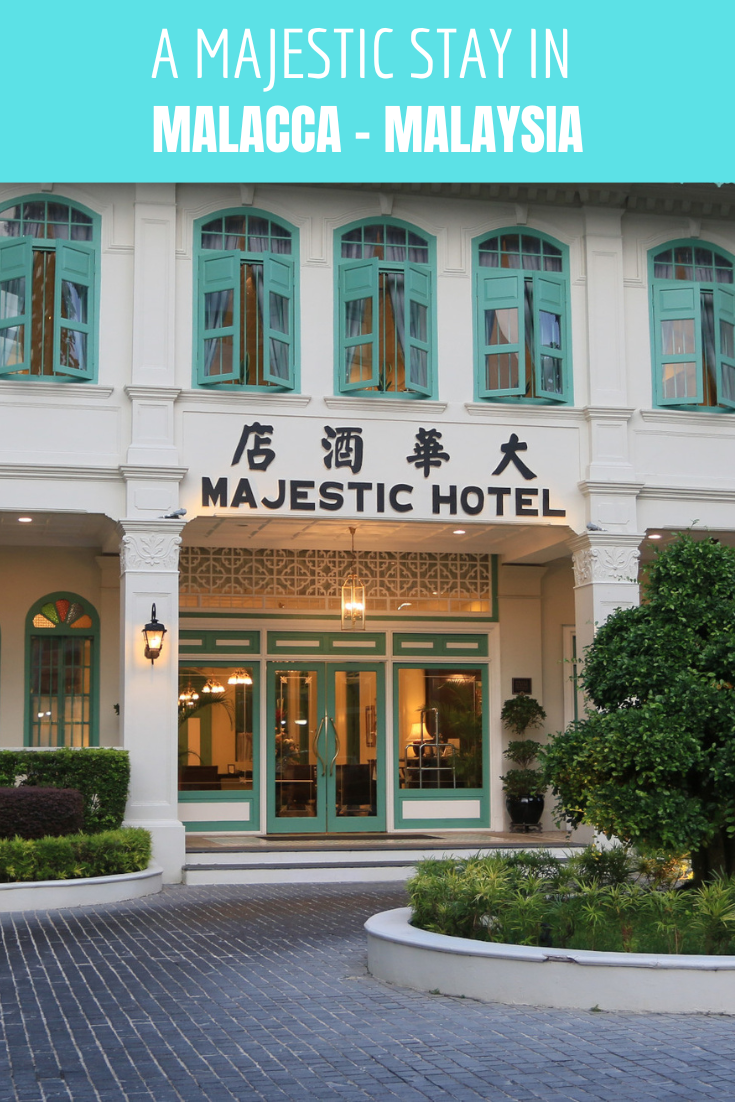
European powers became envious. Taken by the Portuguese in 1511, retaken by the Dutch in 1641 and once more by the British in 1795, if it is the location of the bay of Malacca along the profitable trade routes to the Far East that created such envy it is for its natural resources that the city continued to prosper.
In 1880 the trade was transferred to Singapore – ultimately making it one of world’s leading city-state to this day – as the Malacca harbour was getting sanded. Yet silver and tin were important resources in Malacca. Some Hevea plants from Kew Gardens adapted really well to the local soil and climate, developing a profitable rubber industry that boomed with the invention of the rubber tyre by Dunlop in 1888. Later, more crops were planted such as coffee, tapioca, coconut and sugar.
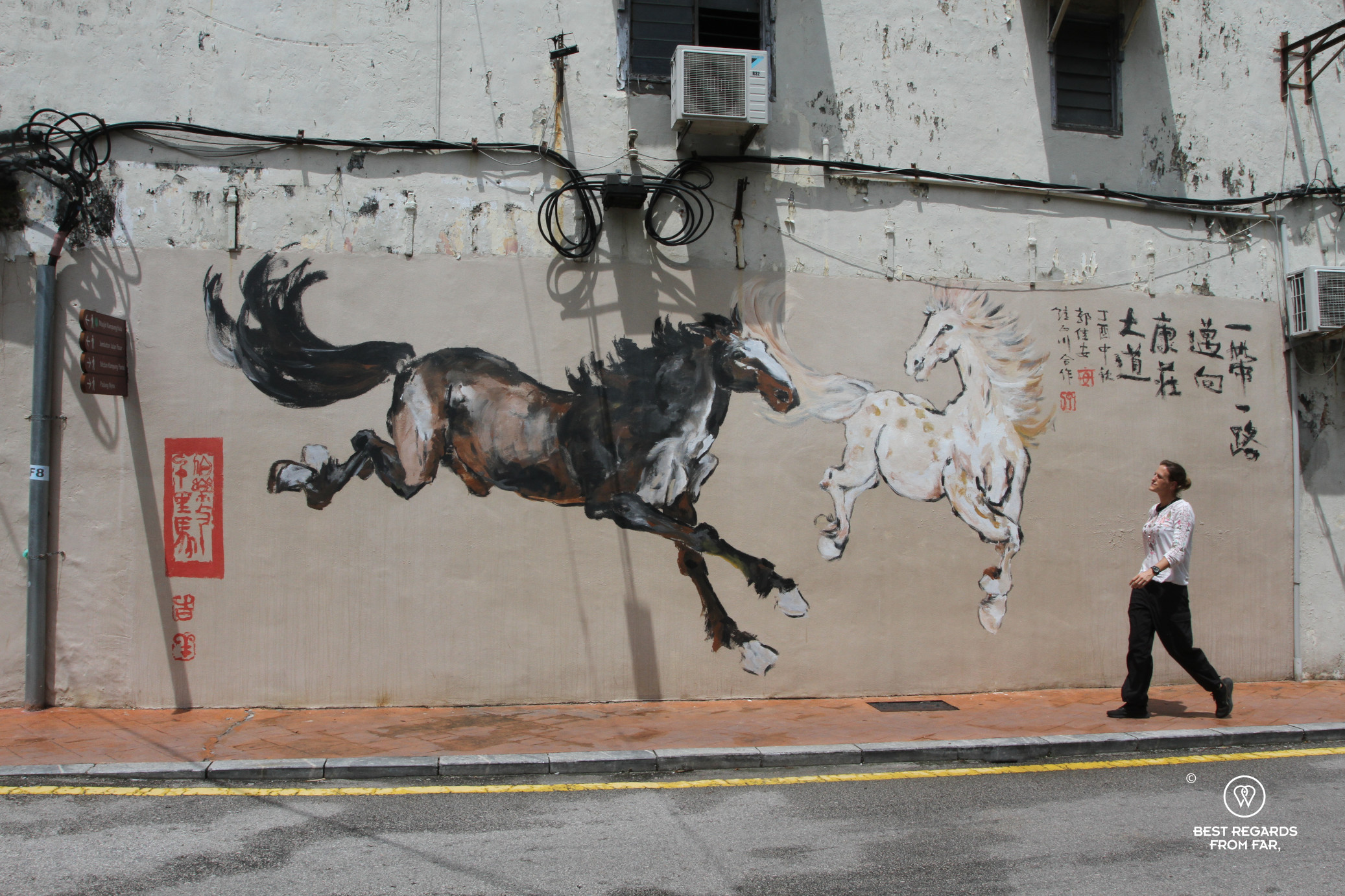

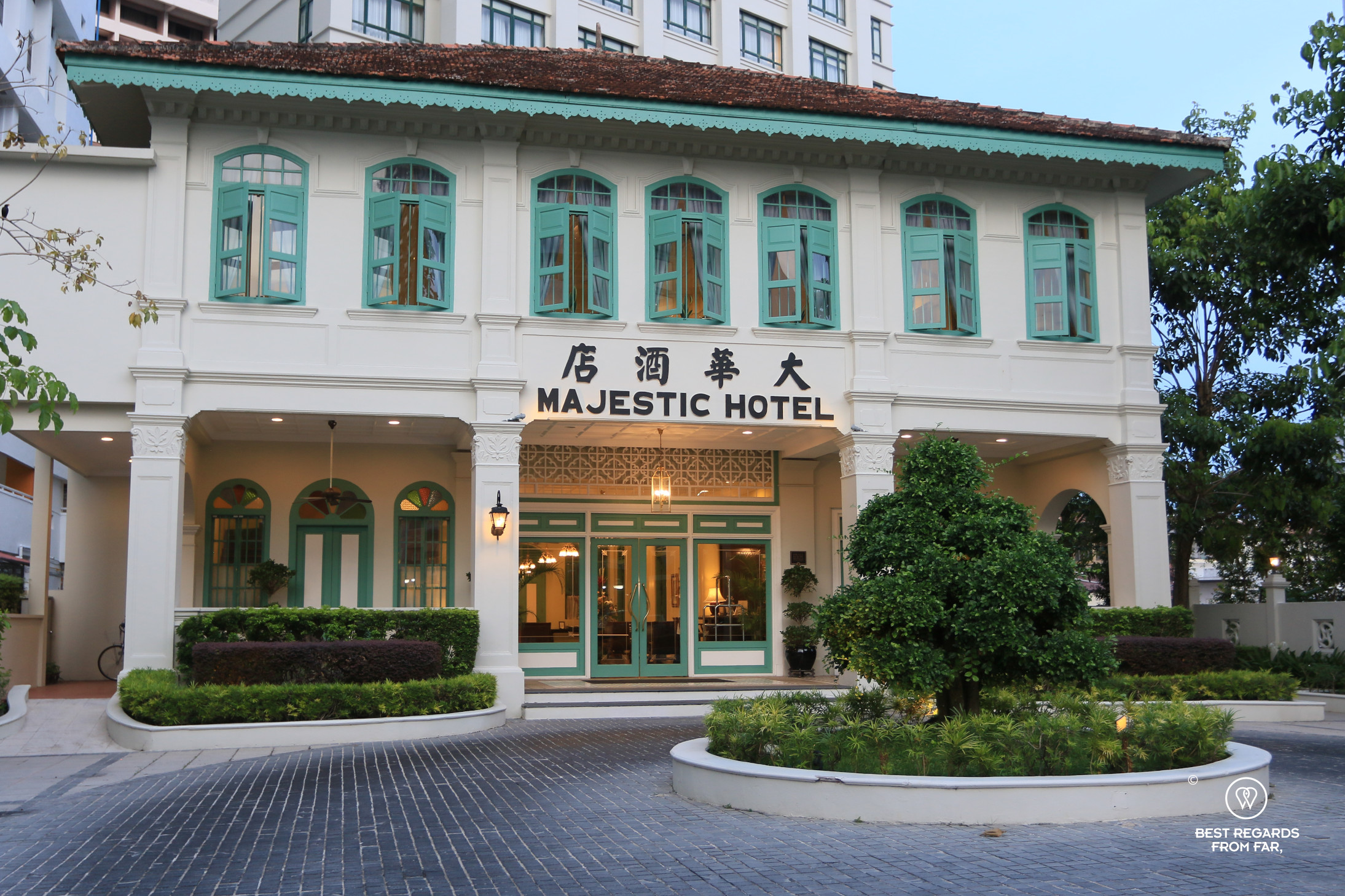
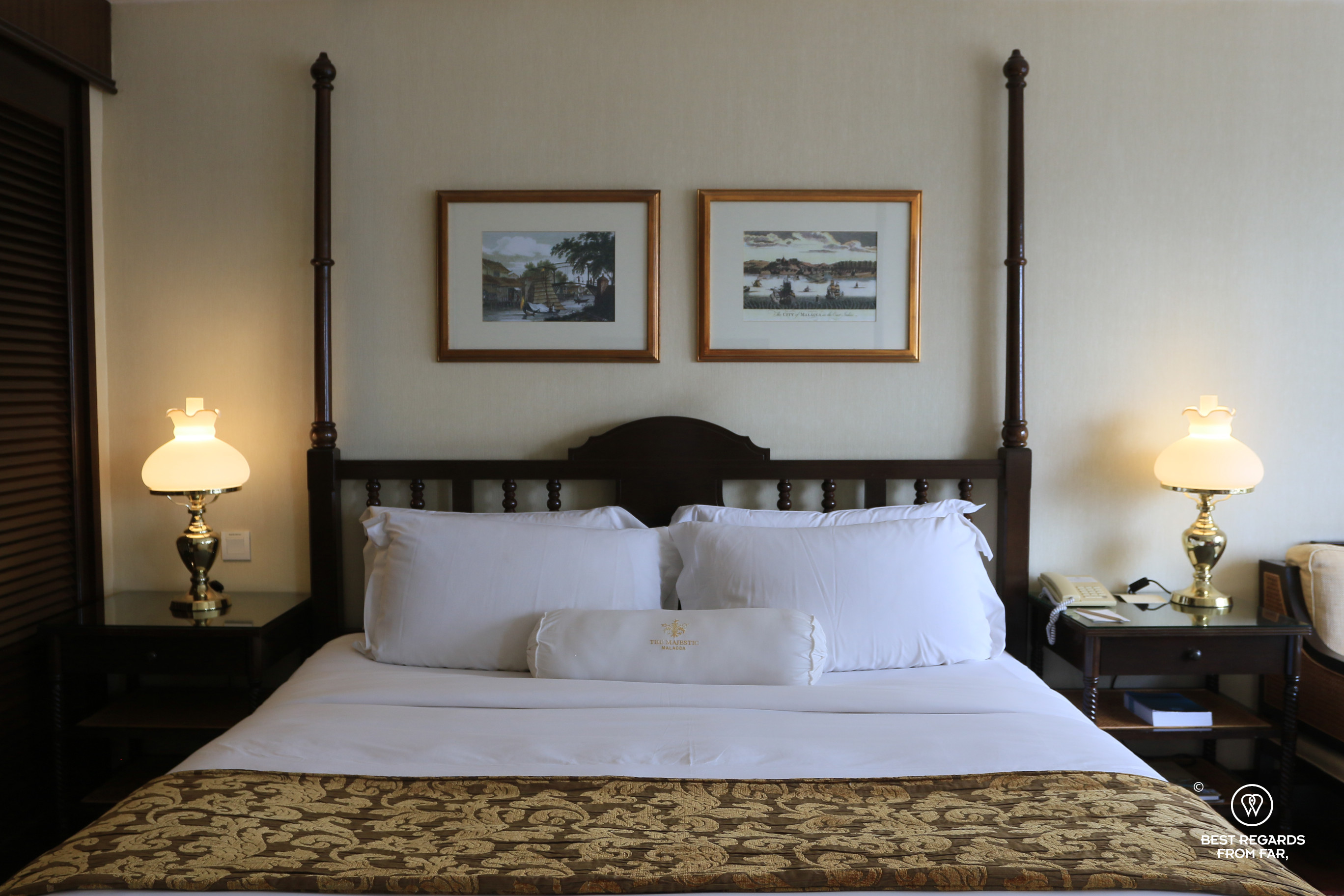
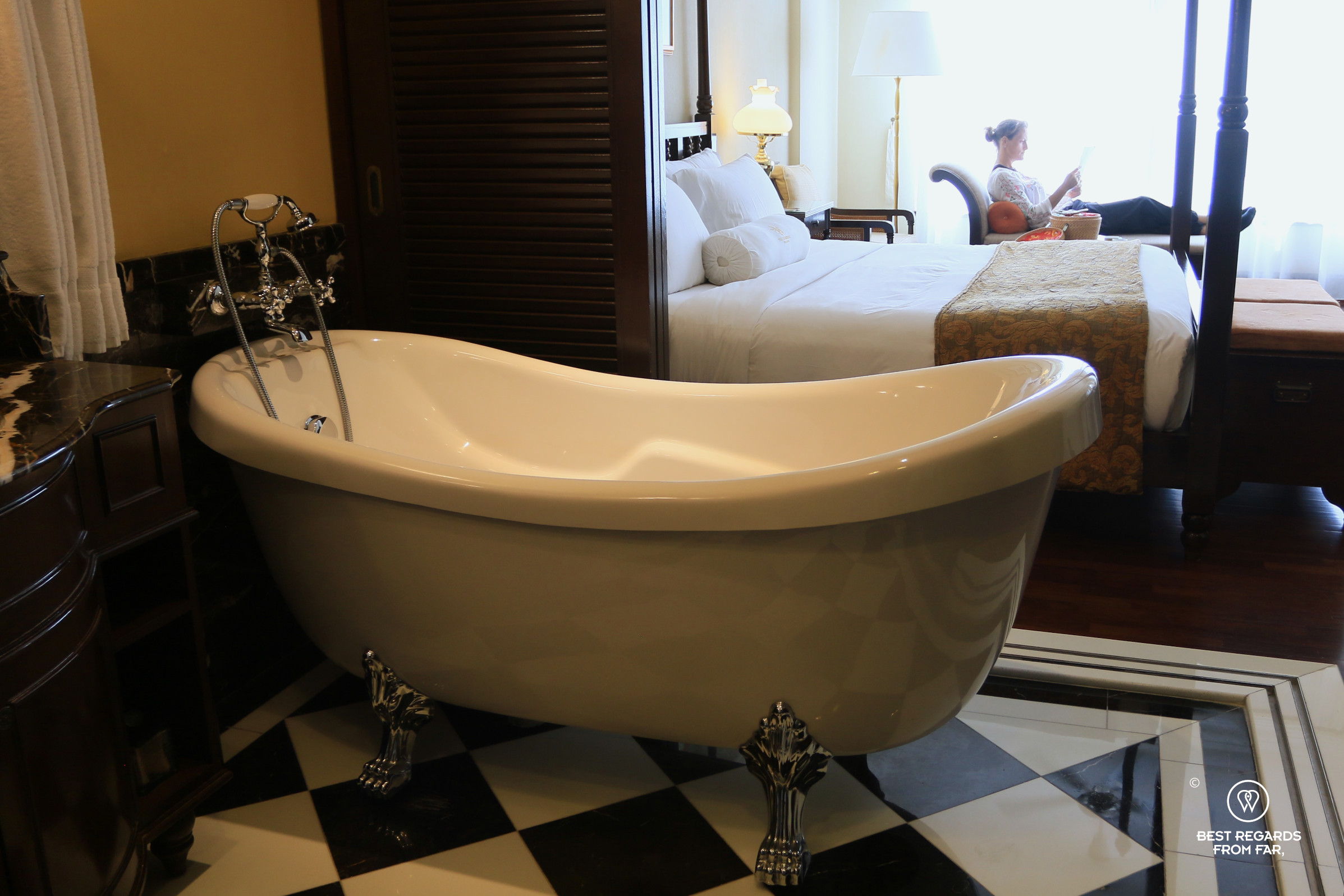
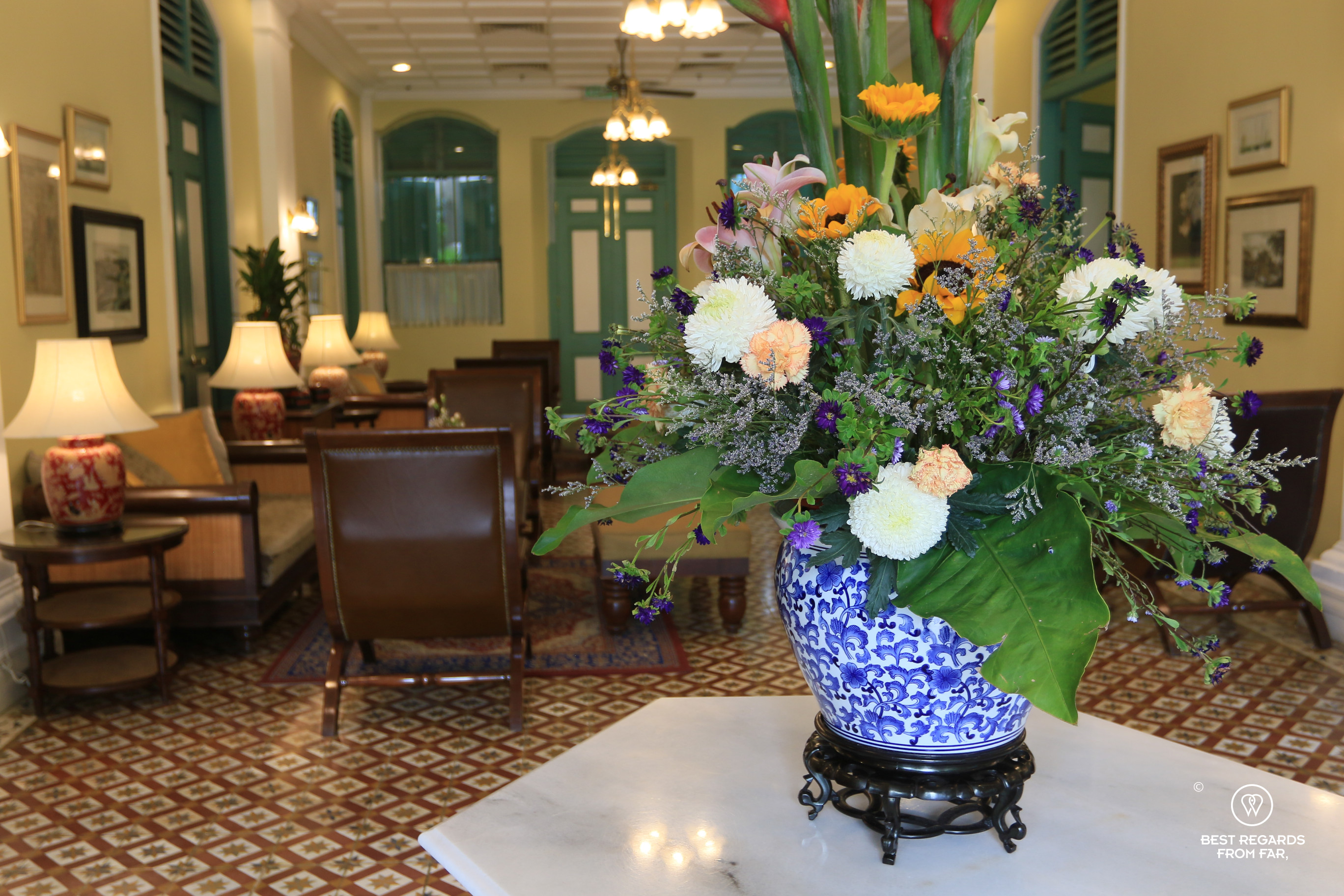
Malacca-based self-made strait Chinese Leong Long Man made a fortune with his rubber plantations, as well as porcelain and textile trade, and spared no expenses when he built his family home in 1927: imported Victorian tiles, stained-glass windows, and expensive furniture and fittings… Unfortunately, Leong Long Man did not enjoy his Peranakan (check fact #2) mansion too long as he passed away in 1931 and shortly after, it was converted into a hotel, The Majestic. It quickly became the place to stay for British planters and wealthy visitors, but fell to the standard of a budget guesthouse before the turn of the millennium. In 2000, it simply closed down. It took years, in-depth and expensive renovations, historical research and a ton of taste for YTL Hotels to reopen The Majestic Malacca in 2008 and restore it as the stylish place to stay in Malacca: today, The Majestic Malacca is an authentically restored Peranakan mansion turned heritage hotel, showcasing the city’s multi-faceted history from its decor to the multi-cultural menu of The Mansion restaurant featuring Portuguese, Dutch, English, Malay and Baba-Nyonya influences.
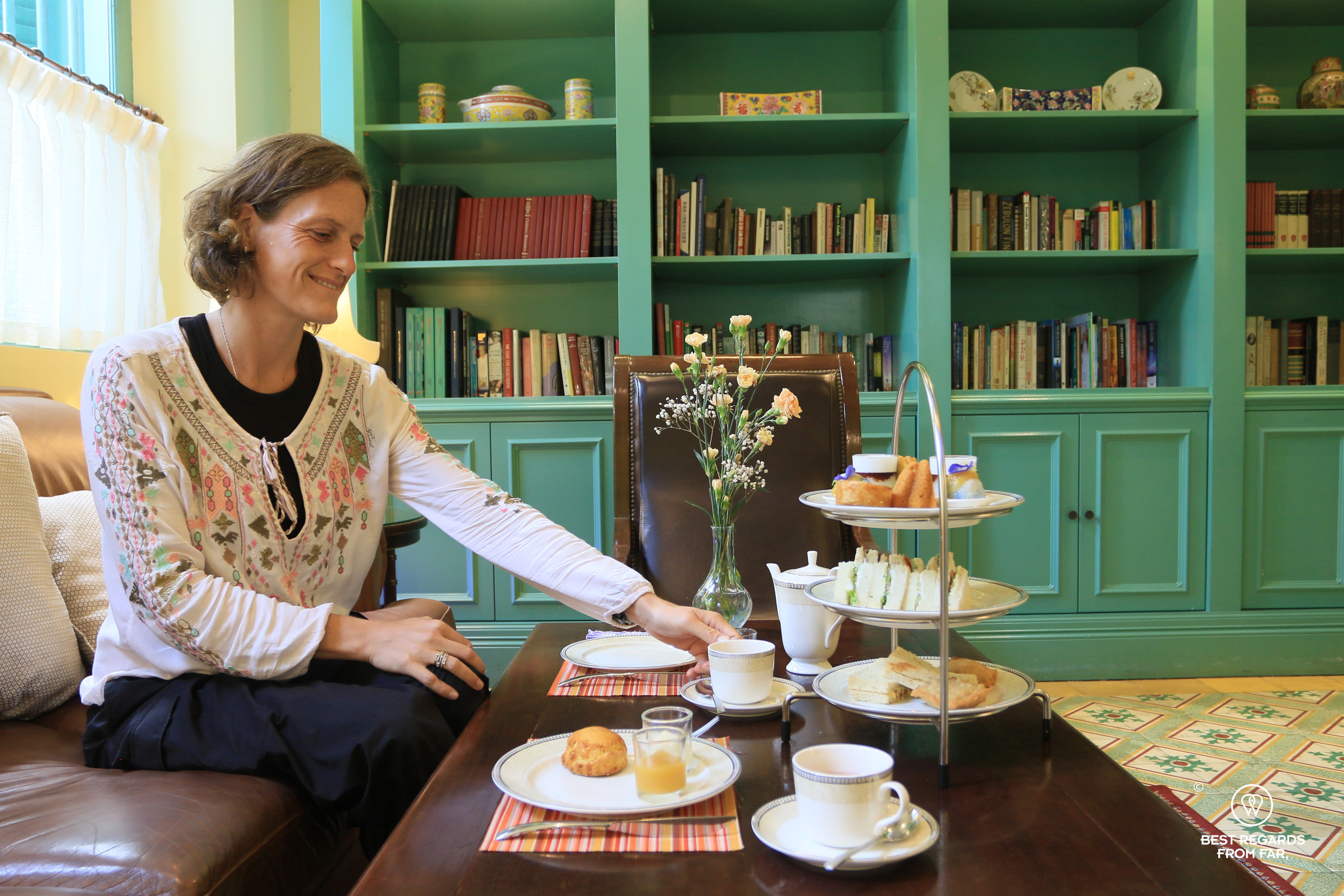
High tea
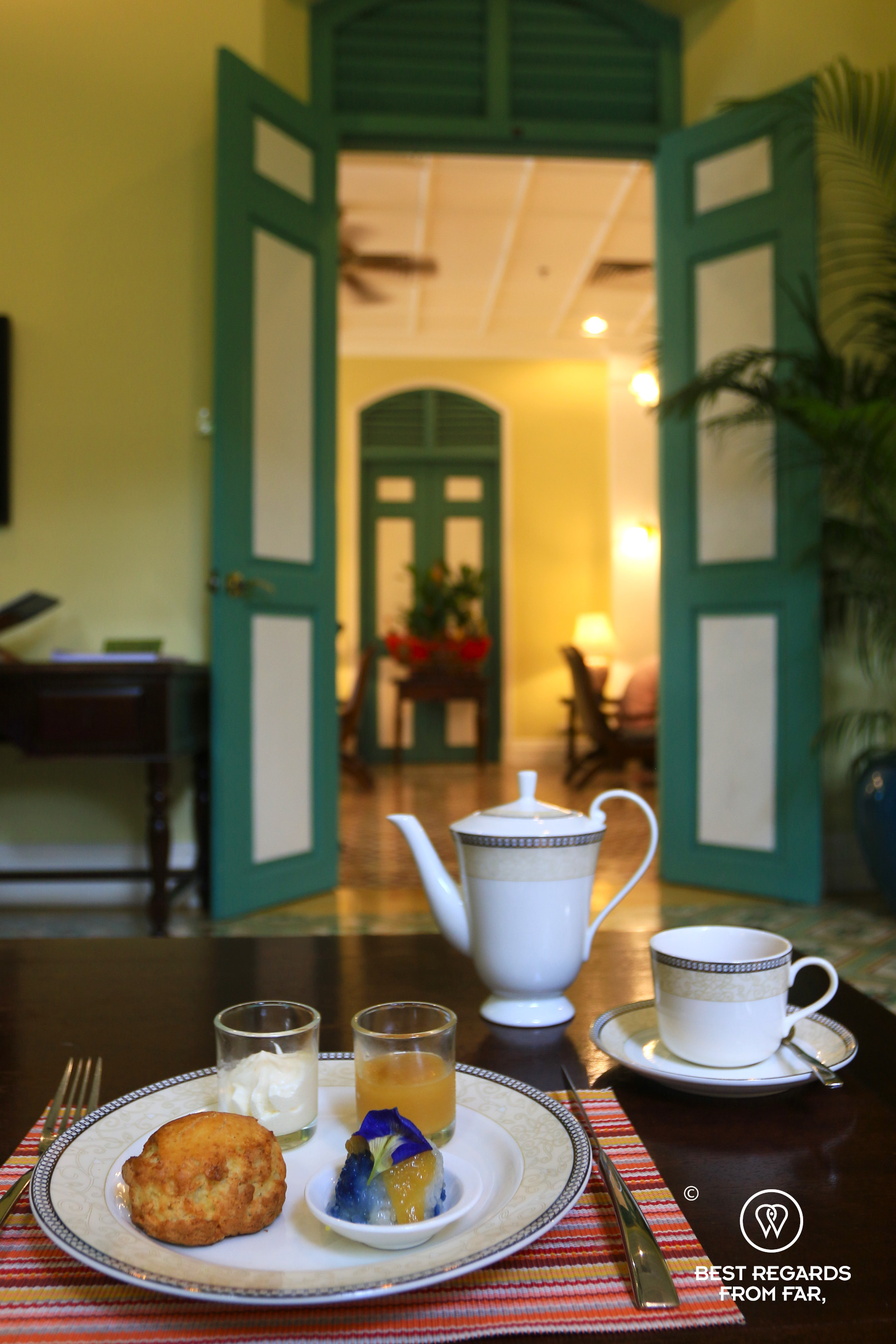
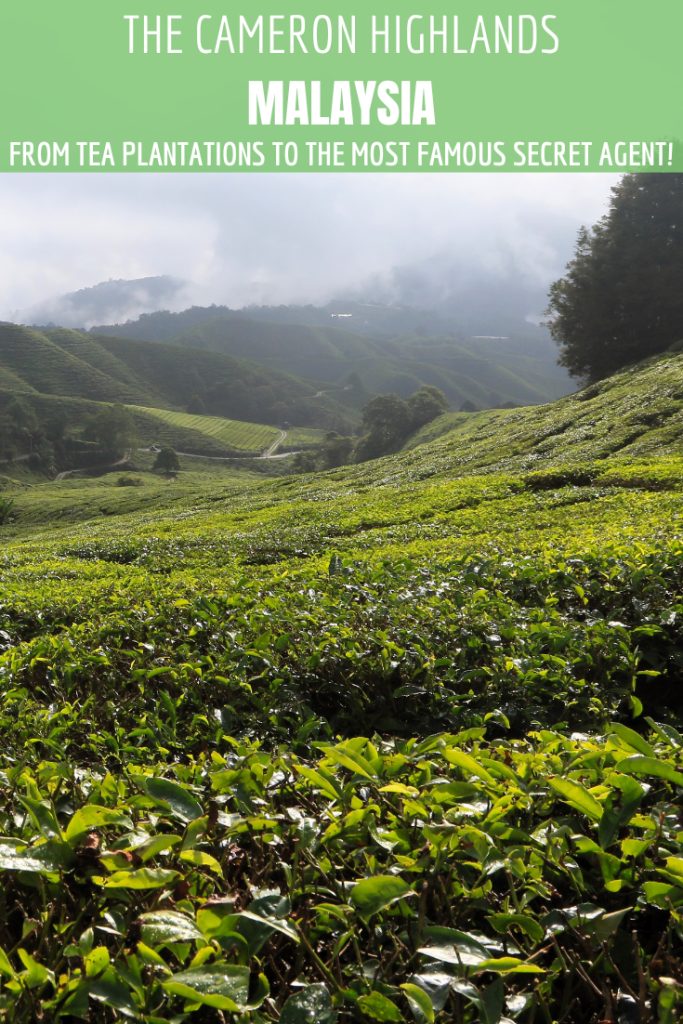
At the crossroad of all these cultures, the afternoon tea in The Library of The Majestic Malacca is a must. It features one of the Peranakan foodies’ absolute favourites: the Nyonya kuih. Bite-sized snacks, cakes, or desserts, kuih-muih includes cookies, dumplings, puddings and pastries that are usually made of rice or glutinous rice flour and then steamed. They come in a variety of colours and flavours from rainbow to the bright blue dye of the blue pea flower that is very popular in Malacca. On the three-tier platter stand, next to the kuih-muih, the sago pearls in coconut milk with melted palm sugar, vegetable curry puffs with local chilli sauce, freshly baked scones and pastel de Nata represent the various cultures of Malacca in a delicious sampler served along fine teas from the Cameron Highlands.
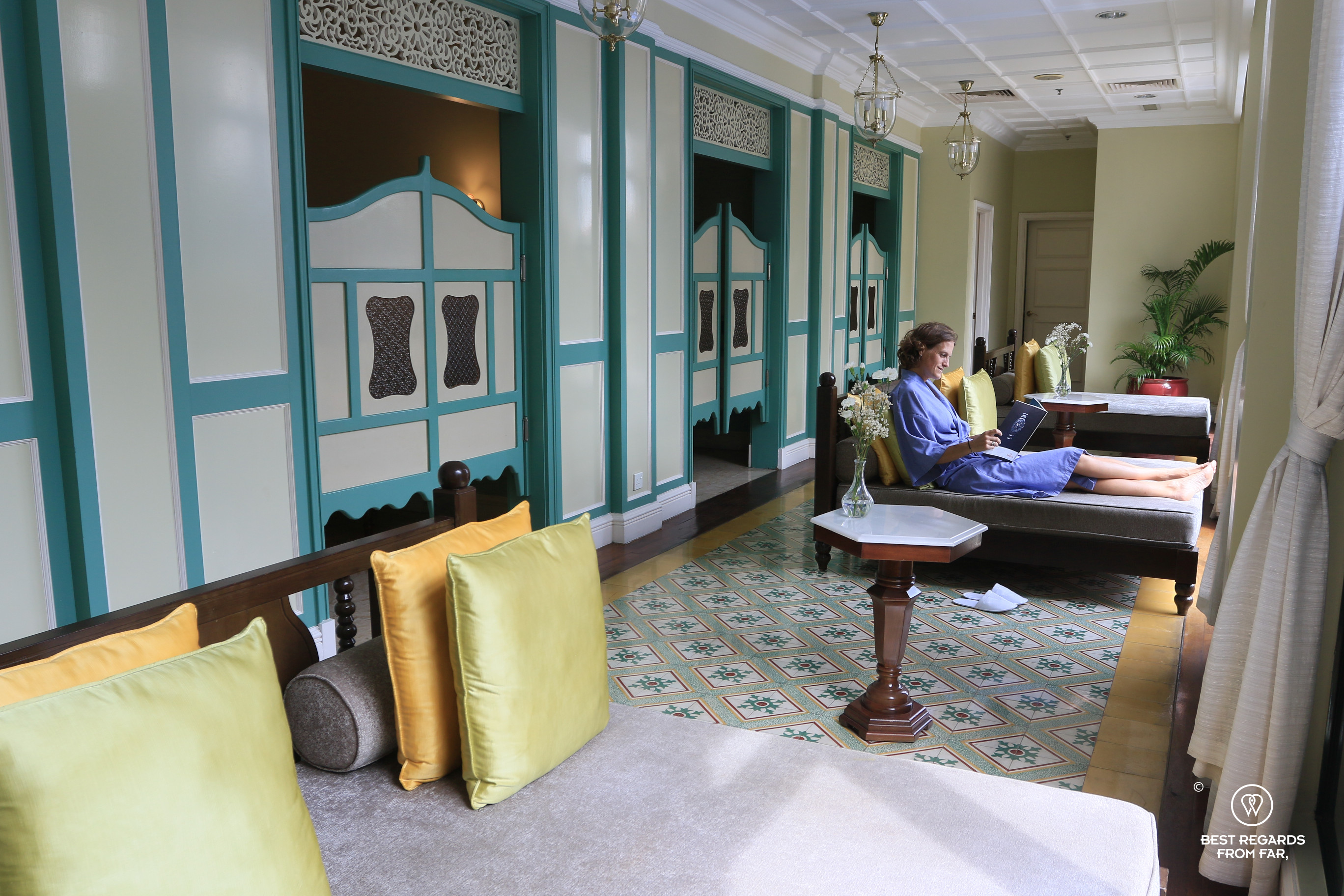
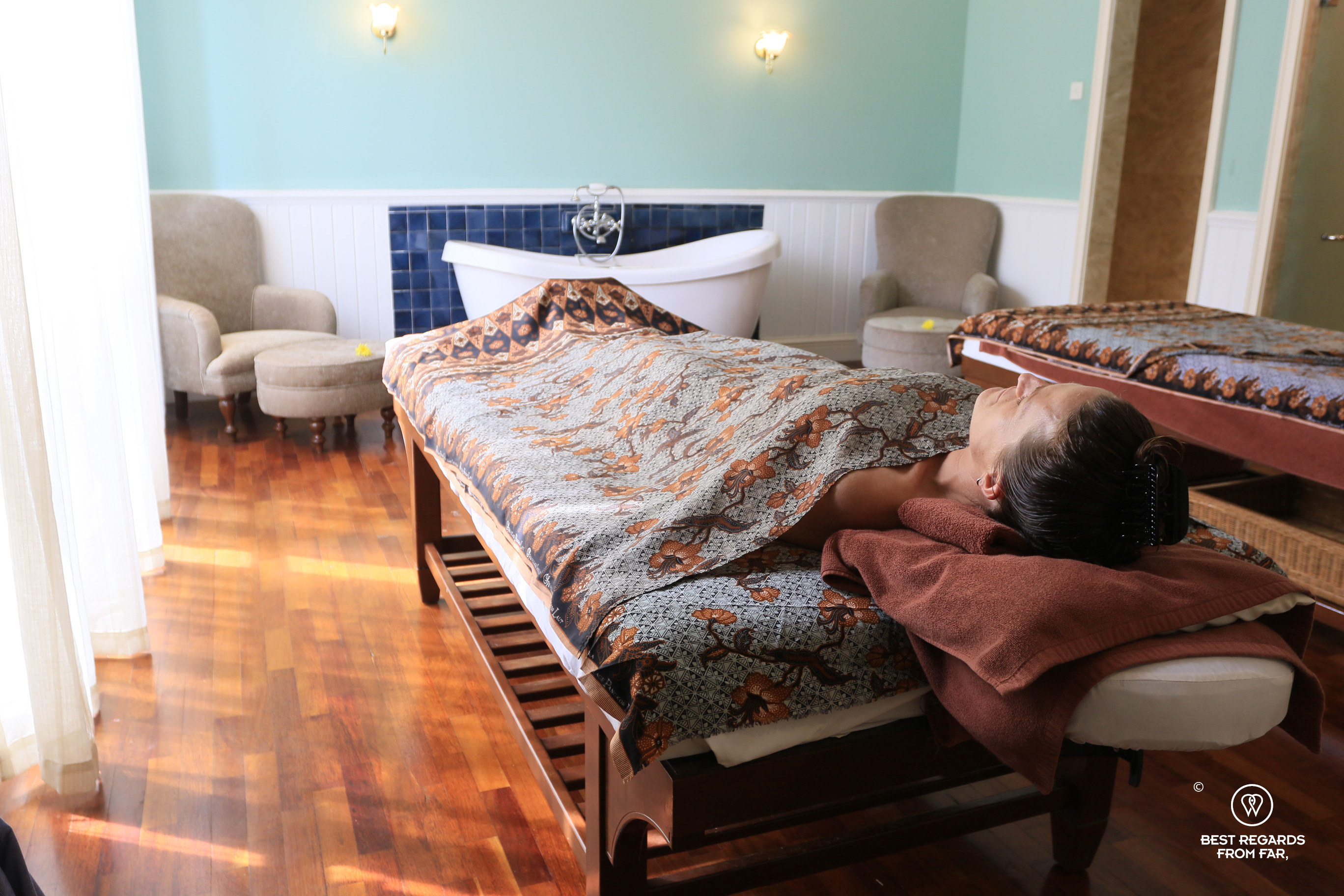
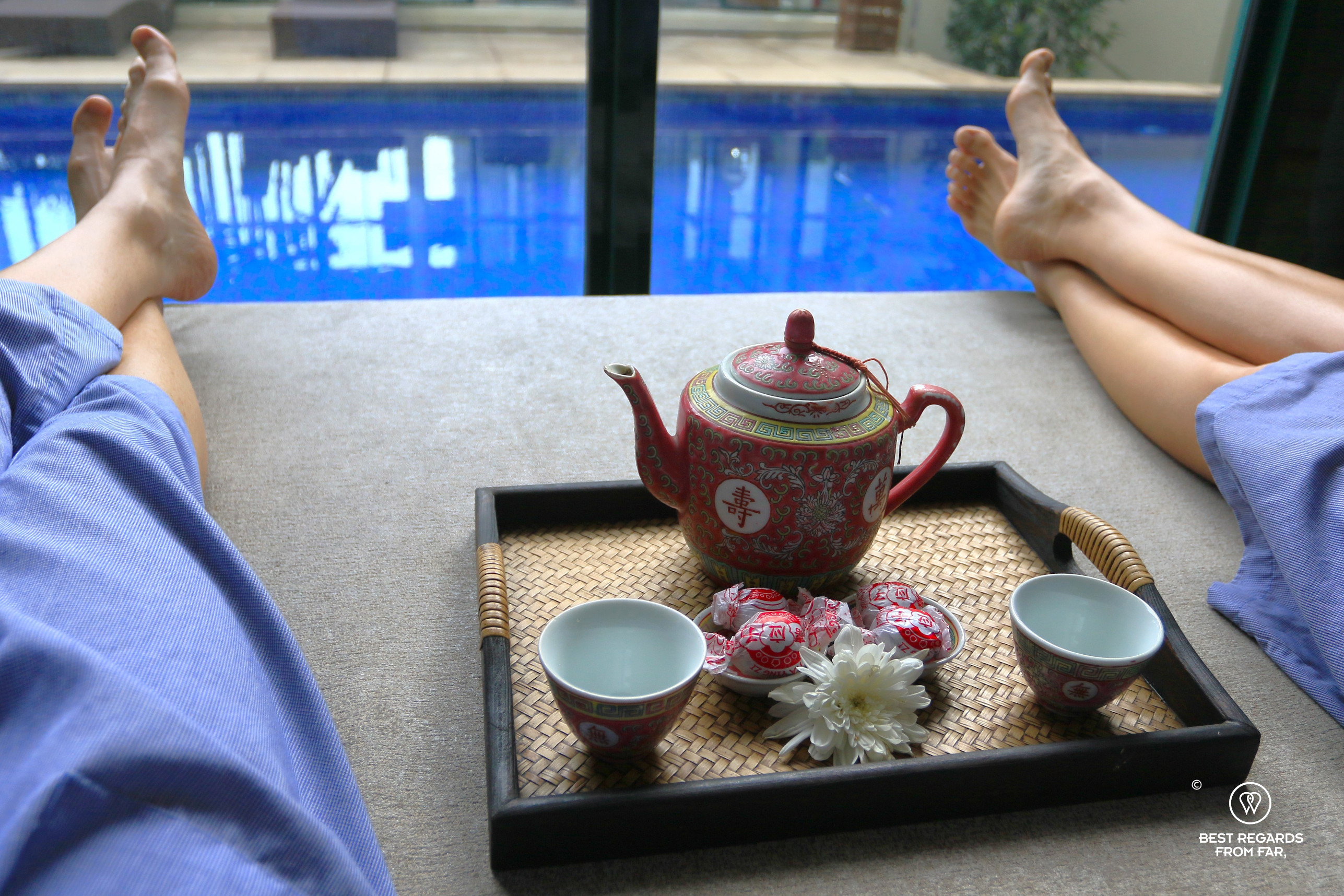
Spa experience
Rare and precious, spices were amongst the most valuable items of trade in ancient and medieval times, used for medicine, perfume, incense and flavouring. They have played an important role throughout human history, controlled first by the Arabs as early as 3,000 BC, later by the Romans, then the Republic of Venice before European superpowers fought over the spice routes eventually ruling over Malacca. In the 15th and 16th centuries, the region became a major trading hub, and the demand for spices like nutmeg, cloves and pepper fuelled its prosperity.
At the beautifully appointed Spa Village Malacca on the premises of The Majestic Malacca, these spices, and nutmeg more specifically, are leveraged in healthy and pampering spa sessions. Every treatment starts with a unique head and hair cleanse that finds its roots in the Peranakan wedding culture. During all the subsequent sessions, only natural products are used and subtle scents fill the comfortable massage rooms in which soft and relaxing music is played. The pampering continues and nutmeg with rice is massaged onto the body, providing instant relief to joint and back aches in the exclusive nutmeg-based treatment, a tribute to Malacca.
Dinner at The Mansion
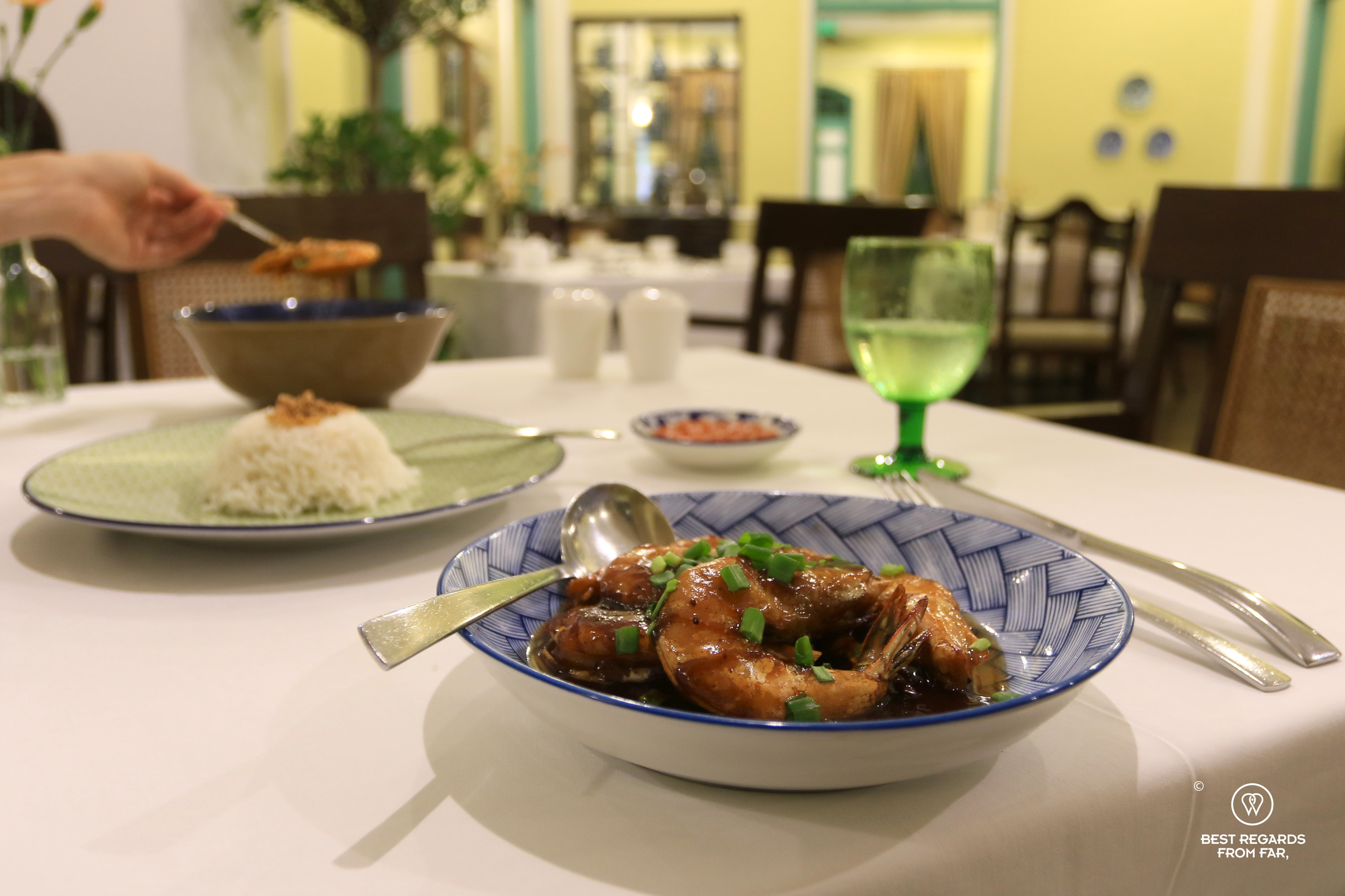
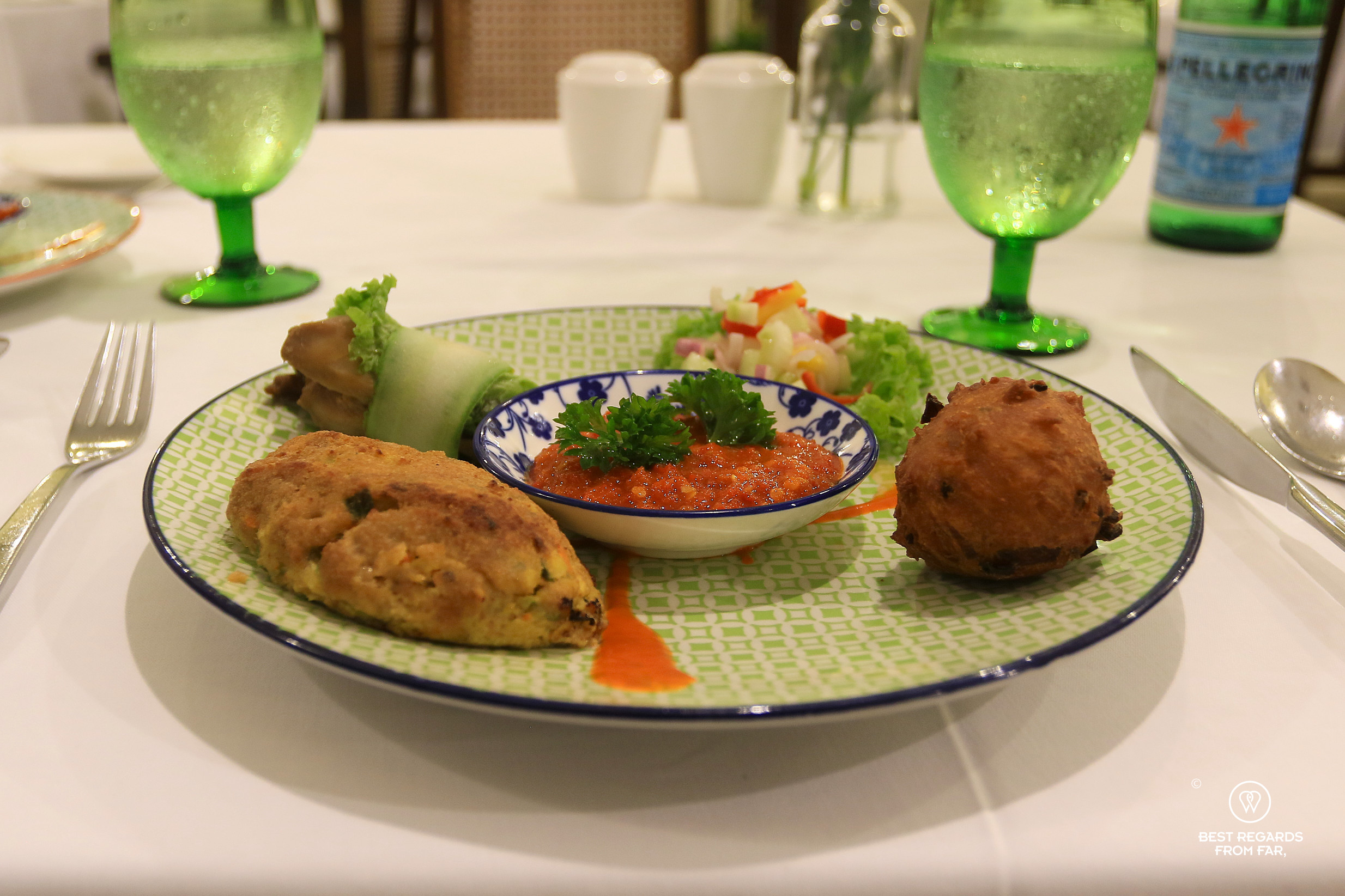
While Peranakan cuisine is omnipresent in other areas of Malaysia, Kristang cuisine is exclusive to Malacca. The endemic gastronomy finds its roots with the arrival of the Portuguese over 500 years ago and is catalysed from a fusion of cultures. Its people, the Kristang, are descendants of early Dutch and Portuguese settlers who married the local people of Malacca in the 16th and 17th centuries. While it takes inspiration from Portuguese, Dutch and British culinary traditions, Kristang cooking also incorporates Malay, Chinese and Indian cuisines reflected in its fiery sambals, fragrant coconut flavours and tamarind curries.
The chef at The Mansion highlights this delicious heritage in an extensive menu including tambrinhyu in which the pineapple brings sweetness while the herbs and spices add a hint of sourness to the pan-fried prawn in a tangy tamarind sauce and kari malayu kung nanas, simmered prawns with pineapple in a fragrant coconut curry. Meats are also simmered in similar curries or slow-cooked in dry Portuguese curries.
Walking tour off & on the beaten path
A bustling city in the 15th century thanks to trade, when walking around the Dutch Stadhuys in the heart of the UNESCO World Heritage site, Malacca does not seem to have lost any of its attraction for visitors. Very touristic, if not too touristic at times, the heart of town can easily overwhelm. Yet, it is a must-see and the in-house walking tour from The Majestic Malacca combines the highlights with off-the-beaten path alleyways that are very enjoyable.
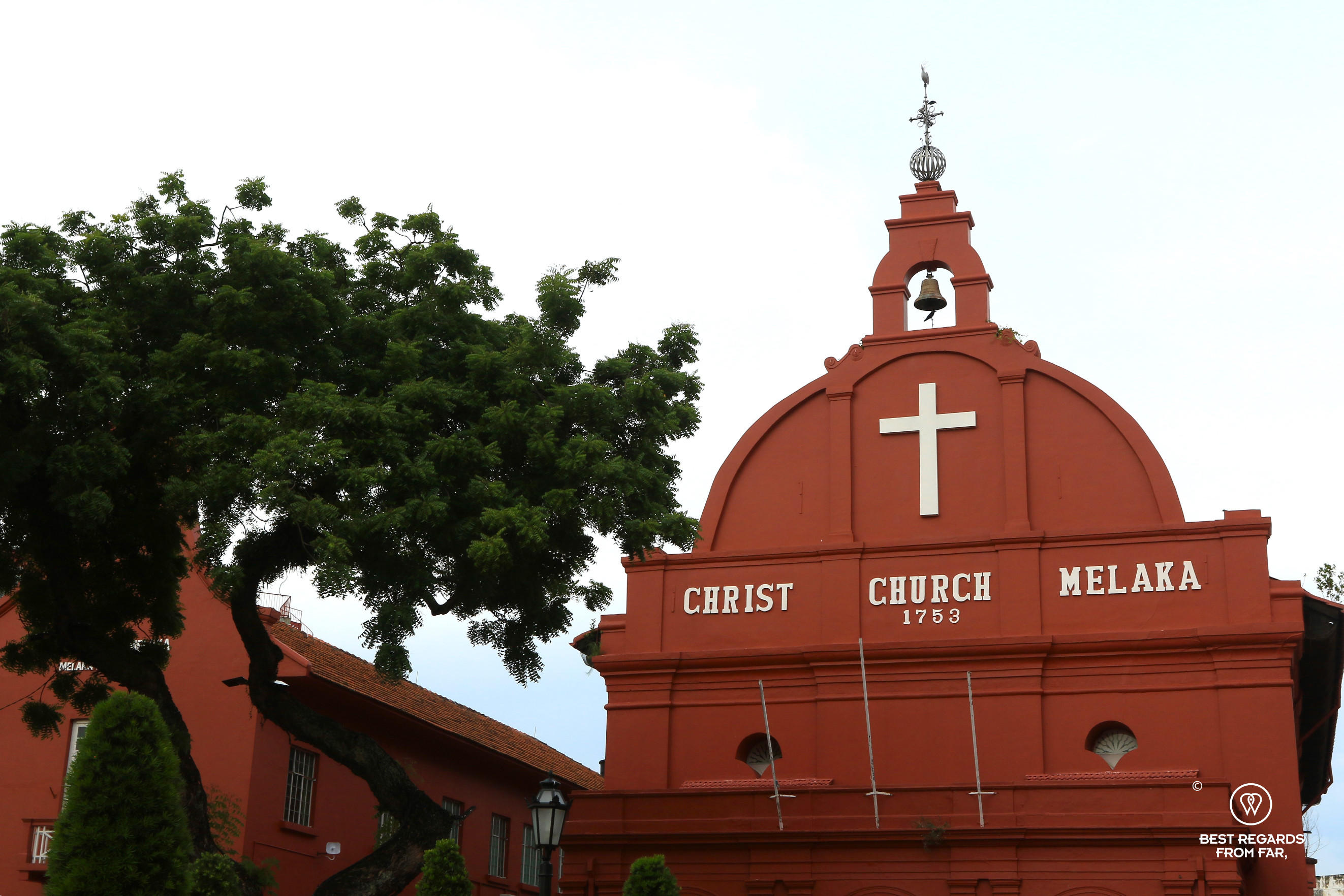
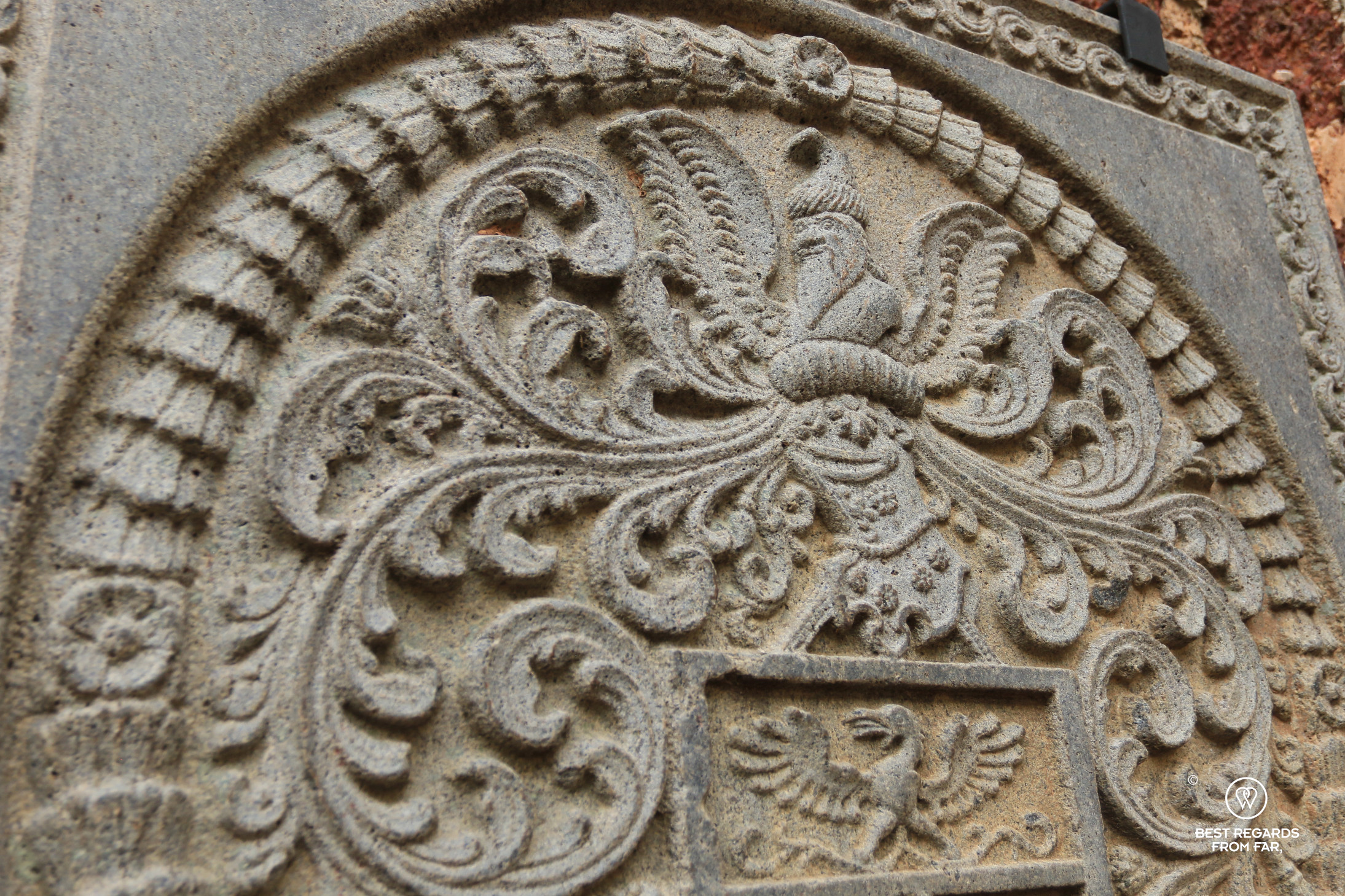
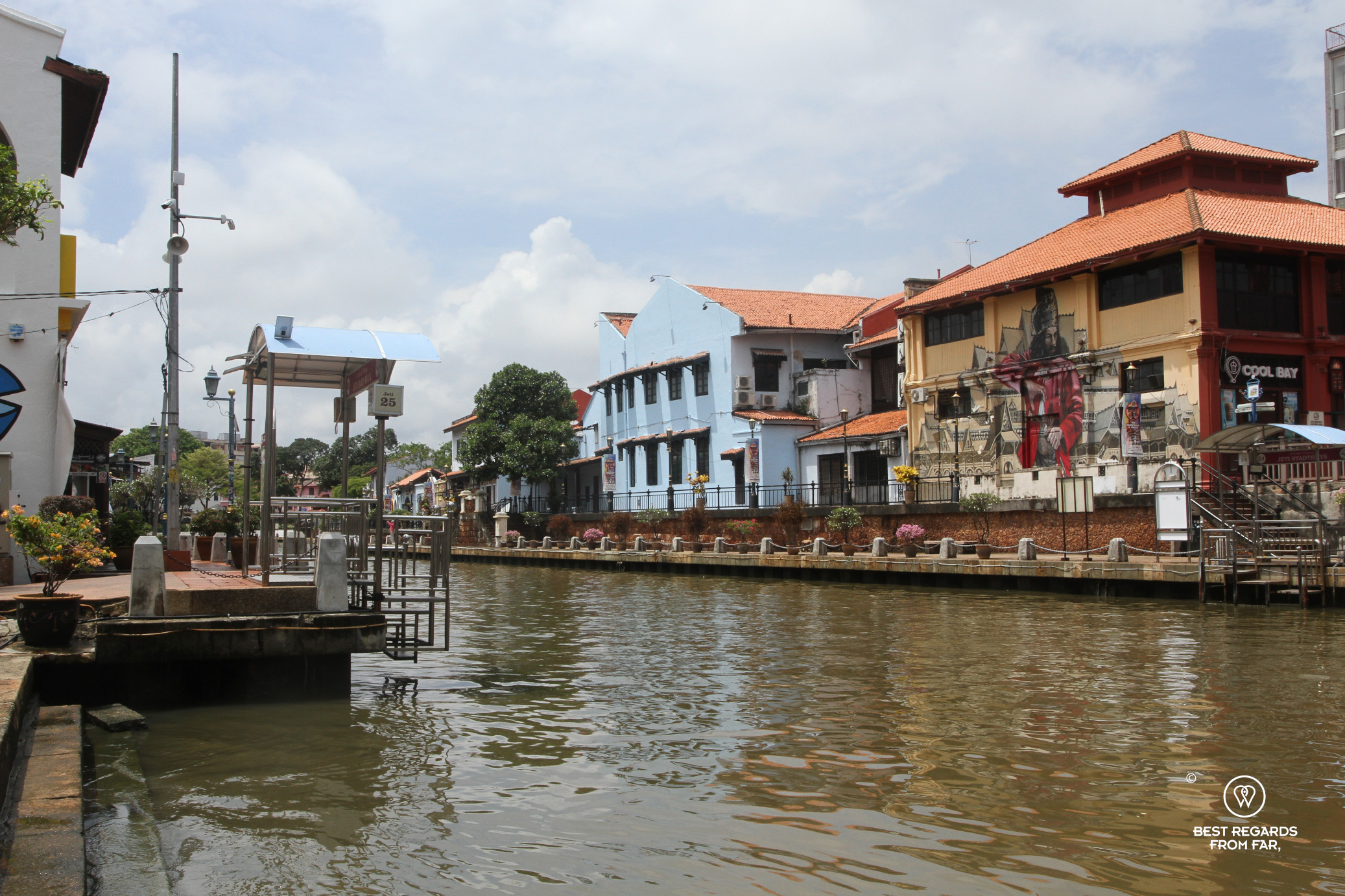
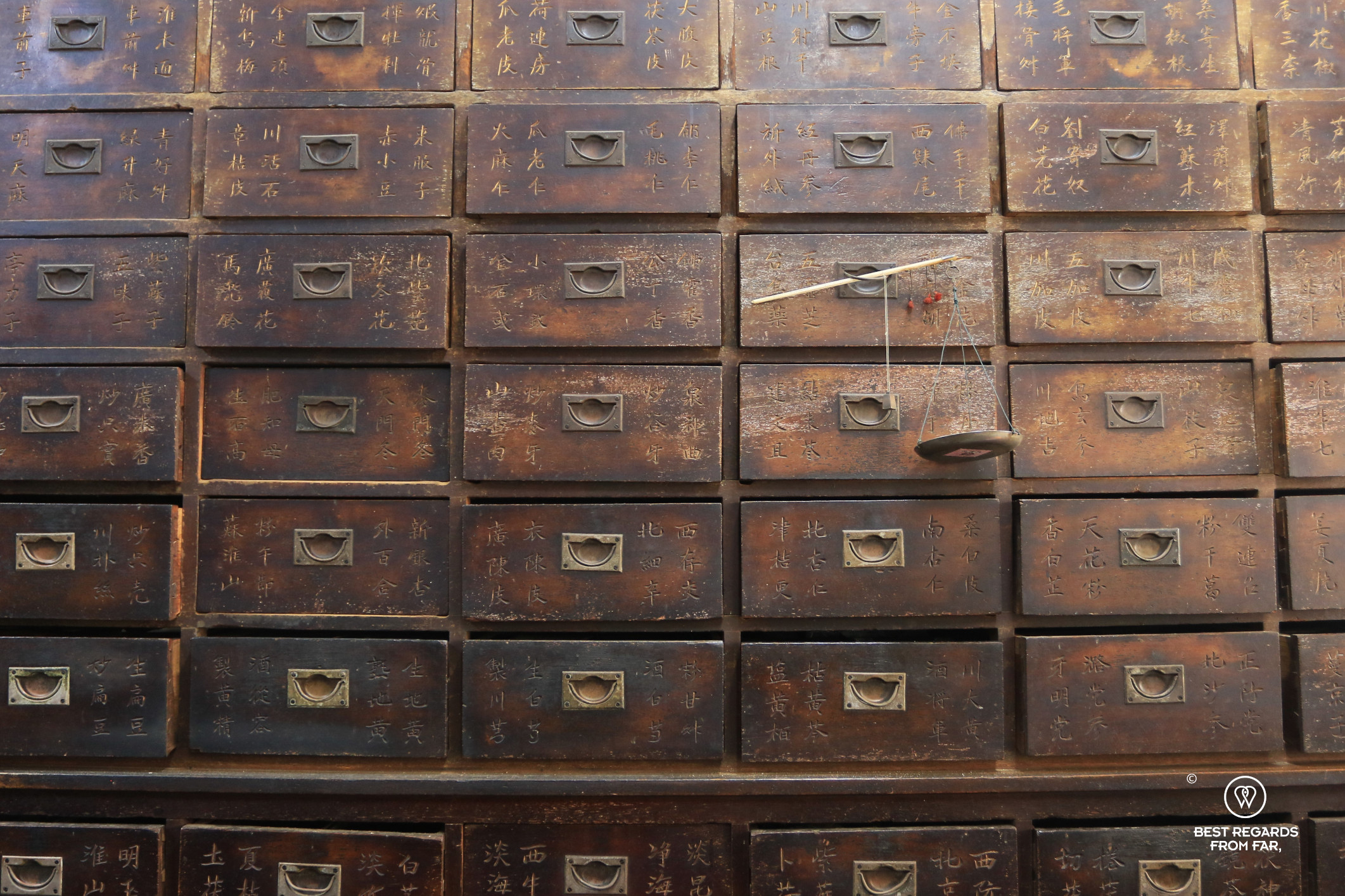
From quiet streets to peaceful river banks, it is a forgotten world of ancient crafts represented by a few remaining ateliers that opens to the curious traveller. The Malacca-born guide knows which doors to open to get a glimpse of traditional lantern making, wooden signboard carving or tin working. Beaded shoes that are emblematic of the Peranakan culture are still made by hand in one of the last standing shops in town. As everywhere around the world, sadly old men manning the shops and mastering the crafts seem to be the last domino of a centennial chain.
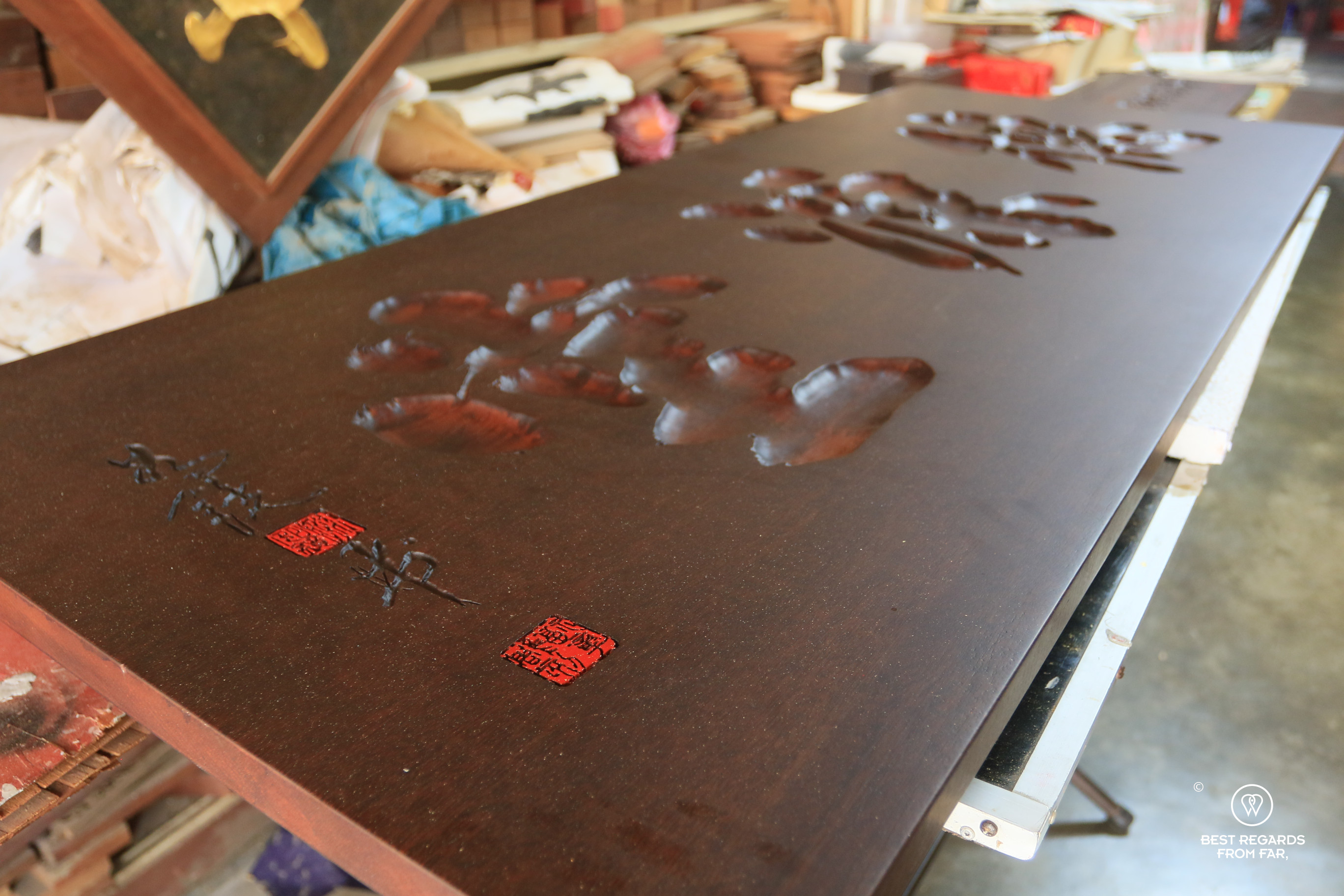
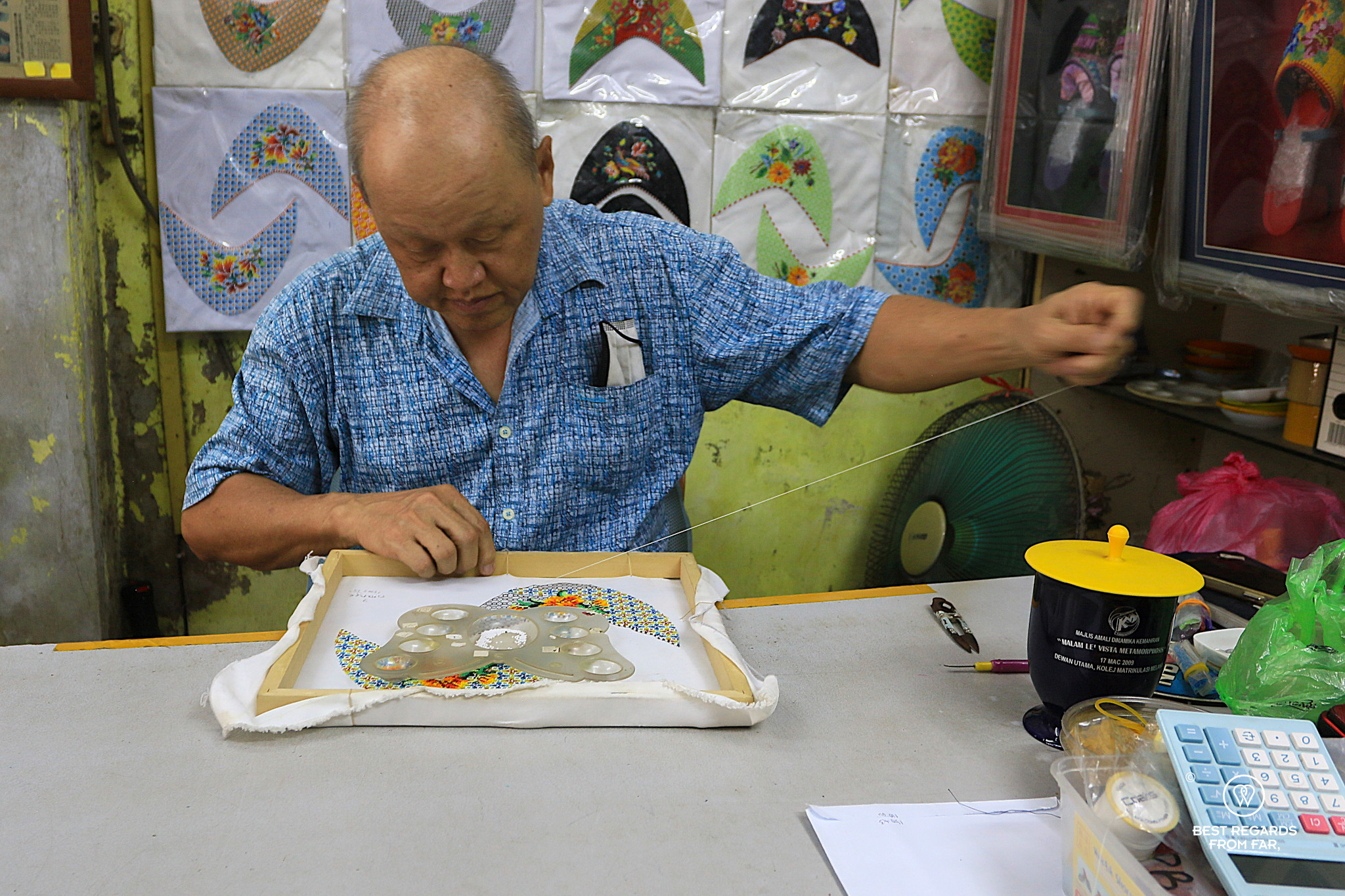
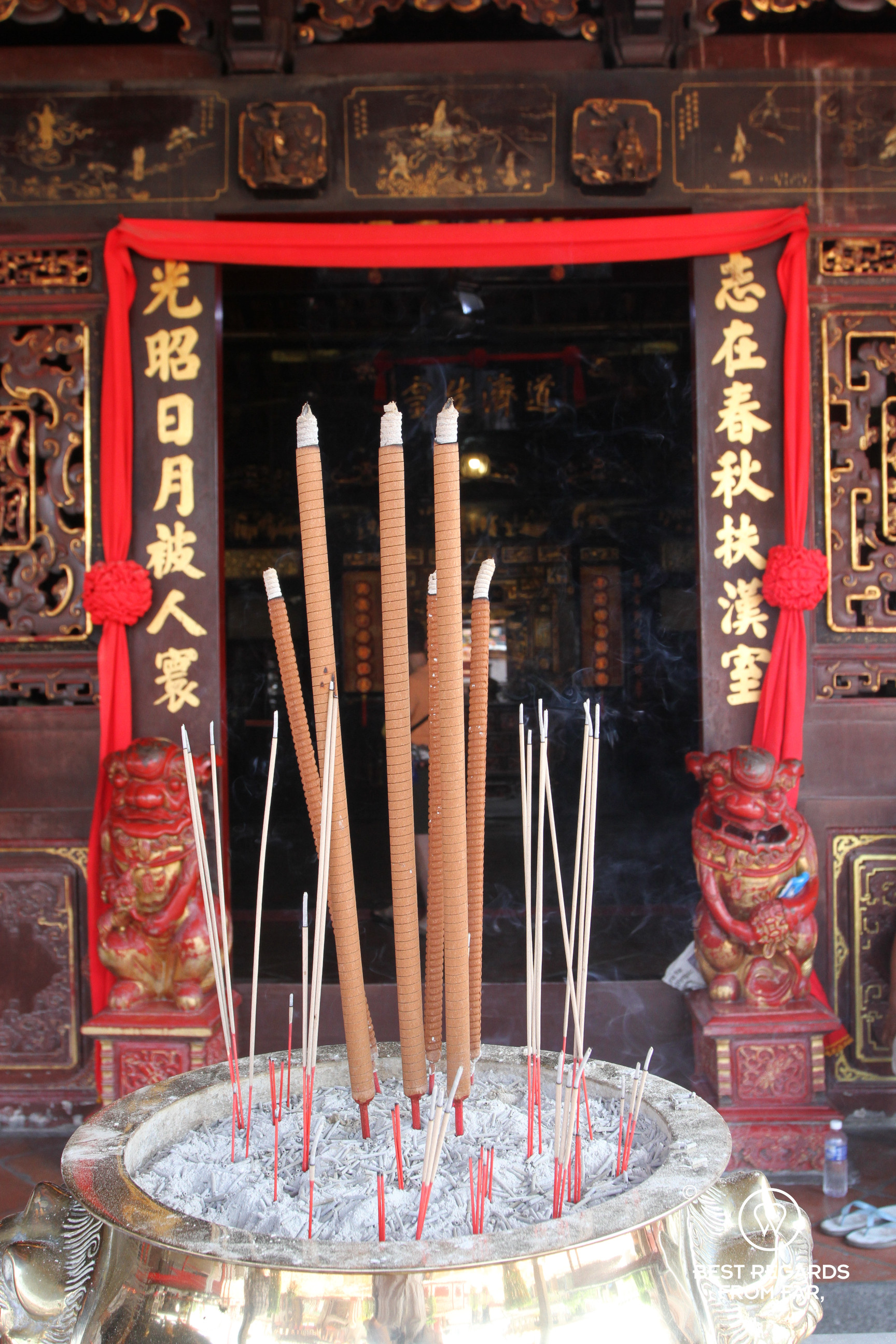
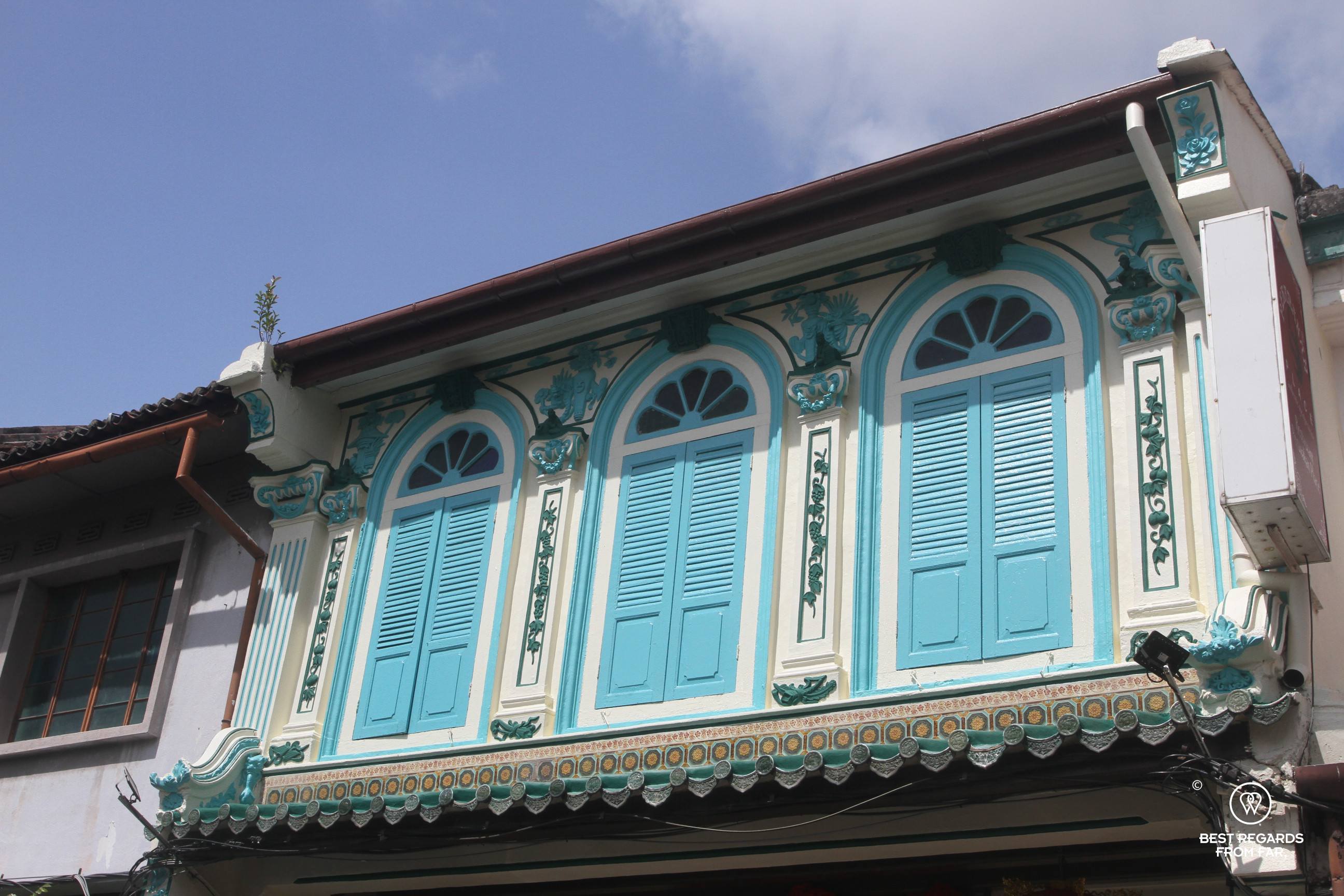
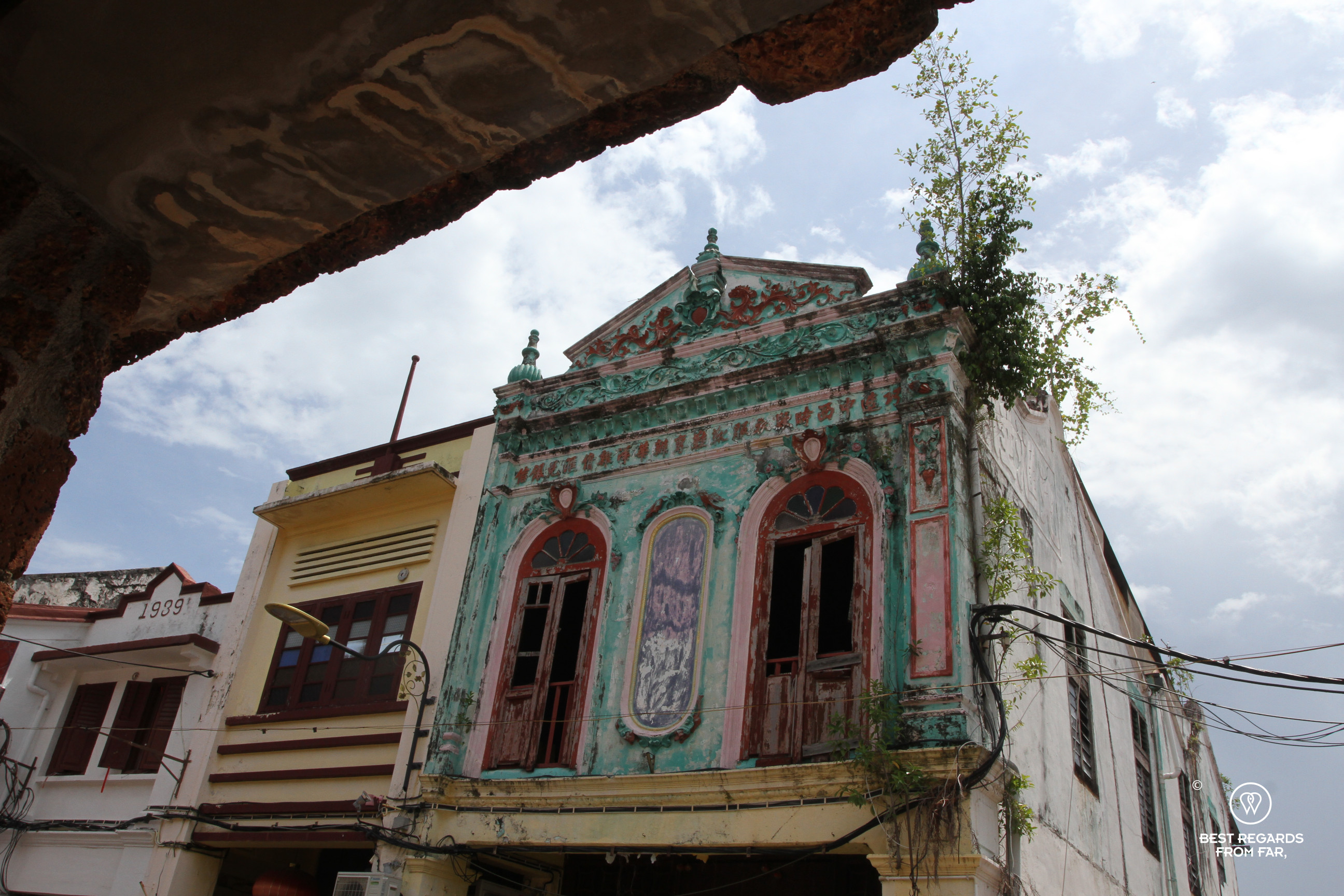
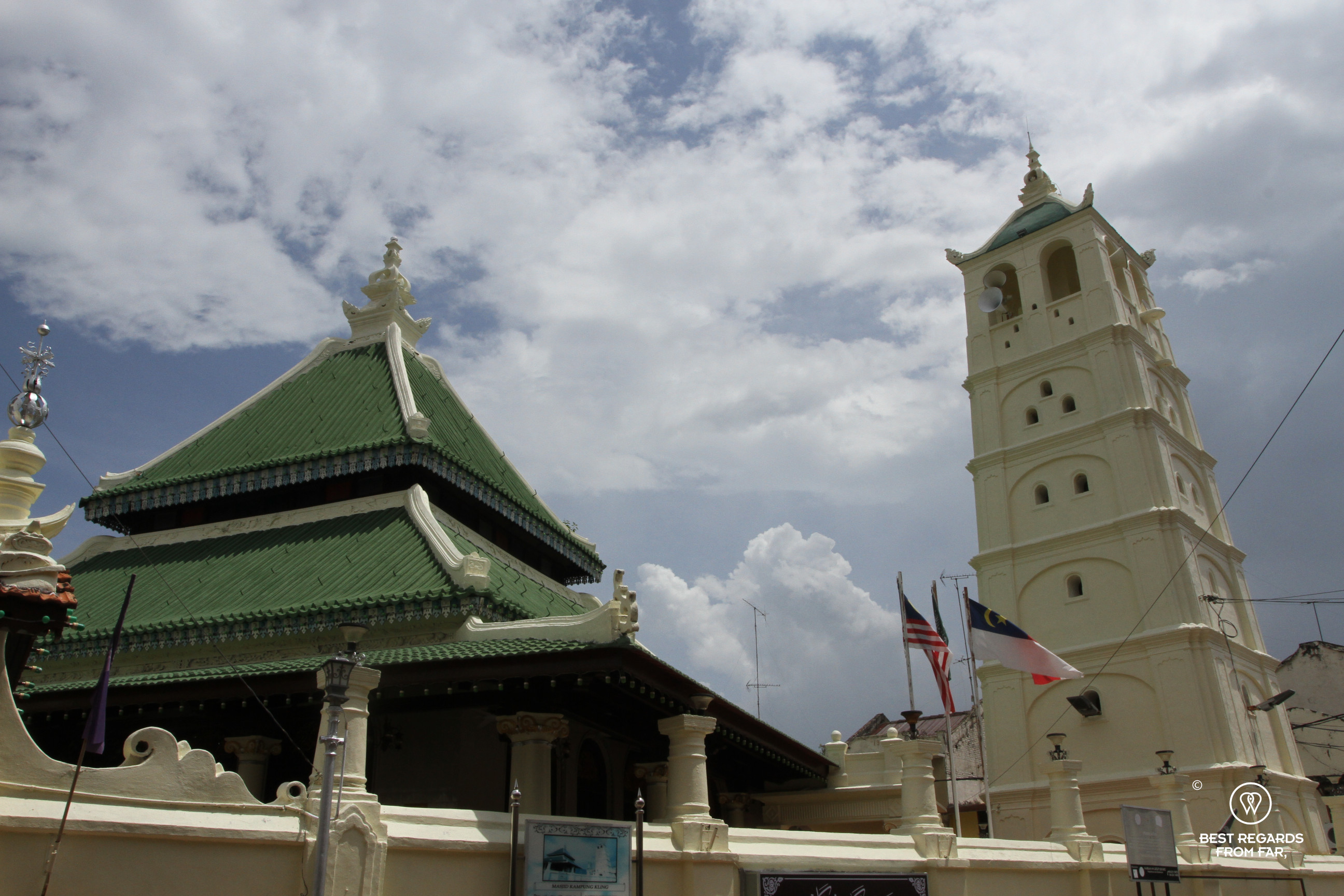
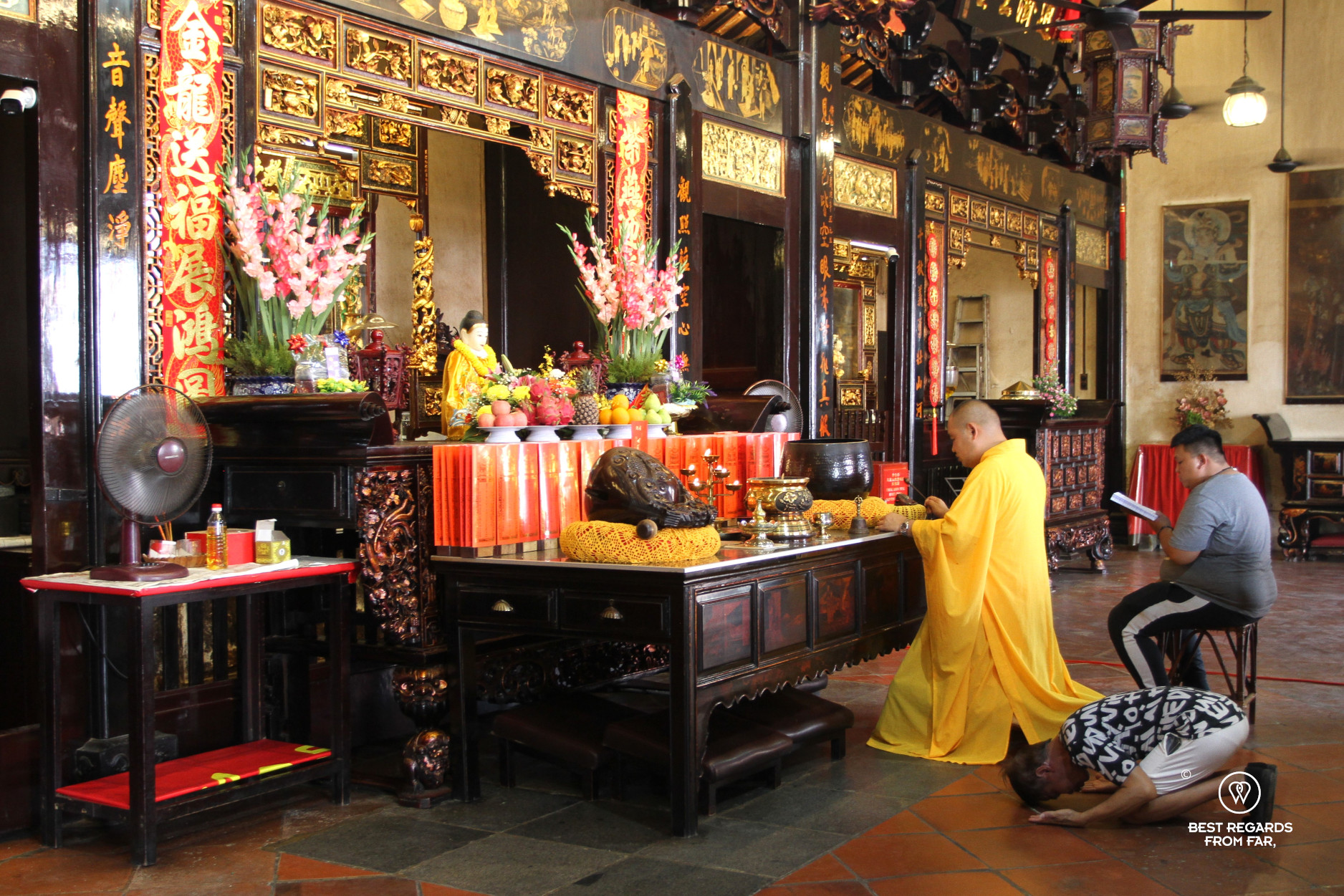
Just a street corner separates this about-to-be forgotten world from the touristic Heeren Street, one of Malacca’s oldest streets. Also nicknamed Millionaires’ Row as most of the Chinese millionaires of the pioneering period lived on this street, it is lined with Peranakan mansions often decorated with lotus flowers and dragons. Passing by Masjid Kampung Kling, a traditional Chinese-inspired mosque – as they used to all be on the Malay Archipelago – and the oldest in town (1748) and at the foot of Saint Peter, the oldest church in town (1710), the melting pot of cultures that makes Malacca and all of Malaysia so unique and fascinating is flagrant.

Travel tips:
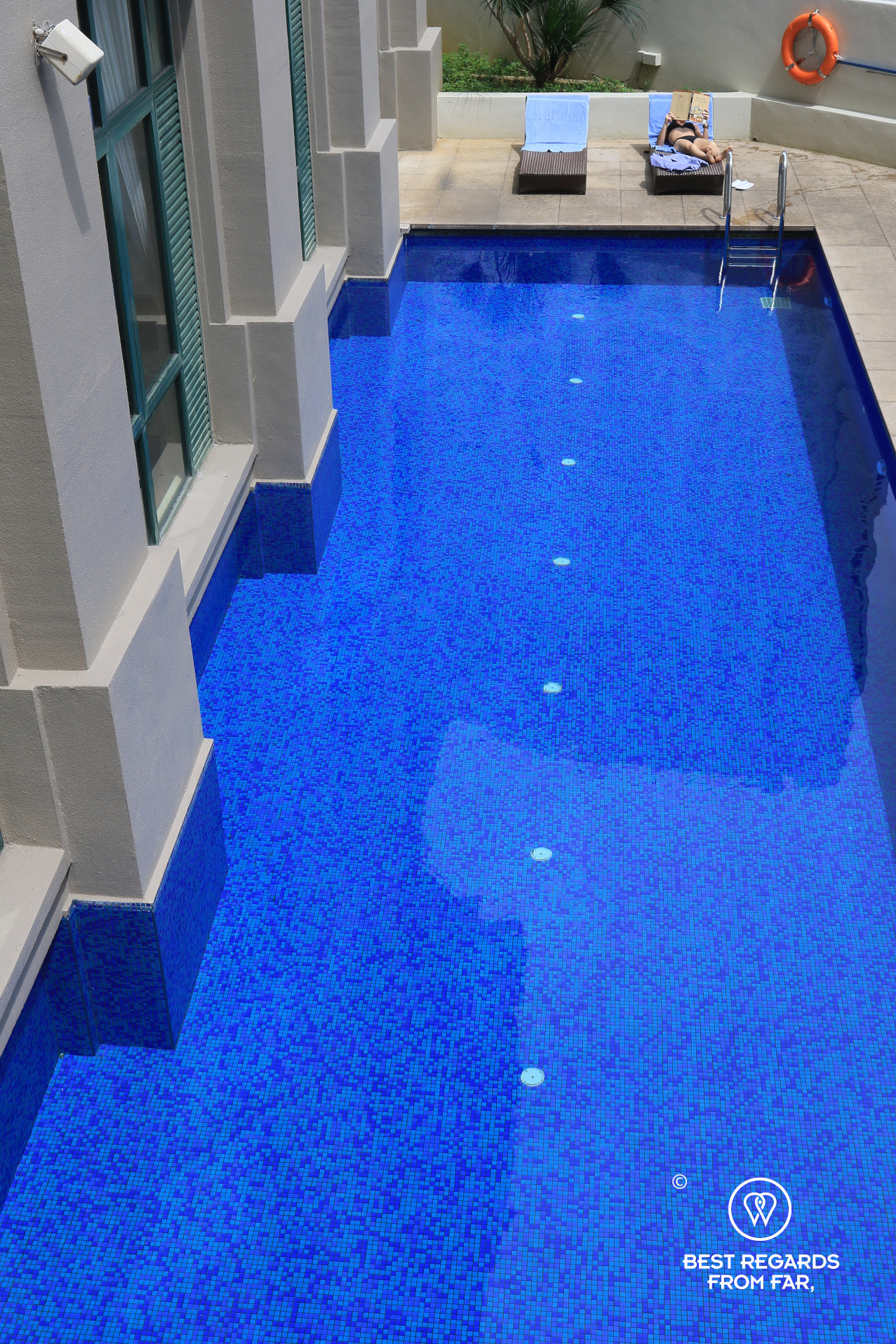
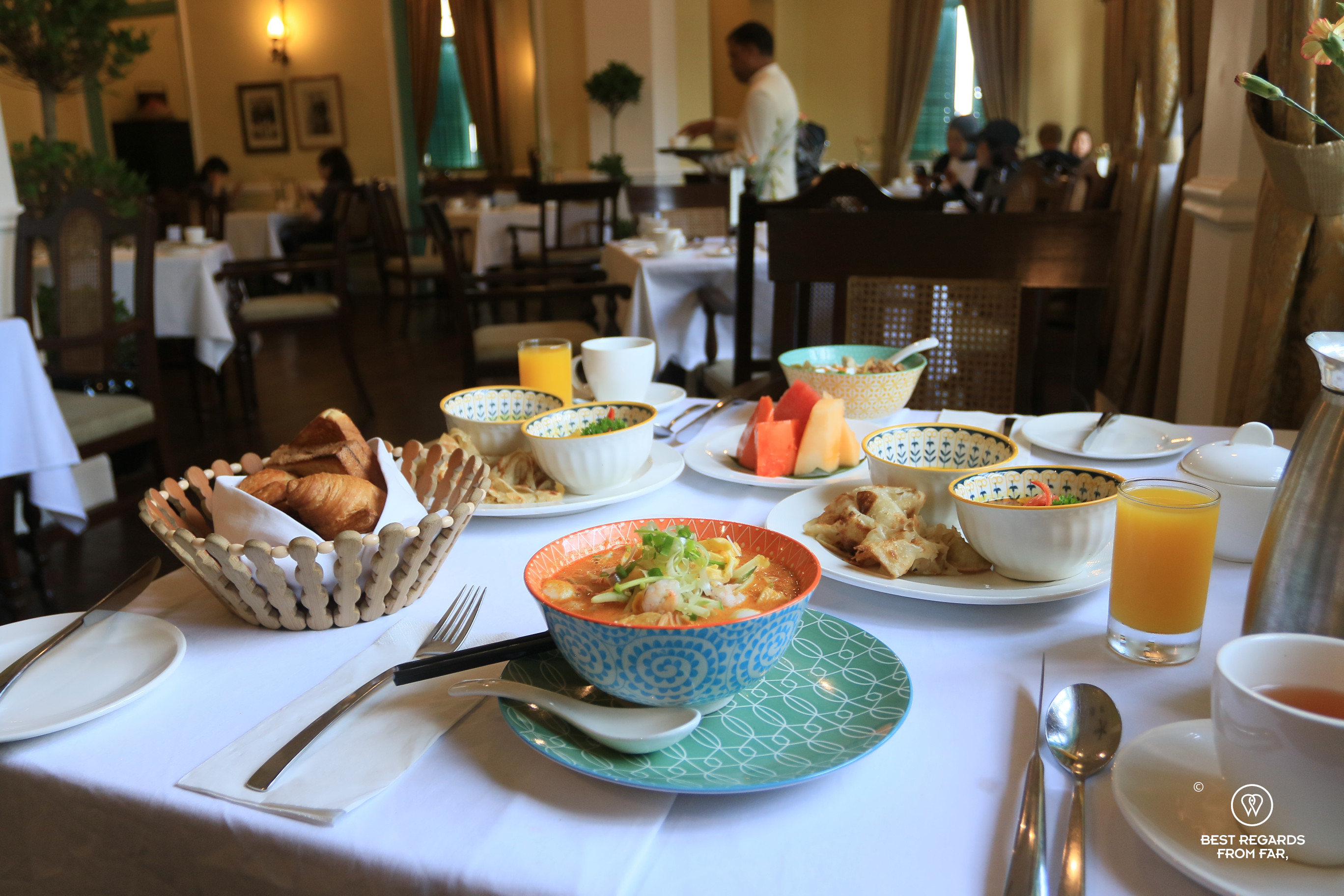
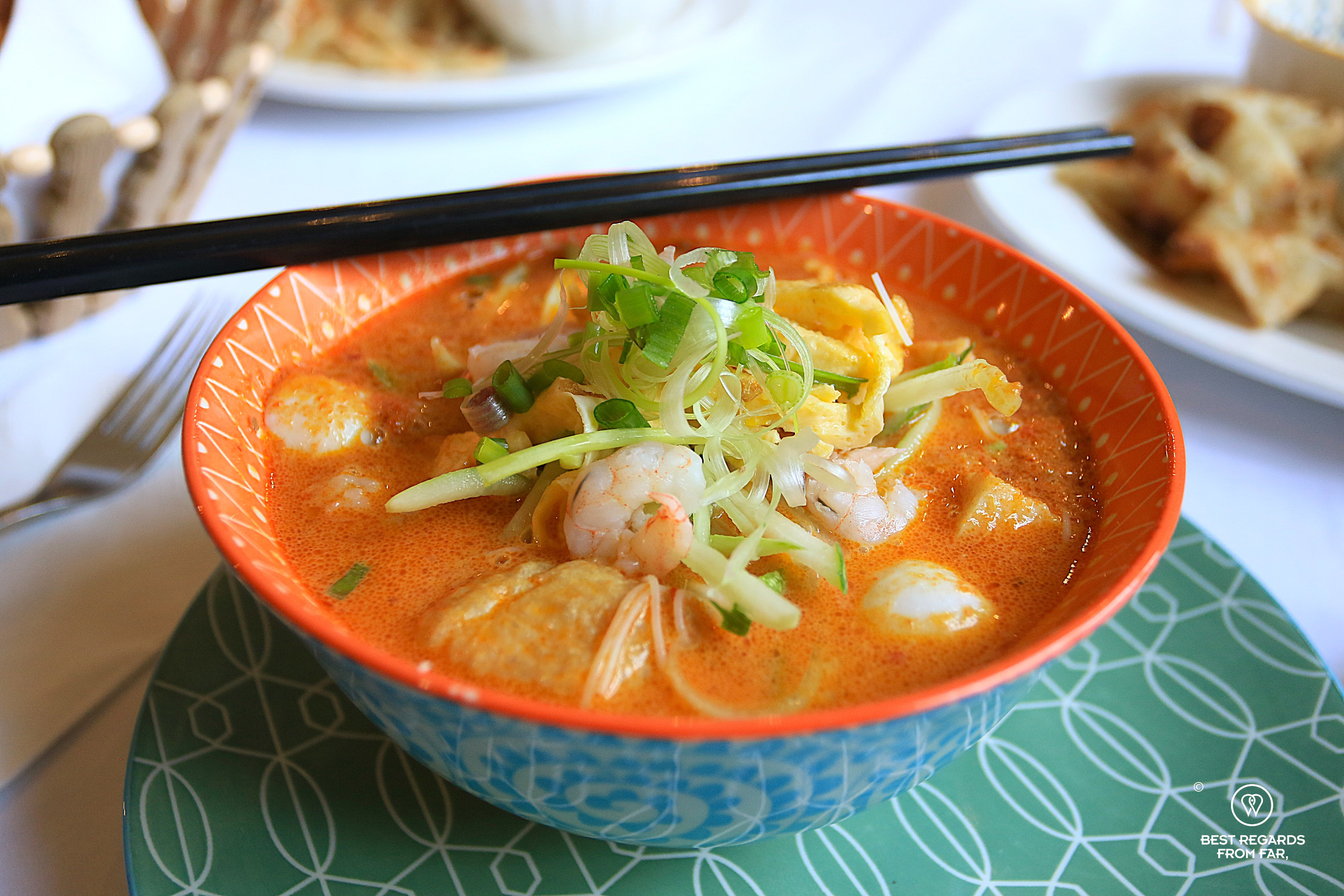
- Obviously, The Majestic Malacca is the most stylish place to stay to discover Malacca. Its fitness centre, swimming pool, spa, and delicious and multicultural breakfast at The Mansion make it all the more enjoyable. A short stroll away from the hectic city centre, its location is ideal for a peaceful stay.
- Check out our interactive map for more in the area (black pins lead to an article):
For more in Malaysia, click on the images below:

 Best regards from far,
Bonjours Mes Amis!
Bonne Fete, et un merveilleux nouveau annee!!
Felicitations,
Chris Colverd xx
Thanks Chris! Have a great holiday season too! And best wishes for 2025.
Hugs from both of us.