Article updated on February 10, 2025
Text: Marcella van Alphen & Claire Lessiau
Photographs: Claire Lessiau
At the tip of Africa lies the “rainbow nation” known for its rich cultural diversity. Cape Town more specifically is famous for its vibrant food scene, its restaurants regularly making it on the list of the World’s 50 Best Restaurants. The country’s southernmost major city, where the Dutch set up a replenishment station for their VOC ships in 1652, hosts a melting pot of cultures which is richly expressed through food. What better way to explore the local cuisine than by tasting a variety of specialties that find roots from Indonesia to the Netherlands, from Sri Lanka to France, without forgetting the African continent itself?
Pin it for later!
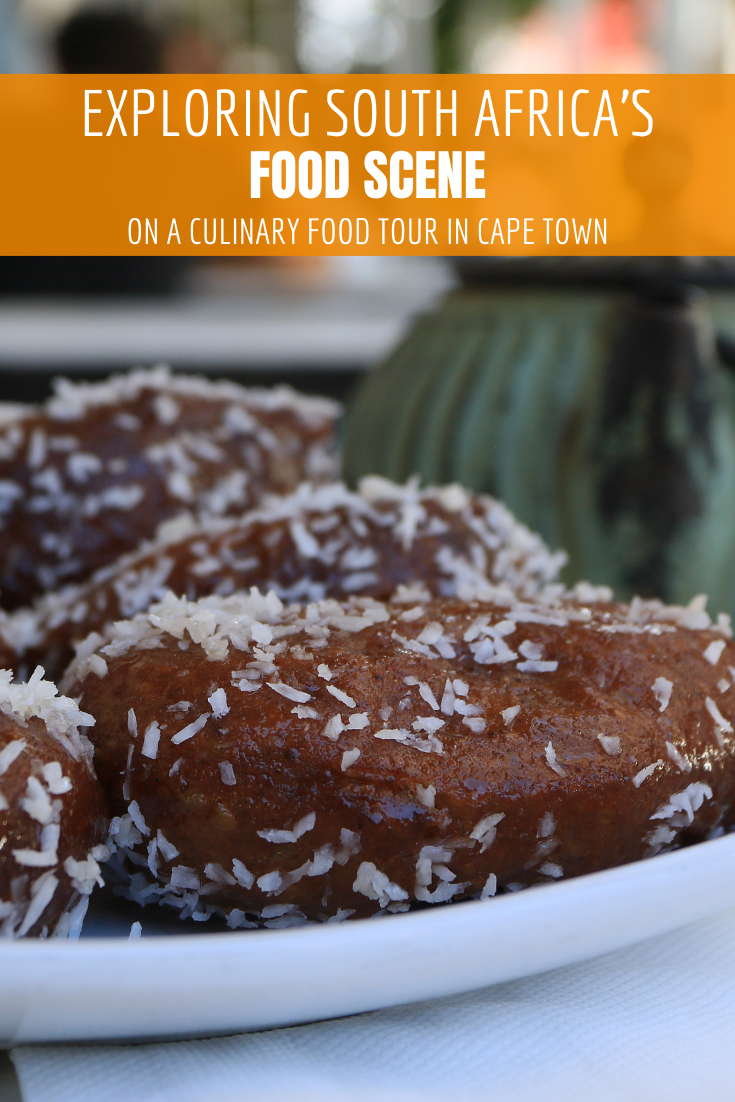
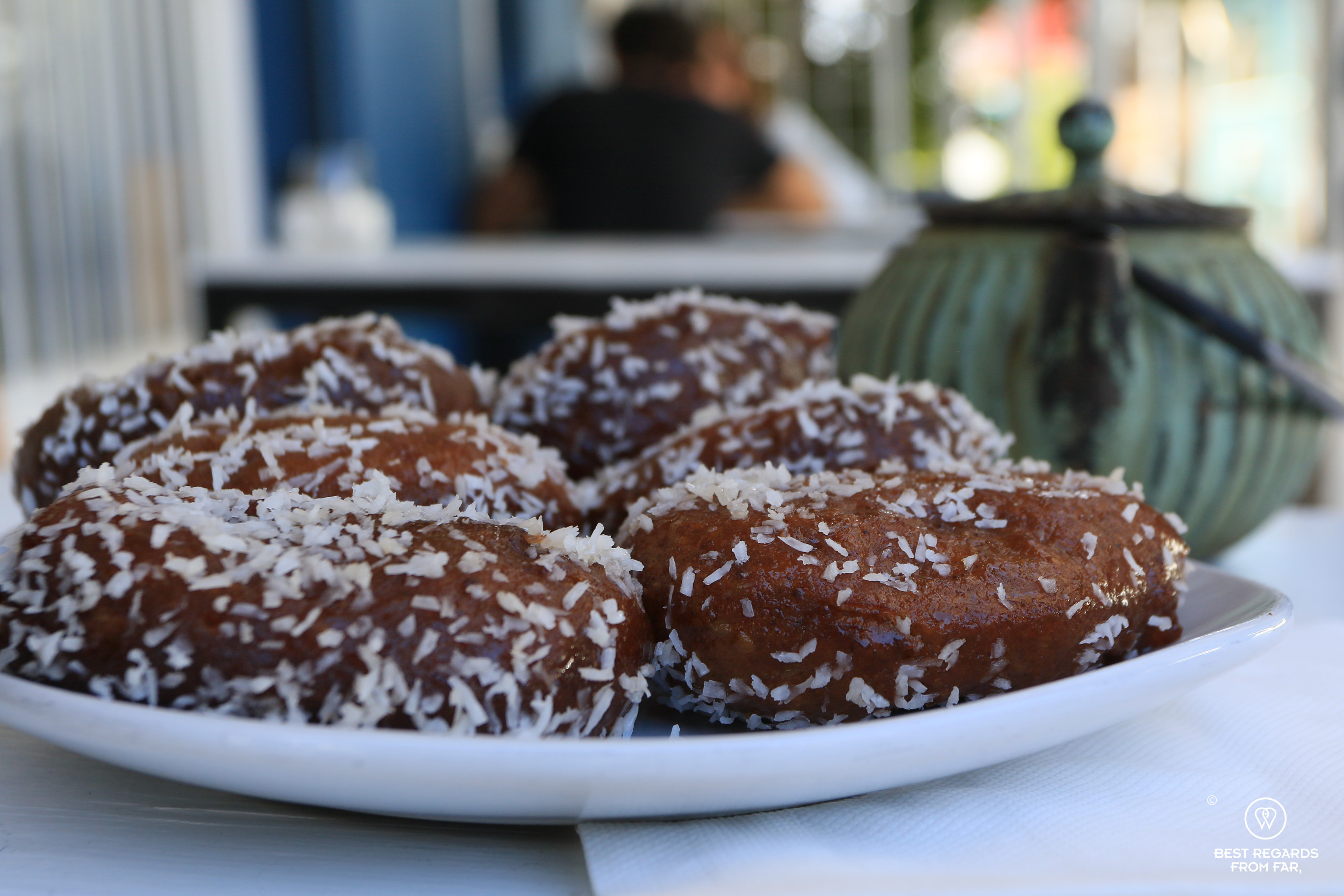
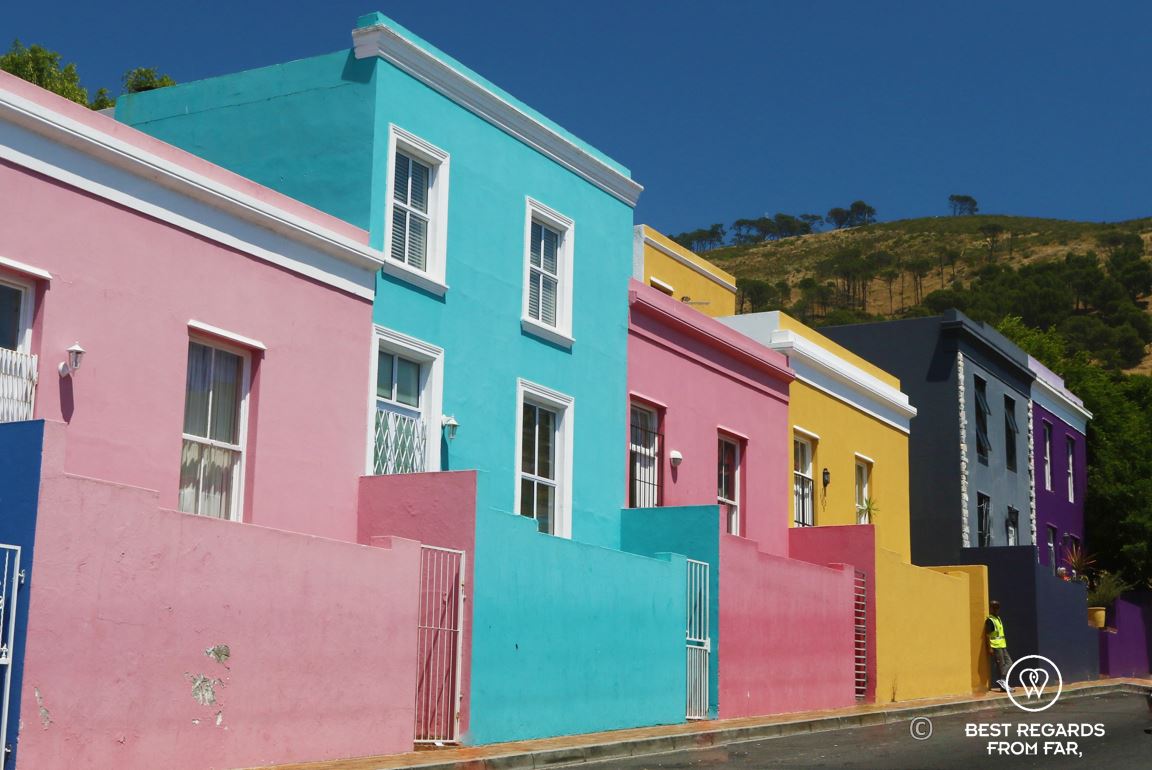
The Cape Malay influence is definitely on the front burner in Cape Town. After all, the city was mainly built by the slaves brought in by the Dutch for their refreshment station to resupply their ships faring between lucrative Asia and Europe. About 700,000 slaves from the Malay Archipelago (India, Sri Lanka, Indonesian and Malaysian Islands) Madagascar, and Mozambique were imported over a span of almost 200 years. The influence of their cooking and spices is still going strong, especially in the colourful Bo-Kaap which many freed slaves called home and where a strong Muslim community welcomes many overseas visitors. The culinary journey begins at Bo-Kaap Deli with the delicious koesisters, a doughnut-style confectionery with soft Malay spices, a slightly crispy and syrupy outside covered in coconut flakes. The sweet local’s favourite, still warm out of the oven is paired with a rooibos tea that finds its origins in the nearby Cederberg. Used for ages by the Khoisan people – who have inhabited the region for thousands of years and who have been almost completely whipped out by the colonists – to treat a wide range of ailments, its popularity has spread worldwide ranking it today amongst the sought after super food. Caffeine and theaine-free, rooibos is full of unique and powerful antioxidants (such as aspalathin and nothofagin) and low in tannins, boosting the immune system amongst many other benefits.



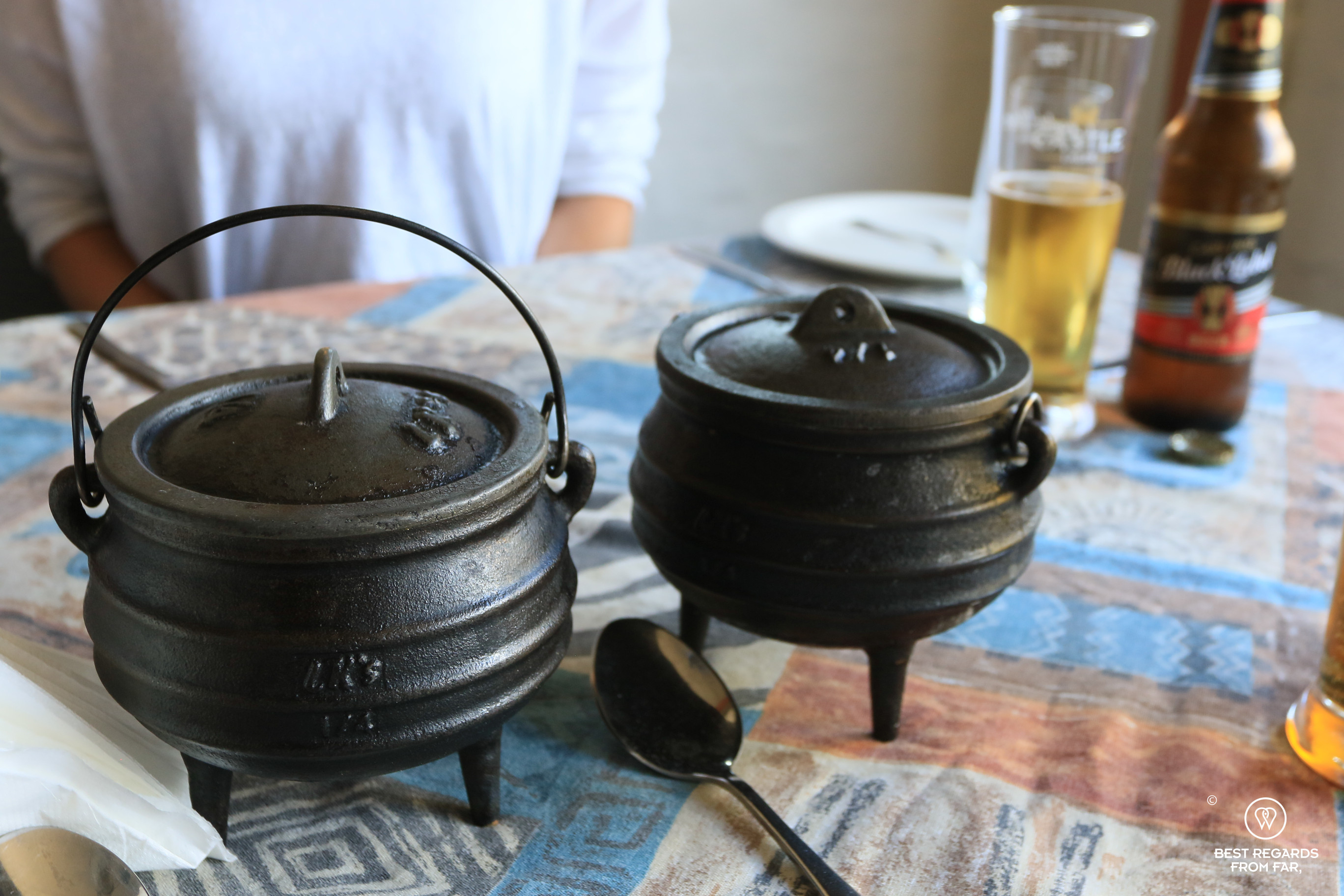
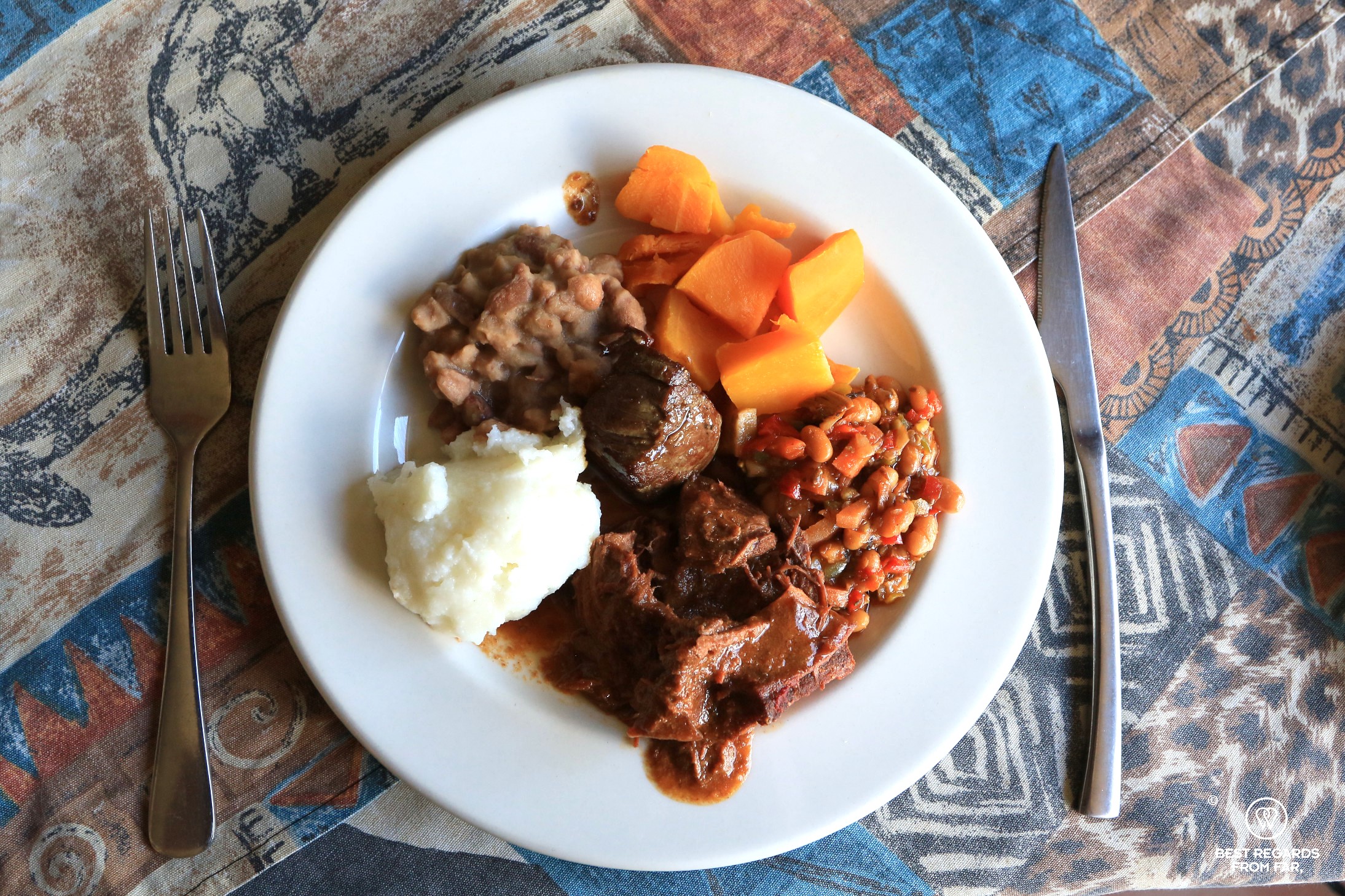
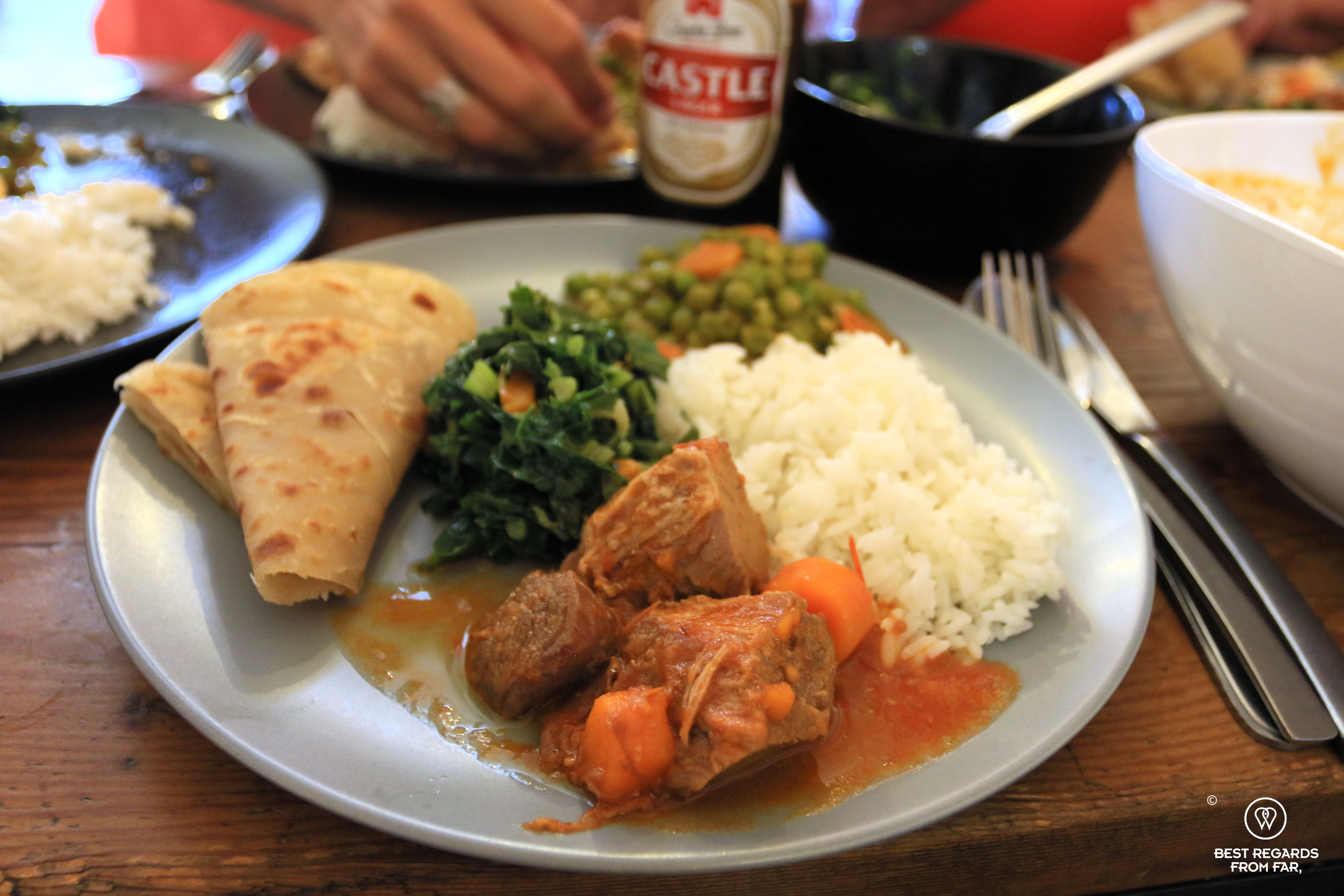
South Africa’s complicated past does not only reflect in its former slave community but also through the more recent apartheid regime from which the country is still recovering. The passionate and knowledgeable guide of Cape Town Culinary Tours, Justin Gilmour, explains: “We are about to visit Marco’s African Place. Marco used to work in a restaurant kitchen, passing the orders down until one day, the staff did not show up. Marco took things in his hands and cooked, impressing the owner who decided to send him to culinary school. During the apartheid era, he was sheltered by the Jewish community of Sea Point, a white only area, until his kitchen got bombed in the late 1980s. The fall of the apartheid dictatorship was close, and in the early 1990s, Marco was finally allowed to own property.” South Africa’s first black restaurateur still operates from the same warehouse in Bo-Kaap that has become a local’s favourite. Oxtail, sheep’s head, cow’s head, or crocodile, ostrich, kudu and springbok alongside umqusu (grinded corn and brown sugar beans) or the delicious Mozambican chakalakah to spice up the staple and plain corn-based pap are regularly on the menu, enjoyed by patrons to the beat of live traditional African music nightly.

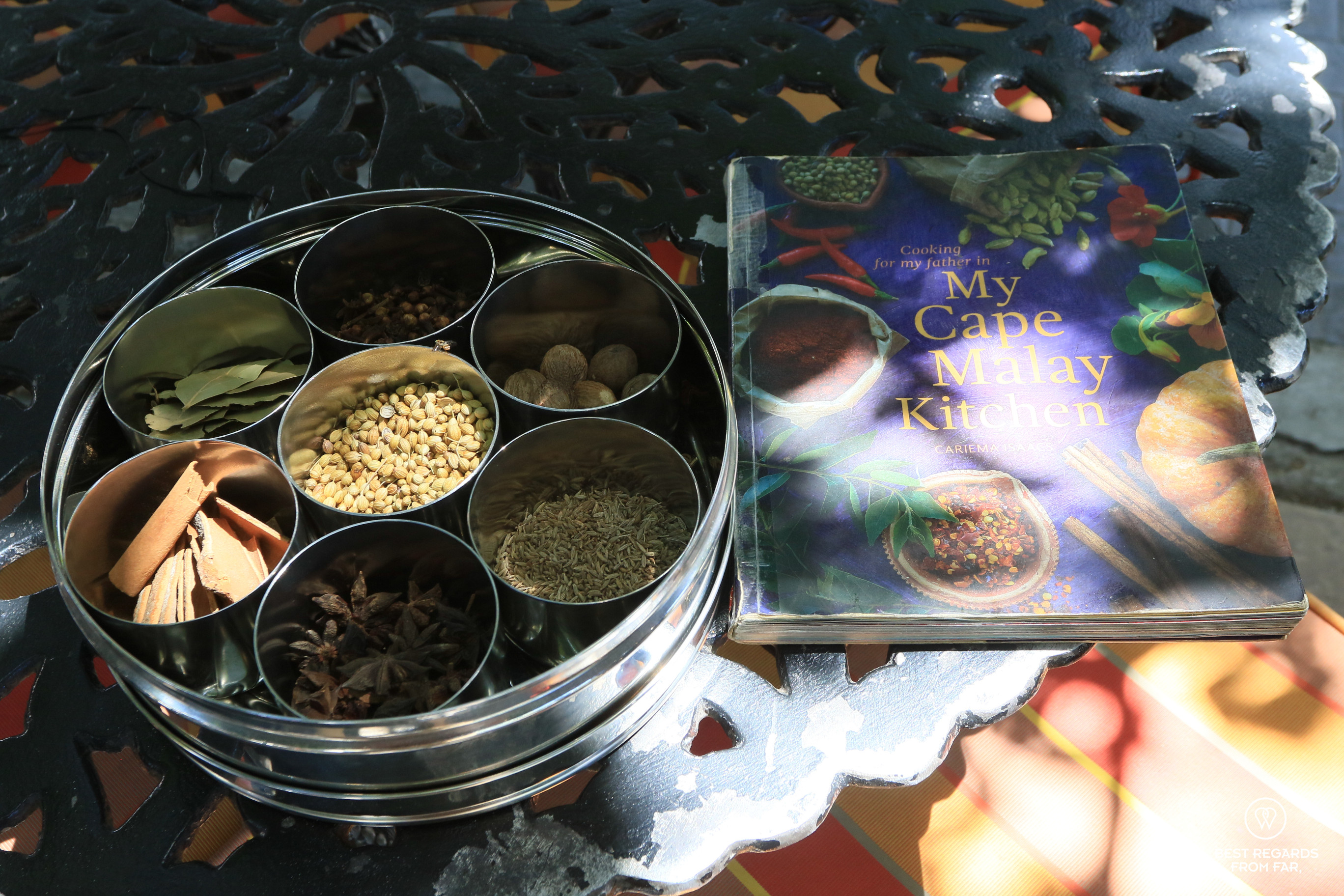
No food tour in Cape Town can be considered complete without tasting South Africa’s most iconic dish: bobotie. A short walk away, in the neighbouring district of De Waterkant, the Cape Malay influences are infused in this sweet dish of spiced minced meat with an egg-based custard topping. Enjoying it alfresco with a glass of crisp sparkling wine which South Africans call an MCC, (Méthode Cap Classique, a sparkling white wine made according to the French champagne-making method), in the shade of a centennial peppercorn tree, it is yet another atmosphere that unravels during this diverse food tour.

Beyond rugby that is playing on the screens of one of Cape Town’s oldest bars, South African pride is probably best expressed through malva pudding: everyone’s mother does the best in the country! This heavenly sweet cake of Dutch origin has been perfected by the Boers during their 19th century Great Trek, as they ventured deeper into the country, fleeing British rule. As the cake dried out quickly in the hostile climate, it was soaked in syrup to preserve it. Sweet to start, today it is still soaked in syrup and traditionally served with a large amount of sweet custard, a definite-must for anyone with a serious sweet tooth!


With such an emulation on the Capetonian food scene with many excellent and elaborate restaurants, Cape Town Culinary Tours aims at promoting local authentic fares and businesses, supporting and highlighting the local culture, a rich and delicious melting pot. A must in Cape Town!


Travel tips:
- Make sure to secure your spot and book your Cape Town Essentials tour with Cape Town Culinary Tours for your visit to Cape Town.
- For a broader taste of African cuisine, do not miss the Taste of Africa Tour during which you will explore flavours from Tanzania to Ethiopia as well as different South African wines and craft gins.
- South African hospitality translates as abundance, so come hungry!
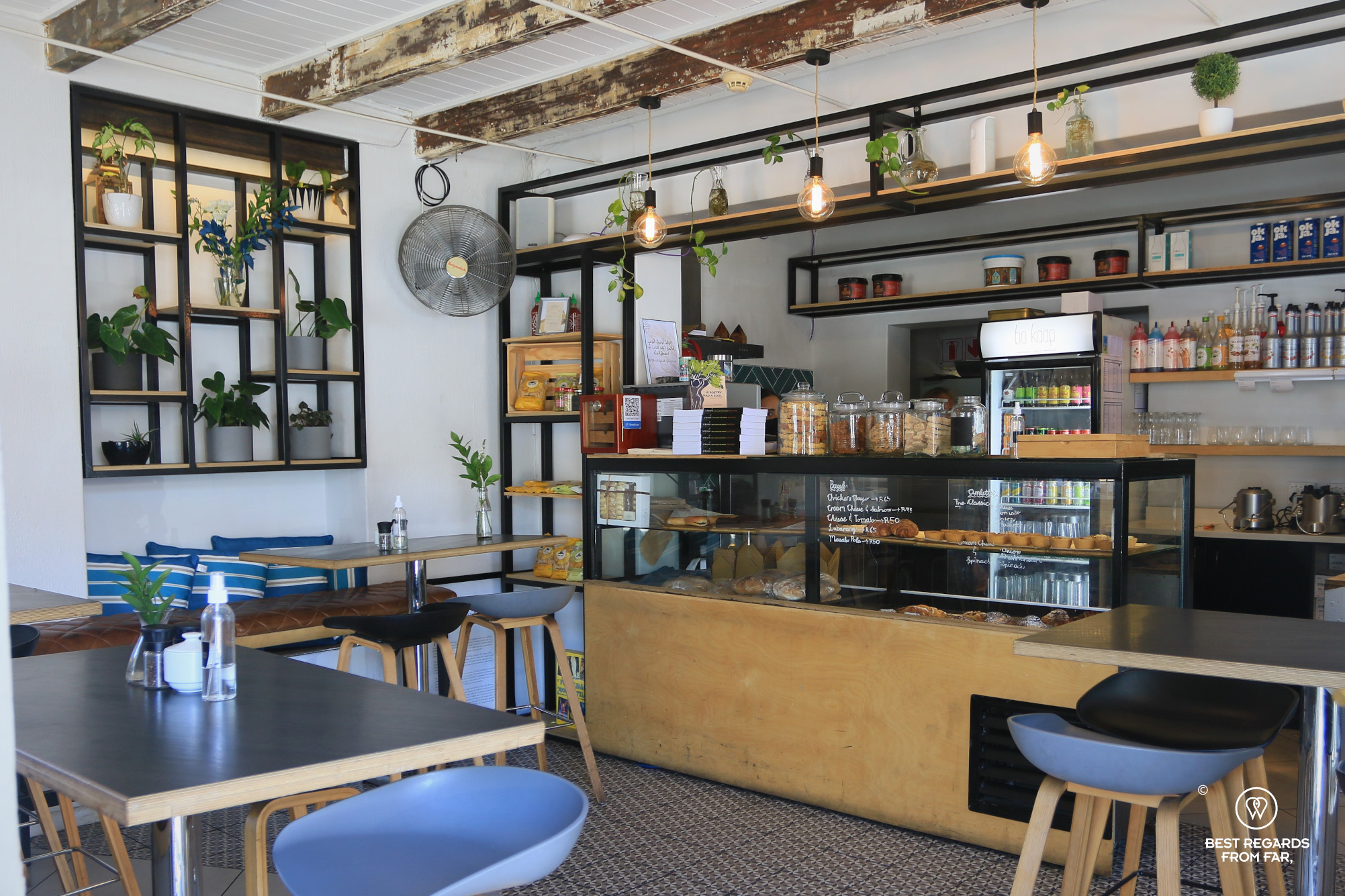
- The Bokaap deli is perfect for a sweet bite such as koeksisters and milk-tarts, but also for a more consistent meal with many Cape Malay takes on classics like the the Masala steak on a bun and the Masala mince shakshuka, full of fragrant but not-so-hot local spices.
- Check out our interactive map for more in the area (black pins lead to an article):
For more in Cape Town, click on these images:


 Best regards from far,