Text: Claire Lessiau & Marcella van Alphen
Photographs: Claire Lessiau
Cusco, once the capital of the Inca Empire, is not only your base to explore the enchanting Machu Picchu or gateway to the Sacred Valley and the Palcoyo Rainbow Mountain, but also boasts a thriving culinary scene. Join us on a flavorful adventure through the bustling San Pedro Market followed by a hands-on cooking class, by the passionate chef Jesus Alexander, who used to officiate in a 5-star hotel in Lima, a hotspot for culinary delights. Discover the wealth of Peruvian superfoods, exotic fruits, and endemic ingredients that make the Cusco region a gastronomic paradise – and gave the sacred adjective to its adjacent famous valley.
Pin it for later!

Market Tour at San Pedro
As we are standing in front of the iron structure of the San Pedro market, Cusco’s oldest market dating back to Inca time and which current edifice was designed by Gustave Eiffel in 1925, Chef Jesus enthusiastically introduces himself. We are soon roaming the narrow alleys of the local market that pulses with life. Vendors proudly stand behind their colorful displays of exotic fruits, jars of warm quinoa and maca root drinks, well-organized beans and grains, chocolate bars, large tupa breads, herbs for traditional medicine, and different cheeses from the Andes. Local women stroll looking at the displays with their colorful mantas on their backs, slowly filling them up with goods and fruits unknown to us after bargaining gently. Reading our puzzled faces, Chef Jesus explains some fruits and their usage, pointing out to castor apples reminiscent of sweet bananas, the velvety lucuma perfect for crafting decadent ice creams, the zesty cuma cuma used as a lime substitute, and the estrogen-packed aguaje from the Amazon jungle.


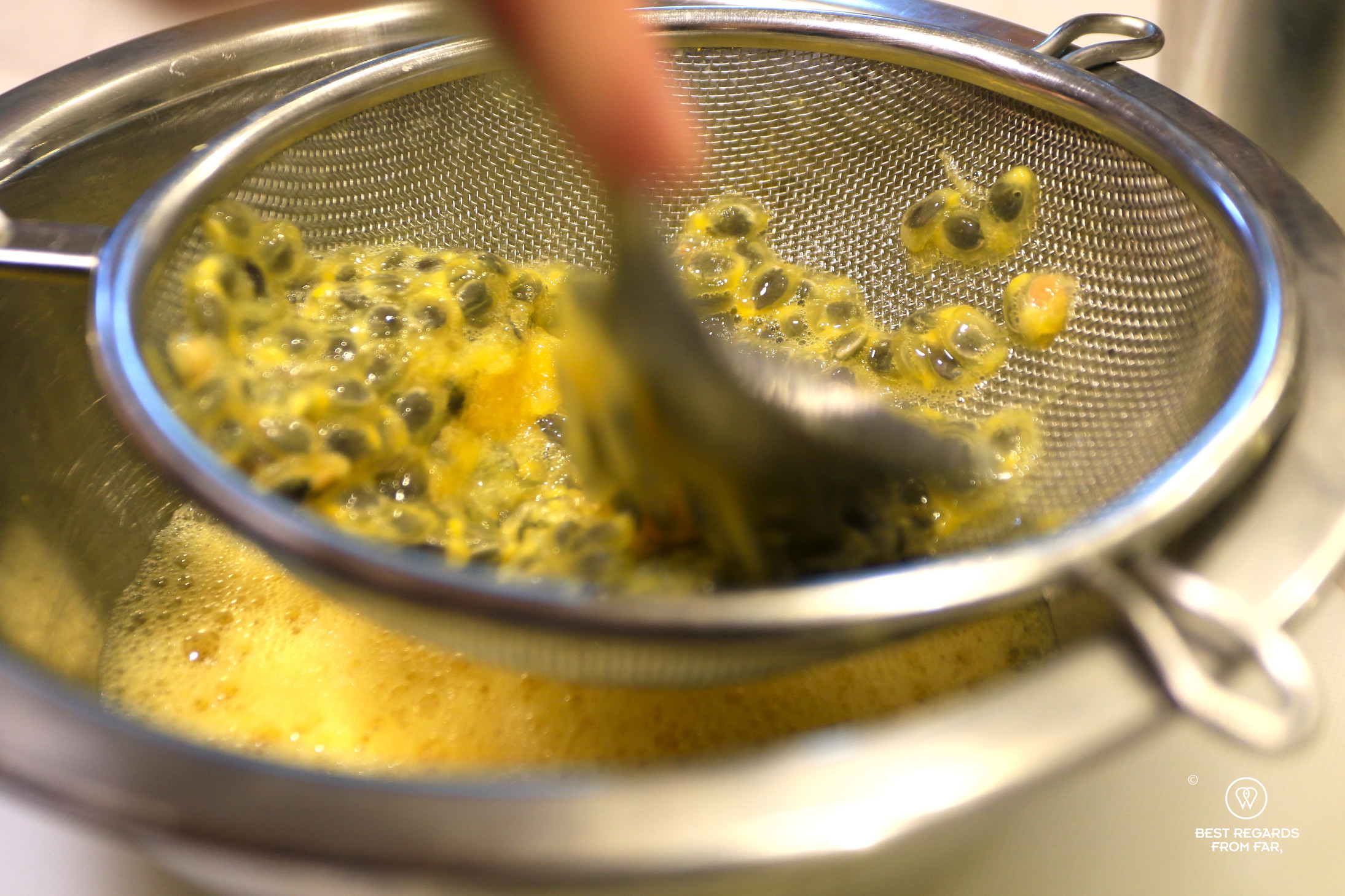
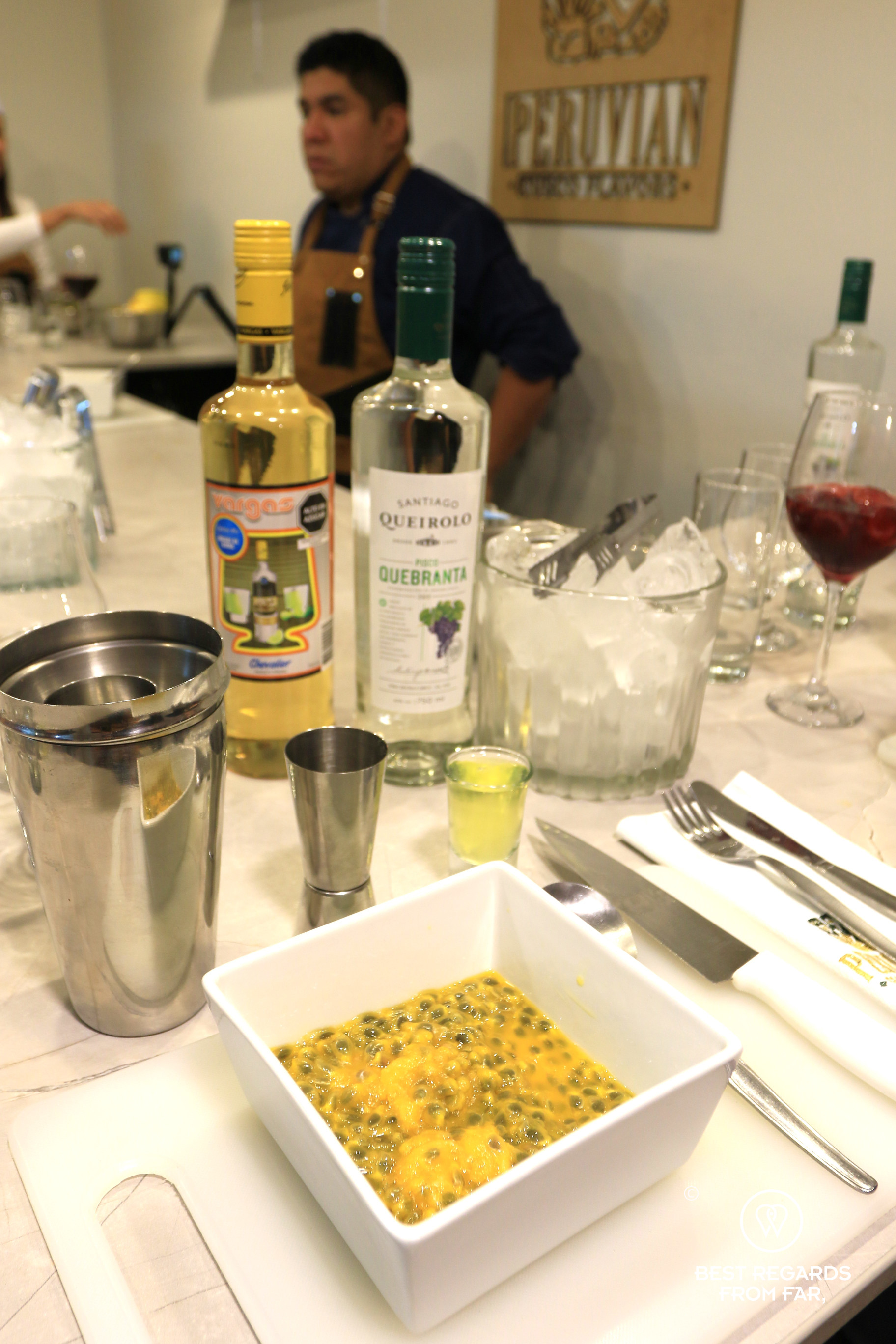
The variety of foods found in Peru is striking and its 90 different microclimates contribute greatly to the wealth of ingredients: from 3,000 to 4,000 types of potatoes (originally from Peru) to the nutritious quinoa in white, red, and black varieties, or the lupin superfood. Chef Jesus purchases some black corn for the popular chicha morales drink before he passionately introduces the diverse world of passion fruits, enticing us to taste the sweet grenadilla and the sour maracuja which will be the star in his playful twist on Peru’s national drink the Pisco Sour.
Once the ingredients are gathered for the full-fledged menu Chef Jesus has in mind, including some of the most acclaimed Peruvian specialties such as ceviche, causa, and tamales, we stroll the picturesque streets of Cusco to his Peruvian Cusco Flavors kitchen studio where he shares his pride and passion for Peruvian food with foodies from all over the world.
Causa: layers of tradition & creativity
Chef Jesus takes us back to the tumult of the Pacific War in 1879-1884 and shares his preferred version of today’ starter. While the Peruvian & Bolivian alliance lost some resource-rich land along the Pacific Ocean to Chile, Peru won its most celebrated potato-based dish: the causa. Facing food shortages during this conflict, ingenious Peruvian women invented this nutritious recipe to help feed the troops who were fighting for “the cause”, la causa.
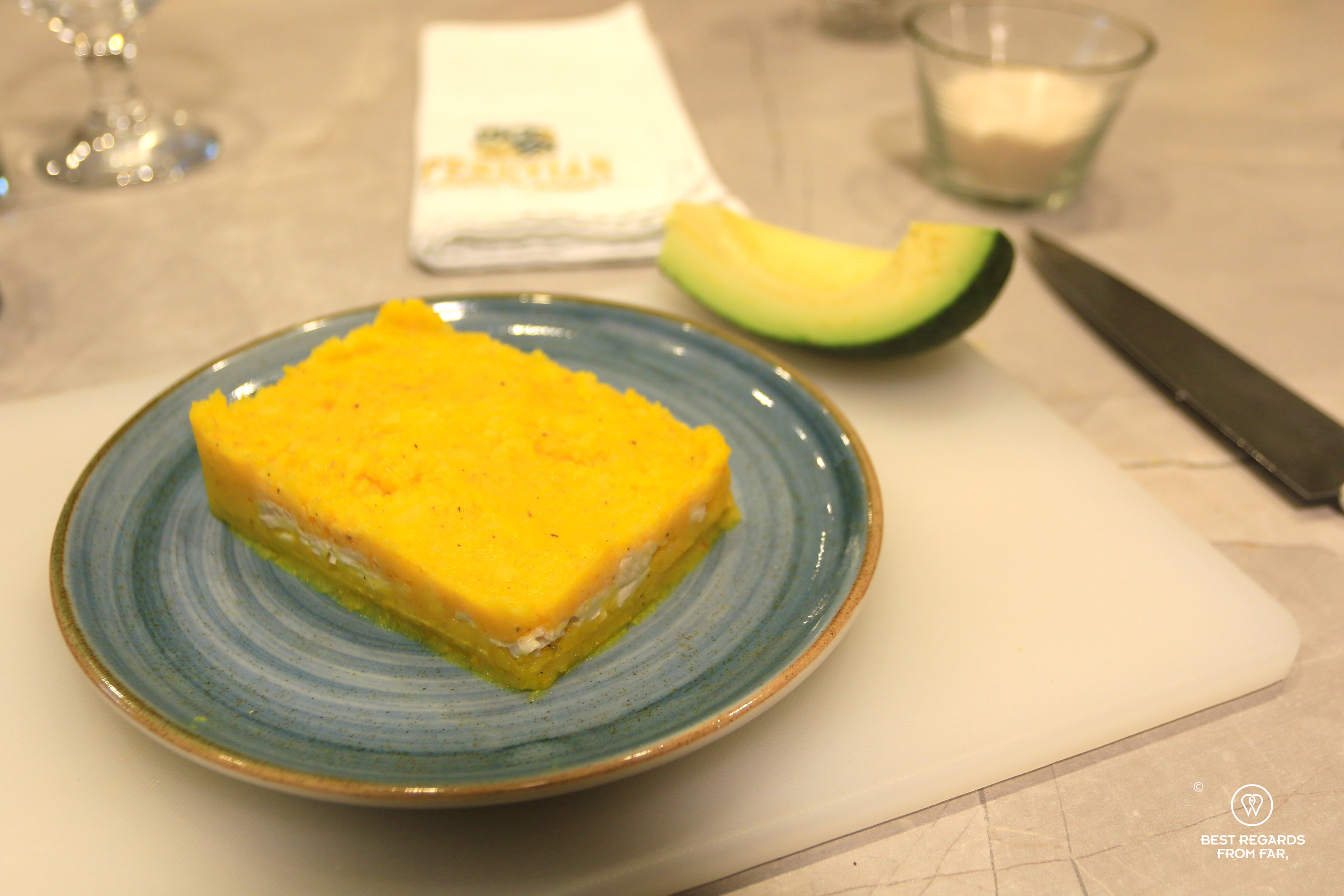

Composed of basic ingredients such as mashed potatoes, yellow chili pepper paste, a splash of lime juice, boiled eggs and if available shredded chicken, the causa tells a story of resilience and resourcefulness. Chef Jesus gives this staple dish a sophisticated twist by layering the potato mixture with the savory chicken in an artful way, garnishing it with skillfully sliced avocado, delicate edible flowers, colorful olive sauce and alfalfa sprouts: tradition meets creativity; a fundamental of contemporary Peruvian gastronomy!
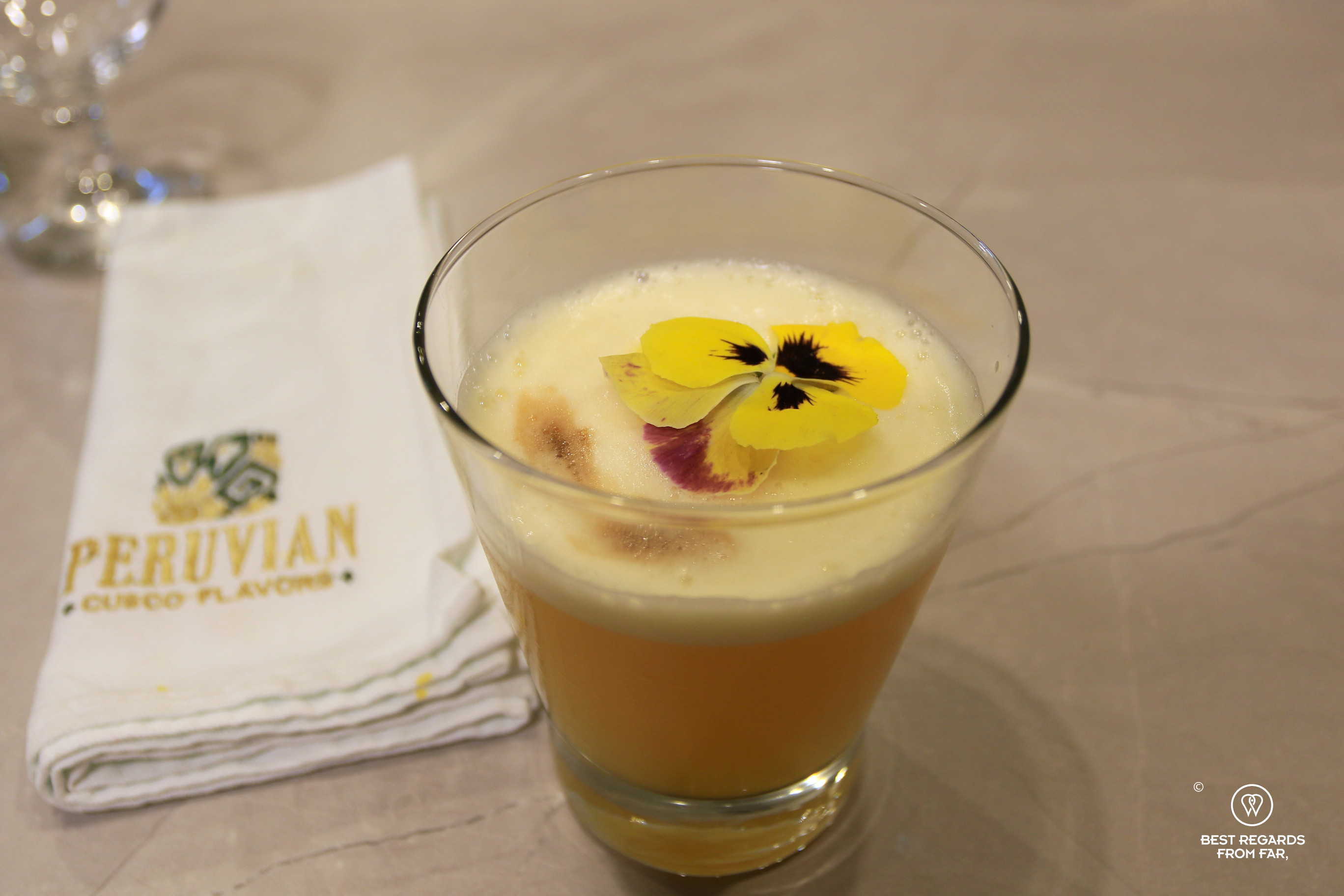
We proudly cheer to the beauty of our creation with our maracuja sour, a fruity take on the Pisco Sour national drink that we have just mixed.


Quinoa tamales: a 7,000-year-old tradition
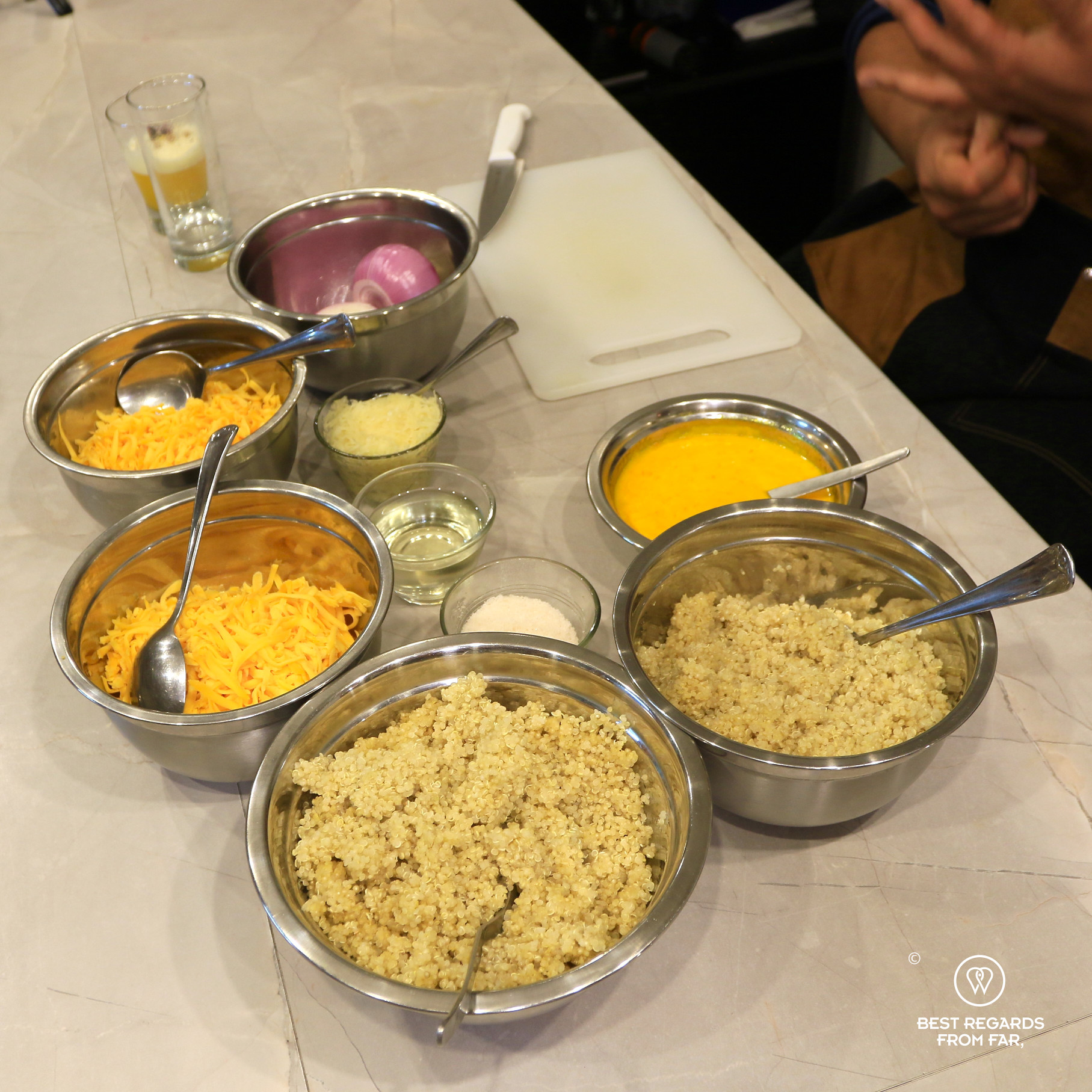
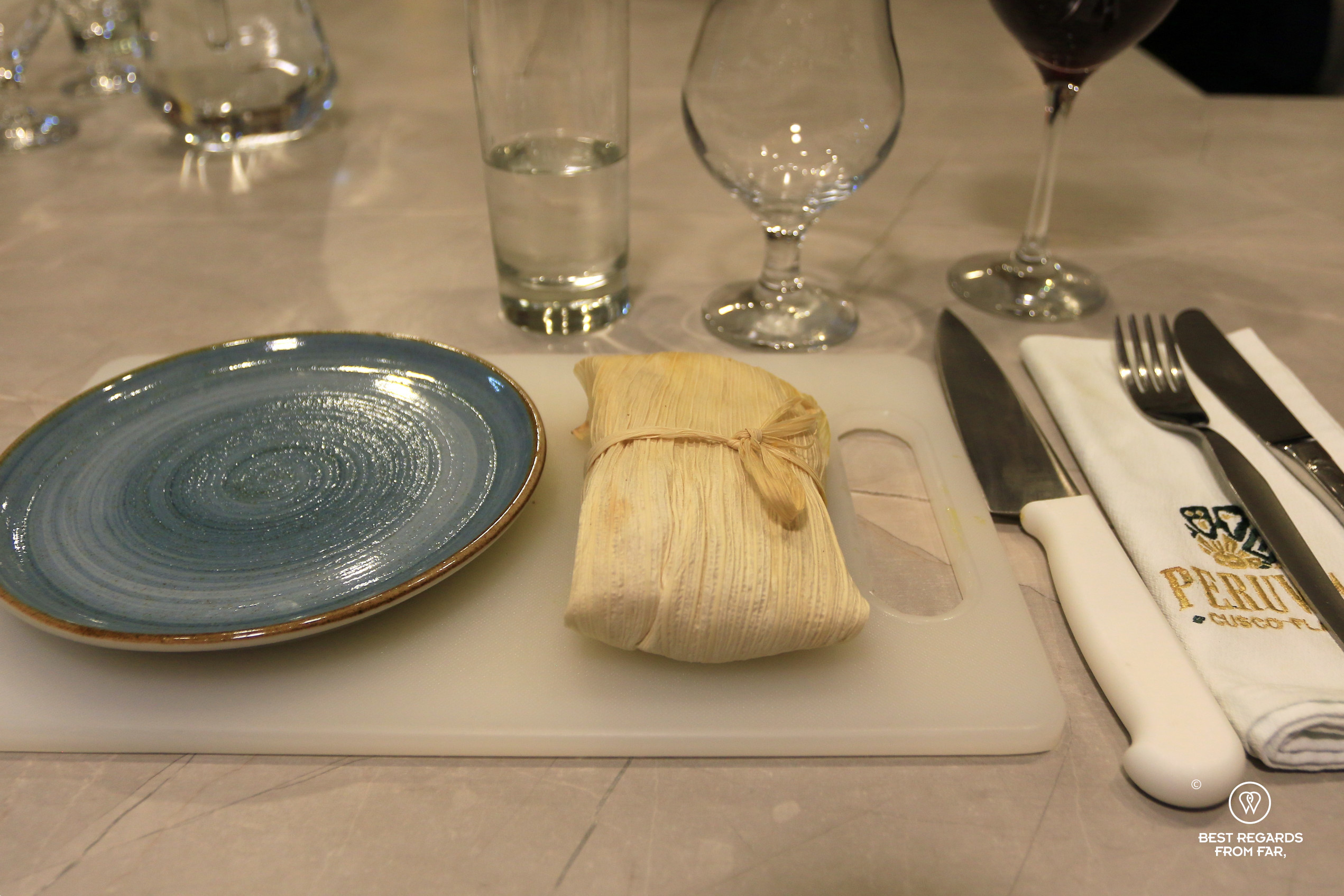
Another Peruvian favorite, originating in Mesoamerica long before today’s countries were defined, contains a popular superfood rooted in Peru. Quinoa, the much acclaimed high-protein grain cultivated for generations in the Andean region, takes the stage, in Chef Jesus’ version of tamales. Mixed boiled quinoa, boosted with a bit of yellow chili paste, finely chopped sweet onions, and garlic, form a paste that we wrap in corn husks, after adding a generous portion of cheese. Tied with a string of corn husk and baked for 20 minutes at medium heat in the oven, this version of tamales highlights Peru’s most popular superfood of the 21st century in a dish that was invented more than 7,000 years ago. The culinary history of Peru keeps unfolding, literally!



Ceviche: from preserving fish to a global dish
No Peruvian cooking class would be complete without preparing Peru’s emblematic dish of which popularity has spread all over the globe: ceviche! With roots tracing back to pre-Columbian times, coastal communities began marinating their catch of the day in a blend of fermented fruit juices, salt, and chili peppers for preservation purposes (interestingly enough, this is also the origin of sushi!). The flavor enhancement evolved into the ceviche we know today thanks to the introduction of citrus fruits and onions by the Spanish conquistadores in the 16th century.
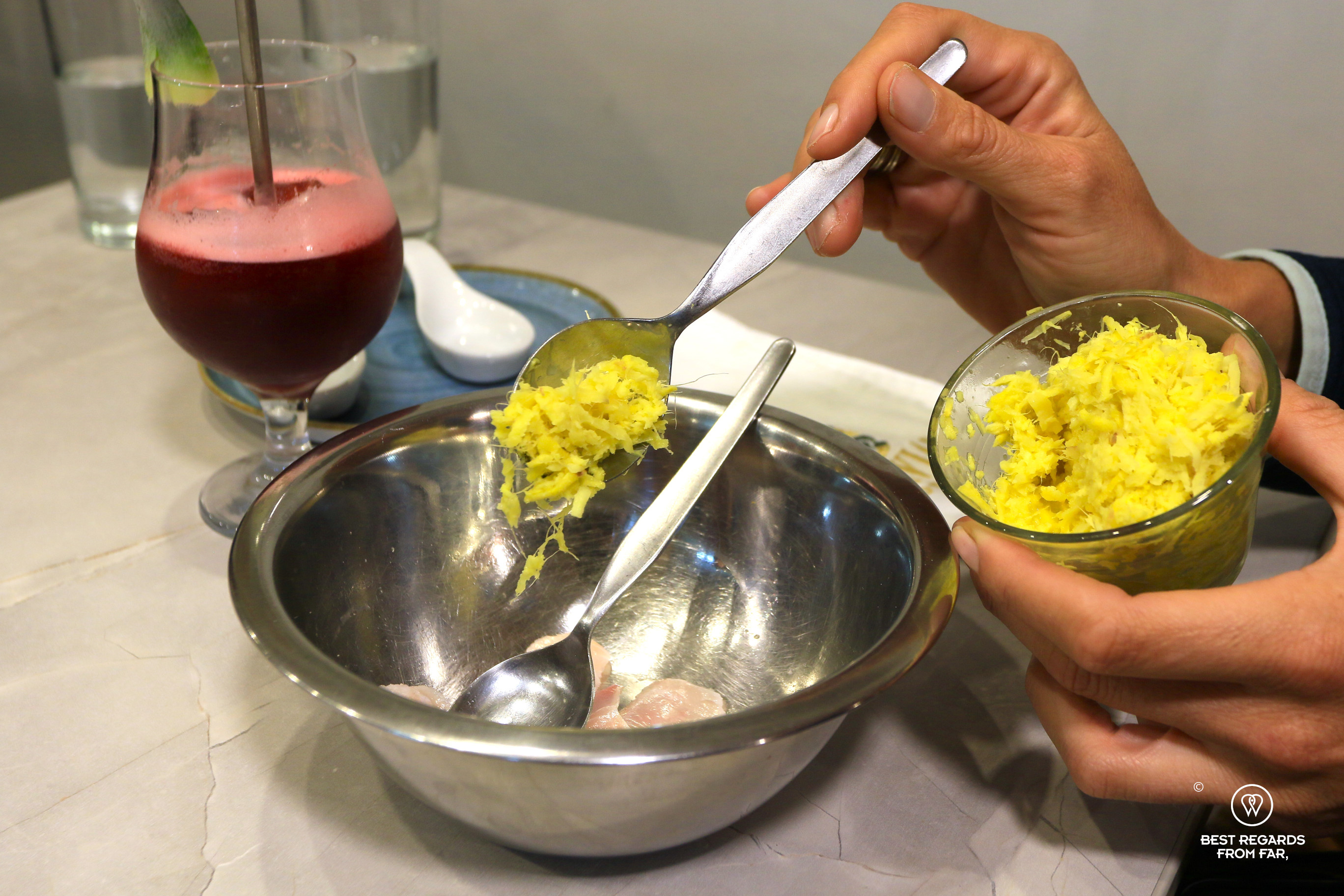
If the network of pre-Inca and Inca trails allowed the indigenous nobility to enjoy seafood ceviche, today in the Andes, the most popular kind is the trout ceviche as the one we are preparing today with a hint of ginger, garlic, chili, sesame oil, soy sauce, lime, and a pinch of pink salt from the nearby Maras salt mines. Simply delicious!


***
As we are tasting the local doughnut, the picarones, based on sweet potato and pumpkin dough, to conclude this culinary exploration with Chef Jesus, we are slowly digesting the wealth of culture, history, and culinary heritage that the passionate chef has shared with us. In the charming city of Cusco, at the crossroads of the legendary Inca Trail, our taste buds have experienced first-hand Peru’s varied gastronomy that has been conquering the world.
Cheers to the flavors of Cusco, a true feast for the senses!


Travel Tips:
- To cook with Chef Jesus Alexander, check out the Peruvian Cusco Flavors‘ website, and make sure to book your spot!
- Check out this interactive map (quick tutorial) for the specific details to help you plan your trip and more articles (zoom out) about the area!
For more in Peru, click on these images:




 Best regards from far,