Text & Photographs: Claire Lessiau & Marcella van Alphen
Santa Cruz de la Sierra is the ideal prelude to any trip to Bolivia with its rather low altitude, tropical savanna climate, and plenty of history, culture, and nature to explore within easy reach of Bolivia’s fastest growing city. Another upside: this secret gem is off the tourist path!
Pin it for later!
1. Altitude & health
In a country famous for its high Andean peaks, Santa Cruz lays at only 400 meters (1,312 ft) above sea level, far from the 3,640 meters (11,942 ft) of La Paz that gives headaches to any visitor who has not acclimatized. If 400 meters is too low to start producing more red blood cells and prepare for the higher altitudes of Salar de Uyuni, Potosi, or Lake Titicaca, it is ideal to get used to Bolivia and its food that has been known to upset many foreign stomachs.
2. The historic center of Santa Cruz
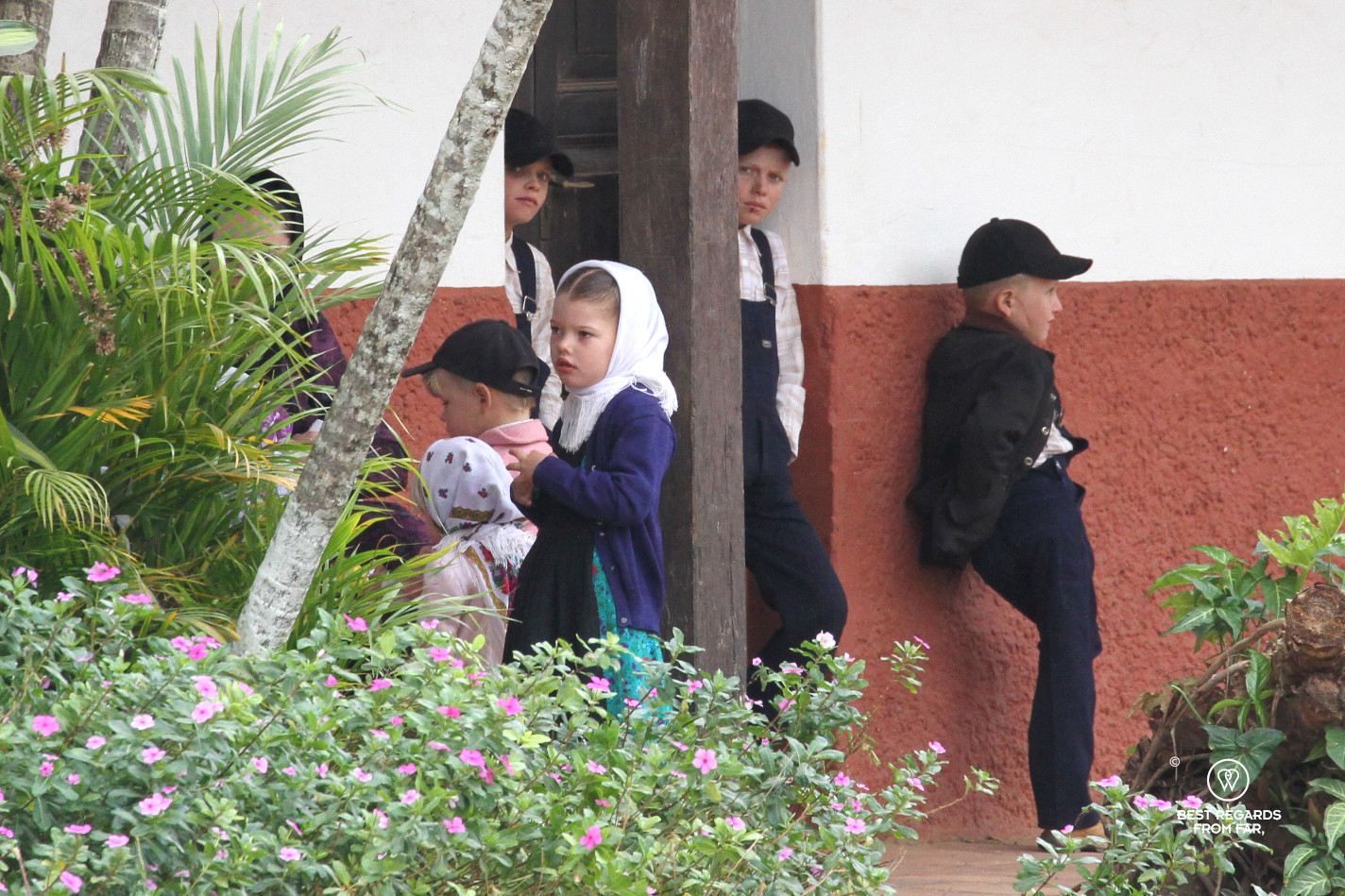
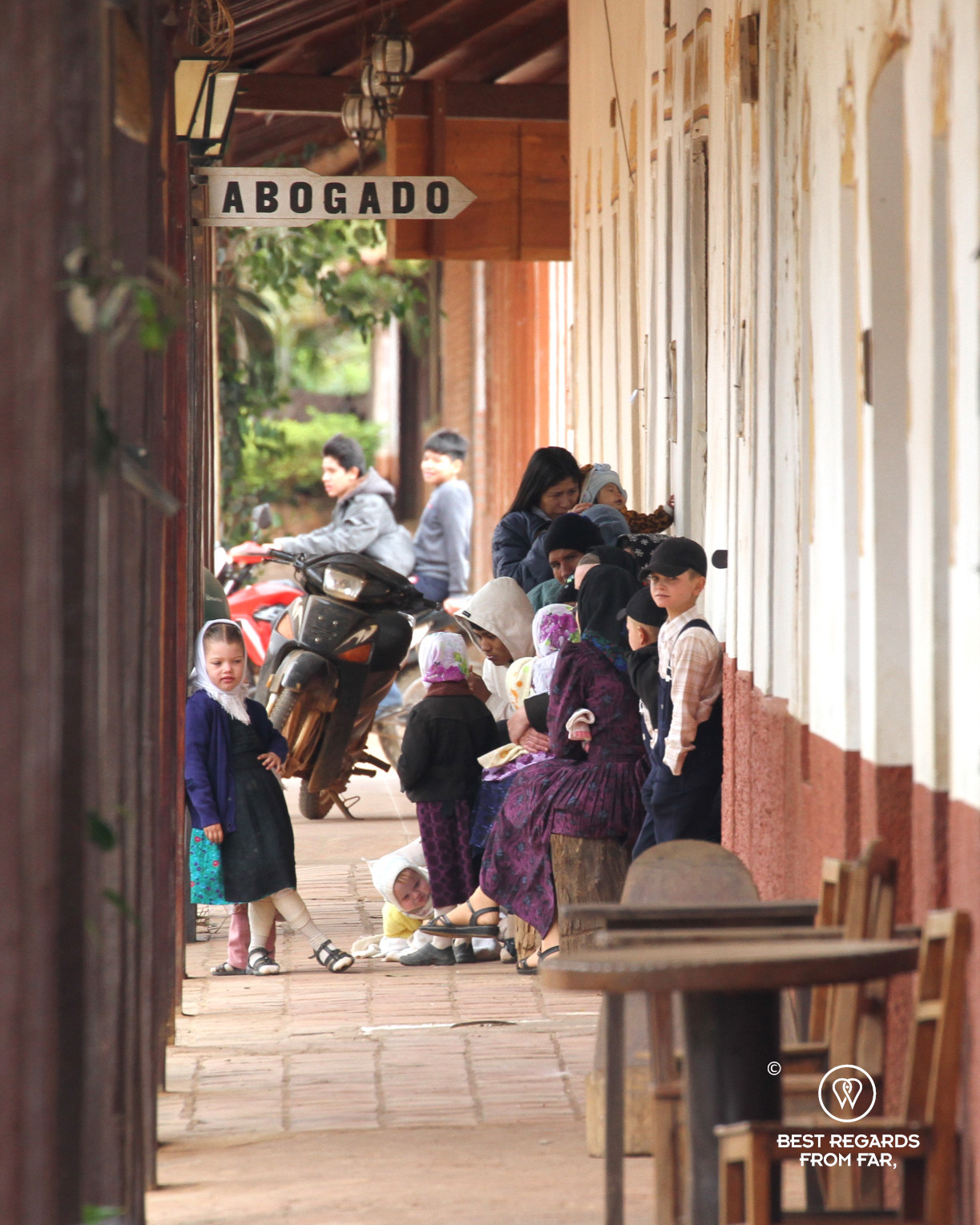
The first approach to the historical center of the second largest city of Bolivia, home to 2.5 million inhabitants, may seem unassuming, yet a certain charm emanates from its many contrasts: high-end restaurants in lovely colonial buildings operate alongside street food stalls, women in traditional outfits run shoulders with locals wearing urban street wear, rough around the edges marketplaces are a few blocks away from posh malls, Mennonites sell their cheese to Bolivian youngsters in sweat pants.
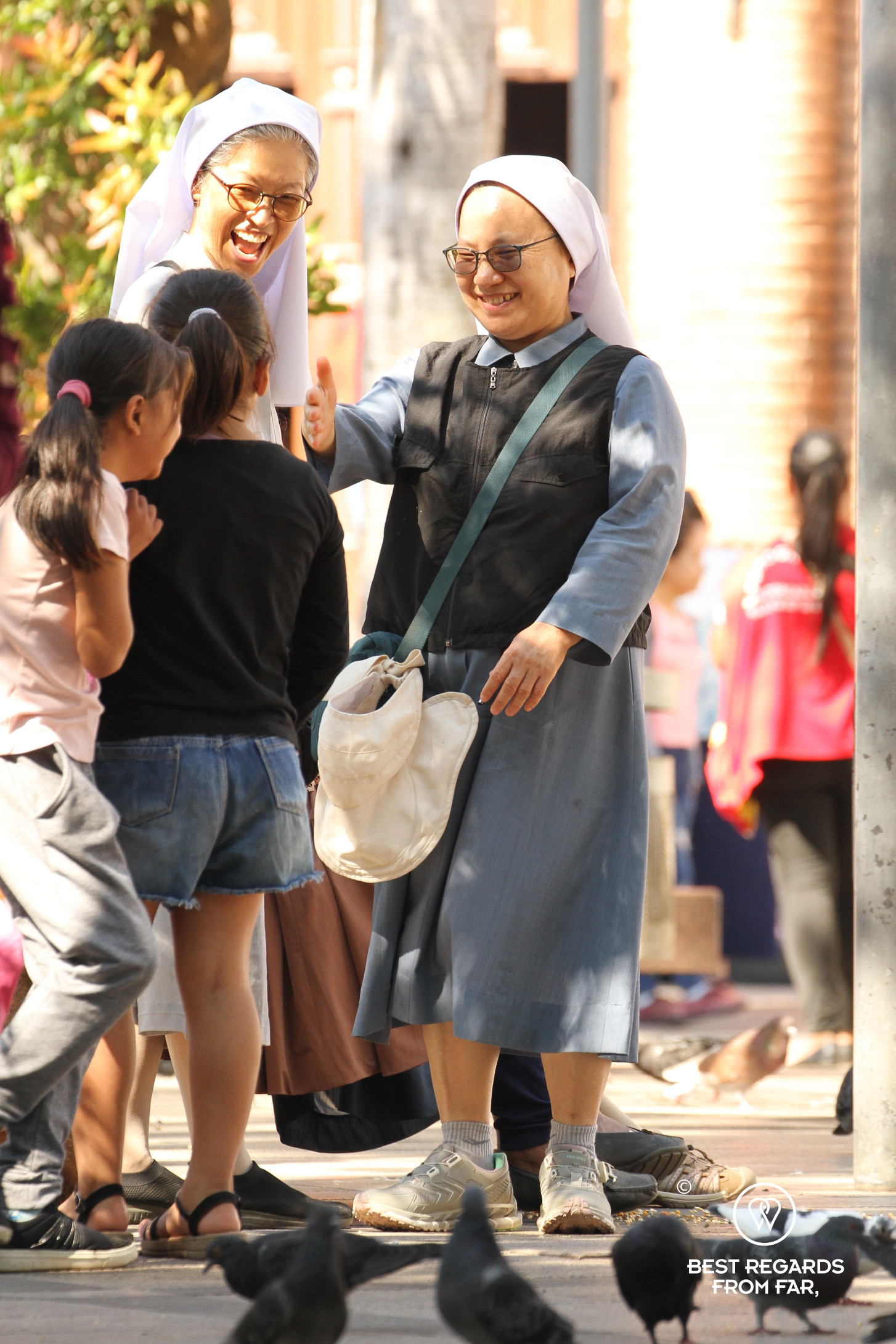
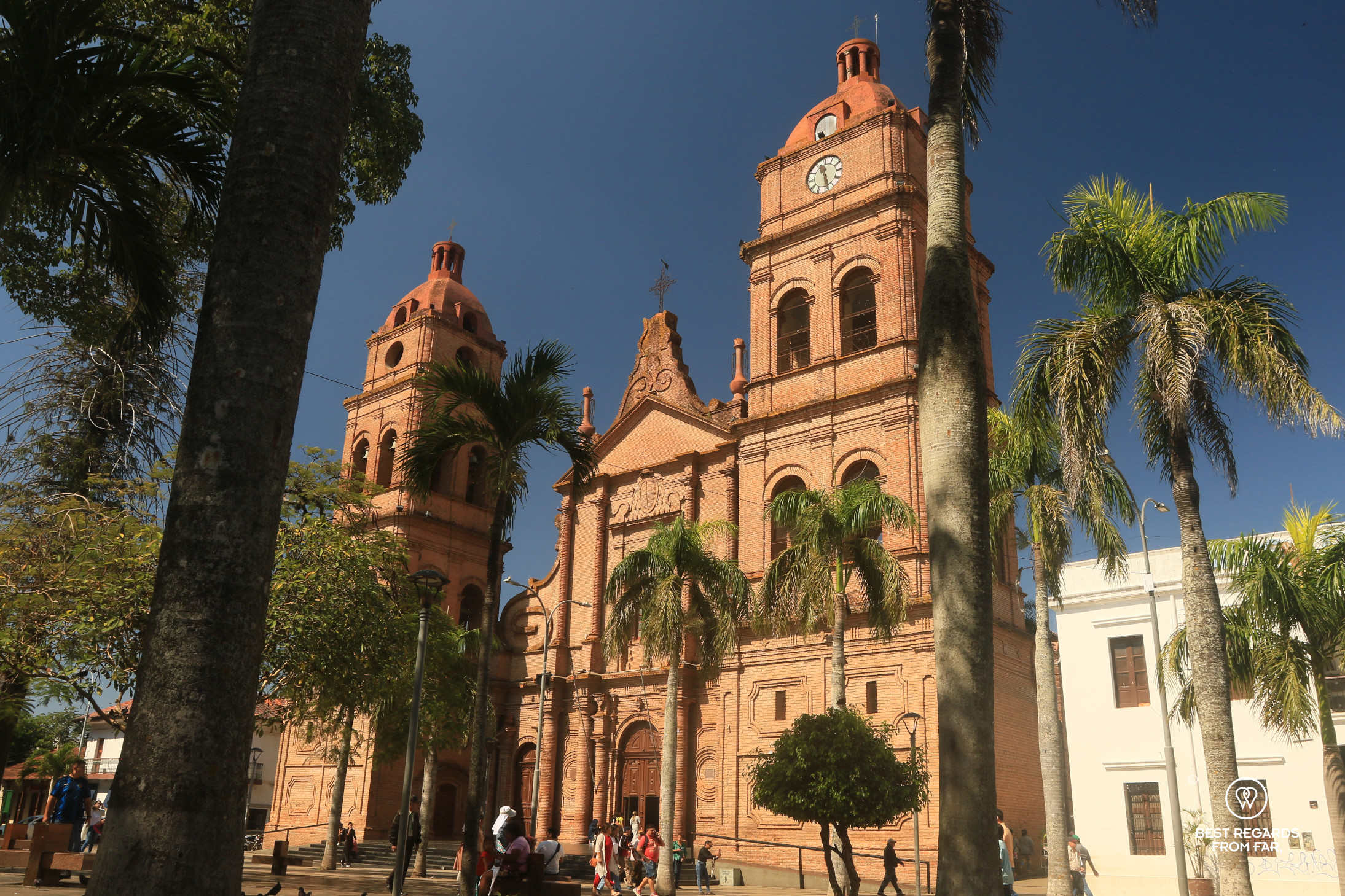
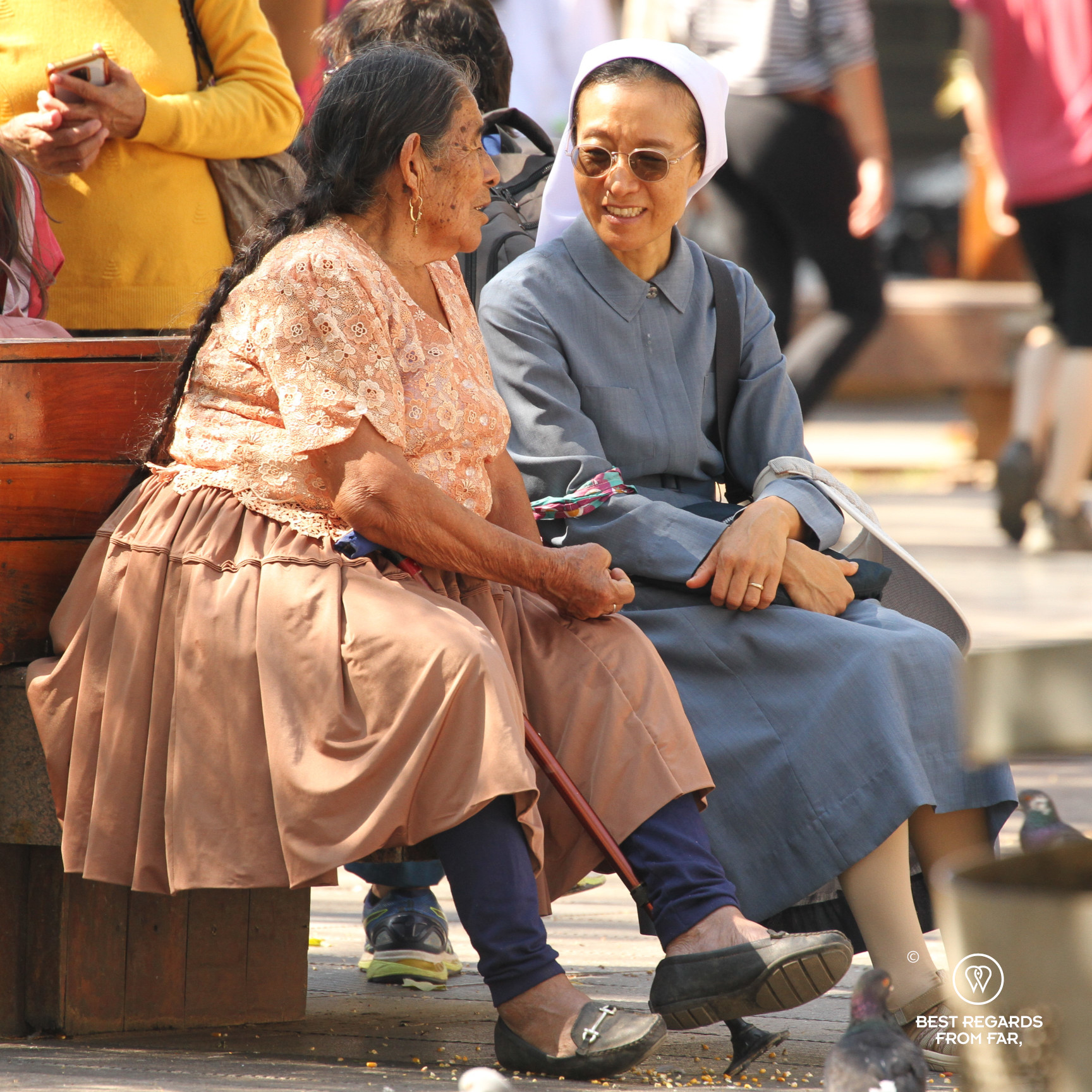
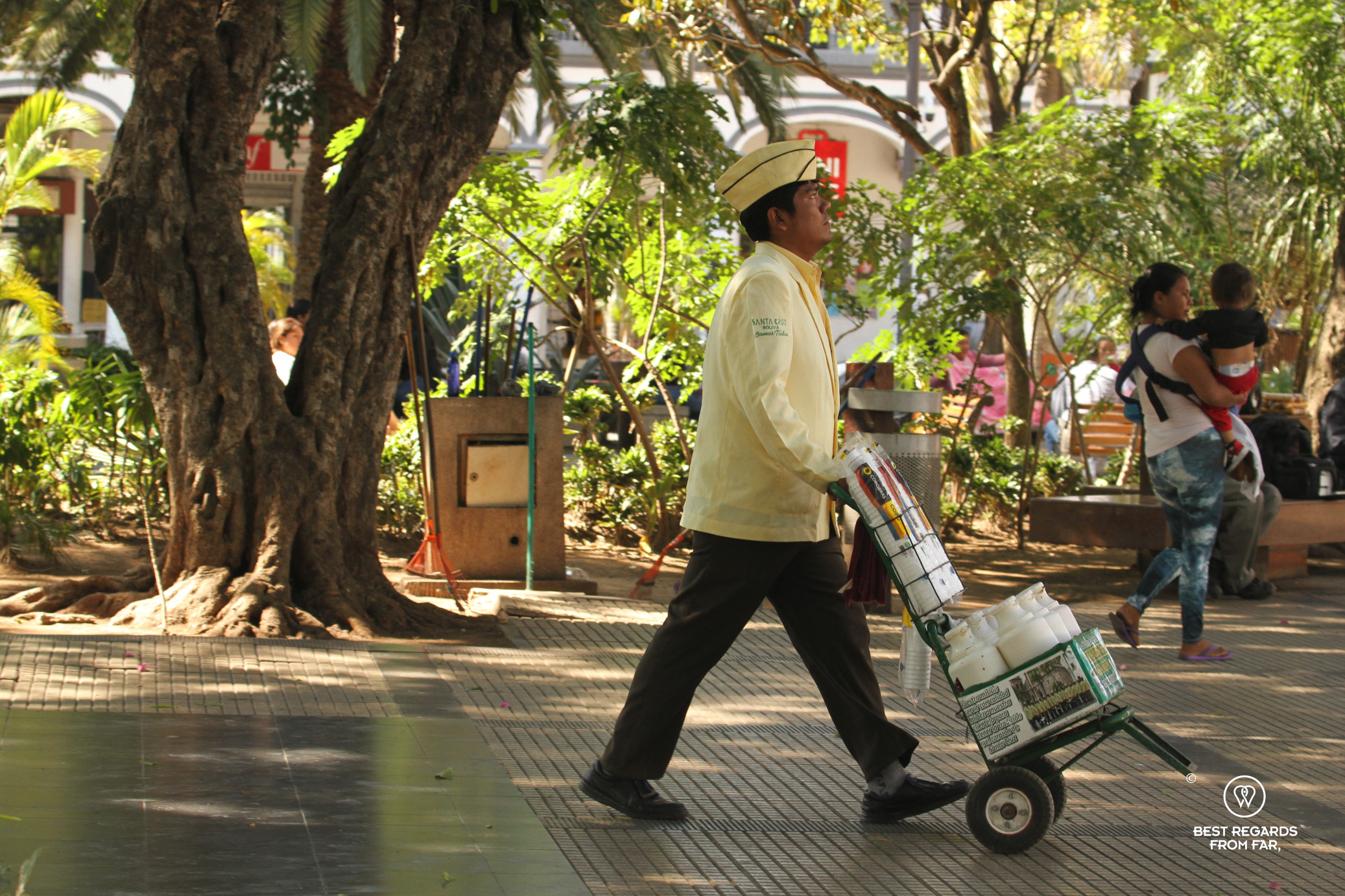
The heart of Santa Cruz is Plaza 24 de Septiembre surrounded by arched colonial buildings and dominated by its imposing brick cathedral. Locals come here to socialize, seated on benches or feeding pigeons, chatting over a coffee or juice served by an ambulant vendor, playing chess, and rich or poor, giving a few coins to the elderlies or disabled in wheelchairs.
3. The Jesuit missions of the Chiquitos
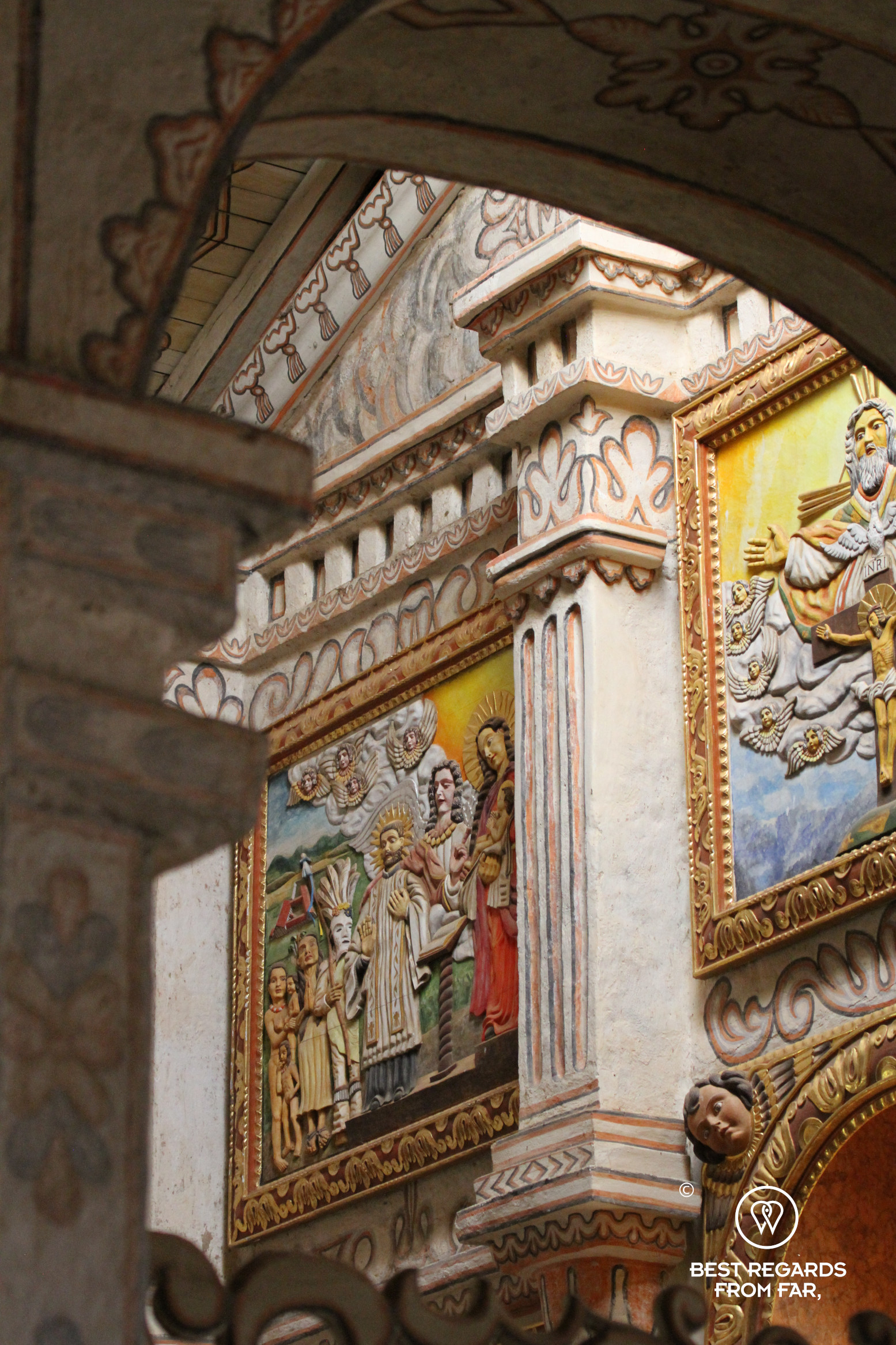
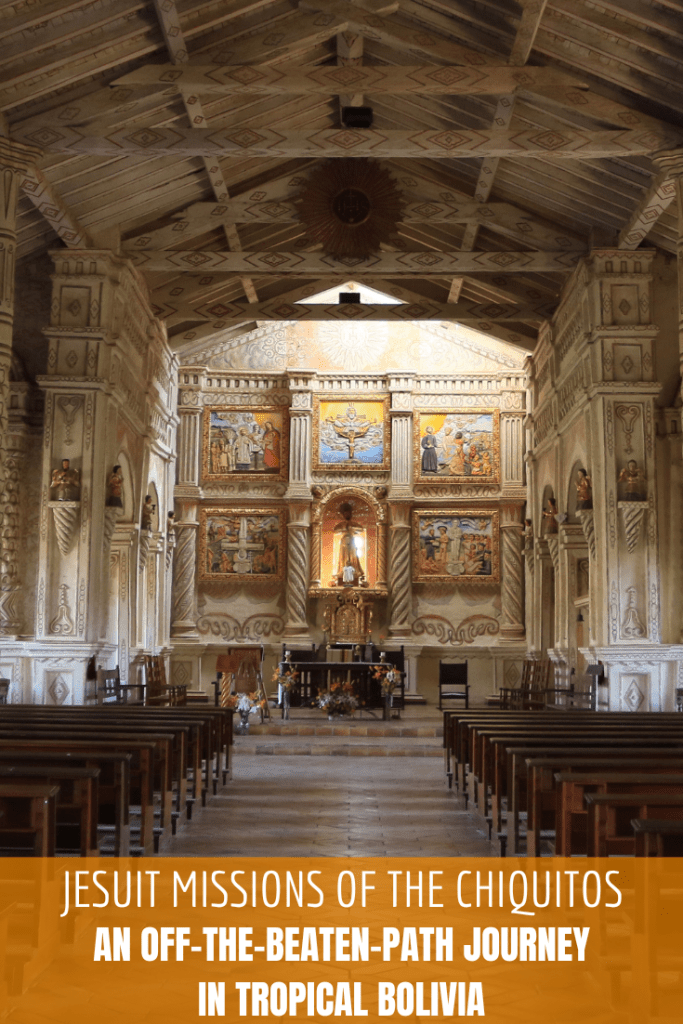
Santa Cruz is the base to admire the Jesuit missions of the Chiquitos from San Xavier and Concepción to San Miguel, San Rafael, and San José de Chiquitos. UNESCO World Heritage Sites, the missions are simply enchanting and the last remaining Jesuit architecture of the continent.
For more on this completely off-the-beaten path circuit that also encompasses beautiful nature of the rare dry tropical forest and warm thermal waters, check out this article.


4. Lomas de Arena
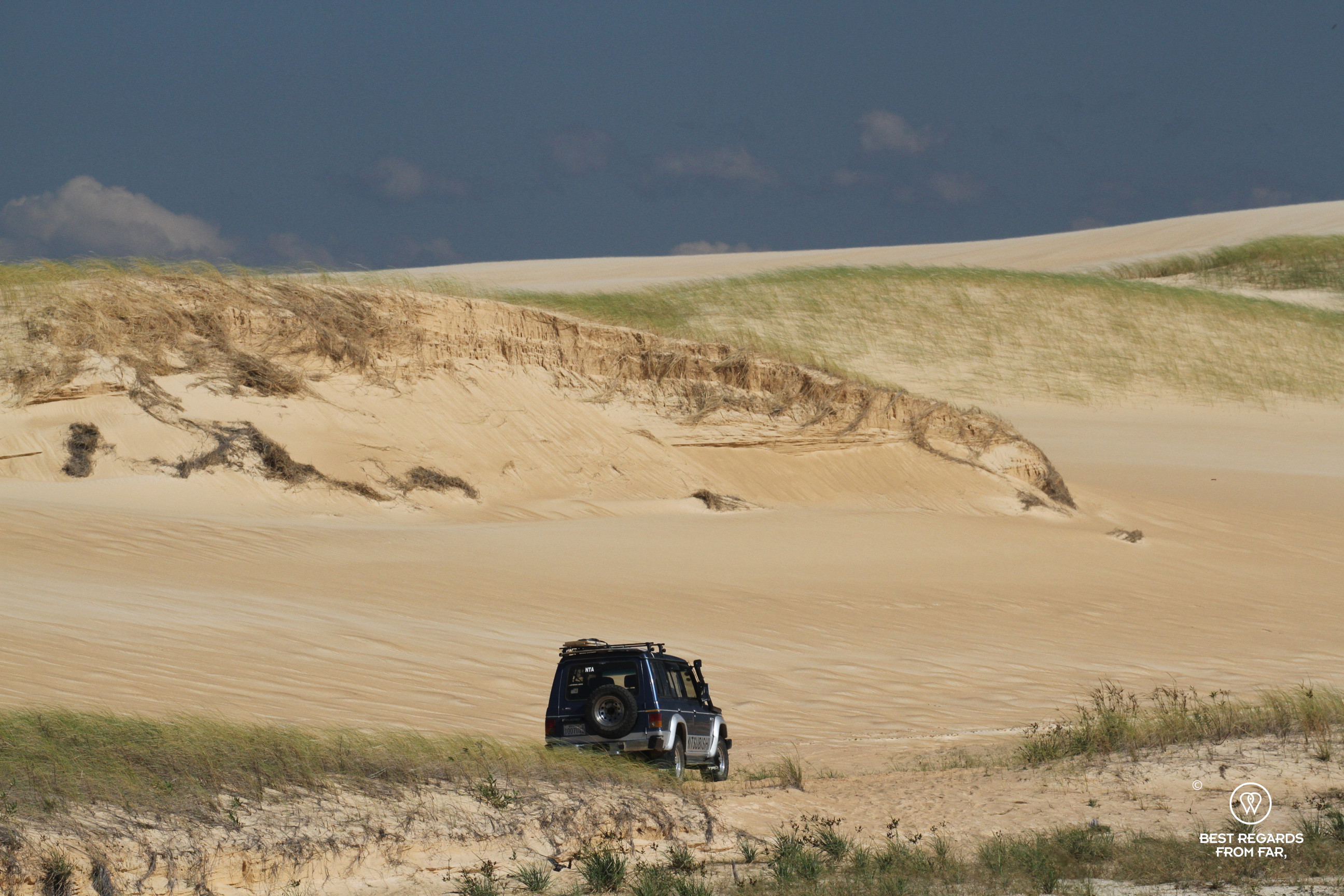
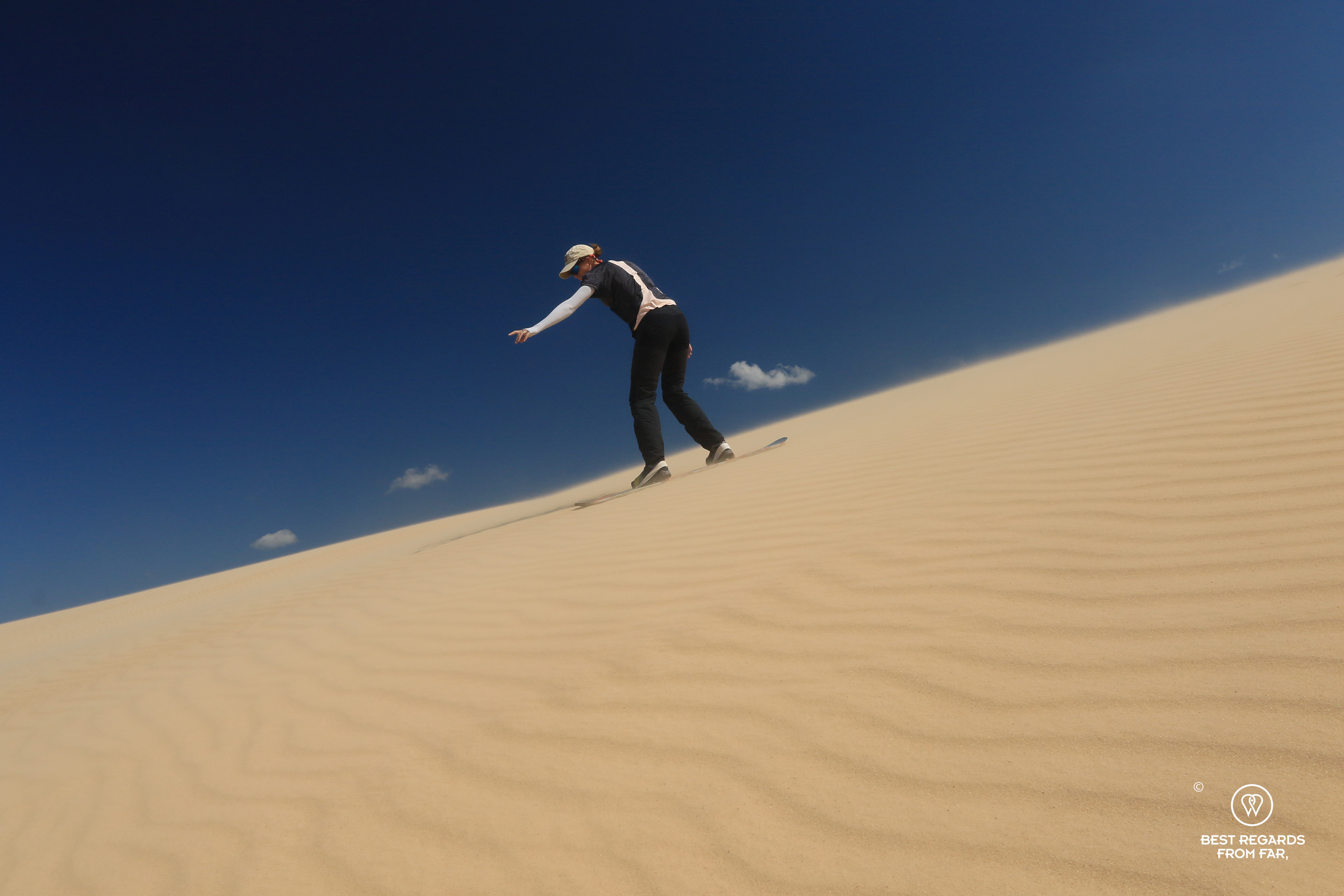
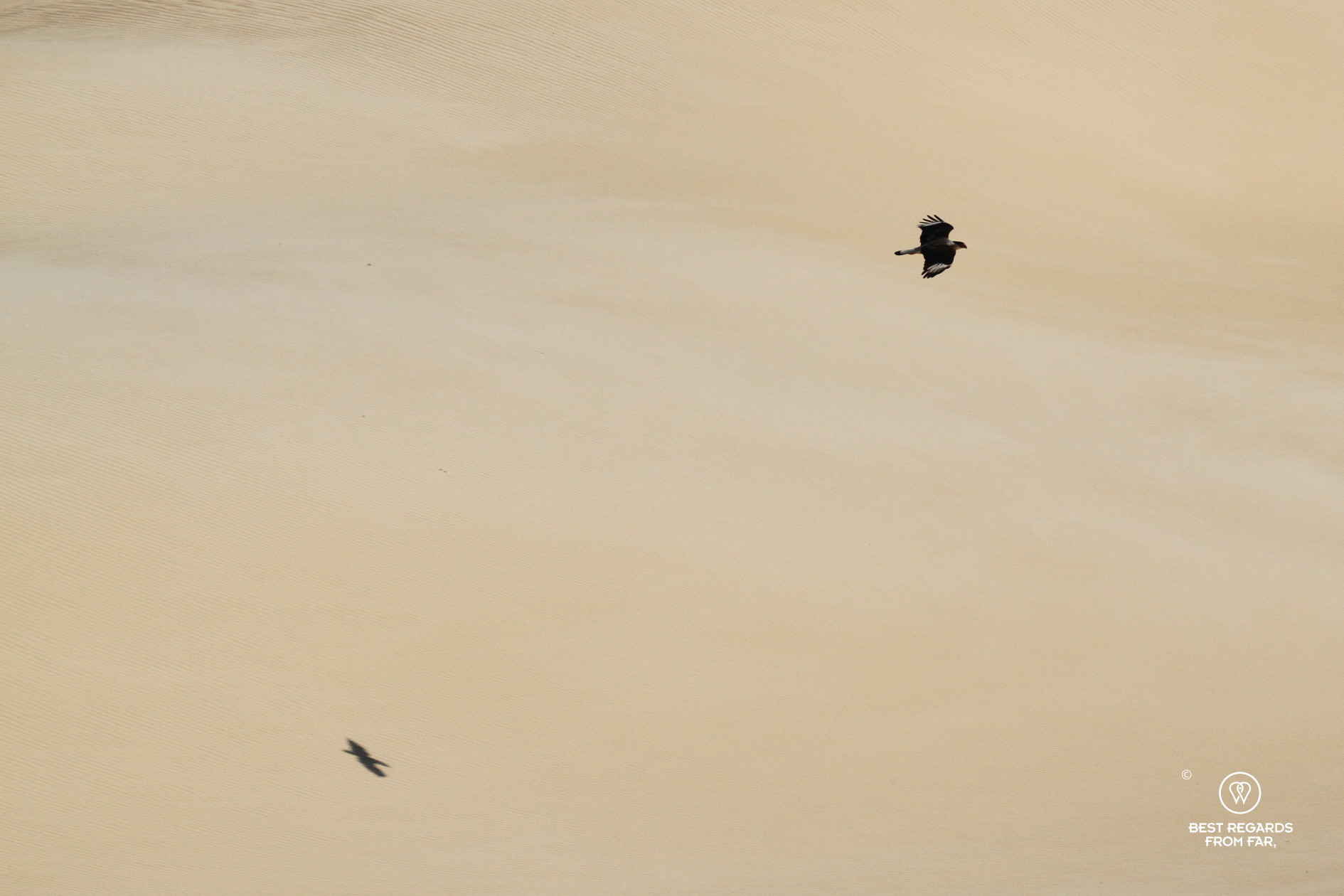
About an hour south of Santa Cruz de la Sierra, a protected park of 3,000 hectares (7,413 acres) of sand dunes offers an unexpected landscape. If birding is one of the top activities, many go there to sand-board.
With the forest surrounding Santa Cruz disappearing fast as the city expands, the wind has been picking up and the dunes are spreading more losing some altitude. It is still good playground, and if you are in luck, as droughts have had an impact, a shallow lagoon will allow you to rid yourself of the sand after some rolls in the dunes.


5. La Rinconada
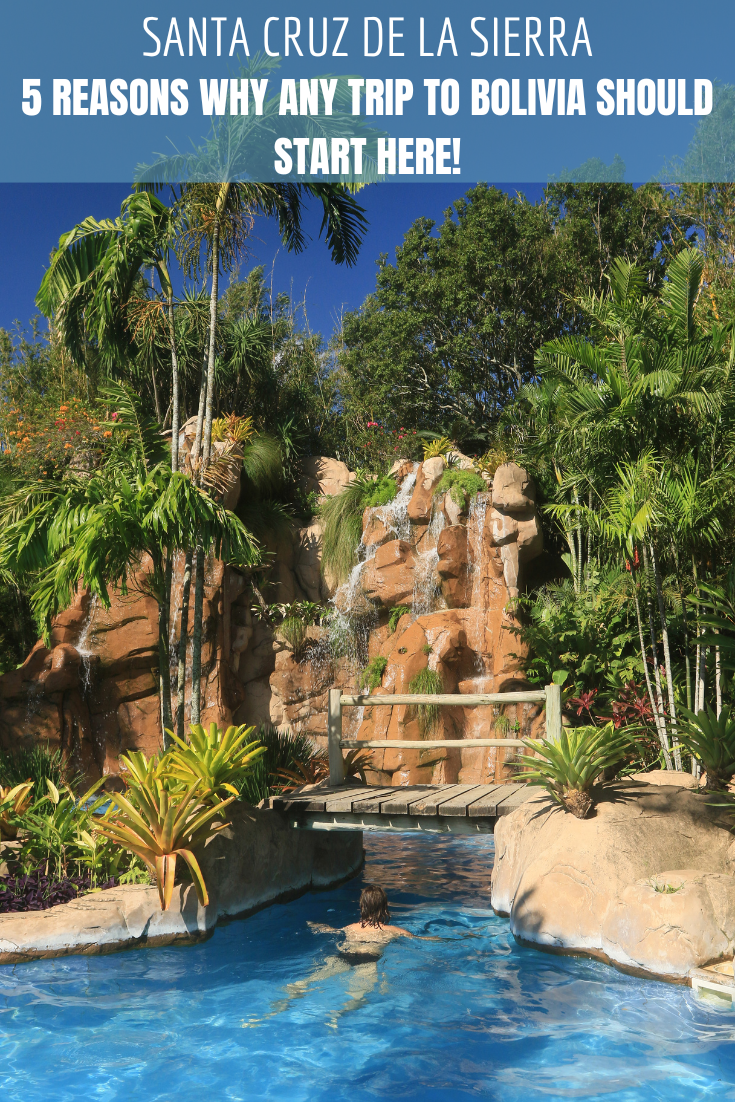
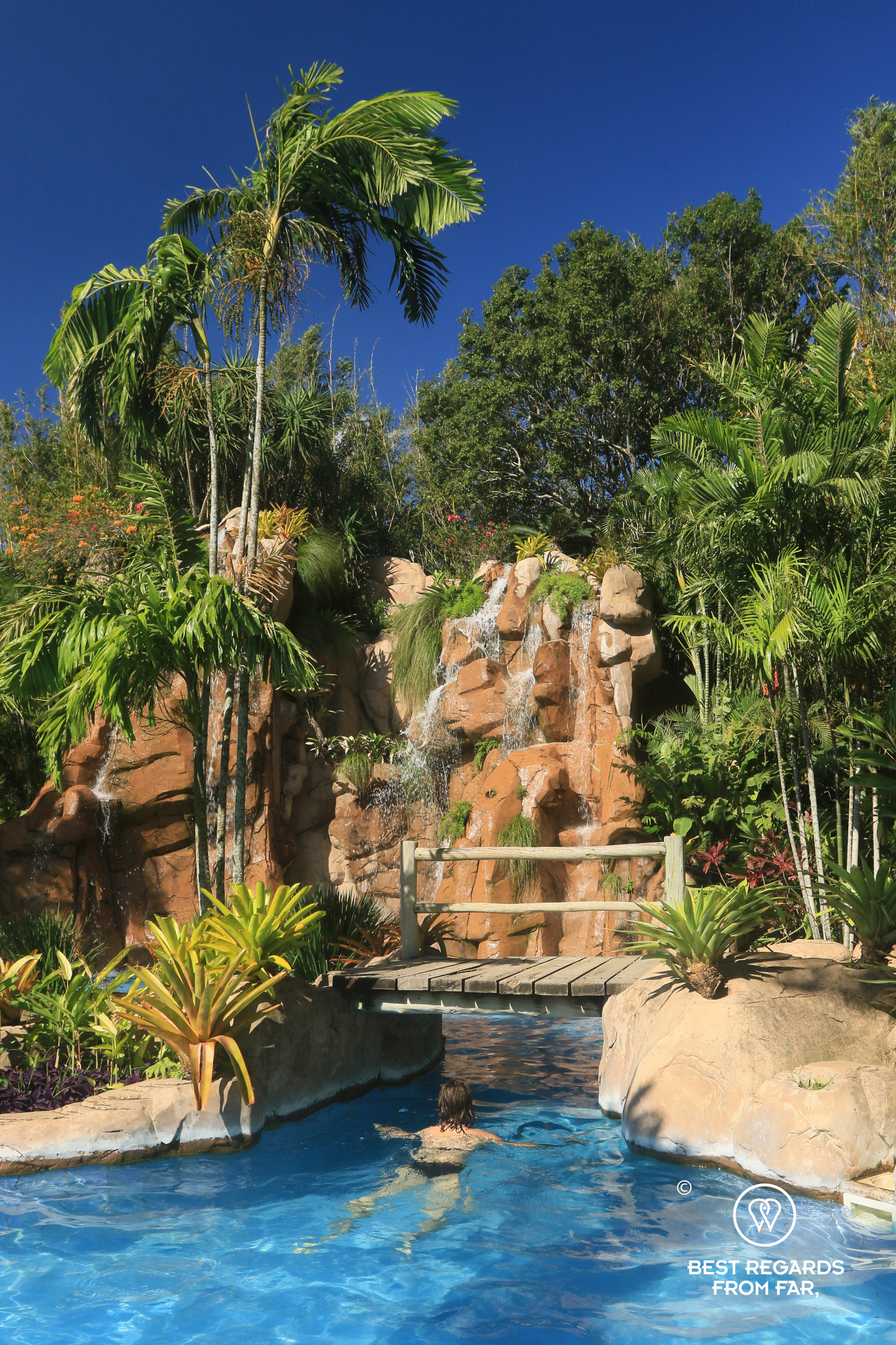
In the residential part of town, the lovely water park of La Rinconada offers a green oasis in the city.
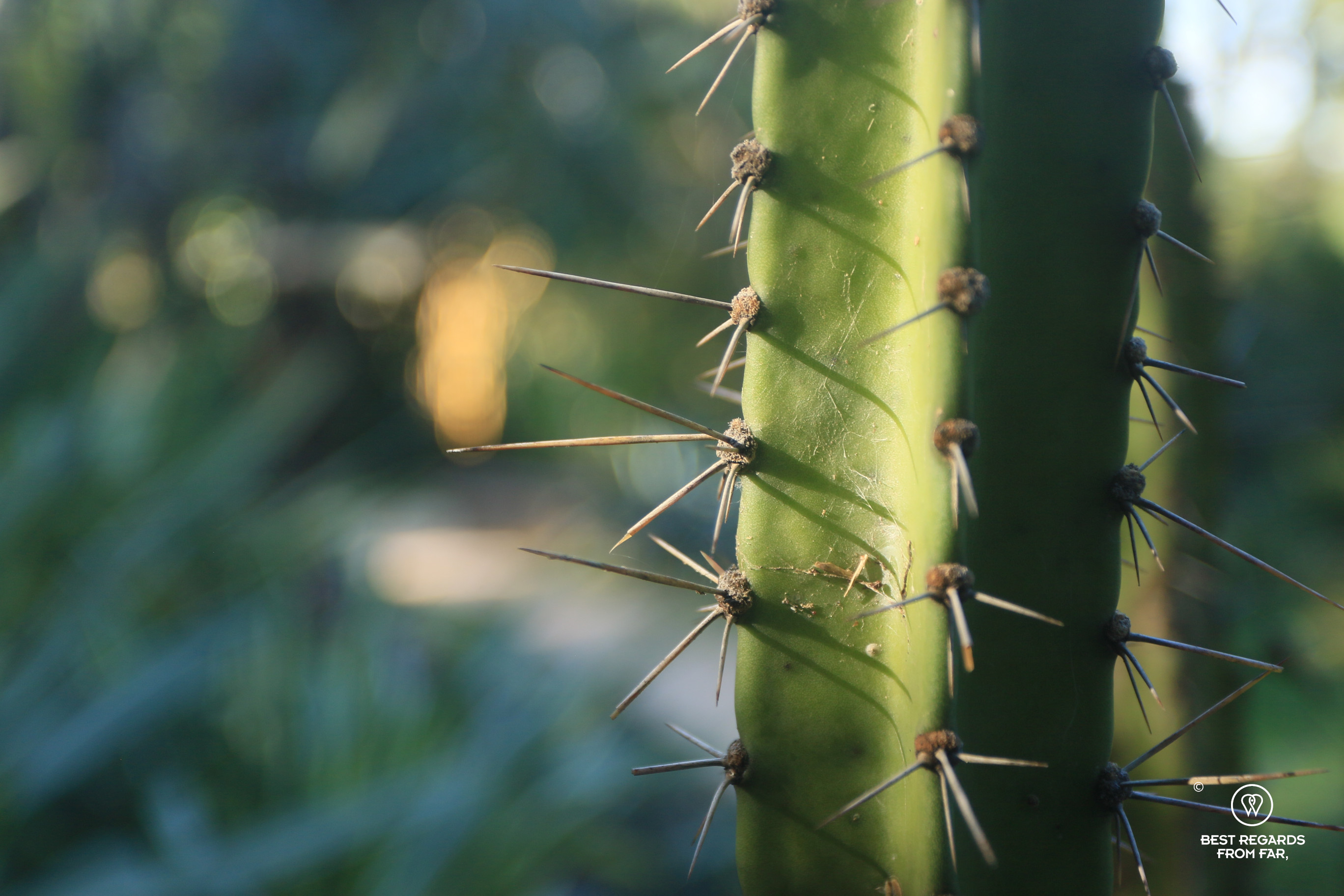
Water from deep springs provides a refreshing break from the tropical heat while different botanical ecosystems have been recreated to showcase rainforest plants, desert plants…
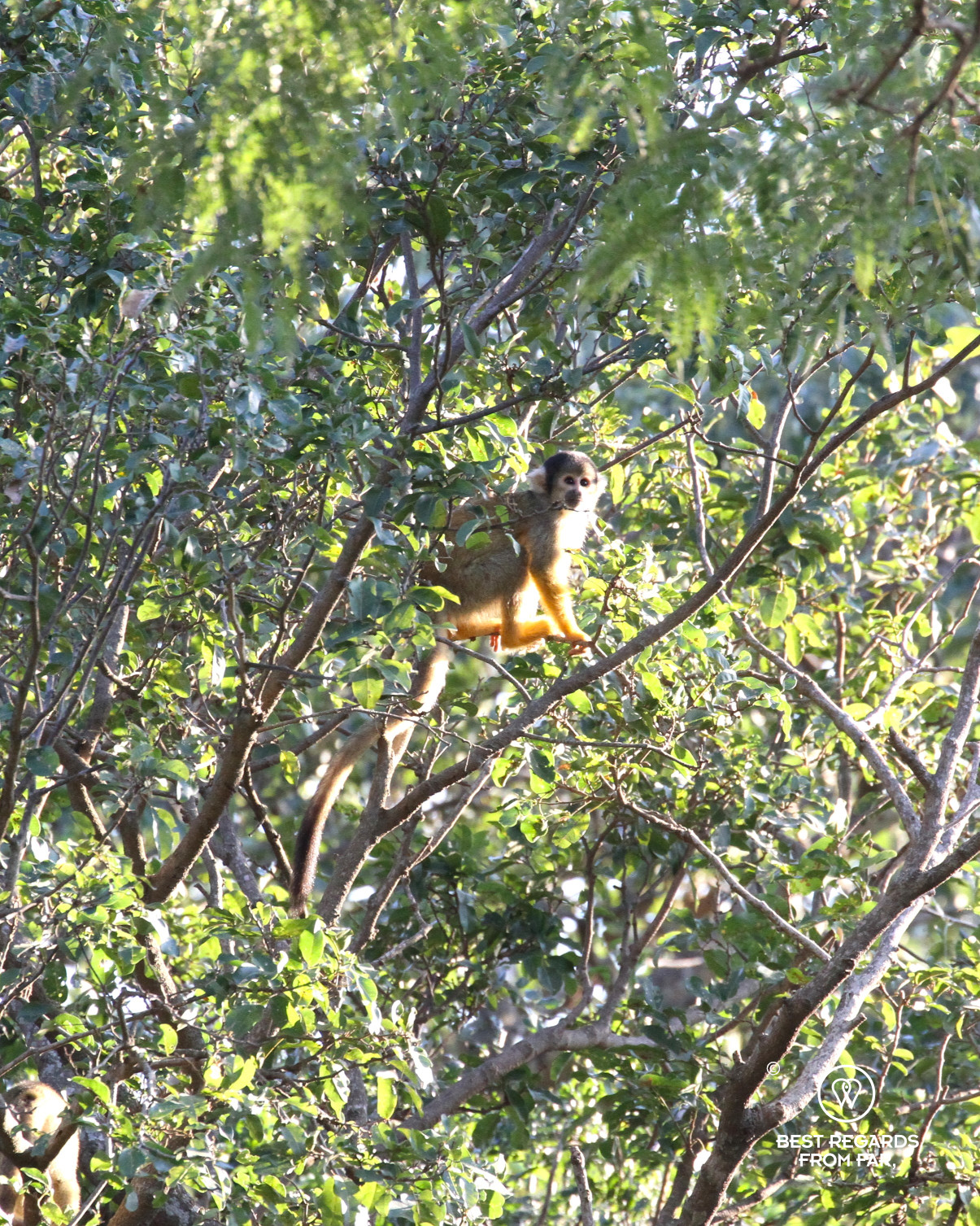
Its key attraction is a Guinness World Record plant, the Victoria Boliviana, an endemic water lily that holds the record for world’s largest aquatic plant and world’s largest water lily leaf with a diameter of 3.2 meters (10 ft)! It can be seen on the surface of the lake that is favored by local birds while capuchin monkeys occupy the canopy of the taller trees that perfect the landscaping and bipeds enjoy the restaurant overlooking the water with local specialties like delicious warm and crusty cheese empanadas, or a queperí sandwich, a delicious slow-roasted brisket rubbed in local herbs typical from eastern Bolivia.


* The Mennonites emanate from the Anabaptist Christians dating back to Martin Luther’s reformation, who believe in believer’s conscious baptism (over the baptism of infants) with their roots in the Dutch province of Friesland and the teachings of Menno Simons (1496-1561). Believers of the early Christian teachings and pacifism, the Mennonites in Bolivia are among the most traditional and conservative of all with Russian and Dutch roots, and are an easily recognizable and fast growing community counting about 150,000 people in Bolivia mostly around Santa Cruz.
Travel tips:
- Misional Tours offers sand-boarding outings from Santa Cruz.
- This article is now featured on https://www.gpsmycity.com. To download this article for offline reading or travel directions to the attractions highlighted in this article, go to Walking Tours and Articles in (Santa Cruz de la Sierra) on GPSmyCity.
- Check out our interactive map for more in the area (black pins lead to an article):
For more in Bolivia, click on the images below:




 Best regards from far,