Text & Photographs: Marcella van Alphen & Claire Lessiau
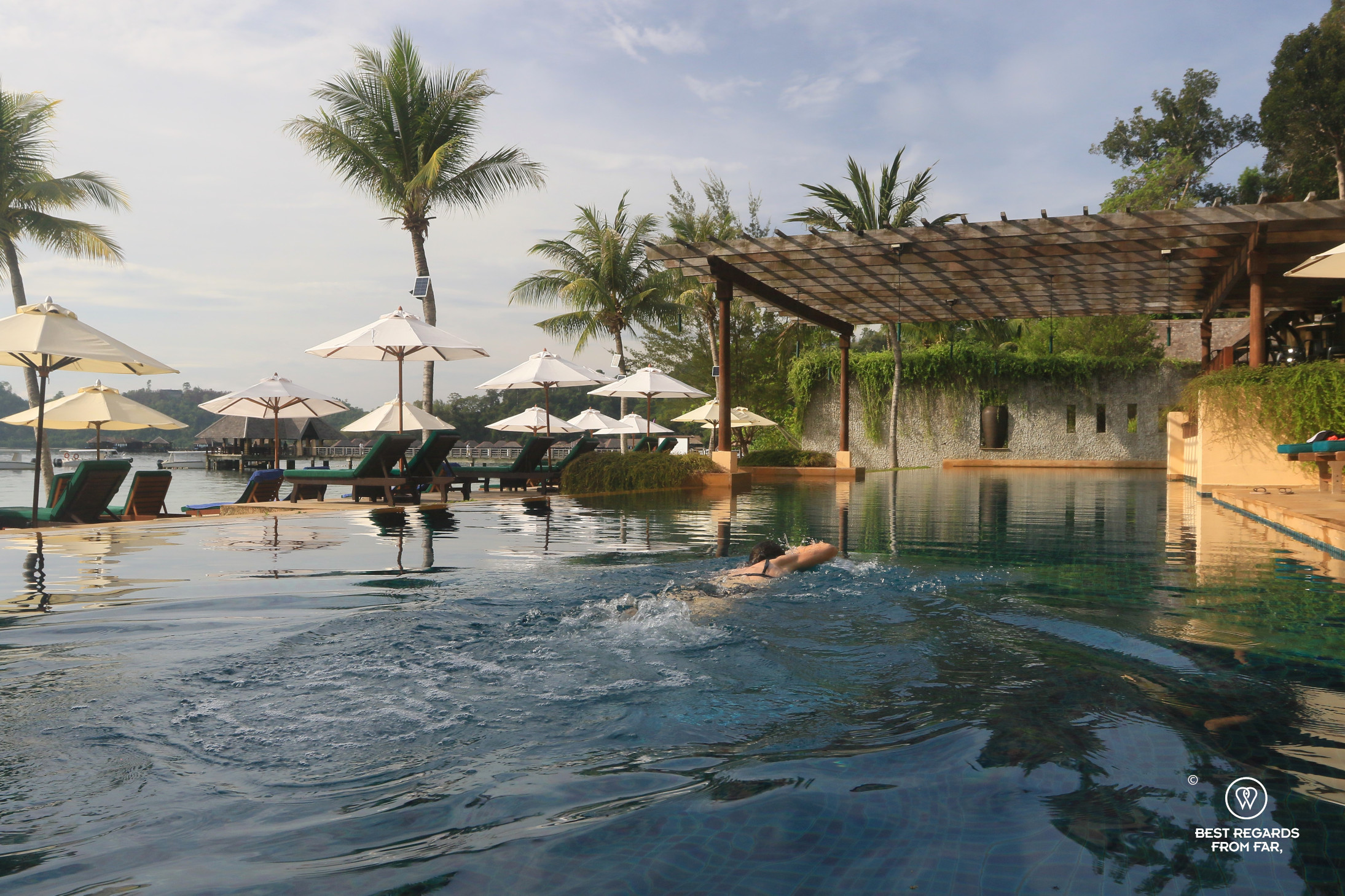
Malaysian Borneo reputed for its lush rainforests and white sandy beaches hosts a compact gem that possesses both a mere 10-minute boat ride across from the easily-reached capital of Sabah, Kota Kinabalu.
Like it, pin it!
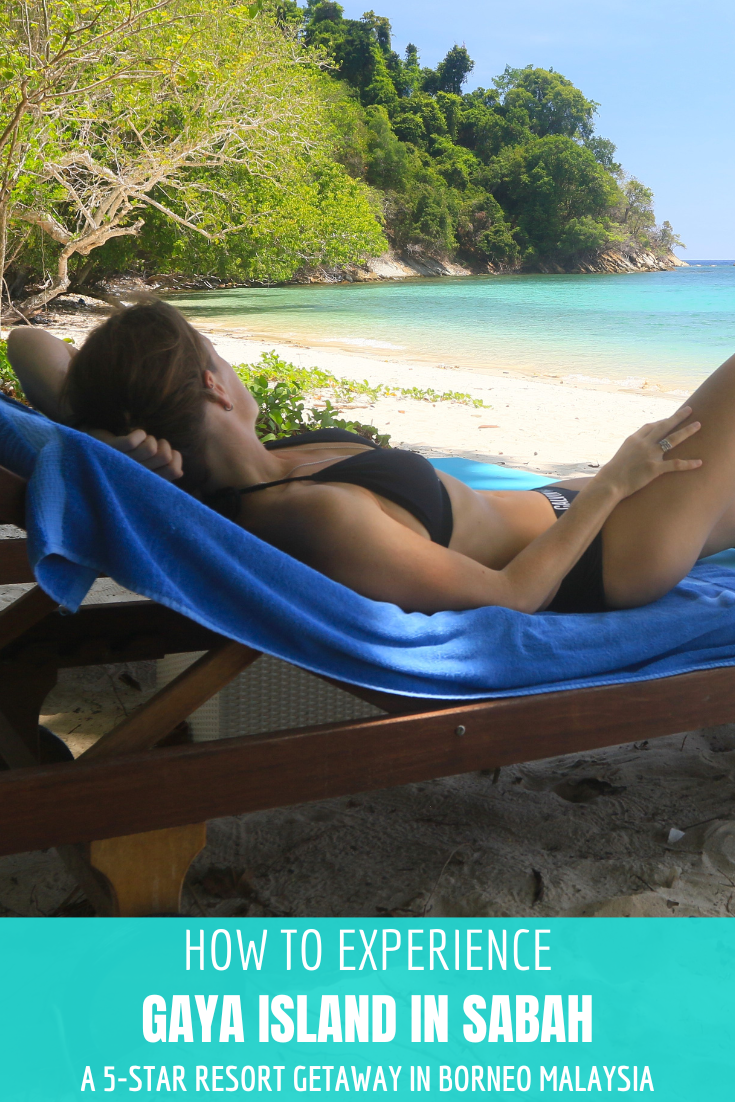
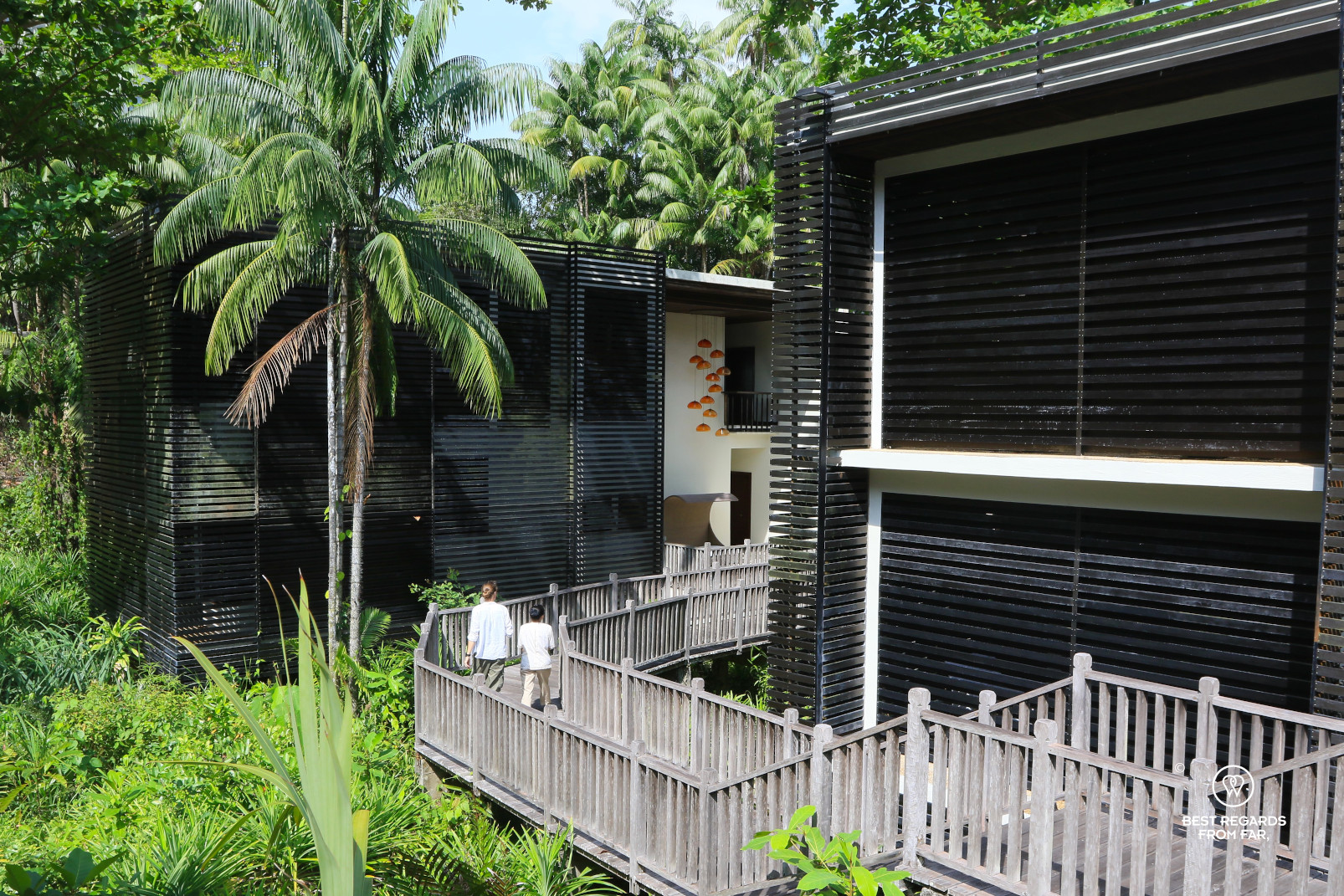
A lush primary rainforest inhabited by the endemic proboscis monkeys amongst other emblematic species and the turquoise waters of Malaysia’s first protected marine park (the Tunku Abdul Rahman Marine Park) teeming with life set the picture-perfect stage for the luxurious 5-star Gaya Island Resort. Apart from offering a truly pampering experience, the high-end eco-resort runs conservation programs that play a critical role in preserving the precious ecosystems of the island and aims at having its guests discover its various biomes.

1. Greet endangered turtles at the Turtle Rescue Centre
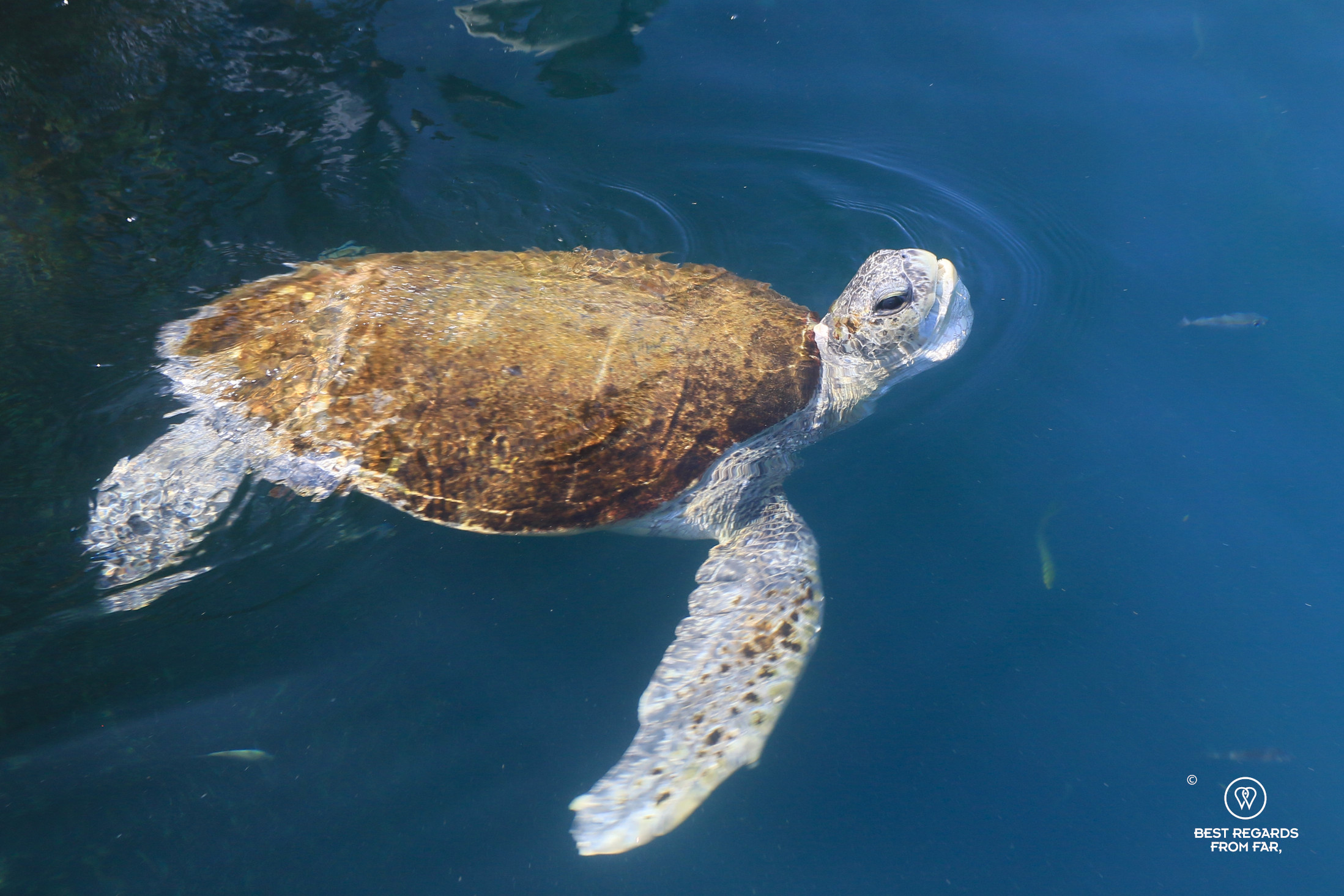
Given the many threats faced by turtles these days from plastics to fish bombing, or from fishing nets to boat propellers, the Turtle Rescue Centre of the Gaya Island Resort constantly welcomes patients.
At the time of writing, 28 turtles have been rescued at the rehab centre: a drop in the ocean according to marine biologist Scott Mayback who leads the marine conservation team of the Gaya Island Resort. Yet the endangered prehistoric reptiles can use all the possible help they can get.
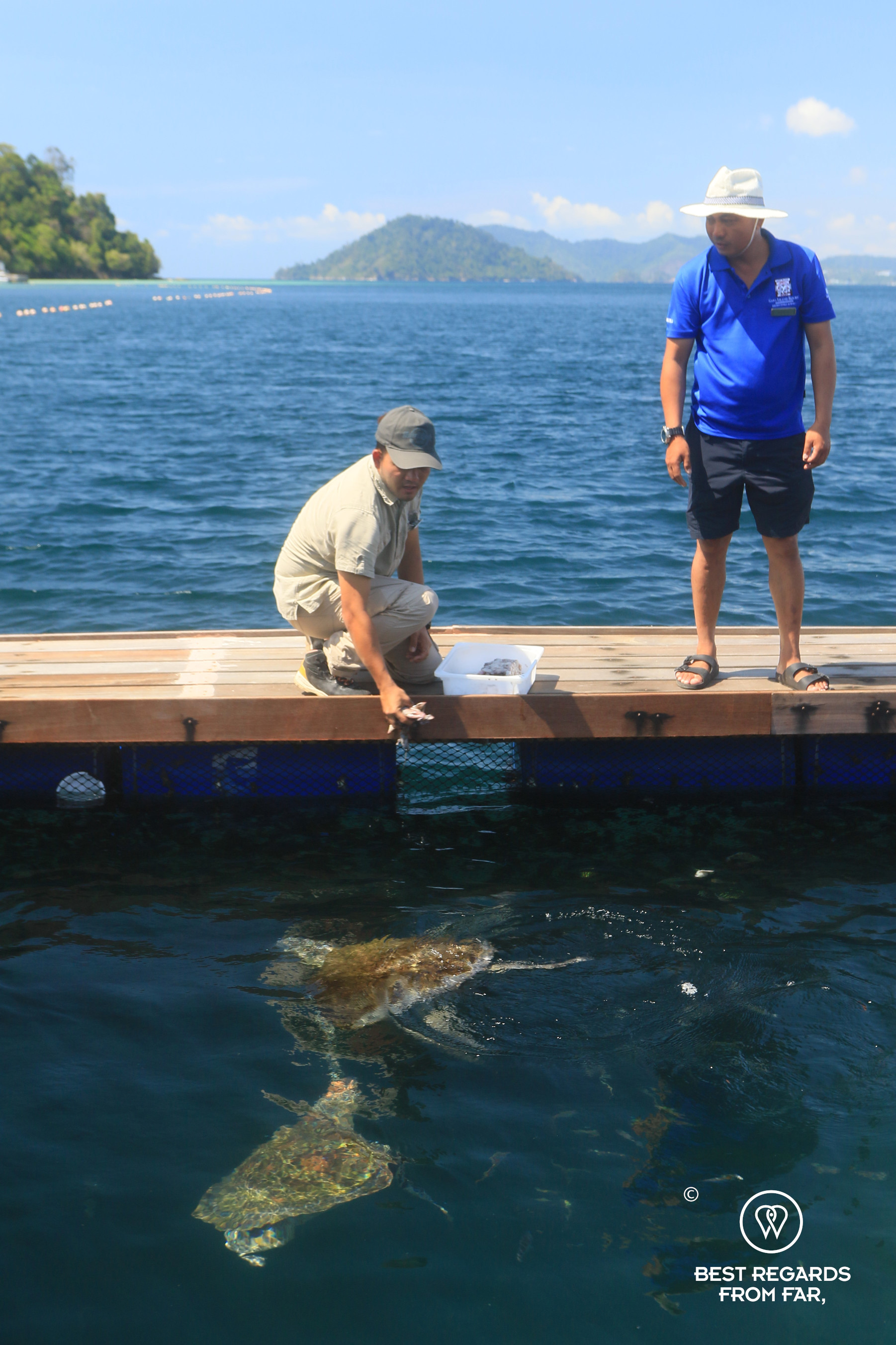
Both current patients are green turtles that were hit by boat propellers: Covid has been cared for by the resident marine biologists for a bit over 4 years, while Barbara for almost a year.
The herbivorous green turtles, owing their name to their vegetarian diet of algae and aquatic plants that give a greenish tint to their fat, come to the surface of the 7-meter-deep (22 feet) sea cage just off the shore of Gaya Island observed by guests attending the feeding session. On the last stage of their rehab, they are fed daily and their health and buoyancy are monitored. As soon as the GPS trackers will be funded and installed, Barbara and Covid will be released.
Scott and his team are also working on the environment in which the turtles will be released, from planting mangrove to soft and hard corals, as showcased in the marine centre of Tavajun Bay that is an interesting visit.
2. Snorkel with turtles, black-tip sharks, clownfish & more
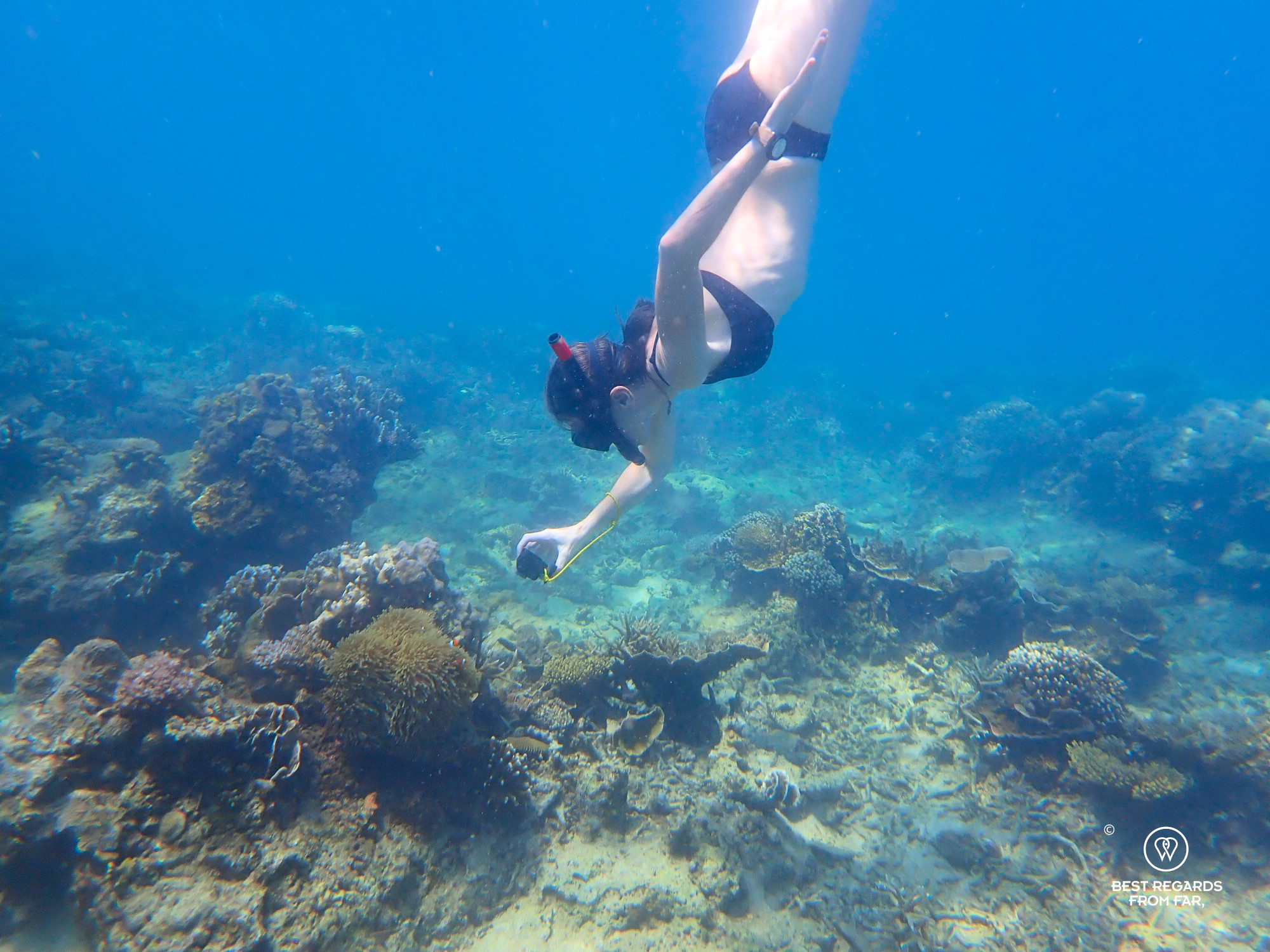
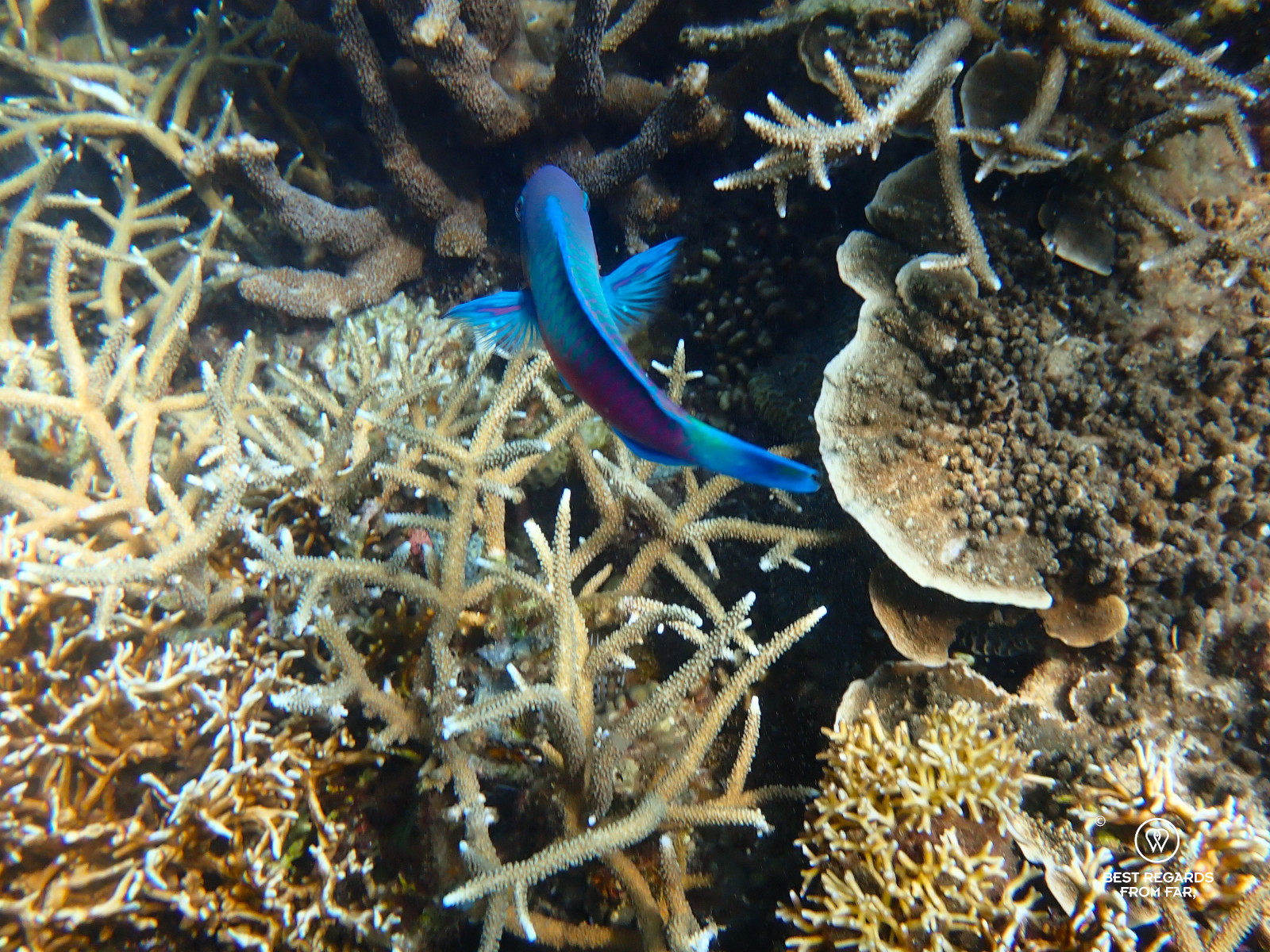
Under the turquoise waters of the Tunku Abdul Rahman Marine Park, countless colourful fish species take shelter amongst a wide variety of soft and hard corals.
Snorkelling opportunities are many, either guided or not, and whether right in front of the resort, at the secluded white-sand beach of Tavajun Bay, or at the Coral Garden off Mamutik Island, a short boat ride away passing by the informal village on stilts of the 16,000 Bajalo people, or sea gypsies, some of which are employed at the resort.
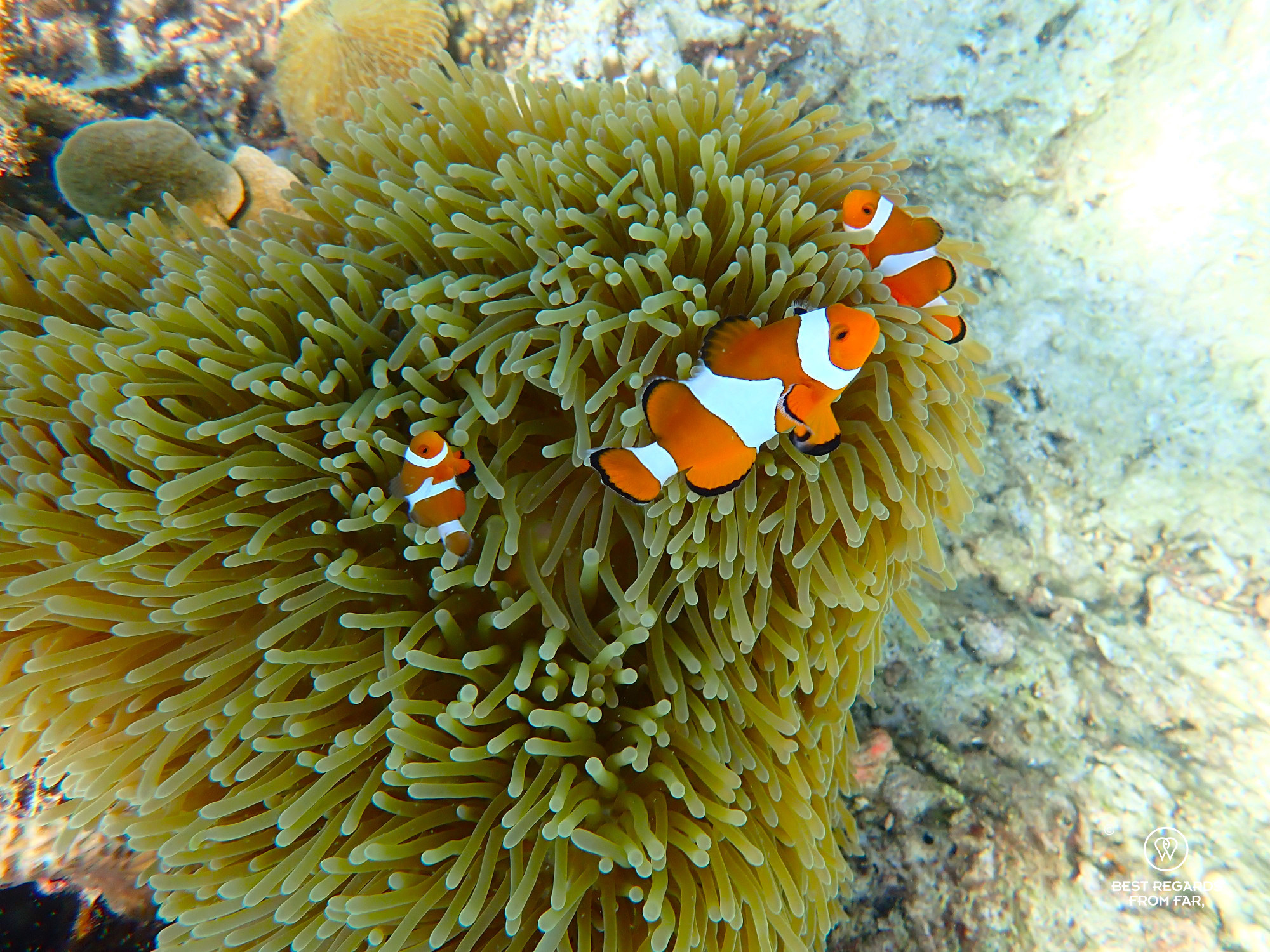
Following parrot fish, seeing the silhouette of a black-tip reef shark in the distance, a glimpse of a turtle, or simply witnessing how clownfish and sea anemones live their symbiotic life together as the orange fish is immune to the poisonous sting of the anemone and hides from predators within its tentacles, cleaning its host in return are all memorable underwater wonders to observe.
3. Encounter animals of the rainforest at the Wildlife Conservation Centre
Sabah’s Tunku Abdul Rahman Marine Park does not limit itself to the underwater world and acres of untouched tropical rainforest are also encompassed in the park that is just short of 5,000 hectares (12,000 acres).
The biodiversity in this primary forest is extremely rich, and critically endangered species such as pangolins and proboscis monkeys call it home. About a hundred individuals of the latter primate live on Gaya Island and are being closely monitored by the conservation team of the resort.
Endemic to Borneo, it is one of the island’s most emblematic species, easily recognizable by the prominent nose of the males. Its aquatic adaptations, red fur, large size and unusual diet of unripe fruits make it a very unique monkey.
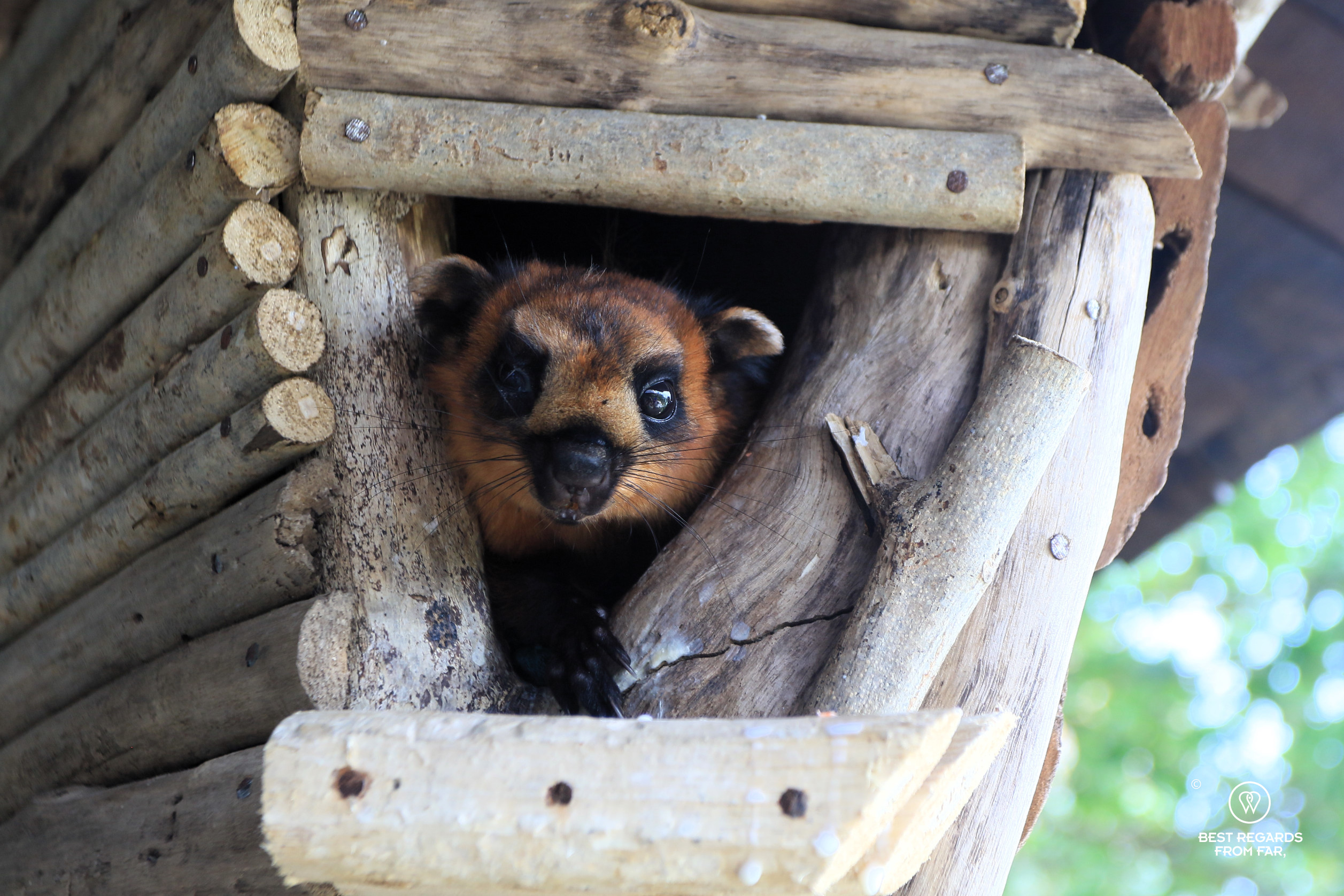
Visiting the wildlife conservation centre gives guests an opportunity to learn more about the dangers faced by the fauna and sometimes, observe it from up close. Injured individuals are cared for and species such as pythons, red giant flying squirrels and pangolins have been successfully released after well-carried out rehabilitation programs.
4. Walk the rainforest with a nature guide searching for wildlife
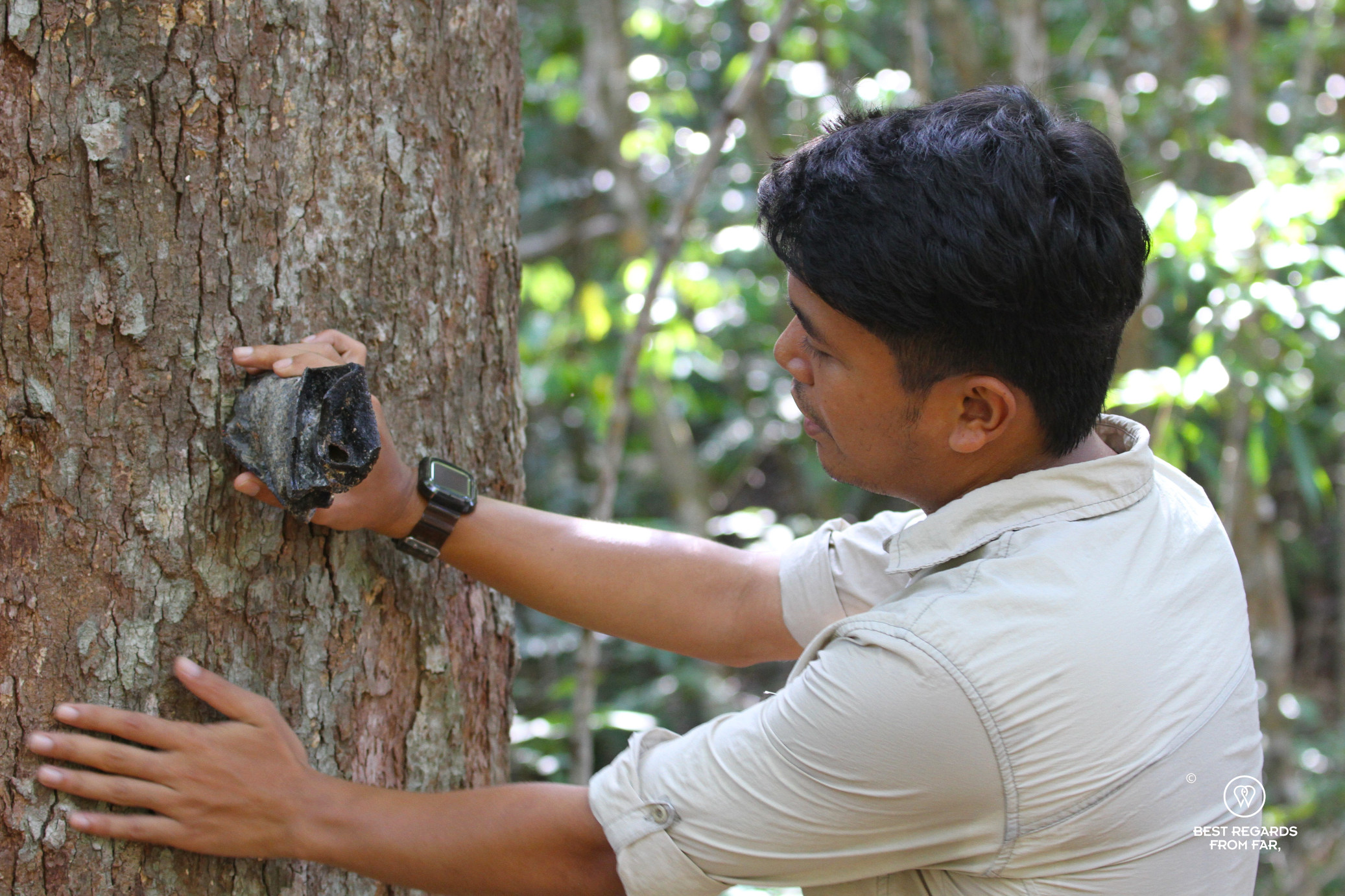
Protected since 1923, the jungle of Gaya Island is a rare primary coastal dipterocarp forest (i.e. most trees spread their seeds by wind).
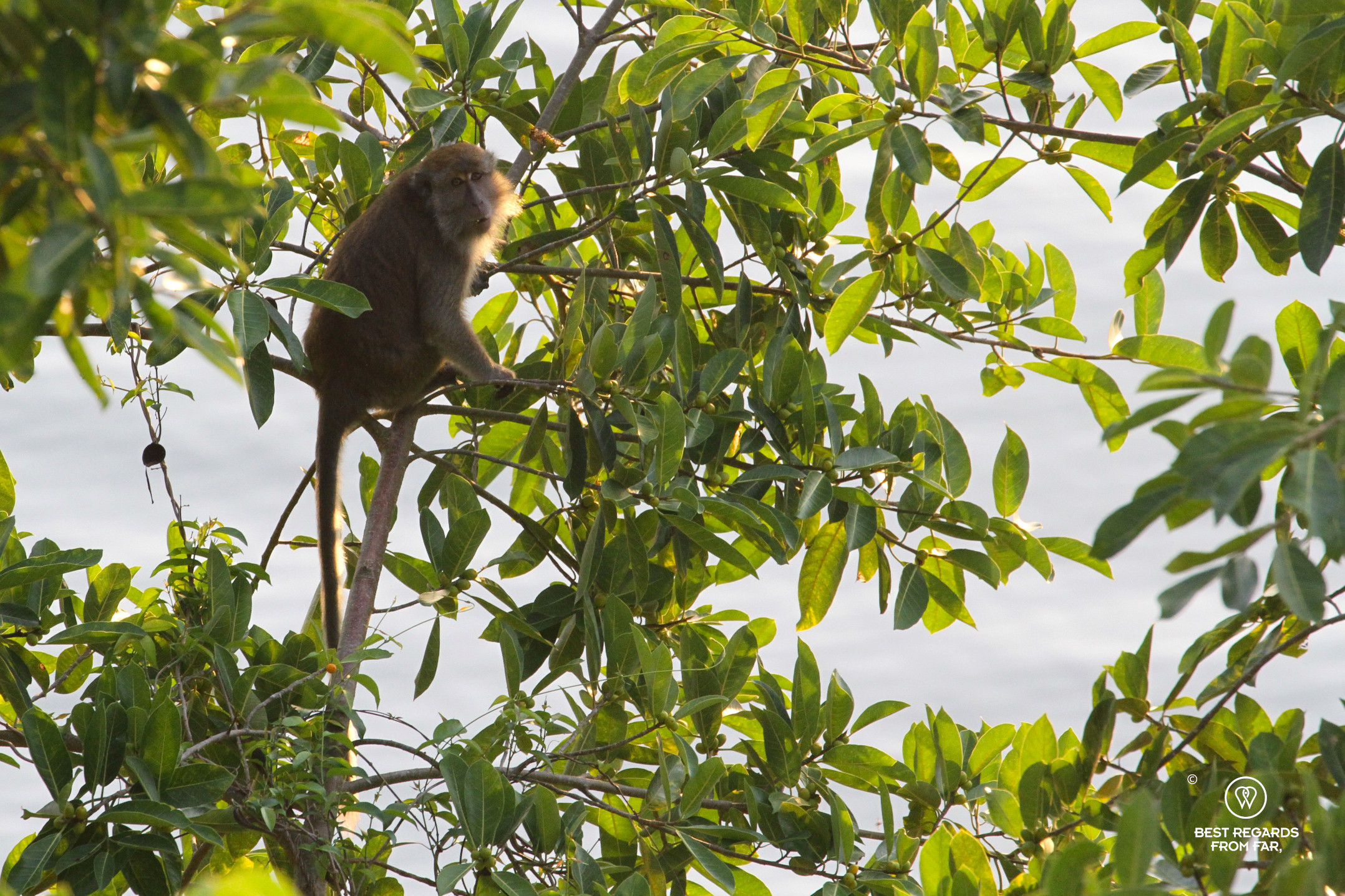
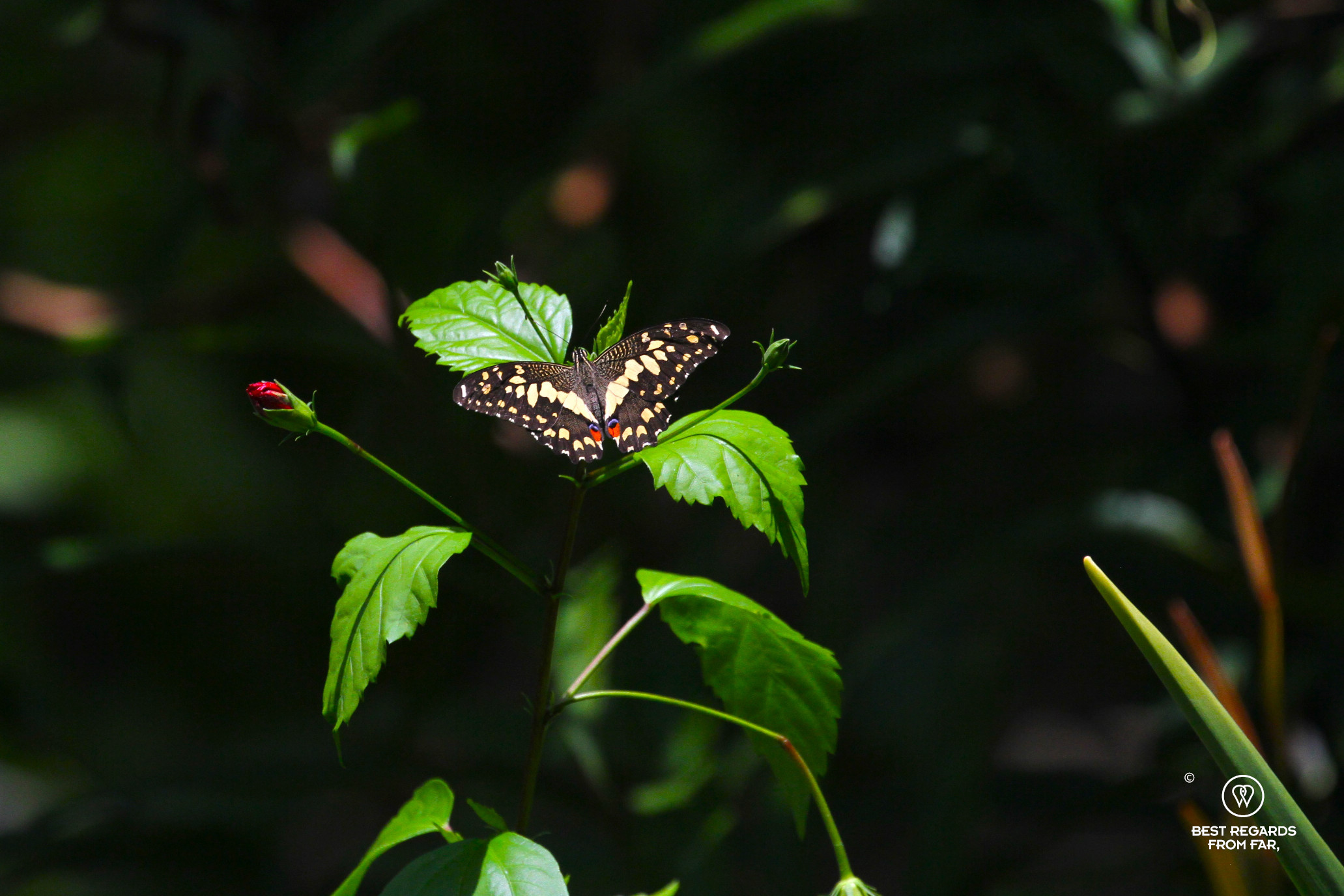
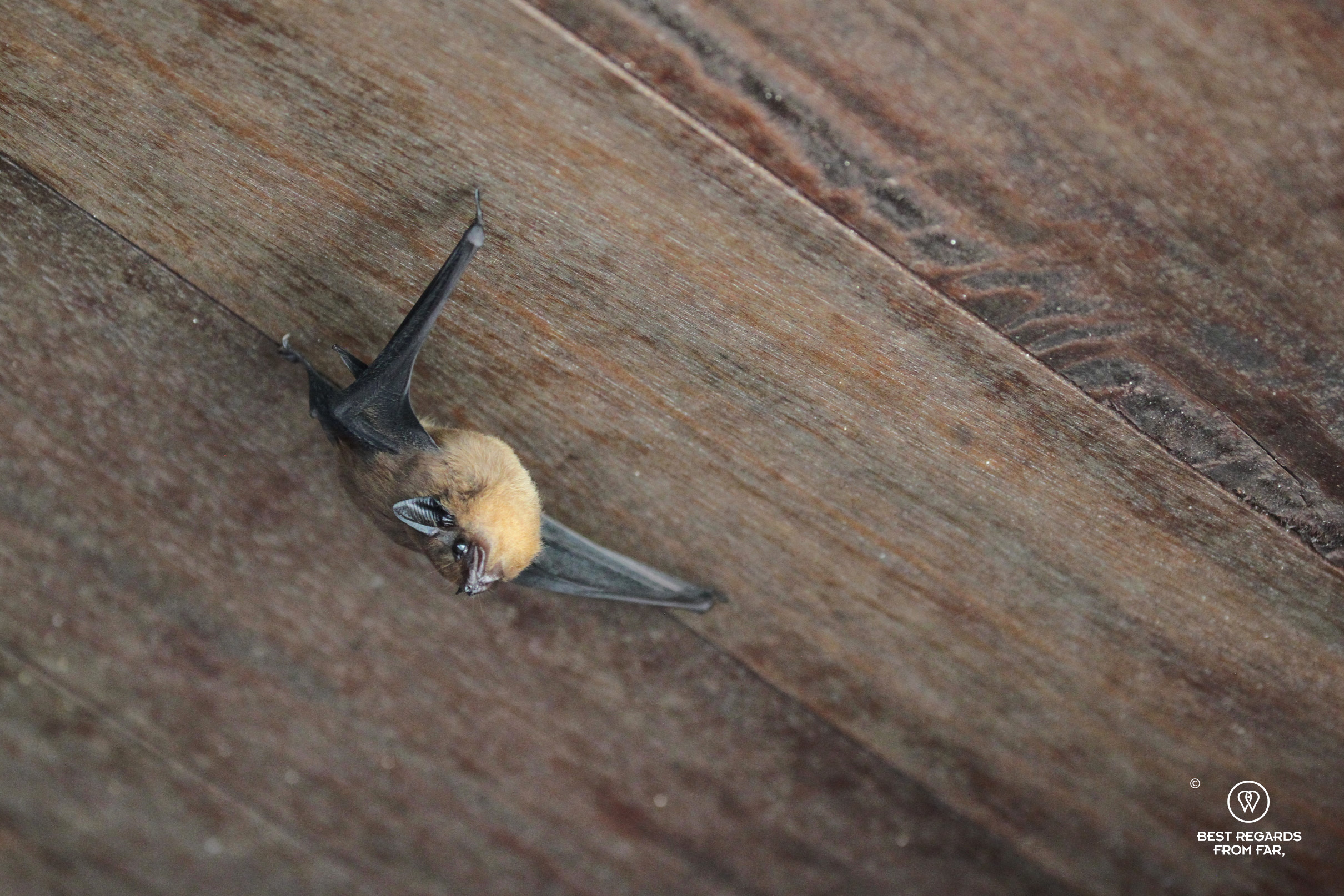
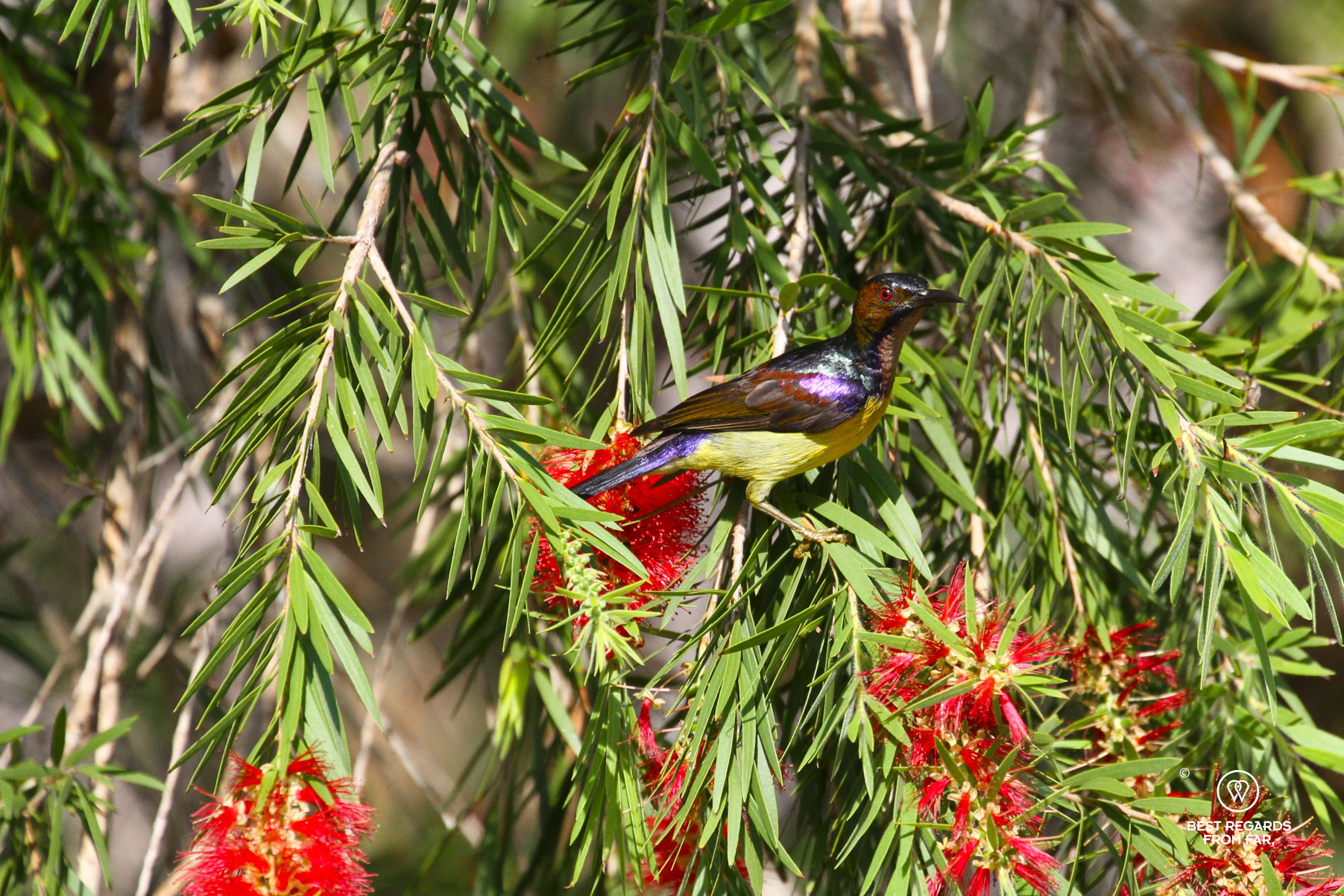
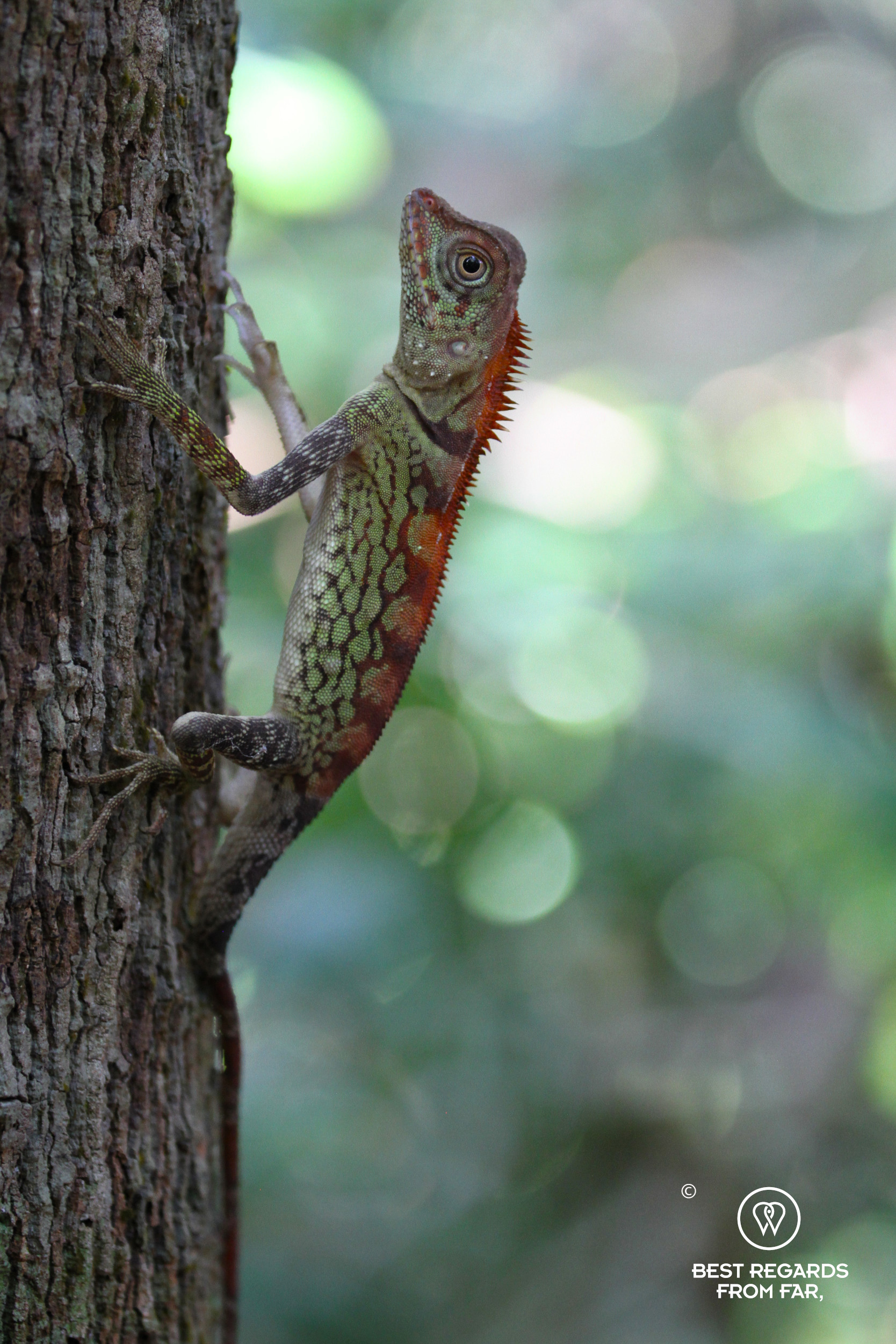
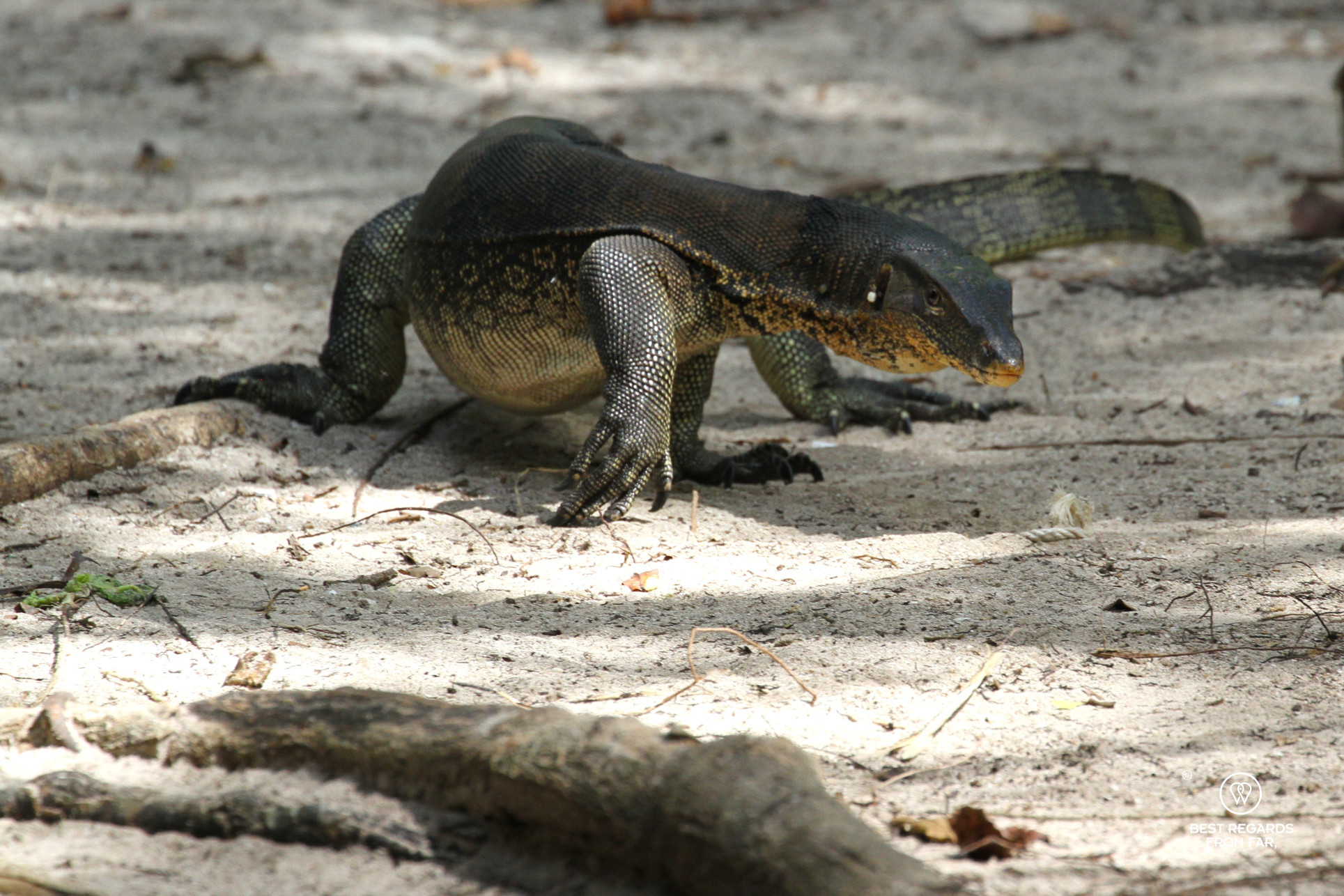
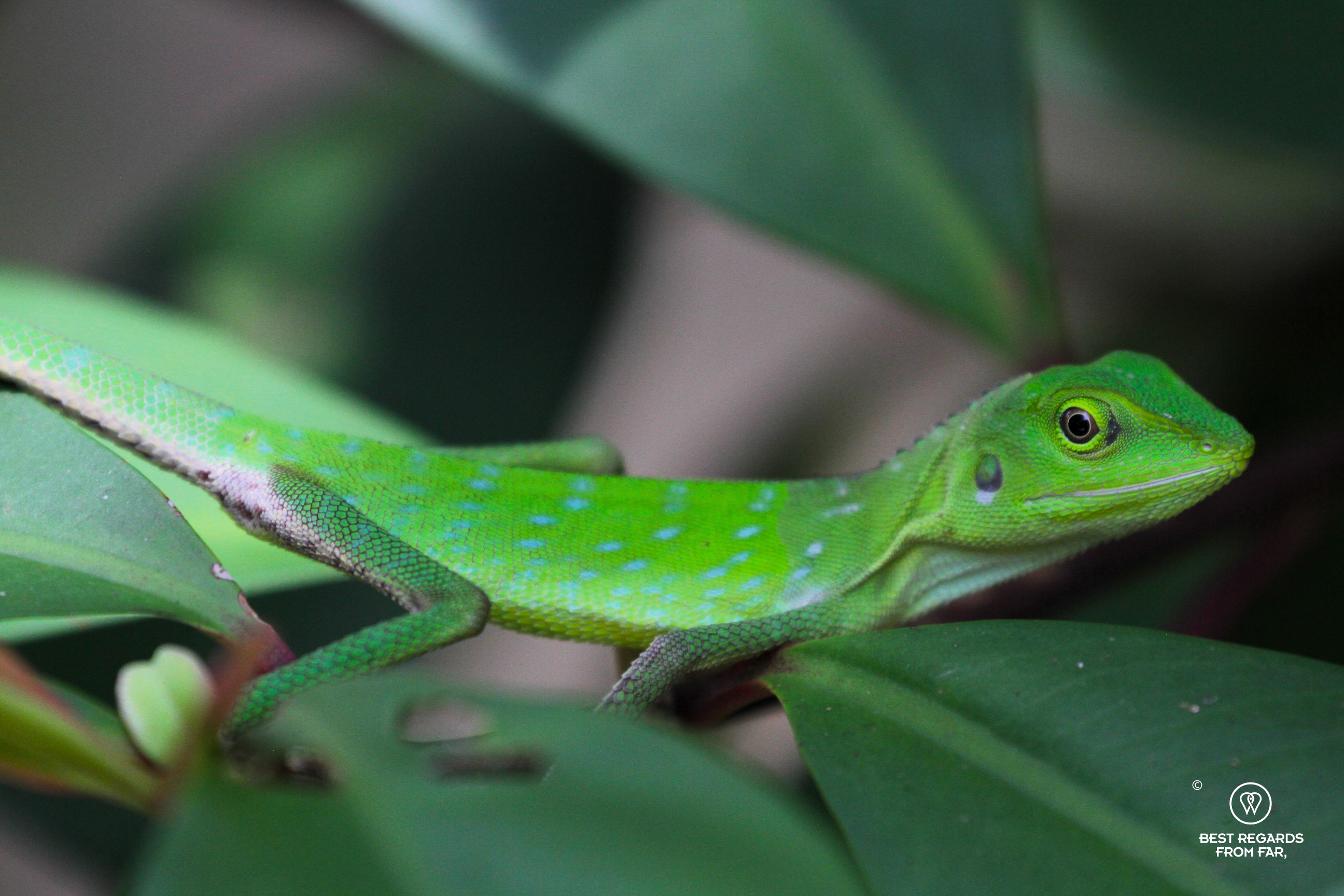
A few narrow and winding trails are towered by humongous hardwood trees which find their roots in Borneo (pun intended). Walks under the supervision of nature guides are an excellent opportunity to discover and explore the deep and lush jungle to the humming of insects, the chirping of birds, and the high-pitched whines of cicadas. Some angled-head lizards, hornbills, or maybe even proboscis monkeys may reveal themselves while the not-so-shy long-tailed macaques will definitely be in for some funny action while a spooky water-monitor lizard may startle hikers.
5. Kayak through the mangrove forest
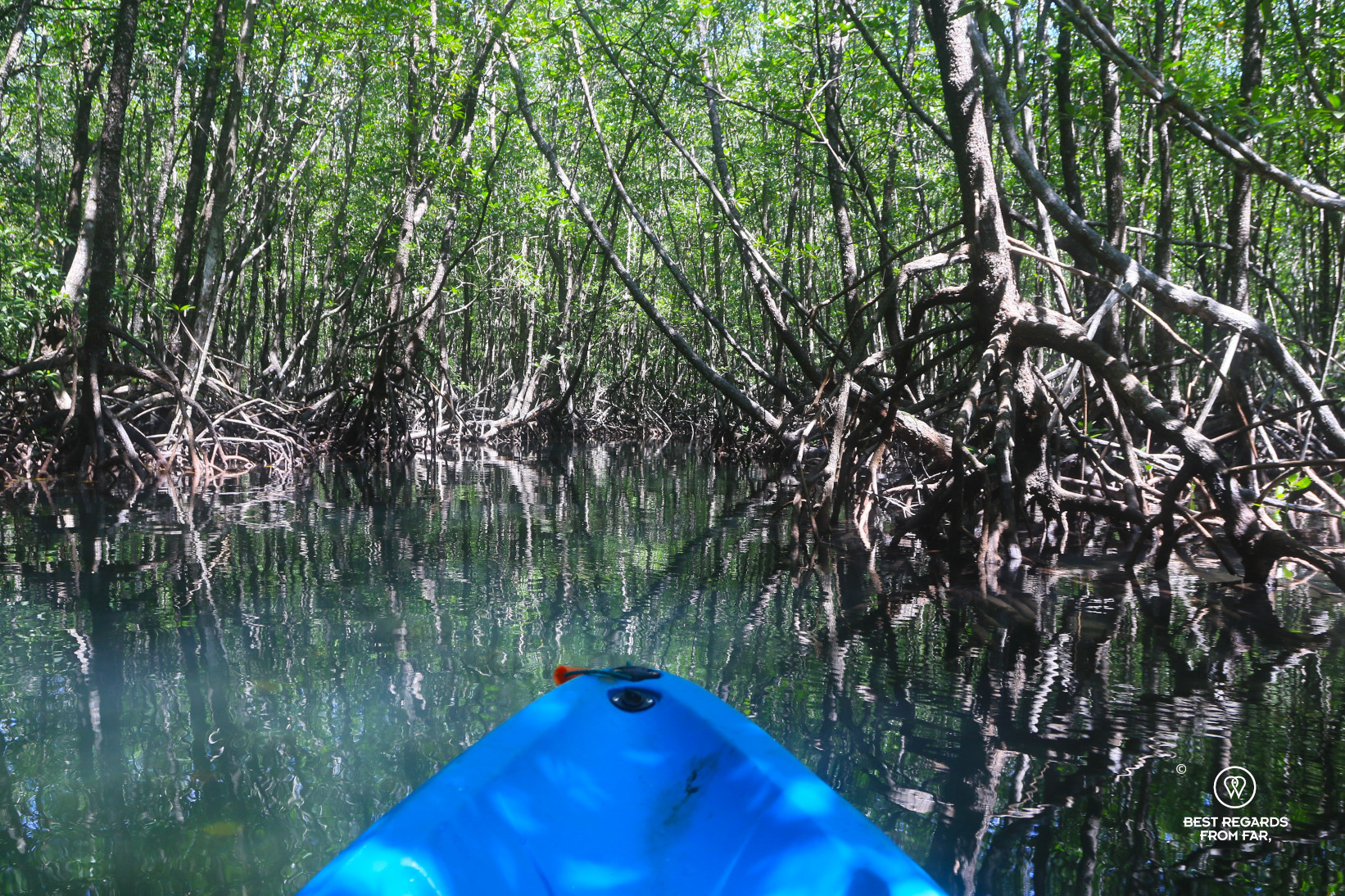
A buffer zone between the South China Sea and the precious rainforest of Gaya Island, the mangrove is a very specific ecosystem with its brackish waters. This forest protects the island against tsunamis and cyclones and plays an essential role in the biodiversity as it provides a shelter for many young marine animals before they reach a size big enough to venture out if it.
Naturally shady and slightly cooler, it is a respite from the burning sun only four degrees north of the Equator to paddle through the mangrove. With its whimsical roots reflecting in the still and dark surface of its narrow and winding channels, the mangrove forest is not only a surreal biome to explore kayaking but also a terribly efficient carbon dioxide trap. With multiple roots grown at will based on how much nutrients are needed by the tree, a lot of carbon dioxide is stored in the swampy soils and mangrove forests produce way more oxygen than the average forest. “A mangrove forests releases five times more oxygen than your average forest”, the marine ecologist Bata explicits while guiding his kayakers through the maze of trees in which it is hardly possible to differentiate roots from branches as they are actually similar.

6. Pamper at the Spa Village with indigenous treatments
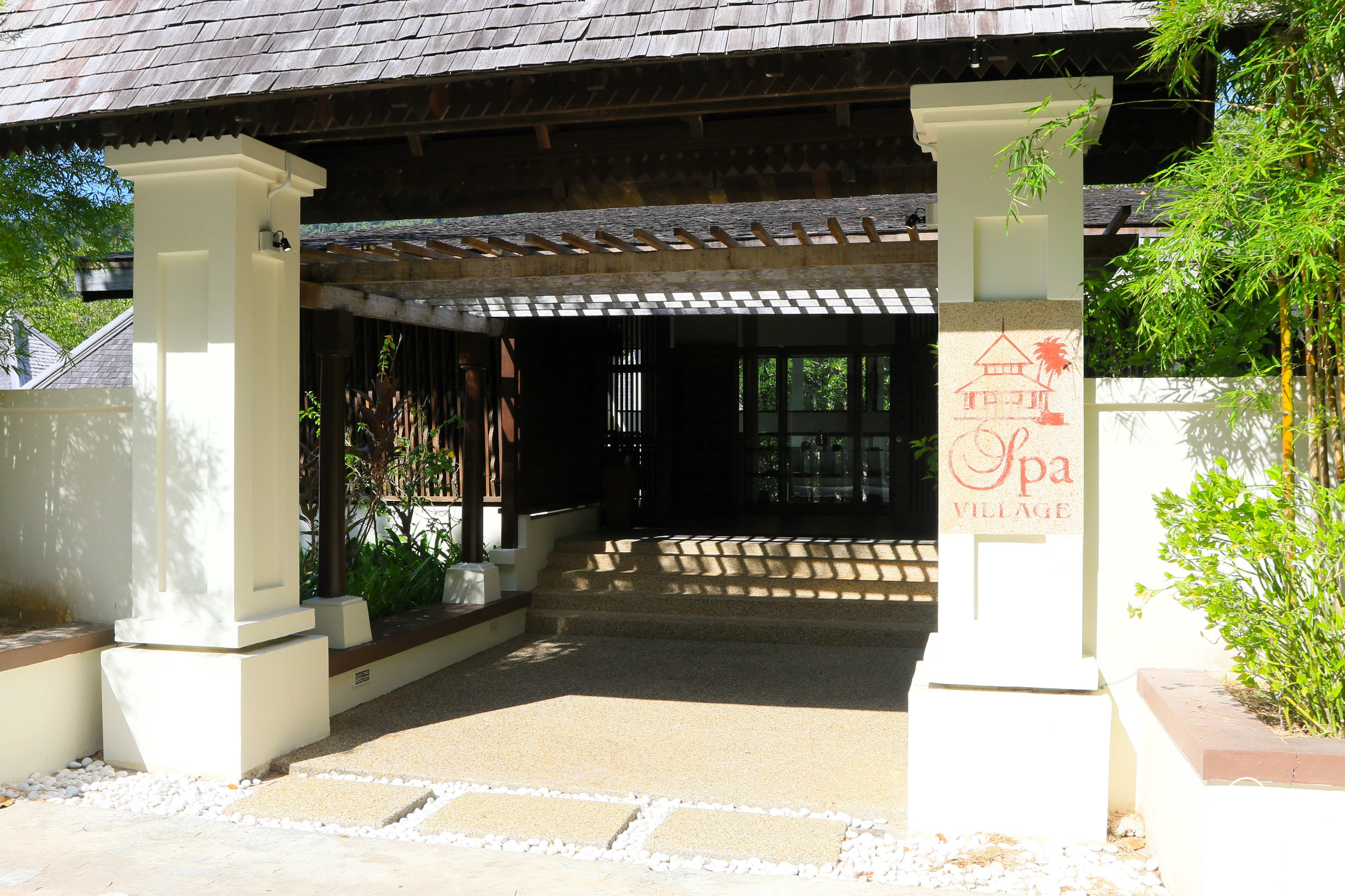
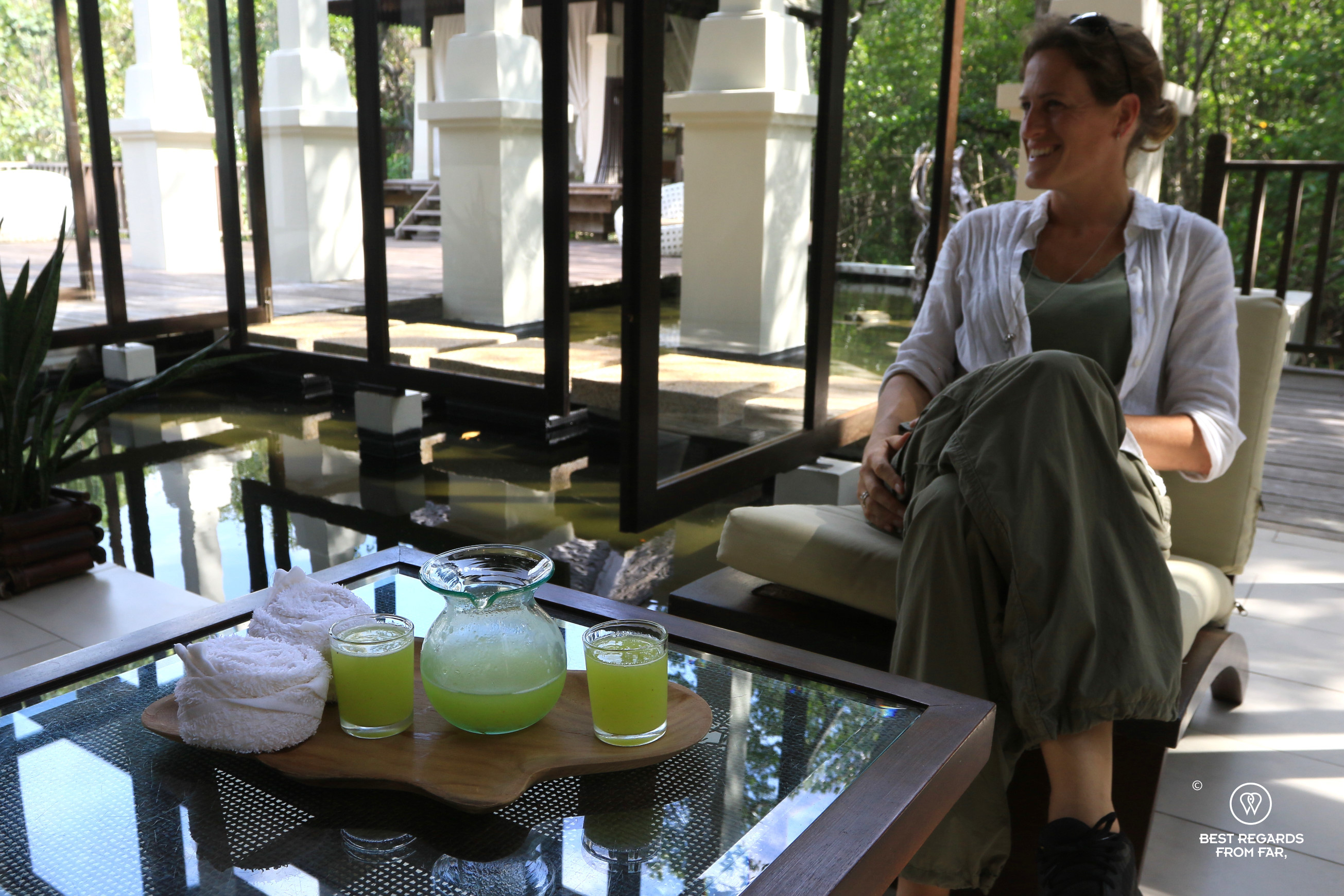
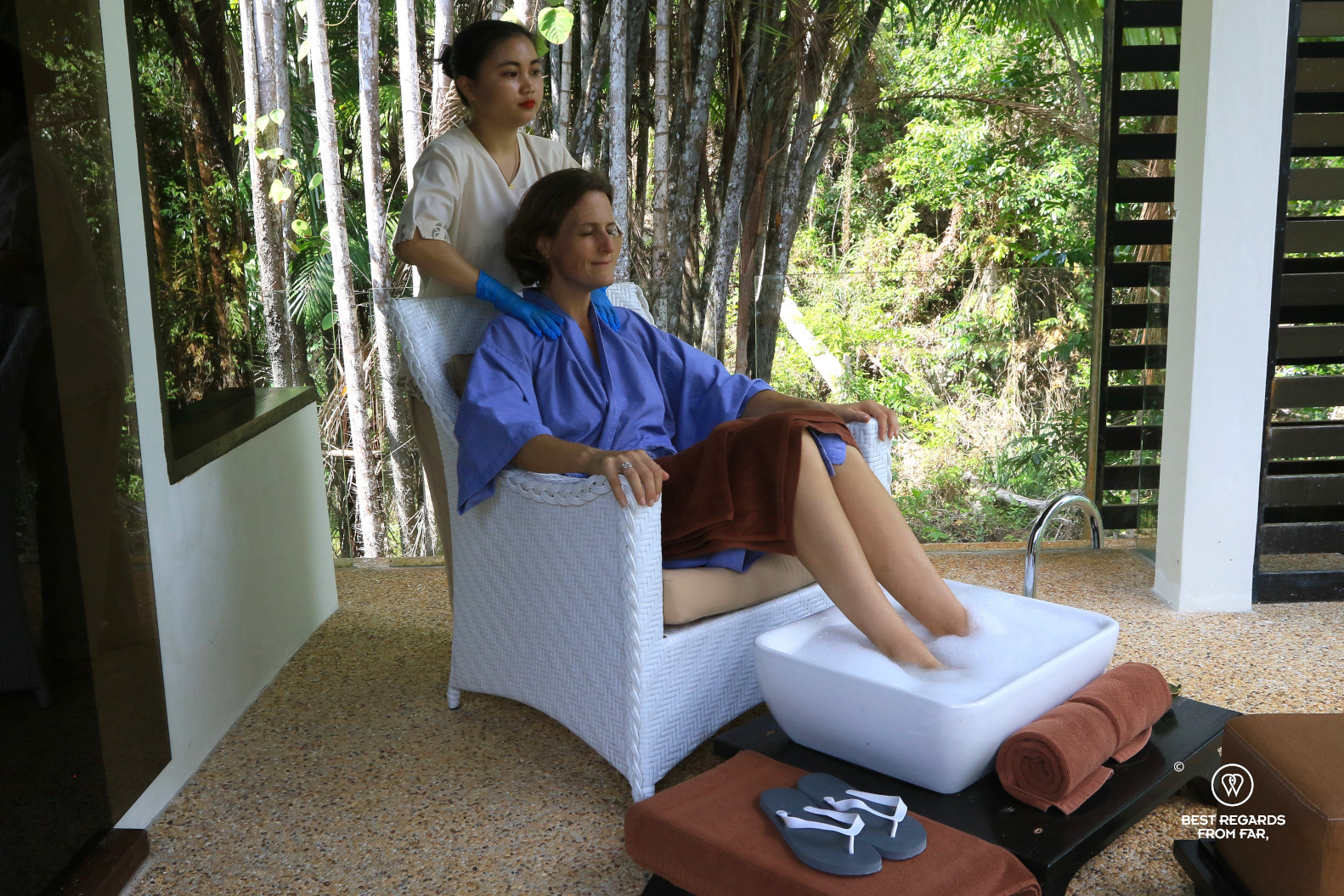
The lush jungle of Gaya Island also hosts the discreet Spa Village, inspired by local ingredients and pampering techniques.
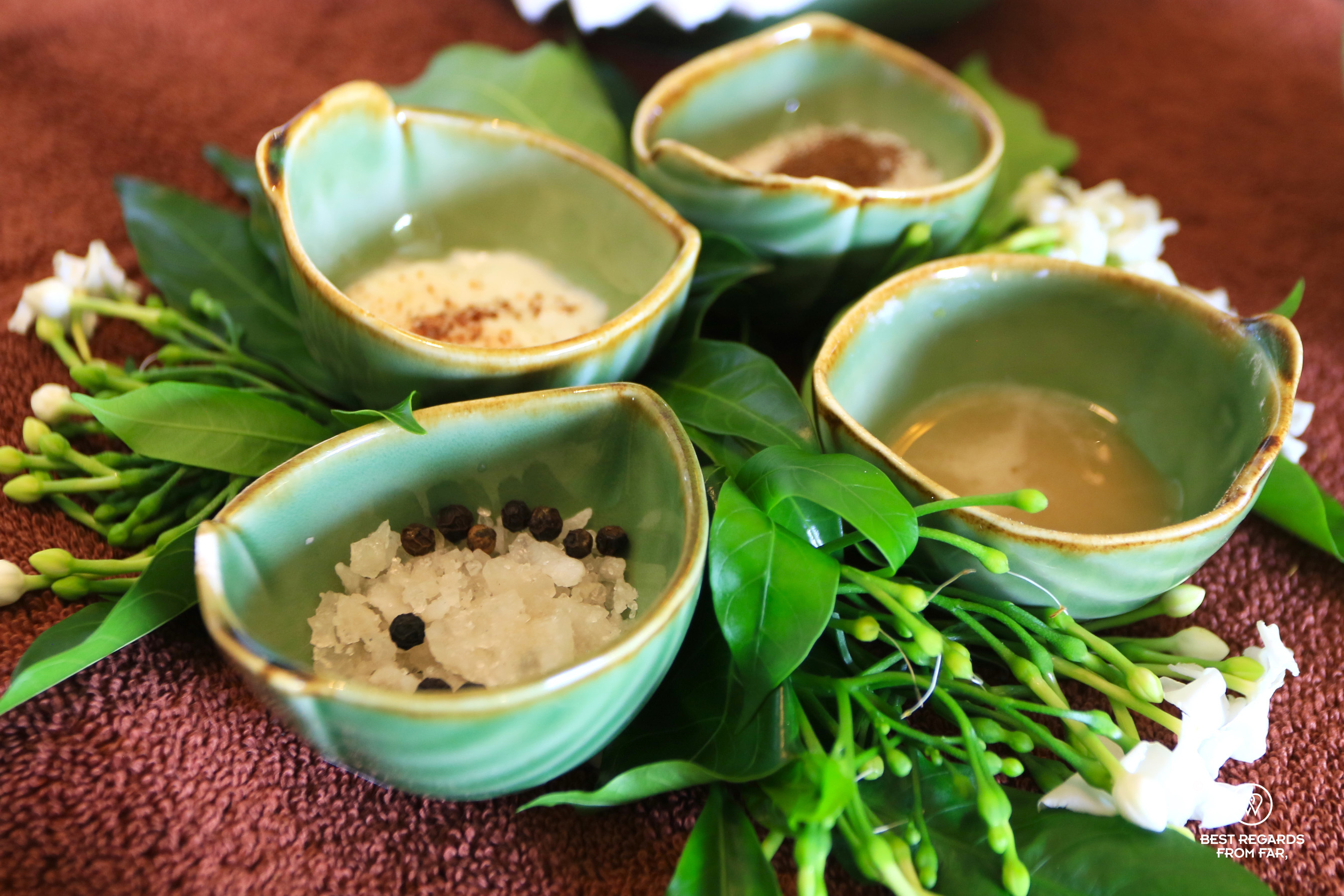
Unique to the Gaya Island Resort is the Tadau Kamaatan, a three-hour immersive spa treatment inspired by the importance of rice and the mythical relationship that the indigenous tribes of Sabah have with Asia’s most consumed grain.
From rejuvenating body scrubs infused with natural ingredients such as red rice, corn, coffee grains, tree bark, and cinnamon to soothing hair masques infused with coconut and avocado, from vigorous indigenous massages involving warm rice pouches to nutritious facials using honey and avocado seeds, every part of the spa journey honours the tradition of Sabah and its tribes with their wealth of knowledge of medicinal plants.
7. Taste the deliciously unique Gayan bouillabaisse
World’s third largest island (after Greenland and New Guinea and considering Australia is not an island but a continent), Borneo is a seafood heaven!
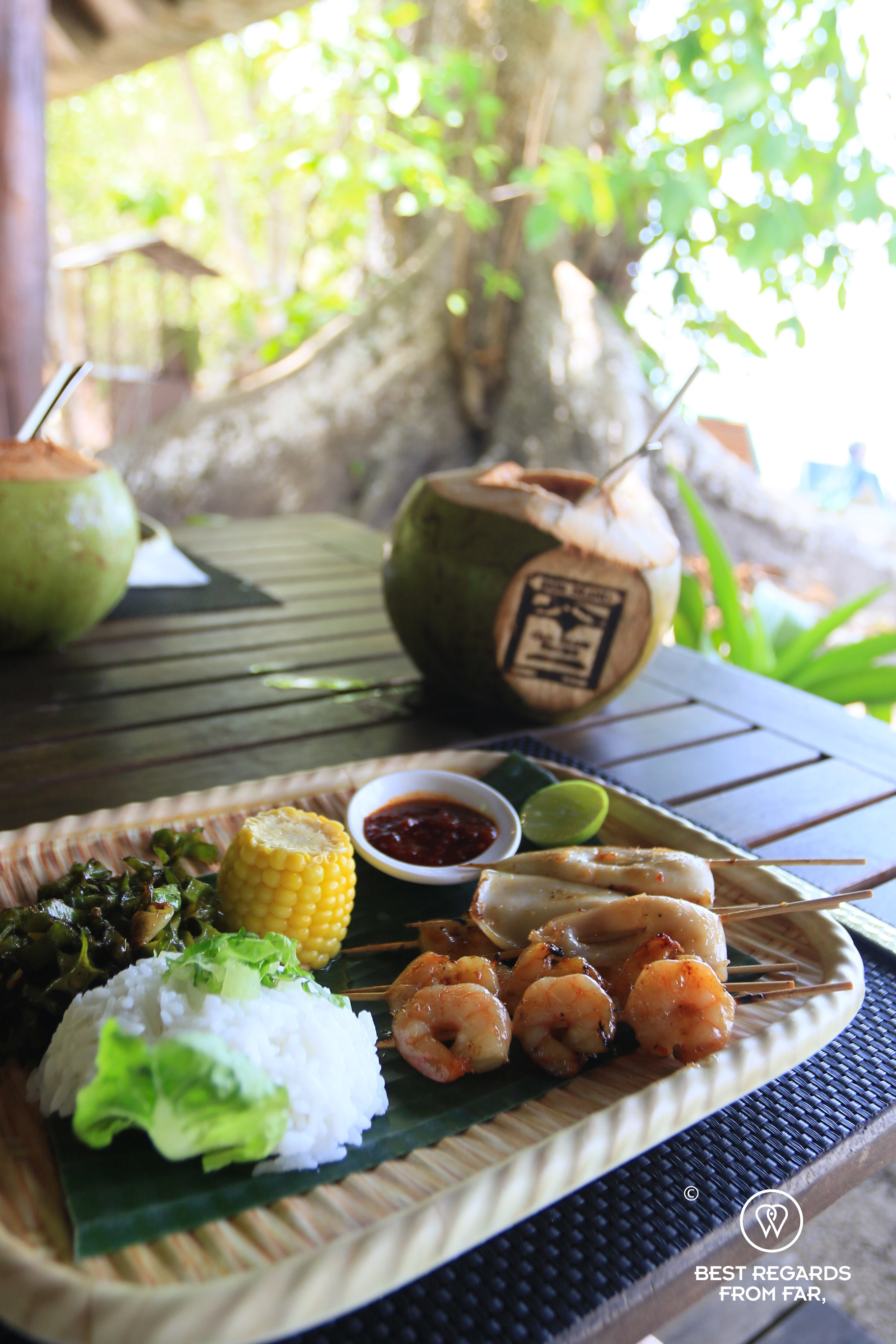
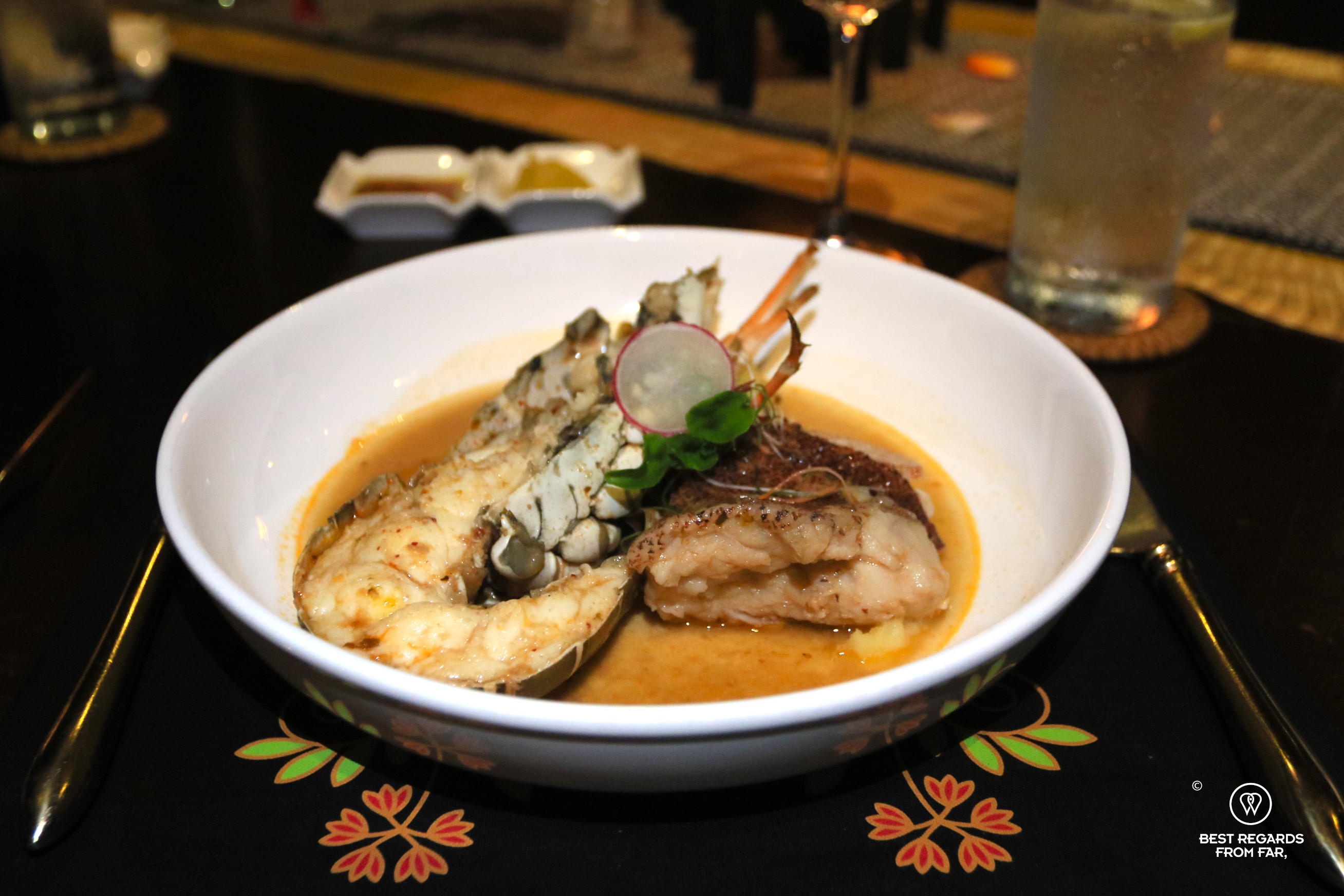
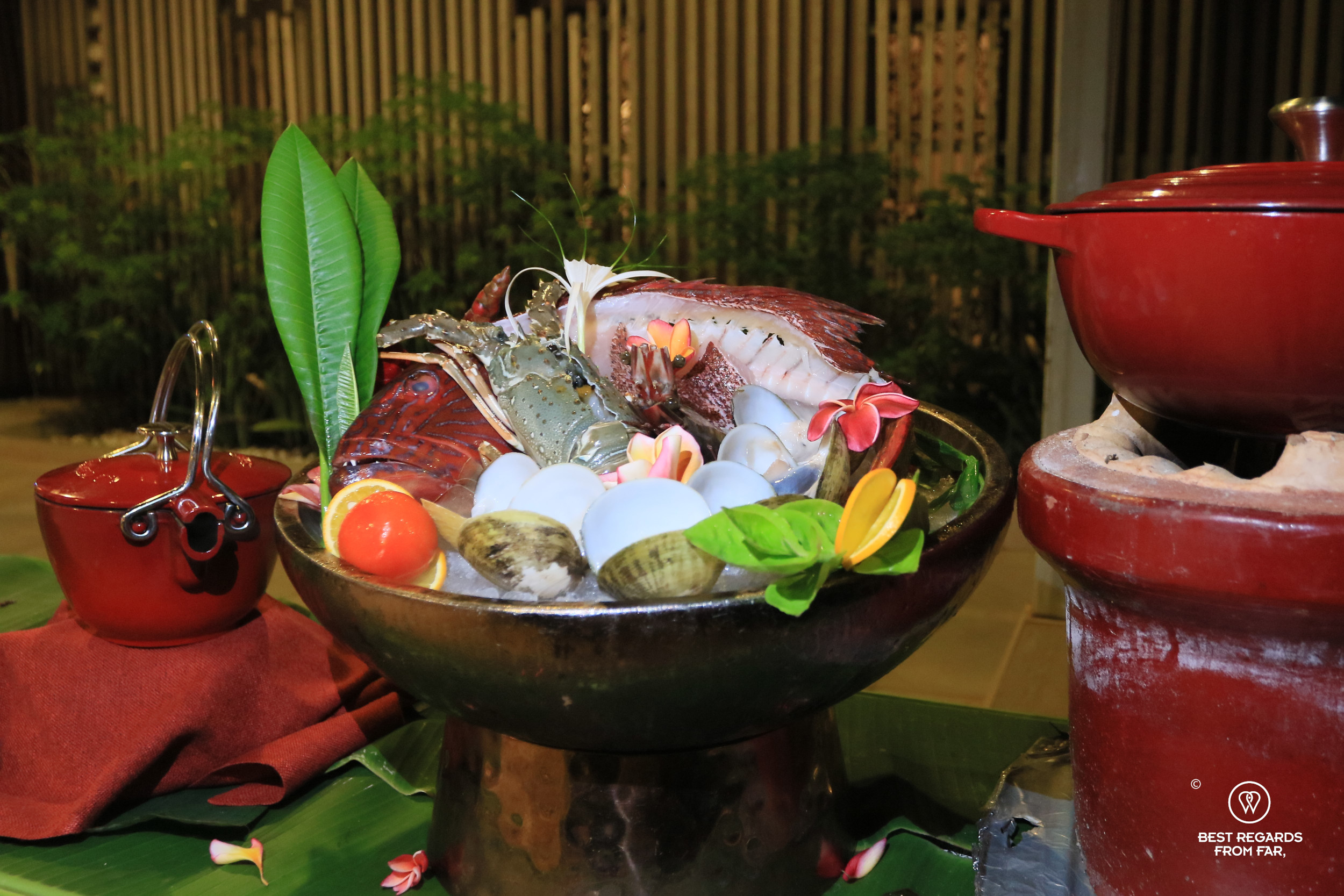
Inspired by the famous French bouillabaisse, using only local seafood, and with a soft spice Asian twist, the Gayan Bouillabaisse is a unique private dining experience not to be missed!
Overlooking the South China Sea, the local fish, molluscs and crustaceans are cooked at the table by a personal chef for an unforgettable multi-course gourmet dinner under the stars.
8. Take in the sunrise on Mount Kinabalu
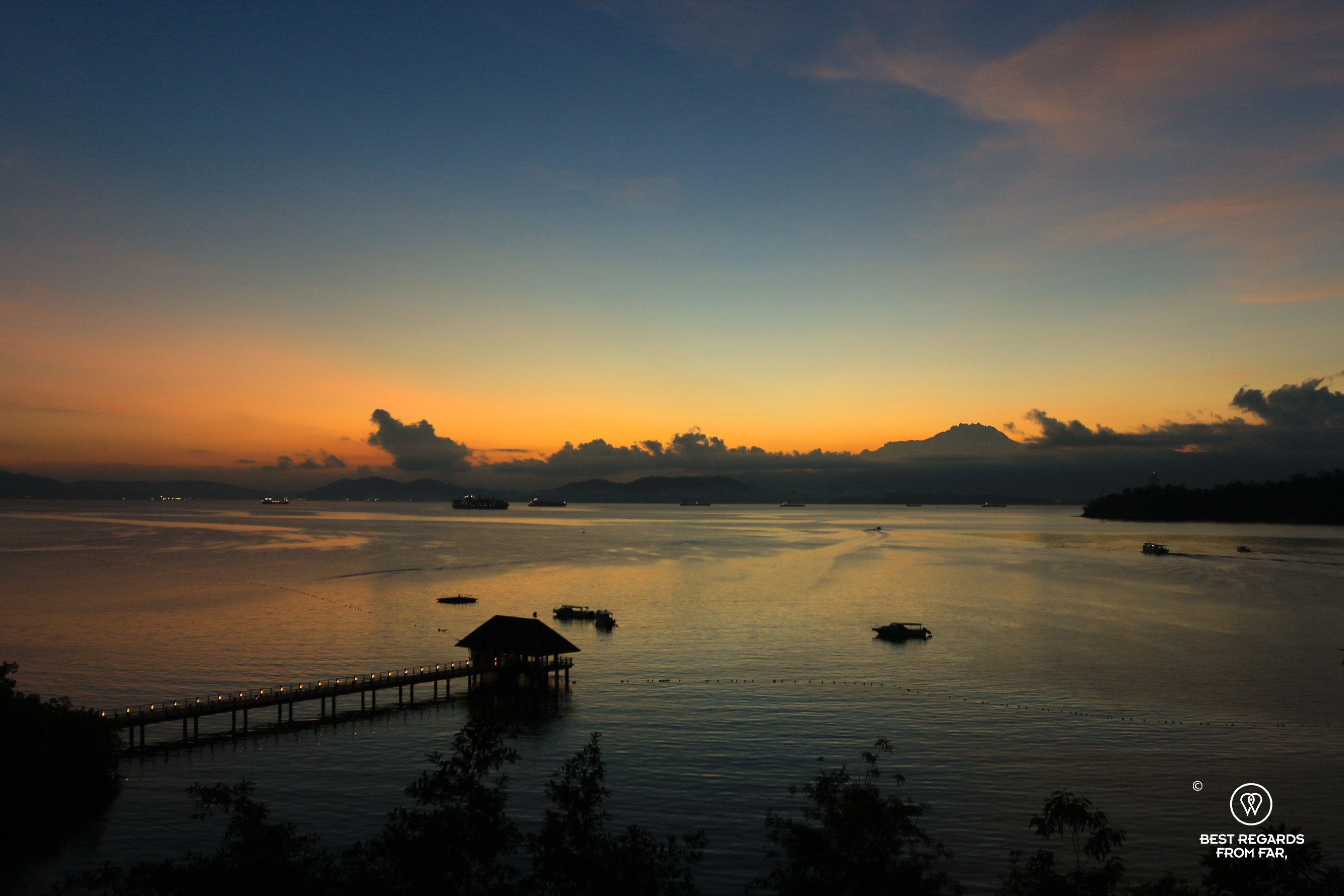
The outdoor terraces of the rainforest villas are the ideal place to start the day, observing the sun rise behind Mount Kinabalu, Southeast Asia’s highest peak with its 4,095 meters (13,435 feet).
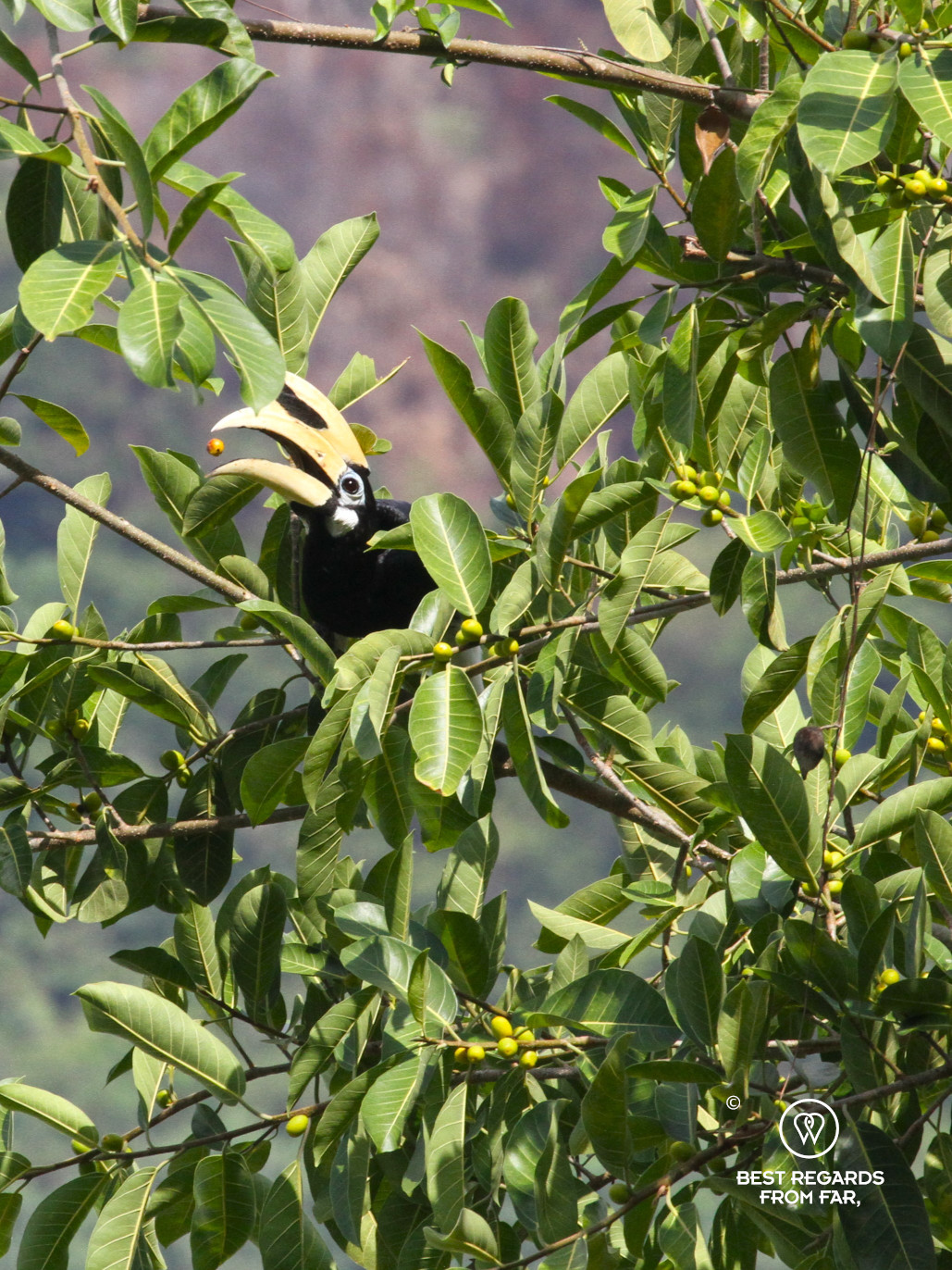
It is also the best moment to observe the oriental pied hornbill foraging the treetops surrounding the villas in search of their favourite meal while the nocturnal flying squirrels make their way home to sleep and the long-tailed macaques are on the lookout for another trick to play.

Travel tips:
- While some parts of Sabah are unsafe due to piracy, this part of Sabah with the Gaya Island Resort is completely free from pirates.
- Gaya Island is conveniently located just across from Kota Kinabalu, capital of Sabah that is linked to Kuala Lumpur and Singapore multiple flights a day.
- Check out our interactive map for more in the area (black pins lead to an article):

For more in Malaysia, click on the images below:


 Best regards from far,